Blog Strengthening bean pathology collaboration to combat diseases and pests in Africa
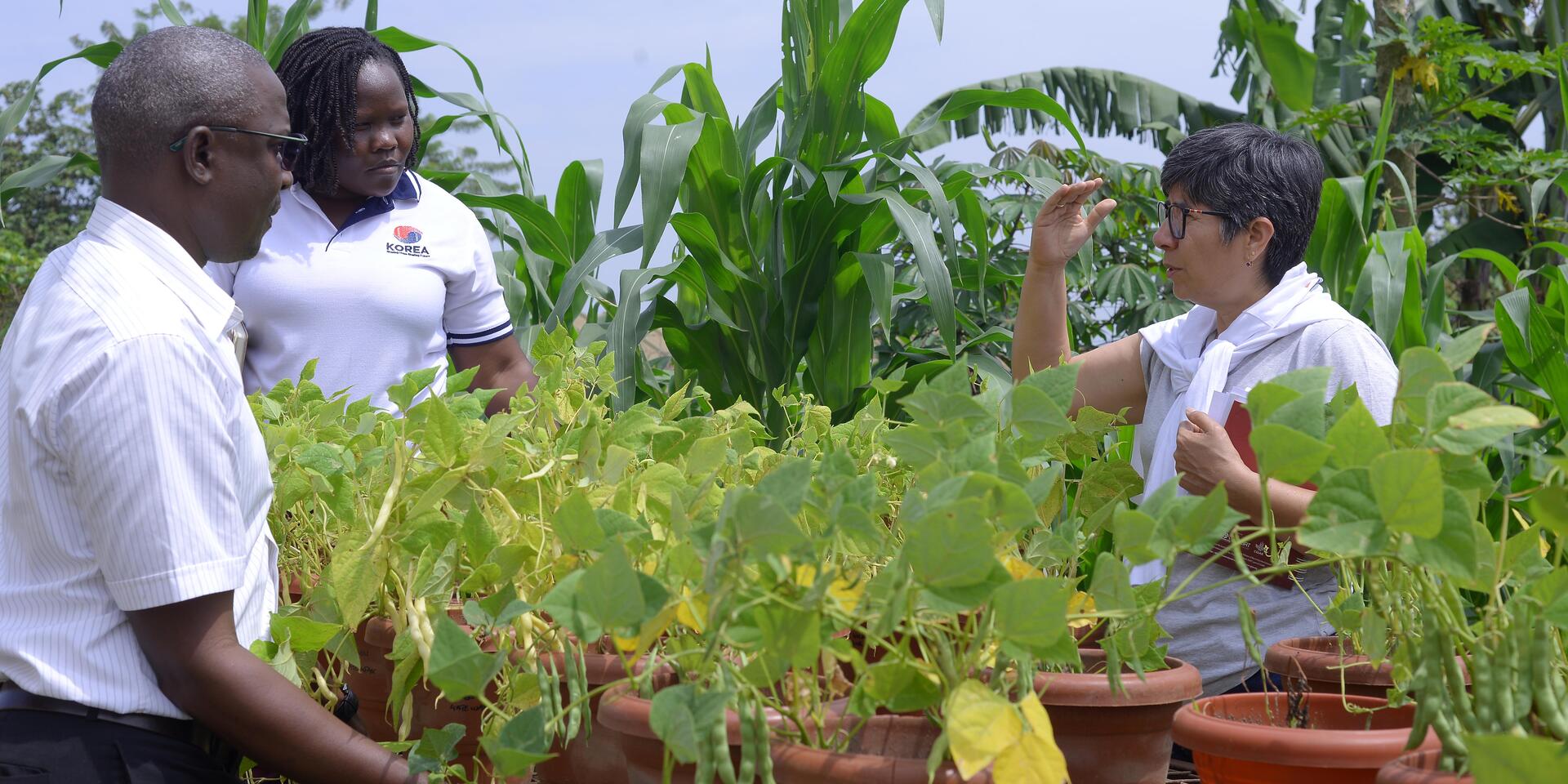

The bean pathology team of the Alliance of Bioversity International and CIAT - in collaboration with Uganda’s National Agricultural Research Organization (NARO) – is committed to addressing the challenges posed by diseases and pests (D&P) in bean production.
In recent years, the team has worked to align and leverage its collective expertise towards a common goal: updating and improving information on the key biotic constraints affecting farmers’ fields in several African countries, with Uganda serving as the starting point.
This collaboration focuses on harmonizing data collection protocols, training local personnel, and identifying disease- and pest- prone field sites to understand the intensity and diversity of D&P affecting bean crops under real farming conditions. These efforts aim to enhance the quality of data necessary to accurately assess risks and support the development of targeted, effective, and sustainable mitigation strategies. This collaboration, facilitated through a strategic approach called the Sentinel Trial Establishment, would enable the rapid tracking of pathogen virulence patterns and practical early detection efforts, where the involvement of NARs and other stakeholders is crucial in reducing the effects of diseases & pests on crop production.
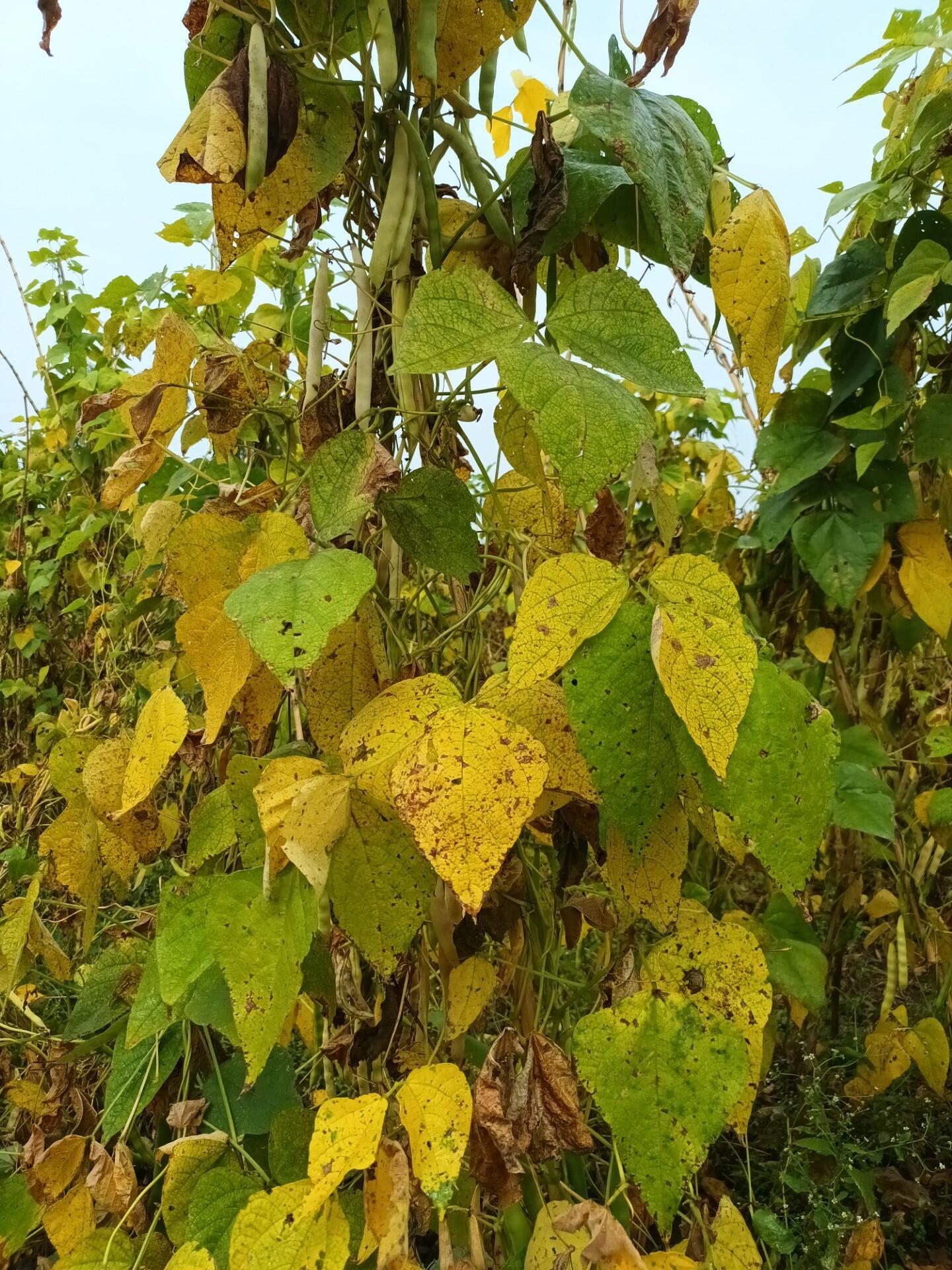
In June 2025, we visited RAB stations and bean farmers' fields in Rwanda to assess the foresight capacity and production challenges in this country. This visit also extended to Uganda, where we reviewed the results from the 2024 sentinel trials established in Uganda, engaging with the Alliance-Kawanda bean research group (molecular markers, breeding, and pathology), as well as the NARO legume program leader.
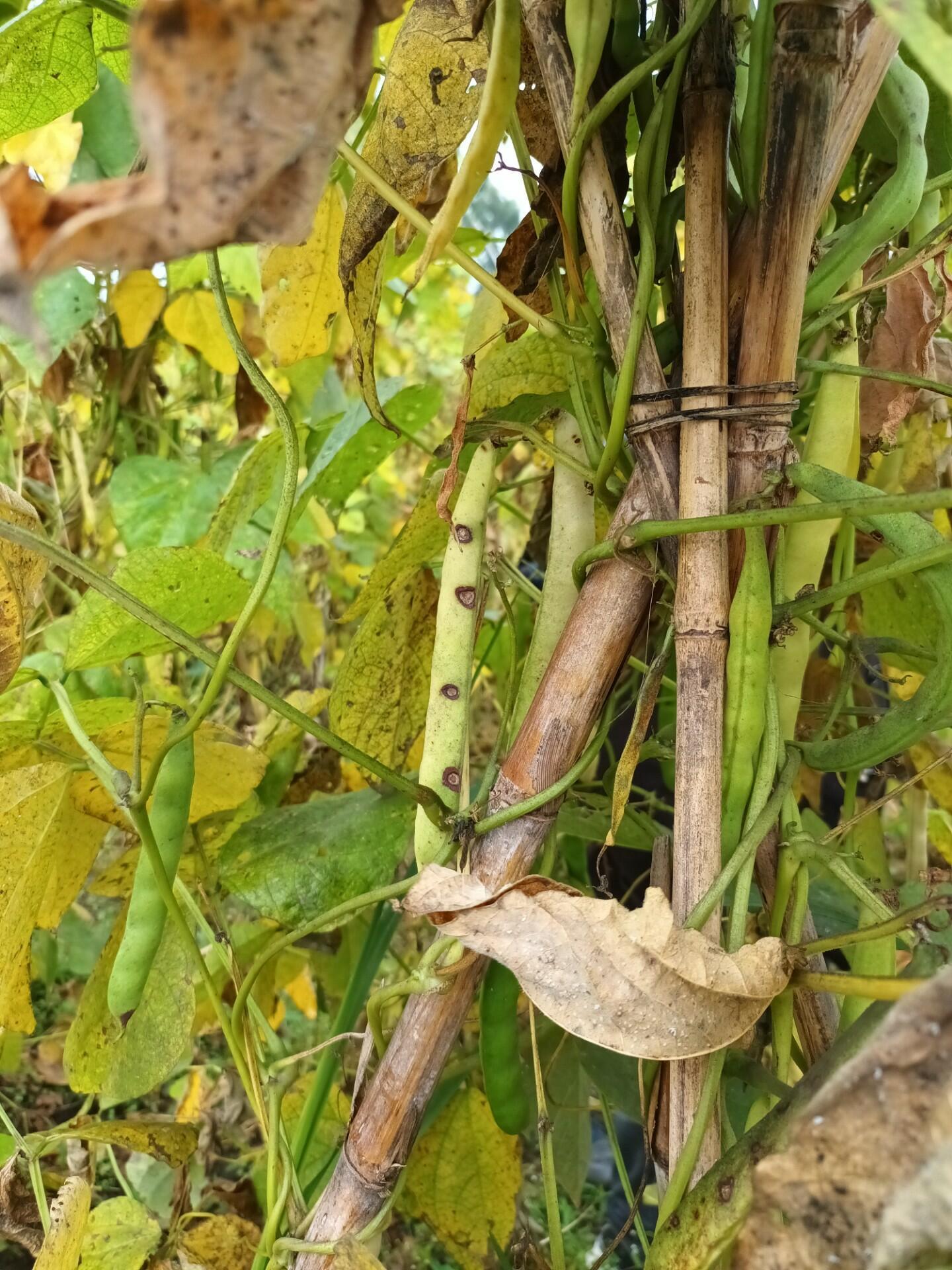
As part of the achievements of this visit, the team from the Alliance and NARO was able to evaluate trial sites for 2024B and strategize for 2025B sentinel trials. Specifically, alternative screening sites (Rwebitaba and Sironko) were identified for bean Anthracnose resistance screening, as we had not obtained credible data for the same disease during the previous two sentinel trials. Rwebitaba too seems to be a hotspot for other bean diseases such as ALS, Rust, and Web blight. We shall, however, continue to use Lwengo for monitoring bean diseases such as Angular Leaf Spot and Rust. If resources permit, more sentinel trials could be established in the Hoima district, which is a hotspot for ALS and Southern blight. In addition, we refined our sentinel plots approach and developed the work plan for 2025 and beyond.
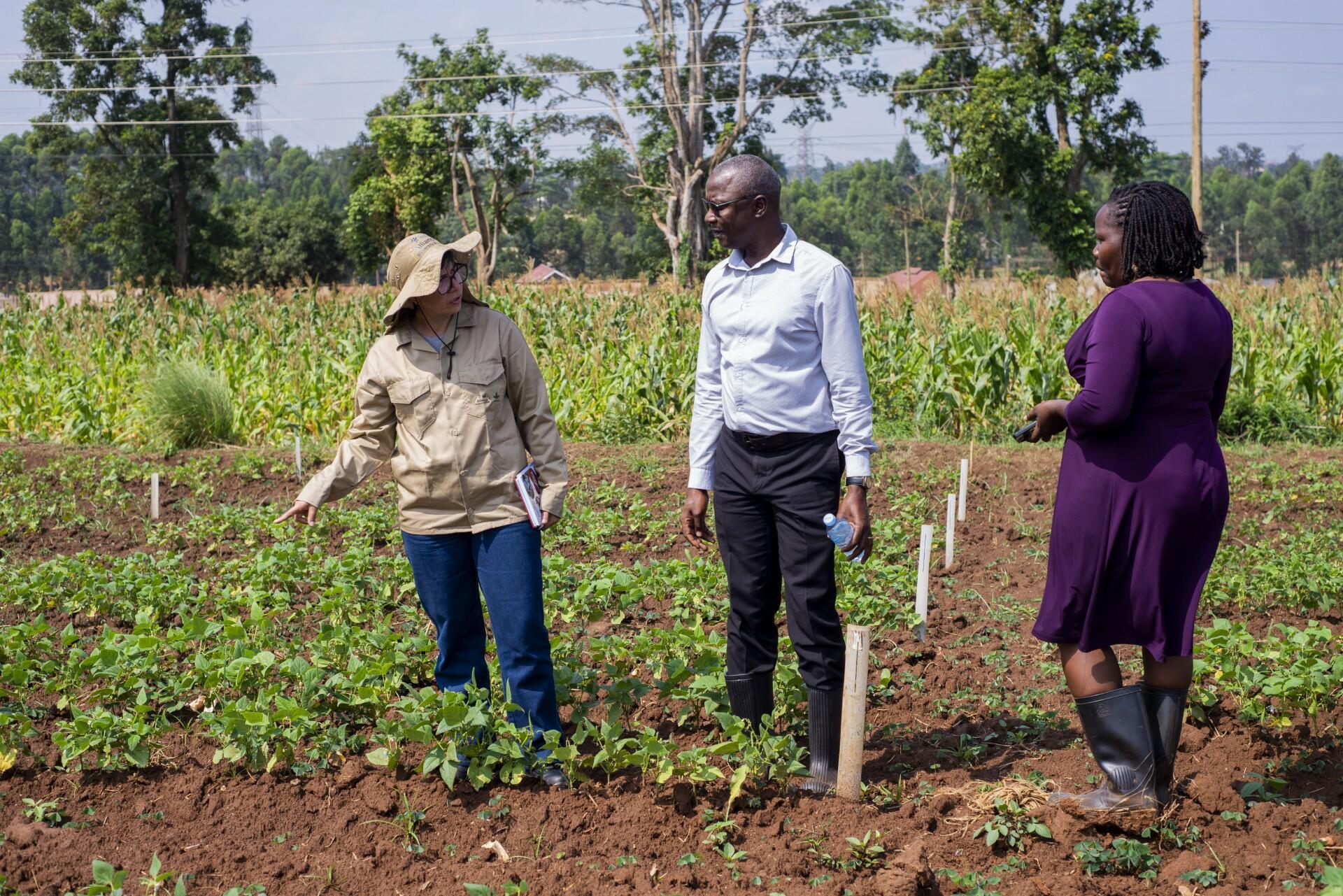
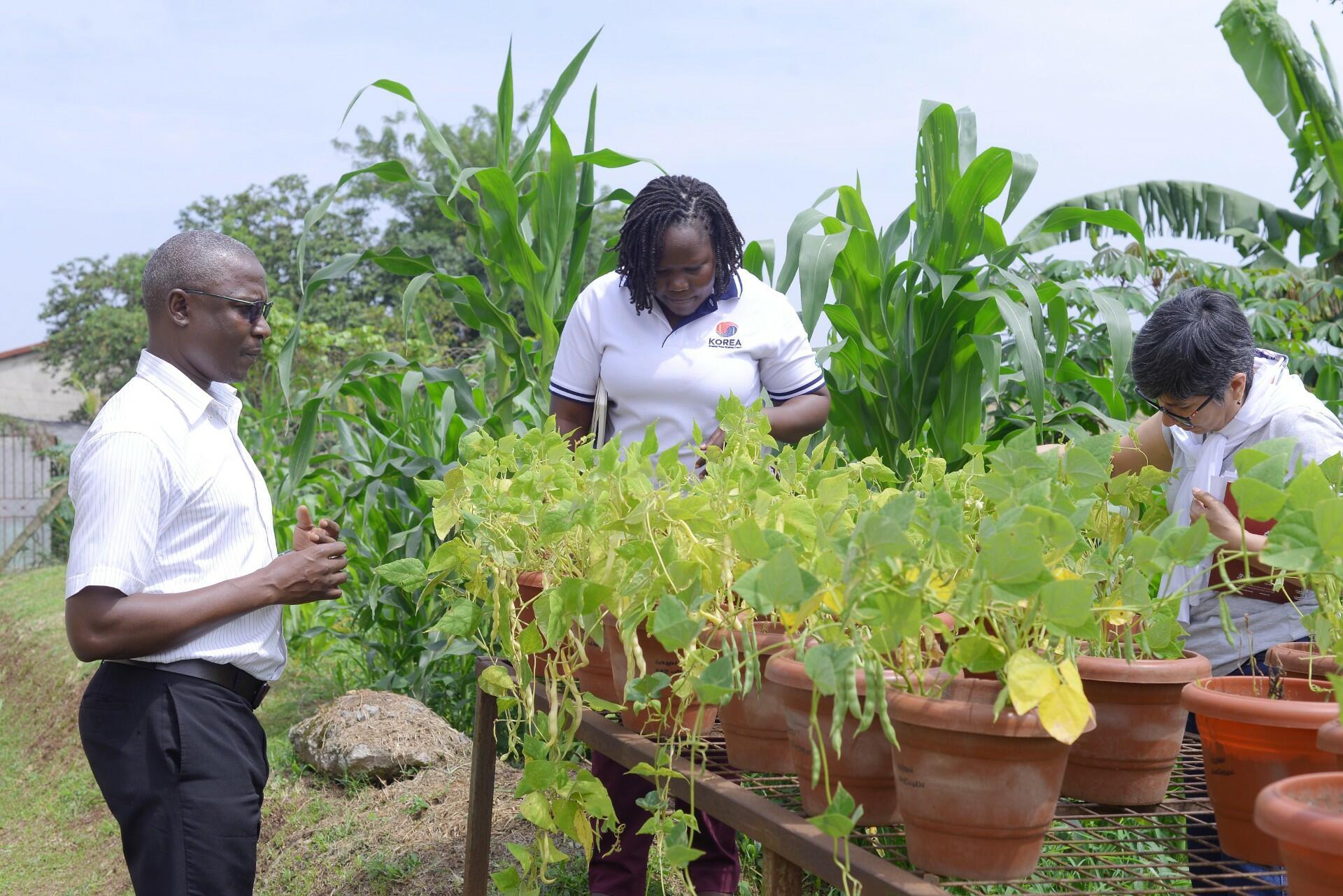
Fred Kato, Research Specialist with the Alliance of Bioversity International and CIAT’s bean program, emphasized the significance of this work:
“Beans are a vital source of protein, minerals and calories for millions of people across Africa. However, pests and diseases pose a significant threat, often resulting in substantial yield losses and jeopardizing the food and nutritional security of vulnerable communities. Despite the importance of the crop, many countries lack up-to-date, standardized data on the key biotic constraints affecting bean production. This initiative seeks to bridge that gap by harmonizing data collection protocols and strengthening local capacity, enabling more accurate risk assessments and more timely, effective responses.”
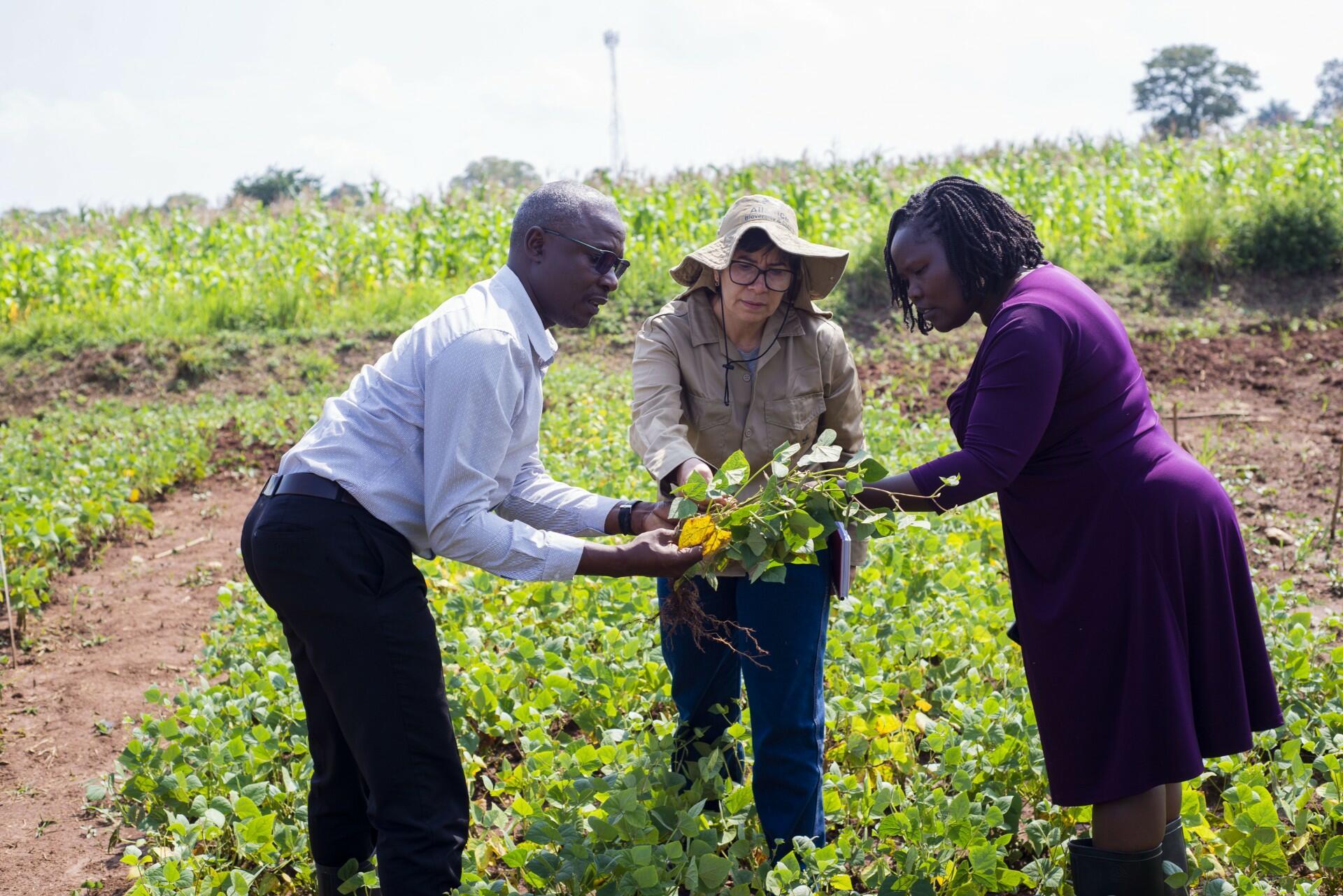
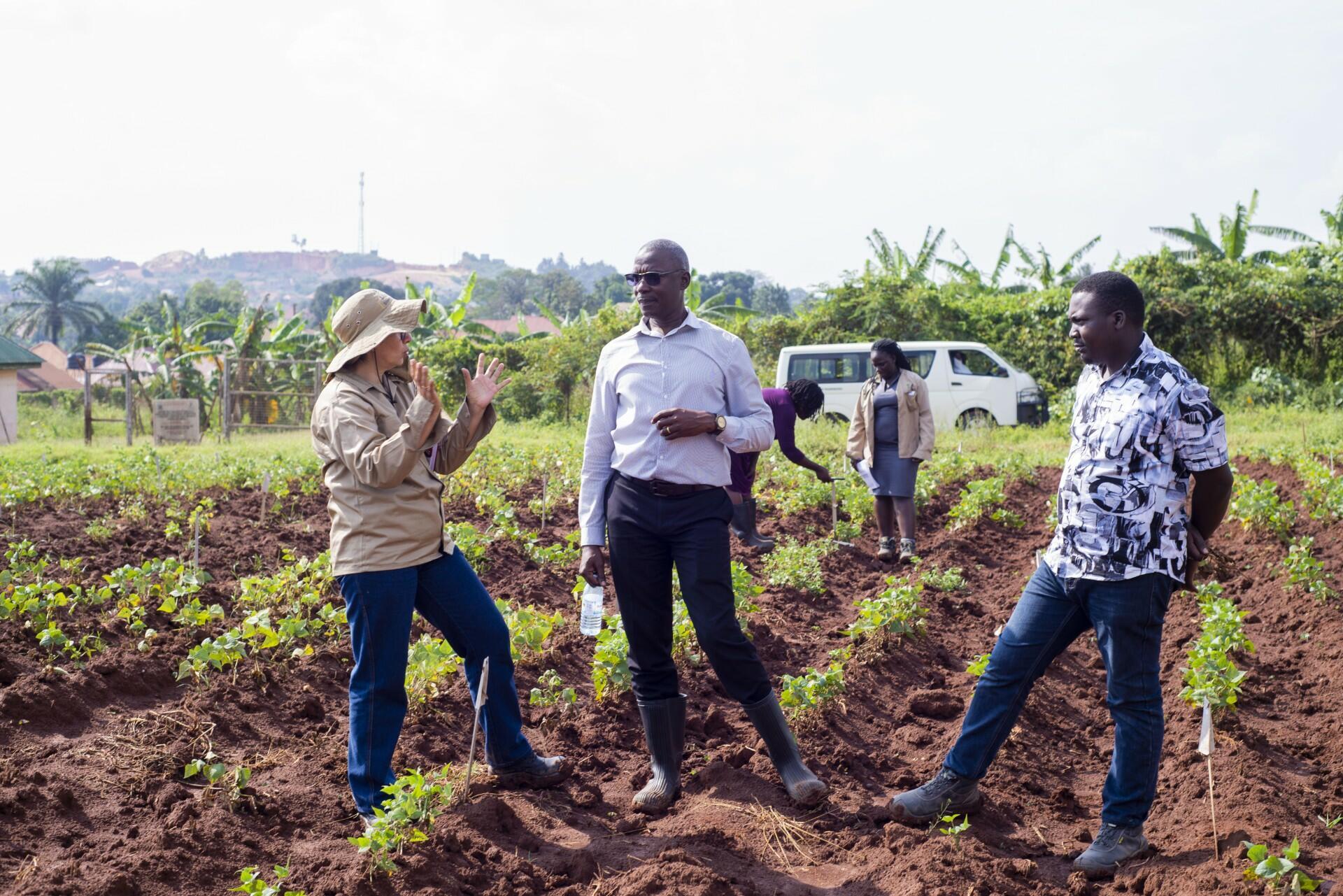
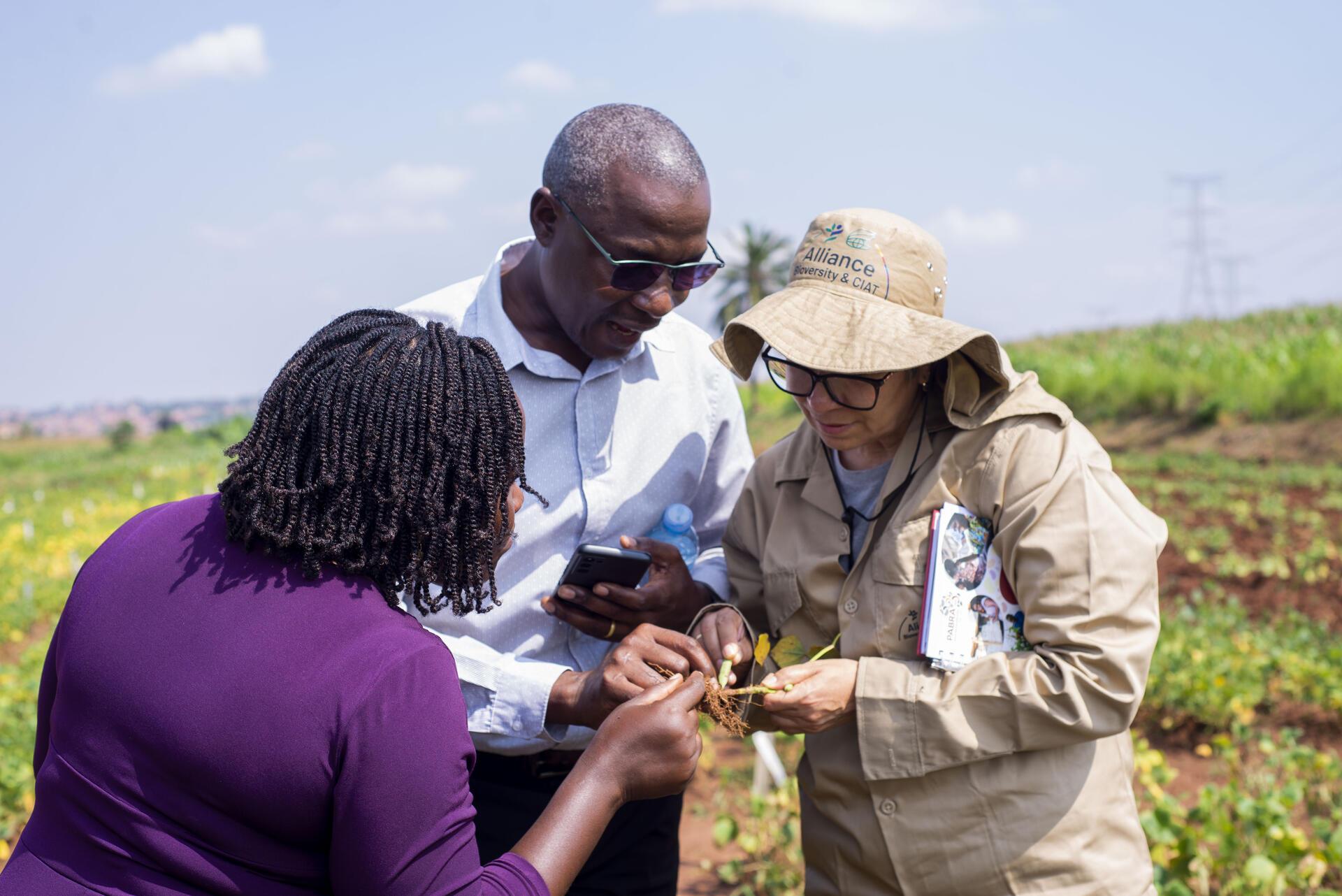
The initiative was launched under the Consultative Group (CG) Plant Health framework (2022–2024) and is now being continued through the Farming Systems Science Program. This approach will support the breeders with genetic diversity of beans to identify sources of resistance to multiple diseases, as well as a training platform for regional partners in disease assessments. It will also enable the mapping out of most disease hotspots at regional levels to establish priorities for breeding and other management measures.
The Team
Gloria Mosquera
Plant Pathologist and Project Leader