Blog State-level stakeholder consultations guide the Himalayan Agroecology Initiative in India

The Himalayan Agroecology Initiative (HAI) continued its state-level engagements with consultations across three different states in India, seeking to strengthen and refine the Indian Himalayan roadmap that will soon guide the thinking and action of high-level decision-makers and key stakeholders toward enhancing food systems resilience in the country.
The work continues for the Alliance of Bioversity International and CIAT as it leads the collaborative planning and stakeholder engagement in India as part of the multi-stakeholder consortium, Himalayan Agroecology Initiative (HAI).
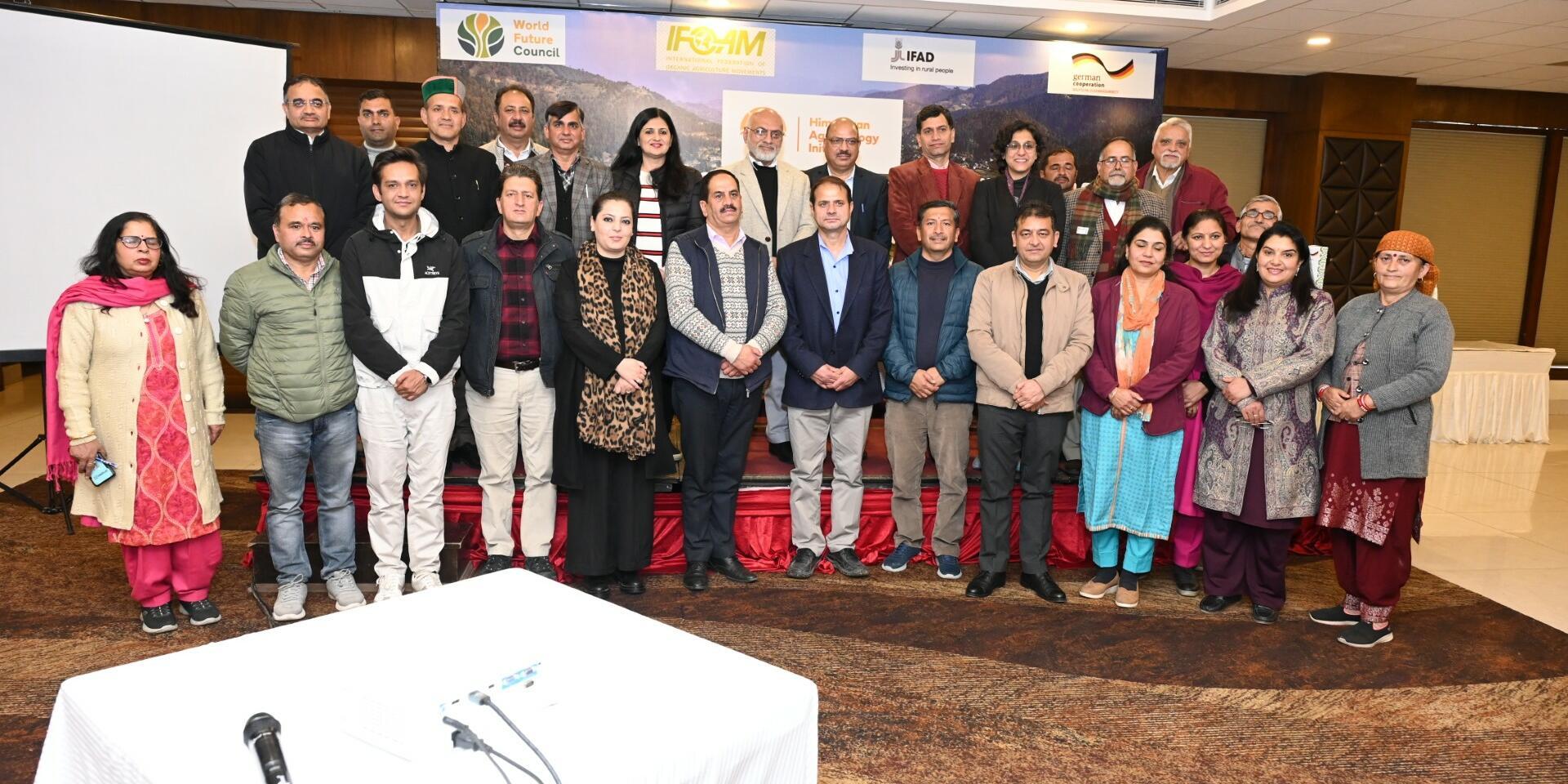
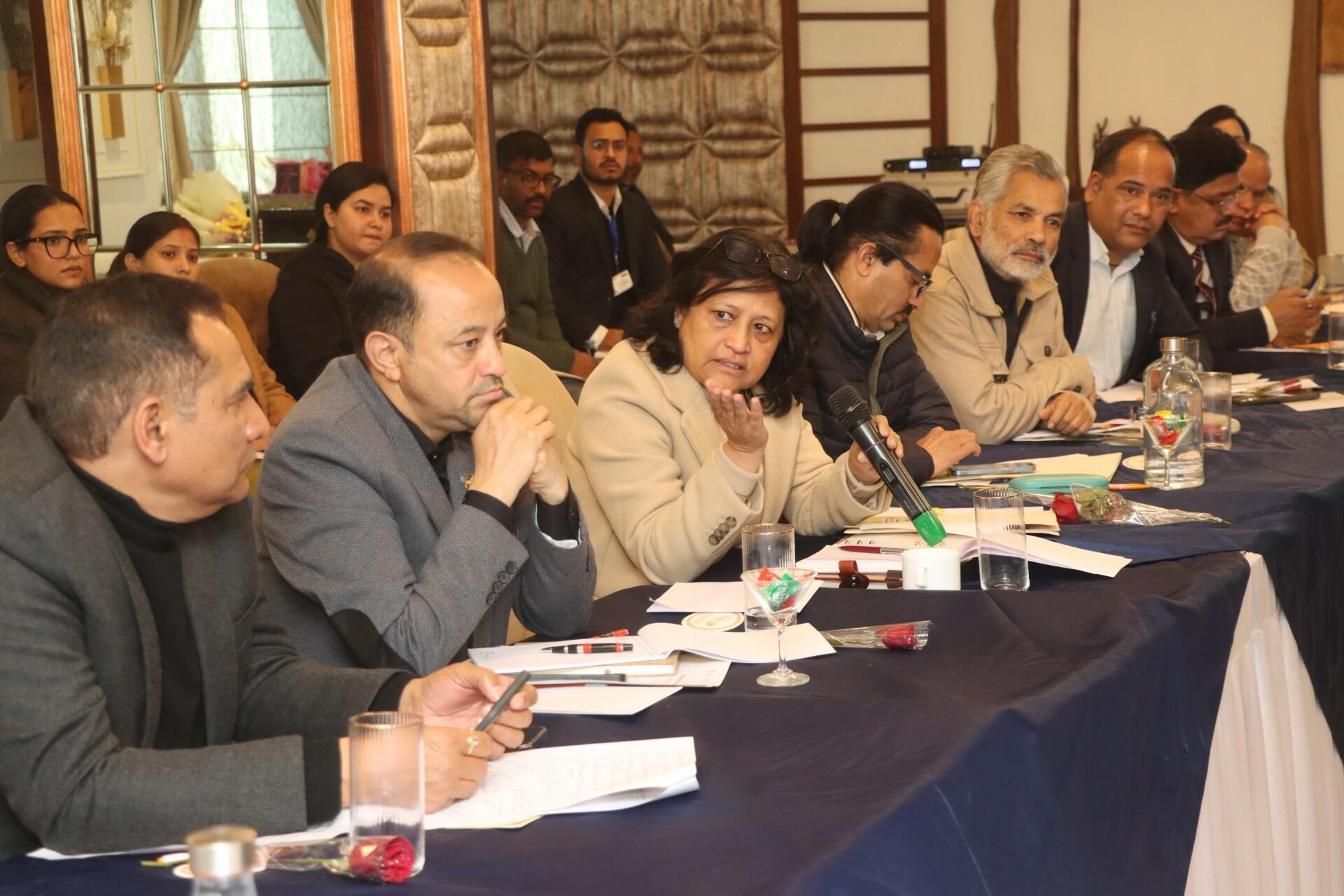
Dr. Jai Rana, India Country Representative, and Sonal Dsouza, Partnerships Manager for South Asia travelled to the northern states of Himachal Pradesh and Uttarakhand. Facilitated by the state consultants, Dr. Lal Singh in Himachal Pradesh and Dr. Vinod Kumar Bhatt in Uttarakhand, the meetings brought together senior government representatives, research institutions, commissions, and farmer organizations to strengthen and refine the draft Indian Himalayan roadmap.
The roadmap are expected to help inform the thinking and action of high-level decision makers and key influential actors while enabling local stakeholders to engage in food policy processes and achieve more impact in strengthening agroecology policy environments.
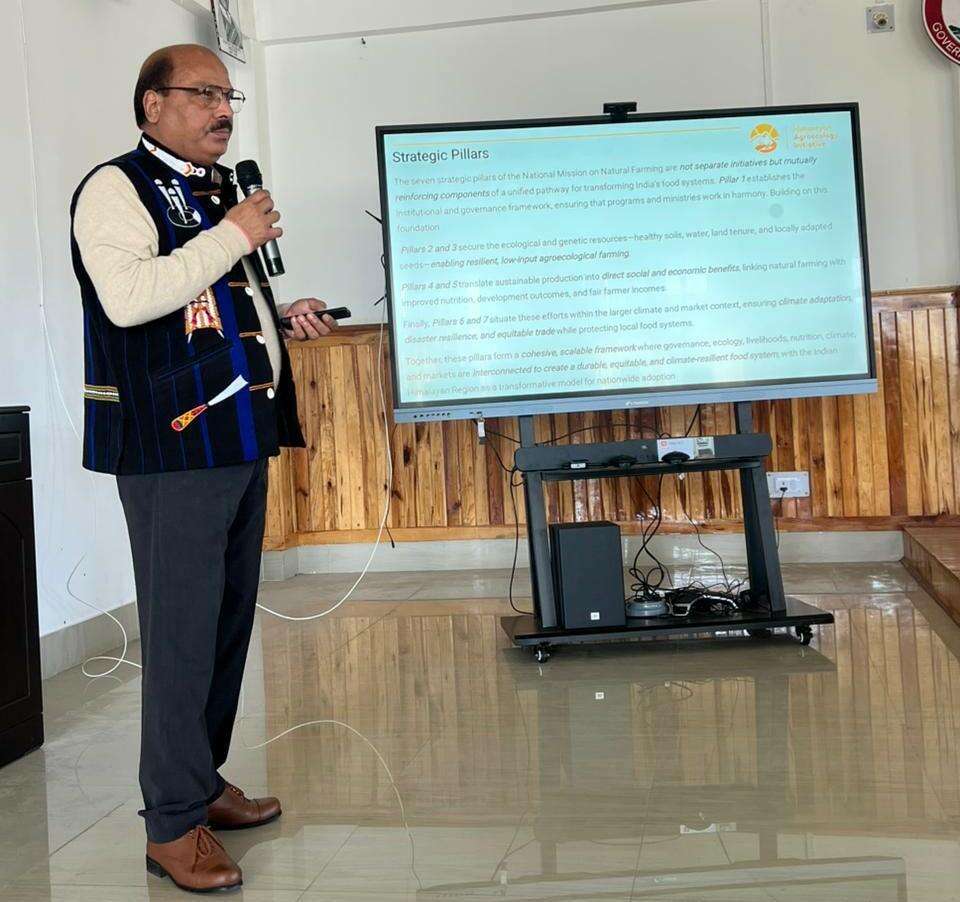
In each consultation, Dr. Rana presented the Indian Himalayan roadmap and its seven strategic pillars, emphasizing farmer-centric, climate-resilient, and ecologically grounded transitions for the Himalayan region. Meanwhile, Dsouza closed the sessions by acknowledging the valuable insights and strong engagement from state partners.
Urgent agroecological transitions
Across the two states, participants reiterated that shrinking landholdings, low agricultural productivity and fragile mountain ecosystems make agroecological transitions urgent.
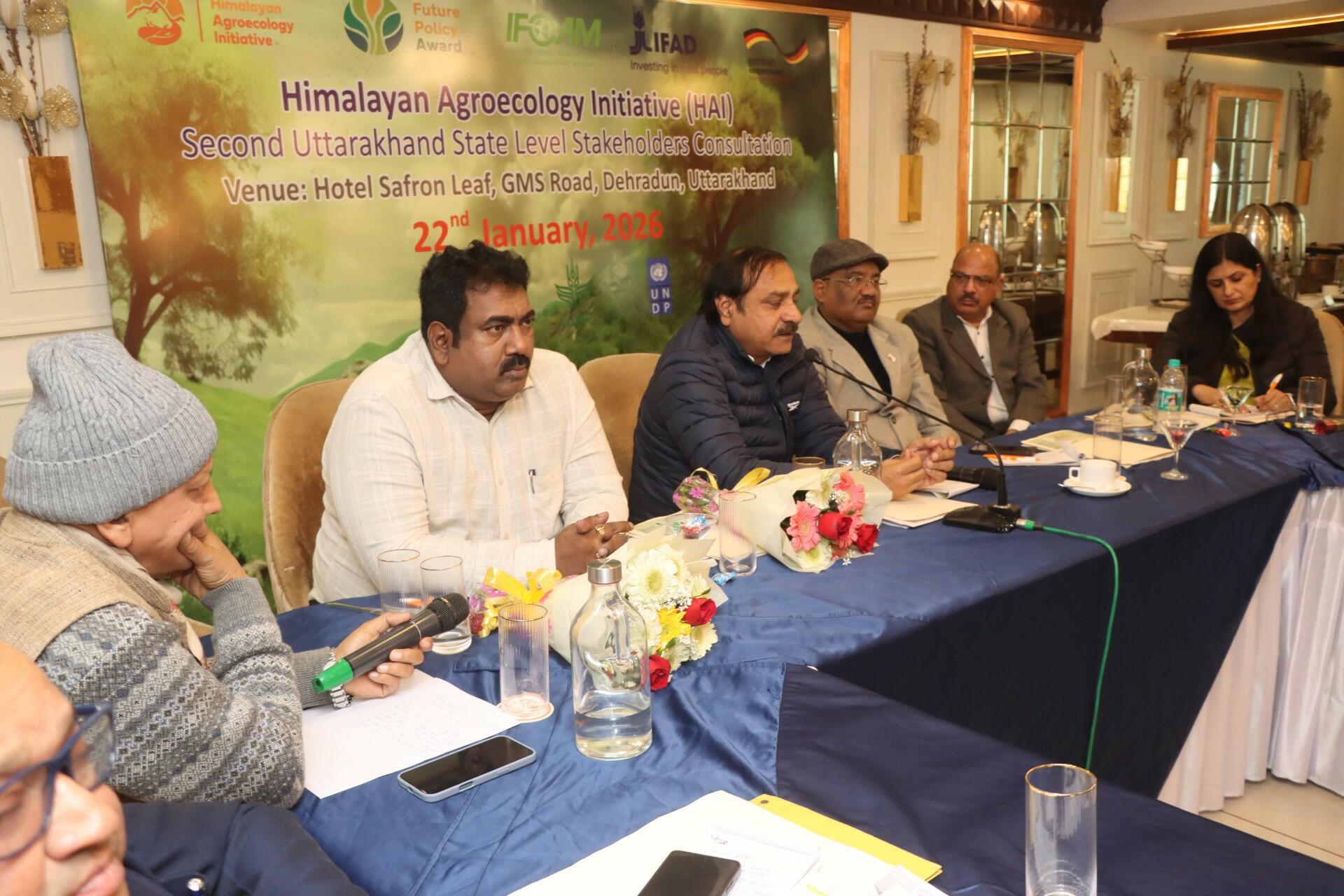
In Himachal Pradesh, Planning Department Advisor Dr. Basu Sood highlighted the need to balance food grains and cash crops, learn from successful chemical-free models, and strengthen long-term ecological stewardship. In Uttarakhand, Chairman Shri S.P. Subudhi, IFS, of the Uttarakhand Biodiversity Board, emphasized identifying priority pilot areas, establishing a Centre of Excellence on Agroecology, and aligning HAI recommendations with Vision 2034.
Chaudhari Ajeet Singh, Vice Chairperson of Uttarakhand Farmers Commission, added that farmers are willing to adopt sustainable practices but require clearer market pathways and stronger capacity-building support.
The consultations collectively underscored the importance of policy convergence, cross-departmental coordination, research–extension linkages, institutional strengthening, and community-based implementation models. These insights provide strong momentum for finalizing the Indian Himalayan roadmap and initiating evidence-based pilots that can demonstrate scalable agroecological solutions across the Western Himalayas.
Strengthening agroecology pathways in the Eastern Himalayas
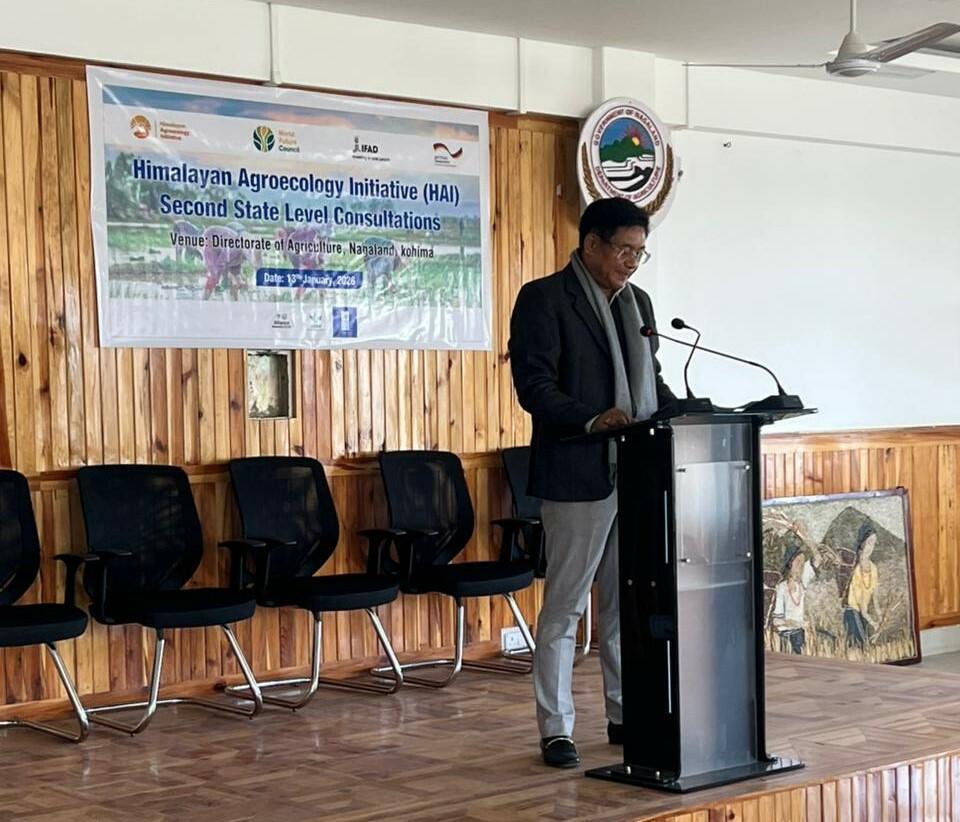
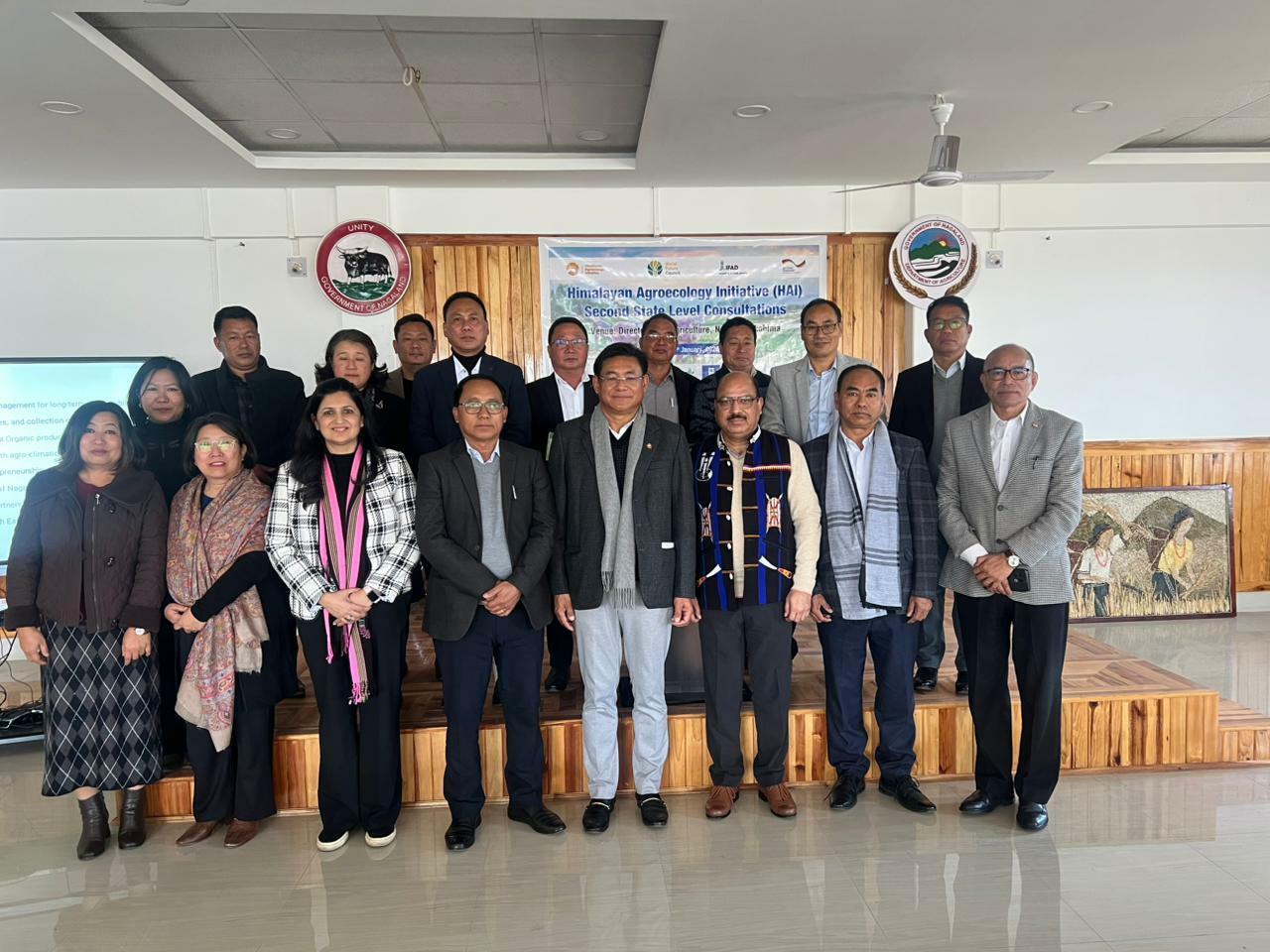
On 13 January, the Alliance team convened its Second Stakeholders’ Consultation Meeting for Nagaland at the Directorate of Agriculture, Kohima to deliberate on the roadmap for advancing agroecology and organic farming systems in the northeastern state.
While sharing the seven strategic pillars of the Indian Himalayan roadmap and its relevance for Nagaland, Dr. Rana stressed the need to integrate traditional knowledge systems with scientific evidence and policy frameworks.
Dr. James Chawang, Nodal Officer of the Mission Organic Value Chain Development for North-East Region (MOVCDNER) from Nagaland's Department of Agriculture presented an overview of the status of organic farming in the state, highlighting its natural advantage for organic and low-external-input agriculture. He then outlined the current extent of organic cultivation under state and centrally supported programs, including initiatives under MOVCDNER, while reflecting on the progress made in farmer mobilization, certification, and market linkages.
During the consultation, participants highlighted the Himalayan region’s ecological fragility alongside its rich heritage of indigenous knowledge, agrobiodiversity, and traditional agricultural practices, many of which are inherently aligned with the core principles of agroecology. The roadmap for Nagaland was acknowledged as comprehensive and well-structured, addressing production systems, value chains, institutional strengthening, and policy convergence.
Strong convergence, multi-stakeholder action
In his Chief Guest remarks, Agriculture Advisor Shri Mhathung Yanthan appreciated the comprehensive and well-structured draft roadmap for its clear attention to production systems, value chains, institutional strengthening, and policy convergence. He noted that emerging initiatives such as the German–Indian Lighthouse Initiative for Agroecology could potentially offer avenues for piloting some of the proposed interventions in the state.
Reaffirming the Government of Nagaland’s commitment, the Advisor expressed support for collaborative interventions that strengthen organic and natural farming systems, enhance value chain development for the northeastern region, and build resilient livelihoods while safeguarding fragile mountain ecosystems. He further underscored that translating the roadmap into practice would require strong convergence across line departments and close alignment with existing state policies and programs.
Mr. Yanthan also emphasized the importance of a phased implementation approach, with clearly sequenced interventions and shared ownership across institutions. He highlighted that convergence should serve as the guiding principle, bringing together the Department of Agriculture, allied line departments, Krishi Vigyan Kendras (KVKs), universities, research institutions, farmer producer organizations (FPOs), self-help groups (SHGs), village councils, and development practitioners. Such collaboration, he noted, is essential to ensure that policies are grounded in local realities and remain farmer centric.
Keep exploring