Himalayan Agroecology Initiative (HAI)
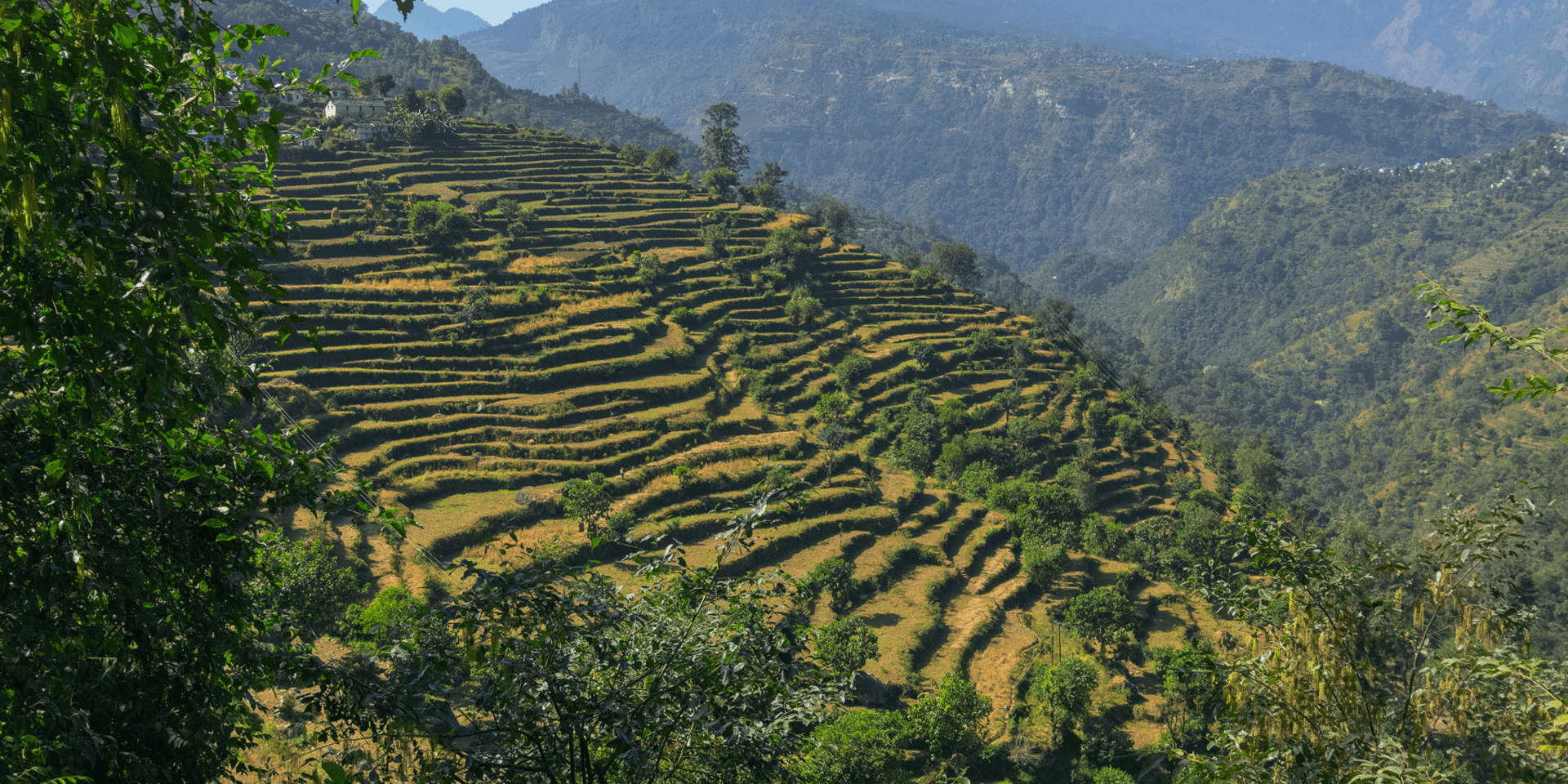
 The Himalayan Agroecology Initiative is a strategic effort facilitated by a multi-stakeholder consortium to enhance biodiversity, support sustainable agricultural practices, strengthen landscape approaches, foster agroecological value chains, market access opportunities and healthy diets to strengthen the resilience of food systems in India, Bhutan and Nepal in the face the climate crisis.
Project Name (full): Himalayan Agroecology Initiative (HAI)
Start and end year: 2024-2026
Geographic area, countries: India, Nepal, Bhutan
Funders: Special Initiative Transformation of Agricultural and Food Systems of the Federal Ministry for Economic Cooperation and Development (BMZ) and the International Fund for Agricultural Development (IFAD)
Global Facilitators: World Future Council and IFOAM – Organics International
Local Partners: UNDP India, LI-BIRD (Nepal), Tarayana Foundation (Bhutan)
Project Description
The Himalayan Agroecology Initiative is a strategic endeavour that works closely with governments and key stakeholders, to support the emergence of multi-stakeholder processes that develop, build capacities and facilitate the implementation of roadmaps strengthening agroecological food systems.
Its main aim is to foster holistic development resulting in a wide range of ecological, social and not just economic outcomes. By increasing collaboration and coordination amongst key stakeholders, amongst ministries and across governance levels, the initiative sketches a pathway for how to use public policies and schemes so they will produce wider, positive impacts on livelihoods especially of small-scale producers, enhancement of ecosystem services such as water, soil and climate, provision of healthy diets and empowerment of consumers, women and youth.
Aiming to create a flagship for strengthening local, agroecological food systems, the Himalayan Agroecology Initiative focuses on collaborative planning and stakeholder engagement, underscoring its potential to positively impact the region's astonishing landscapes, hardworking people and secure vital ecosystem services such as freshwater upon which 2 billion people directly depend on. More than a regional effort, it is a blueprint for fostering sustainable agriculture and food systems that can influence stakeholders globally.
Key Outcomes
- Broader knowledge on the policy, regulatory, and other measures that are relevant to support agroecology is generated, and a common understanding and ownership of enabling agroecology policy environments (roadmap) is developed to inform the thinking and action of high-level decision-makers and key stakeholders.
- Local stakeholders are empowered, including through capacity-building, to engage in food policy processes and achieve more impact in strengthening agroecology policy environments, including via science-policy-society interfaces
- Support towards agroecology and sustainable food systems in the Indian, regional and global arena is increased.
- Smooth coordination, project management, as well as Monitoring, Evaluation & Learning.
Relevant blogs, stories, news coverage



Project leaders