Blog Sowing peace, harvesting hope: Women bean farmers of Eastern DRC
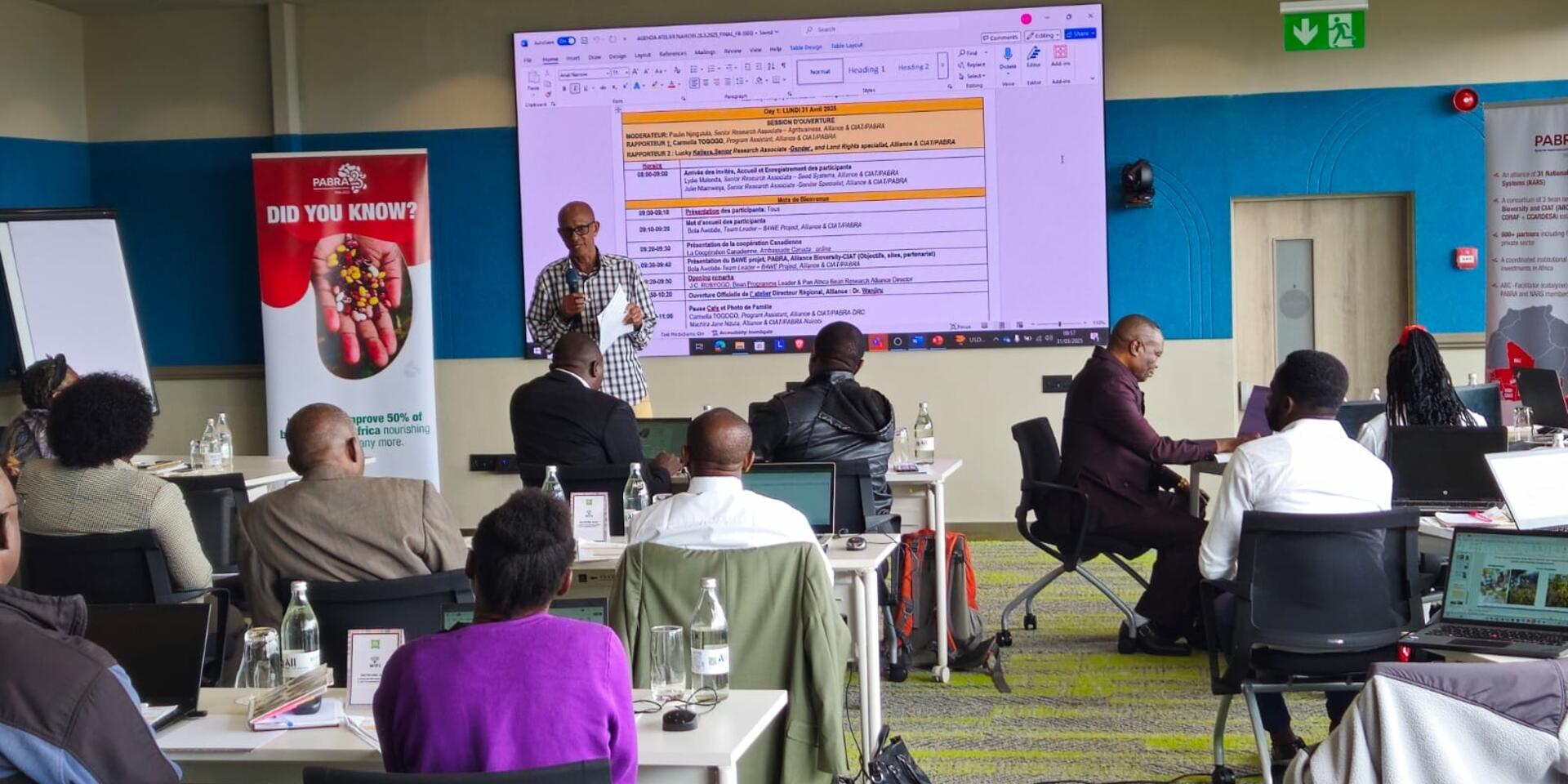

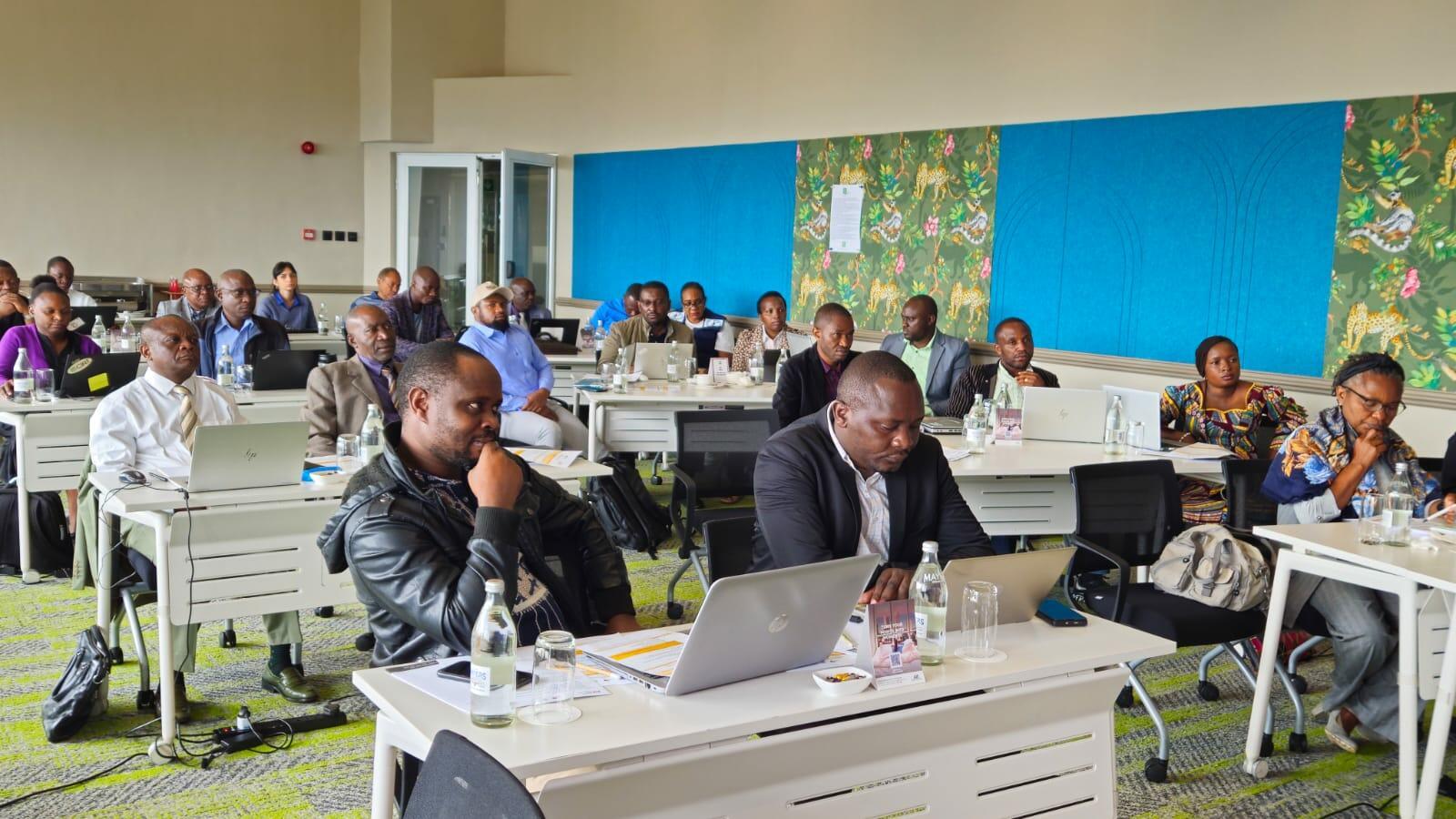
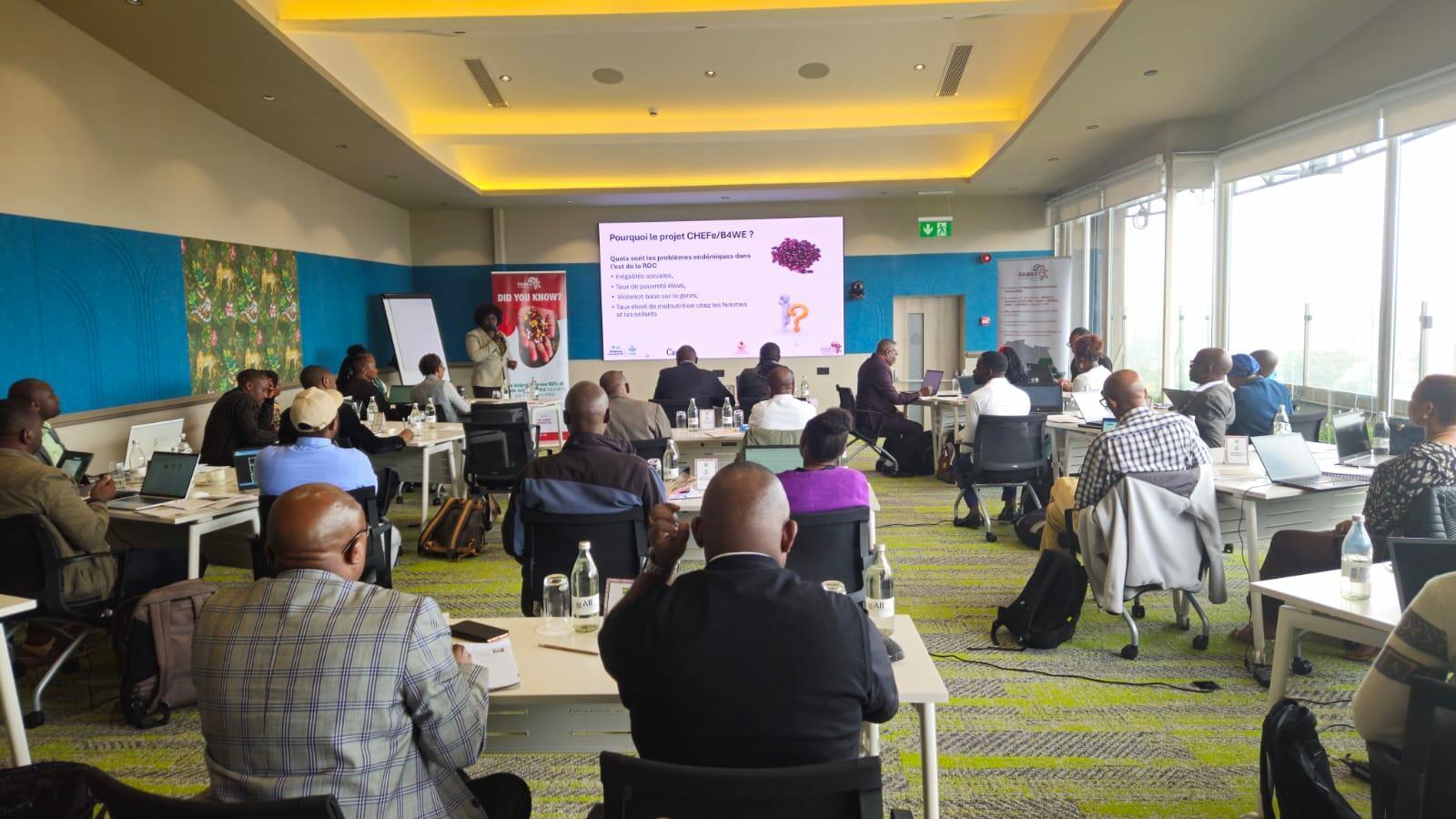
Gathered in Nairobi on 31 March and 1 April 2025, approximately thirty key actors in the Beans for Women Empowerment (B4WE) initiative mapped a new course for Eastern DRC’s bean value chain. The retreat set four priorities: widen the supply of biofortified seeds, accelerate agronomic and digital innovation, deepen women’s economic power, and weave conflict sensitivity throughout field operations to preserve social cohesion. With renewed backing from Global Affairs Canada (GAC), the project aims to turn every bean planted into a catalyst for peace, nutrition and sustainable prosperity.
Since 2023, the project has operated in North Kivu, South Kivu and Tanganyika, confronting three intertwined challenges: an agricultural economy damaged by two decades of conflict, falling household purchasing power and deteriorating diets, and the systematic marginalization of women in agribusiness. Led by the Alliance of Bioversity International and CIAT with funding from GAC, the B4WE project places beans—affordable, protein-dense and climate-smart—at the center of its strategy to rebuild livelihoods and restore social cohesion.
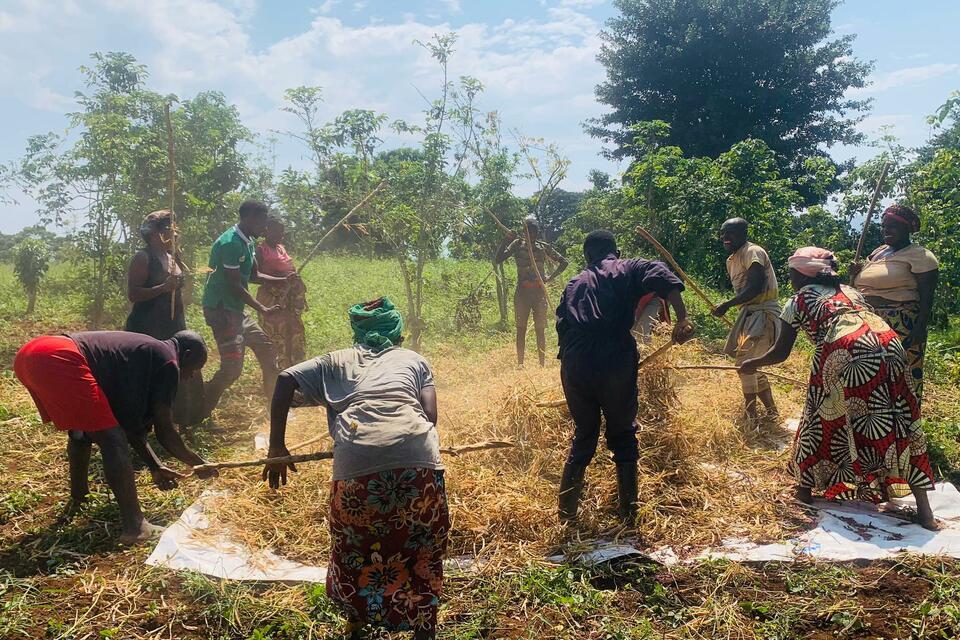
In its first two years 13,846 producers—70% of them women—received 'social-technical bundles' combining improved seeds, fertilizer micro-doses, coaching on good practices and labor-saving tools. Indigenous Pygmy households - usually excluded from development schemes - now join demonstration plots and leadership circles. Women’s groups have secured collective plots through customary authorities, converting subsistence gardens into commercial fields that supply local markets and school canteens.
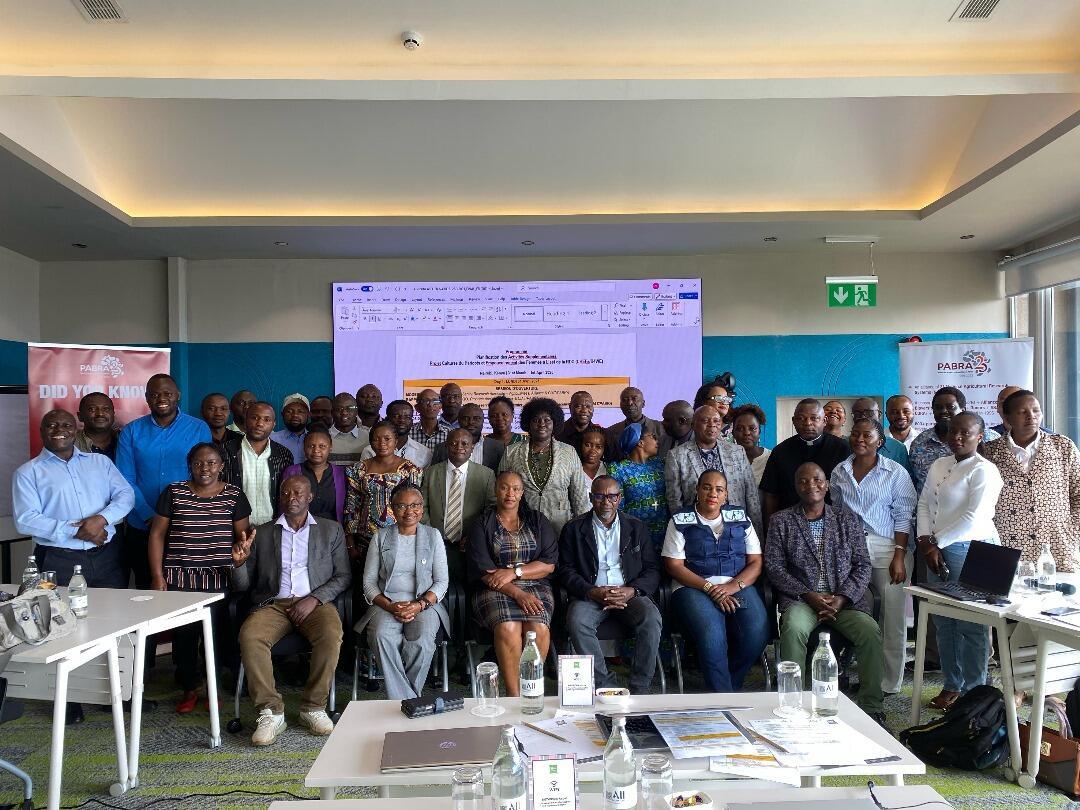
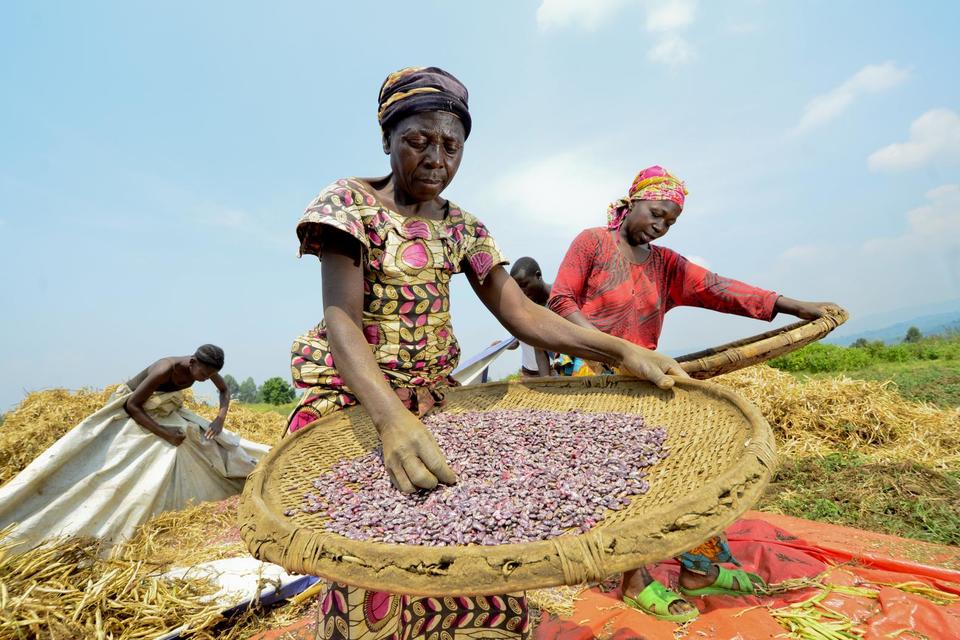
Recognizing the volatile context, GAC recently injected new resources for conflict-sensitive agriculture.
“Our ambition is to turn every seed into a bridge linking food security, dignity and lasting peace,” explains Team Leader Bola Awotide.
Jean Claude Rubyogo, Director of the Pan-Africa Bean Research Alliance (PABRA), added: “When local knowledge meets global innovation, smallholders thrive.” In the hands of Eastern DRC’s women producers, each bean is not only food but also a social shield against violence and despair.
Building an Inclusive and Sustainable Seed System in Eastern DRC
Agricultural recovery starts with reliable seed and responsible soil management. B4WE has therefore installed 200 demonstration plots across the three provinces. These open-air classrooms allow seed entrepreneurs, cooperatives and farmers to compare iron-rich varieties, test row spacing and evaluate inoculants under real conditions. Scientists from the Institut National pour l’Étude et la Recherche Agronomiques (INERA), inspectors from the Service National de Semences (SENASEM) and extensionists from the Service National de Vulgarisation (SNV) monitor the plots, collect data and turn findings into practical recommendations.
To secure supply, the project convenes a business platform linking 17 partner institutions—seven seed firms, three farmer cooperatives and seven NGOs. By February 2025 the network had produced and traded 43 tons of certified biofortified seed. When a new wave of displacement emptied granaries in North Kivu, B4WE delivered seven tons of early-maturing seed kits, enabling 3,500 families to replant without losing a season. Beyond crisis response, the platform rebuilds trust and fairness in food systems fractured by insecurity.
The Bean at the Heart of Family Well-Being
Malnutrition remains alarmingly high in Eastern DRC, where 45% of children are stunted. The beans promoted by B4WE address this crisis head-on. A multimedia campaign—radio debates, village theatre, WhatsApp voice notes and school cooking demonstrations—encourages three habits: soaking beans overnight to cut fuel use, pairing beans with maize or cassava for balanced amino-acid profiles, and trimming firewood consumption to protect health and forests. Since the campaign began, weekly bean intake in participating households has climbed by 18%.
At the same time, the project has trained 13,982 beneficiaries—again, 70% women—on feasibility analysis, bookkeeping, branding and negotiation. Graduates have produced 158 business plans, registered 43 micro-enterprises and pooled savings in solidarity funds that finance threshers, solar dryers and smartphone bundles.
“Entrepreneurship is our core philosophy,” Rubyogo stresses. “When women earn, they reinvest in schooling, health and harmony at home.”
Innovation, Digitalization, and Conflict Sensitivity approaches for a better Tomorrow
A rigorous conflict analysis underpins every intervention. Participatory stakeholder mapping and village peace committees steer fieldwork, ensuring that inputs and benefits flow equitably among ethnicities, displaced families and host communities. With the endorsement of customary chiefs, more than 200 hectares of arable land have been made available—plots now tended mainly by women who once lacked secure tenure. The impact is tangible: more reliable incomes, diversified diets and reinforced social contracts across all targeted localities.
Digital tools multiply reach and efficiency. Tailored SMS alerts deliver climate forecasts and pest warnings; youth data collectors with tablets track yields, market prices and gender indicators; and moderated WhatsApp groups connect producers with extensionists, traders and transporters in real time. Parallel workshops on positive masculinity, prevention of gender-based violence, equitable land governance and joint income management nurture respectful relationships and safer homes.
“We advance with ambition and a clear focus on locally owned solutions—every innovation must be economically viable and a lever for peace,” Awotide concludes.
By interweaving technology, gender equity and climate resilience, the B4WE project charts a pathway to a future where rural prosperity strengthens social cohesion and where women farmers, once sidelined, emerge as architects of Eastern DRC’s sustainable growth and enduring peace.
The Team
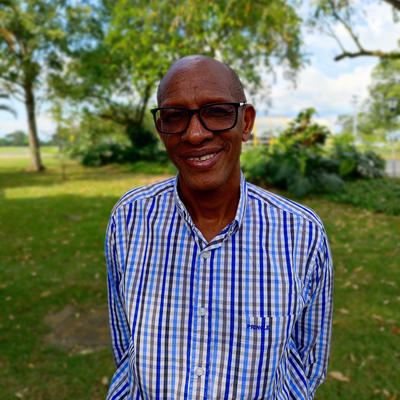
Jean Claude Rubyogo
Leader, Global Bean Program, and Director, Pan Africa Bean Research Alliance (PABRA)
Bola Amoke Awotide
Research Team Leader, Country Representative for the Democratic Republic of the Congo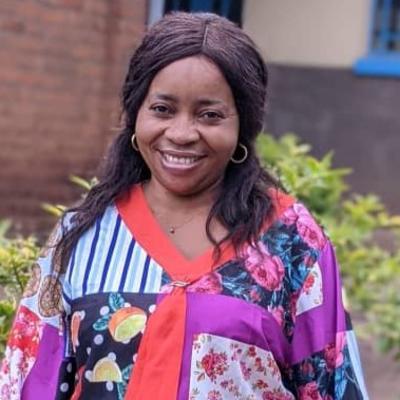
Julie Ntamwinja Bimule
Senior Research Associate