Research Articles Restoring Soil, Securing the Future: A Commitment to Sustainable Agriculture

At the heart of the Alliance of Bioversity International and CIAT campus in Palmira, Colombia, a unique opportunity is emerging: transforming a critical challenge into a replicable model of sustainable agriculture for the world.
In recent years, warning signs have been identified regarding soil fertility, particularly in key crops such as rice and beans. This natural resource, essential for food security, has begun to show symptoms of degradation: increased pH levels, loss of organic matter, and mineral accumulation that limit nutrient availability.
Far from being an isolated problem, this scenario reflects a global reality: agricultural soils are losing their productive capacity. However, this challenge has also become a strategic opportunity to lead innovative solutions.
In response to this challenge, and within the framework of the Green Campus project — an initiative created to promote campus sustainability — several thematic areas and committees were established, including the Regenerative Agriculture Committee. Its purpose is clear: restore soil health, ensure the sustainability of productive systems, and generate knowledge with the potential for global application.
The first step has been to understand the problem through rigorous scientific analysis. In 2024, a detailed chemical soil sampling was conducted across more than 180 hectares, generating an unprecedented baseline on the condition of the campus soils.
The results not only revealed chemical degradation in some plots — with pH levels close to 8.4 and low organic matter content — but also highlighted significant spatial variability, opening the door to more precise and efficient interventions.
This knowledge represents a strategic asset: it enables the design of evidence-based solutions and the measurement of their impact over time.
Based on these findings, the Alliance has begun implementing regenerative agriculture practices, an approach that seeks not only to mitigate damage but to actively restore soil functionality.
Among the actions currently underway are:
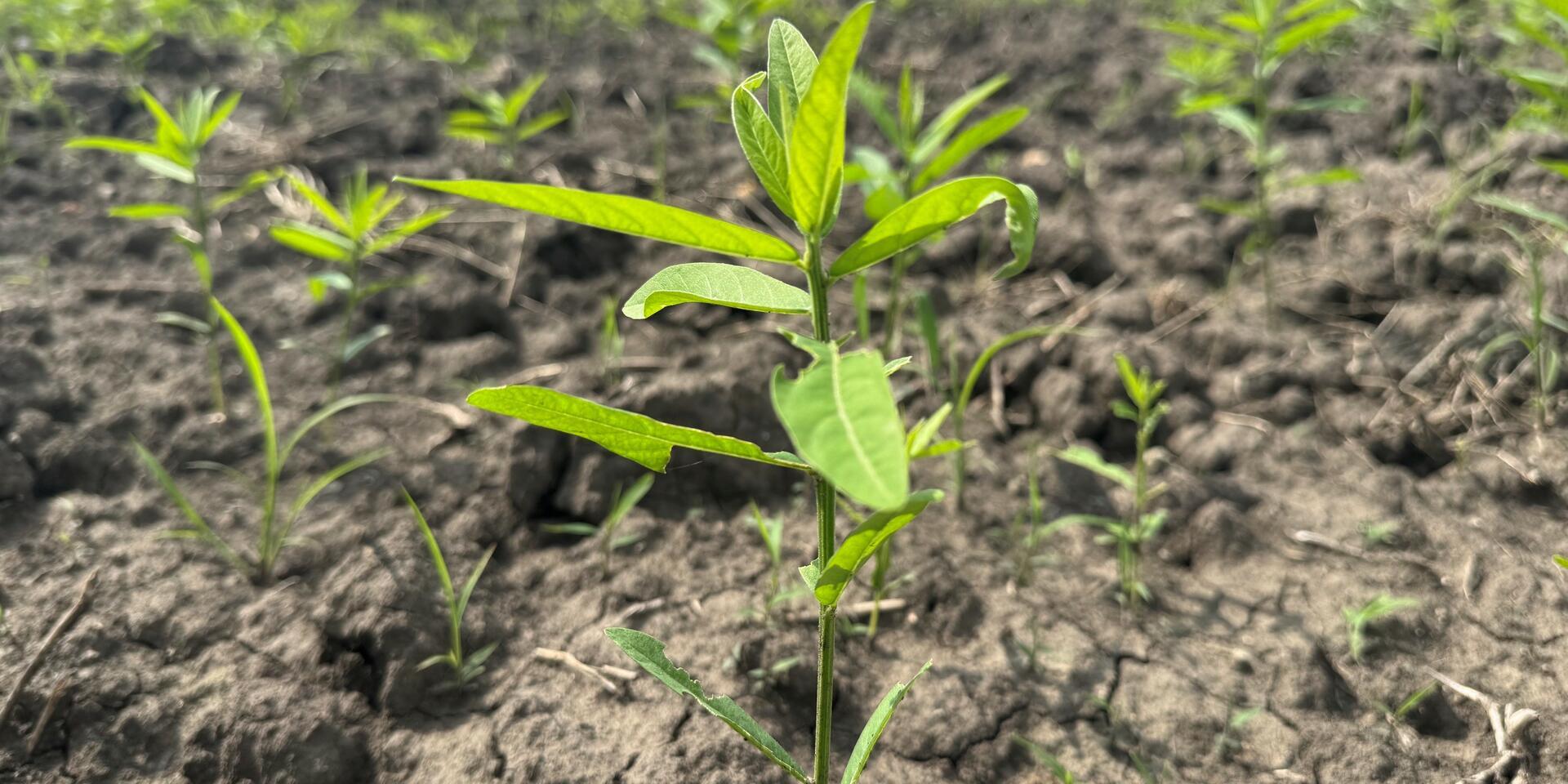
- Crop rotation with species such as crotalaria, which improves soil structure and fertility
- Compost application and promotion of circular economy practices
- Drainage improvements to reduce the impact of the water table and facilitate salt leaching
- Optimization of water use, including innovative solutions such as reservoirs to improve water quality
- Vertical tillage and reduced tillage to promote soil conservation
These practices have already been implemented for approximately two years, showing early signs of improvement. However, soil restoration is a long-term process that requires continuity, monitoring, and scaling.
A Commitment to Science and Innovation
The next step is critical: transforming this intervention into a robust scientific model.
Currently, the generated information is being consolidated and will be analyzed by a master’s or doctoral student under the supervision of international experts. This process will make it possible to:
- Generate high-resolution soil condition maps
- Validate hypotheses regarding the causes of degradation
- Define soil health indicators
- Design a máster restoration plan
In addition, experimental plots are being established to evaluate regenerative practices under real field conditions, allowing the identification of effective and scalable solutions.
This initiative positions the Palmira campus as a living laboratory for sustainable agriculture, where research, innovation, and practice are integrated to generate real-world solutions.
The potential impact is significant:
- Restoration of degraded soils in tropical systems
- Reduced dependence on chemical inputs
- Improved productivity and resilience of key crops
- Generation of replicable knowledge for other countries and contexts
In a world where more than 30% of soils are degraded, initiatives like this are not only relevant to them, but they are also urgent.
An Opportunity to Create Real Impact
To consolidate and scale this process, strategic investment is required in:
- Research and monitoring (sensors, analysis, modeling)
- Large-scale implementation of regenerative practices
- Talent development (students, technicians, and farmers)
- Infrastructure for water and soil management
The support of partners and allies will accelerate this transition, transform the campus into a global benchmark, and generate solutions that benefit thousands of farmers worldwide.
Soil is a finite resource, but it is also one of the most powerful solutions to climate change, food security, and sustainability. Today, the Palmira campus can lead this transformation.
Team

María Fernanda Álvarez
Director, Crops for Nutrition and Health, and Program Leader, Rice Breeding and Genetics