Research Articles Planting the right seed in the right soil in Asia's forests
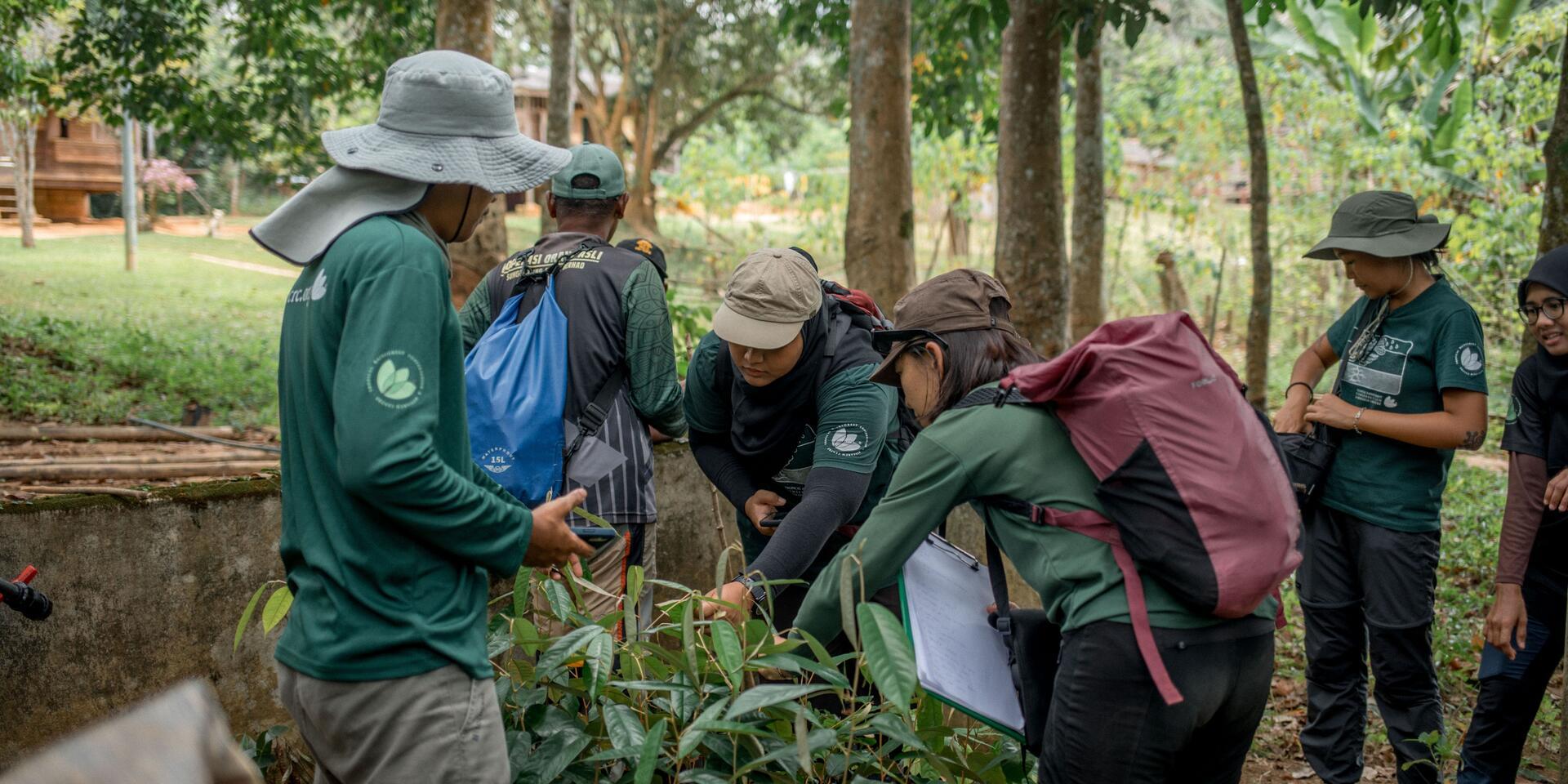

The health and resilience of forests lie on a good foundation. We can set forests for the future on the right track by establishing quality seed sources across deforestation hotspots.
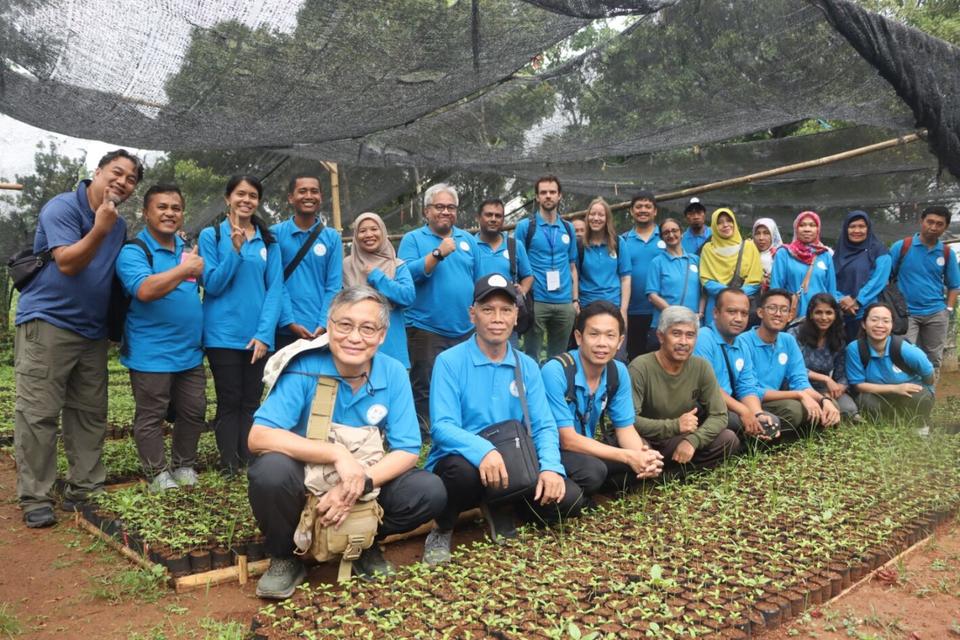
In a four-country project across Asia, the Alliance worked with national research institutions and forest departments to identify and map seed zones and potential seed sources that allow forest and landscape restoration projects to deliver effective and lasting biodiversity and climate outcomes.
Asia’s forests are no strangers to constant land use change that drives deforestation to meet global demands for food and shelter. While many countries have succeeded in curbing forest depletion rates, the region continues to experience losses of approximately 2 million hectares per year. Countries have responded by setting ambitious restoration goals of over 100 million hectares by 2030, but the tree seeds and seedlings needed to meet this target will have to come from the dwindling natural forests. The loss of seed sources slows down what is already widely regarded as a long restoration process.
Asia’s restoration targets alone demand billions of seeds. If those seeds, however, are sourced from degraded forests, they may be poorly adapted to local soils and climates and risk carrying low genetic diversity. That nearly half of the planted seedlings die within the first years of restoration reflects the persistent gap in the availability of quality and site-adapted seeds.
Data-driven approach to quality tree seed supply
To address the supply challenges of quality native seeds, it is imperative to shift the focus from project-based and isolated initiatives to sector-wide, community-involved coordination. Diversifying and strengthening seed availability requires robust national information systems on quality seed sources and trusted suppliers, as well as collective and participatory stakeholder effort to deliver the right seeds to the landscapes in need.
A new study by the Alliance of Bioversity International and CIAT and partners, conducted in Bangladesh, India, Indonesia, and the Philippines, is the first to quantify the native tree seed supply gap with spatial precision. The research combined two approaches: defining seed zones using environmental clustering based on climate and soil data, then mapping the availability of seed sources for suitably adapted species for effective restoration.
Seed zones are geographical areas where environmental conditions are relatively similar, and where seeds can be transferred between sites without severe risks of maladaptation. Ideally, each seed zone should have at least one known seed source for each target tree species to ensure that suitably adapted material is available for restoration within the zone. Where documented seed sources are lacking, overlaying seed zone maps with forest cover, protected area or community forestry maps can help unveil suitable new seed sources to fill gaps.
In the pilot study that sampled 21 tree species across the four Asian countries, only 34% of tree species actively used in restoration had seed sources across seed zones, while 24% of the species had no documented sources at all. This is critical, especially in the context of a changing climate, which adds pressure for species to adapt while also shifting seed zone boundaries and making seed sourcing more unpredictable.
The finding reveals not just a data gap, but a genuine logistical bottleneck, says Riina Jalonen, Scientist at the Alliance.
“Even well-intentioned, adequately funded projects can struggle to access suitably adapted seed because the information and supply networks simply do not exist. Without careful advance planning of seed sourcing, projects often end up planting what happens to be available, instead of what would best meet the restoration objectives and site conditions”

Government buy-in is key to maximizing forest restoration efforts
Having a central repository of information on seed zones and seed sources is a step towards strategic restoration efforts. The study’s methodology enables the four nations to systematically assess their seed system readiness and provide a common framework for regional coordination and knowledge exchange through the Asia-Pacific Forest Genetic Resources Programme (APFORGEN) network.
In India, information platforms were recently developed to provide data on seed zone maps, seed sources, and seed suppliers through the support of the UK Darwin Initiative. These platforms were established by the Institute of Forest Genetics and Tree Breeding, under the Indian Council of Forestry Research and Education (ICFRE) and hosted by the Ministry of Environment, Forest, and Climate Change. With widely accessible information on over 30 community nurseries, the initiative has bolstered local suppliers’ access to markets while informing the decision-making of key stakeholders around forestry and conservation initiatives.
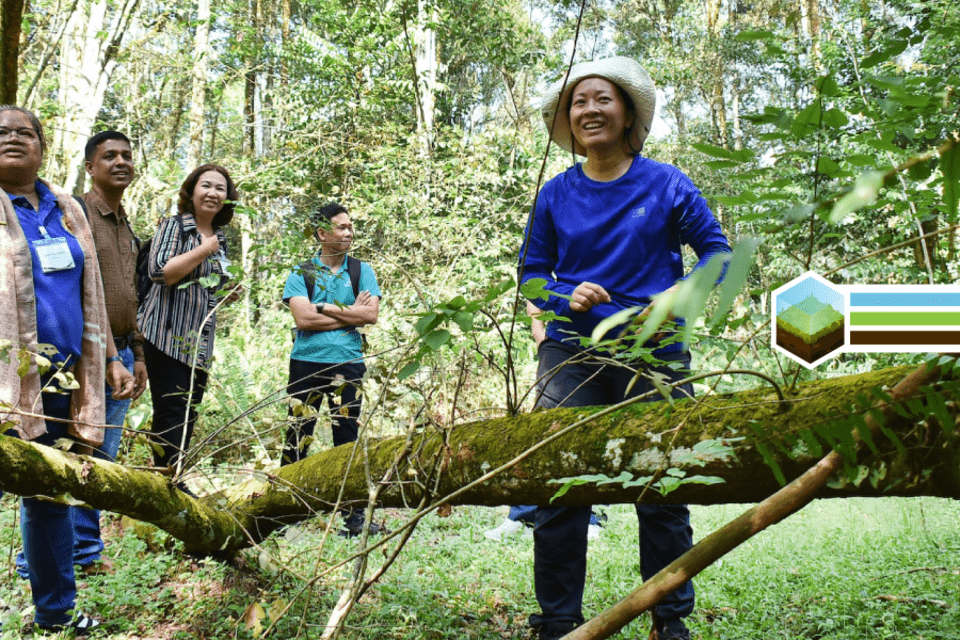
The support of government partners and community stakeholders in India was also crucial in scaling the understanding of the importance of quality seeds for forest conservation and restoration activities.
These allowed hundreds of essential actors in the seed supply chain to participate in capacity building activities to support state and national objectives in forest restoration in the country.
Rekha Warrier, ICFRE Scientist and APFORGEN Chair emphasizes that forest and landscape restoration targets rely heavily on stakeholder alignment among government, industry, and local community.
“The Darwin project demonstrated that structured collaboration platforms can successfully bridge these actors. The project showed that capacity building and knowledge exchange are essential for improving seed systems and restoration practices. Emphasis on locally adapted materials and community engagement is crucial as restoration succeeds only when it aligns with livelihoods,” says Warrier.
From research to policy
The Strengthening Collaborative Tree Seed Supply Systems project demonstrated the value of embedding conserving seed sources and reliable information systems into policy.
In November 2025, during the 31st session of the Asia-Pacific Forestry Commission (APFC), APFORGEN and partners launched a 6-point action plan that aims to encourage nations to implement safeguards that support healthy and biodiverse tree seed systems to thrive under changing environmental conditions.
As a result, APFC adopted a decision, directly informed by this research, calling 34 member countries to document native tree seed sources to support restoration and strengthen efforts around key forest priorities.
“This recommendation elevates forest genetic resources from a technical concern to a strategic priority in national forestry plans. Conserving native seed sources is not just about biodiversity—it is about securing the biological foundation for sustainable forests, livelihoods, and ecosystem services across Asia,” adds Warrier.
For Jalonen, this not only emphasizes the importance of having access to the correct data but also recognizes the importance of local community participation and policy support in forest and landscape restoration. The APFC’s recommendation, she argues, sets a strategic safeguard for Asia’s restoration future that by conserving native seed sources, countries can secure ecological resilience, meet restoration targets, and empower local communities—making restoration efforts both ecologically impactful and socially sustainable.
Hope for the future
Partnerships in forest conservation and restoration are vital in sustaining efforts put in by communities, industry, and government to achieve biodiversity restoration targets. Having access to a quality seed supply across seed zones is vital in removing silos and in strengthening planning for restoration initiatives to ensure productive and resilient forests for the next generation.
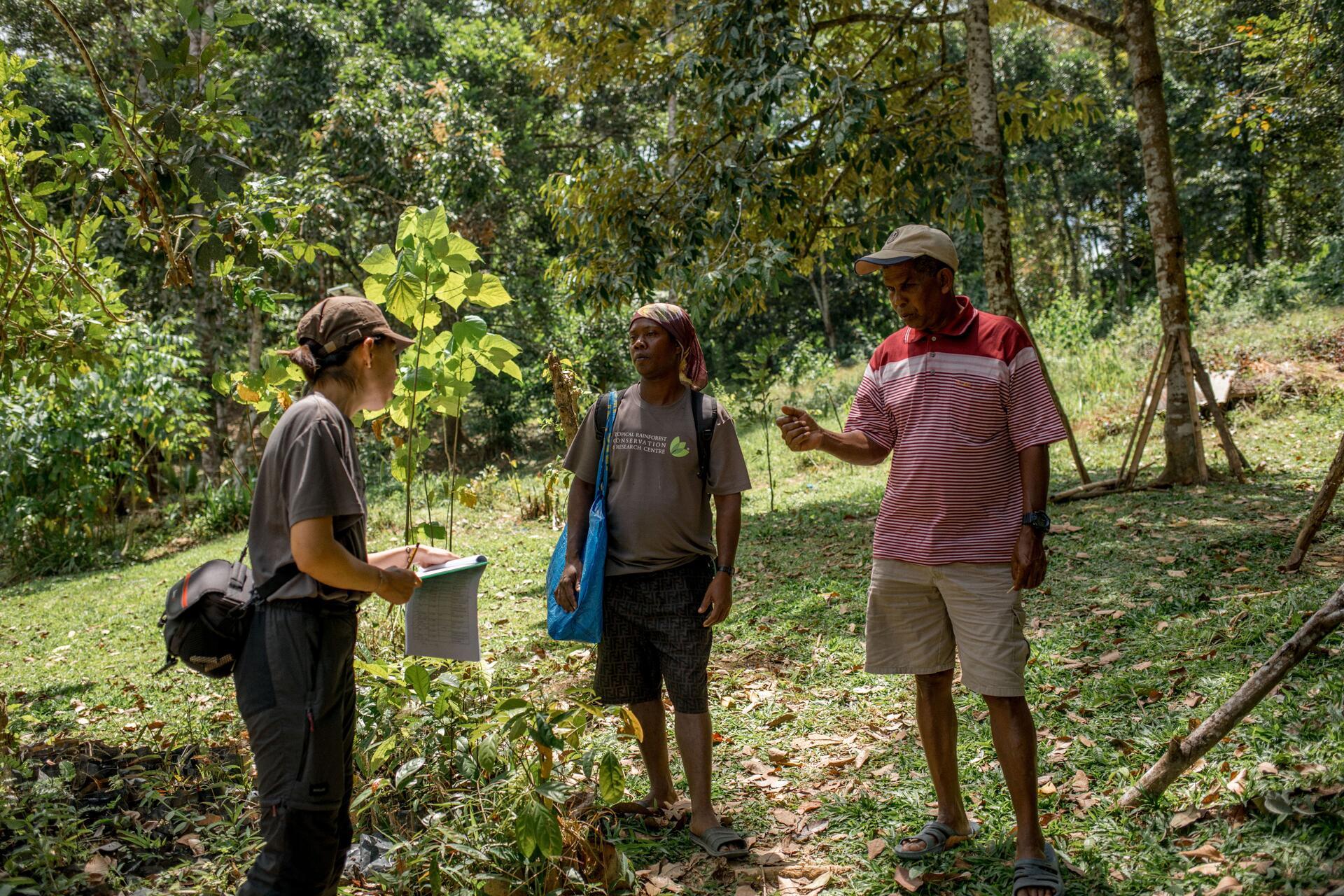
As we’ve learned from indigenous-led forest restoration activities in the Philippines, addressing why conserving native tree diversity protects livelihoods in Indonesia, and inspiring governments in India to support access to quality seed information, success with these efforts requires getting all the elements together.
Quality seed supply may lack the visibility of tree planting targets but it is a foundation on which every other element of restoration rests. Investing in it through national registries, seed zone mapping, community seed networks, and supportive policy is a prerequisite for forest restoration that works and delivers benefits to all of Asia and beyond.