Blog Peeling away malnutrition and enhancing climate resilience through fruit cultivation
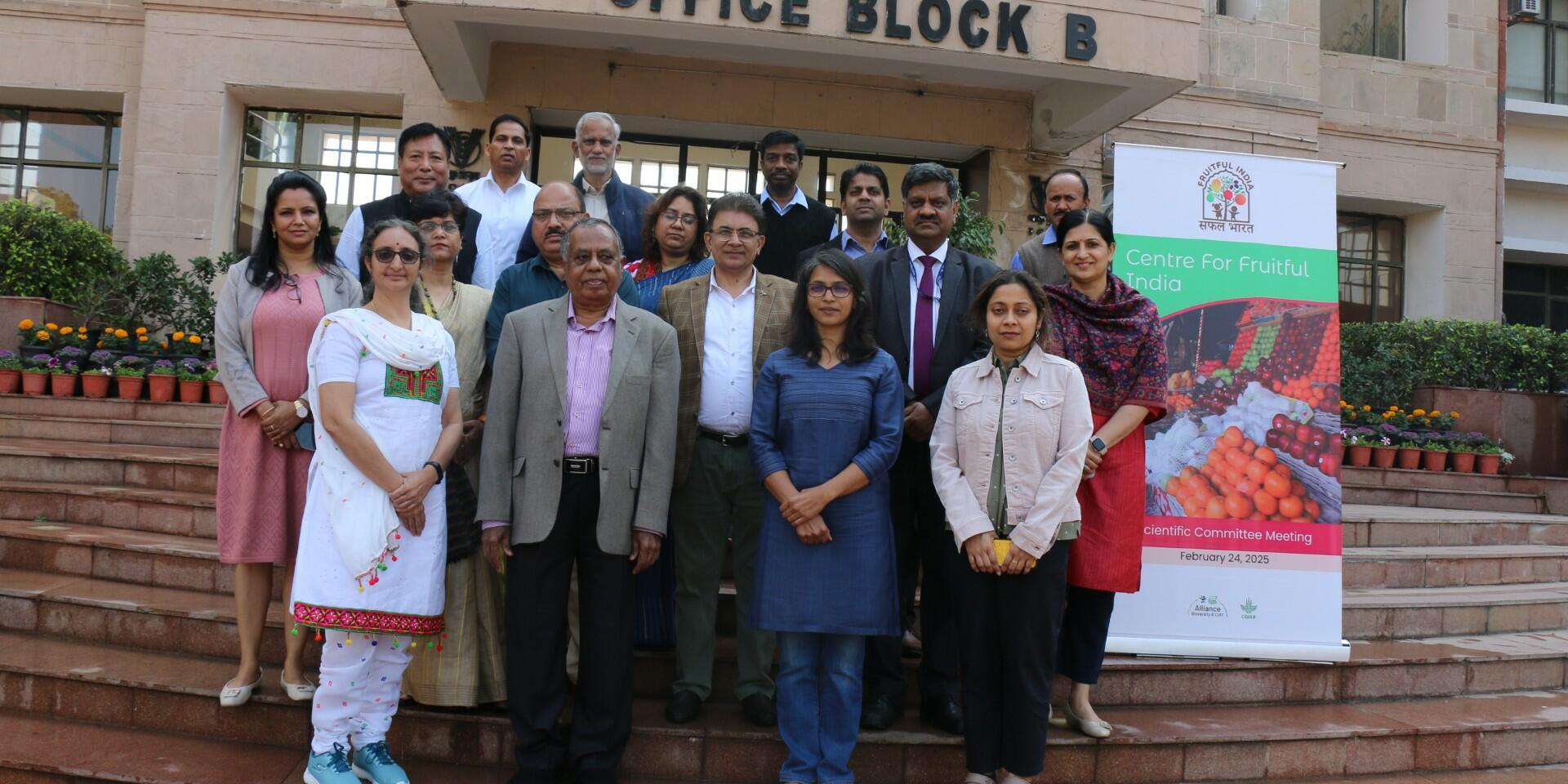

As 2025 unfurls, the Centre for Fruitful India (CFI) takes a significant step towards enhancing fruit trees cultivation across diverse agroecological zones of India. This significant phase was launched with the inaugural scientific committee meeting on 24 February 2025 at NASC, Delhi which brought together leading experts and stakeholders to harness the potential of fruits for people and the planet.
Embarking on its mission to champion the cultivation of fruit trees toward improving nutrition, livelihoods, and environmental sustainability, the Centre for Fruitful India (CFI) held its inaugural Scientific Committee meeting on 24 February 2025 at the National Agricultural Science Complex, New Delhi.
Established in 2020—through the partnership between the Alliance of Bioversity International and CIAT and Fruitful India Fund—the CFI convened the executive board, scientific committee, and the project management unit of the Alliance to define the project’s strategic direction in the next five years. The meeting also put a spotlight on the broad thematic research areas where CFI interventions can complement ongoing national efforts to address malnutrition among low-income families, with a focus on women and children.
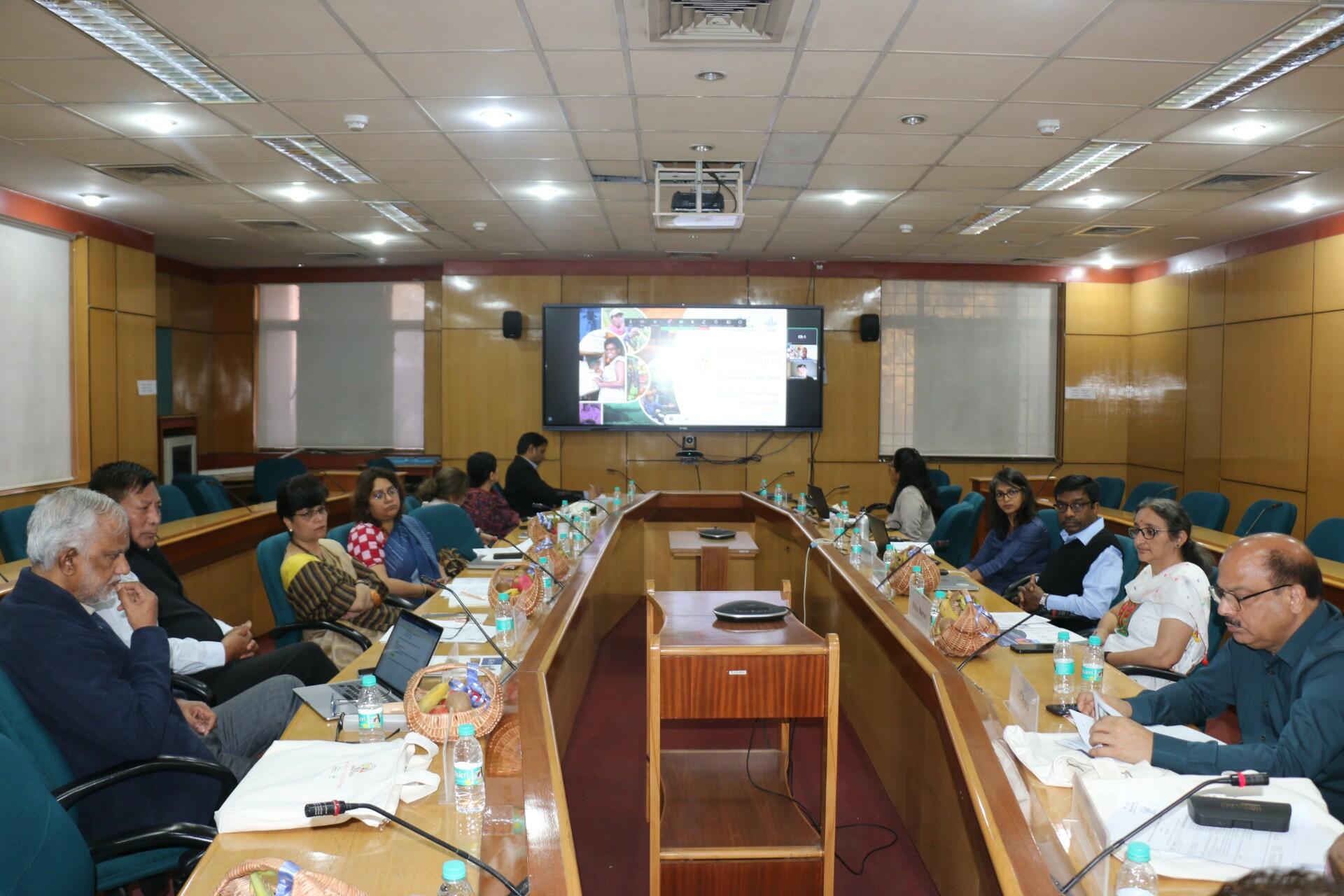
Both government agencies and non-governmental organizations (NGOs) form CFI’s scientific committee which includes members from the Ministry of Agriculture and Farmers Welfare, the Indian Council of Agricultural Research, the Ministry of Environment, Forest and Climate Change – Indian Council of Forestry Research and Education, Indian Council of Medical Research – National Institute of Nutrition, and the United Nations Development Programme. Three NGOs who effectively represent farmer interests and community-based organizations are also part of the committee.
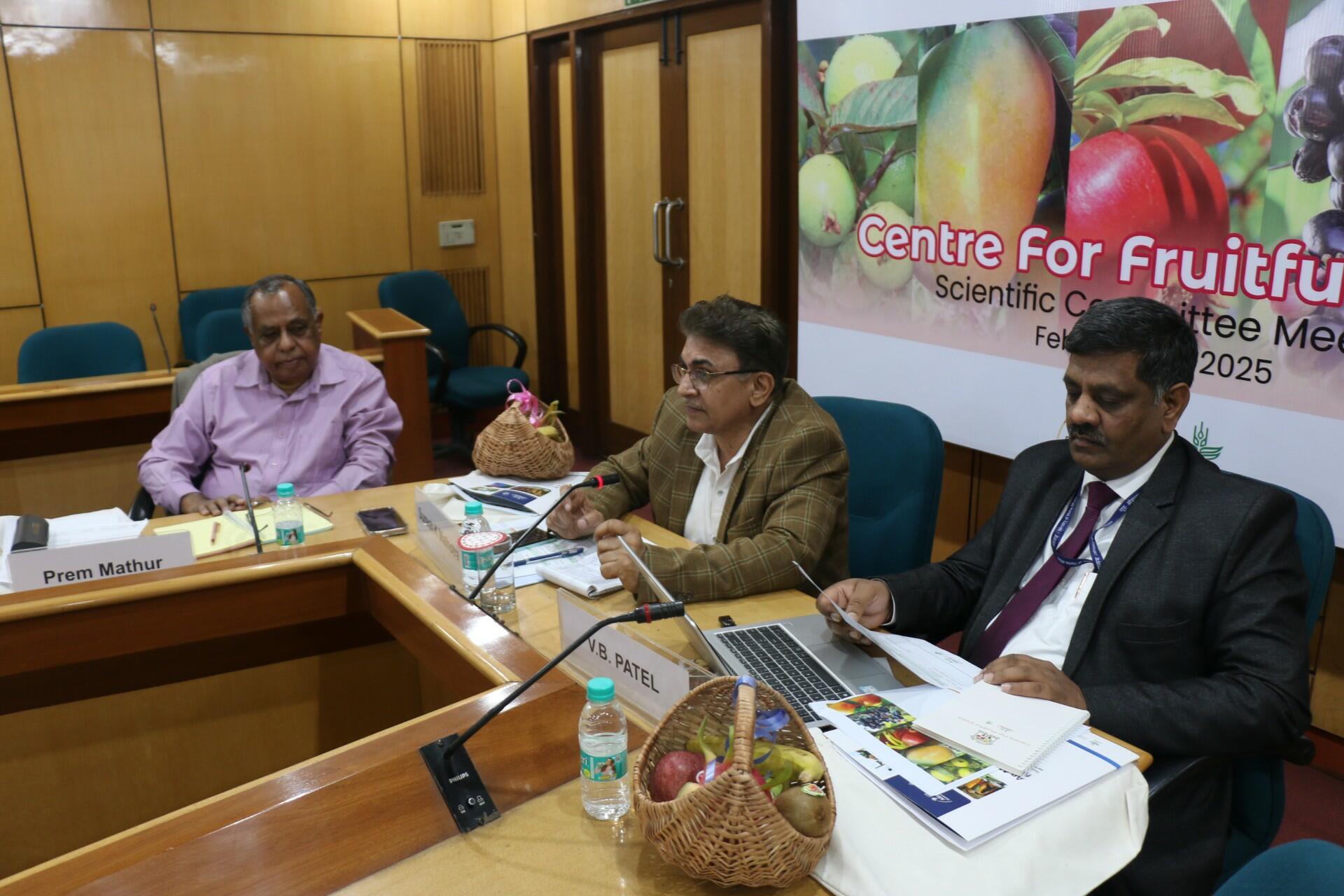
Dr. Prem Mathur highlighted the importance of bridging research gaps, fostering multistakeholder collaboration, and enhancing capacity building to address malnutrition by improving access to nutritious and diverse fruits while promoting climate resilience.
Increasing access and consumption
With its hosting in the New Delhi Office, the Alliance is responsible for executing its activities in collaboration with national research and development organizations and the private sector CFI through a transdisciplinary, participatory, and action-oriented approach to enhance food systems and landscapes.
Dr. Stephan Weise, Managing Director for Asia, described CFI as a significant milestone in advancing fruit tree cultivation as a nature-positive solution. He also emphasized the Alliance's commitment to ensuring the successful implementation of this initiative based on its extensive experience in conserving and utilizing fruit tree diversity across various regions.
By acting as research catalyst around the potential cultivation and consumption of nutritious fruit tree biodiversity, CFI seeks to integrate fruit trees as a nature-positive solution at the heart of government policy, civil society, science (academia) initiatives, and primary agricultural cultivation (farmers) in India. This will ultimately contribute to reaching CFI’s core mission of increasing access to, and consumption of, a broad fruit tree diversity particularly among low-income families.
Achieving the CFI’s targets underpin long-term positive change in India’s food security, nutrition status, and overall health while mitigating climate change and restoring fruit-tree biodiversity for local and global benefits.
Next steps
The discussion during the Scientific Committee meeting led to recommendations on prioritizing CFI research themes, target agroecological regions for the first two years, and actions for organizing a national conference. Once CFI finalizes the meeting proceedings, it will organize its first CFI Advisory Board meeting to review the Scientific Committee's outcomes and refine the thematic focus. CFI teams will also discuss potential organizations to be invited as conference partners, private partners, and possible funders for the CFI mission.
The Team

Stephan Weise
Managing Director, Asia
Chris J Kettle
Principal Scientist, Lead Tree Biodiversity for Resilient Landscapes
Jai Rana
Senior Scientist and Country Representative for India