From the Field Peach Palm (Chontaduro): a territorial fruit continuing to shape Colombia’s agrifood systems

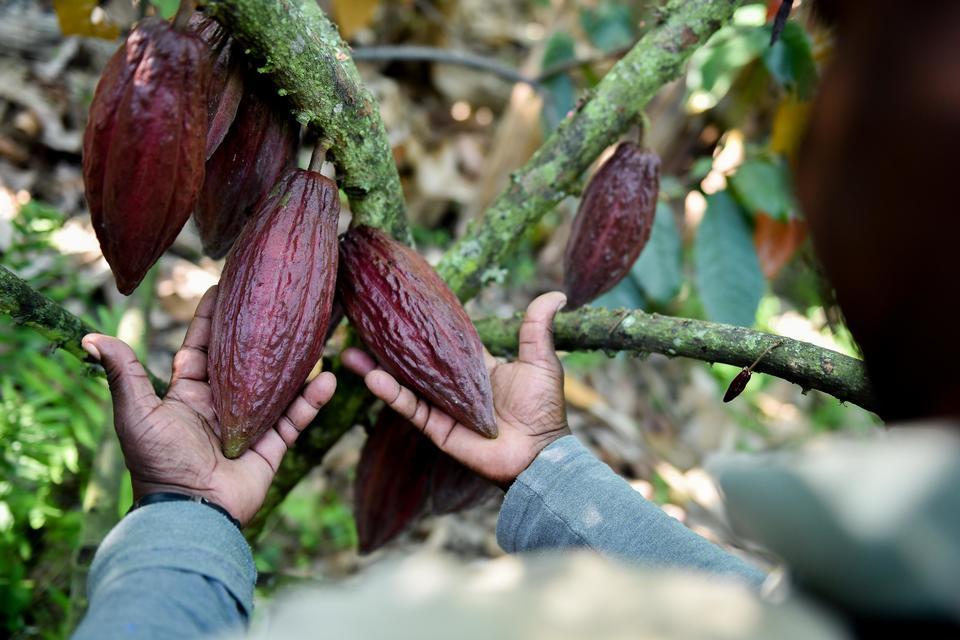
In cities such as Cali and across Colombia’s Pacific Coast region, chontaduro needs no introduction. It is more than a food: it is identity, history, and a local economy. It is part of everyday life, culture, and daily diets. Over time, its presence has not only been sustained but has also strengthened and expanded, progressively positioning itself as a crop with potential beyond its traditional consumption.
Today, chontaduro is at a turning point: it has the potential to become a driver of territorial and nutritional development, and its value chain is ready to take a strategic leap. More than a food with strong cultural identity, chontaduro represents a strategic opportunity to strengthen agrifood systems in Colombia, boost local economies, and improve the population’s nutritional conditions. On this path of recognition and positioning, the next step is clear: bringing it to everyone’s table.
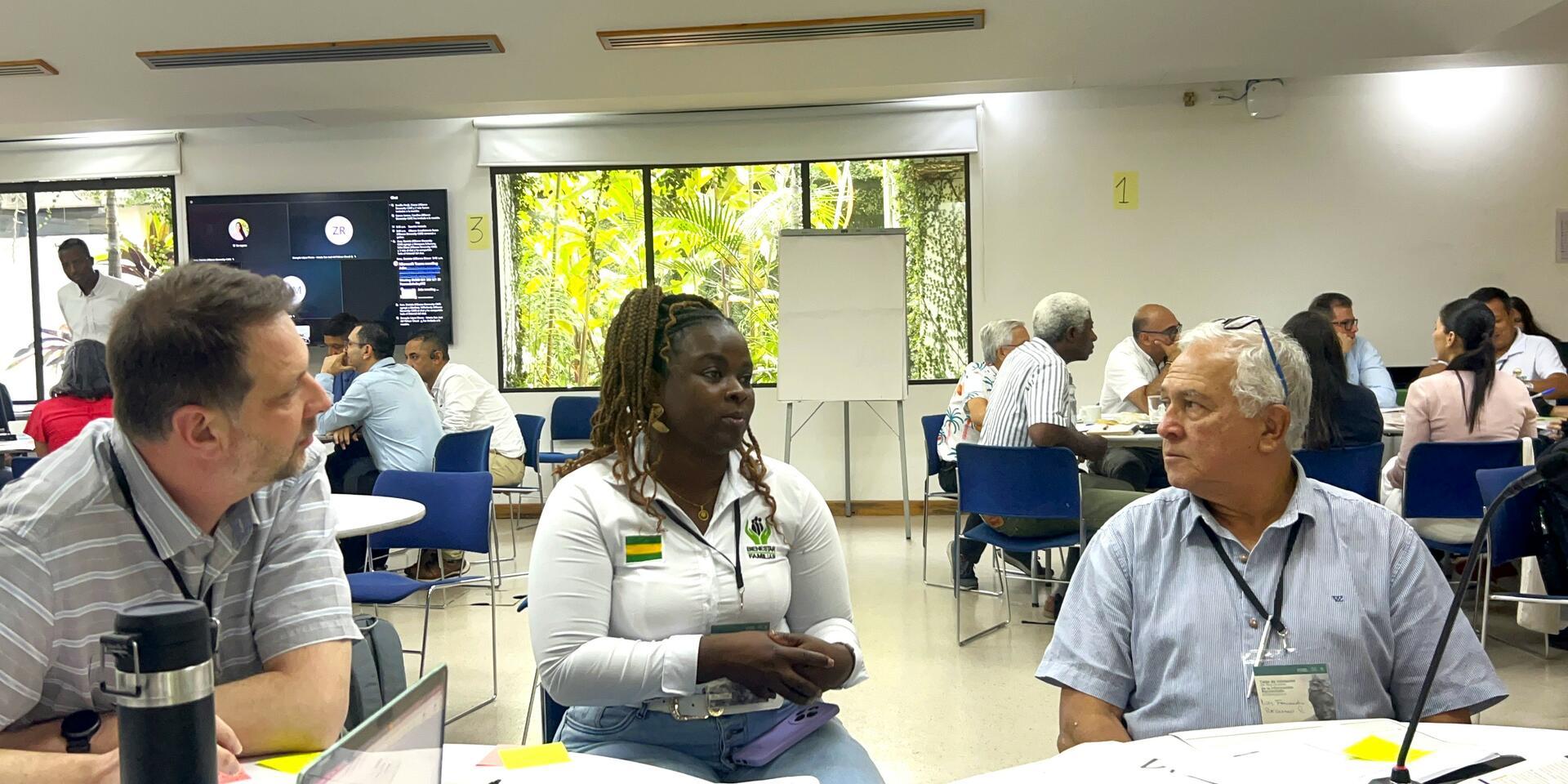
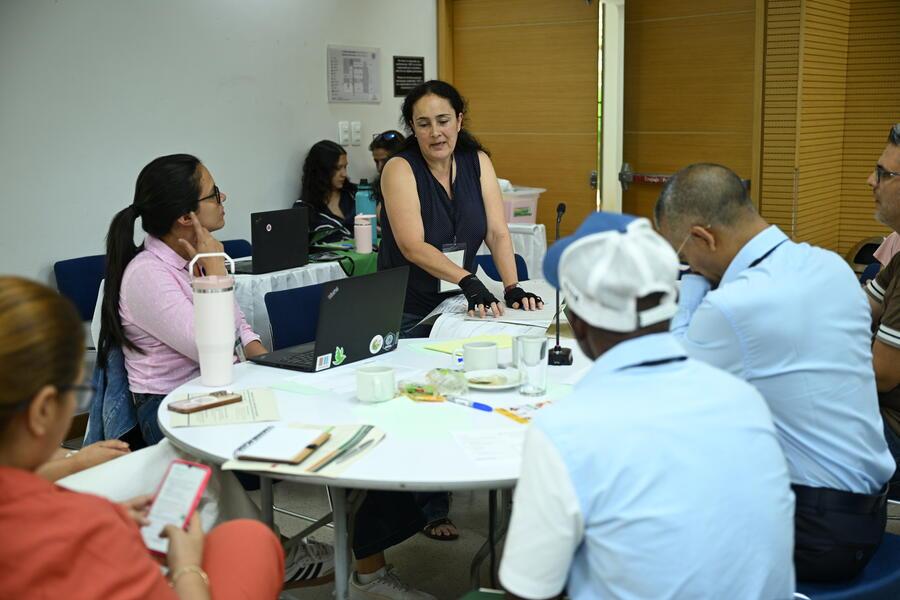
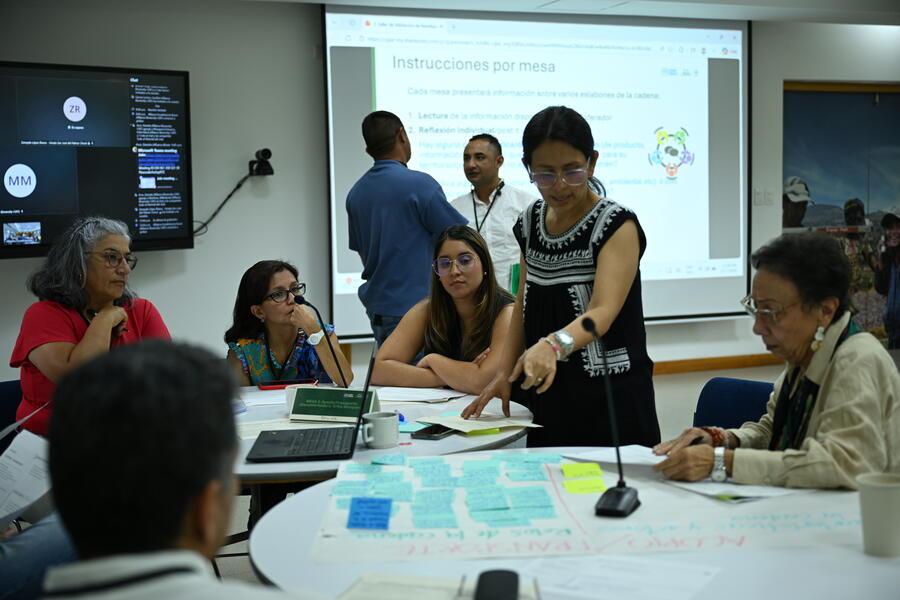
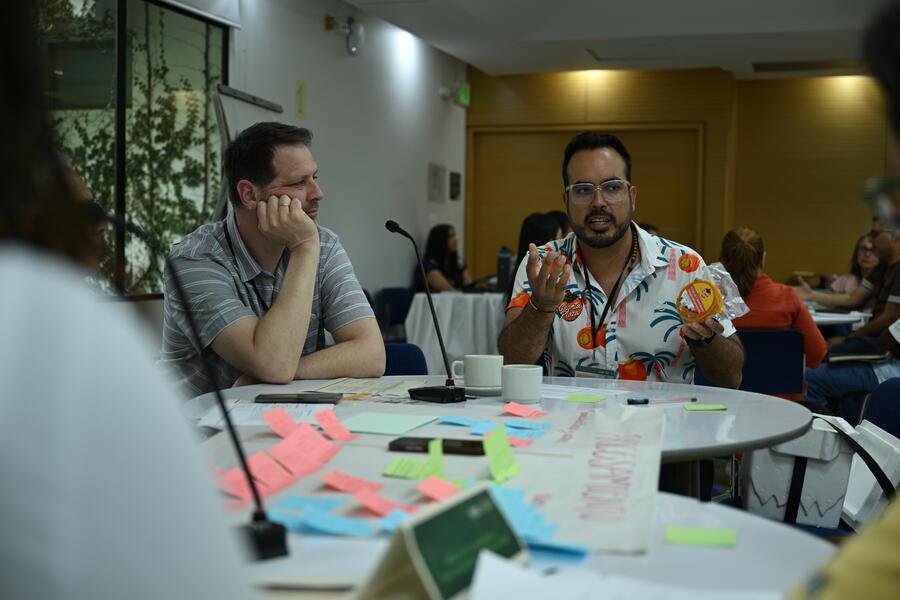
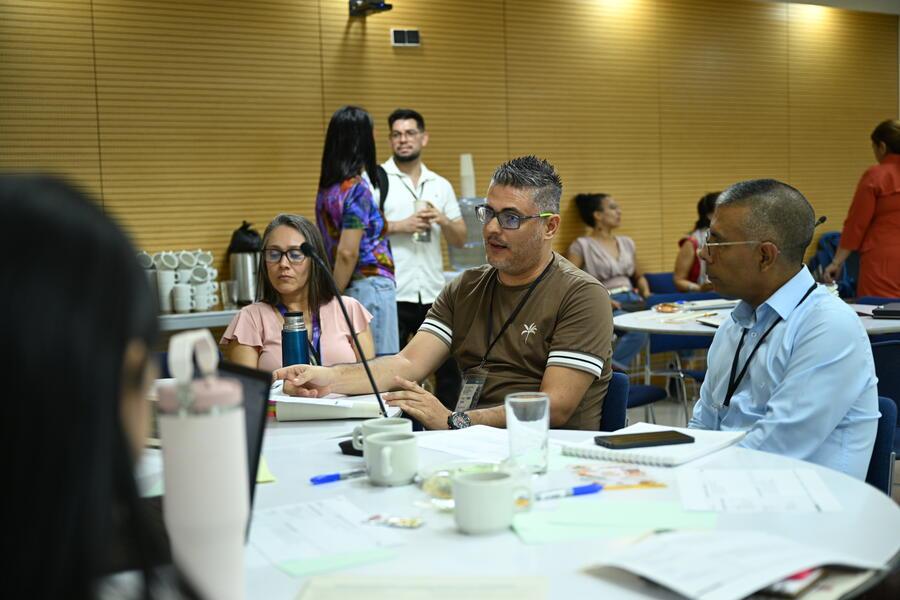
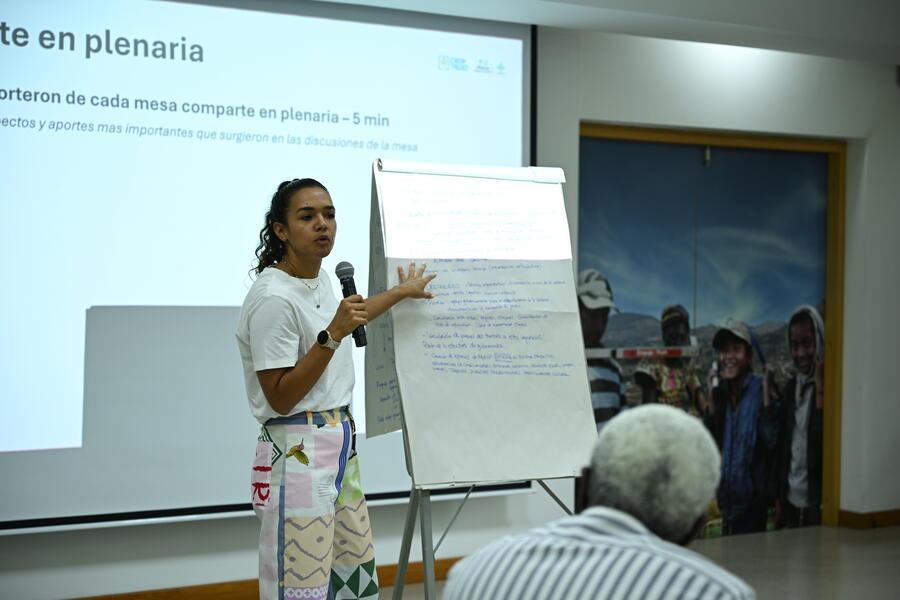
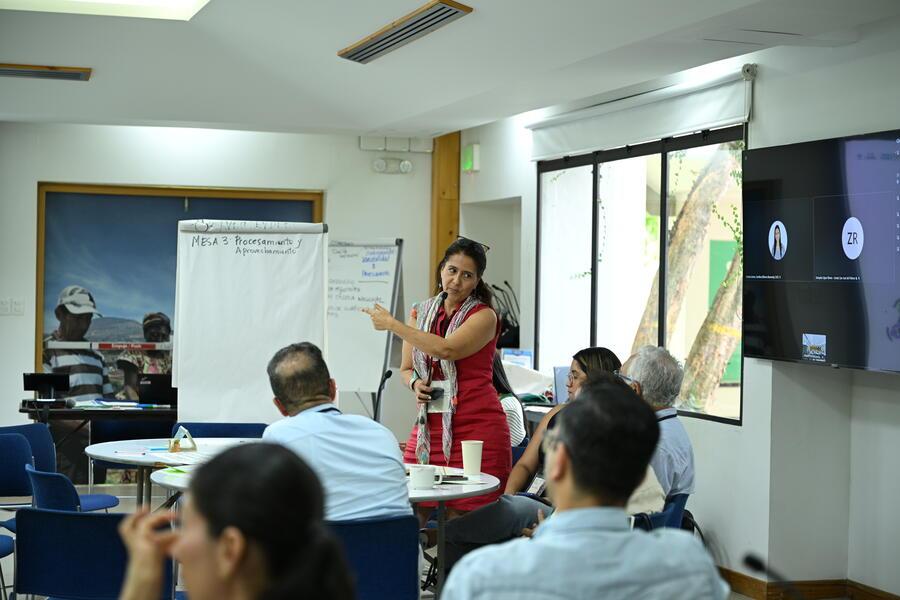
As part of this effort, the Alliance of Bioversity International & CIAT, within the framework of the Crop Trust’s Power of Diversity Funding Facility project, has been supporting a collective process around chontaduro, aimed at increasing the visibility of underutilized crops and strengthening value chains with high cultural and nutritional value. As part of this process, a validation workshop was held, bringing together actors from across the entire value chain:producers, processors, traders, researchers, and institutions—not only to analyze its current state, but also to share knowledge, contrast perspectives, and project its potential.
This space is part of a broader process that seeks to strengthen understanding of the crop from a systemic perspective, disseminate research results, and, above all, open spaces for dialogue that connect what happens at each link of the value chain.
A crop advancing steadily, a system still under construction, and the challenges it faces in the country
Chontaduro has demonstrated its ability to remain relevant and adapt to different contexts, supported by its nutritional value, diversity, and multiple uses, which position it as a crop with strong prospects and clear opportunities in processing and access to new markets. However, this consolidation process has been uneven. Although the crop has gained visibility and expanded its presence, its development still faces challenges closely linked to how its value chain is articulated. Rather than a weak chain, it is a system under construction—where actors, knowledge, and dynamics are already in place, but, where greater connection is still needed to move toward more integrated and sustainable development.
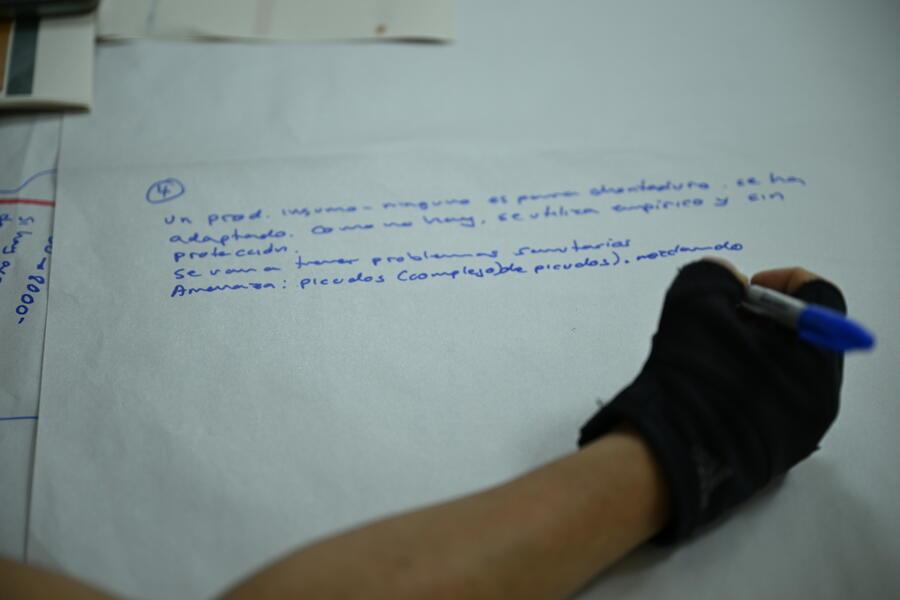
During the validation process, it became evident that many of the challenges facing chontaduro are not limited to production, but rather to how the different links in the chain interact and how the product moves from the territory to the final consumer. Similarly, challenges persist in coordination among actors and in process standardization, which directly affects quality, transformation potential, and access to broader markets.
To address this, the work being carried out through the Crop Trust’s Power of Diversity Funding Facility, together with the Alliance, seeks precisely to strengthen these connections by generating evidence on the value chain, identifying critical points and opportunities, and guiding more strategic actions toward a more integrated development of the crop.
Chontaduro already has a history—but what is needed to take the next step and reach more tables?
In regions where chontaduro is culturally rooted, its consumption remains stable and relevant. It is a product that has managed to sustain its presence and value within local food systems. The challenge is to expand its reach, this means entering new territories and, above all, connecting with new consumers, continuing to diversify its uses, and strengthening its positioning. To achieve this, promotion, innovation, and communication play a key role, as does the ability to coordinate efforts among those who produce, process, and market the fruit.
However, moving in this direction does not depend solely on the market. It also requires closing a significant gap: the distance between existing knowledge and its application in practice.
Although chontaduro has been studied in various areas from its nutritional properties to its transformation potential—this knowledge does not always connect with the real dynamics of the value chain. For this reason, one of the key focuses of the process has been to disseminate research findings and place them in dialogue with the experience of actors in the territory. This exchange not only helps to validate information but also enriches it and makes it more useful for decision-making translating existing knowledge into concrete actions that drive the crop’s development.
This process is also built collectively. Spaces such as workshops bring together diverse voices—producers, researchers, processors, and other actors, facilitating the exchange of experiences and the construction of a more comprehensive vision of the system. These spaces help establish a common foundation from which to move forward, align perspectives, identify priorities, and create conditions for more coordinated action. Along this path, the ongoing work seeks to open discussions and sustain them, understanding that taking chontaduro further is a step-by-step process.
A crop moving forward: building its projection beyond the territory
What continues to be built today around chontaduro in Colombia is also connected to a broader reality. In different countries where the Crop Trust’s Power of Diversity Funding Facility project is implemented, there are crops with similar characteristics: rooted in their territories, with high nutritional value, and with potential that is beginning to be strategically leveraged.
Chontaduro has demonstrated its capacity to endure, adapt, and expand. Today, the mission is to support this path with a more articulated value chain, a more strategic use of knowledge, and spaces for dialogue that continue connecting those who cultivate, transform, and value it.
Because its potential is already evident. The next step is to help consolidate it as a driver of territorial and nutritional development in Colombia. And that progress, step by step, is built best when done collectively.