Impact story New bean varieties strengthen food security in Latin America and the Caribbean

From September 29 to October 3, the Bioversity International-CIAT Alliance campus hosted the Korea-Latin America Food and Agriculture Cooperation Initiative (KoLFACI), a multilateral initiative that promotes innovation and technological collaboration between Korea, Latin America, and the Caribbean.
KoLFACI's mission is to transfer advanced agricultural technology from CIAT (Palmira) to Latin American countries, with financial support from the Korean government, promoting exchange programs, and strengthening the resilience of agricultural production systems in the face of current challenges.
In line with this goal, the national programs that are part of the consortium, such as CENTA, DICTA, and AGROSAVIA, have released new improved bean varieties designed to respond to the agroecological conditions of different Latin American countries. These varieties not only seek to increase crop productivity and sustainability, but also strengthen access to an essential nutritional source for millions of people.
Within the framework of the KoLFACI project, several Latin American countries have made progress in releasing new improved bean varieties, the result of joint work between national programs and CIAT.
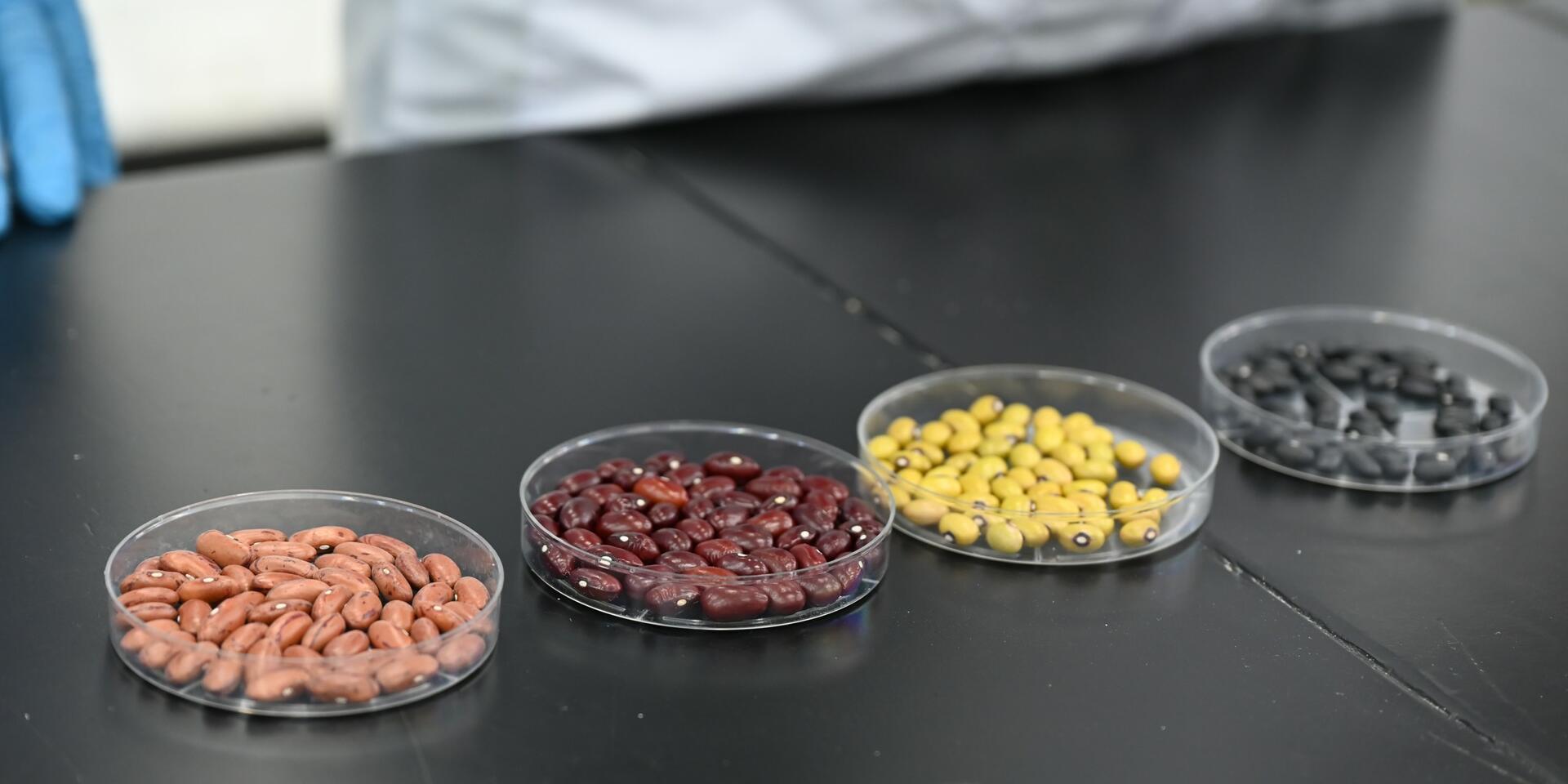
In 2023, the red bean varieties Urán were released in Costa Rica and INTA Llano Seco in Nicaragua. During 2024, the process was expanded to several countries in the region: in Bolivia, Negro INIAF (black bean), Rojo RBT (red bean), and Frijol INIAF (mottled red bean) were introduced; in Costa Rica, the Quiribrí variety; in Guatemala, ICTA Tahual (black bean); in Honduras, Rojo Fortificado (red bean); and in Nicaragua, Frijol INTA JM (red bean). That same year, in the Dominican Republic, Julio Nim, a biofortified black bean, was released.
These releases reflect the program's progress in developing materials adapted to different agroecological conditions, contributing to improving the productivity, sustainability, and nutritional quality of the region's agricultural systems.
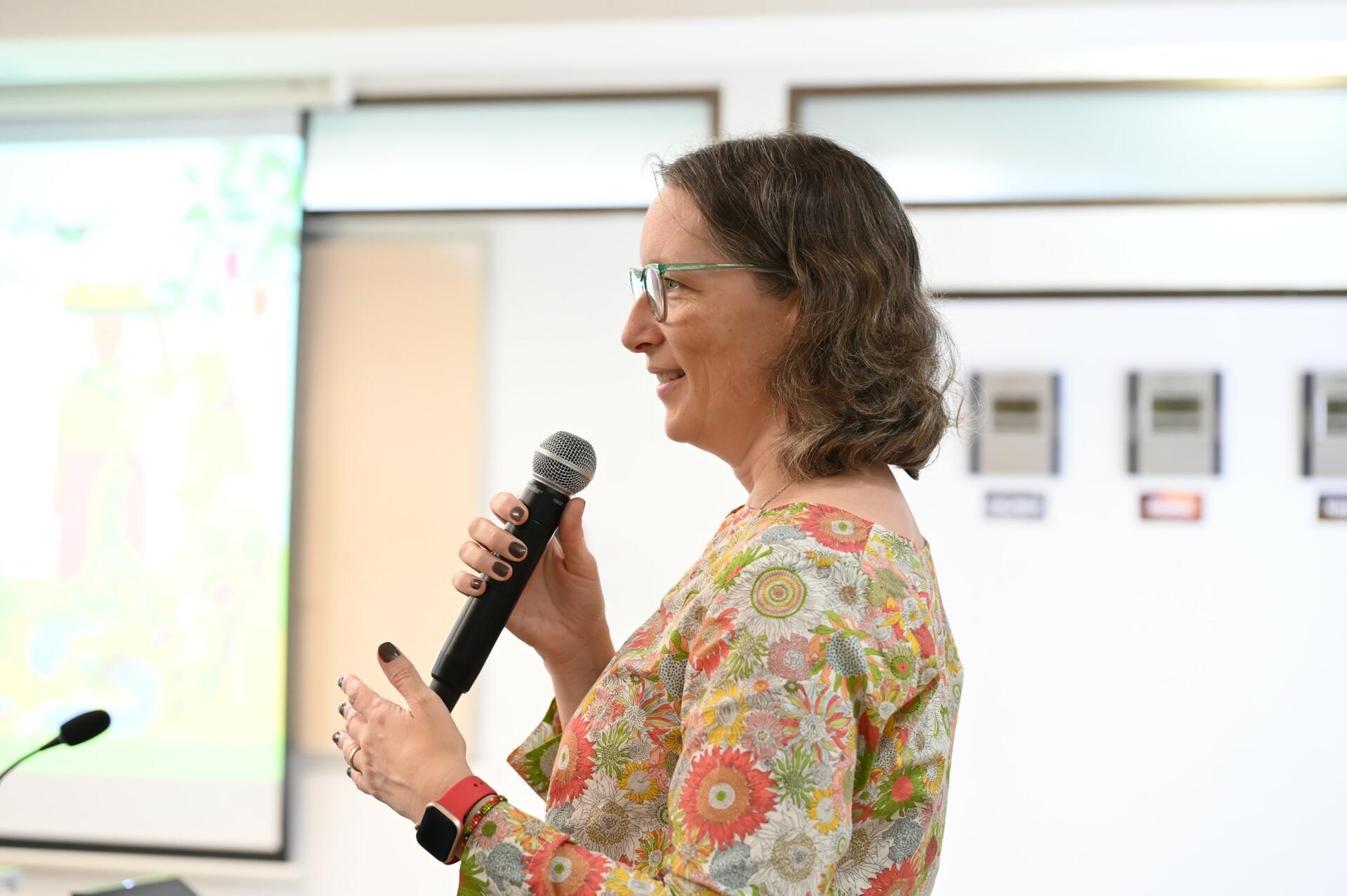
"We hope that these adapted and improved varieties will reach farmers and contribute to improving their quality of life," said Jennifer Wilker, Lead Bean Breeder for Latin America.

Jennifer Wilker
Lead Bean Breeder, Latin AmericaBeans that transform agriculture and nutrition
Beans are a staple food in the Latin American diet, recognized for their contribution of protein, fiber, and essential minerals. However, they face challenges such as low productivity in traditional systems, the incidence of pests and diseases, and vulnerability to climate change.
The newly released varieties offer key benefits:
- Resistance to diseases and pests, which reduces losses for farmers and decreases the use of agrochemicals.
- Adaptation of the crop to different environments, facilitating crop development in different production areas.
- Greater yield and productive stability, generating more income for farmers.
- Better nutritional value, providing proteins and essential nutrients to families.
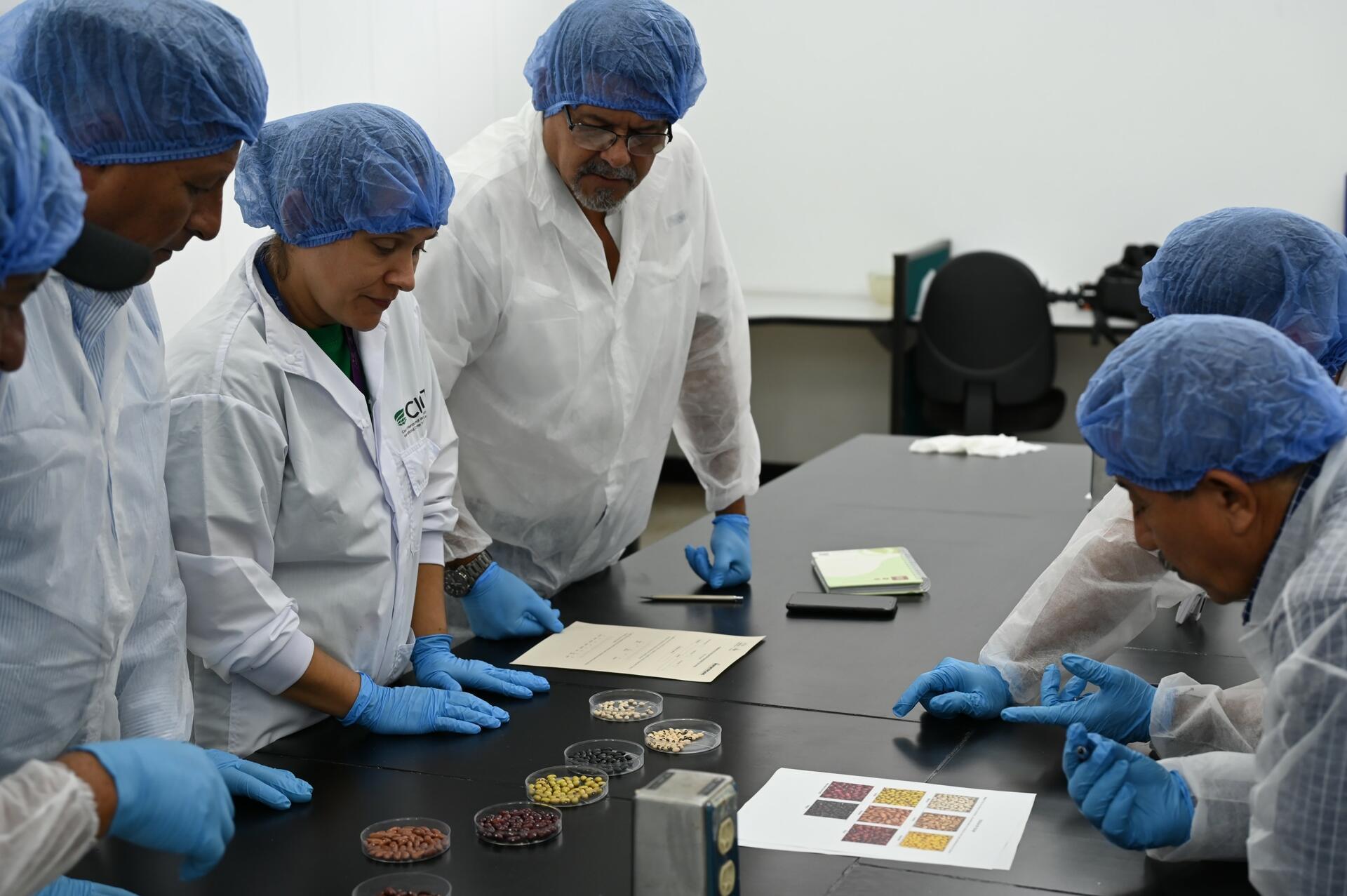
Applied innovation for a sustainable future
Field trials conducted in several Latin American countries have validated the performance of these materials under real-world growing conditions. Thanks to the KoLFACI collaborative network, the varieties are now available to national seed systems and farmers interested in their multiplication and adoption. The research behind the Bean Program and KoLFACI has been fundamental to the development of these innovations. Through years of collaboration between CIAT researchers, national institutions, and international partners, significant scientific advances have been made in genetic improvement, evaluation of materials under different environmental conditions, and participatory validation with farmers. This process has not only allowed for the development of more adapted, productive, and sustainable varieties, but also strengthened local capacities and promoted knowledge transfer throughout Latin America and the Caribbean.
With initiatives like this, beans are consolidating not only as a strategic food for nutrition, but also as a key crop to face the challenges of future agriculture.
Team
Jennifer Wilker
Lead Bean Breeder, Latin America
Jose Polania
Scientist II