Blog Crafting a national agenda for neglected and underutilized species in Ghana

Ghana has more than 70 documented neglected and underutilized species (NUS), but their status is insecure, and several species have experienced a loss of varieties, including plantain and yam.
The proposed National Agenda for NUS has six interrelated action areas and more than 30 actions. It calls upon all parts of society to study, promote, conserve, and sustainably use NUS in a concerted way through collaboration from local to national levels.
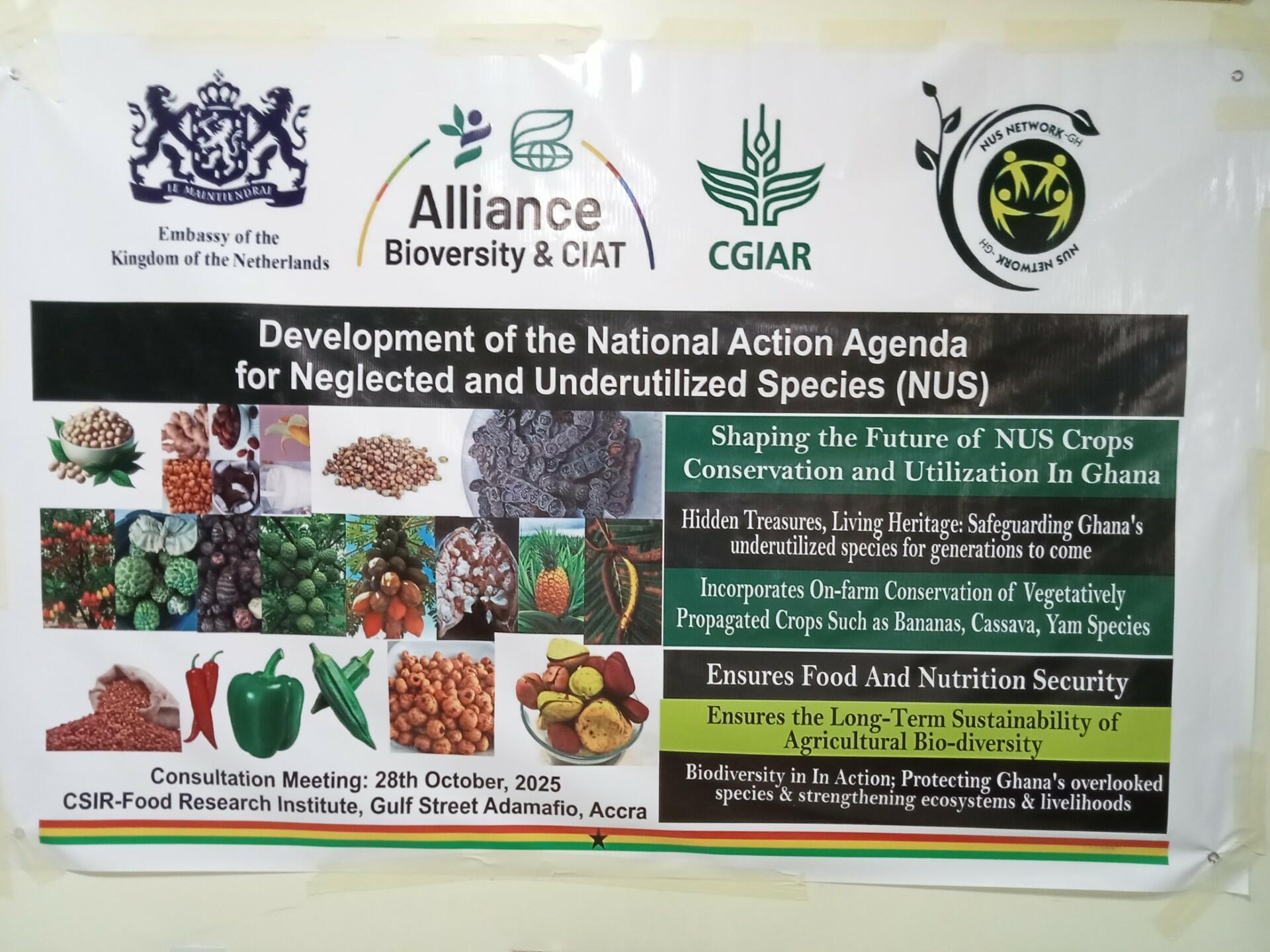
Workshop banner. Credit: NUS Network, Ghana
Neglected and underutilized species
Neglected and underutilized species (NUS) - also referred to as orphan-, forgotten-, and opportunity crops - have been produced and consumed for ages for their food, fiber, fodder, oil, and medicinal properties. However, their roles and importance have been undervalued and neglected by researchers, policymakers and markets. NUS are often nutrient rich and contribute to food and nutrition security, income generation, good health and well-being.
NUS include cultivated, semi-domesticated and wild species and traditional varieties. NUS are embedded in farmer-managed seed systems in which farmers maintain control over seeds they use, exchange, multiply and conserve, based on socio-cultural and socio-economic relationships. Ghana has more than 70 documented NUS, but their status is insecure, and several species have experienced a loss of varieties, e.g. plantain and yam.
In October 2021, a National Roundtable on the conservation and sustainable use of neglected and underutilized species was held in Accra, organized by the NUS Network of Ghana, the Alliance of Bioversity International and CIAT, and the Embassy of the Kingdom of the Netherlands in Ghana. The Roundtable brought together representatives of civil society, government and the private sector, who drafted an outline of a national action plan for NUS.
Since then, the conservation and sustainable use of NUS have gained some traction at the national level and modest progress has been made toward integrating NUS into agricultural, biodiversity, and nutrition policies. For example, the National Climate Change Adaptation Plan highlights crop diversification with local varieties as a resilience measure. The Feed Ghana Programme (2025-2028), which builds on the Planting for Food and Jobs Phase II (2023–2028) initiative, promotes several interventions, among which micro- and school gardening as means to accelerate the transformation of Ghana’s agricultural sector, ensure food security, create sustainable employment, and enhance economic growth by reducing import dependency while boosting domestic production and export.
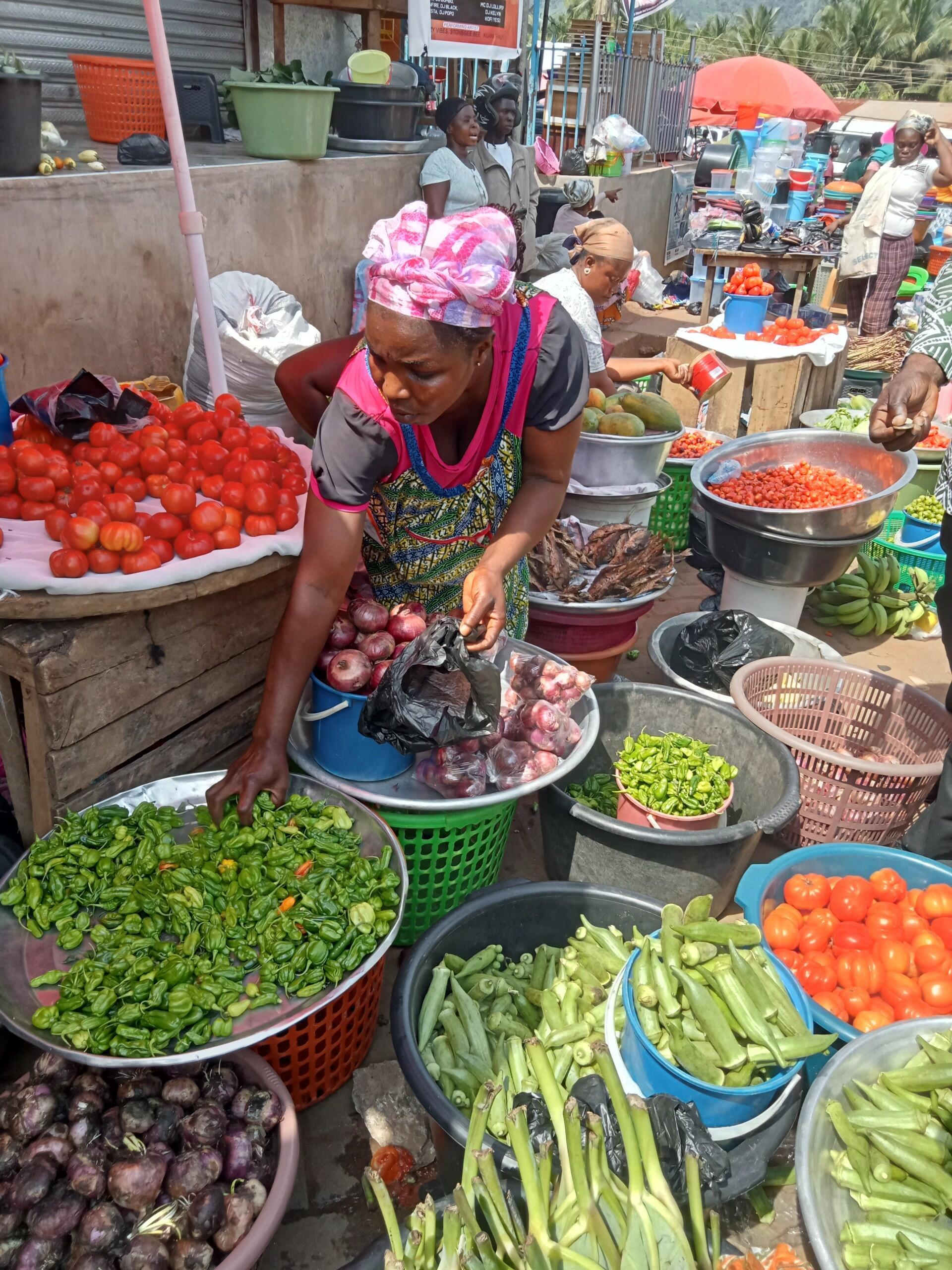
Selling NUS at the Nkurakan market. Credit: Bioversity International/RVernooy
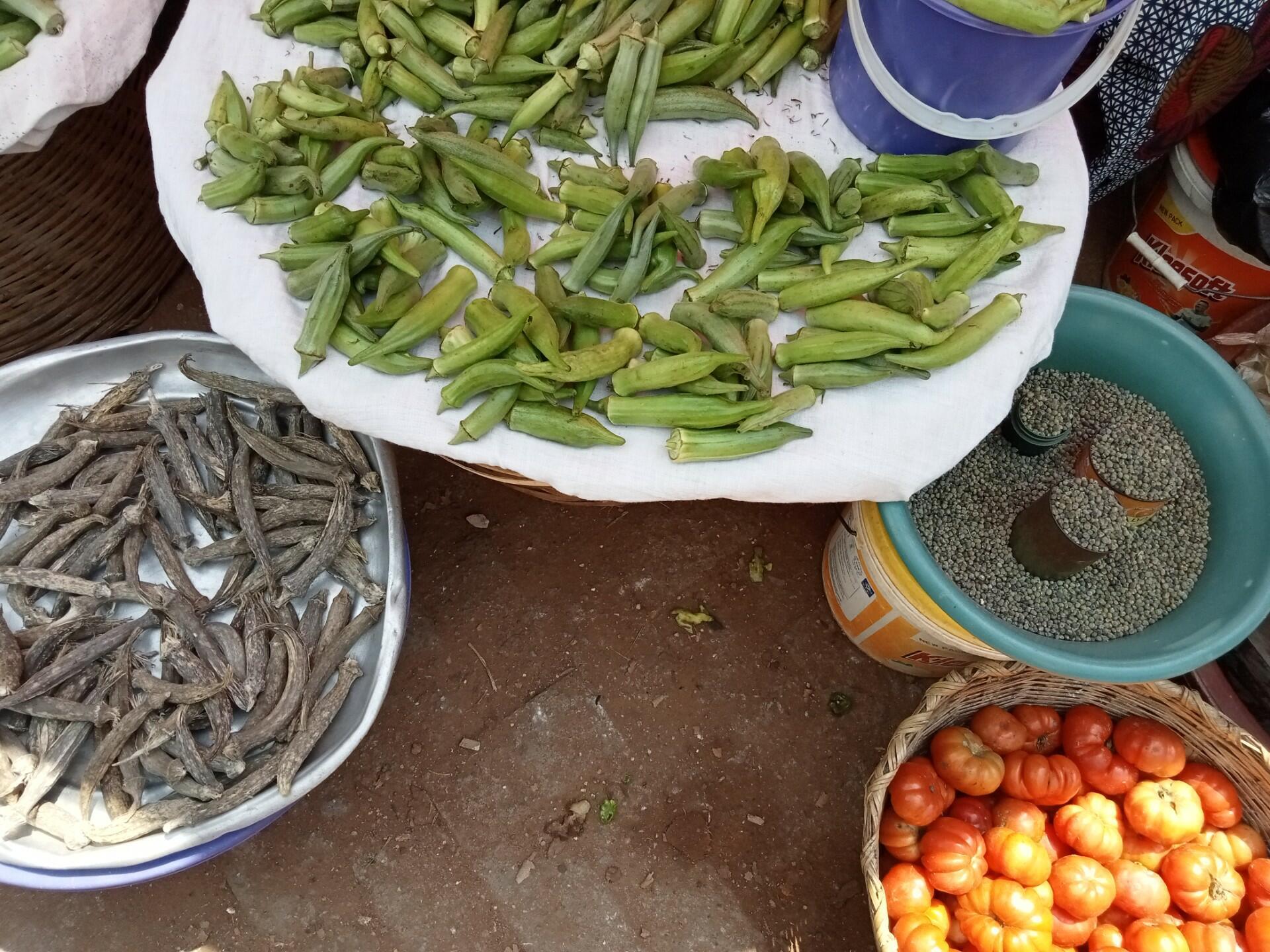
Okra and okra seeds Nkurakan market. Credit: Bioversity International/RVernooy
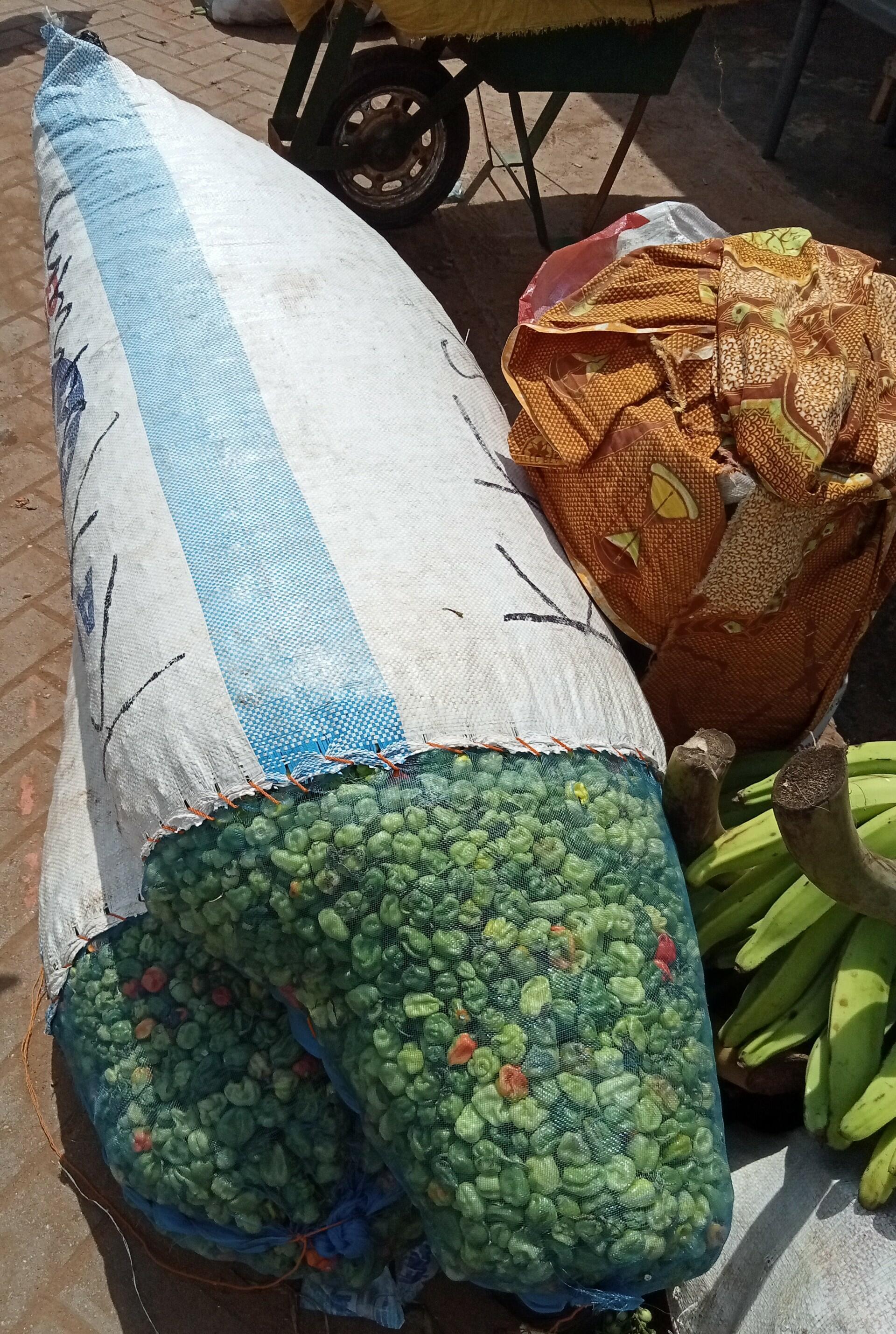
Chili Nkurakan market. Credit: Bioversity International/RVernooy
Towards a national agenda
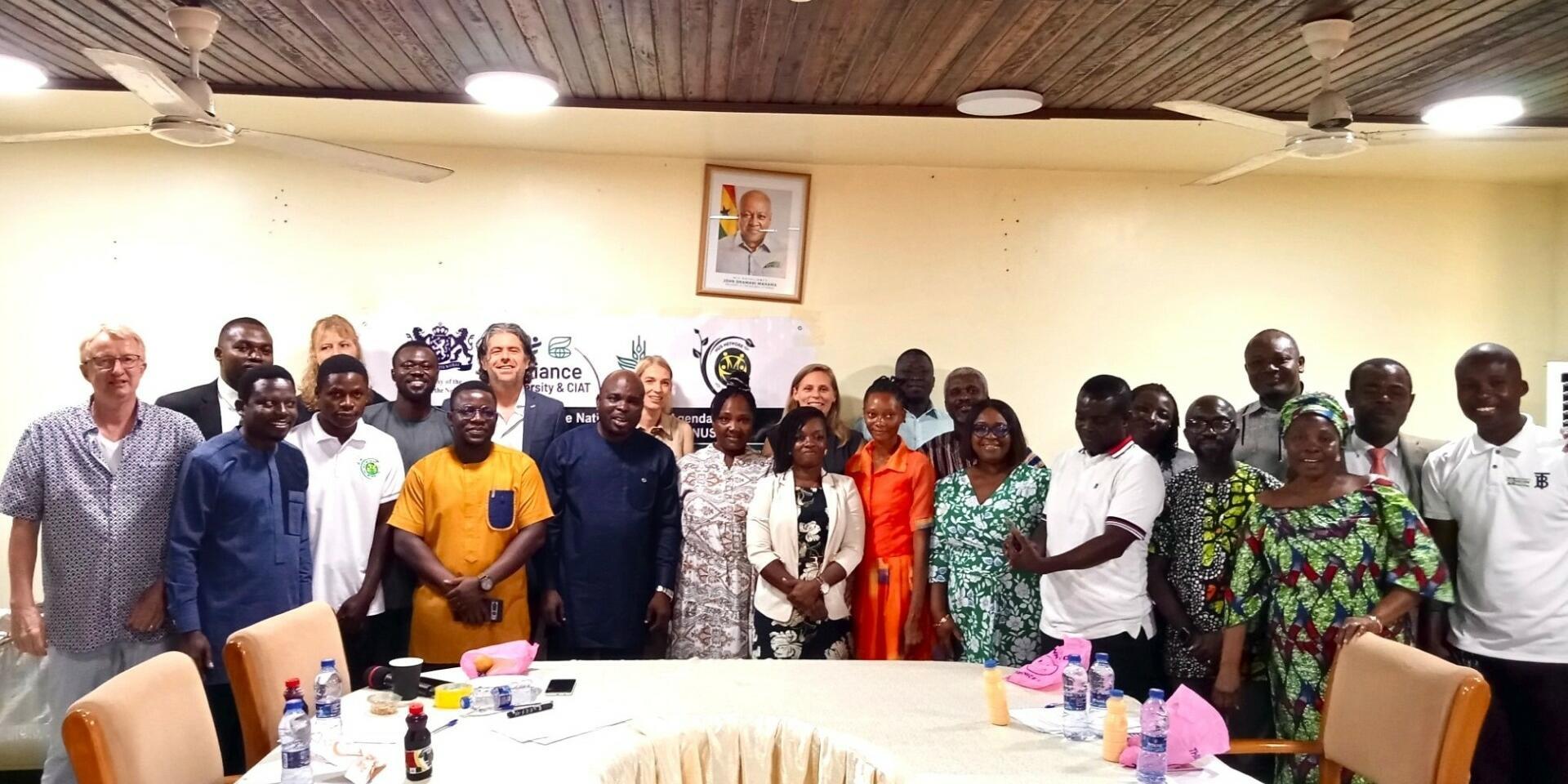
Despite the increased policy attention, Ghana still has no national agenda or strategy for NUS. The National Agenda for Neglected and Underutilized Species in Ghana aims to fill this identified policy gap. It is based on a national consultation process facilitated by the NUS Network of Ghana and the Alliance with the support of the Embassy of the Kingdom of the Netherlands in Ghana. On 28 October, about 30 participants from government, private sector and civil society came together to review the draft National Agenda document and provide inputs for its finalization. The National Agenda has six interrelated action areas and more than 30 proposed actions. It calls upon all parts of society to study, promote, conserve, and sustainably use NUS in a concerted way through collaboration from local to national levels. Here is a snapshot of the agenda:
- Strengthening the traditional and scientific knowledge base: Compile and publish a national NUS catalogue that includes ethno-botanical uses and develop a system to maintain the catalogue up to date,
- Rescuing and conserving NUS ex situ and in situ: Protect and restore degraded agro-ecosystems and natural habitats where NUS are cultivated and grown,
- Resilient seed systems: selection, management, multiplication and improvement: Develop simple-to-use guidelines for NUS seed/seedling management at community and field levels, e.g. through the establishment of community field banks, nurseries and seed gardens,
- Harvesting, value addition, marketing and distribution: Integrate NUS into crop diversification strategies to decrease the dependence on high-input crops and increase the resilience of food systems while conserving local biodiversity and related knowledge,
- Responsible consumption and use: Support research on value addition activities (e.g. small agri-business development) for new uses of NUS for health, nutritional, ornamental, and medicinal purposes,
- Creating an enabling environment through education, communication, extension, policy and research: Recognize and empower NUS custodian farmers and community seed banks to become champions of NUS from local to national levels and support their rights to benefit from the conservation and sustainable use of NUS.
The National Agenda will be finalized in the coming weeks and then officially launched.