Blog Livestock goes local: Rein van der Hoek's contributions to community resilience in West Africa
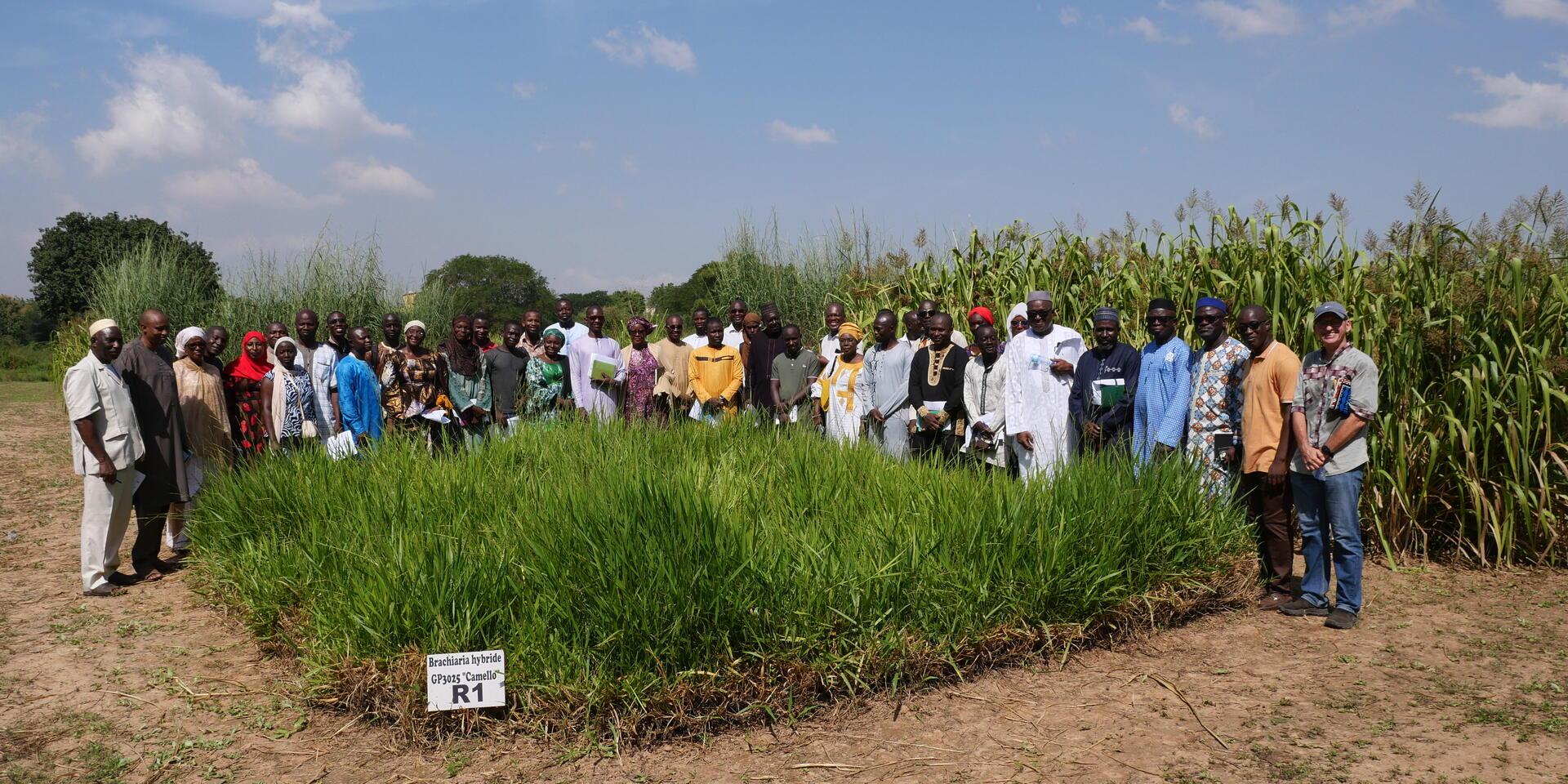

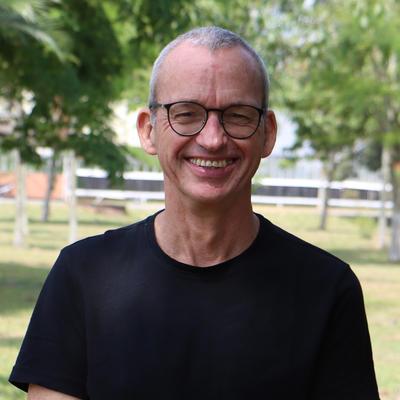
Alliance Scientist Dr. Rein van der Hoek’s work integrates mixed farming systems that integrate crops, livestock and trees to improve soil health, increase biomass production and strengthen resilience to environmental challenges.
When he began his studies, Rein van der Hoek was surrounded by friends whose families were small-scale livestock farmers. He developed an interest in farming at a young age, but he was not sure how to focus his interests in agriculture and sustainability. While exploring various fields, van der Hoek felt skeptical about industrial farming methods: "I found that this model was too focused on yield, often at the expense of the environment". Only when he focused his studies on tropical agriculture - especially on the integration of livestock into ecosystems - he found his passion. He explains: "Discovering tropical food production showed me the possibility of reconciling my interests in agriculture and sustainability".
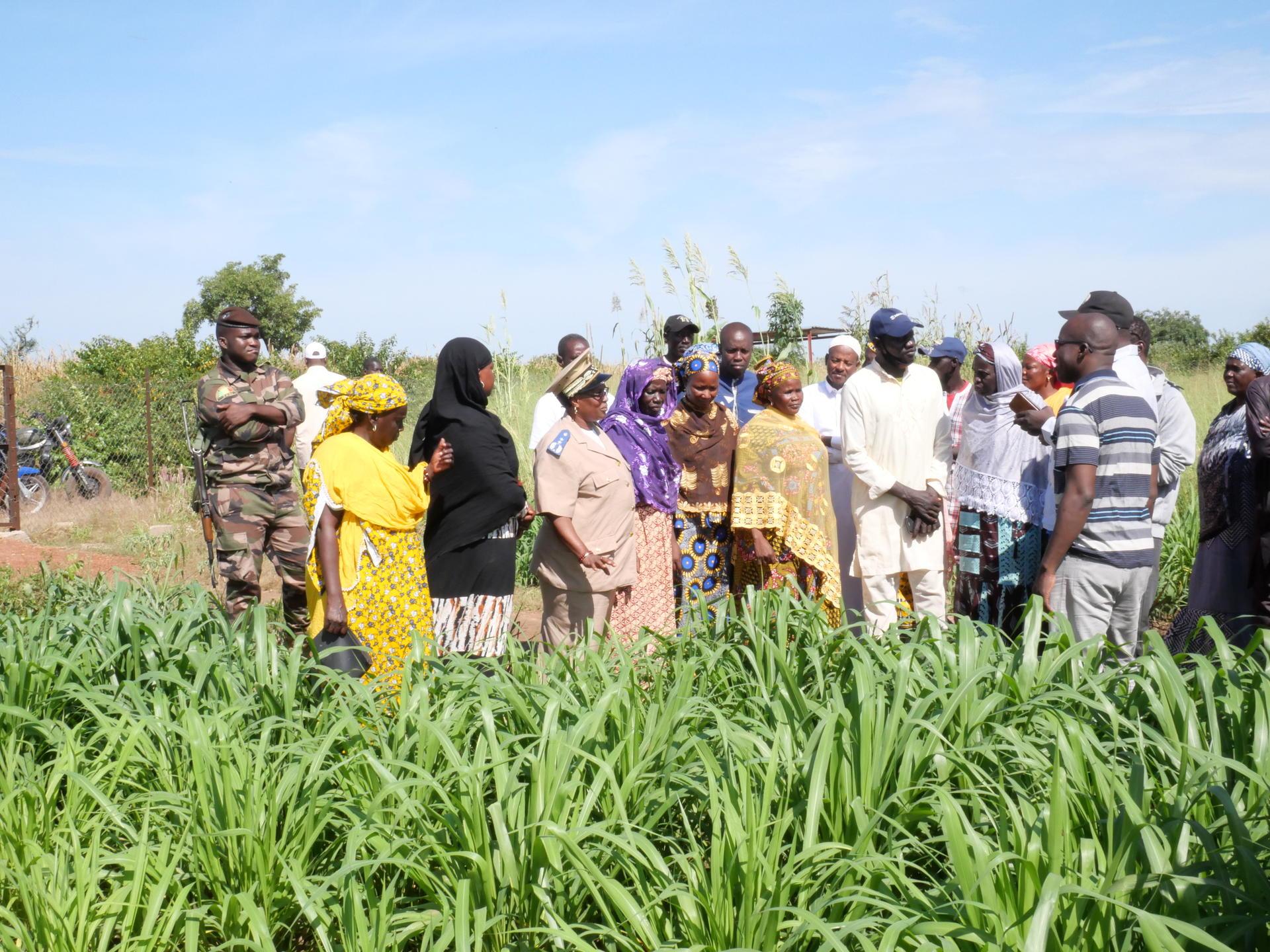
Redefining agriculture: An integrated and local vision
After completing his studies at Wageningen University, van der Hoek sought to apply his knowledge practically, and he joined the International Center for Tropical Agriculture (CIAT) - now part of the Alliance. For over 20 years, he led projects in Central America and, more recently, in Africa. These experiences reinforced his belief that agricultural solutions must be tailored to local contexts: "Universal solutions don't work. It's crucial to understand the specifics of each region".
Having settled in Senegal, he now works to support rural communities facing challenges from climate change and soil degradation. In his words: "My goal is to strengthen their resilience against current and future issues". By closely collaborating with local organizations, governments, and farmers, he works to ensure that innovations meet specific needs and are sustainably integrated into agricultural practices. This participatory approach not only helps find effective solutions, but also builds trust and autonomy among local stakeholders.
His commitment to farming communities in West Africa reflects his vision of a future where this region becomes a leader in sustainable agriculture: "By combining local knowledge with modern science, we can design agricultural systems that are both productive and environmentally respectful," he concludes optimistically.
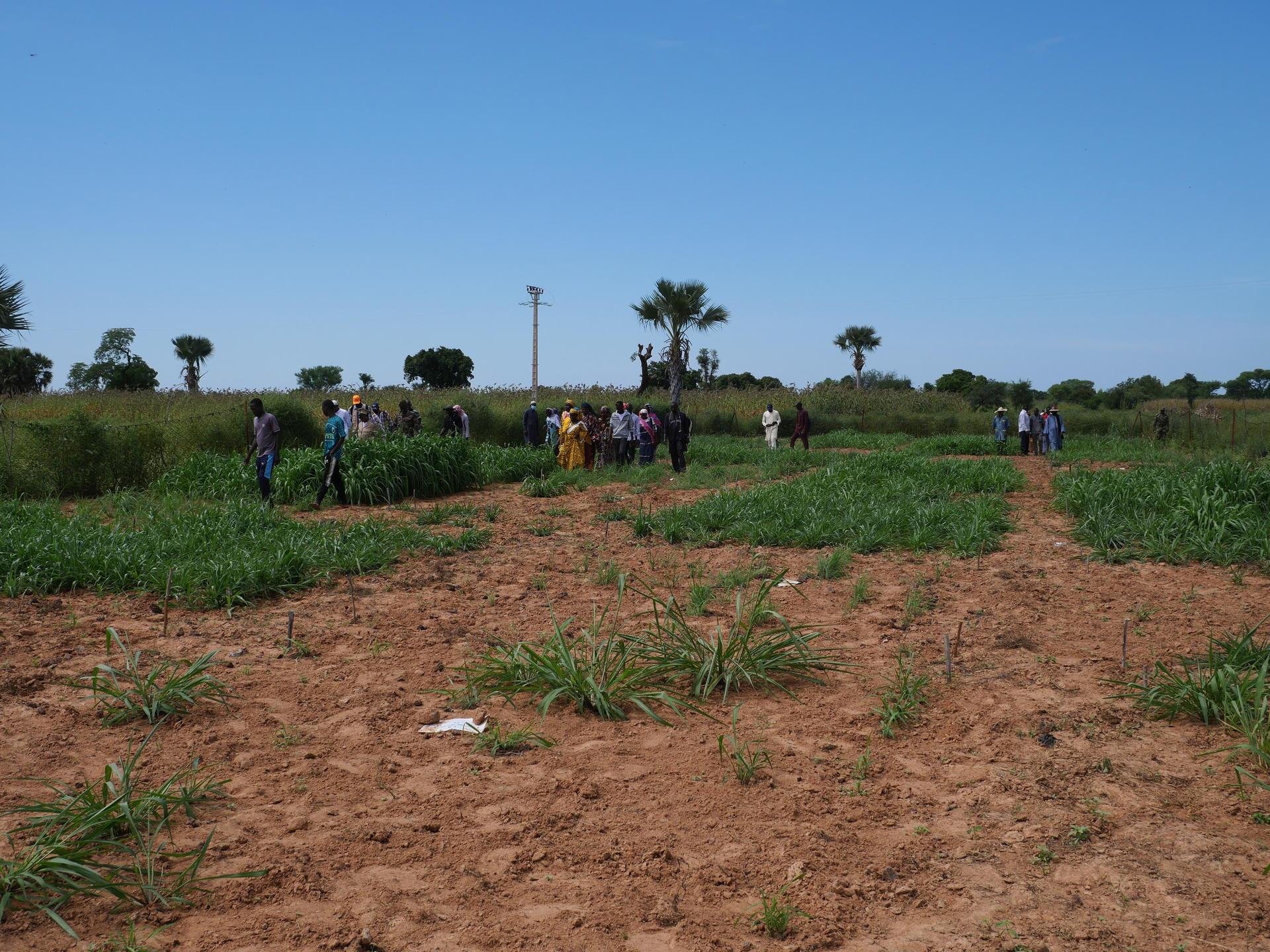
Innovating for the Future: Forages in mixed crop-livestock-tree systems
Faced with the reality of depleted soils and limited resources, Rein van der Hoek introduces forages in mixed farming systems that integrate crops, livestock, and trees. According to him, "this approach not only optimizes land use, but also enriches biodiversity and strengthens nutrient cycles".
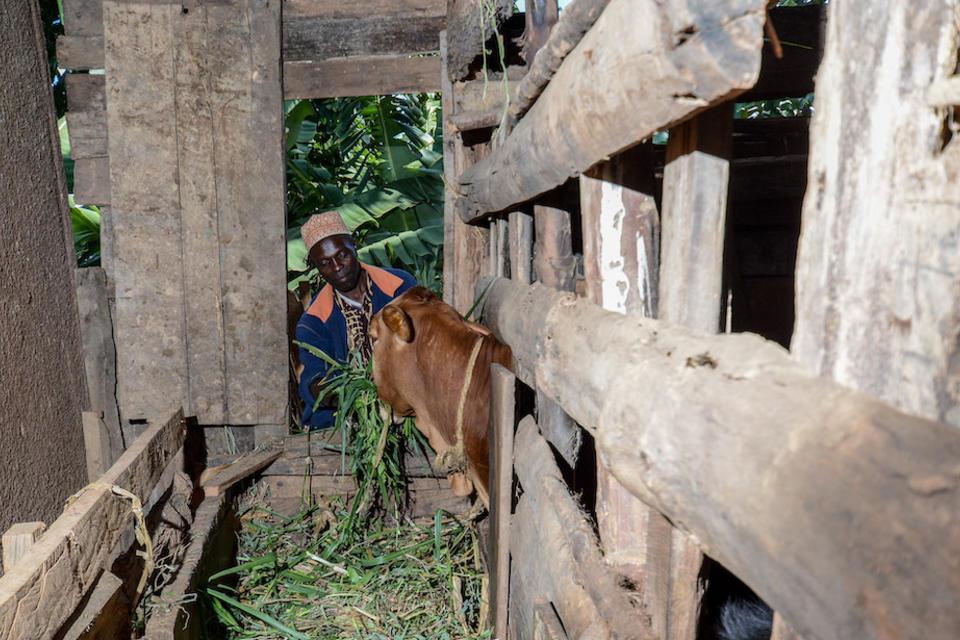
In collaboration with national partners and local farmers, he conducts agronomic and participatory evaluations to test these innovations. Some pilot fields show impressive results, with biomass production reaching up to 30 tons per hectare per year: "These forages provide superior quality feed for livestock, improving milk and meat production and quality".
The integration of forages into mixed systems not only improves livestock productivity, but also contributes to enriching biodiversity by creating habitats for various species and promoting greater plant diversity. Nutrient cycles are enhanced through the combination of crops, forages and trees, which work synergistically to restore soil fertility and increase its water retention capacity.
By betting on these methods, van der Hoek offers farmers a path toward more resilient and sustainable agriculture: "Faced with the challenges of climate change and soil degradation, it is essential to adopt integrated approaches that benefit both people and nature," he asserts.
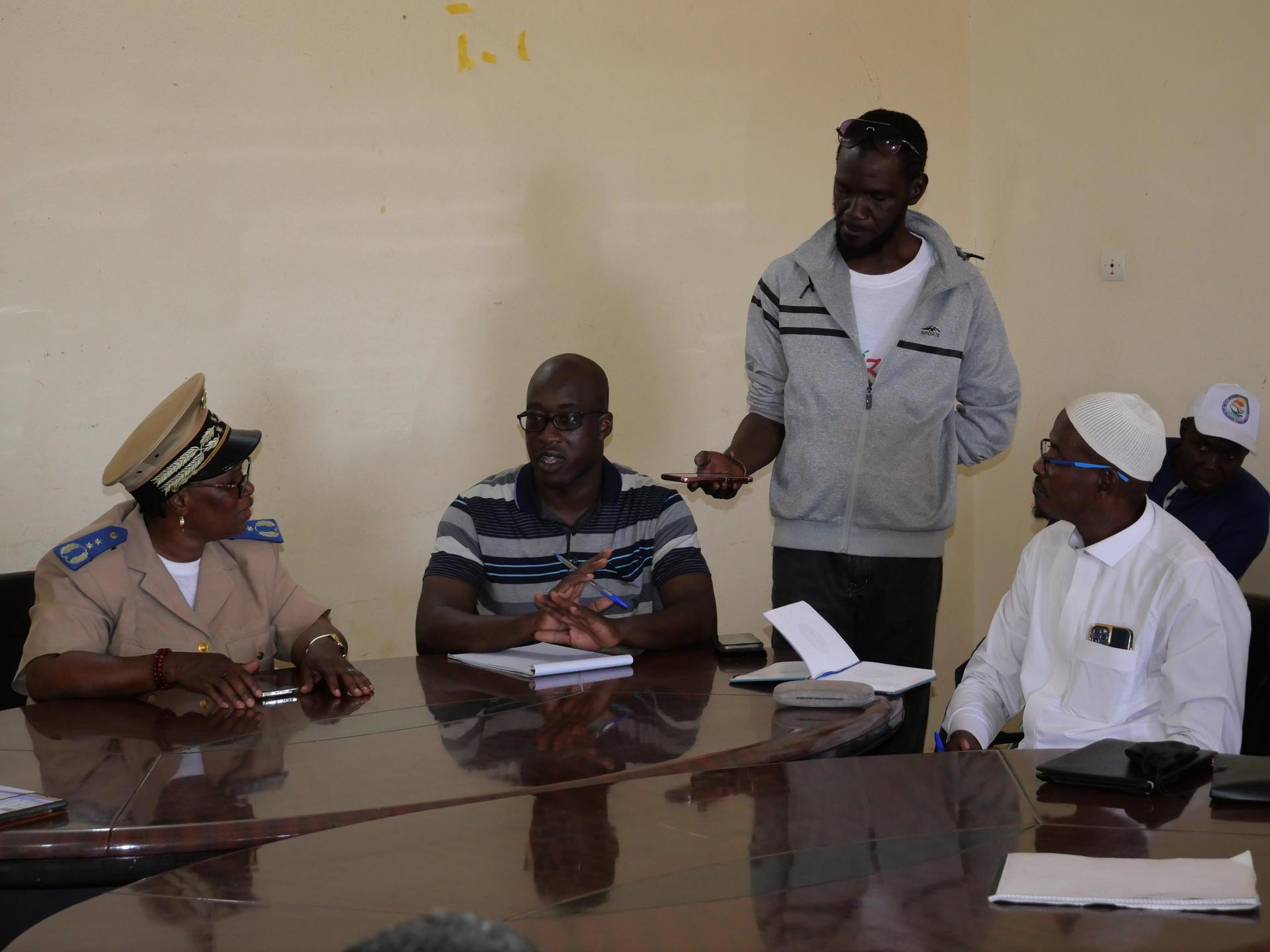
Ecological and social impacts: Cultivating change
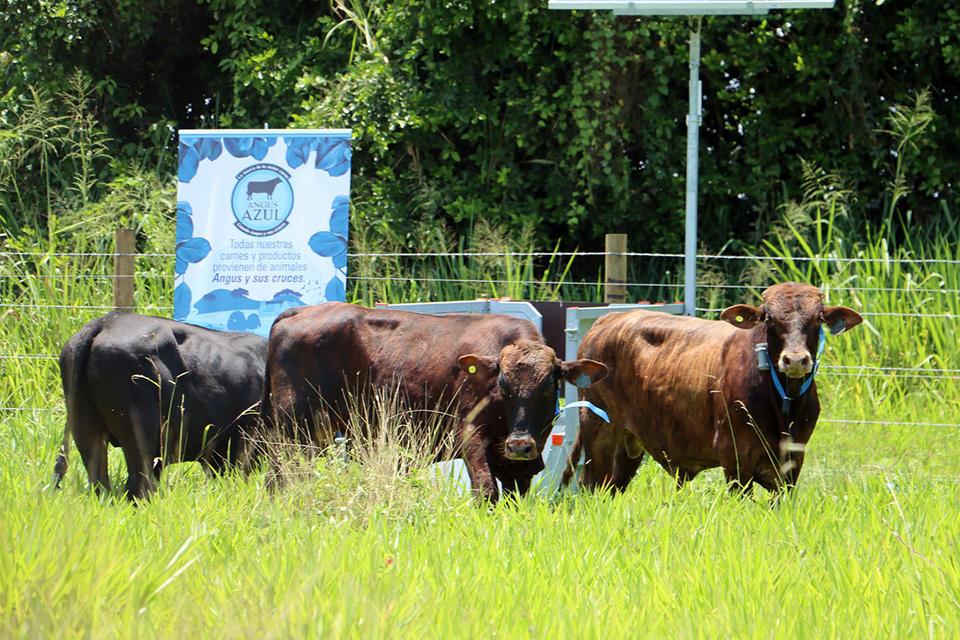
Innovations based on improved forages have a profound impact on the environment and rural communities. By introducing legumes in pastures, the communities that work with van der Hoek reduce livestock methane emissions through their improved digestibility. Furthermore, systems incorporating improved grasses can sequester up to 267 tons of carbon per hectare, making a significant contributions to climate change mitigation: "It's a benefit for farmers, communities, and the planet," he affirms.
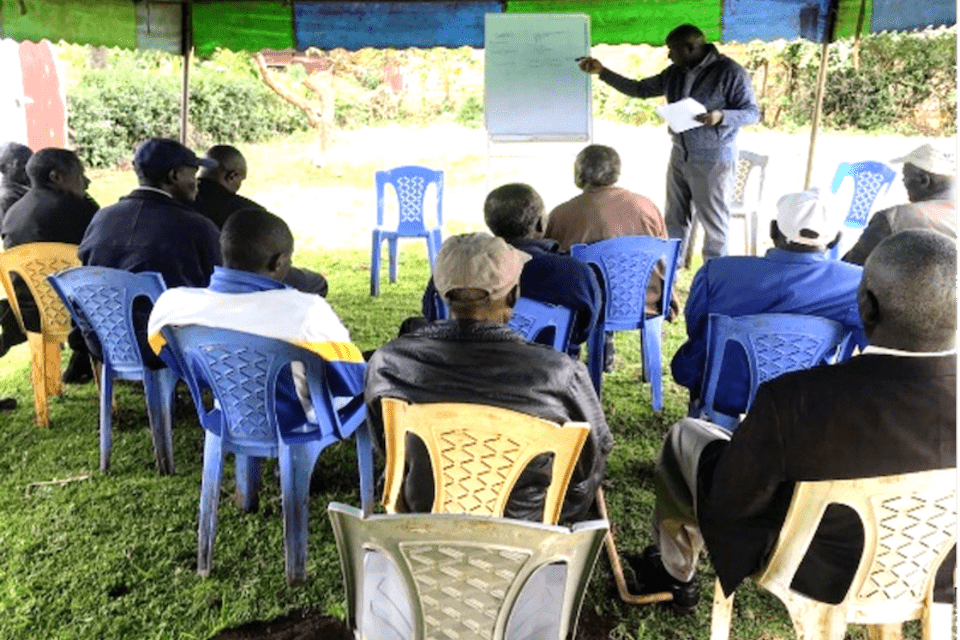
For livelihoods, the results are equally positive. Thanks to improved animal productivity, farmers see an increase in their incomes. The training and practical demonstrations provided by Dr. van der Hoek and his team strengthen local skills, enabling communities to adopt and adapt these new techniques: "It is essential that farmers can tailor these practices to their specific needs," he insists.
His approach, focused on building local capacities, relies on the synergy between local knowledge and modern sciences: "When we unite these two types of knowledge, we can accomplish great things," he concludes.
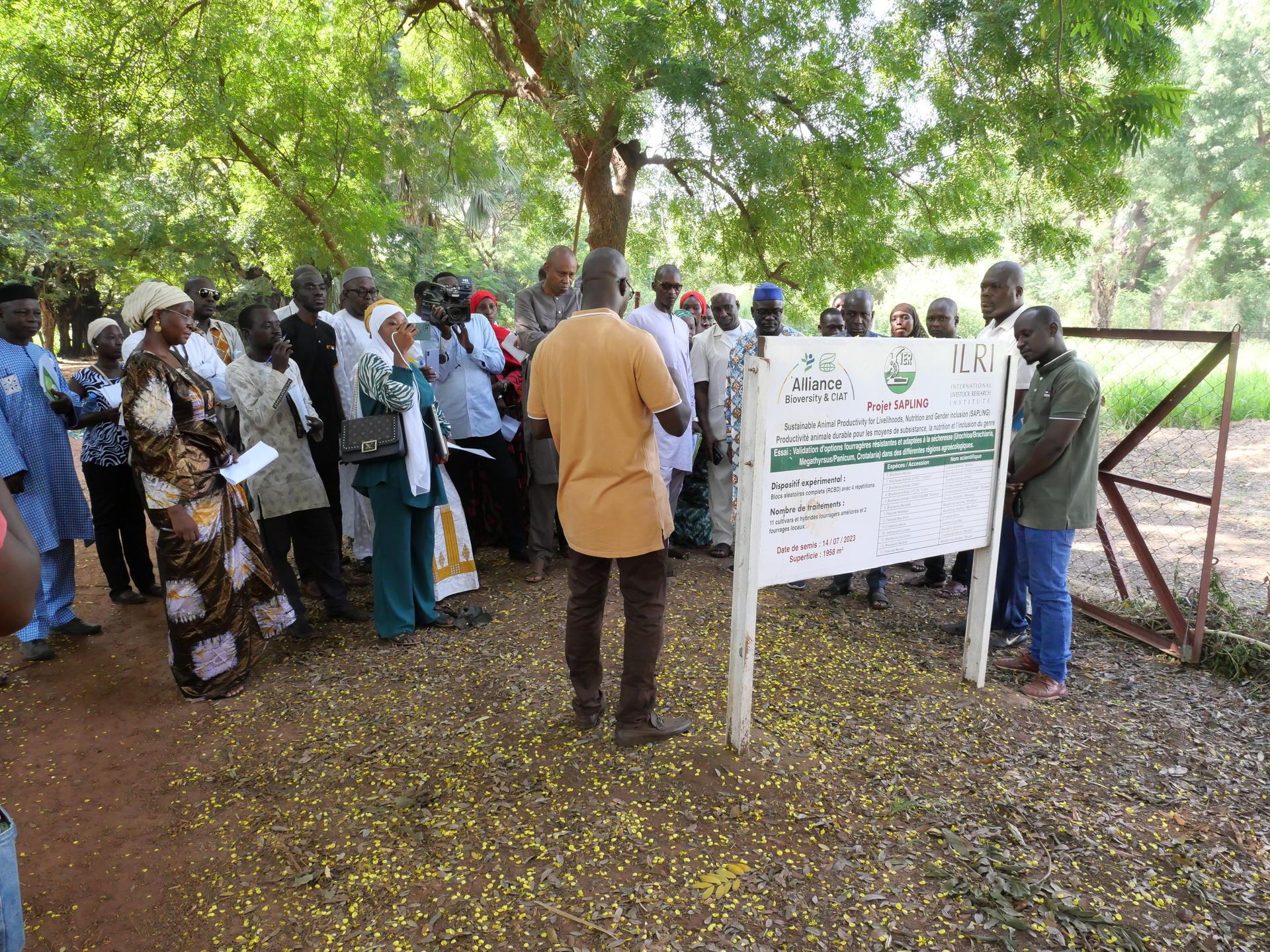
Community involvement
Dr. van der Hoek's is convinced that the future of agriculture depends on the training and involvement of youth, and he works to inspire the next generation of agronomists, with a focus on social inclusion: "By including women and youth in our projects, we ensure that innovation continues to thrive," he emphasizes.
Dr. van der Hoek's vision of agriculture is rooted in respect for the land and farming communities. For him, agriculture should not only be productive, it must also be sustainable and responsible: "Farmers are the guardians of the land. Their expertise is essential to ensure the sustainability of innovations," he affirms. Through his work in West Africa, Dr. van der Hoek shows that agriculture can be a powerful driver for development and the protection of our planet.
Scientist