From the Field Innovation, sustainability and climate action: This is how the AgriLAC Resiliente initiative is progressing in Guatemala
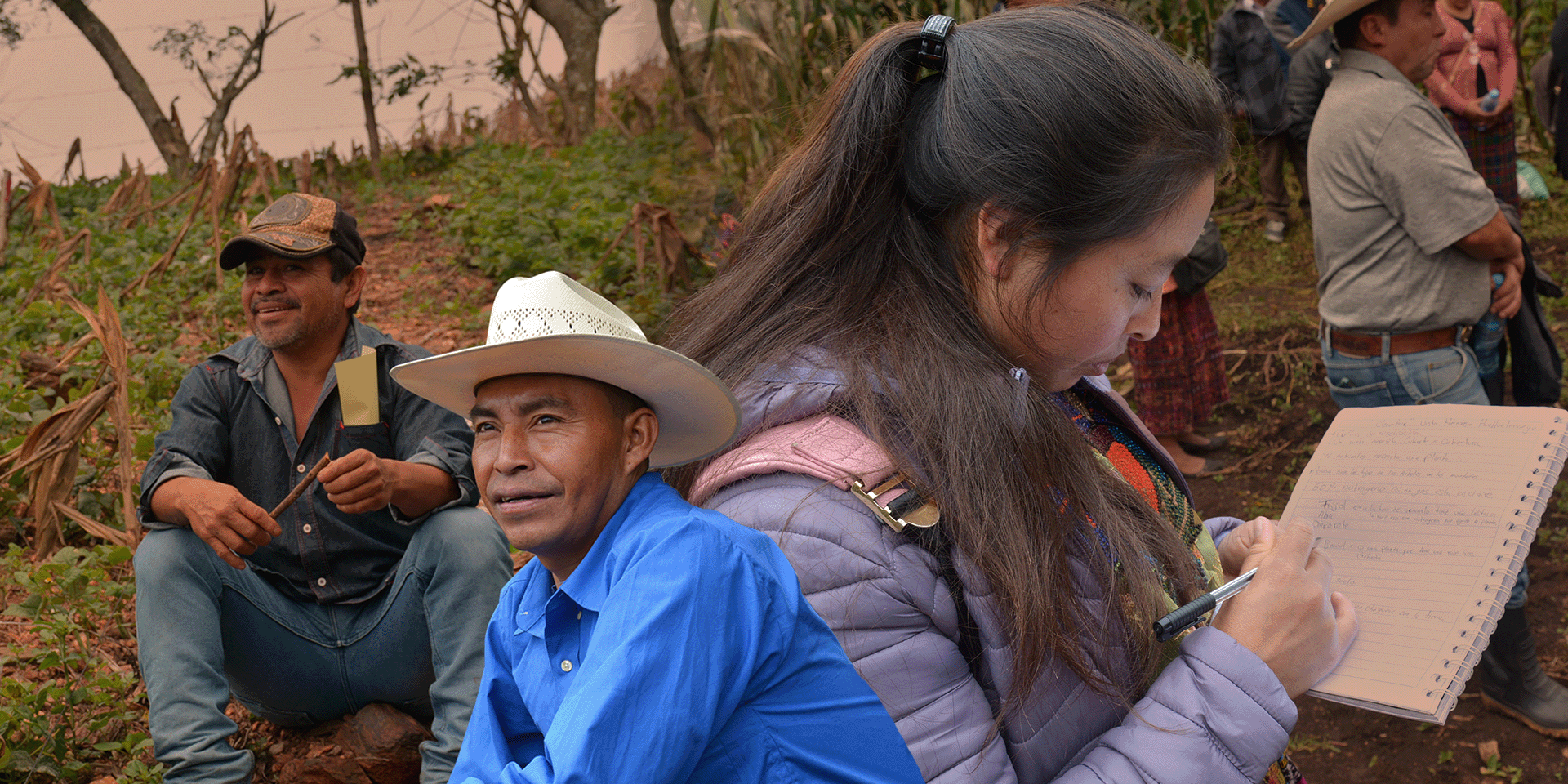

InnovaHub West and East became key platforms to share learning, strengthen partnerships, and chart a path toward a more resilient agriculture in Latin America.
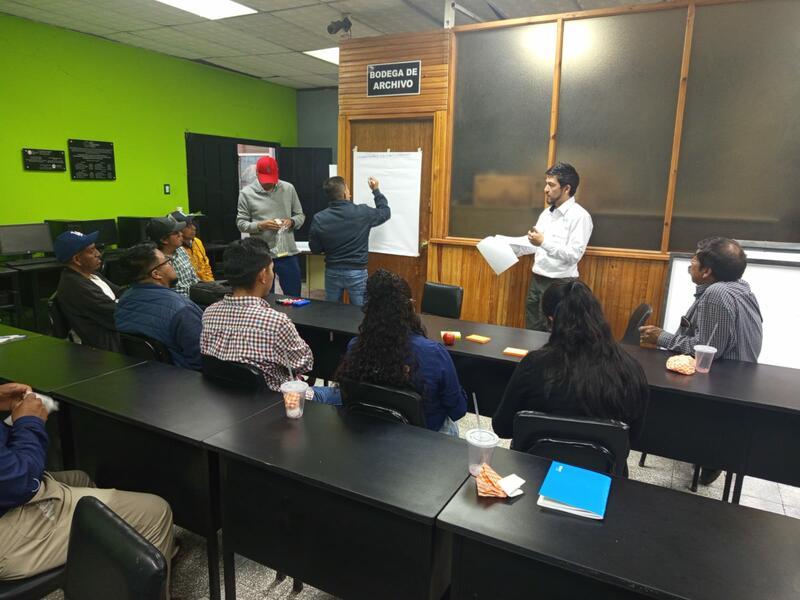
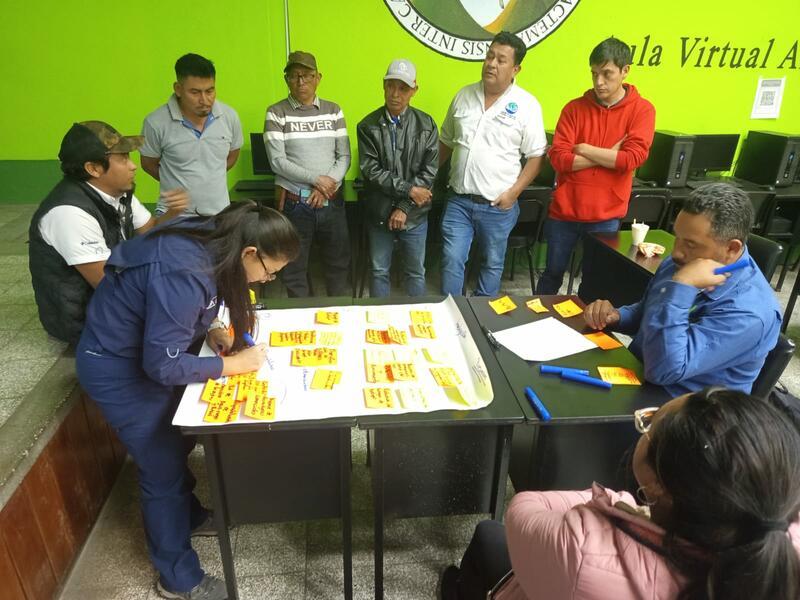
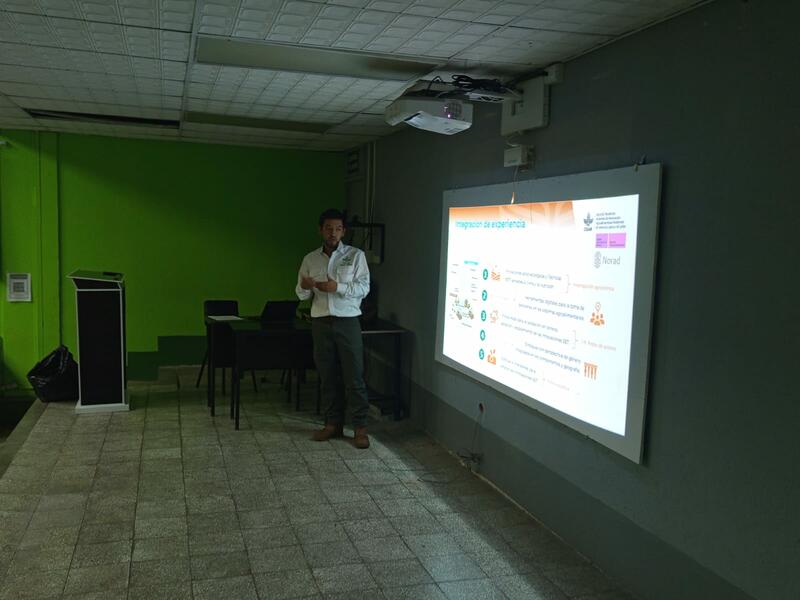
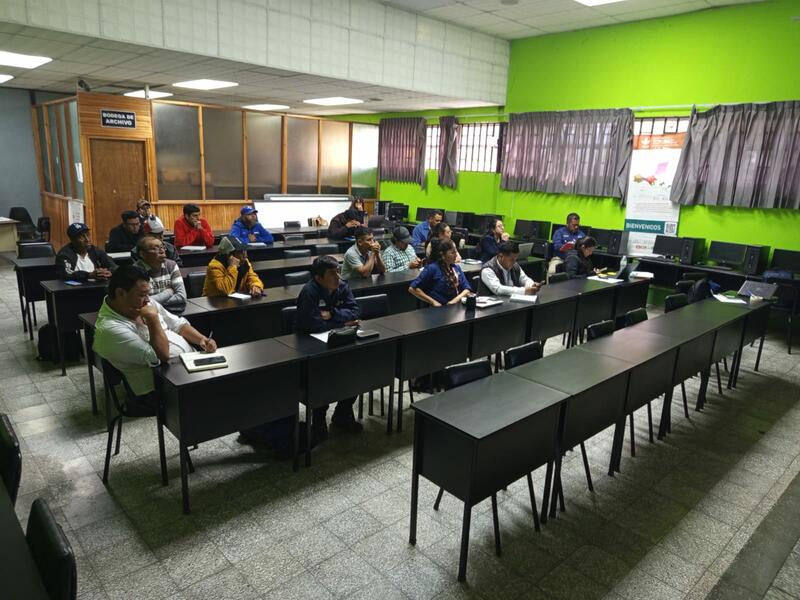
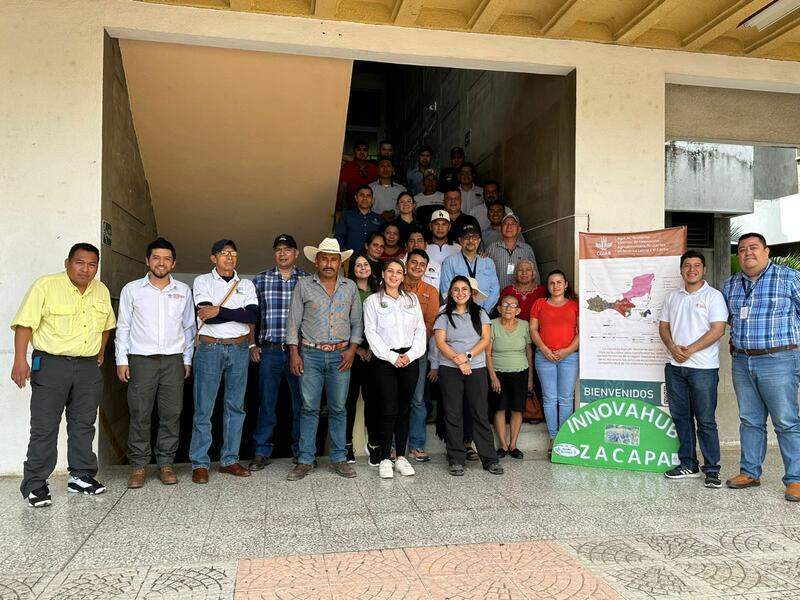
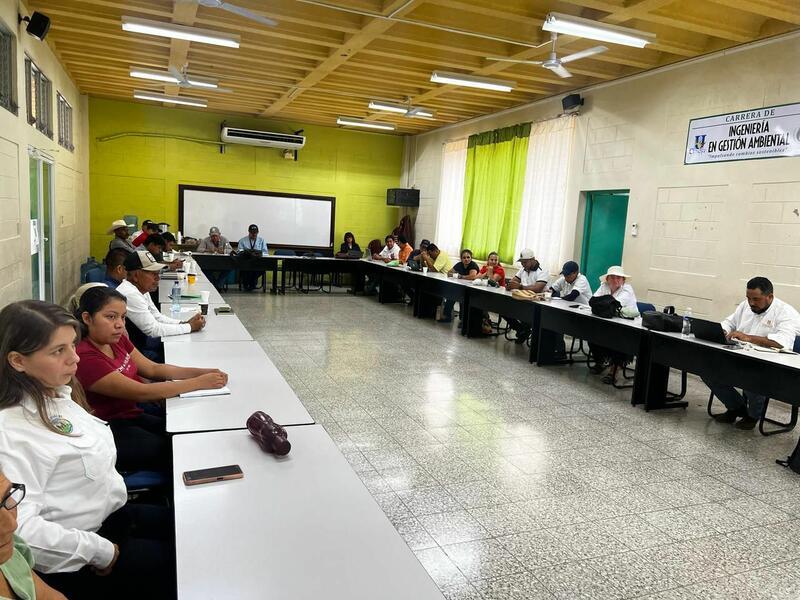
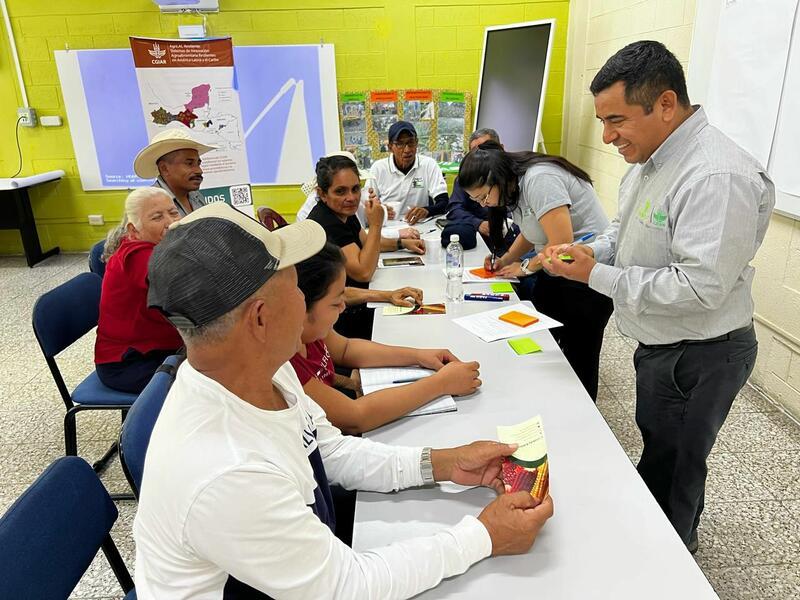
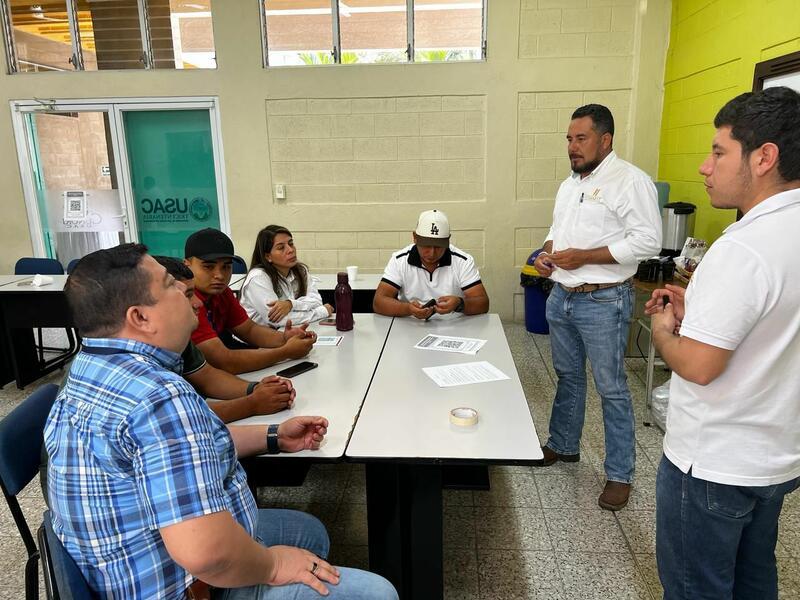
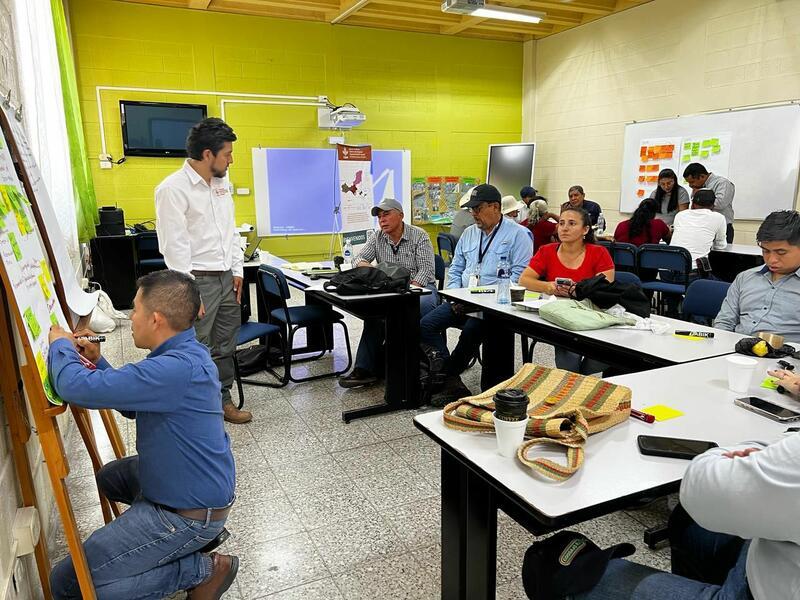
On June 23 and 25, 2025, two workshops were held in Guatemala, focused on the Exchange of Progress and Results of the initiative. Led by the CGIAR AgriLAC Resiliente Initiative and financially supported by the Norwegian government through NORAD, this key event brought together over 70 people and more than 15 institutions and organizations. The goal was to review the achievements of the past two years, share experiences from the field, and collectively build strategies for sustainability and scaling innovations.
The purpose of these events was to amplify the results achieved during 2023 and 2024 in Eastern and Western Guatemala, exchange knowledge, and co-design strategies to scale sustainable technologies, practices, and innovations within the region’s agri-food system.
This initiative promotes climate-adapted agri-food solutions across Latin America and the Caribbean. In Guatemala, the focus has been on strengthening local capacities, encouraging participatory research, promoting digital tools, and integrating gender and social inclusion perspectives, with the aim of transforming production systems in areas vulnerable and highly exposed to extreme climate conditions.
What Has Been Achieved?
During 2023 and 2024, the implementation of the AgriLAC Resiliente Initiative in Guatemala consolidated efforts across five departments, with more than 540 hectares intervened. Key achievements include:
- Three active research platforms: in Chiquimula (ASORECH, 2023), Quetzaltenango (ICTA, 2024), and Chimaltenango (ICTA, 2025).
- Two demonstration plots in Zacapa and Huehuetenango.
- One Digital Plot, developed jointly with the CGIAR Digital Innovation Initiative in 2024. As of 2025, its implementation continues with CGIAR's Digital Transformation Accelerator.
- A technical diploma in Climate-Smart Sustainable Agriculture (TC-ASAC), certifying 13 technicians after 9 months of training and 16 thematic modules, in partnership with CUNOROC, MAGA, CRS, Popoyán, and Global Communities.
- An outreach session with national authorities and representatives from the Norwegian government, including the Ministry of Internal Development and the Norwegian Embassy.
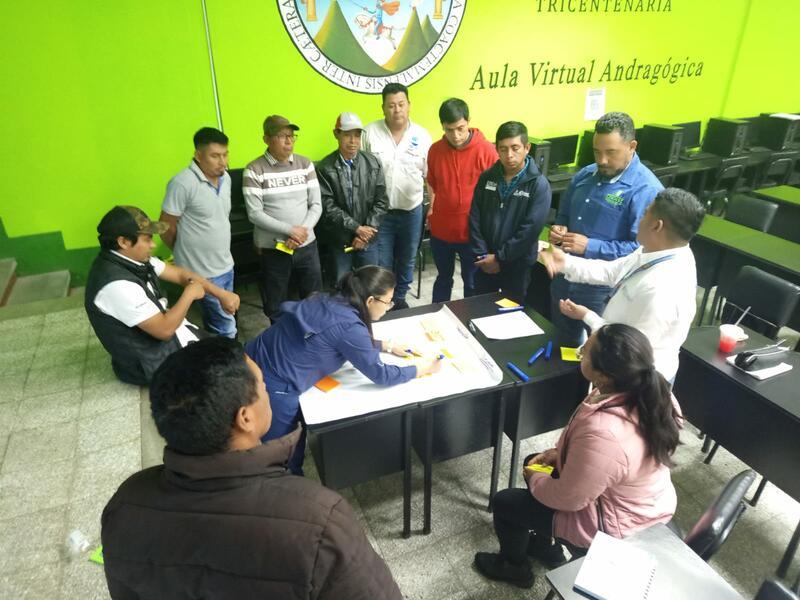
InnovaHub West: Strengthening Research in Western Guatemala
Located in the department of Huehuetenango, InnovaHub West has been essential in validating and adapting innovations tailored to local contexts and the needs of farmers, supported by socioecological and technical frameworks. Jointly implemented efforts include:
- 30 research modules and 12 extension areas, covering 395 areas of impact.
- 400 producers trained in topics such as crop diversification, conservation agriculture, and sustainable soil management.
- Activities implemented in 50 communities across 13 municipalities.
InnovaHub East: Productive Innovation in the Dry Corridor
In San Juan Ermita, Chiquimula, InnovaHub East has promoted strategies adapted to the Dry Corridor’s context, with visible impacts:
- 25 research modules and 25 extension areas, reaching 665 areas of impact.
- 590 producers (men and women) trained in parcel diagnostics, productivity, crop planning, agroforestry systems, and improved varieties.
- Work in 14 communities across 6 municipalities, covering 195 hectares.
- Implementation of a Digital Plot in collaboration with the Eastern University Center (CUNORI-USAC), along with an outreach session with local government and international actors.
What Do the Data Say?
A baseline survey conducted with 1,008 households across 21 municipalities and 65 communities revealed key findings to guide future actions:
- Most producers are subsistence farmers: only 38% sold surpluses in 2022.
- Average plot size is 0.20 to 0.5 hectares in both eastern and western regions (approximately 1.3 manzanas).
- On average, households apply 2.8 practices in the field to enhance climate resilience—from soil conservation to post-harvest management—accompanied by technical support.
- Female-headed households, though more vulnerable, show high participation in community groups and access to information, representing a significant opportunity for productive empowerment.
Why Keep Investing in the Region?
The regional context of climate vulnerability and agri-food crisis makes it urgent to scale innovations that are already showing impact. AgriLAC Resiliente has not only generated technical knowledge, but also fostered an active network of stakeholders committed to transforming rural territories from within.
But this is just the beginning. The real potential lies in scaling these solutions strategically and collaboratively, ensuring they reach more producers, more communities, and more territories facing climate change challenges. To achieve this, the initiative promotes:
- Building a network of networks connecting producers, researchers, extension agents, governments, and development partners in a dynamic innovation ecosystem.
- Validating and adapting a menu of sustainable technological innovations, co-created and tested in the field.
- Strengthening local capacities and data collection and monitoring systems to support informed decision-making and anticipate climate risks.
“How was this made possible? Through the synergy of science, community, and public policy. Why should we continue? Because change is already underway, and it needs everyone to go further,” concluded Deissy Martínez-Barón, regional lead of the AgriLAC Resiliente Initiative.

Deissy Martínez-Barón
Regional Lead, Climate Action in Latin America and the CaribbeanNow, the commitment is to deepen and expand, weaving alliances that transform these local experiences into regional movements toward more resilient, sustainable, and inclusive agri-food systems.
During the workshops, key ideas emerged to help envision the future direction of resilient agriculture. Factors identified included the need to strengthen technical support in the field, facilitate access to technology, improve market connections, and adopt new approaches to working with women and youth: recognizing their time, roles, and interests.
There was also recognition of the urgency to decentralize climate information, integrate ancestral knowledge, and open up opportunities for economic diversification beyond traditional crops. These reflections enrich and guide the path of AgriLAC Resiliente.
The challenge now is to maintain this momentum and extend it to new territories, ensuring that every advancement contributes to building more sustainable, inclusive, and climate-resilient agri-food systems.
Further reading