Blog Informing farmer decision-making in Elgeyo Marakwet through co-created climate advisories

In Elgeyo Marakwet, the ECREA project and county experts convened a co-production workshop to translate the OND forecast into practical advice, helping farmers manage post-harvest risks and strengthen resilience amid shifting weather patterns.
As part of its ongoing efforts to support farmer decision-making across Kenya, the Enhancing Climate Resilience in East Africa (ECREA) project recently held a co-production session in Elgeyo Marakwet County. Unlike other regions preparing for the onset of the OND rains, farmers in Elgeyo Marakwet were already well into their cropping season. This offered a timely opportunity to shift the discussion toward post-harvest management and land-use practices, critical areas in a county defined by steep slopes, varied agroecological zones, and uneven rainfall distribution. As noted by the County Director of Meteorological Services, Simon Cheptot: “climate information is very perishable, if it is not given at the right time, it is no longer early warning.” This set the tone for a session focused on timely, actionable guidance.
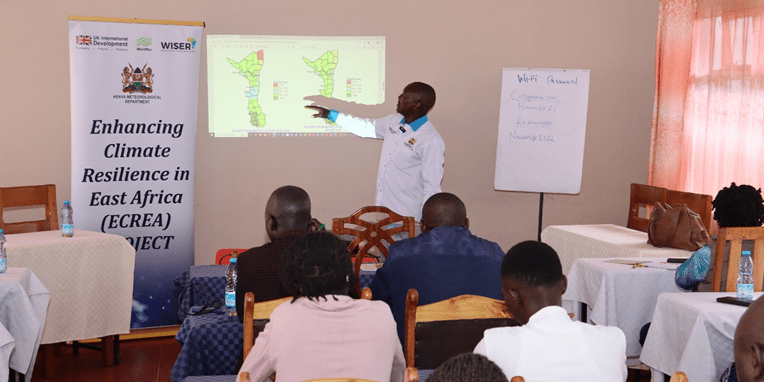
The Elgeyo Marakwet County Director of Meteorological Services Simon Cheptot sharing the OND seasonal forecast with participants
The workshop brought together experts from the Kenya Meteorological Department (KMD), county agriculture officials, KALRO, The Alliance of Bioversity and CIAT and other development partners to review both the seasonal forecast and the short-term outlook for the county. With the season already well advanced, participants relied heavily on the 10-day forecasts featured in the regular weather bulletin, which offered farmers the timely, actionable insights they needed to make informed decisions.
According to the advisory shared by the County Director of Meteorological Services, the county was expected to receive average rainfall, though distribution is likely to remain uneven across time and space, a pattern that has become increasingly familiar in the region.
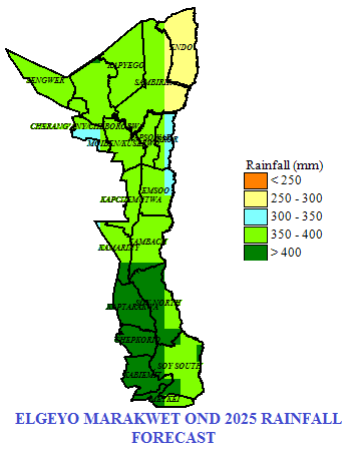
With this outlook, stakeholders emphasized both in-season crop protection and post-harvest handling. Participants were first guided on managing cold-related diseases that affect crops in the county’s high-altitude areas, including the use of appropriate fungicides applied safely and correctly. As Vickie Korir from KALRO explained that “safe and correct fungicide use is essential for effective disease control and farmer safety.”
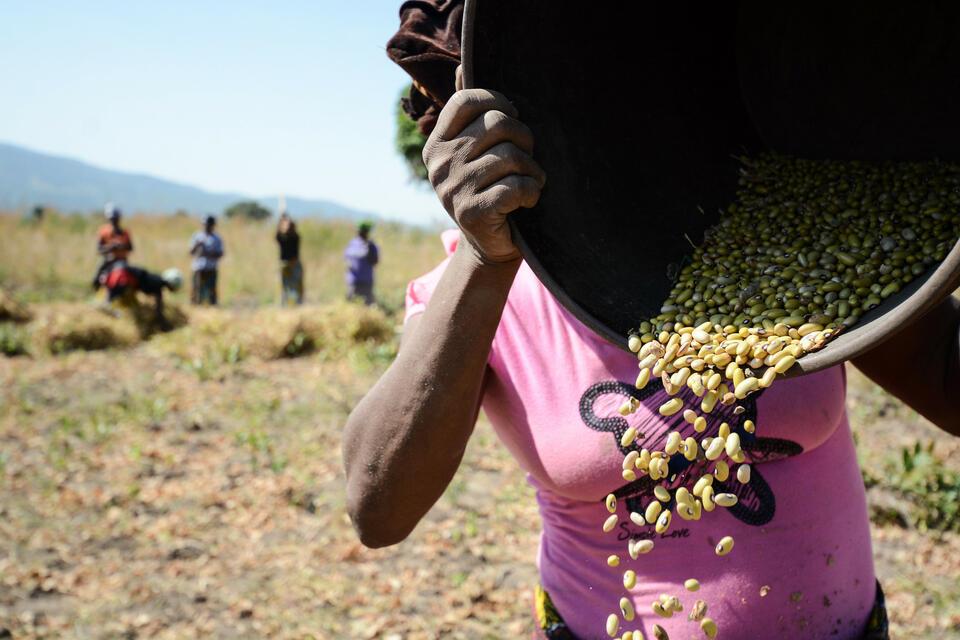
As farmers prepare for harvesting, experts also highlighted key post-harvest practices including thorough drying of cereals including maize, beans, and wheat; and reducing the risk of aflatoxin during periods of fluctuating temperatures. Proper, well-ventilated storage for grain and livestock feed was underscored as essential to prevent moisture buildup and minimize pest damage.
Together, these recommendations aim to help farmers navigate the current season more safely and effectively, despite the challenges posed by inconsistent rainfall and shifting weather patterns.
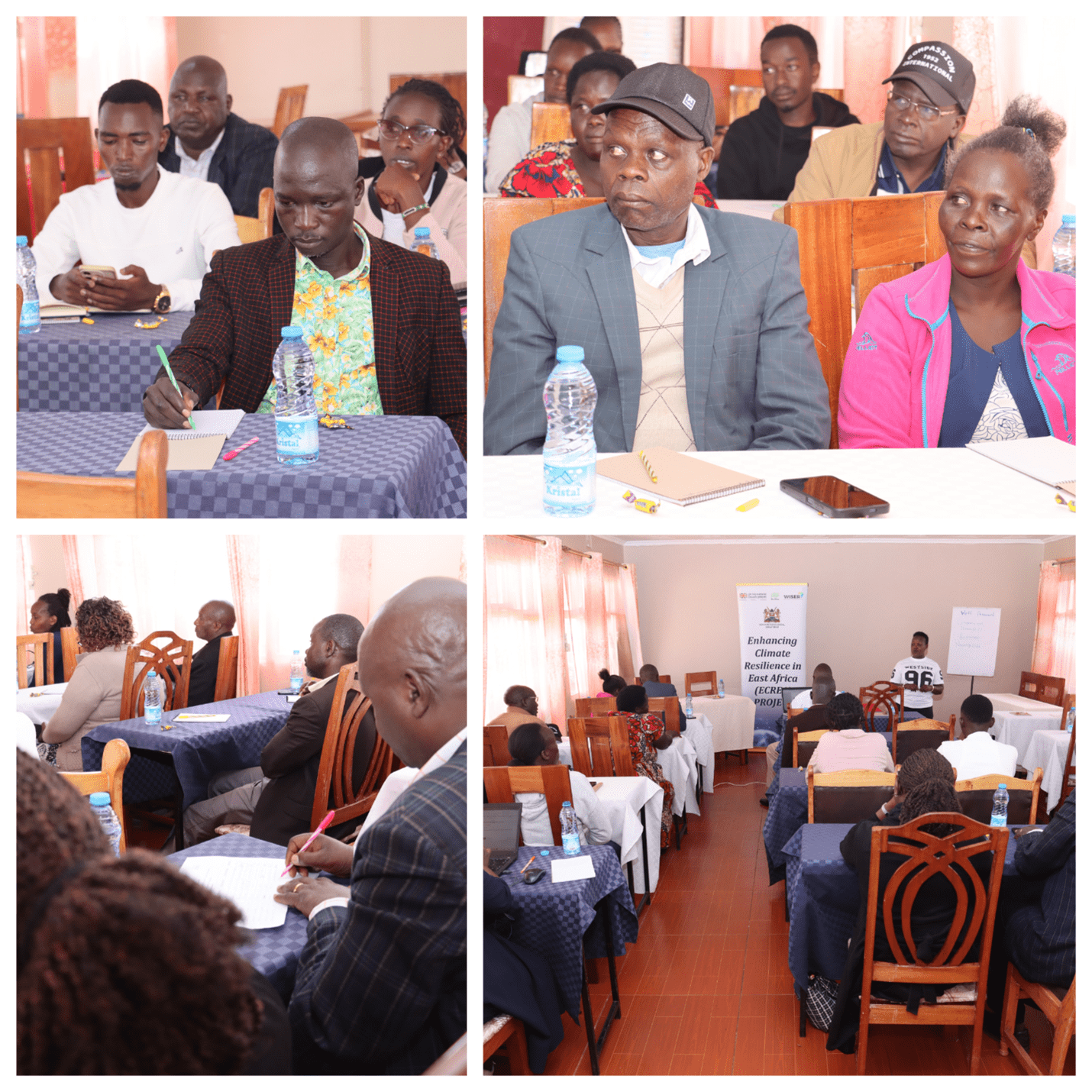
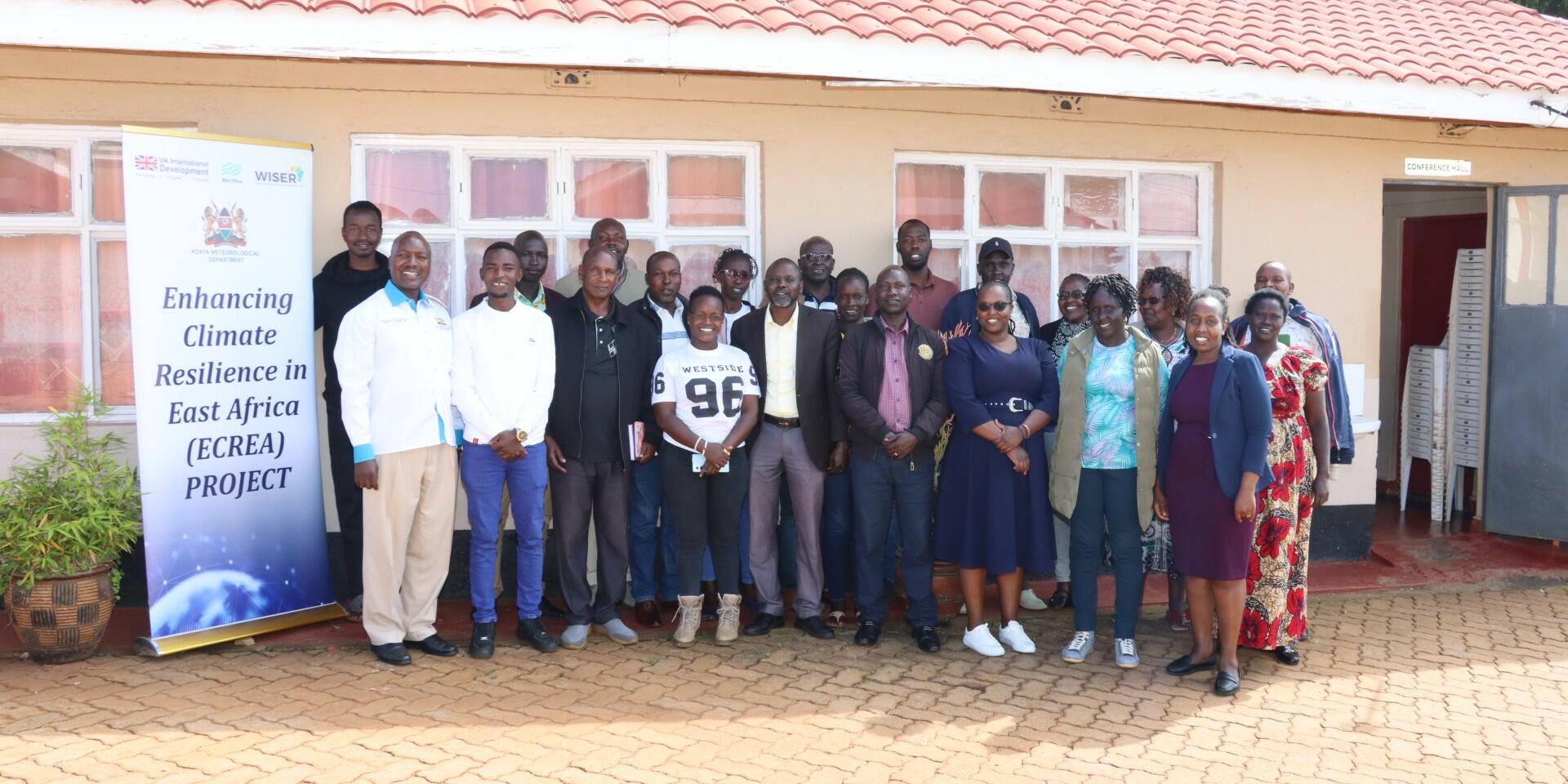
Stakeholders from Elgeyo Marakwet County taking part in the co-production of climate advisories
Beyond immediate post-harvest concerns, the co-production exercise also emphasized the importance of responsible land use in Elgeyo Marakwet’s challenging terrain. Participants highlighted soil conservation practices such as terracing, contour farming as vital tools for reducing erosion on the county’s steep slopes. Farmers were further encouraged to invest in tree crops—such as avocado, coffee, and mango which not only help stabilize soil but also diversify household income.
Importantly, the discussion also addressed beans, a key component of farming systems across the county. Building on insights from the BRAINS project implemented under PABRA, which ECREA continues to leverage, participants reaffirmed the role of beans in improving soil health, enhancing nitrogen fixation, and strengthening the resilience of mixed cropping systems. Recommendations included selecting locally adapted bean varieties, practicing timely weeding and pest management, and ensuring proper drying and storage to safeguard quality, actions that become even more critical under variable weather conditions.
With some rainfall still expected, the workshop advised farmers to take advantage of the remaining moisture not only to establish pasture ahead of the anticipated dry period in early 2026, but also to support late-season management of beans and other legumes within their diversified cropping systems.
This session builds on the growing momentum around collaborative climate services across Kenyan counties. Earlier co-production exercises have taken place in other regions, each contributing to a stronger national ecosystem for developing localized advisories. In Machakos, ICPAC—an implementing partner under the ECREA project—provided technical support for a multi-stakeholder co-production workshop that generated tailored agricultural guidance. Likewise, in Nakuru County, iShamba, also an ECREA implementing partner, facilitated another co-production effort through the AICCRA project, demonstrating how strong partnerships strengthen county-level planning.
Most recently, Homa Bay County, through direct support from the ECREA project, held its own co-production exercise that convened county departments, local experts, and partners to develop actionable, farmer-centered advisories. This engagement was reinforced by a courtesy visit to the county's Climate Change Unit, which helped align ongoing support with county priorities and further strengthen collaboration around climate information services.
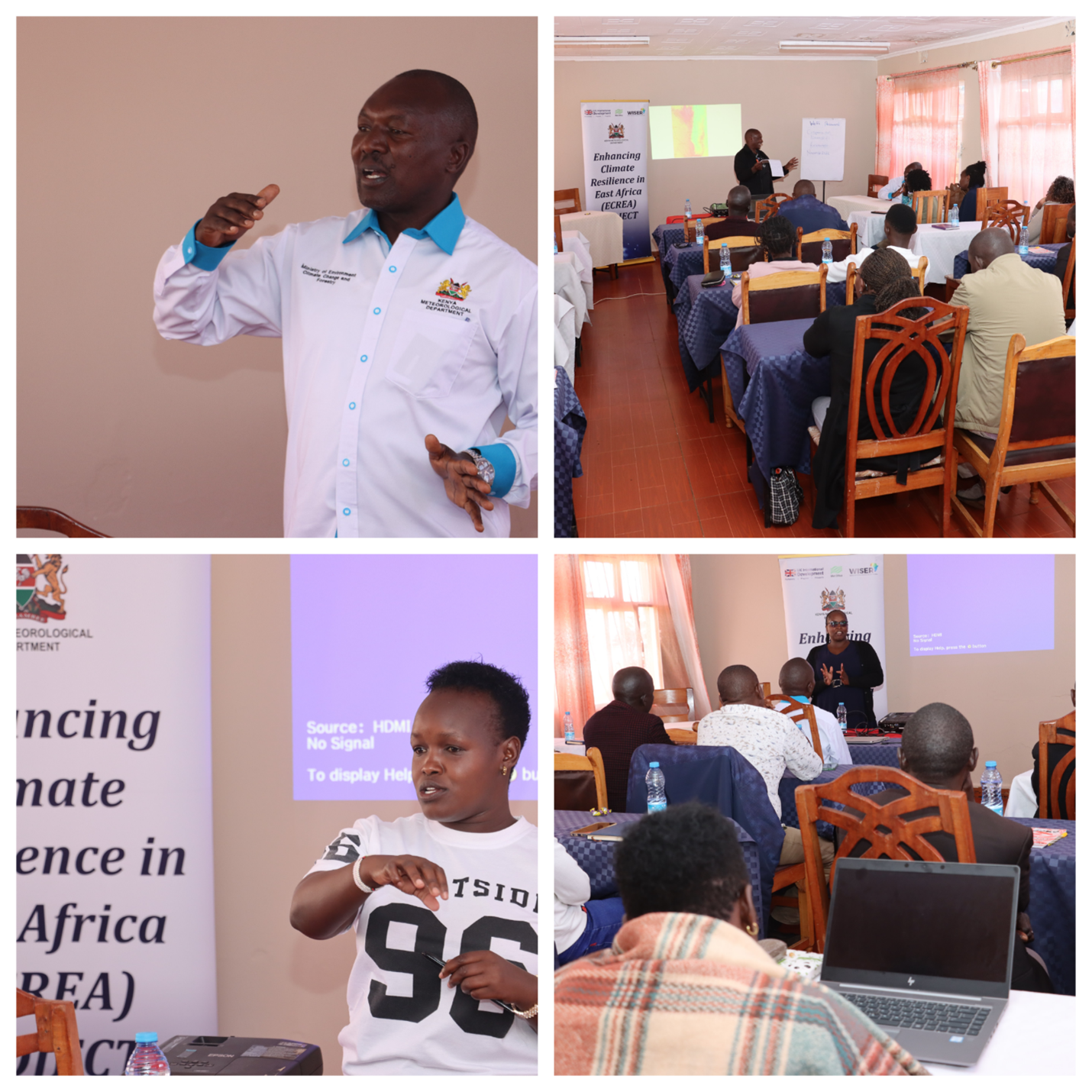
In the final session, participants outlined clear next steps to strengthen climate information delivery in Elgeyo Marakwet. Farmers who attended the workshop will be added to the county’s WhatsApp group to ensure they receive timely weather updates and advisories directly from KMD. The county also committed to holding quarterly review meetings to track progress and enhance coordination among partners. To broaden inclusivity, stakeholders recommended expanding farmer representation in future co-production sessions, ensuring that voices from all agro-ecological zones are heard. The workshop further emphasized the need to continue scaling participatory trainings on climate information so that farmers not only access forecasts but also understand how to interpret and apply them in their day-to-day decisions.
The Elgeyo Marakwet workshop demonstrated the value of co-production in climate services. By blending scientific insights with local knowledge, it generated advisories that speak directly to the realities farmers face. Reflecting on the importance of early warning especially in areas recently hit by landslides, a local farmer, Lazaro, noted that “Information is power to make decisions, and when you are forewarned, you are forearmed.” His words captured why localized, timely guidance matters.
With the season already advanced and rainfall expected to cease in mid-December, the workshop emphasized post-harvest management for beans to help farmers minimize losses and protect quality. Key actions included harvesting promptly, drying beans thoroughly on clean raised surfaces, using covered drying options, sorting out damaged grains, storing in airtight containers, inspecting stored beans regularly, maintaining dry and well-ventilated storage spaces, and ensuring beans cool fully before storage.
By equipping farmers with these targeted, practical advisories at a critical moment, the session helped them safeguard their harvests and prepare for the months ahead. Through continued engagement with counties like Elgeyo Marakwet, ECREA is strengthening a more resilient, collaborative agricultural system that supports farmers throughout the season.