From the Field Improved forage technologies advance climate-smart farming in Ethiopia

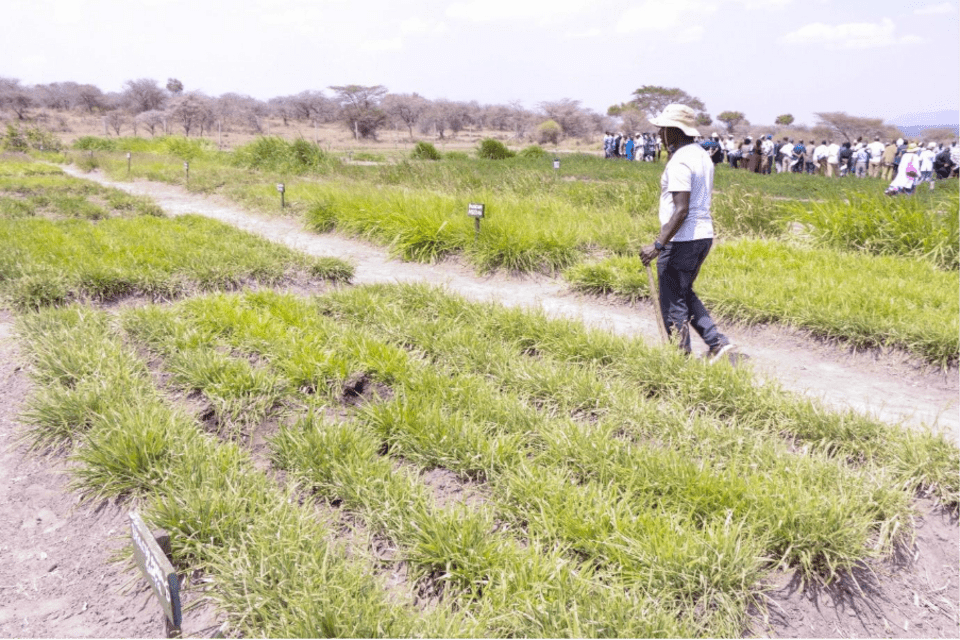
The Alliance, the Ethiopian Ministry of Agriculture, and regional partners held a forage field event on November 10, 2025 in Sidama, Ethiopia, showcasing how improved forage innovations are helping farmers boost productivity, build climate resilience, and scale sustainable agriculture.
The CGIAR Scaling for Impact (S4I) initiative continues to demonstrate how research can translate into real, measurable change for farming communities. At the recent forage field event in Sidama, one message stood out: delivering science at scale is possible when systems work together.
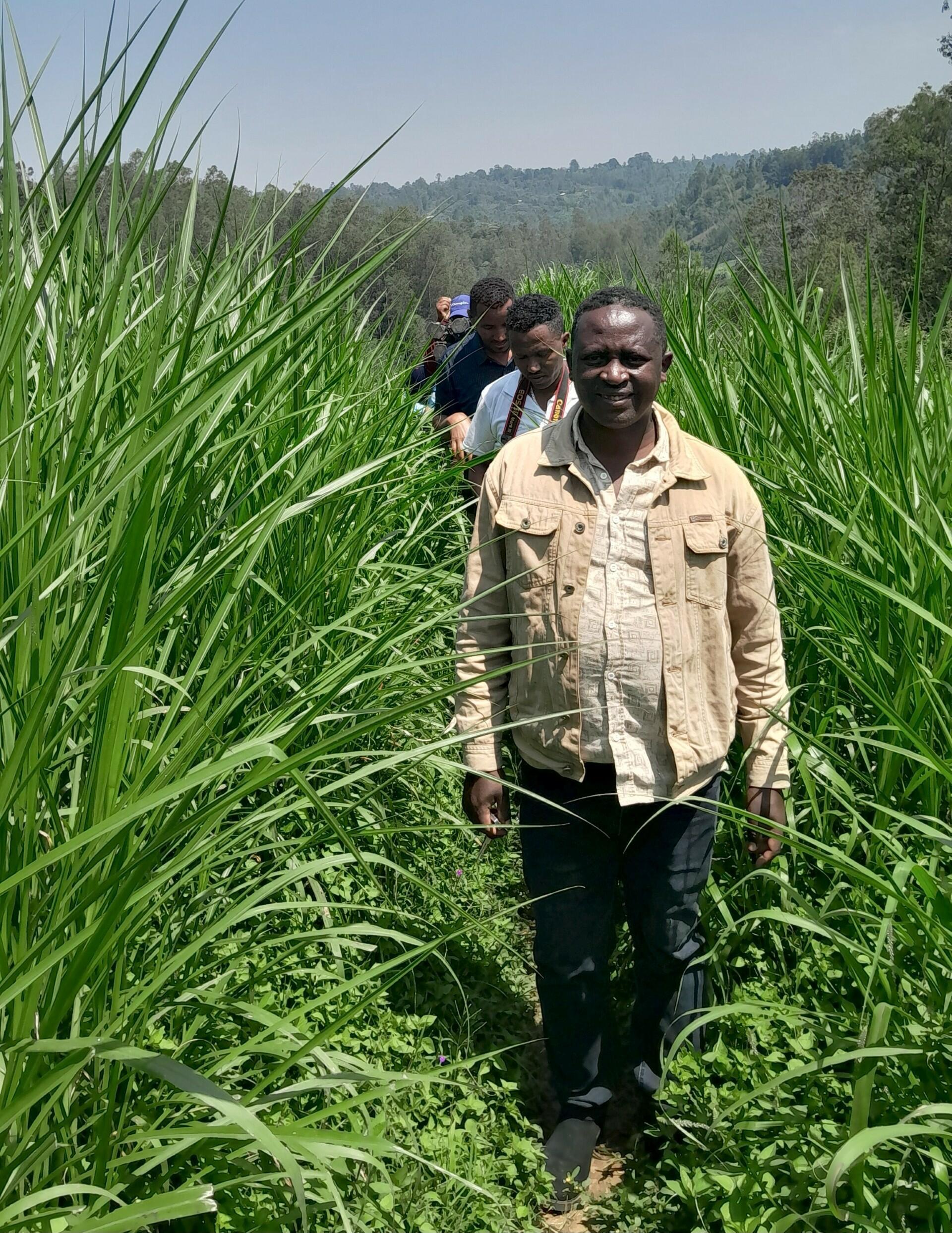
Smallholder farmers in Ethiopia already possess valuable assets: land, livestock, crops, labor and time. What remains challenging is efficiently and sustainably transforming these assets into nutritious food and reliable income, especially amid shifting environmental conditions. Population pressure, land degradation, and climate-related shocks such as droughts and floods continue to undermine productivity and threaten food and nutrition security.
Over the years, agricultural research has generated numerous innovations designed to help farmers produce more food with fewer resources, adapt to climate change, and protect natural ecosystems. Yet only a limited share of these innovations reaches the scale needed to transform lives and landscapes. Recognizing this gap, the CGIAR Science Program S4I has strengthened its focus on scaling to ensure that scientific breakthroughs can deliver tangible, widespread benefits.
In Ethiopia, the Alliance of Bioversity International and CIAT is working closely with the Ministry of Agriculture (MoA) and regional bureaus, accelerating the adoption of improved forage technologies through S4I’s Area of Work Two. Together, the teams have trained 80 forage experts who have reached 261,069 smallholder farmers, 28% of whom are women, across the Sidama, central and southern regions.
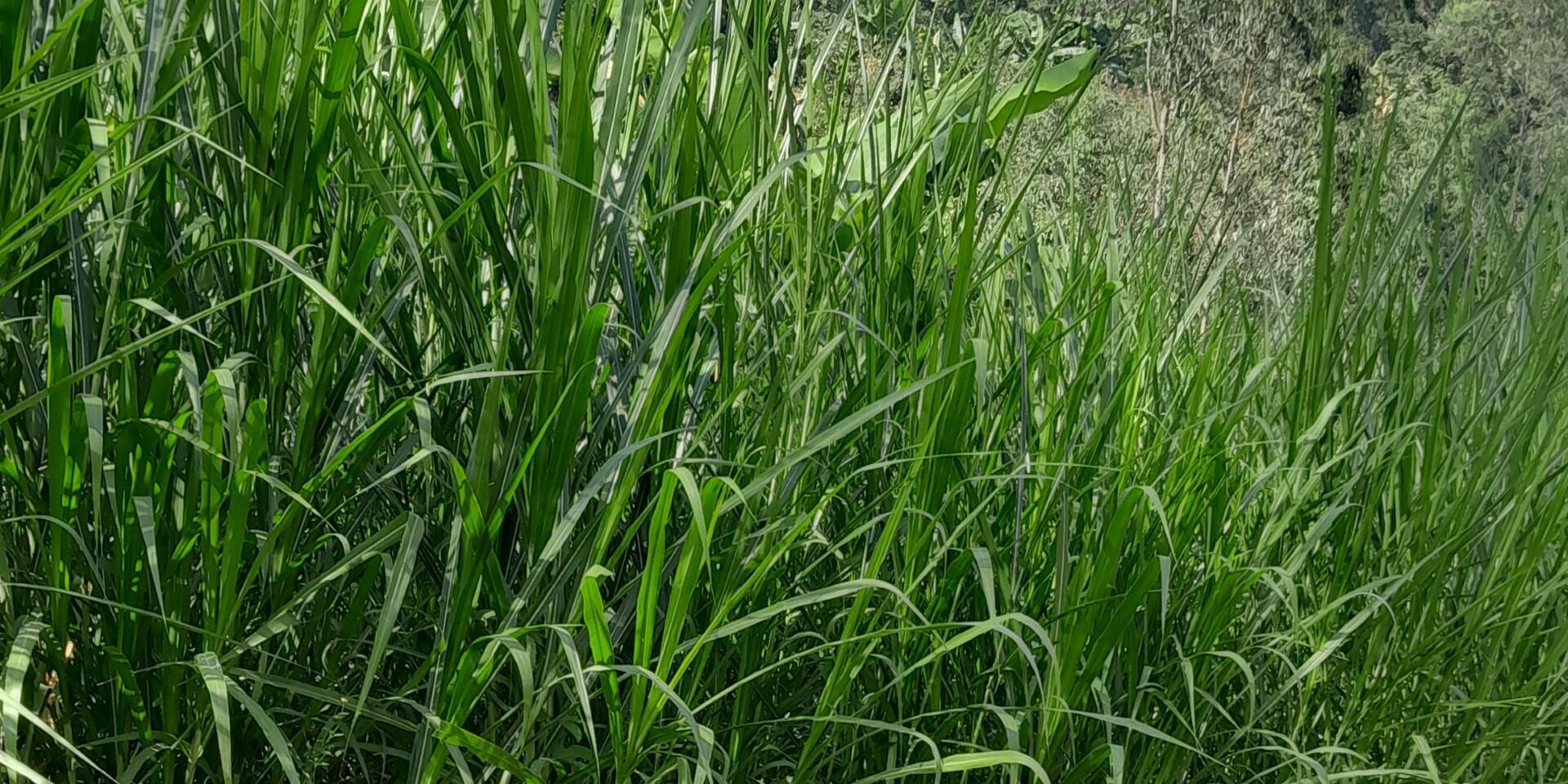
Through this collaborative effort, extension agents have supported farmers to adopt practices such as grass-legume mixtures, alley cropping, intercropping, forage-based soil and water conservation, and improved fodder preparation and feeding. These interventions are improving livestock productivity, enhancing climate resilience and helping restore degraded landscapes through sustainable mixed farming systems.
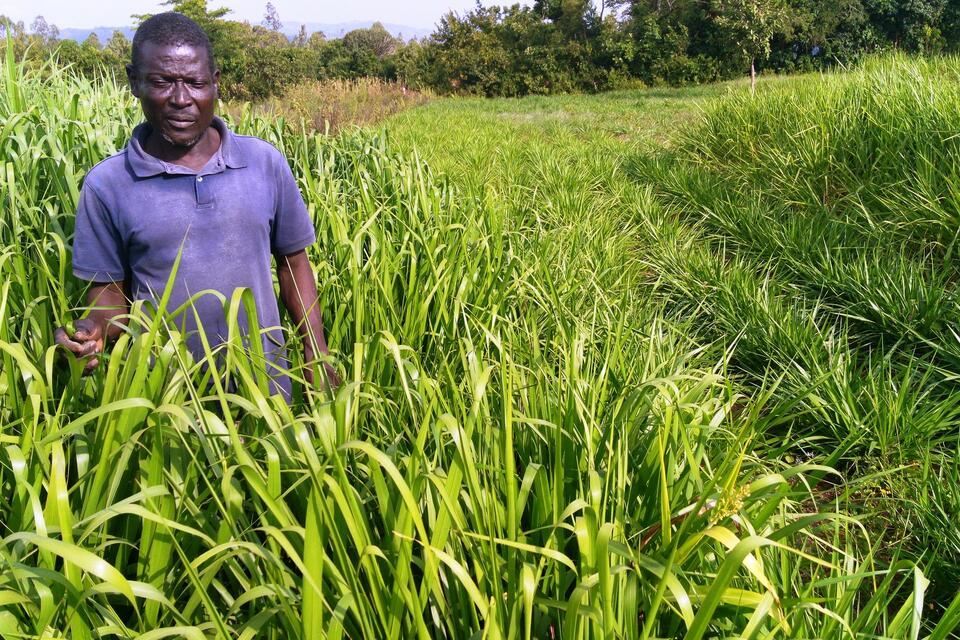
The field event in Sidama showcased the results of this work. Farmers reported improved feed availability, better milk and meat yields, and stronger coping capacity during climate-related shocks. The event also highlighted the role of strong partnerships, from extension teams to regional leadership, in turning research outputs into practical solutions that benefit thousands. Our collective goal remains clear: a food and nutrition secure future that leaves no one behind.