Blog From fields to forums: Engagements with youth in the agroecology transition

In Mandla, India, the Agroecology India team addressed the gap in rural youth participation in agroecology. Using methods like Photovoice, they enabled young women and men to share their perspectives, engage with stakeholders, and contribute to agroecological transitions.
By: Meghajit Sharma Shijagurumayum, Arunima Hakhu, Sonali Singh, Shweta Gupta, Anne Rietveld, Sarah Freed
The agroecology movement in India is gaining momentum, with states adopting it at different paces. In Mandla, the transition from conventional farming to agroecological practices marks a critical juncture for the region. During a scoping trip in May 2023, the Agroecology India team identified a glaring gap: rural youth were largely absent from agricultural collectives and decision-making spaces. This realisation prompted us to engage them meaningfully through the Agroecology Youth Study, part of a global initiative across five countries.
Our goal was clear—to amplify the voices of young women and men, foster their participation in agroecology, and connect them with institutional stakeholders. This blog shares our journey of creating a participatory research process, inspiring youth involvement, and securing stakeholder commitments to advance agroecology.
Engaging Youth Through Participatory Methods
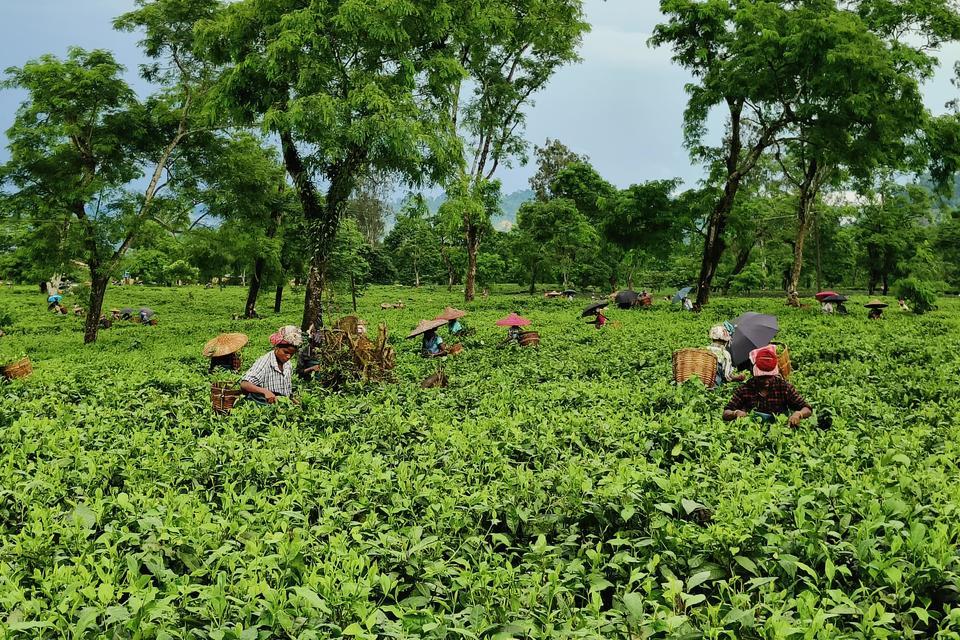
To make the research process engaging and accessible, Photovoice, a method that combines photography and storytelling, was adopted. This participatory approach aligned with agroecology’s principles of co-creation and fairness, enabling youth to document their realities and express their aspirations.
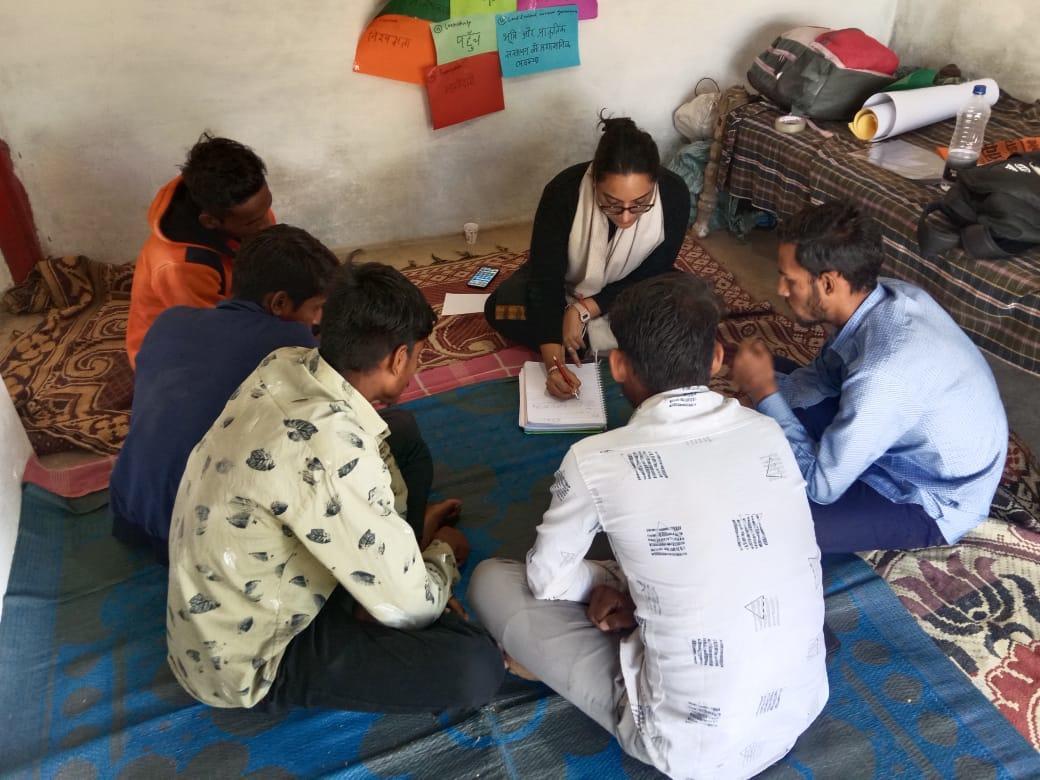
Credit: Meghajit Shijagurumayum/Alliance of Bioversity International and CIAT
However, participation initially posed challenges. The first round of interactions in December 2023 with 38 participants, comprising 18 young men and 20 young women, faced an almost 100% drop-off rate, signalling the need for a more structured approach. As a response during the second round of interactions in February 2024, the team introduced illustrated pamphlets explaining agroecology and the Photovoice process, organised interactive photo walks, and offered incentives such as a Photovoice Award to recognise the best submissions. These efforts sparked interest and resulted in 12 committed participants—young women and men ready to share their perspectives.
From Data Collection to Local Action
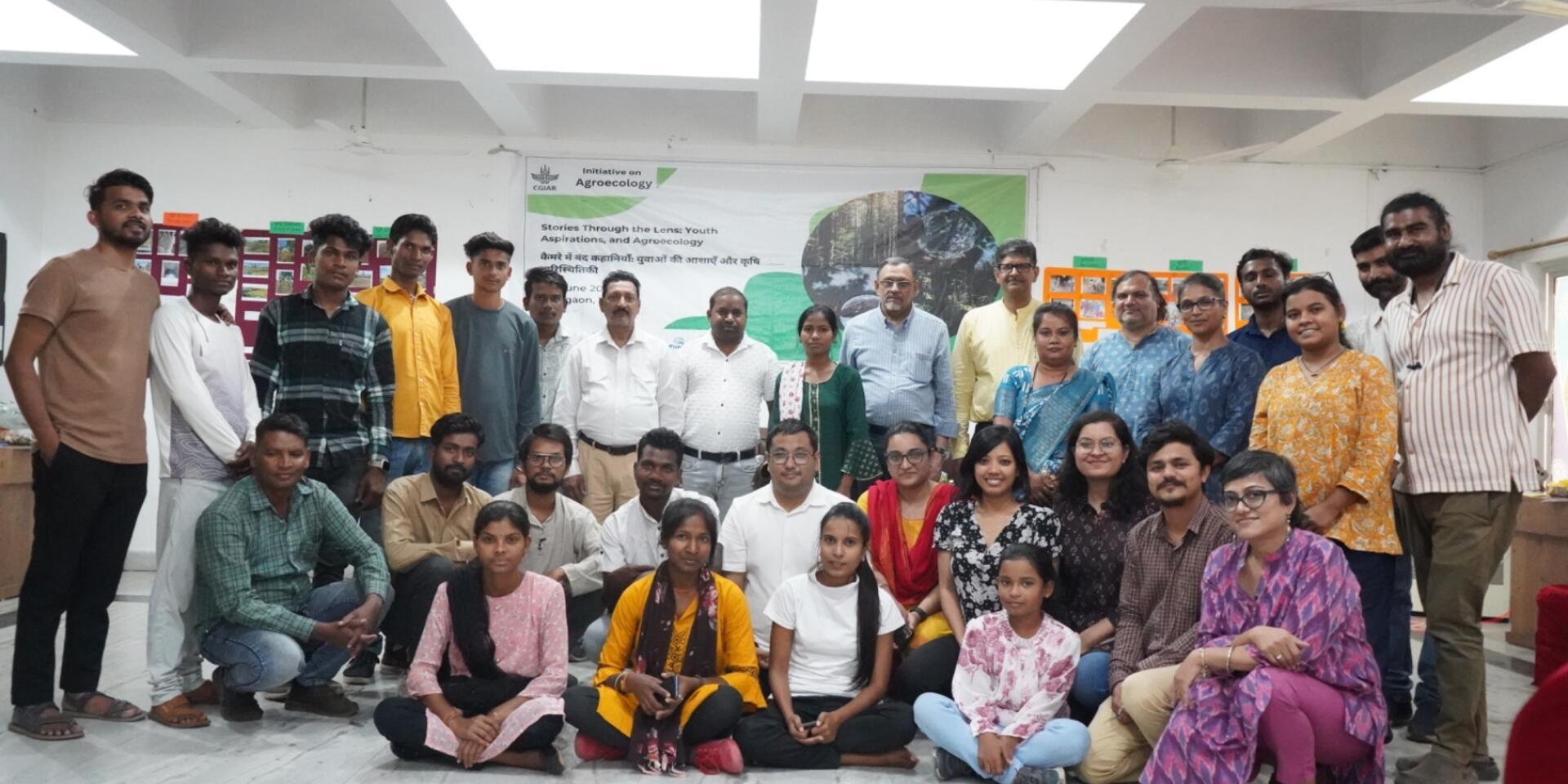
Photovoice was more than just a tool for gathering insights—it became a platform for youth to represent themselves and amplify their voices. After collecting and synthesizing data with the participating young women and men, the CGIAR team, led by the Alliance of Bioversity International and CIAT, IFPRI, and IWMI, organized a youth-stakeholder engagement workshop in Mandla in June, 2024. The event aimed to bring youth voices to the forefront while fostering dialogue with key stakeholders.

Credit: Meghajit Shijagurumayum /Alliance of Bioversity International and CIAT
The workshop featured a Photovoice Gallery, where participants’ photographs and narratives were displayed under thematic categories. This visual storytelling medium provided youths with a powerful communication channel with districts stakeholders—including representatives from the District Agricultural Department, Rural Development and Panchayati Raj, PRADAN, and KVK (Krishi Vigyan Kendra). Stakeholders voted on their favourite submissions, selected the winners and interacted directly with the young women and men, discussing their aspirations and challenges.
One of the workshop’s key outcomes was a commitment from the State Agricultural Department to fund efforts to collectivize rural youth. This step marked a significant move toward bridging gaps between young people and institutional support systems. Reflecting on the event, Madhu Ali, Assistant Director of Agriculture Mandla noted, “Youths should not shy away from taking opportunities. Young women and men need to be more vocal about their challenges and issues. They are the most energetic population and should come forward to seize opportunities.”