
Blog Farming, Food and Empowerment: The Journey of Malawi’s 'Homes Industries'
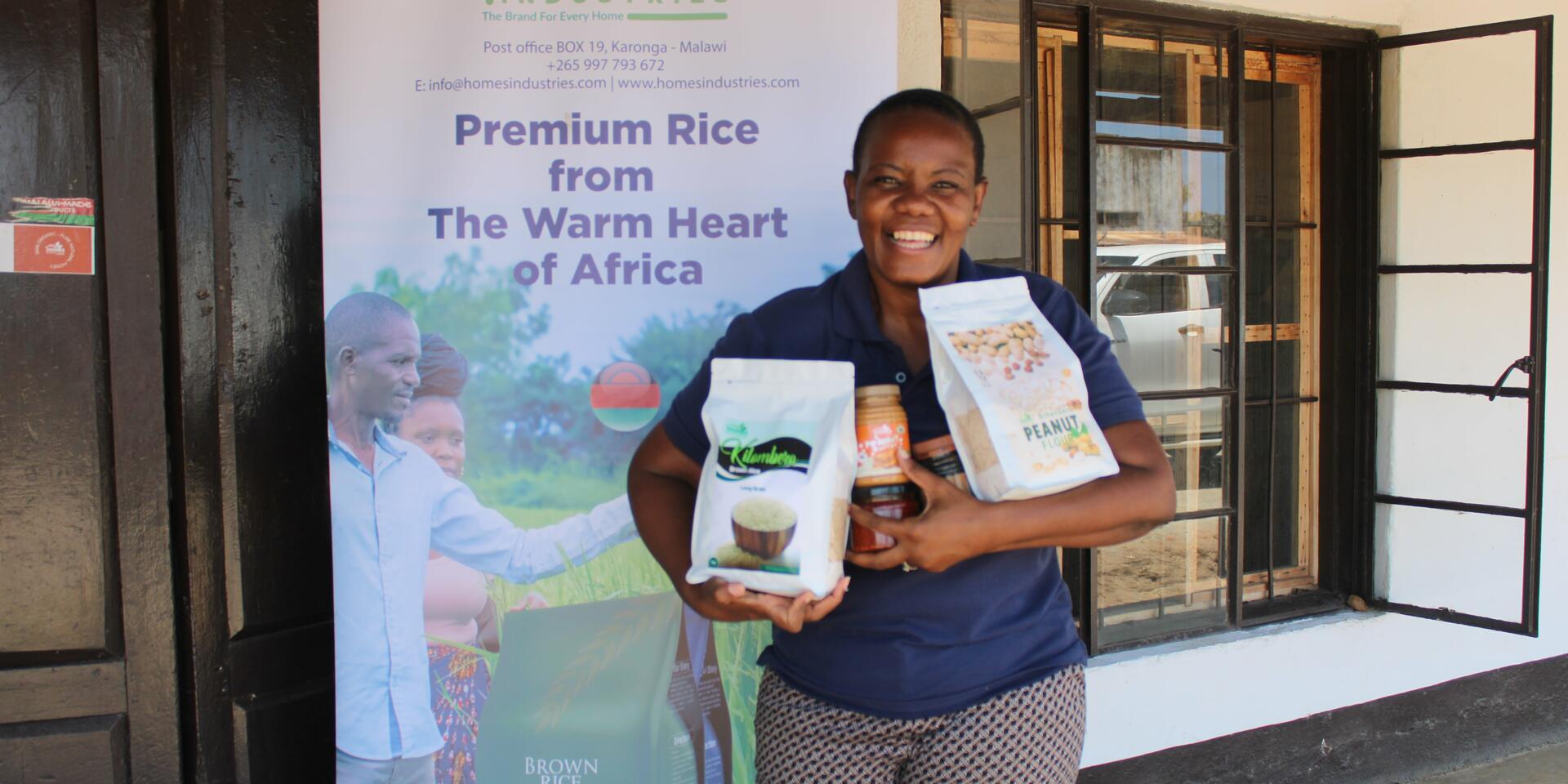

In 2016, Victoria Mwafulirwa took her first steps into Malawi's small-scale agrifood processing landscape. Her venture, Homes Industries, began almost by accident in the northern district of Karonga. After completing a lucrative catering contract with a local company, Mwafulirwa shifted her focus to producing groundnut flour, seizing a market opportunity that has since blossomed into a beacon of hope for thousands of smallholder farmers across Malawi's Karonga, Chitipa, and Nkhata Bay districts.
By: Yohane Chideya, Justice Munthali, Eliud Birachi and Jean Claude Rubyogo
Although initially unplanned, Homes Industries swiftly gained momentum. Victoria recognized the crucial role that women play in managing households and supporting families, prompting her to forge partnerships with local female farmers. These collaborations are designed to economically empower farmers while promoting balanced nutrition within their communities. As a result, Victoria's agrifood business has rapidly evolved into a significant economic force, delivering essential benefits to rural communities.
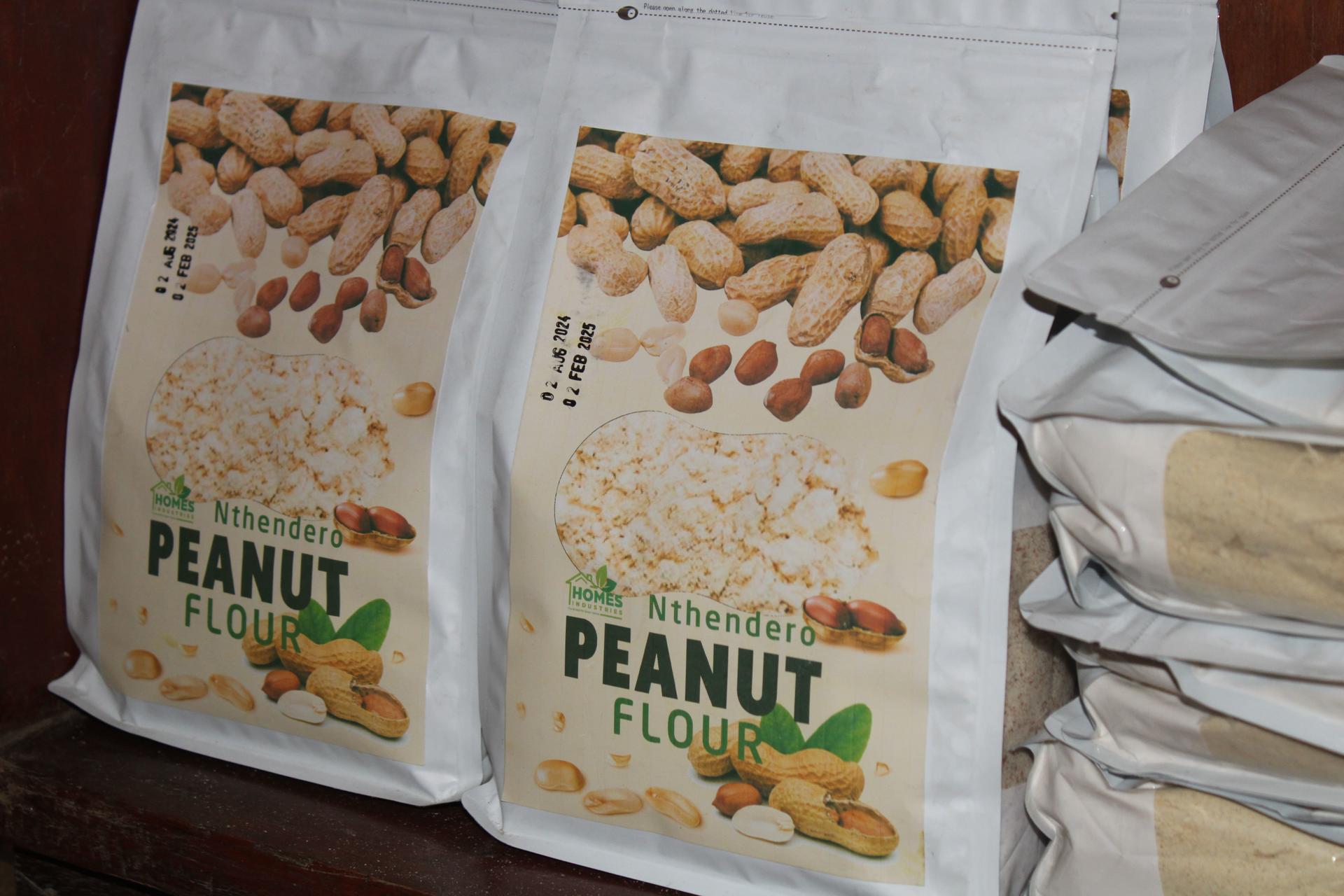
Photo 1: Products produced by Homes Industries. Credit: Yohane Chideya
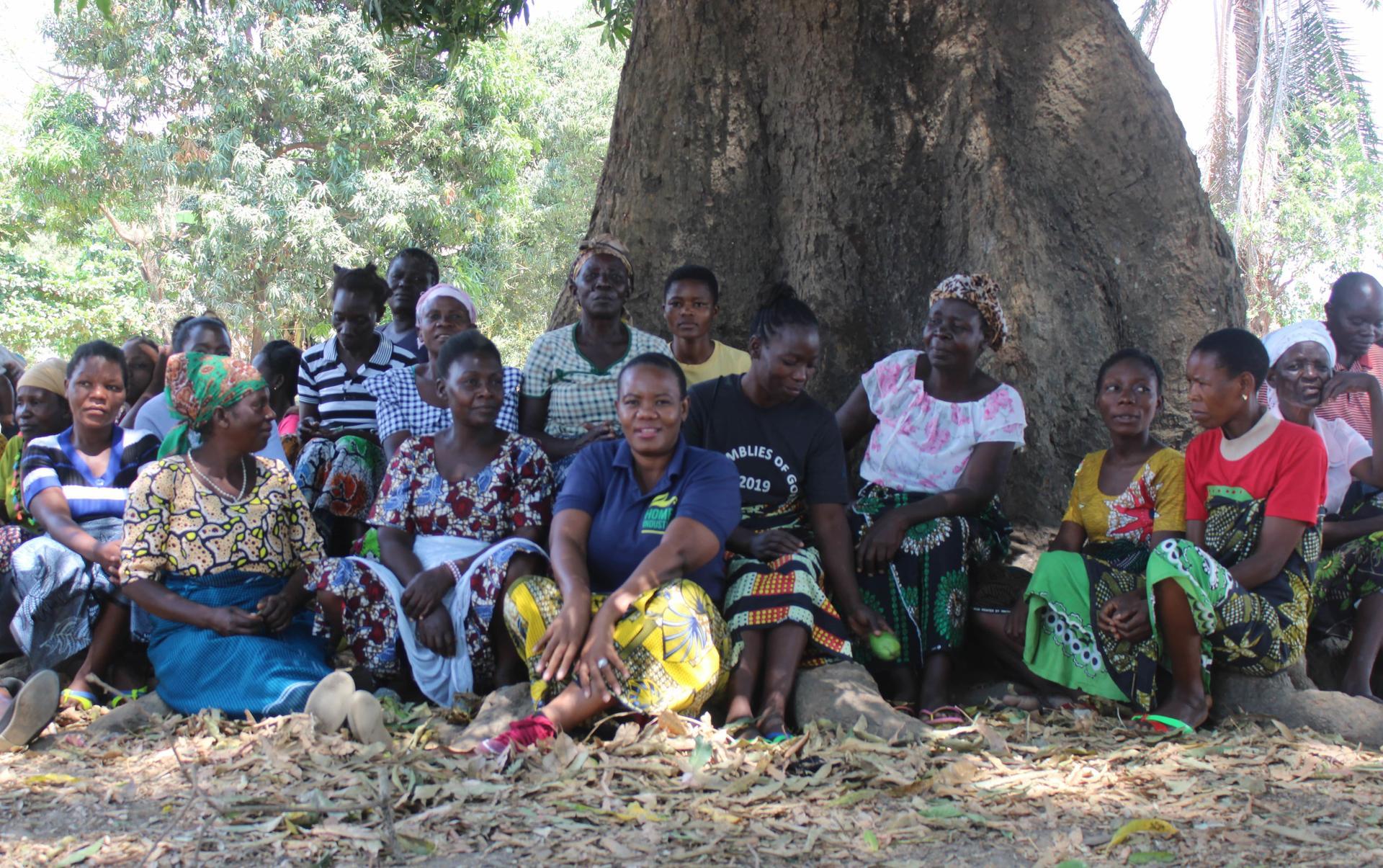
Photo 2: Victoria Mwafulirwa alongside some of the farmers she collaborates with. Credit: Yohane Chideya
Empowering Farmers and Building Communities
Homes Industries operates with a model designed to support smallholder farmers with at least one acre of land. The company not only provides a ready market for their crops but also engages them throughout the agricultural cycle. Farmers receive training on good agricultural practices, post-harvest management and business skills, all aimed at maximizing yields and improving crop quality. Essential inputs like certified seeds are provided, with ongoing extension services offered throughout the growing season.
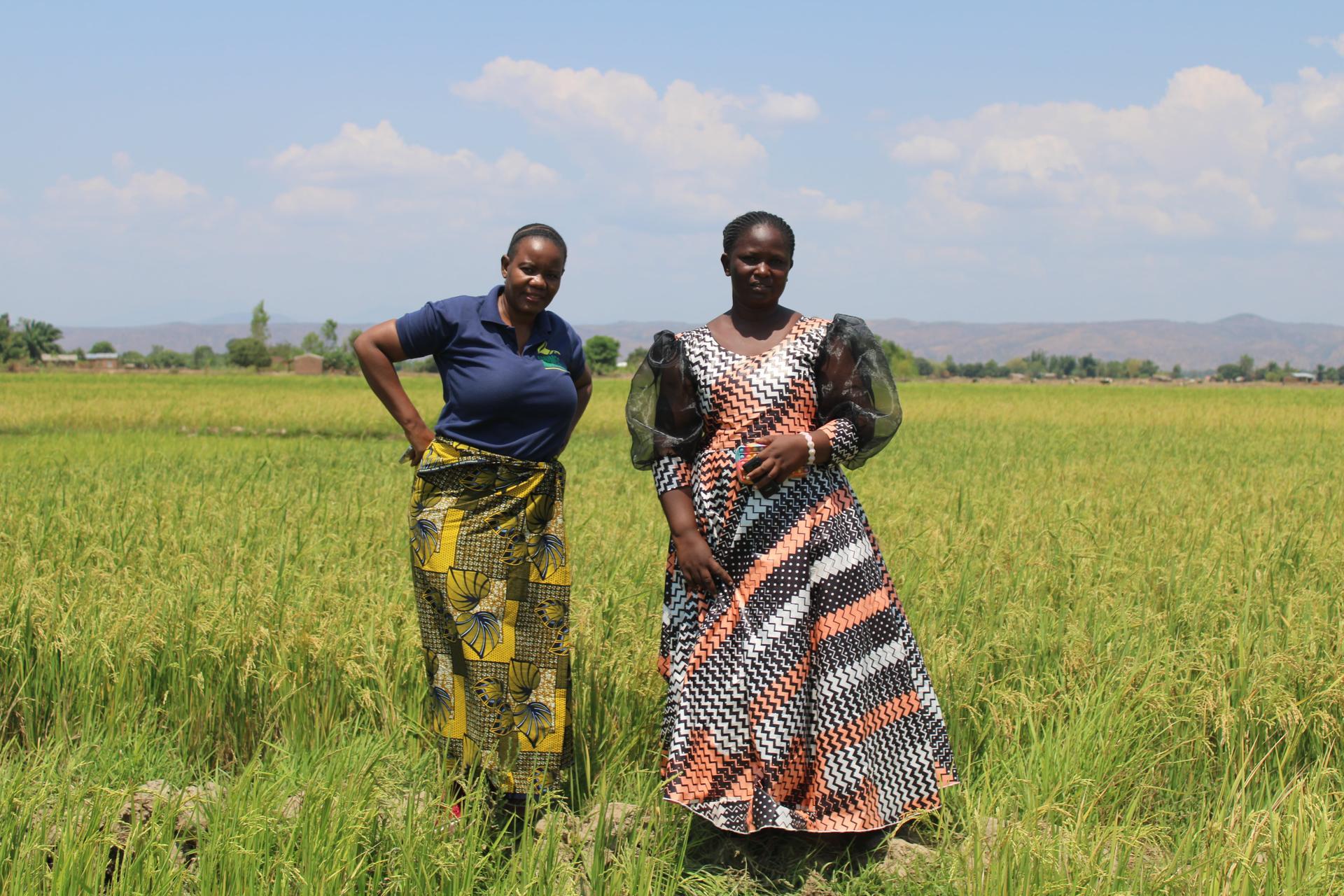
Photo 3: Victoria Mwafulirwa in one of the rice fields in Karonga. Credit: Yohane Chideya
One key collaborator is the Kiwe Farmers Club in Karonga - made up of 500 members, 320 of whom are women. This group specializes in Kilombero rice, a highly sought-after variety in Malawi. Club member Agnes Ngwira notes that their partnership with Homes Industries has transformed their farming practices, enabling them to sell their rice at competitive prices, improving their incomes, and sending their children to school.
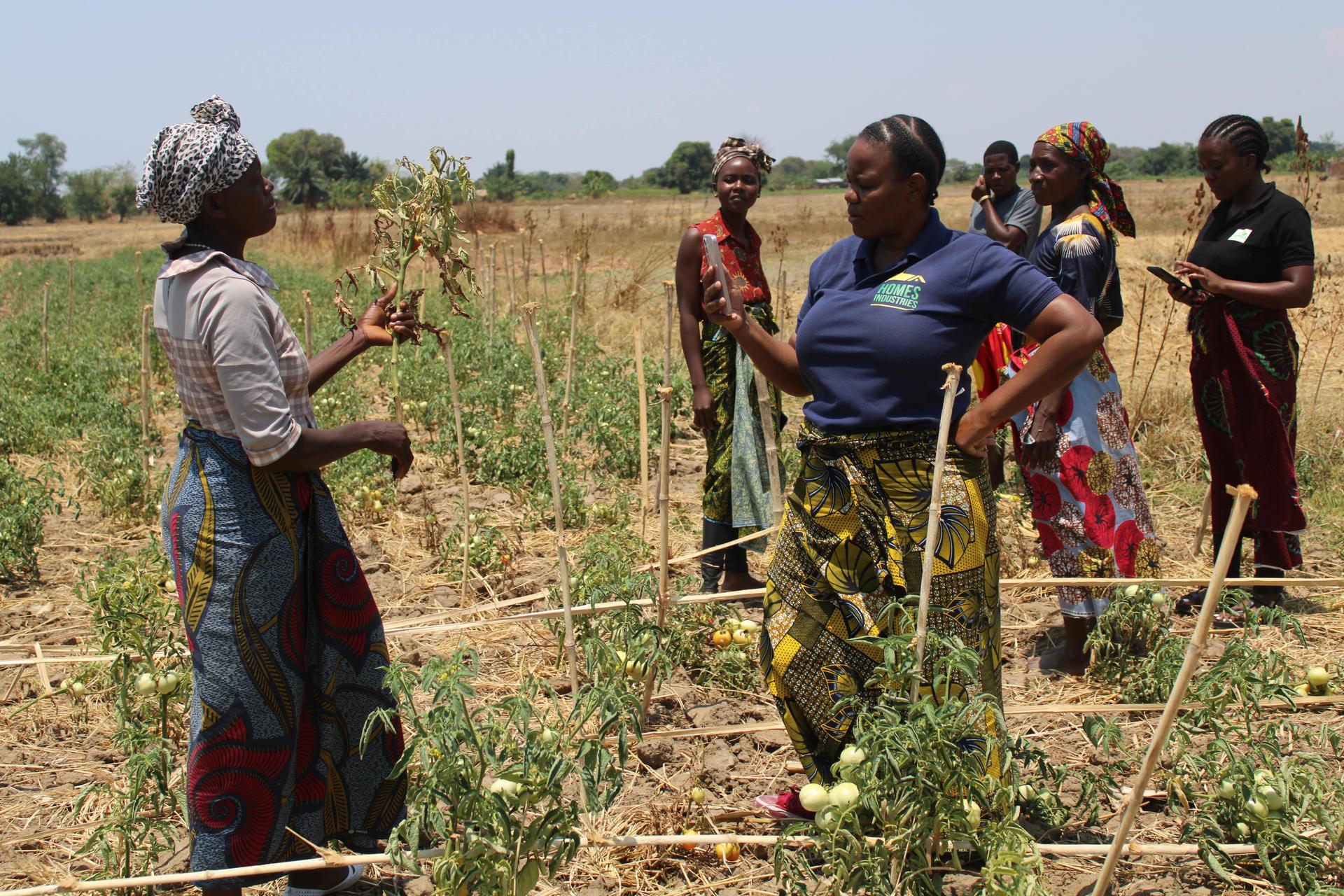
Photo 4: Nkolongo (left) demonstrating some of the techniques of effective tomato cultivation. Credit: Yohane Chideya
Beyond rice, Homes Industries actively supports farmers cultivating chili peppers, sunflowers, tomatoes, groundnuts, and honey. The company transforms these products into value-added items such as cooking oil, peanut butter and dried tomatoes, significantly boosting farmers’ profitability. This commitment contributes to an impressive annual production of 200 tons of rice, 300 tons of groundnuts, 350 tons of sunflower seeds, 3 tons of honey, 5 tons of tomatoes and 20 tons of beans.
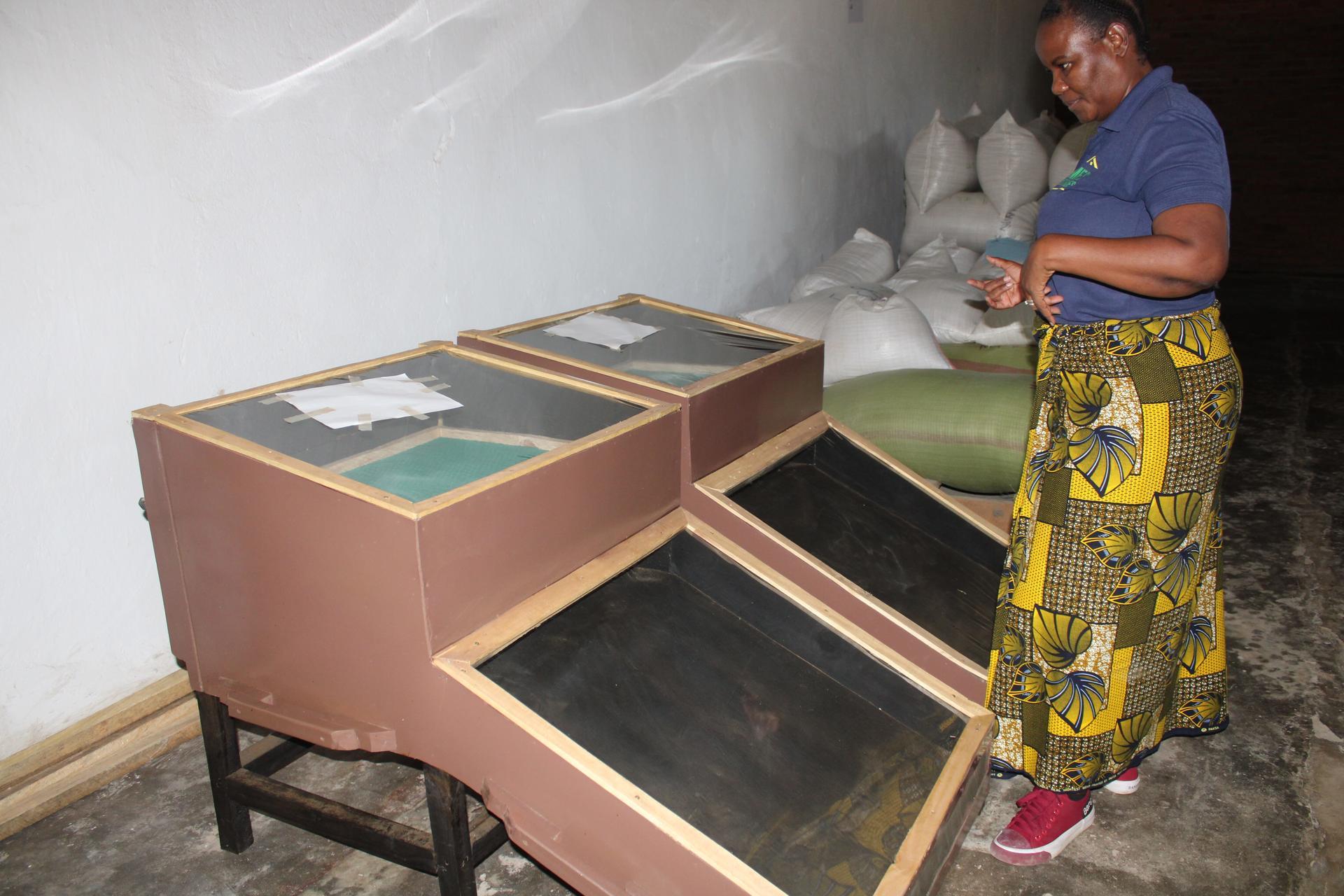
Photo 5: Mwafulirwa showing the sun drier that was given to tomato farmers. Credit: Yohane Chideya
The CGIAR Food Systems Accelerator (CFSA)
The CGIAR Food Systems Accelerator (CFSA), is an accelerator program funded by the CGIAR initiative on Diversification in East and Southern Africa, commonly referred to as Ukama Ustawi (UU), to support in enhancing agricultural innovation and transforming food systems for sustainable futures. The Pan-Africa Bean Research Alliance (PABRA) - which forms part of the Alliance of Bioversity and CIAT - provides science-based technical assistance to agribusinesses within the program to bridge the research and development gap. CFSA provides numerous tailored innovation thematic areas to agrifood enterprises within the east and southern Africa regions, helping farmers to scale their impact and improve nutrition.
Victoria Mwafulirwa is one of the 10 agribusiness partners who form part of Cohort 2 of the CFSA program. Homes Industries has undergone a remarkable transformation through participation, gaining valuable insights and tools to strengthen its business model and promote economic empowerment since joining the CFSA. The program has helped Victoria identify gaps in her operations, specifically in areas of gender equality and social inclusion, nutrition, and climate-smart practices which were previously overlooked. With guidance from the accelerator, Victoria has broadened her perspective, significantly influencing how she manages her company.
Advancing Gender Inclusion and Sustainability
Since its launch in 2016, Homes Industries has focused exclusively on women. However, in 2020, in response to requests from local chiefs and stakeholders, the company opened its doors to men. This shift resulted in an employment balance of 80% women and 20% men, with the long-term goal of achieving a balanced 50:50 recruitment strategy. Homes Industries has also made efforts to engage youth, taking into account the unique challenges they face in their operating regions, such as early marriages in rural areas.
The induction through the CFSA program prompted Victoria Mwafulirwa to identify operational gaps in gender inclusion and other practices. Through this experience, she expanded her understanding beyond the 80:20 gender ratio, realizing that gender inclusion is not just about numbers but is essential for business sustainability. Mwafulirwa emphasized that empowering women - who often carry the burden of most household activities - is key to effective household management and community well-being.
Improving Nutrition and Expanding to Beans
Victoria Mwafulirwa is dedicated to improving the nutritional well-being of her customers. After purchasing farmers' crops, the company processes them into peanut flour, peanut butter, brown and white rice, and a rice-based porridge that has gained popularity among adults.
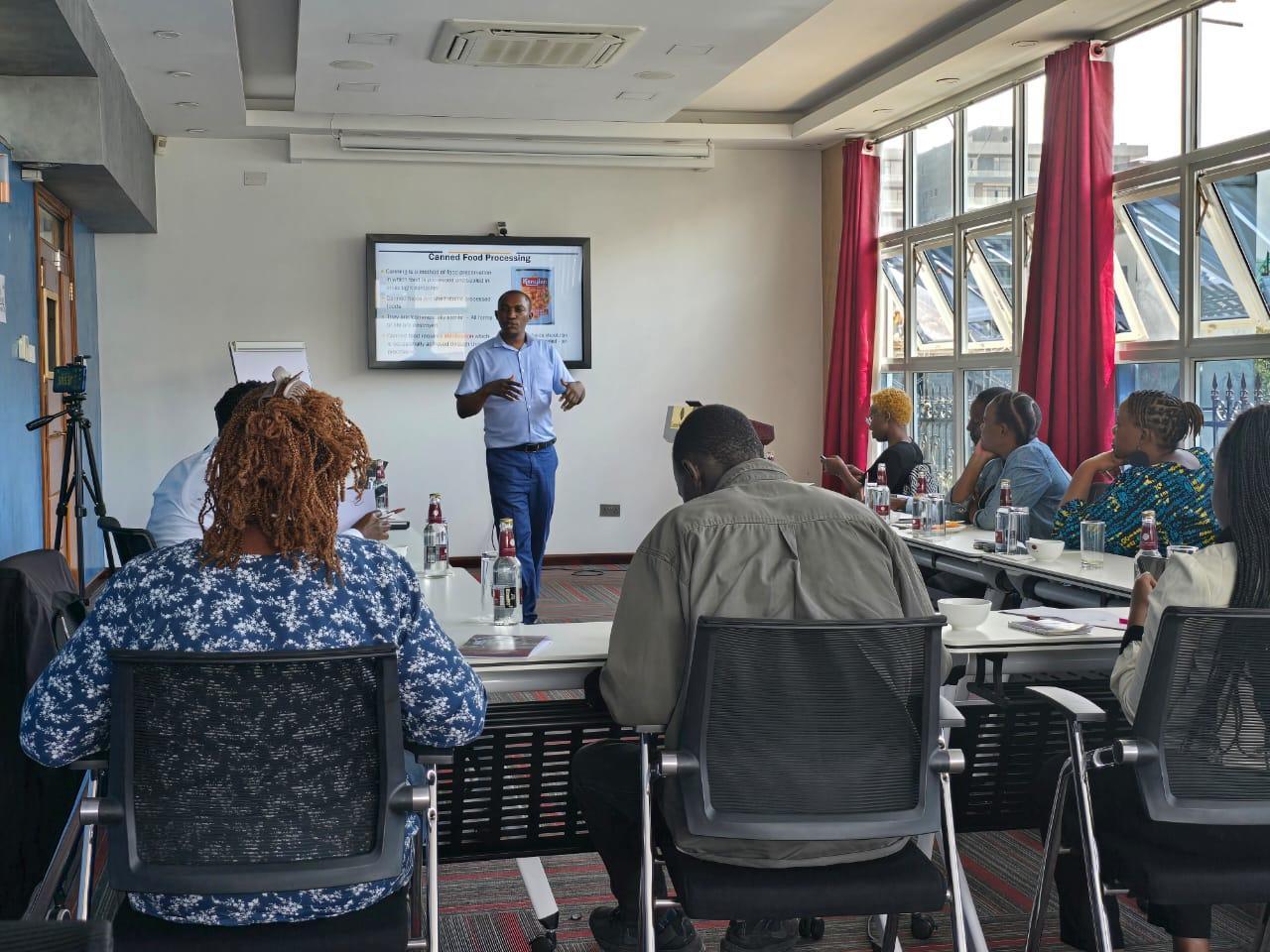
Photo 6: Agrifood-Processors attending a workshop in Nairobi in September 2024. Credit: Eliud Birachi
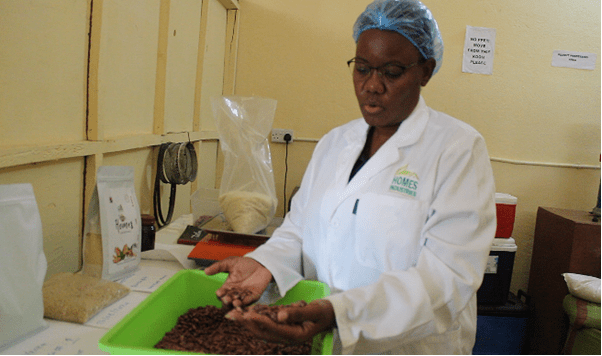
Photo 7: Victoria Mwafulirwa displaying NUA 45 beans that she intends to produce read-to-eat beans from. Credit: Yohane Chideya
Thanks to the support of the CGIAR Food Systems Accelerator (CFSA), Homes Industries has developed prototypes of shelf-stable, ready-to-eat beans. This innovation, which addresses local power challenges, is a shift from Homes Industries frozen options and reflects Victoria's forward-thinking approach. With plans to introduce this product by the end of 2024, she is confident the Accelerator Programme will guide this venture, offering consumers more convenience and variety while promoting sustainable nutrition.
Isaac Ngwira - a restaurant manager and loyal buyer of Homes Industries’ rice products - praises the quality and timely supply of rice, which is well-graded and flavorful. His restaurant relies on five to ten kilograms of rice daily, and he is eager to see how Homes Industries' latest offering (shelf-stable, ready-to-eat beans) will continue to support local businesses and consumers.
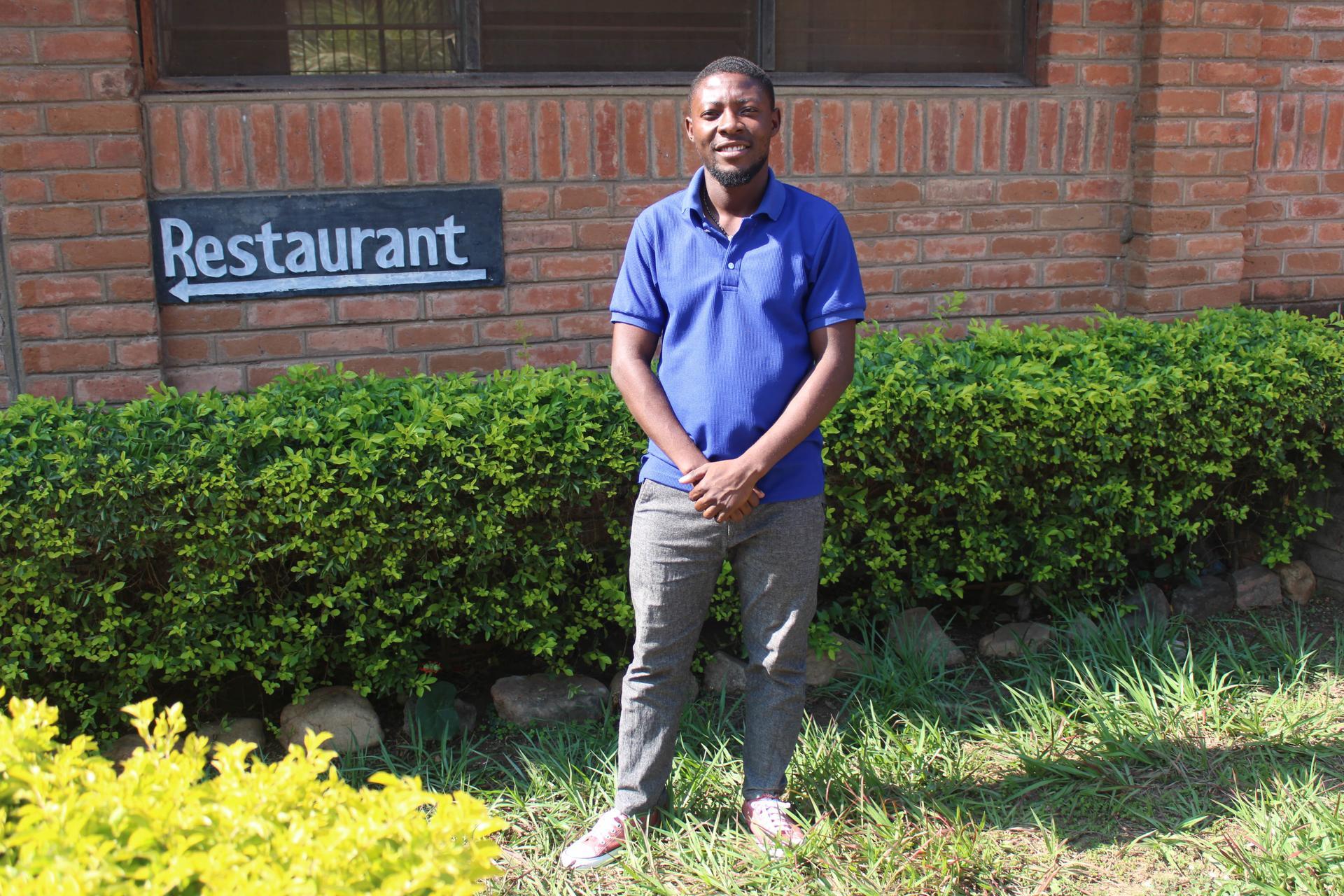
Photo 8: Isaac Ngwira a local restaurant owner praises the quality of Homes Industries rice stating that “the quality is top-notch”. Credit: Yohane Chideya
Embracing Climate-Smart Techniques
Homes Industries is dedicated to tackling climate change challenges through various climate-smart practices. The company encourages farmers to plant trees such as moringa, neem and papaya, which help restore soil that has been eroded by rain and wind. It also promotes the use of briquettes and firewood instead of charcoal, advocating for regenerative agricultural techniques.
In addition to crop cultivation, Homes Industries supports livestock farming by repurposing by-products for animal feed (such as sunflower cake from oil extraction). This approach fosters a diversified and sustainable farming ecosystem. Sustainability efforts extend to waste reduction, with practices that return peels and shells of processed crops to enrich the soil. The use of solar dryers for tomatoes minimizes spoilage, allowing excess produce to be preserved for future use or sale, significantly boosting profitability.
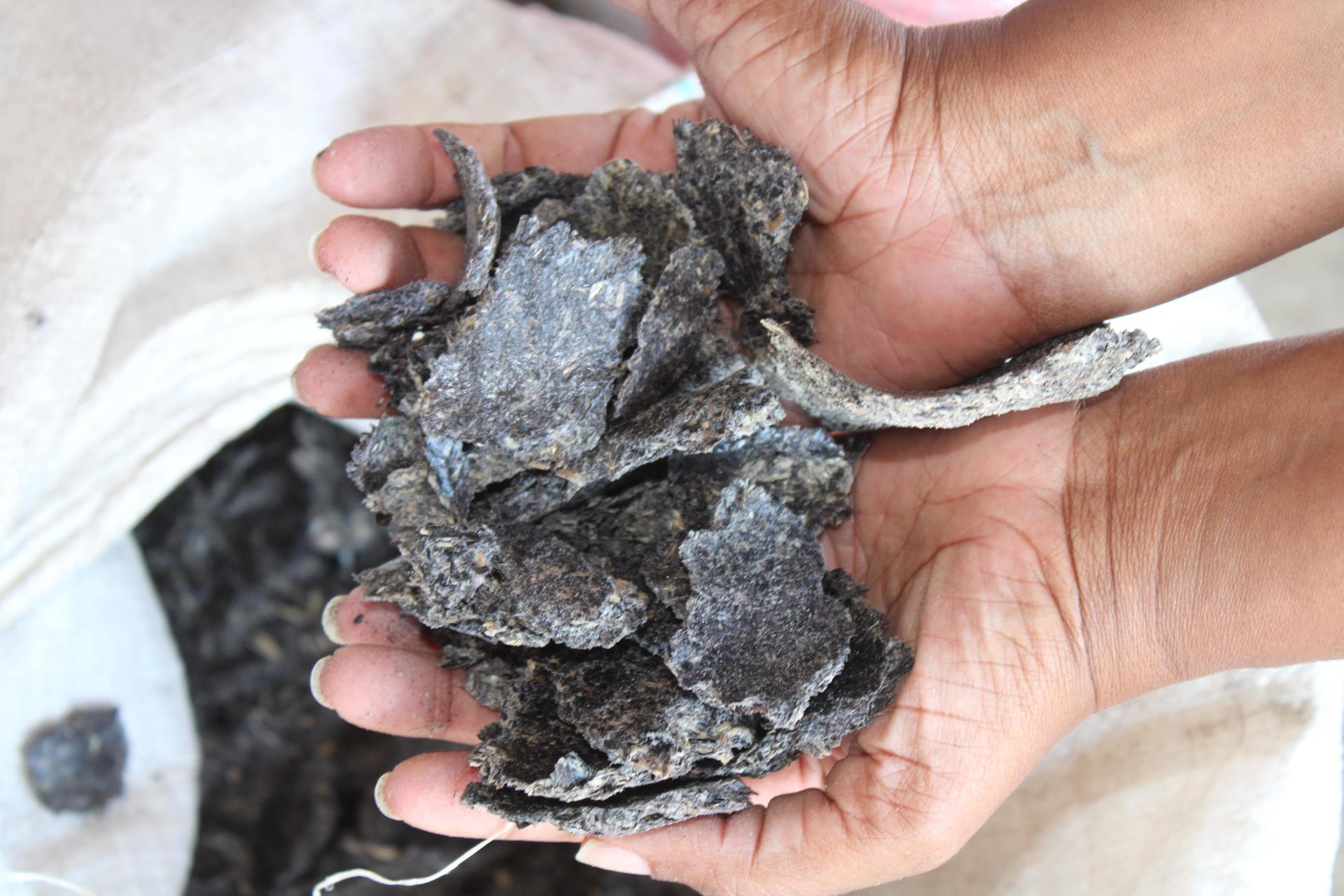
Photo 9: Sunflower cake is reserved for livestock feed. Credit: Yohane Chideya
The CFSA-supported introduction of shelf-stable beans further aligns with these sustainability goals, as it addresses environmental degradation and responds to the need for climate-smart technologies.
A Vision for the Future
Victoria Mwafulirwa envisions a future where Homes Industries' impact extends beyond its current scope. She dreams of establishing a central hub integrating all operations - from crop production to value-addition and processing - creating a model that can be replicated across Malawi. Her vision emphasizes a holistic approach that considers the economic, social, and environmental impacts of the business on both farmers and consumers.
As part of this vision, Homes Industries is committed to crop biofortification, ensuring that its products are rich in essential vitamins and minerals. For example, the porridge they sell is fortified with vitamin A using orange maize (a nutrient-dense corn variety) and the ready-to-eat beans will be formulated from high-iron varieties. This focus on providing balanced, nutritious food for local and international markets aligns with Victoria's broader goal of combating malnutrition and promoting health through agriculture.
Reflecting on the future, Victoria remains optimistic: “While we focus on economic empowerment, we must also consider the effects that processed foods have on consumers. I am excited about the potential impact of our initiatives on farmers and communities, and I am committed to expanding our understanding of sustainable agricultural practices.”
Conclusion
Homes Industries’ journey exemplifies a transformative impact on both the company and the communities it serves. Through its collaboration with PABRA and the CFSA program, the company has adopted a multifaceted approach that prioritizes gender inclusion, climate-smart agriculture, and nutrition-sensitive practices. Victoria Mwafulirwa is leading efforts to enhance economic empowerment and improve nutrition in Malawi. As Homes Industries continues to grow, its unwavering commitment to uplifting smallholder farmers through these key areas positions it as a vital player in transforming the agricultural landscape and shaping the future of food systems in the region.

