Blog Ethiopia’s Climate-Smart Agriculture Investment Plan Launch: A Collaborative Path to Resilience
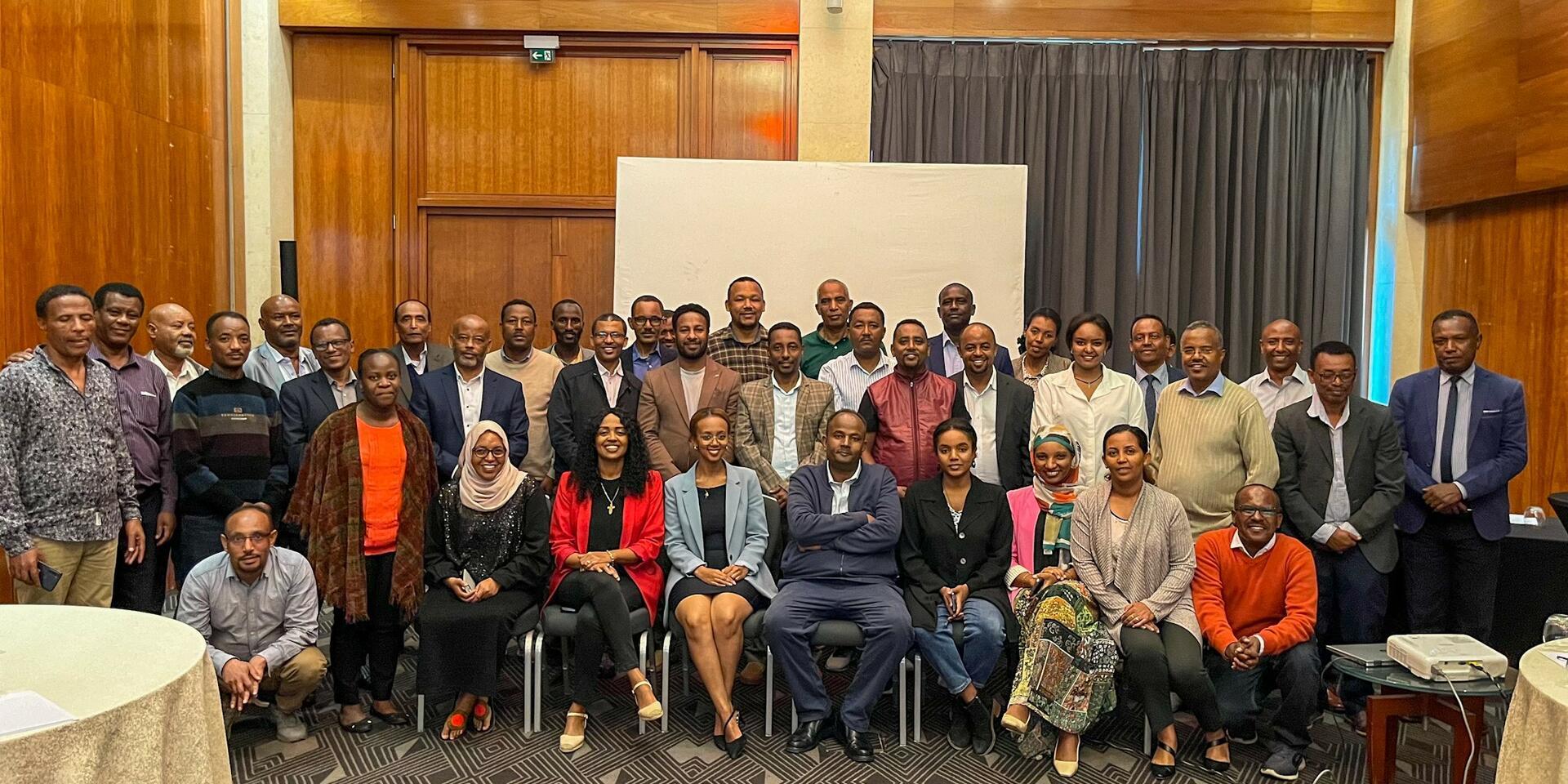

The Ethiopia Climate-Smart Agriculture Investment Plan (CSAIP) launch workshop took place on 13th June 2024, in Addis Ababa, Ethiopia. The workshop was jointly organized by the Alliance of Bioversity International and CIAT in partnership with the Ministry of Agriculture (MoA).
By: Melat Yemane, Lidya Tesfaye, Dorcas Jalango Anyango, Numery Abdulhamid, Yodit Yaregal Seyoum, Brook Makonnen, Sintayehu Workneh, and Sintayehu Alemayehu
The launch brought together a diverse group of stakeholders from the National Climate-Smart Agriculture forum and other pertinent stakeholders such as policymakers, researchers, development partners, private businesses, NGOs and civil society organizations. The primary objective of the workshop was to launch the Ethiopia CSAIP and highlight the crucial role of the national Climate-Smart Agriculture (CSA) forum in driving its implementation.
The CSAIP is an integral component of the Accelerating Impacts of CGIAR Climate Research for Africa (AICCRA) project funded by the World Bank. AICCRA leverages partnerships to validate and enhance the application of climate-smart technologies and practices in the East Africa region. As such, the Ethiopian CSAIP was developed through a collaborative initiative between the Ministry of Agriculture and the Alliance, undertaken through a consultative process.
The CSAIP lays out a comprehensive investment portfolio that can be a case-use for tangible and bankable projects that can potentially address various challenges in the agricultural sector of Ethiopia. It identifies key areas of investment including the livestock value chain, improved forage production, small-scale irrigation using renewable energy sources, improved crop varieties, bundled climate information services (CIS) and agro-advisory services with insurance and implementation of Integrated Soil Fertility Management (ISFM).
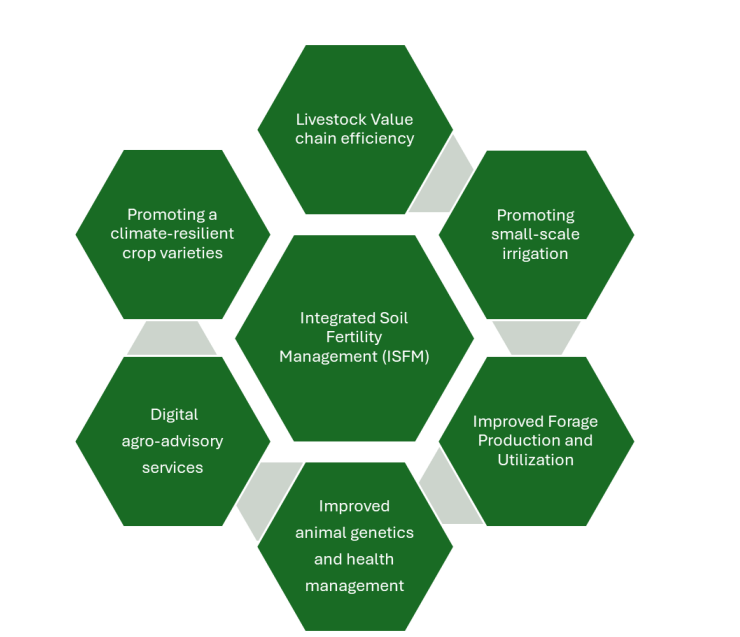
Figure 1: Infographic for CSA investment options
The workshop was opened by Mr. Addis Negash - Team Leader, Ethiopian Climate Change and Environment Coordinator (ECCCT) with the Ministry of Agriculture - who delivered remarks on behalf of Prof. Eyasu Elias - State Minister of the Natural Resource Sector at the Ministry of Agriculture. Negash emphasized Ethiopia's commitment to promoting climate-smart agriculture as a critical strategy for building a resilient society and ensuring sustainable agricultural productivity in the face of climate change, saying "the CSAIP launch is not merely a symbolic gesture; it signifies a strong commitment to action”. Mr. Negash urged the variety of stakeholders present to join efforts in this endeavor. By working collaboratively, stakeholders can unlock the full potential of the agricultural sector, contributing to poverty reduction and food security Ethiopia.
Responding to climate change: Effective CSA investment planning in Ethiopia
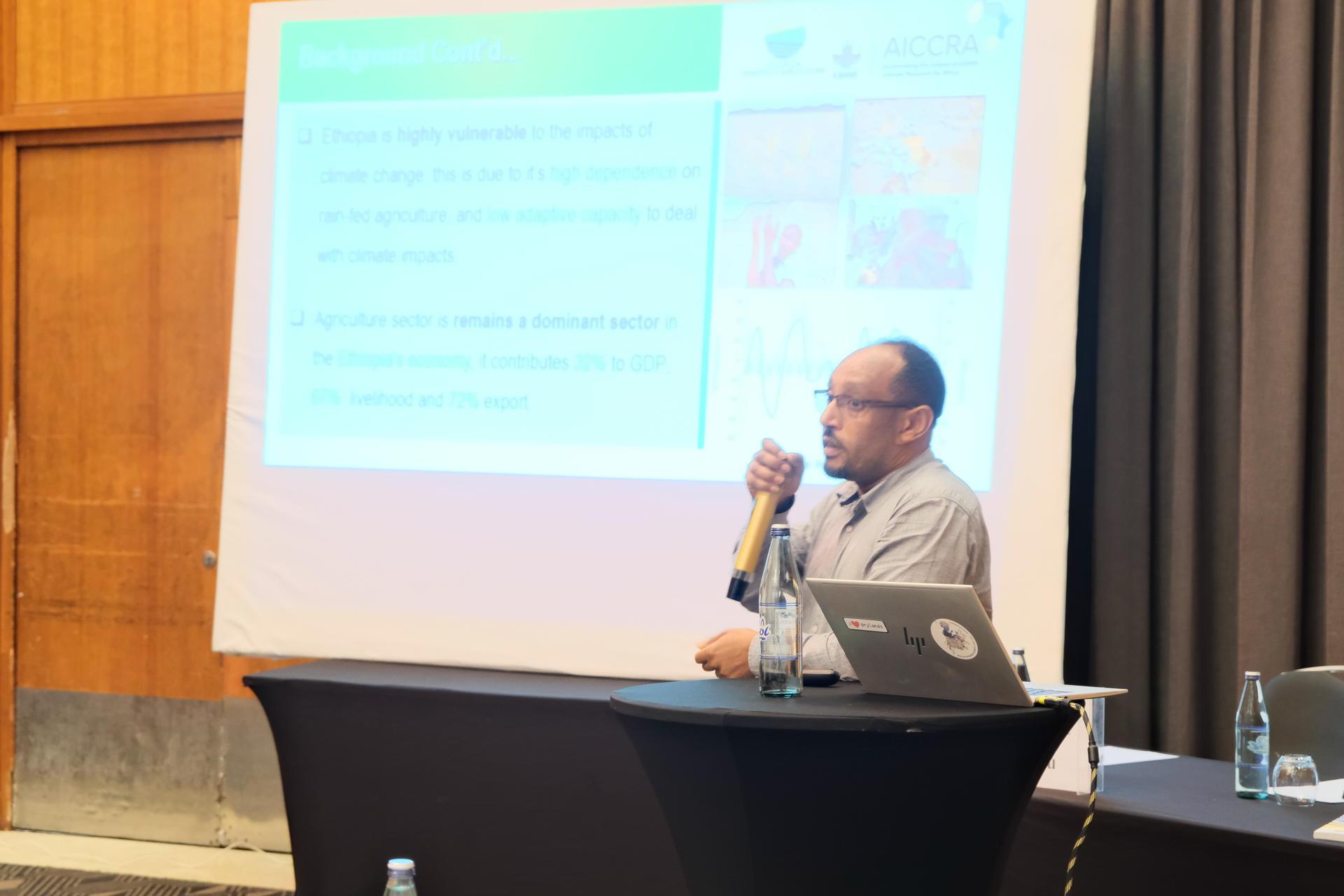
Ethiopia's agriculture sector faces significant challenges due to its reliance on rain-fed agriculture and limited capacity to adapt to climate change, leaving it at a crossroads. Mr. Berhanu Assefa - the focal person at the Ministry of Agriculture and Coordinator of the SCALA project - highlighted the urgency of this situation during the workshop. He emphasized that "business as usual" will not be enough to adequately feed the Ethiopia's growing population. His presentation proposed a shift towards green growth pathways in agriculture – a transformation crucial to overcoming current and future climate challenges and achieving Ethiopia's goal of becoming a middle-income country by 2025.
Birhanu also shared the 19 potential CSA investment options, shown on Figure 2 bundled into seven CSA options, that were identified through a series of consultative workshops conducted as part of the CSAIP development process. The options were selected from a larger pool of 40 climate options identified in Ethiopia's Nationally Determined Contribution (NDC), and eighteen 18 climate options from its National Adaptation Plan (NAP), based on key criteria.
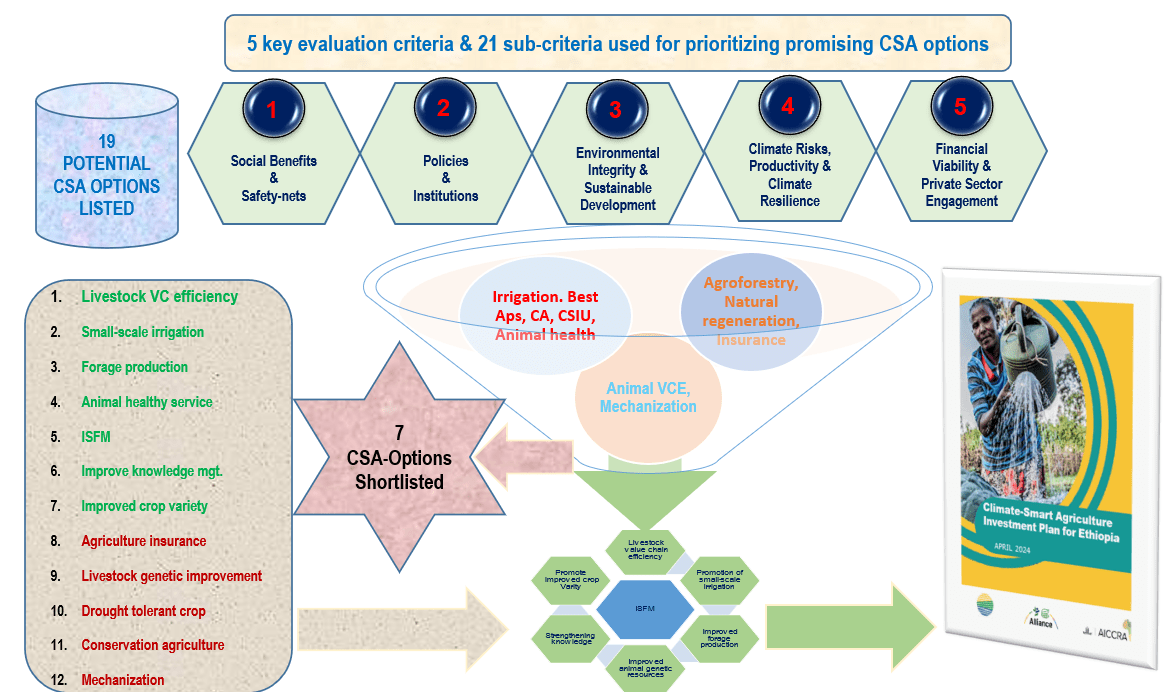
Figure 2: Prioritization process for CSA investments
A collaborative approach through a CSA multi-stakeholder forum
Following the presentation, a vibrant plenary discussion session underscored the importance of enhancing the capacity of the national CSA multi-stakeholder forum. The participants reached a consensus on the importance of expanding meaningful participation and knowledge sharing within the CSA Forum. Representatives from World Vision emphasized the necessity of inclusive representation, including farmers, union leaders, youth groups, and female farmers, to ensure that the CSA forum takes into account the needs and knowledge of those directly engaged in agriculture. Additionally, participants emphasized the forum's role in fostering collaboration among experts from various fields, which would facilitate the development of guidelines and the sharing of data.

Timely and relevant knowledge sharing within the CSA forum was a key to the success of the CSA forum. Representatives from the Ethiopian Institute of Agricultural Research (EIAR) shared the Coalition of the Willing (CAW) as a model for implementing effective knowledge sharing in a multi-stakeholder forum. Academia's role as a key source of knowledge and technology generation was emphasized, implying the need for facilitating mechanisms for universities to channel research findings and best practices to inform decision-making. Furthermore, the private sector sees the forum as an opportunity for collaboration, promotion of their innovative CSA technologies and partnership with various stakeholders. A representative from the private sector pointed out the CSA forum's potential for companies to connect and work together on impactful CSAIPs. Echoing this sentiment, the Ministry of Planning and Development emphasized the private sector's role as a key driver of the economy. By fostering these collaborative linkages, the CSA forum can help drive the co-creation of climate-smart solutions that are tailored to the unique needs and contexts of Ethiopia's agricultural communities.
A road map for strengthening the CSA forum
As Ethiopia launches its ambitious CSAIP - marking a significant turning point - its successful implementation hinges on a collaborative effort. Crucially, stakeholders have charted a dynamic roadmap to ensure its successful implementation. Key elements of this roadmap include:
- Inclusive representation,
- Facilitating knowledge sharing,
- Promoting collaboration,
- Developing action plans,
- Prioritizing monitoring and evaluation, and
- Resource mobilization.
The workshop concluded with the participants reaching a consensus to support the Ethiopian CSA forum to serve as a valuable multi-stakeholder platform for stakeholders - randing from policymakers to farmers and private sector actors - to come together, share knowledge, and address challenges. By strengthening multi-stakeholder participation, ensuring alignment between other climate and development interventions and the CSAIPs, and focusing on measurable results, the forum will play a critical role in achieving the goals set out in Ethiopia's CSA roadmap.
This collaborative approach, fostered by the CSA forum, holds immense promise for Ethiopia's agricultural sector, building resilience to climate change and paving the way for a food-secure future for Ethiopian farmers and communities.
The Team

Sintayehu Workeneh Dejene
Research Management Coordinator
Lidya Tesfaye
Research OfficerSee Also