Blog Enset and bananas: Understanding Ethiopia's unique crops

Ethiopia – often referred to as the ‘cradle of humanity’ due to its significance in the study of human origins and evolution – is home to a variety of unique crops which are an important part of the country’s culture and nutrition. Among these, enset (commonly known as the ‘false banana’) stands out as a cornerstone of Ethiopian cuisine and agriculture. While enset shares visual similarities with bananas, the two crops differ in their cultivation, use and significance. This article explores the various differences between these two crops, including their nutritional profiles, cultivation, cultural relevance and their roles in global and local economies, showing the differences yet equal value of these two key crops.
1. What is Enset?
Enset (Ensete ventricosum) is a perennial crop native to Ethiopia and parts of East Africa. Enset belongs to the same botanical family as bananas and plantains (Musaceae), but it serves different purposes in nutritional and culinary terms. While bananas are grown for their sweet fruits, enset is grown primarily for its starchy pseudostem and corm (underground bulb resembling a large tuber), which are processed into traditional Ethiopian staple dishes such as kocho and bulla.
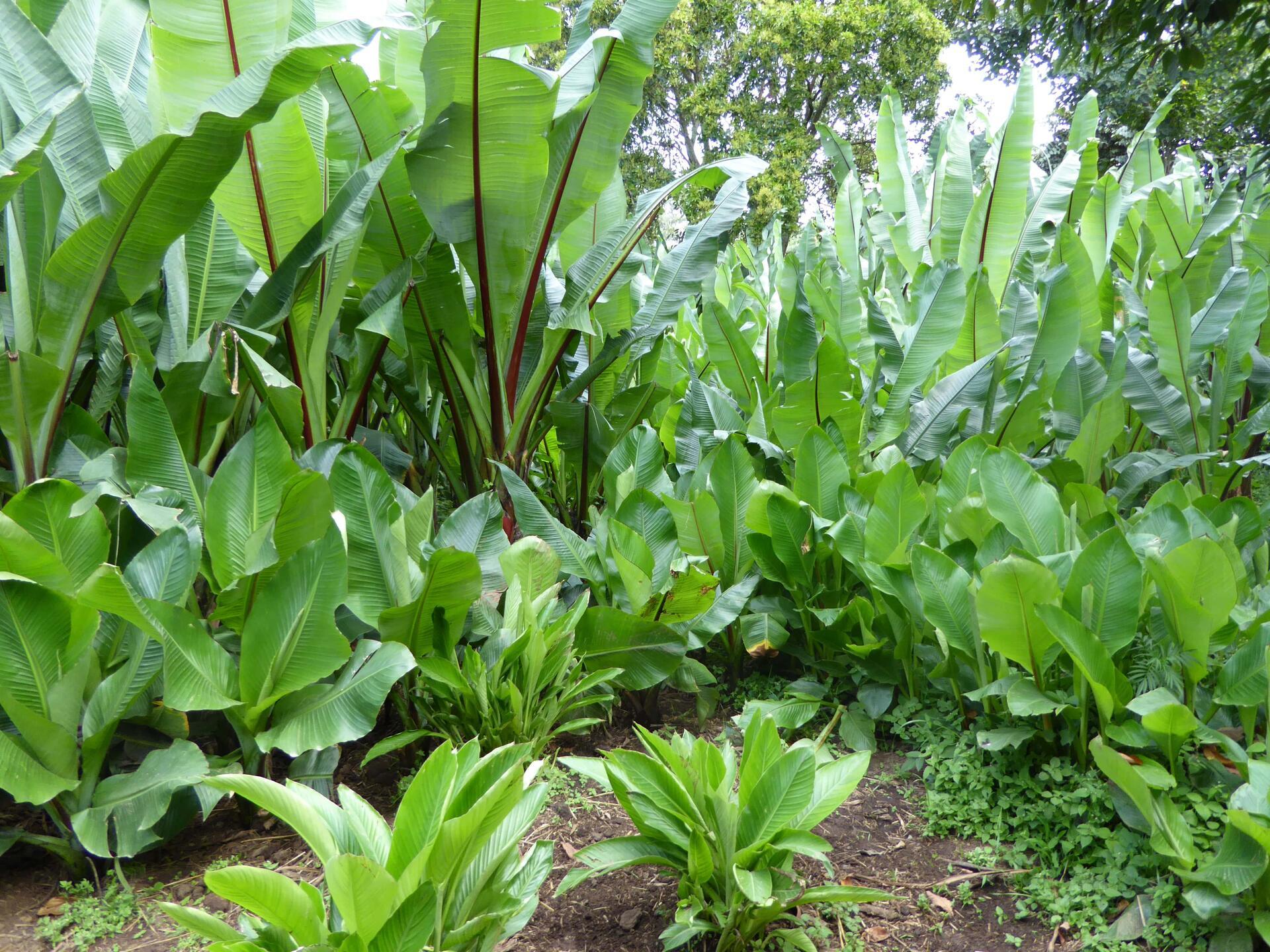
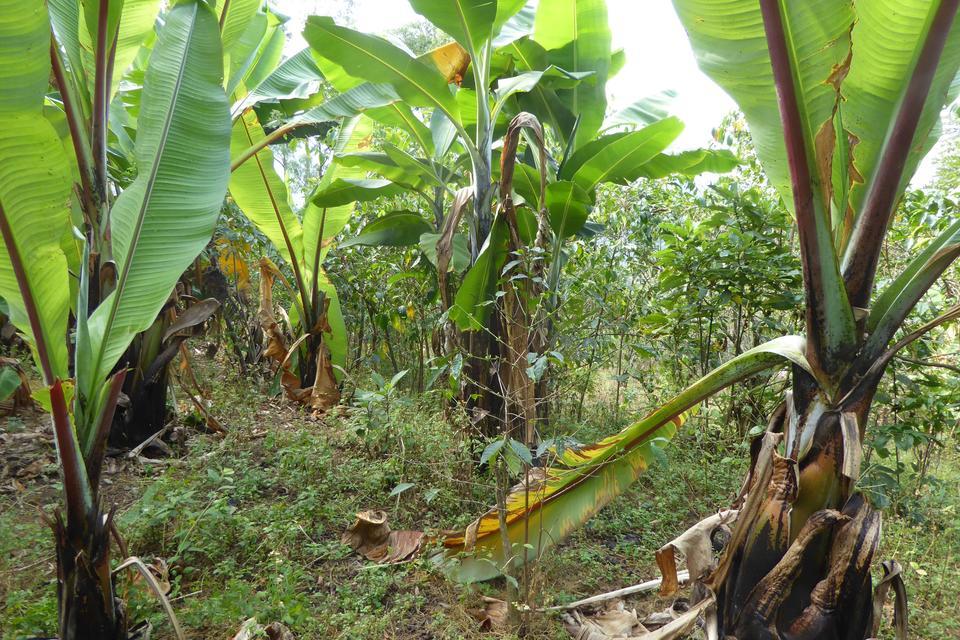
Enset plants grown on a subsistence farm. Credit: Guy Blomme.
Key characteristics of enset
Enset’s physical resemblance to bananas often leads to confusion, but the differences become evident upon closer inspection:
-
Fruits: Unlike bananas, enset produces small, inedible fruits filled with hard seeds.
-
Leaves: The large, waxy leaves of enset are used in traditional Ethiopian cooking and as fodder to feed livestock, adding to the plant’s multifunctionality.
-
Adaptation: Enset thrives in Ethiopia’s highlands, often growing at altitudes between 1,500 and 3,100 meters. It is highly resilient to drought and serves as a crucial food source during times of food scarcity.
Cultivation and processing
Enset cultivation involves a combination of traditional knowledge and labor-intensive processes that have been refined over generations:
- Planting: Farmers propagate enset by planting cuttings or offsets from mature plants, ensuring genetic uniformity and reliable growth.
- Maintenance: The plant requires regular tending, including weeding and protection from pests.
- Harvesting and preparation: Once mature, the pseudostem and corm are harvested, stripped of their fibers and fermented in underground pits for weeks or months. This fermentation process transforms the raw material into kocho, a starchy product used to make flatbreads and porridge. Another product of enset, bulla, is a refined starch used to prepare porridge or dumplings. It is lighter and more easily digestible, often given to children and elderly people.
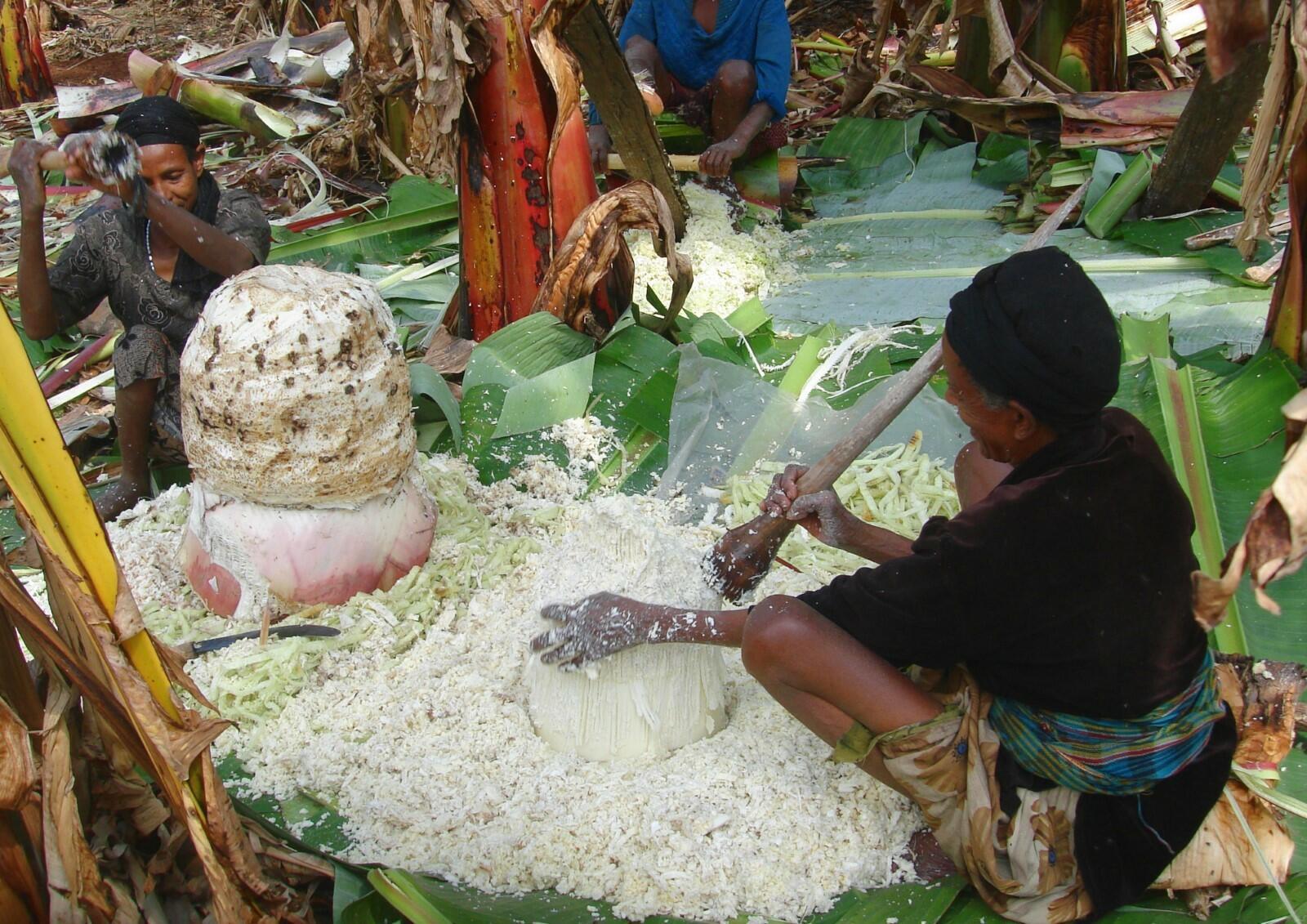
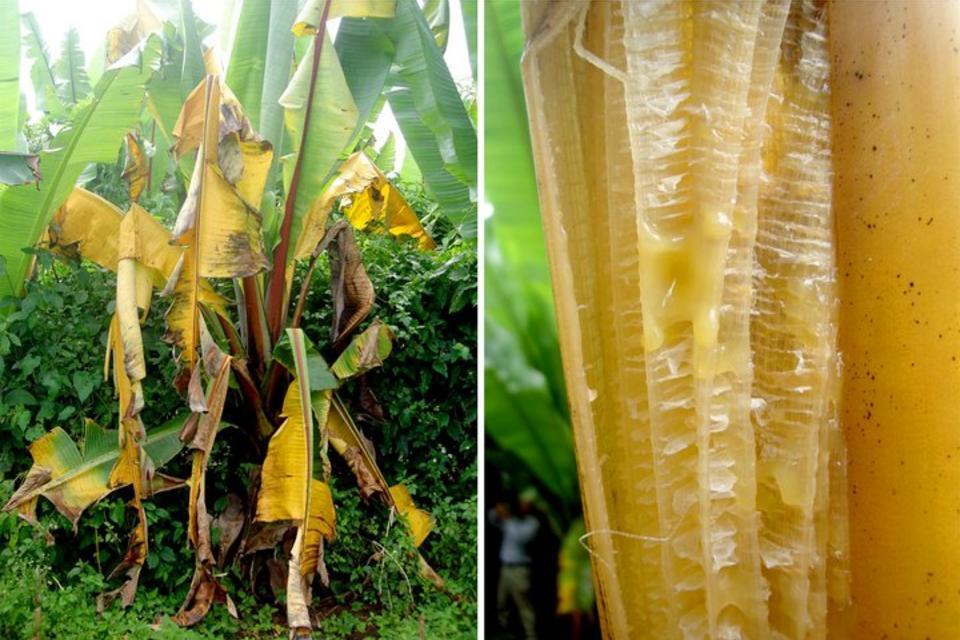
Processing of the enset corm and pseudostem for food products. Credit: Guy Blomme.
2. Bananas: A Global Staple
Bananas (Musa spp.) are one of the world’s most consumed fruits, and are a vital source of income in many tropical countries. While not native to Ethiopia (originating from Southeast Asia), bananas have gained popularity in the Ethiopia’s southern regions, particularly in areas where banana plants thrive in warmer climates and lower altitudes than enset.
Key characteristics of bananas
Bananas are prized for their versatility, taste, and nutritional value:
-
Varieties: Bananas come in many forms, ranging from sweet dessert bananas that are eaten either cooked or raw, to starchy plantain that requires cooking.
-
Growth requirements: Bananas flourish in tropical and subtropical climates, with consistent moisture and warm temperatures being critical for high yields.
-
Cultural presence: While bananas lack the deep cultural tradition of enset in Ethiopia, they are widely consumed for their convenience and nutritional benefits.
Bananas in Ethiopia
In Ethiopia, bananas are cultivated in regions such as the Rift Valley and the southern parts of the country. While they do not dominate the agricultural landscape, their presence in markets and households has steadily grown in recent decades. Bananas are commonly eaten fresh, added to juices and smoothies, or used as a complementary side dish in Ethiopian meals.
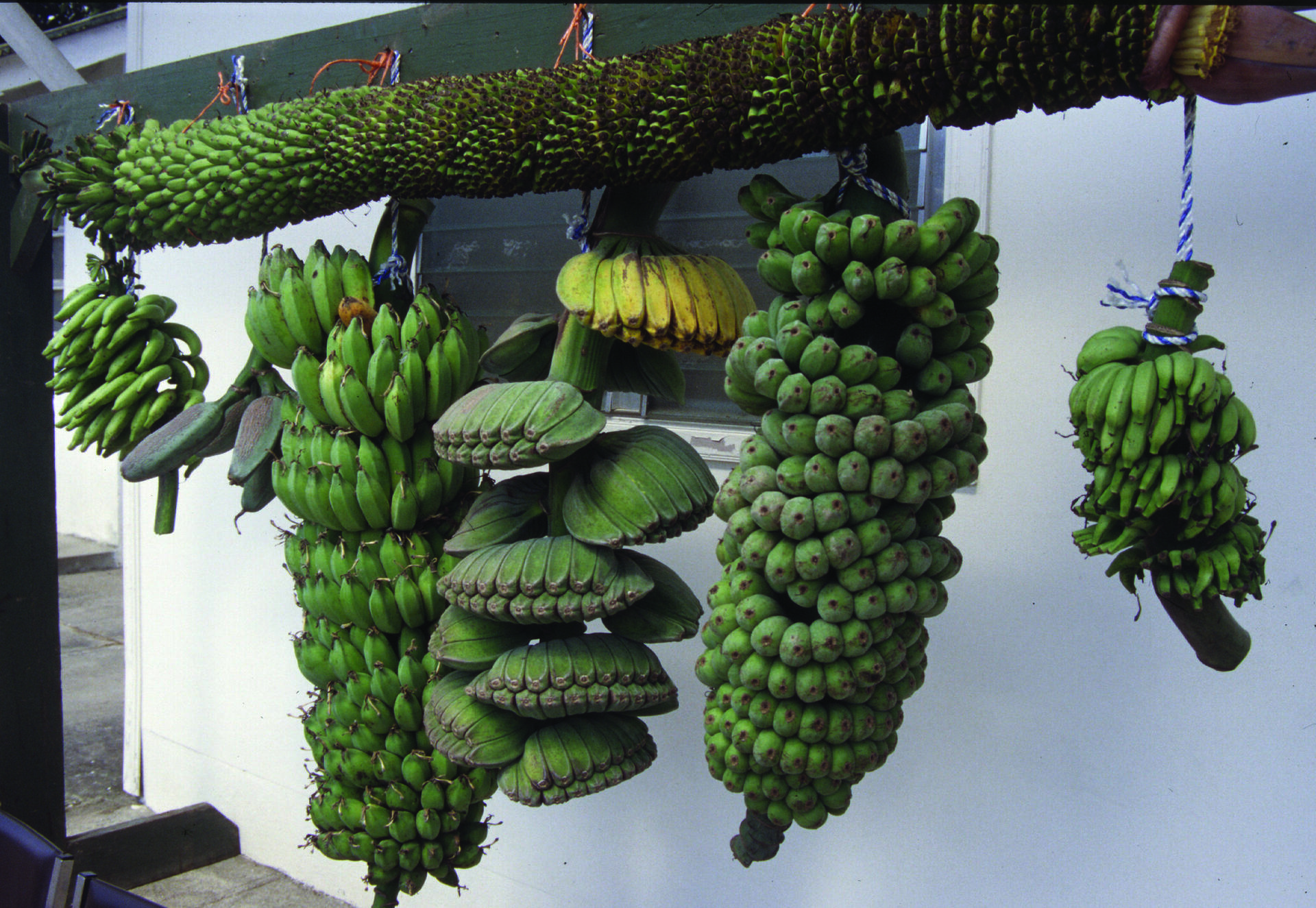
Many Musa varieties on display. Credit: CIAT
3. Comparing Enset and Bananas
While enset and bananas share a common ancestry in the Musaceae family, their similarities are only in their external appearance. These two crops differ in their growth requirements, cultural importance, nutritional value and economic impact.
Differences in Growth and Cultivation
The cultivation practices of enset and bananas are very different, reflecting their adaptation to specific environments.
Cultivation of enset: A long-term investment
Enset is a resilient perennial plant that thrives at elevations ranging from 1,500 to 3,100 meters. Its ability to withstand drought makes it vital for food security in regions with erratic rainfall. Enset requires several years to mature, typically between five and seven years. This extended growth cycle means enset is less suited for rapid economic turnover, but ideal for communities seeking a stable, long-term food source.
Cultivation of bananas: Quick yields and versatility
Unlike enset, bananas are fast-growing plants that can yield fruit within 9 to 12 months. Bananas are propagated through corms or tissue culture, particularly in commercial farming. This enables large-scale production and rapid turnover, making bananas a lucrative cash crop in many countries. Bananas are also prized for their versatility. Dessert bananas are consumed fresh, while plantains are cooked and used in various dishes and formats, such as fried plantain chips with dips, or mashed plantain disks to accompany savory foods. The crop's fast ripening and continuous fruiting make bananas an attractive choice for farmers.
Differing Nutritional Profiles
Enset and bananas differ significantly in their nutritional profiles, reflecting their distinct uses in human diets.
Enset: A staple for energy
The primary product derived from enset, kocho, is rich in carbohydrates, providing a dense source of energy. However, it is relatively low in protein, vitamins and minerals. Therefore, for a balanced meal, enset must be accompanied by other foods rich in proteins, minerals and vitamins. The limited nutritional benefit of this key crop highlights the need for diversified diets in regions where enset is a staple crop.
Bananas: Balanced energy and nutrients
Bananas – particularly the dessert varieties – are prized for their natural sweetness and energy-boosting properties. They are rich in simple sugars such as glucose and fructose, making them an ideal snack for quick energy. Bananas are also a good source of dietary fiber, supporting digestion. In terms of micronutrients, bananas also provide significant amounts of potassium, vitamin C and vitamin B6. Plantains, on the other hand, are starchier and lower in sugar, making them an important carbohydrate source in many tropical diets.
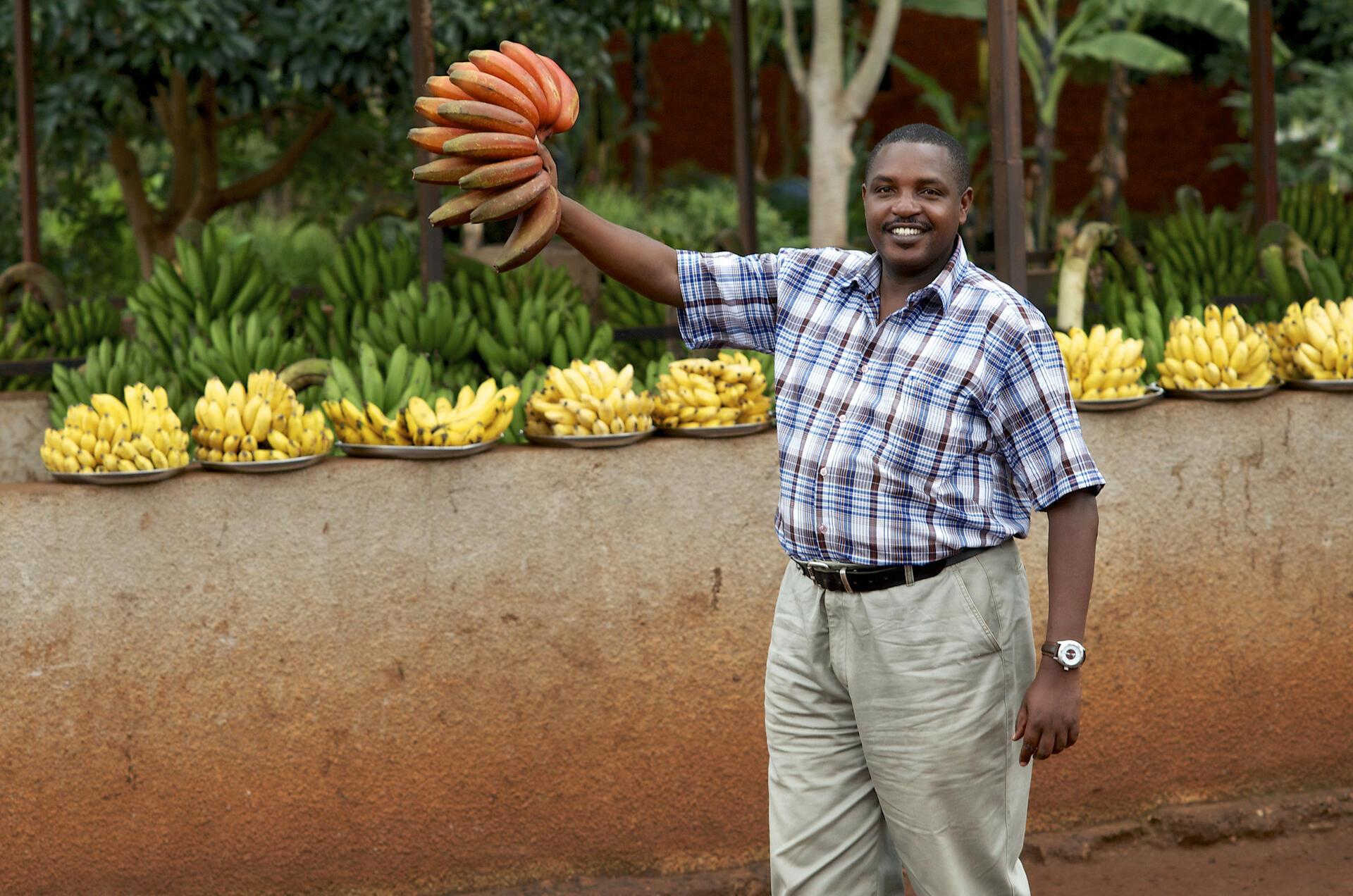
A vendor shows a variety of banana species. Credit: CIAT
Differences in Cultural and Historical Significance
The cultural importance of enset and bananas is an important area of difference in Ethiopia, with enset deeply embedded in culinary traditions, and bananas having gained popularity in modern times.
Enset: The ‘tree against hunger’
In Ethiopia, enset is a symbol of resilience and survival. Historically, enset has been resilient to challenging climatic conditions that have damaged other crops, for which enset has received the nickname of the ‘tree against hunger’, showing its historic role in food security in Ethiopia.
Culturally, enset is especially important to the Sidama, Gurage and Oromo communities, among others. Its cultivation and processing involve community rituals and traditional knowledge passed down through generations. Enset leaves are also used in ceremonial contexts, including weddings and other communal celebrations, adding to its cultural significance.
Bananas: A global icon
Bananas are one of the most widely consumed fruits in the world, transcending cultural and geographical boundaries since the globalization of food systems. While bananas lack the deep-rooted cultural significance of enset in Ethiopia, they are valued for their versatility and accessibility. In many parts of the world, bananas are a staple food, especially in tropical regions where plantains serve as a primary carbohydrate source.
Globally, bananas are celebrated in culinary traditions, from fried plantains in Latin America, Africa and Southeast Asia to the increasingly popular banana bread to accompany afternoon coffee in Europe. Their cultural presence is reinforced by their availability and adaptability in various cuisines.
Differences in Economic Importance
The economic roles of enset and bananas differ greatly, with enset being a subsistence crop and bananas playing a significant role in global trade.
Enset: A local lifeline
Enset is primarily cultivated for subsistence, meaning it is grown and consumed locally rather than traded commercially with other countries. Its economic impact is largely confined to Ethiopian farming communities, where it supports household food security as well as providing fodder for livestock. While there is potential for small-scale commercialization of enset products such as kocho, its market remains limited to local and regional levels.
The labor-intensive nature of enset cultivation and processing also limits its scalability. However, this characteristic contributes to its role as a communal activity, strengthening social bonds within farming communities.
Bananas: A newly adopted global commodity
Unlike enset, bananas are a cornerstone of the global agricultural economy, with millions of tons exported annually from countries including Ecuador, the Philippines, Costa Rica, Guatemala and others. The banana trade provides jobs to millions of people, from smallholder farmers to workers in large plantations and logistics networks.
In Ethiopia, bananas are not a major export crop, but since increasing in popularity in recent years, they are now widely sold in local markets. This economic potential, combined with growing domestic demand, has spurred increased banana cultivation in recent years.
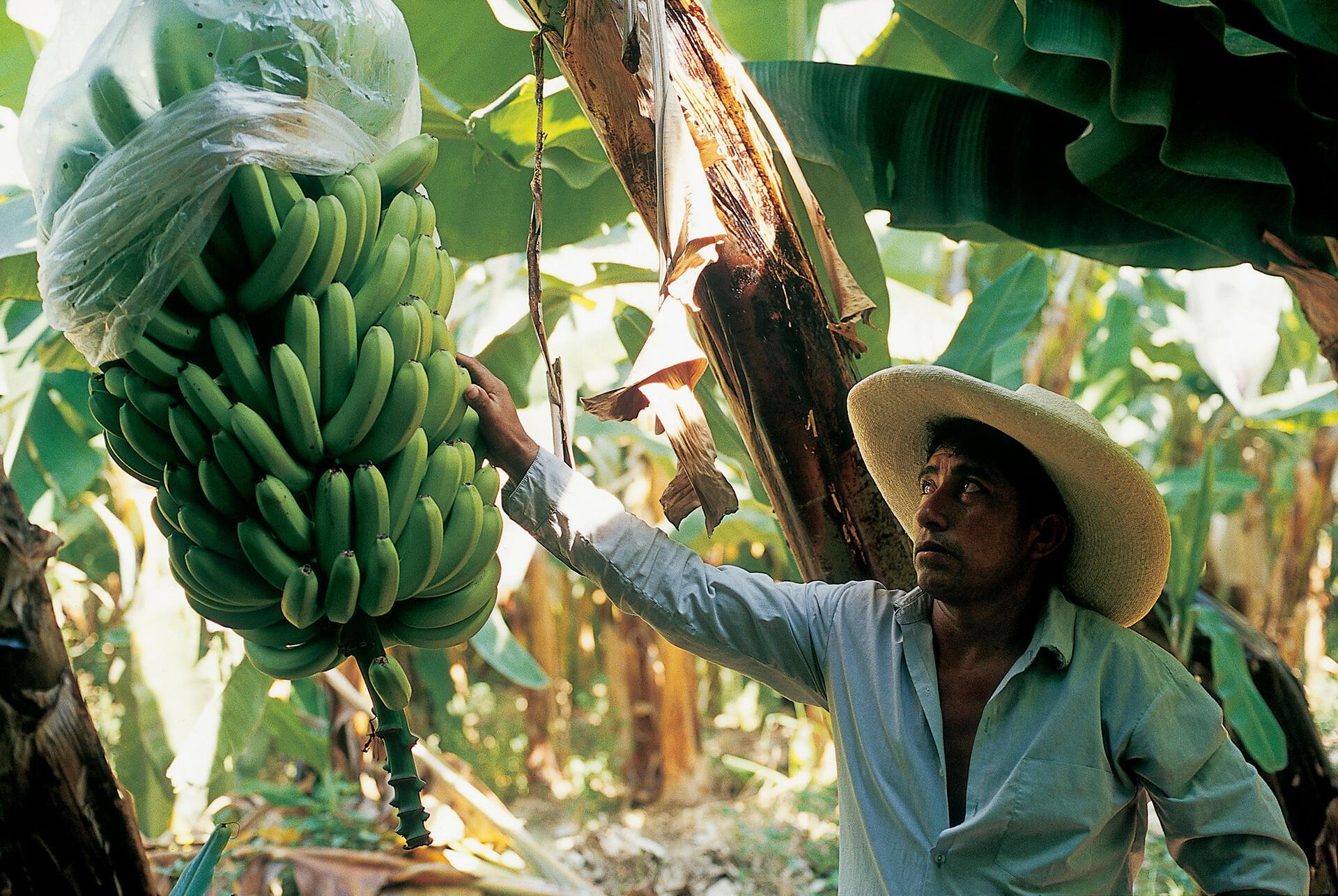
A farmer in his banana plantation. Credit: CIAT
Differences in Environmental Impact
The environmental impacts of cultivating enset and bananas reveal important differences in their sustainability.
Enset: A model of environmental resilience in farming
Enset is a crop that contributes positively to the environment. Its extensive root system prevents soil erosion: a critical benefit in Ethiopia’s hilly terrain. The plant requires minimal external inputs such as chemical fertilizers or irrigation, making it an environmentally friendly choice for smallholder farmers.
Furthermore, enset’s ability to withstand drought reduces the need for water resources, which is an increasingly important attribute in the face of climate change and water scarcity. By integrating enset into farming systems and income streams, Ethiopian farming communities increase the sustainability of their farming activities, building more resilient production systems.
Bananas: Environmental challenges and innovations
Large-scale banana farming often raises concerns about environmental degradation. Monocropping practices are common in commercial banana plantations, depleting soil nutrients and increasing vulnerability to pests and diseases. Additionally, the heavy use of chemical pesticides and fertilizers for their growth contributes to the pollution both of the soil of the plantations as well as surrounding ecosystems.
In response to these challenges, efforts are underway to promote sustainable banana farming practices. Agroecological approaches – such as intercropping bananas with other plants – have shown potential to reduce the environmental impact of banana production.
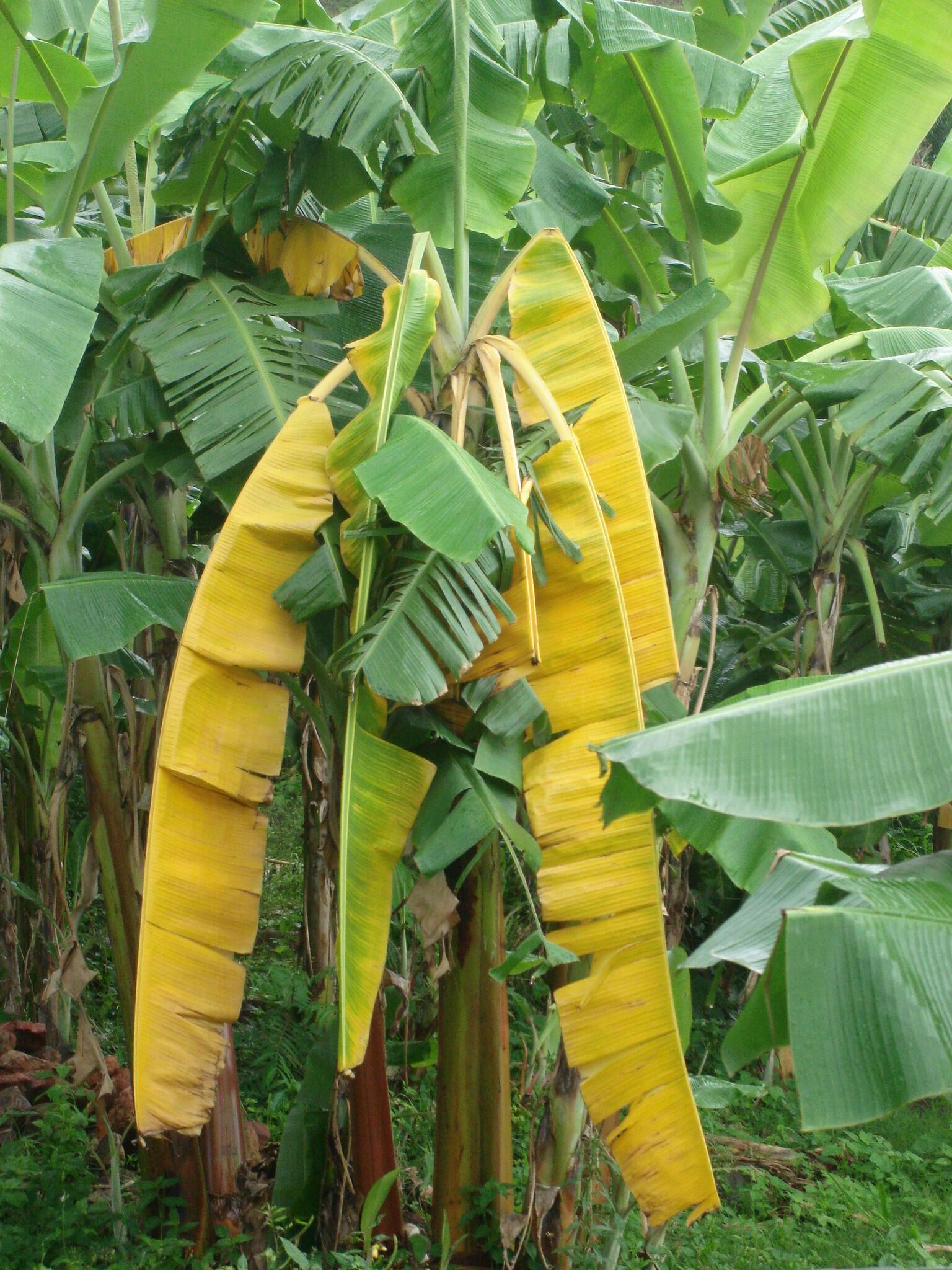
Diseased banana plant. Credit: CIAT
4. The Role of Enset in Ethiopian Society
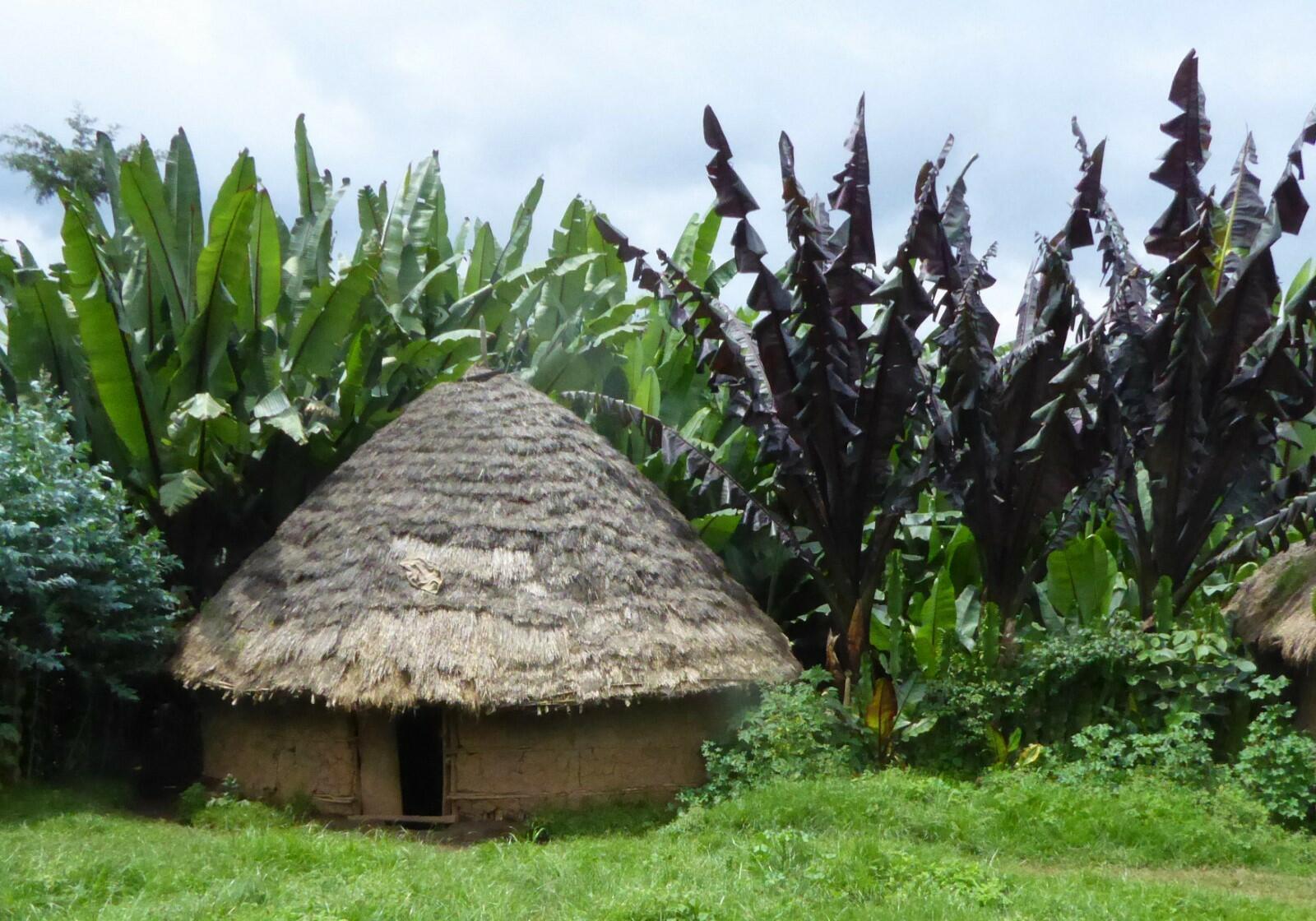
Various enset landraces with green and purple leaves. Credit: Guy Blomme.
Cultural practices
The cultivation and processing of enset are steeped in tradition. For example:
- In Sidama culture, enset processing involves collective labor, with community members gathering to assist during harvests, making enset cultivation an important community event and part of local culture.
- The leaves of the enset plants are used in traditional cooking to wrap dishes like kitfo (minced raw beef) and other traditional Ethiopian delicacies.
Medicinal and environmental uses
Although it is most known for its gastronomical importance, enset is also valued for its medicinal properties and environmental benefits:
- Medicinal uses: Various parts of the enset plant are used in traditional remedies to treat ailments ranging from stomach issues to infections.
- Environmental impact: Enset’s deep root systems prevent soil erosion, making it an ally in sustainable land management.
5. The Global Perspective on Bananas
While enset is deeply localized, bananas are a global commodity. Their widespread cultivation and consumption reflect their versatility and marketability.
Bananas in global trade
Banana production is a multi-billion-dollar industry. Countries includng Ecuador, Costa Rica, Guatemala and the Philippines dominate production, exporting millions of tons annually to markets across the world.
Challenges in banana production
Banana production is facing significant challenges across the world:
- Pests and diseases: Panama disease, fusarium and other fungal infections threaten banana plantations across the tropical belt, particularly plantations using monocropping systems. The rapid spread of these diseases is an important concern for farmers, and a potential incentive to transition towards more diversified farming systems such as agroecological farming. Likewise, the agricultural research and development community are developing tools to detect and treat diseases.
- Environmental concerns: Large-scale banana farming often relies on chemical pesticides and fertilizers, raising questions about sustainability. This reliance also encourages farmers to consider the benefits of diverse production systems that fertilize crops and control pests more naturally.
Efforts towards sustainability
To address these challenges, researchers are working on disease-resistant banana varieties and promoting agroecological practices such as agroforestry, intercropping and organic farming.
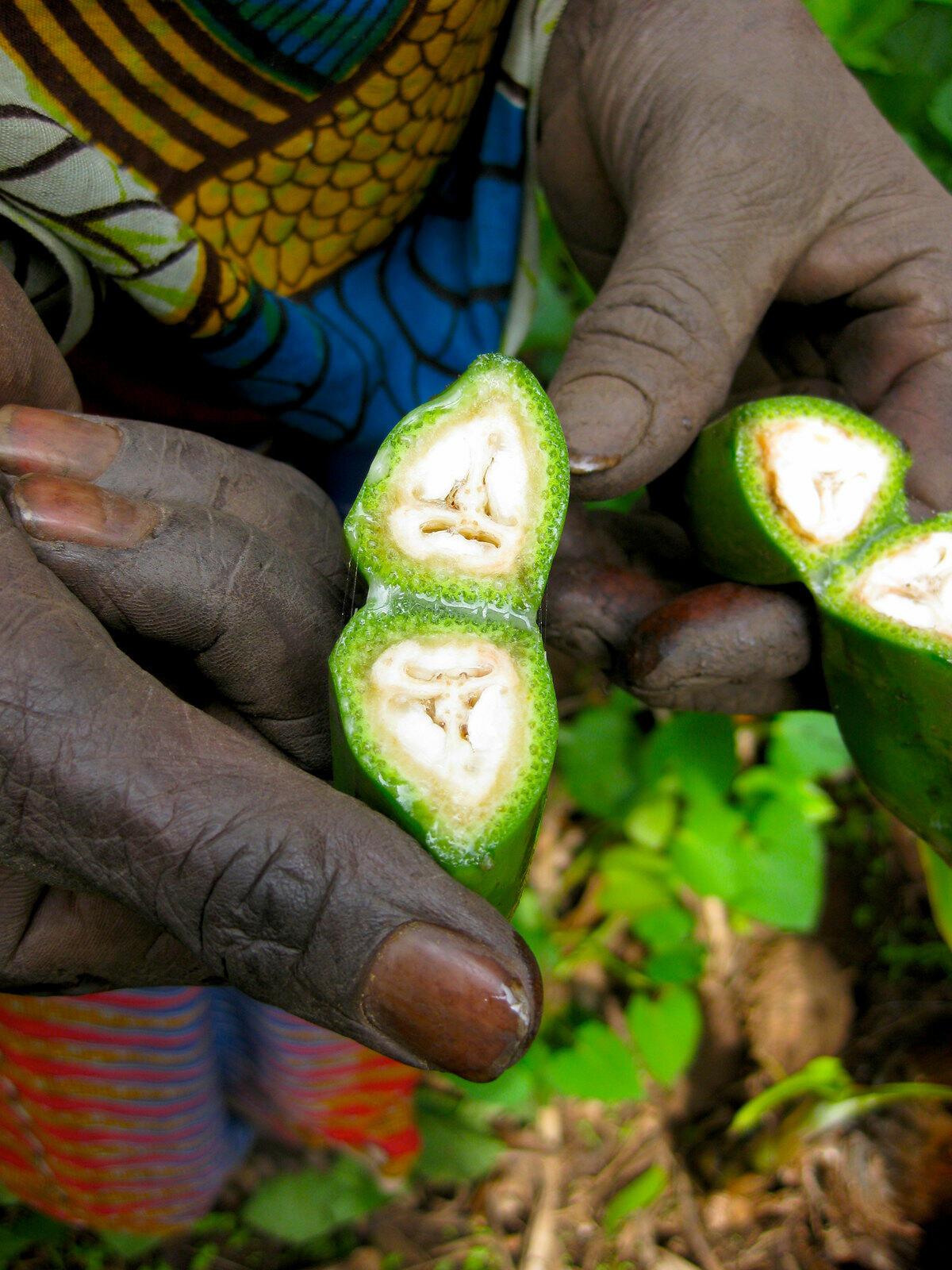
A farmer inspects the inside of a banana. Credit: CIAT
6. Enset and Bananas: Lessons for Sustainable Agriculture
Despite their differences, enset and bananas both offer valuable lessons for sustainable farming:
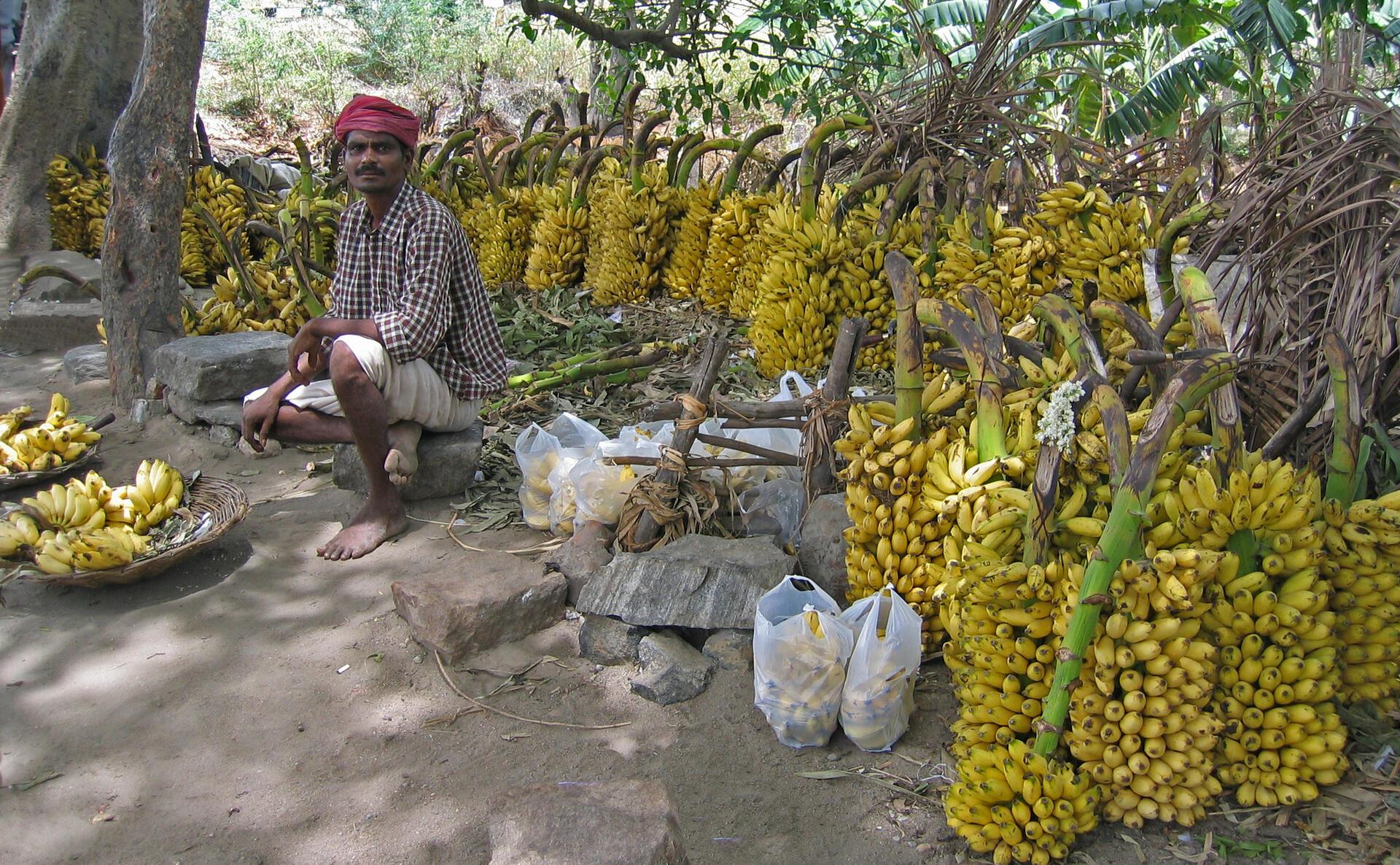
A farmer with his banana harvest. Credit: CIAT
- Enset’s resilience: The enset plant's ability to thrive in drought-prone areas highlights the importance of crop diversity in the face of climate change.
- Bananas’ adaptability: The successful spread of banana production globally shows how agricultural innovation can turn a crop into a worldwide staple.
Future potential of enset
Scientists are exploring the potential for expanding enset cultivation to other regions with similar climates. As climate change threatens traditional food systems in many countries, cultivating enset could make this a critical crop in combating global food insecurity.
Innovations in banana farming
The banana industry is investing in technologies such as gene editing and digital agriculture to improve yields and reduce its negative environmental impact.
7. Conclusion
Enset and bananas, though closely related, are two very different agricultural commodities. Enset embodies Ethiopia’s resilience, standing as a testament to the power of traditional knowledge and adaptation. Bananas, on the other hand, reflect the global interconnectedness of modern food systems, offering both opportunities and challenges for agriculture in Ethiopia. As the world finds ways to mitigate and adapt to the impacts of climate change and population growth, building sustainable food systems is more important than ever, and in Ethiopia, enset and bananas must both play an important role, providing a variety of nutrients whilst maintaining important local traditions.