Research Articles Eight-year program leaves legacy of sustainable development in the Brazilian Amazon
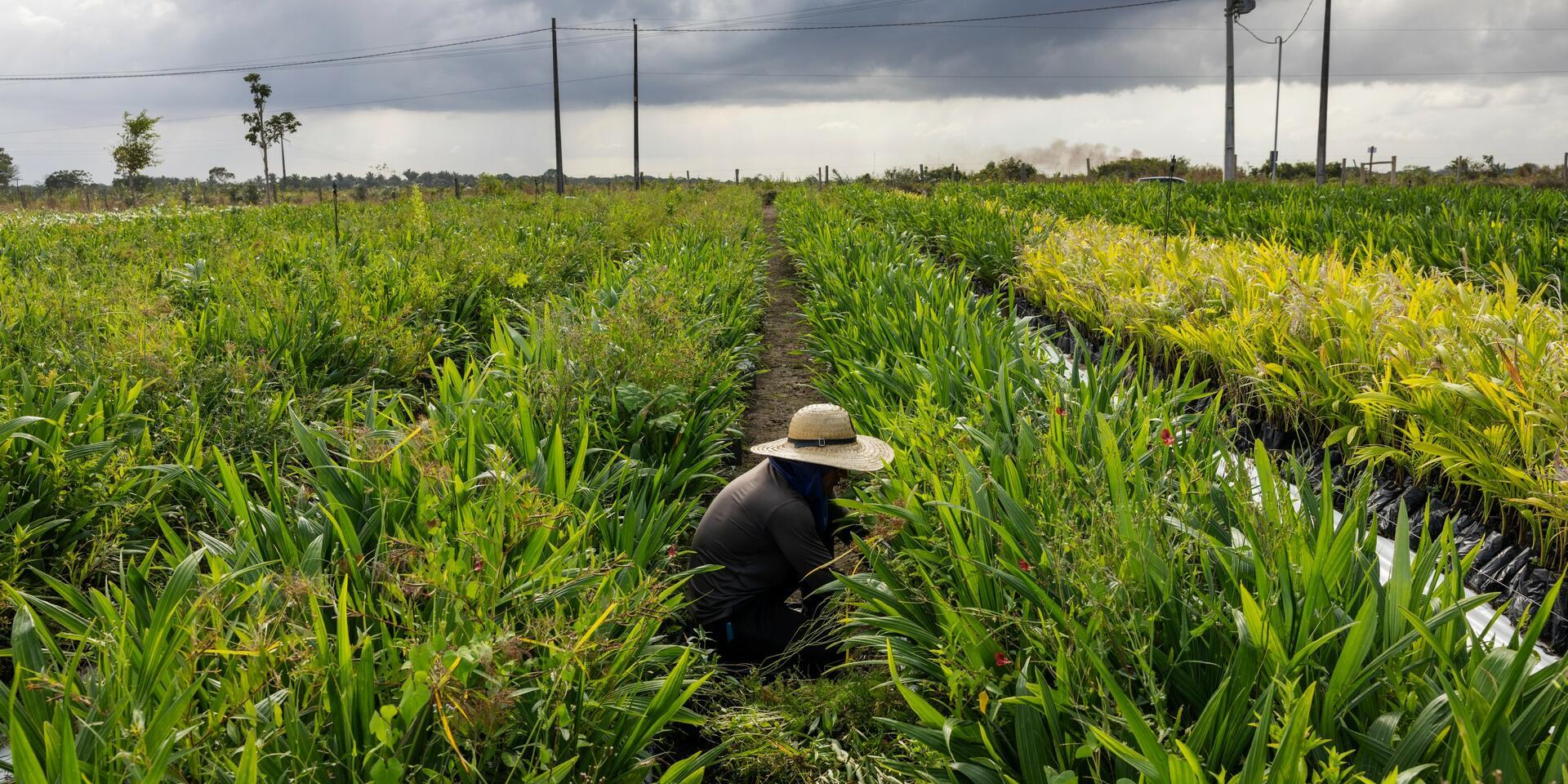

The CAL-PSE Program generated knowledge about how to engage the private sector to address socio-environmental issues in the Amazon, with innovative approaches and a solid network of local partners.
The 'Catalyzing and Learning through Private Sector Engagement for Biodiversity Conservation' program (CAL-PSE) is an innovative partnership led by the Alliance of Bioversity International and CIAT. The objective of the program is to change how the private sector approaches biodiversity conservation and sustainable development while improving the quality of life of local populations.
The program had two main areas: the first focuses on partnerships with the private sector, and the second on monitoring and evaluation, especially on biodiversity. During its eight-year duration, the program supported 20 projects - either directly or through its main initiative, the Partnership Platform for the Amazon (PPA). With over 70 partners, the projects covered over 30 million hectares in the Brazilian Amazon, created 2500 jobs and benefited more than 42,000 people.
“CAL-PSE will leave a lasting legacy of showing that when communities and the private sector work together, they can change lives”, said Fabio Deboni, the Program Director. “Our approach of not only bringing together different actors but also creating precise methodologies to measure their impact proved that these kinds of partnership bring development."
Another highlight of the program was the creation of the Amazon Biodiversity Fund (ABF), of which the Alliance is a key partner. The fund aims to address inherent financial challenges by providing flexible, long-term capital for sustainable businesses that seek transformational, positive impact on biodiversity and communities in the Amazon region. Currently, the $45 million USD fund supports eight positive-impact businesses.
To evaluate ABF’s impact on biodiversity, the CAL-PSE team co-developed the TerraBio methodology, combining cutting-edge geospatial data analysis technologies with environmental DNA to evaluate land usage and investment models in terms of their relative impacts on biodiversity. To date, TerraBio has identified over 500 taxonomic orders in ABF areas.
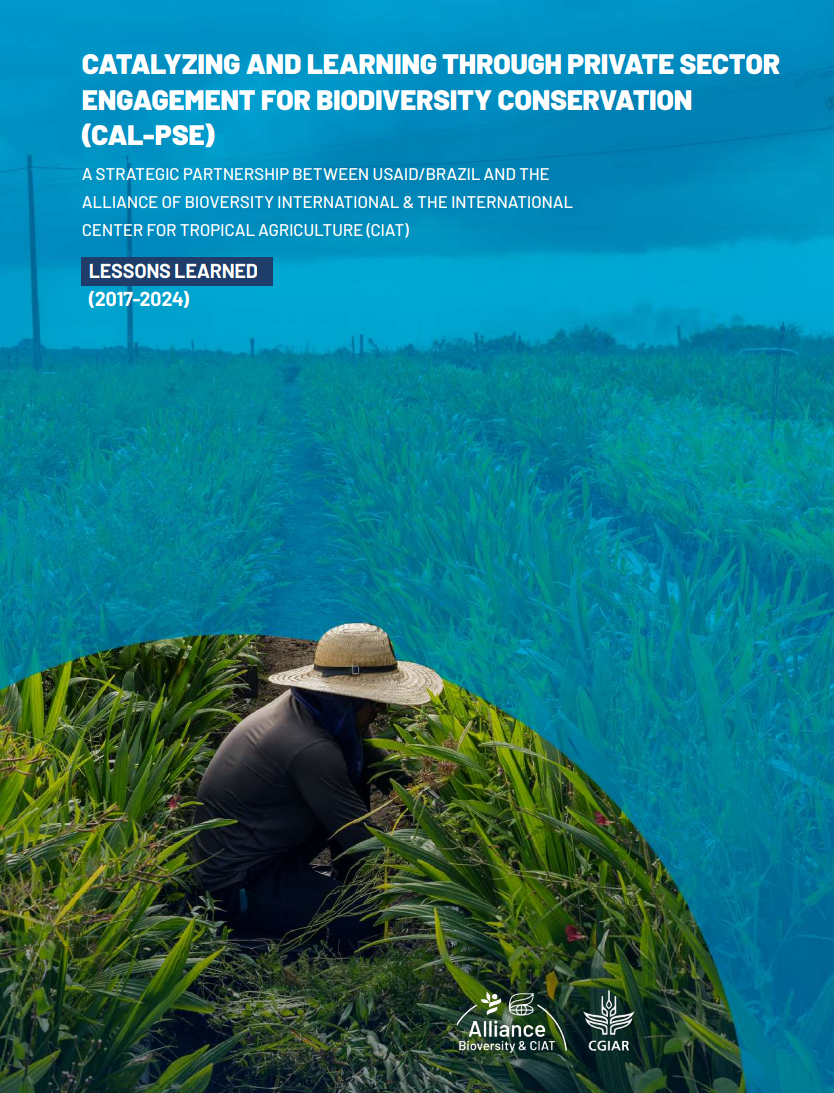 Learn more about these and other results of the
CAL-PSE program in our Lessons Learned document