Blog Demand grows for higher education programs on climate-smart agriculture in Africa

The teaching of climate information services and climate smart agriculture in Africa’s higher education institutions is building the next generation of climate action leaders. Sharing their stories at the second RUFORUM Triennial Conference has spurred demand for expanding the reach of new courses through university networks.
“Integrating climate-smart curricula into our universities goes beyond educational reform. It's a strategic move.’’
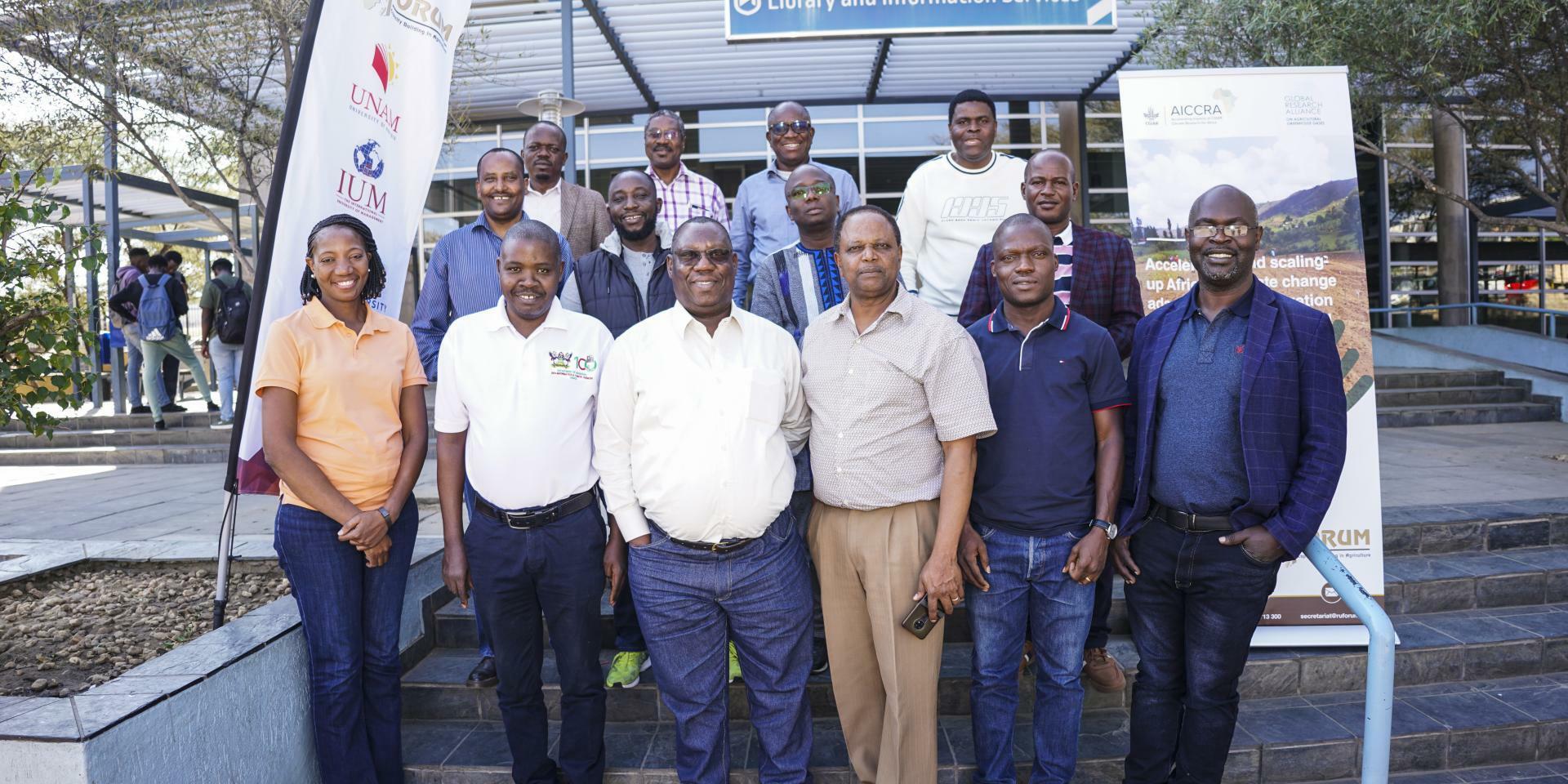
These words from Robert Zougmoré, the West Africa team leader for Accelerating Impacts of CGIAR Climate Research for Africa (AICCRA), had a strong resonance at the Second Triennial Conference of the Regional Universities Forum for Capacity Building in Agriculture (RUFORUM), which recently took place in Windhoek, Namibia.
RUFORUM hosts an annual general meeting, but every three years sets a bigger and more ambitious program for its partners and stakeholders. Around 1,000 attendees from across Africa and beyond participated in this latest triennial conference, which was co-hosted by the Government of Namibia. The theme was: ‘Operationalizing Higher Agricultural Education and Research Ecosystems for Innovation, Industrialization, and Economic Development in Africa: A Call for Action’.
AICCRA’s contribution, through various side events, plenary debates, and dialogues, focused on the integration of climate-smart agriculture (CSA) and climate information services (CIS) into higher education in Africa, strengthening efforts to sustainably scale access and use of innovation.
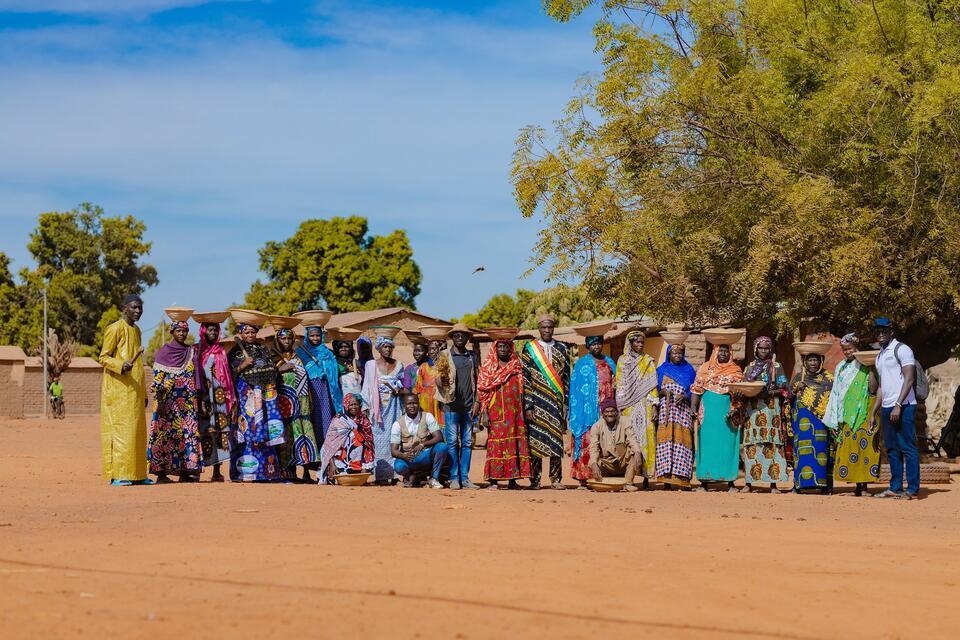
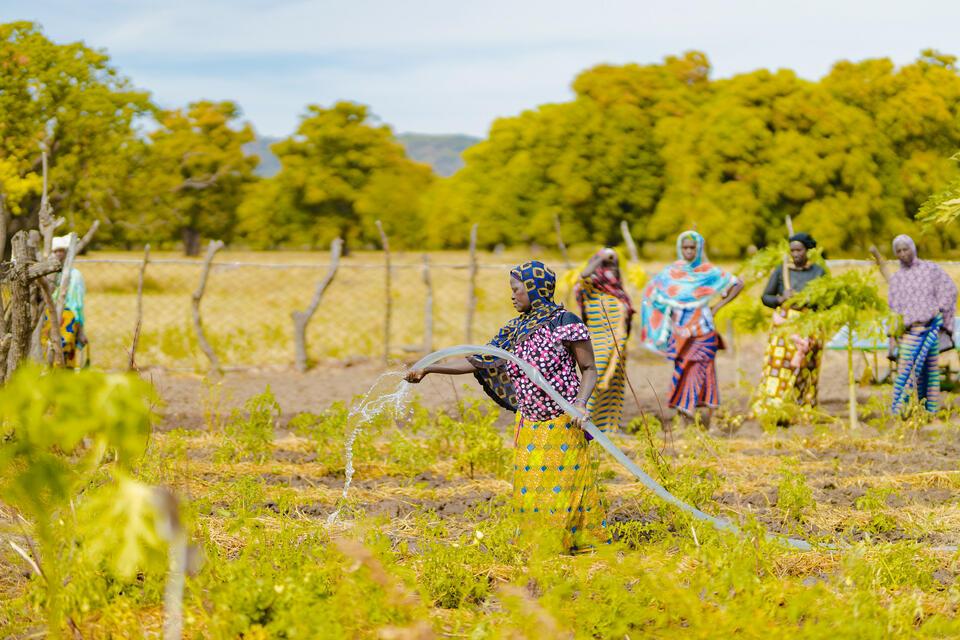
Robert Zougmoré highlighted the realities facing rural communities in Africa, with women and young people facing particularly acute challenges. Many young people are leaving rural areas in search of better opportunities in urban areas due to the structural weaknesses of rural economies.
Robert stressed that AICCRA advocates for stronger rural economies that can transform agricultural sectors from being a subsistence activity to a driver of development. This transformation, Robert insisted, requires innovative, climate-smart solutions that are collaboratively developed with communities and tailored to local contexts.