Blog Timing is everything: Delivering climate-smart innovation in Elgeyo Marakwet

In Elgeyo Marakwet, Kenya, partners distributed Nyota bean seed to 6,300 farmers ahead of the 2026 long rains, boosting yields, nutrition, and resilience through timely, climate-smart interventions and coordinated action.
Standing on the escarpment in Elgeyo Marakwet County, you begin to understand both the promise and the precarity of farming here. The terrain is breathtaking: steep ridges, patchwork farms carved into the hillsides, and communities deeply tied to the rhythms of the land. But beneath this beauty lies a persistent vulnerability: erratic rainfall, declining soil fertility, and limited access to quality inputs that can make or break a season.
In such a setting, impact hinges not only on innovation but also on timing. This reality came into focus during a recent farmers’ empowerment and engagement tour that brought together the Alliance, through the Technologies for African Agricultural Transformation, alongside the Kenya Agricultural and Livestock Research Organization, HarvestPlus, county leadership, and farmer cooperatives. What unfolded was a coordinated effort to ensure that research-driven solutions reach farmers precisely when they are needed most.
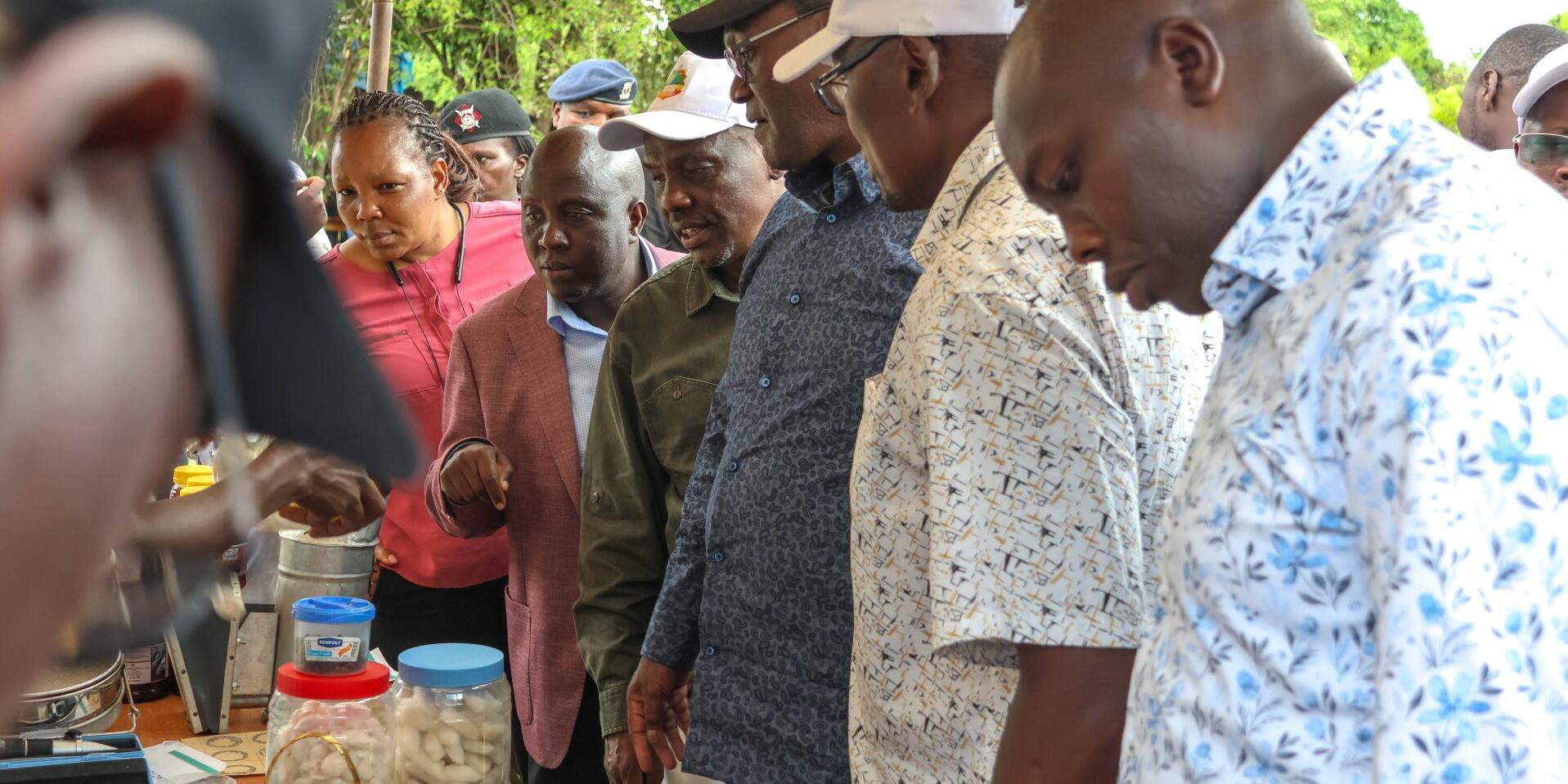
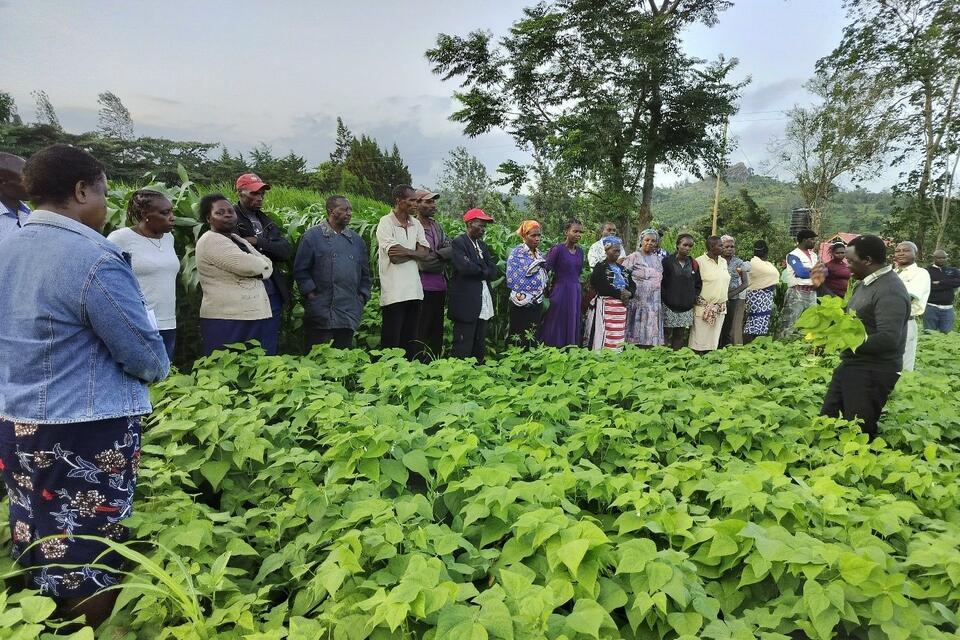
Across key value chains, cotton, coffee, tea, avocado, macadamia, and beans, farmers engaged directly with researchers and extension experts, exchanging knowledge and exploring practical responses to climate variability and market constraints. These interactions bridged the often cited gap between science and practice, grounding innovation in the lived realities of farmers.
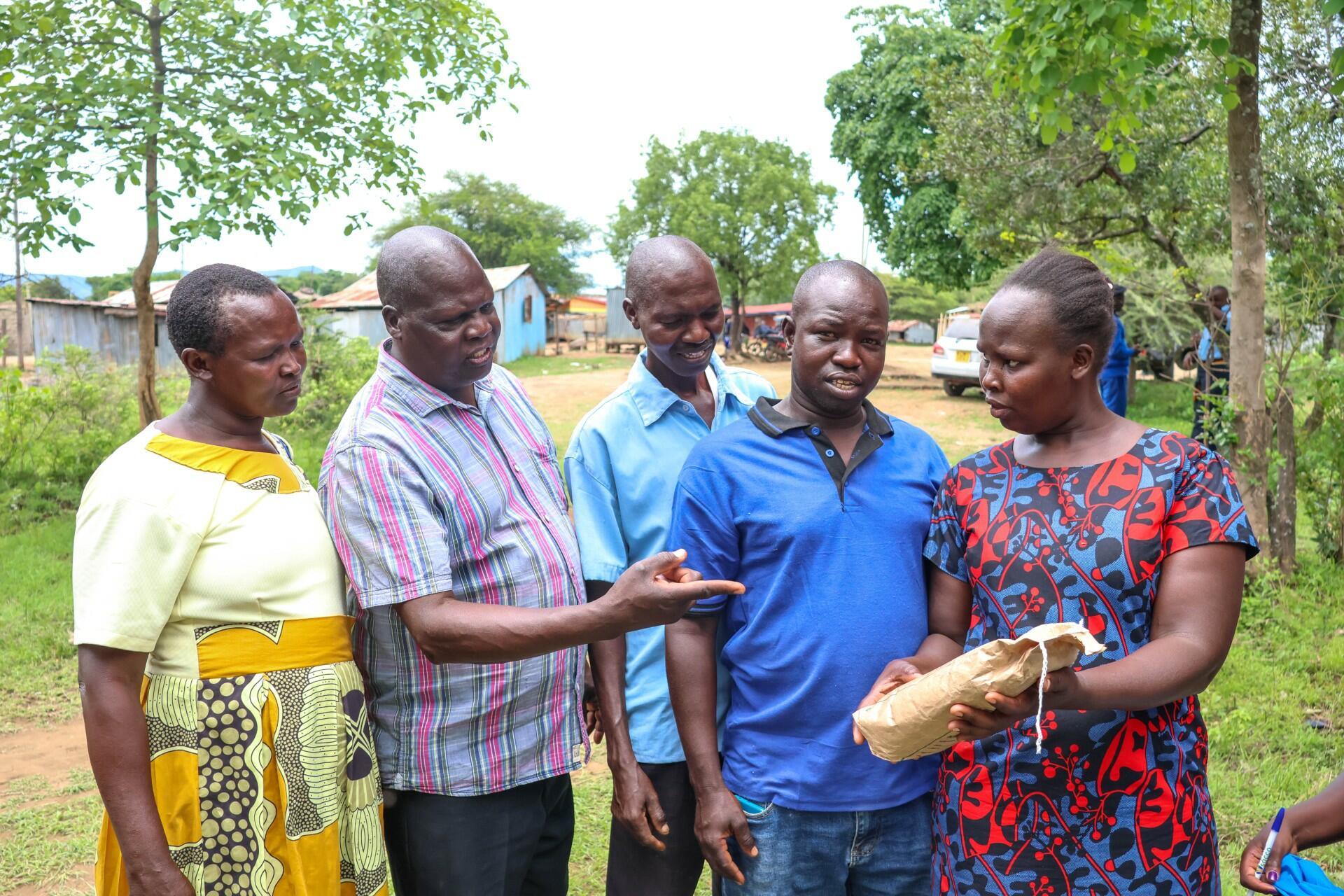
At the center of this effort was the timely distribution of 15 metric tonnes of Nyota bean seed to 6,300 farmers across Keiyo South, Keiyo North, and Marakwet West, aligned deliberately with the long rains MAM2026 planting season. In regions like Marakwet, where a delayed delivery can mean missing the rains altogether, this precision is not only logistical but transformational.
“Our priority is to ensure farmers are equipped with quality inputs and the support they need ahead of the planting season, so they can improve yields and strengthen food security,” said Kiprono Rono.
Nyota beans, developed through collaboration between KALRO and the Alliance, offer more than improved yields. As a climate-smart and iron-rich variety, they respond to two critical challenges at once: declining productivity under erratic weather conditions and persistent micronutrient deficiencies in rural diets.
The seeds are expected to be planted across at least 750 acres and expected to yield over 300 metric tonnes of grain, thus translating directly into food and income for farming households.
“We are distributing beans to vulnerable households, including children under five and persons living with disabilities, to improve nutrition outcomes in the region,” said Chris Kiptoo, PS National Treasury, highlighting the focus on reaching those most affected by food insecurity.
The momentum is already building; since 2024, 78 metric tonnes of Nyota seed have reached more than 30,000 farmers, contributing to an estimated 1,560 metric tonnes of grain. These figures tell a story of scale, but also of consistency, of a system beginning to work as intended.
Importantly, 65% of those reached are women and youth, reinforcing the central role they play in agriculture while expanding their access to critical resources. In doing so, the initiative is not only improving productivity but also strengthening the social foundation of food systems.


Partnership in action: From seeds to systems change
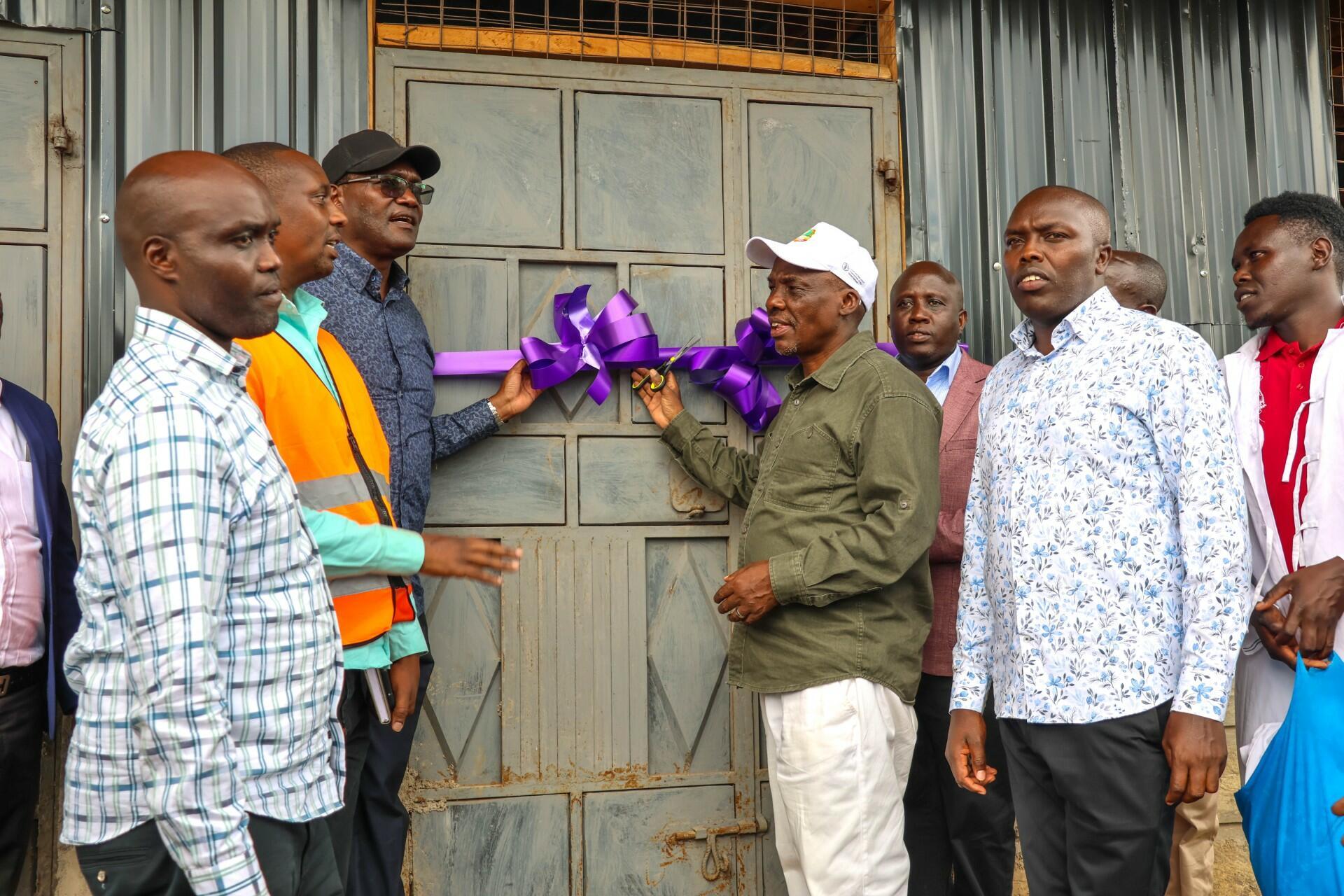
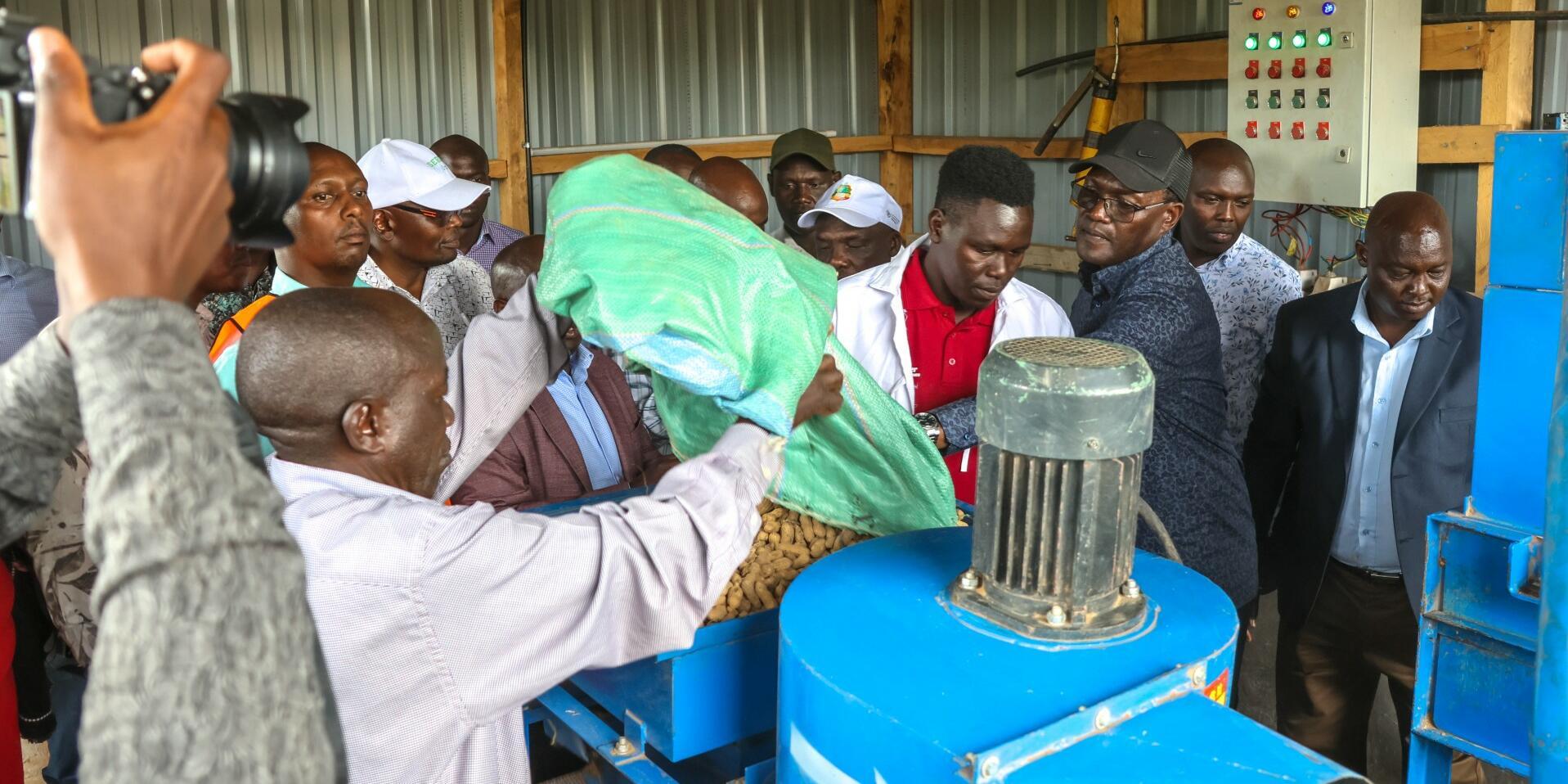
Beyond seed distribution, the tour highlighted how partnership-driven investments are transforming entire value chains. At Kormut Cooperative, a newly commissioned coffee pulping machine is set to reduce post-harvest losses and improve quality, directly enhancing farmer incomes. Groundnut shelling facilities are similarly improving efficiency and market readiness, ensuring that gains in production are matched by gains in value addition.
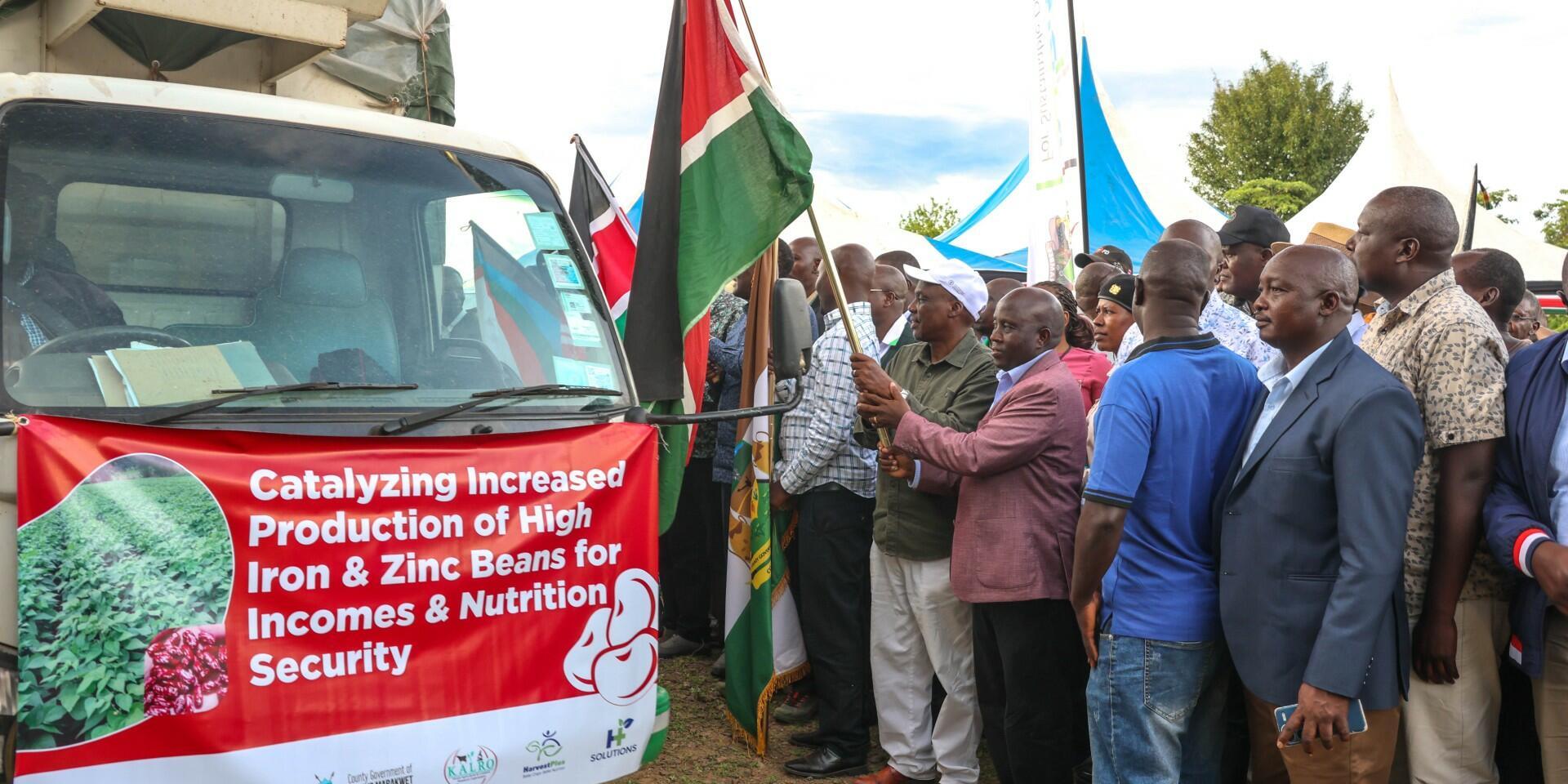
The presence of national and county leadership during these milestones underscored the power of alignment. PS Agriculture Kiprono Rono, alongside PS National Treasury Chris Kiptoo, PS ICT & Digital Economy John Tanui, and the DG KALRO Patrick Ketiem, joined local leaders to commission facilities and flag off the distribution of 15 tonnes of Nyota bean seed and 150,000 fruit seedlings, and their presence signalled commitment.
“As government, our role is to ensure farmers are supported with the right inputs at the right time,” noted Kiprono Rono during the event. “When we align research, policy, and delivery, we create real impact where it matters most, on the farm.”
Echoing this, Patrick Ketiem emphasized the importance of sustained collaboration: “What we are seeing here is the result of partnerships that work, bringing science closer to farmers and ensuring innovations are not just developed, but adopted.”
The flagging off of planting materials for the MAM2026 season marked a critical moment of readiness. With seeds in hand and rains approaching, farmers are not simply reacting to uncertainty; they are preparing for it, equipped with better tools and stronger support systems.
What emerges from Elgeyo Marakwet is a clear lesson: agricultural transformation does not happen in isolation. It requires systems that connect research to farmers, investments that go beyond production, and partnerships that deliver consistently and on time. As the fields on the escarpment begin to green with the onset of the rains, the impact of these efforts will soon become visible. But even before the first harvest, something significant has already taken root, and confidence is growing among farmers that they are not alone in navigating the challenges ahead.