Blog Advancing Ethiopia’s Agricultural Transformation: A Consultative Workshop on Developing the National Agroecology Strategy

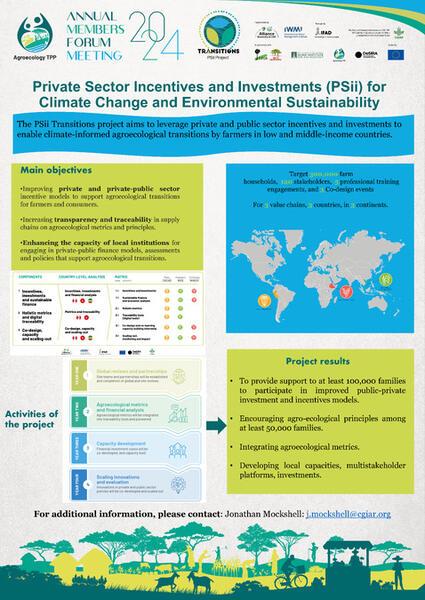
As part of the Private Sector Incentives and Investments project (PSii), activities under the Agroecological TRANSITIONS program are being implemented in Ethiopia by the Alliance of Bioversity International and CIAT. The PSii project team presented and showcased the need for the development of Ethiopia's National Agroecology Strategy (NAES) through their participation in the consultative workshop organized by the Ministry of Agriculture on November 26th, 2024 in Addis Ababa.
By Yodit Balcha, Degefie Tibebe, Zenebe Adimassu, Jonathan Mockshell and Endalkachew Wolde-Meskel
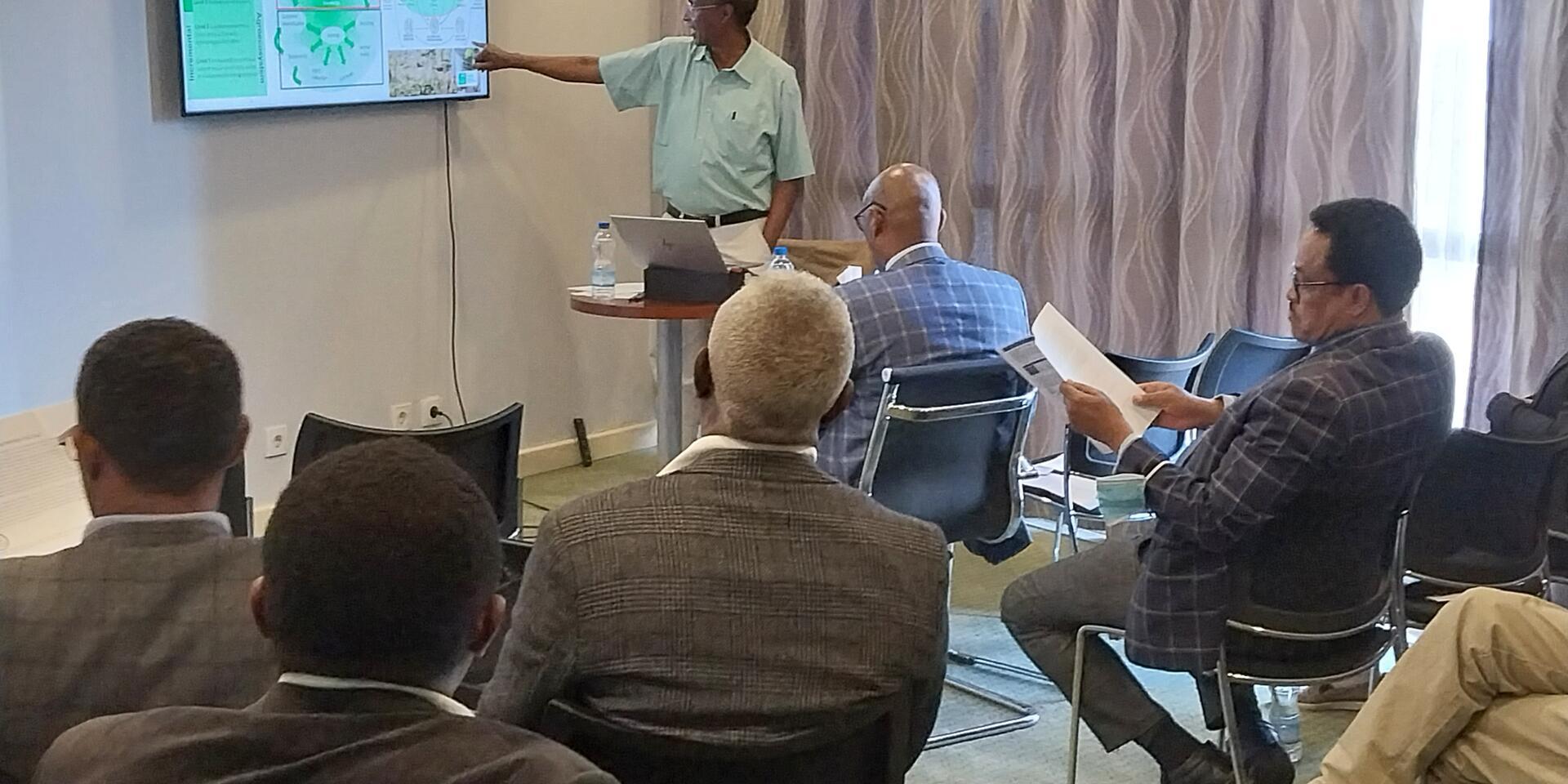
On November 26, 2024, the Ministry of Agriculture (MoA) hosted a high-level consultative workshop at the Marriott Hotel, Addis Ababa, with the objective of advancing the development of Ethiopia's National Agroecology Strategy (NAES). The workshop brought together government officials, researchers and stakeholders from various institutions including the MoA, the Alliance, CIFOR-ICRAF and GIZ, to discuss the significance of agroecology in Ethiopia’s agricultural transformation and to outline a roadmap for crafting a comprehensive national strategy.
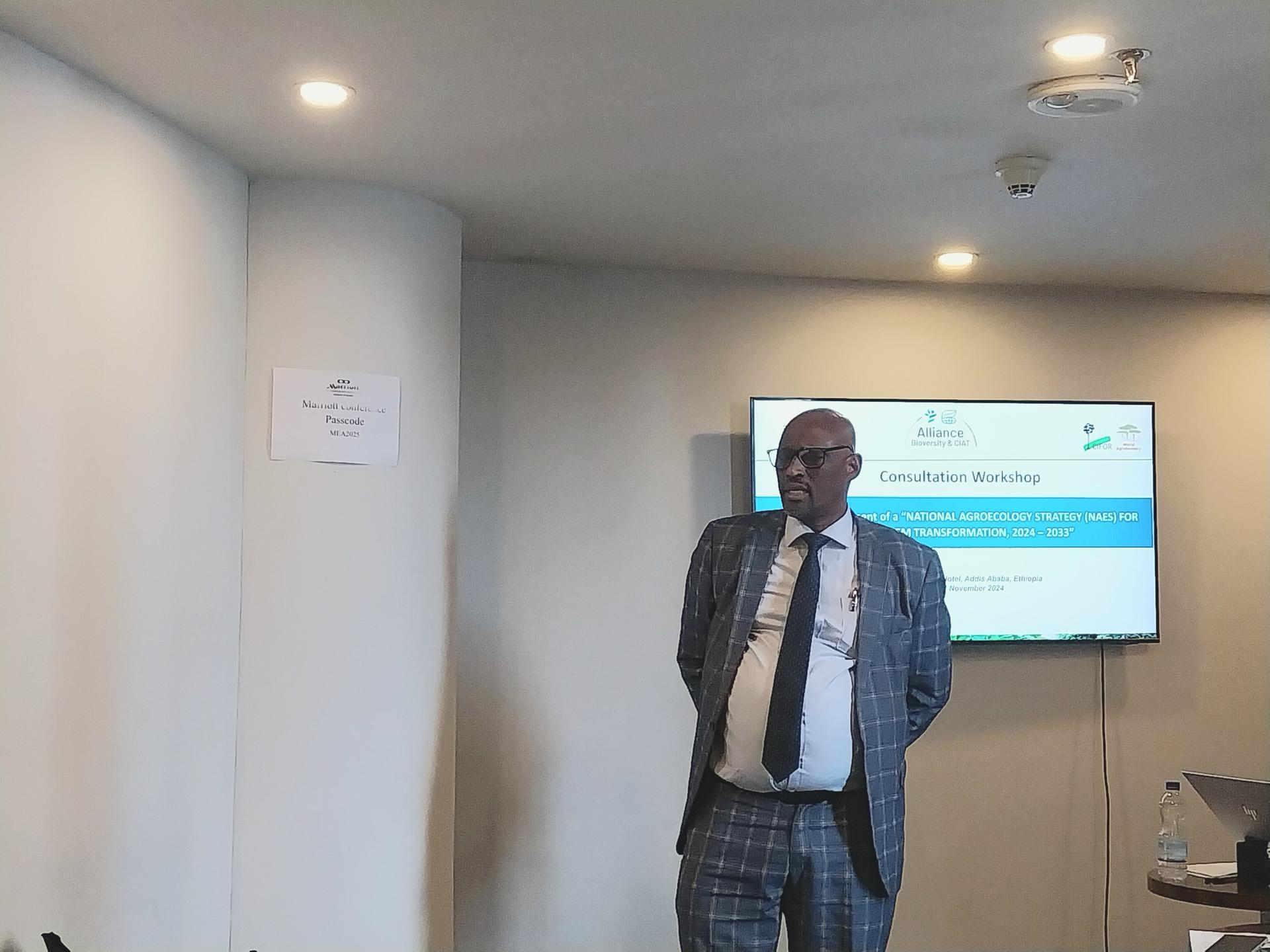
Credit @Yodit Balcha
H.E. Prof. Eyasu Elias - State Minister of the MoA - inaugurated the workshop with a powerful keynote emphasizing the urgency and potential of agroecology in addressing Ethiopia’s pressing agricultural and environmental challenges: soil erosion, deforestation, soil acidity and nutrient depletion.
The state minister underscored the critical need to safeguard biodiversity, enhance soil health, and empower farmers through evidence-based policies. He highlighted the Ethiopian government’s proactive measures to address these challenges through various projects and initiatives such as SLMP, RLLP and the Green Legacy Initiative, which has seen billions of trees planted over the past six years.
He stressed the need for solutions such as liming, conservation agriculture and composting to improve soil fertility and crop productivity, thereby enhancing food security, household income and nutrition. He also discussed the potential of scaling up vermicompost to promote sustainable land management and create rural employment opportunities in partnership with the World Bank.
The state minister concluded with a strong endorsement for the development of Ethiopia’s agroecology strategy for the transformation of food systems as soon as possible. He describes agroecology as a cornerstone for sustainable agricultural growth due to its important role in mitigating climate change, restoring degraded landscapes and enhancing resilience against recurrent droughts, floods and forest fires. Prof. Eyasus is committed to fostering in-depth discussions and debates on agroecology to mainstream it into Ethiopia’s development agenda.
Building the Case for Agroecology
Following the opening remarks, the workshop featured detailed presentations by researchers from the Alliance and CIFOR-ICRAF, focusing on the evolution, benefits, and proposed development process for the NAES.
Credit @Yodit Balcha
Credit @Yodit Balcha
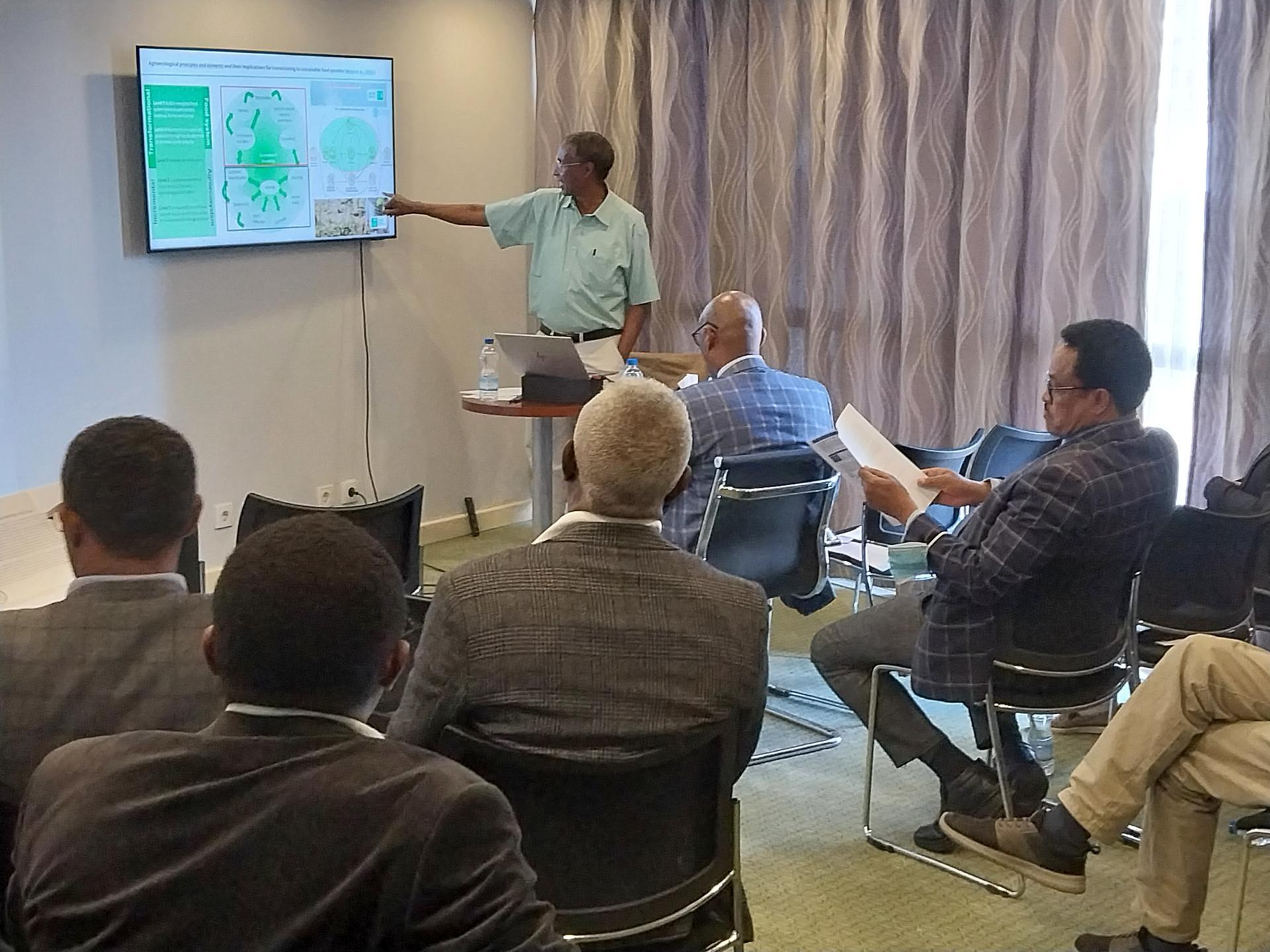
Dr. Endalkachew Wolde-Meskel - Senior Scientist, research and development advisor at CIFOR-ICRAF - presented the concept and evolution of agroecology, emphasizing its transformative potential for Ethiopia. He outlined its benefits including enhanced agricultural productivity, economic and social advancements, improved food security, greater nutritional diversity and environmental sustainability. Dr. Endalkachew stressed the importance of holistic assessments to effectively evaluate agroecological performance.
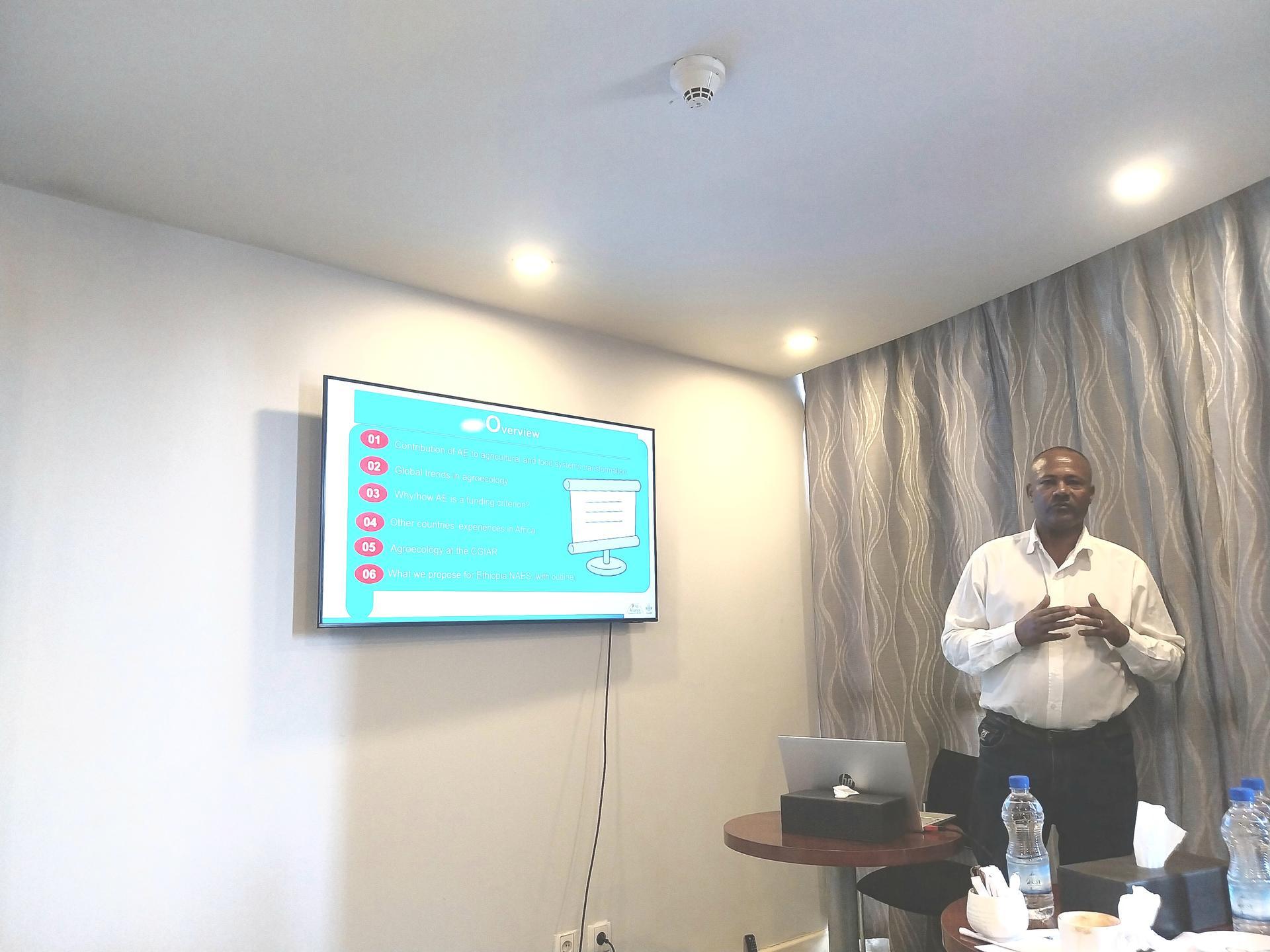
Dr. Zenebe Adimassu, a consultant at the Alliance, highlighted the need for a National Agroecology Strategy to transform Ethiopia’s agricultural and food systems. He discussed the strategy’s alignment with global trends and funding opportunities, drawing lessons from other countries’ experiences. Dr. Zenebe proposed a framework for the strategy, including a comprehensive monitoring and evaluation system.
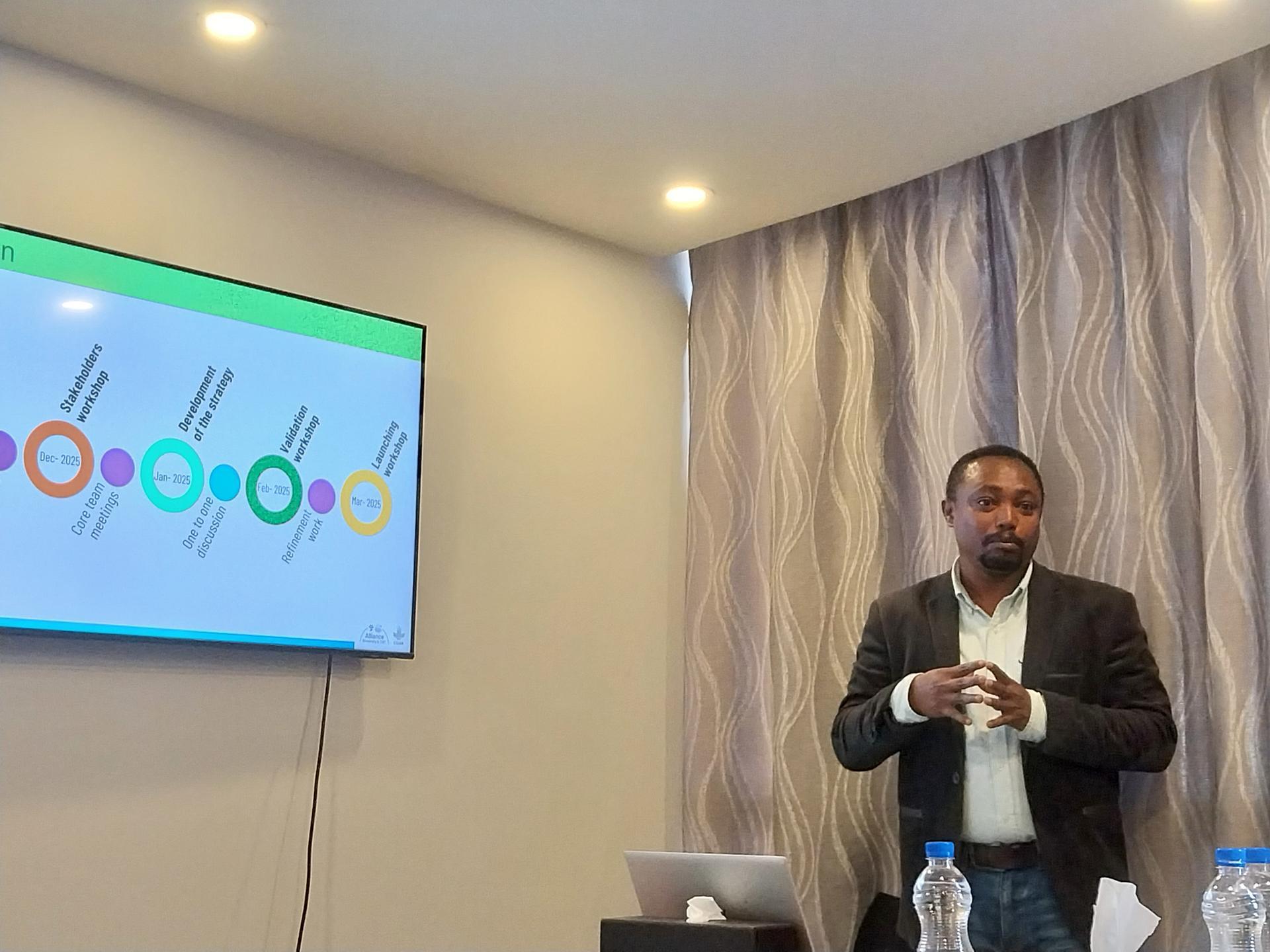
Dr. Degefie Tibebe from the Alliance outlined the modality for developing the NAES. He proposed forming a technical task force led by the MoA and supported by a core team to draft the strategy. He emphasized the role of the Alliance and other partners in workshop facilitation and technical support to develop a robust and actionable strategy document.
Policy Context and Global Insights
The discussions also emphasized the importance of aligning the NAES with Ethiopia’s broader policy landscape, including existing policies on agriculture, rural development, environment and land use. Participants pointed out outdated policies in need of revision, particularly environmental policies. The complexity of land management was also underscored, with calls for community-driven participatory approaches to effectively address the challenges with natural resources degradation, climate change and food insecurity.
Global insights enriched the discussion. Participants reflected on other countries’ recent policy announcements and adoption of food system strategies in 32 countries globally. These examples demonstrated the importance of learning from regional and international successes to guide Ethiopia’s agroecology strategy.
Collaborative and Expert-Driven Development
Credit @Yodit Balcha
The workshop emphasized inter-ministerial collaboration and stakeholder engagement as crucial for the strategy’s successful development. Key contributors include representatives from agriculture, health, irrigation, forestry, land investment and land management sectors, alongside researchers and technical experts. The Alliance pledged financial, technical and coordination support to facilitate the strategy development process while CIFOR-ICRAF availed itself for technical backstopping.
Moving Forward: A Phased Approach
H.E. Prof. Eyasu Elias provided guidance on the way forward, outlining a phased roadmap:
Immediate formation of a technical taskforce: A dedicated taskforce led by the MoA and supported by a core team of experts will spearhead the strategy development. This team will consist of specialists from various institutions with expertise in food systems, policy, natural resources, and irrigation to ensure a holistic and multidisciplinary approach. CIFOR-ICRAF and the Alliance will serve as joint secretariat of the taskforce.
Initial core team workshop: The core team will convey a workshop to initiate drafting process and gather preliminary insights from key stakeholders.
Comprehensive consultations: Engage in comprehensive discussions with relevant ministries and sector experts to gather diverse perspectives and refine the policy document.
Presentation to the council of ministers (ministerial management): The draft strategy will be presented to the ministerial management for review and feedback for any necessary revisions.
National workshop: National workshop will be organized to facilitate a broader discussion and feedback on the draft strategy, gather input from a wider range of stakeholders and foster a sense of ownership and collective responsibility.
Conclusion
The consultative workshop marked a pivotal step in Ethiopia’s journey toward mainstreaming agroecology into its agricultural policies and practices. Rooted in evidence-based research, collaborative engagement and global learning, the NAES aims to transform Ethiopia’s agricultural landscape into a sustainable and resilient system, addressing both local and global challenges. The commitment of the Ministry of Agriculture and its partners sets a promising foundation for achieving this vision.