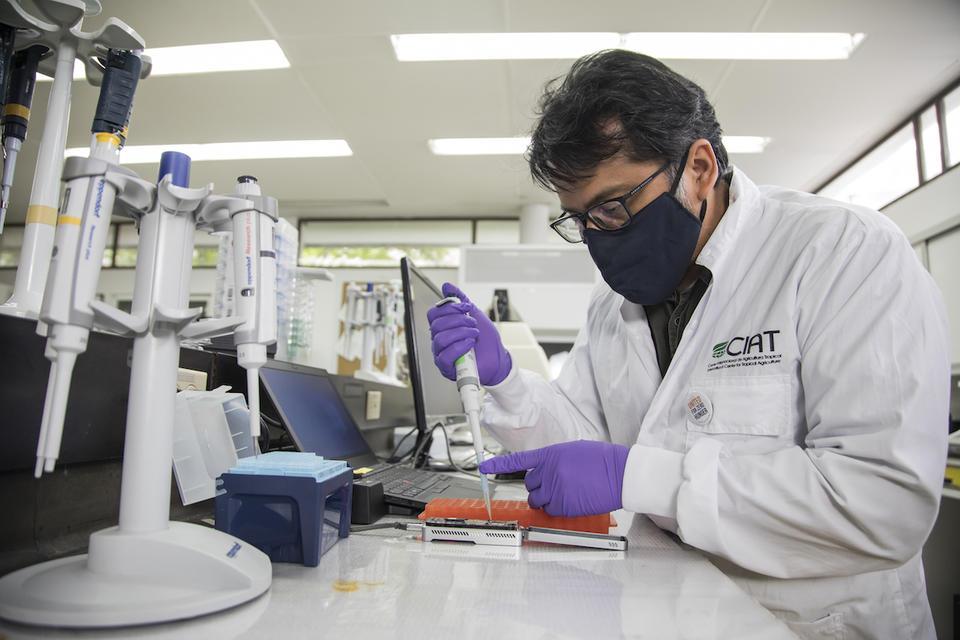
From the Field Connecting Territorial Demands with the Science, Technology and Innovation Agenda: Colombia Moves Towards Agricultural Research More Closely Aligned with Territorial Needs
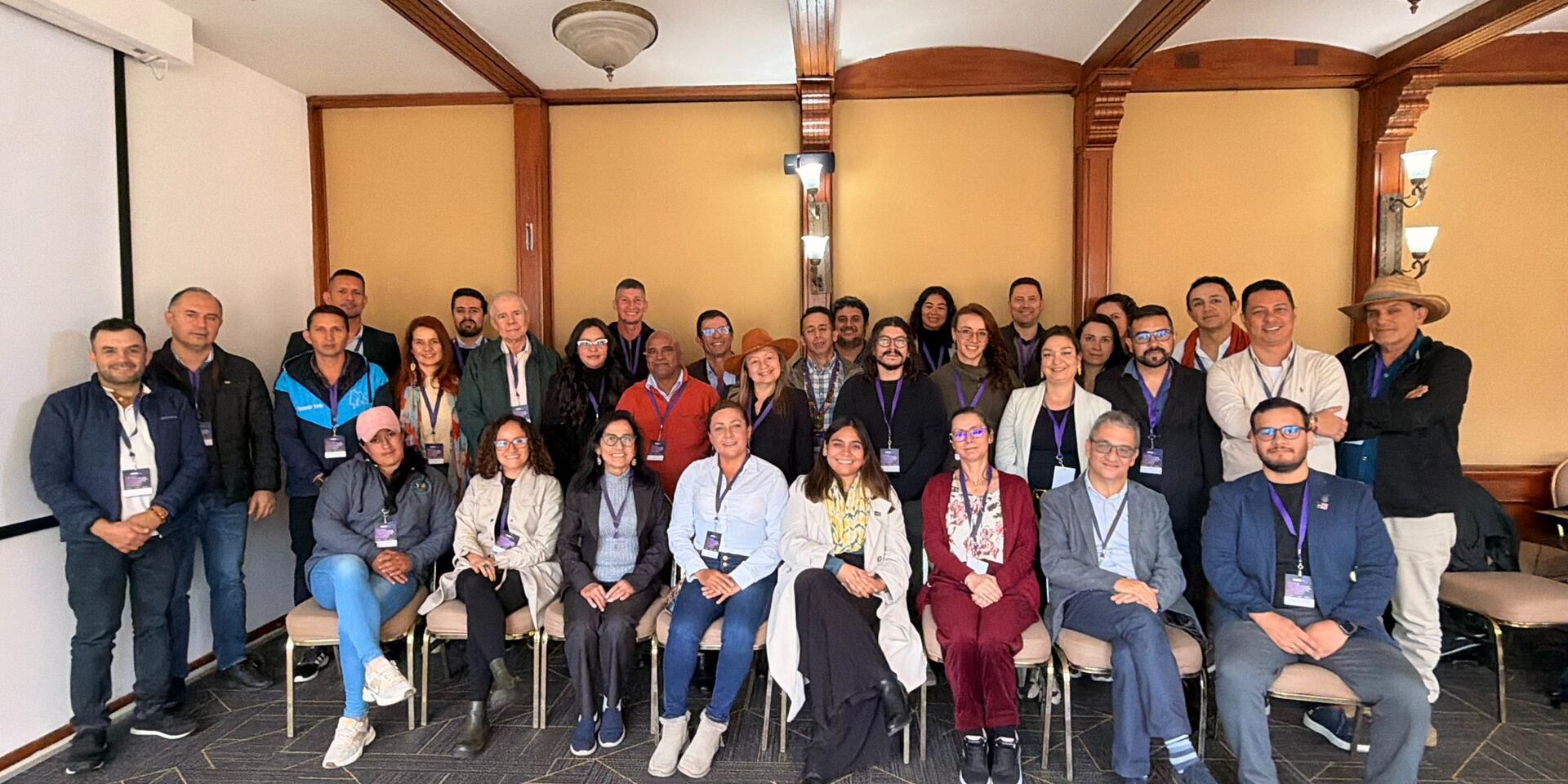

Two workshops held in Bogotá and Palmira brought together diverse stakeholders from the agricultural sector to validate the findings of an assessment of Colombia’s Agricultural Knowledge and Innovation System, identify opportunities to strengthen it, and gather inputs that could be shared with those responsible for guiding the national agricultural science, technology and innovation agenda, taking into account the needs of different territories.
How can scientific and technological advances better respond to farmers’ actual needs? What is needed to ensure that knowledge generated by research institutions reaches local communities and translates into solutions that can be adopted and scaled?
These questions guided two workshops held on October 22 in Bogotá and October 23 in Palmira, Valle del Cauca, under the title “Territorial Demands Guiding Science, Innovation and Responsible Scaling.” The workshops were organized as part of CGIAR’s Scaling for Impact program, in collaboration with the Alliance of Bioversity International and CIAT. Participants included representatives from universities, research centers, national government institutions, departmental and municipal governments, producer organizations and associations, agricultural sector associations, and institutions involved in rural extension and innovation.
Both workshops were part of an assessment of Colombia’s Agricultural Knowledge and Innovation System (AKIS). This approach helps explain how knowledge is generated, shared and applied across the agricultural sector. It is based on a central principle: innovation depends not only on new technologies, but also on farmers, public institutions, research centers, universities and other organizations sharing knowledge and coordinating their efforts so that solutions can reach the territories.
In the months leading up to the workshops, the Alliance of Bioversity International and CIAT conducted interviews with researchers, extension agents, policymakers and producer organizations from different regions. This process helped identify patterns of institutional coordination, the system’s strengths and gaps, and demands for research, innovation and scaling expressed by territorial stakeholders. The findings aim to provide useful information for decision-making in agricultural research and innovation.
From Identifying Gaps to Formulating Demands: What Did We Do and Why?
The workshops in Bogotá and Palmira had two main objectives: to validate and enrich the assessment findings through participants’ experiences, and to further explore emerging demand signals within the system that could inform future research, innovation and responsible scaling efforts.
Through participatory exercises, attendees validated the relationships among stakeholders and the gaps identified in the system’s structure, functions, capacities and enabling environment, which together form the methodological approach used to understand the system.
Building on the needs identified during the assessment, participants also worked to formulate more specific demands, seeking to clarify what responses are needed, who needs them, and in which territories or contexts. They also examined the conditions that could enable these demands to be addressed, considering factors such as institutional commitment, territorial characteristics and the availability of financing mechanisms.
But First, Why Is This Process Important for Colombia?
Because it generates relevant information that can serve as input for those responsible for guiding the national agricultural research agenda, helping ensure that territorial needs are considered in decision-making.
The results of this process aim to provide evidence that can inform the identification of research priorities, efforts to strengthen coordination between institutions and farmers, and public and private investment decisions in response to the challenges facing the agricultural sector.
They also help identify the conditions that can facilitate the adoption and responsible scaling of innovations, particularly those that contribute to the sustainability of production systems and strengthen their resilience to climate change.
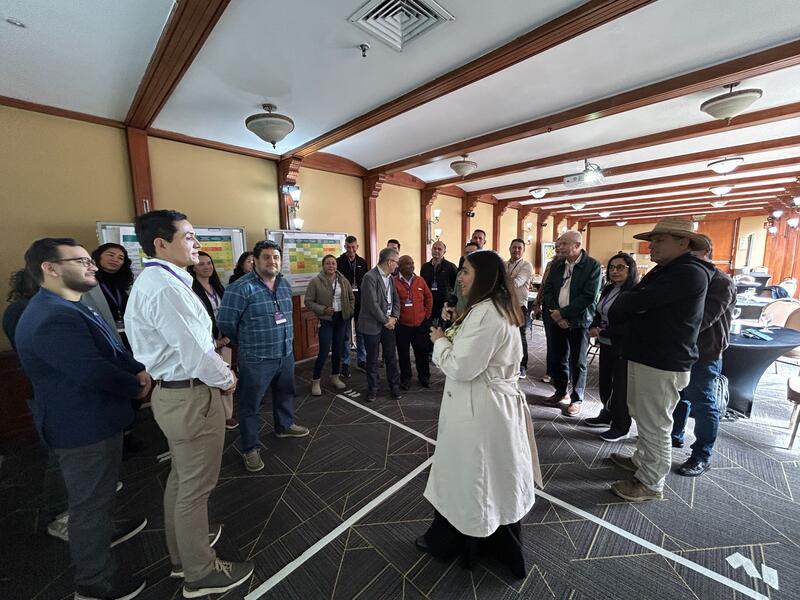
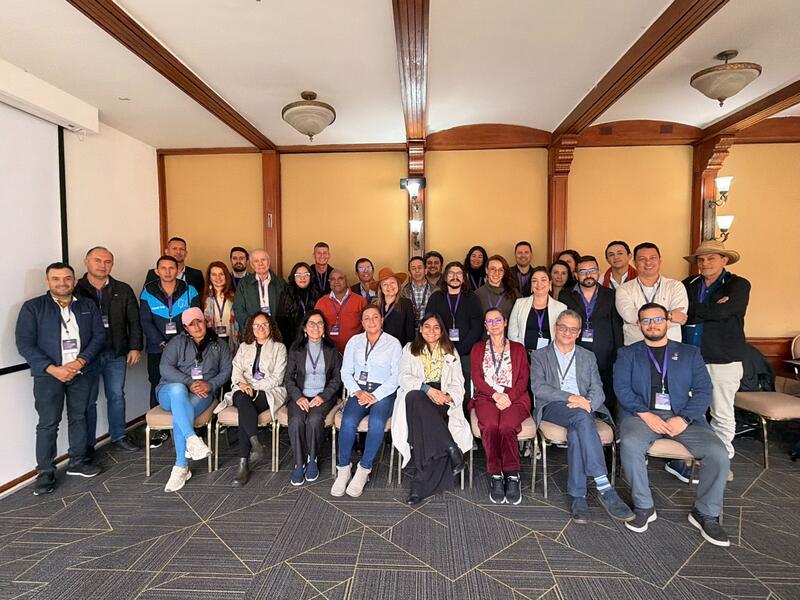
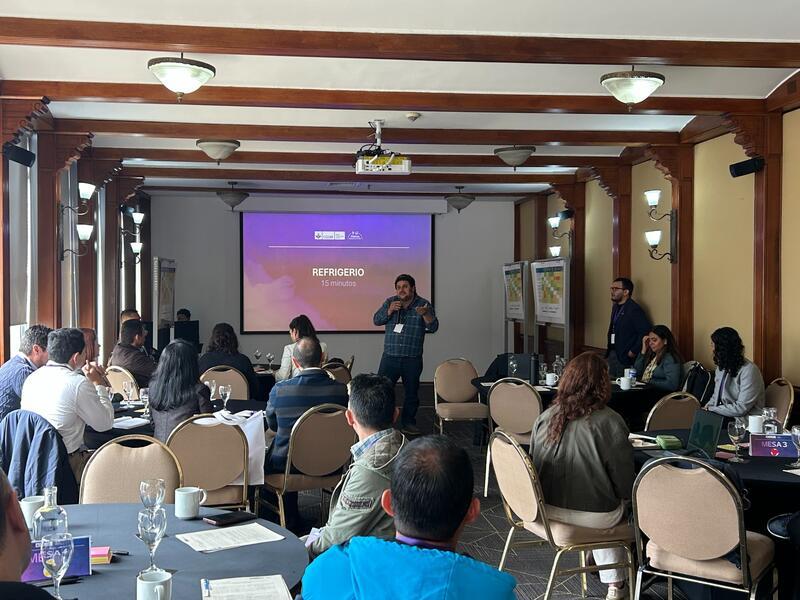
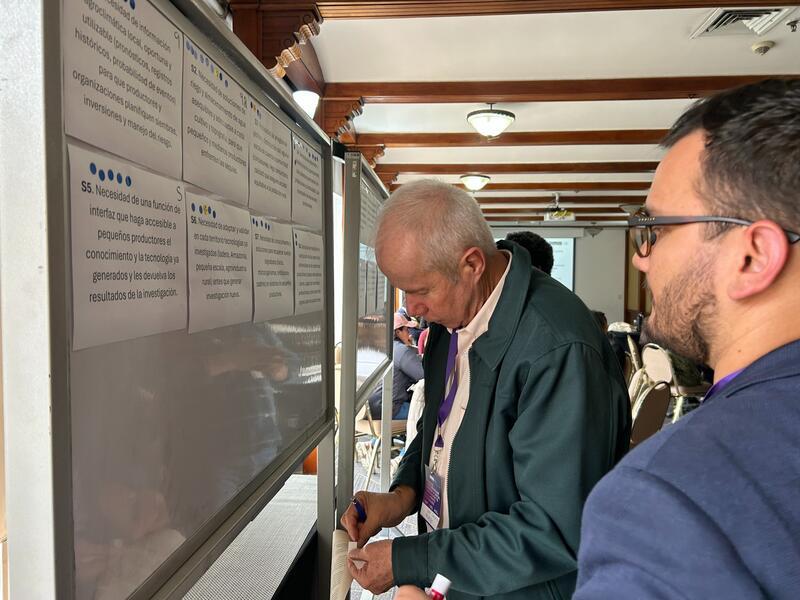
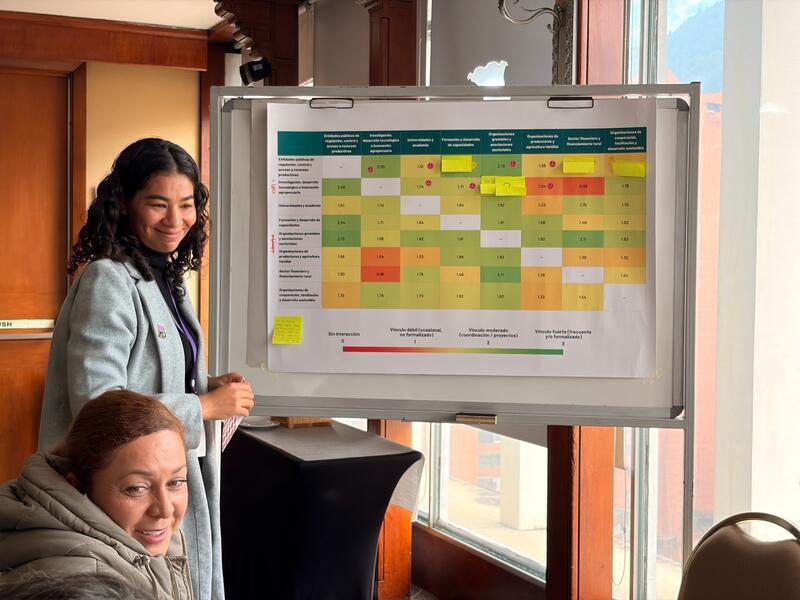
During the October 22 workshop in Bogotá, discussions explored five demands related to access to knowledge, research, agricultural extension, financing and commercialization.
One of the key topics was the need for timely, understandable and context-specific agroclimatic information. Participants noted that although climate bulletins, forecasts and information tools are available, these resources do not always reach farmers in formats that support decisions about planting seasons, crop management or risk prevention.
The importance of strengthening agricultural extension and technical assistance was also discussed, not only by expanding coverage but also by ensuring continuity. Participants emphasized the need for support that goes beyond providing one-off recommendations, enables follow-up on their implementation and, at the same time, captures farmers’ needs to inform research processes.
Participatory research was another central topic. Discussions highlighted the importance of strengthening coordination among researchers, extension agents, local governments and producer organizations so that research priorities respond to concrete territorial challenges and communities actively participate in generating and applying knowledge.
Regarding financing, participants noted that having access to technologies and practices for climate change adaptation does not necessarily mean that farmers can implement them. For many smallholder farmers, access to credit, interest rates and repayment schedules are not aligned with their production cycles or income flows.
Finally, participants identified the need to improve marketing channels, logistics and market access, particularly for farmers who are not members of producer associations. This discussion underscored that innovation should contribute not only to increased productivity but also to greater income opportunities and economic sustainability.
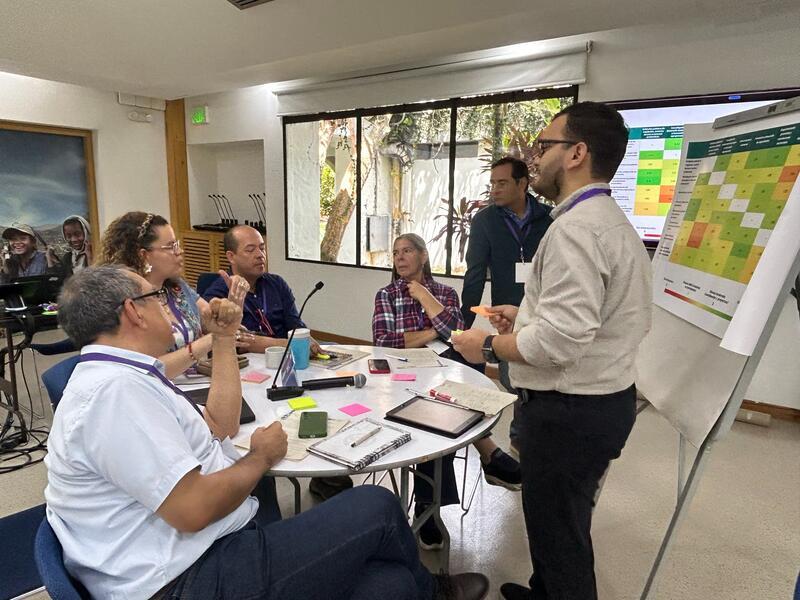
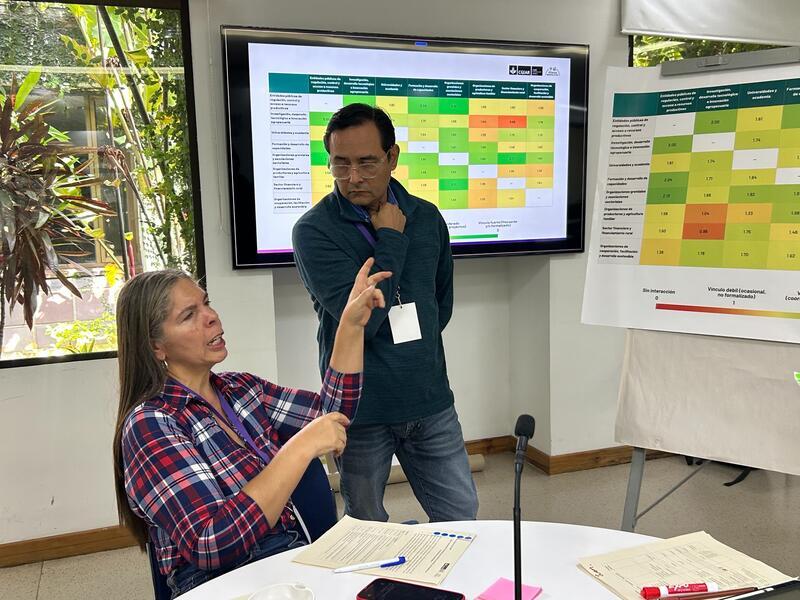
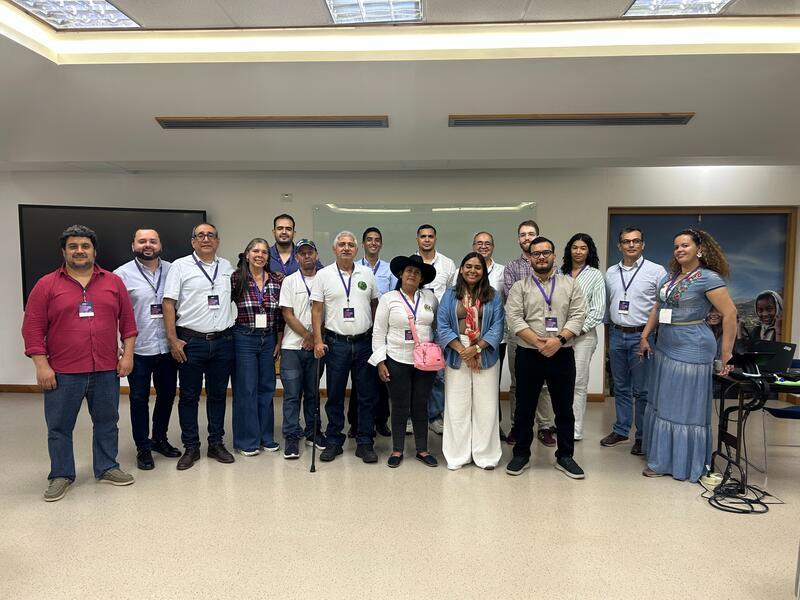
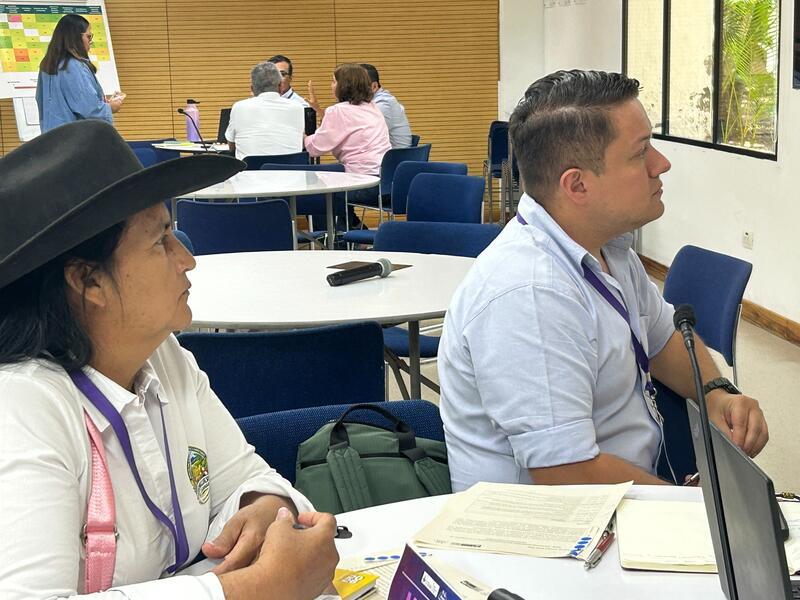
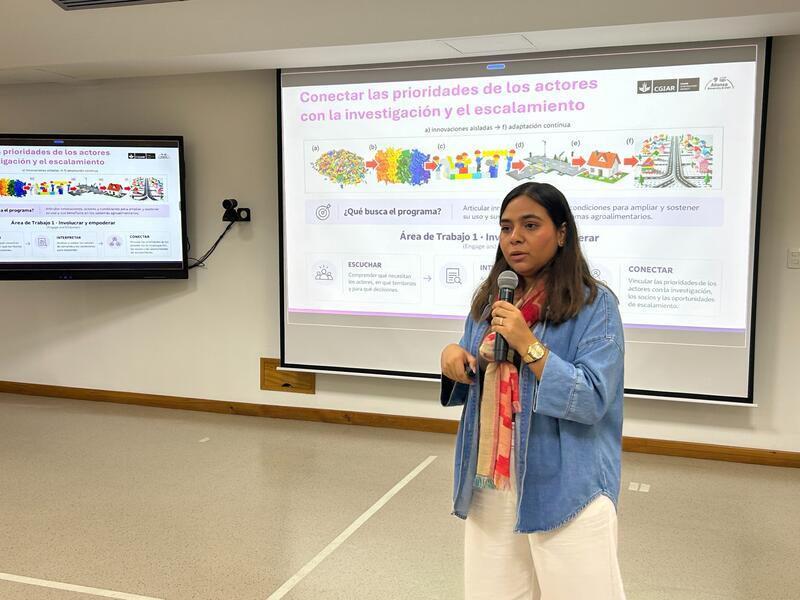
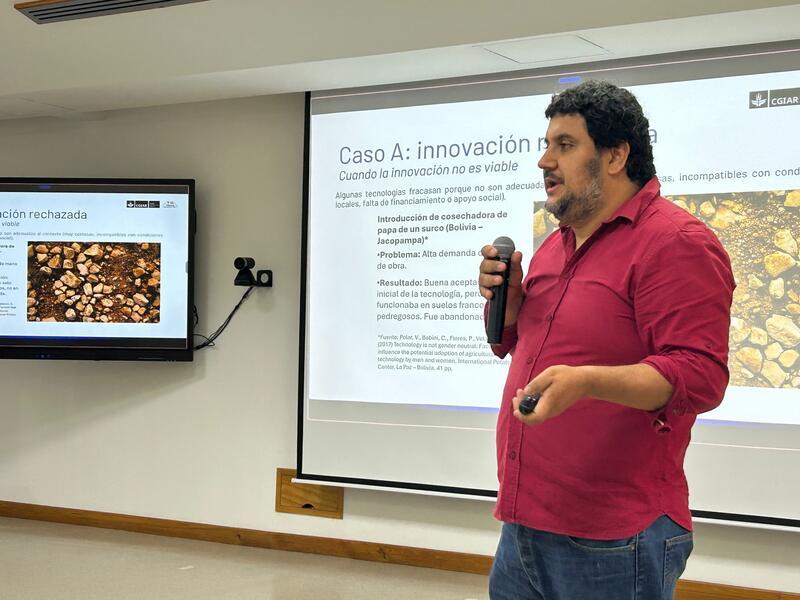
On October 23, discussions continued at the Alliance’s Las Américas Campus in Palmira, where participants explored the conditions needed for knowledge and innovations to reach the territories and translate into tangible results.
Agricultural extension was once again a central topic, this time with particular emphasis on the relevance of support services and people’s well-being. Participants suggested that technical assistance should adopt a more comprehensive approach, considering farmers’ characteristics, their production systems, marketing opportunities, and the social and economic conditions of each territory.
Regarding innovation financing, participants highlighted the need to strengthen connections between financial institutions, research findings and available technologies. Proposals discussed included making up-to-date information on evidence-based innovations available and developing financing mechanisms that recognize the specific characteristics of different production systems.
Participatory research was also explored through a specific example: cocoa production in the Amazon. Discussions emphasized the importance of directly involving farmers in research processes, taking into account their knowledge and practices, territorial conditions and the profitability of potential solutions. This approach seeks to encourage the uptake of research findings and create opportunities for their replication and scaling on other farms and within other communities.
Another key topic was access to agricultural information for decision-making. Participants examined existing information systems and highlighted the need to move towards tools that integrate up-to-date, high-quality data on production dynamics, addressing the needs of different users, including farmers, extension agents, researchers and institutions.
Discussions also highlighted that relationships among stakeholders within the system are not the same across the country. Institutional presence, research capacities and opportunities for coordination vary across regions and value chains, reinforcing the importance of recognizing territorial differences when designing future interventions.
From Identified Gaps to New Opportunities for Innovation
Although the Bogotá and Palmira workshops brought together different experiences and perspectives, both highlighted a fundamental challenge: generating knowledge and developing technologies does not, in itself, guarantee that innovations will reach farmers or be used sustainably over time. Addressing this challenge requires strengthening relationships among stakeholders within the system, promoting more participatory research, improving access to relevant information, and creating the institutional, technical and financial conditions needed to facilitate the implementation of solutions.
The workshops also demonstrated the importance of recognizing Colombia’s territorial diversity. Research demands, available capacities and the conditions for adopting innovations vary among farmers, production systems and regions, meaning that responses need to account for these differences.
The contributions gathered during both workshops will help enrich the assessment of Colombia’s AKIS and support further identification of areas for action and demands that could inform future decisions related to research, innovation, scaling and investment.
For Colombia, this process represents an opportunity to strengthen agricultural research planning based on evidence and needs expressed by territorial stakeholders, promoting stronger connections between sector priorities, stakeholder capacities and the conditions needed for innovations to generate tangible benefits.
In this sense, moving from identifying gaps to articulating demands represents a step towards a more coordinated and participatory innovation system, better positioned to contribute to the sustainable transformation of Colombia’s agricultural sector.