Press and News Colombia Agroalimentaria Sostenible: Uniting Forces for a Climate-Smart Future

By Daniela Arce Gómez
Collaboration with the Development Bank of Latin America and the Caribbean and the Ministry of Agriculture and Rural Development is creating a more sustainable and resilient future in the Colombian countryside.
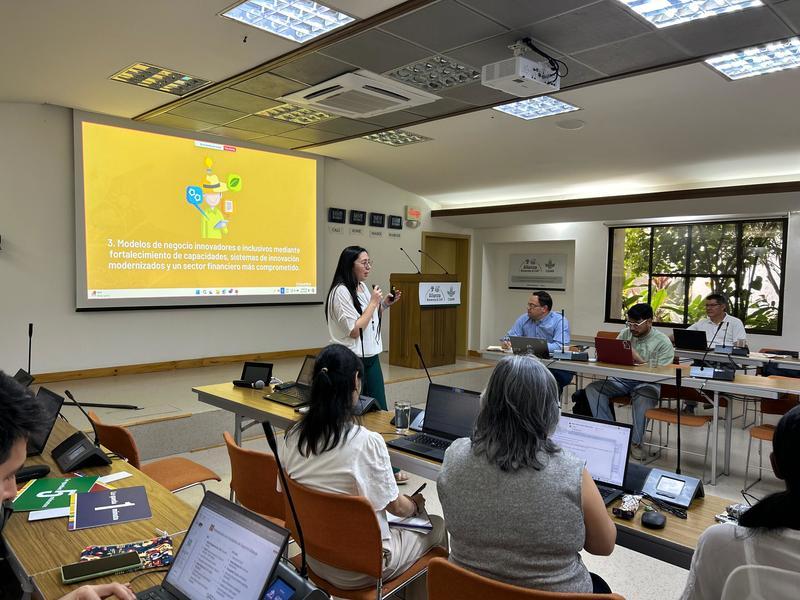
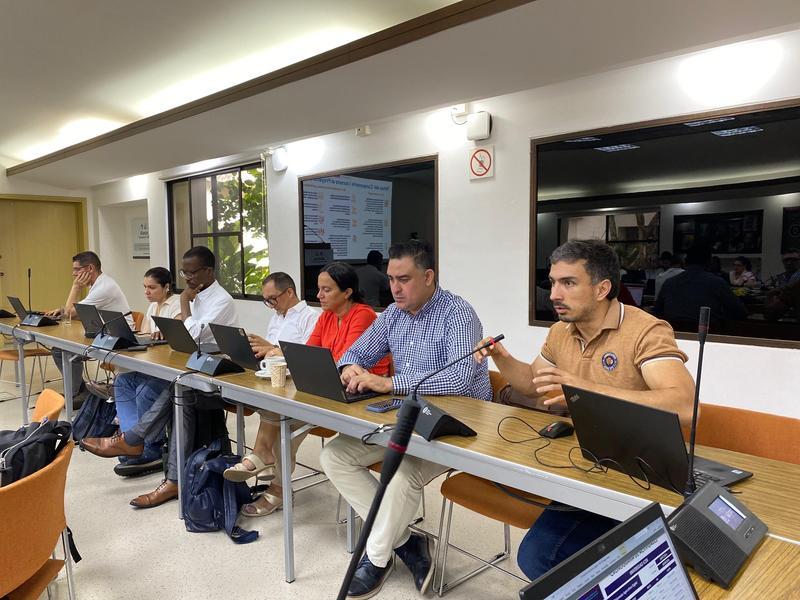
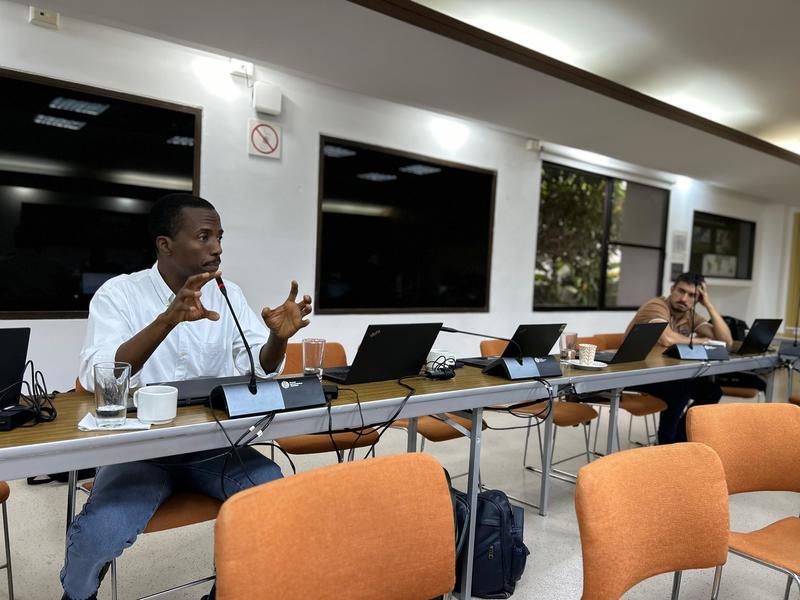
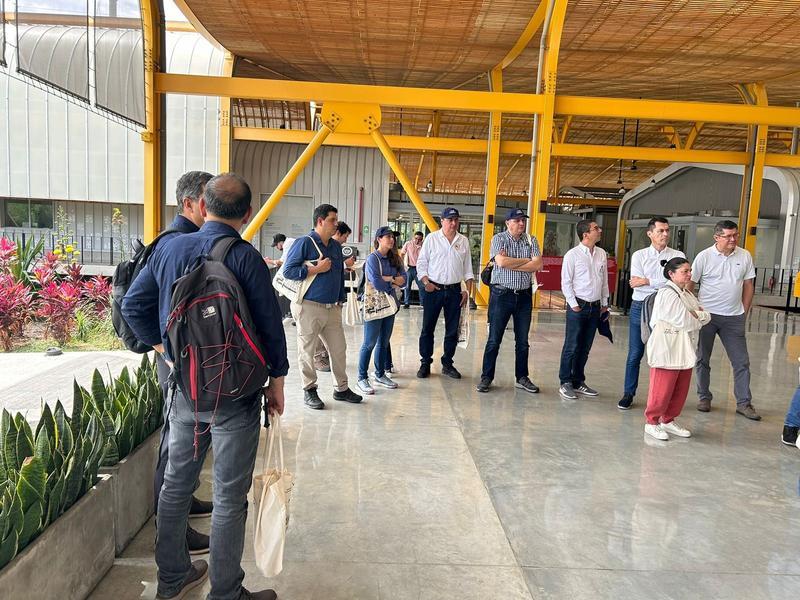
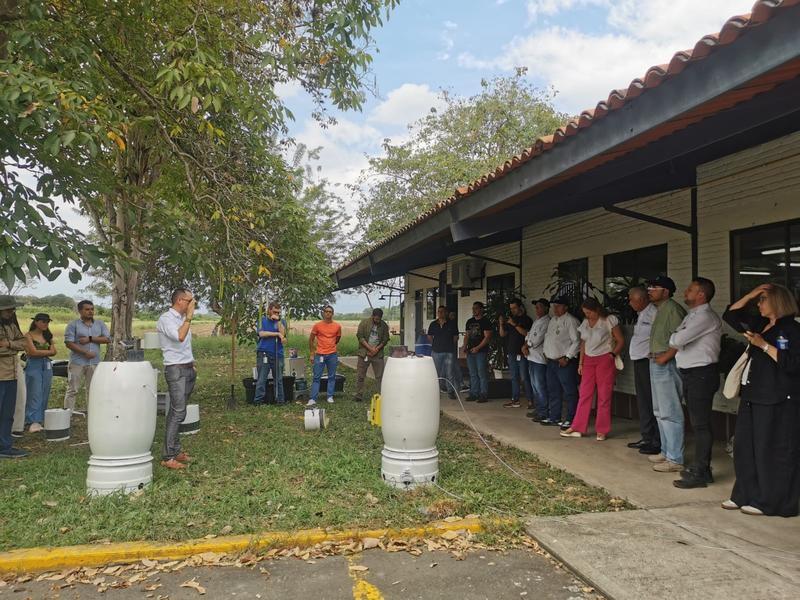
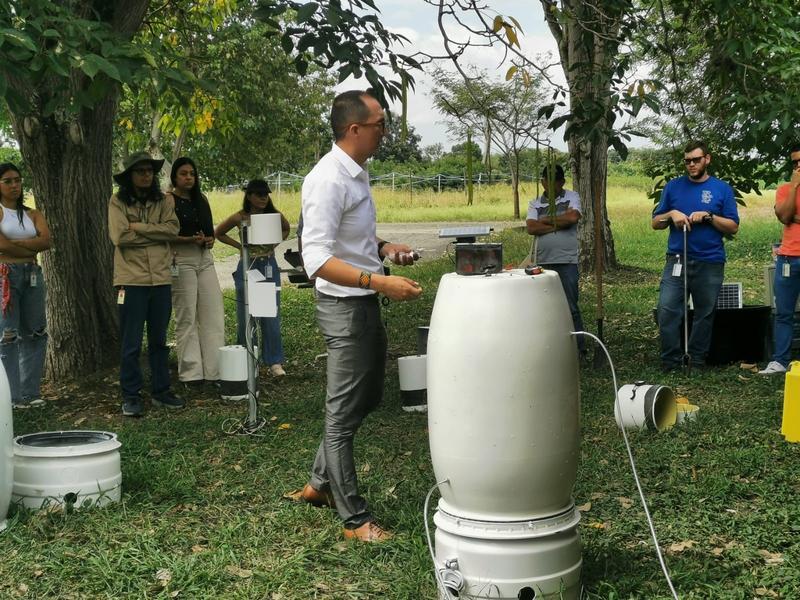
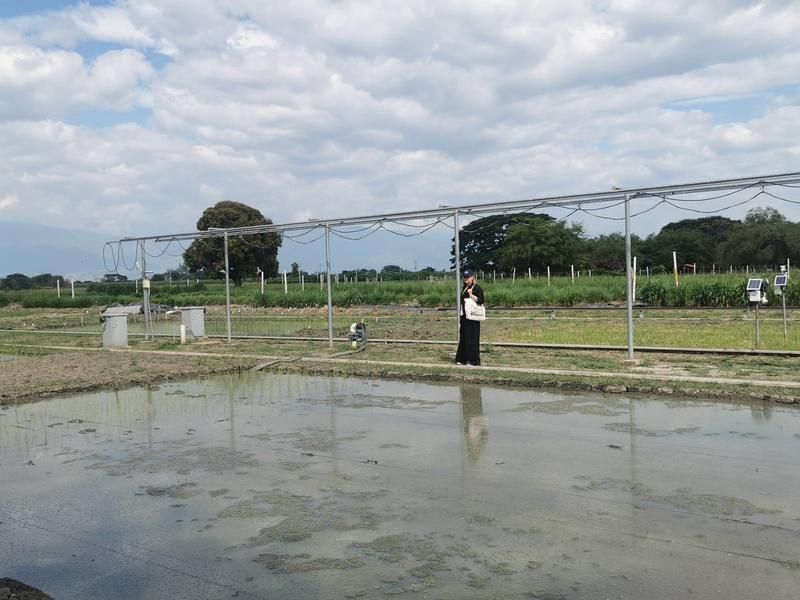
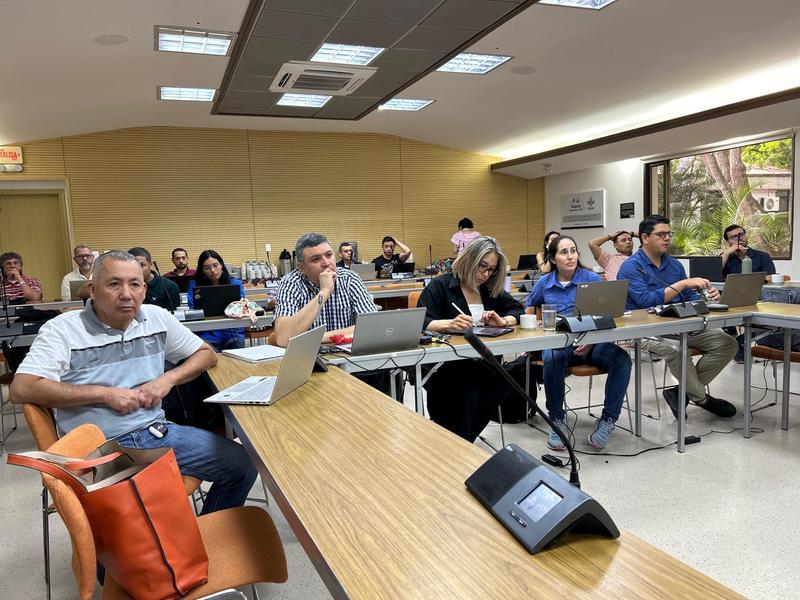
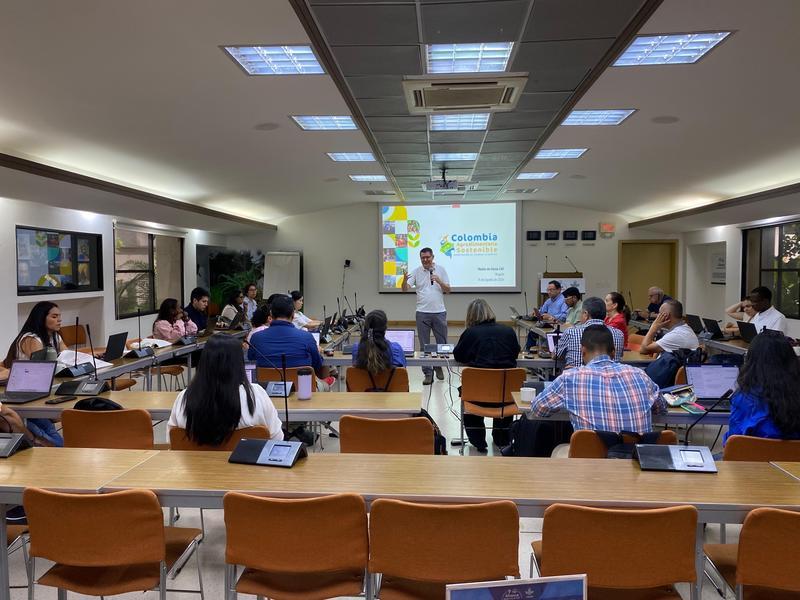
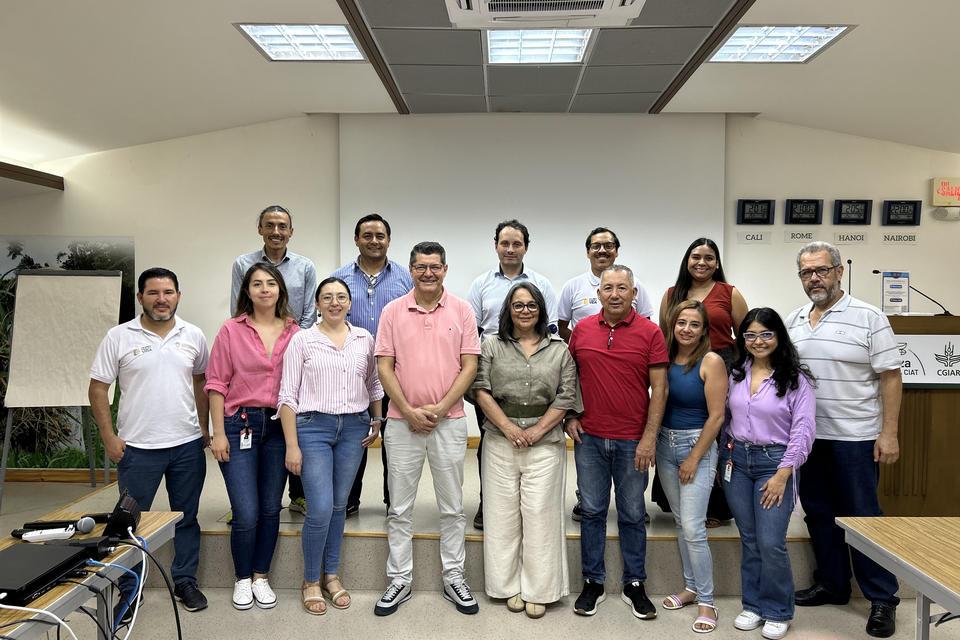
To get a full understanding of the components, procedures, and exchanges with strategic partners of the 'Sustainable Agro-Food Systems in Colombia' project and to facilitate the introduction of the teams and partners that will participate in its implementation, the Development Bank of Latin America and the Caribbean (CAF) and the Ministry of Agriculture and Rural Development (MADR) visited the Alliance's Palmira Campus to formalize their involvement in the project and understand how the research center contributes.
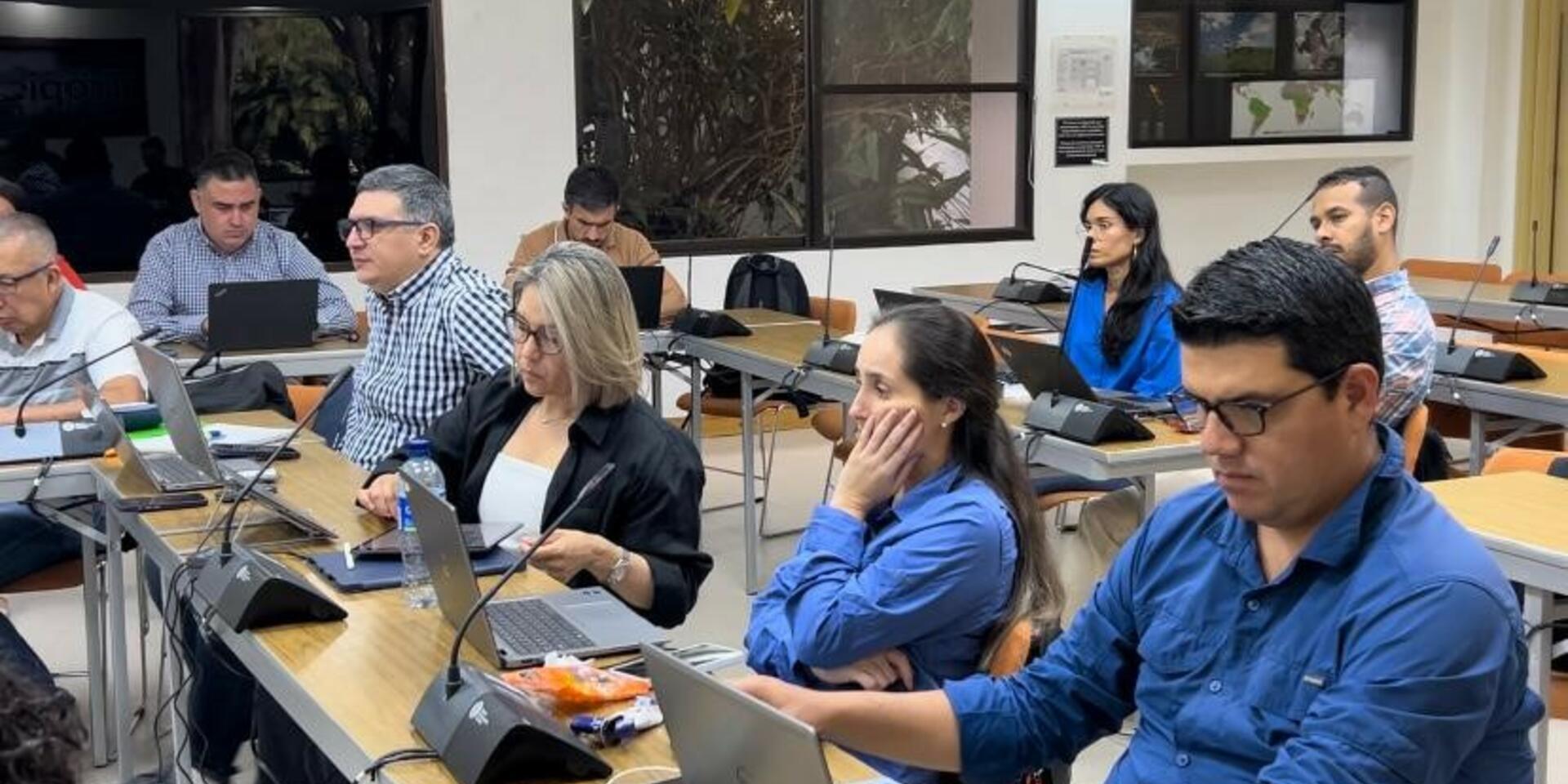
During this visit, in addition to providing context to the project, collaborative spaces were created to identify obstacles and solutions to potential situations that may arise throughout the five-year implementation of the project. It is important to note that through the articulation with CAF and the continuous collaborative work with MADR, Sustainable Agro-Food Systems in Colombia is now uniting 13 institutions in Colombia for the first time to work towards mitigating and adapting to climate change in the agricultural sector.
Among the topics discussed, knowledge management stood out as a key focus for building capacities among producers in the Colombian countryside, with the aim of properly utilizing technological developments and their implementation in the field to generate a significant sustainable impact on the various prioritized production systems.
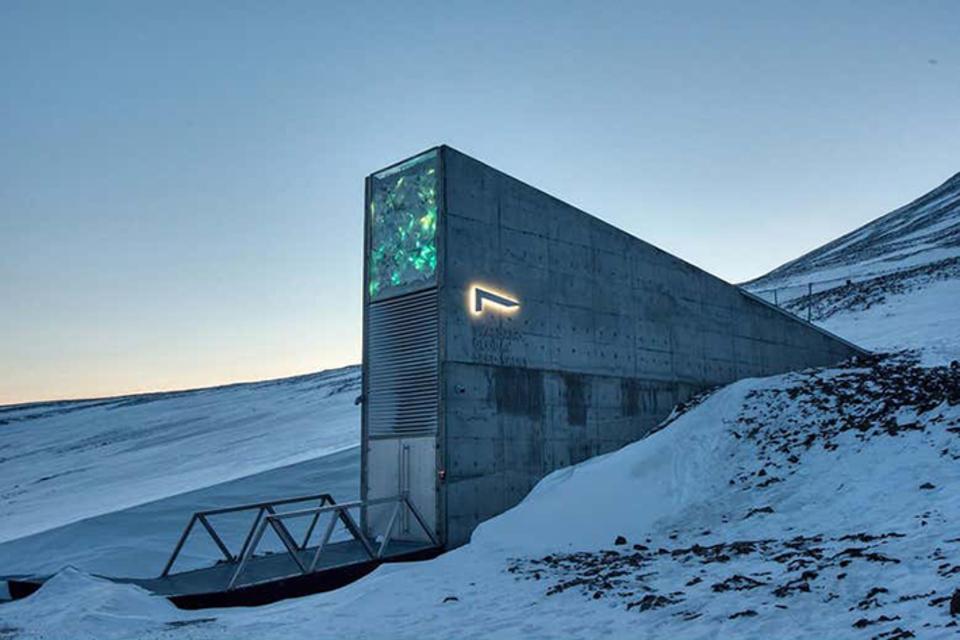
During the visit, representatives visited the Alliance's greenhouse gas laboratories, high-temperature greenhouses, and the campus's genebank ('Seeds of the Future'), showcasing the diversity of innovation that are leading us towards a more sustainable and climate-smart future in Colombia.
This project is a joint effort to adapt our production systems to the challenges of climate change and to strengthen the resilience, adaptation, and mitigation of our countryside.