Research Articles COL40: A Colombian Solution to Protect Cassava in Africa
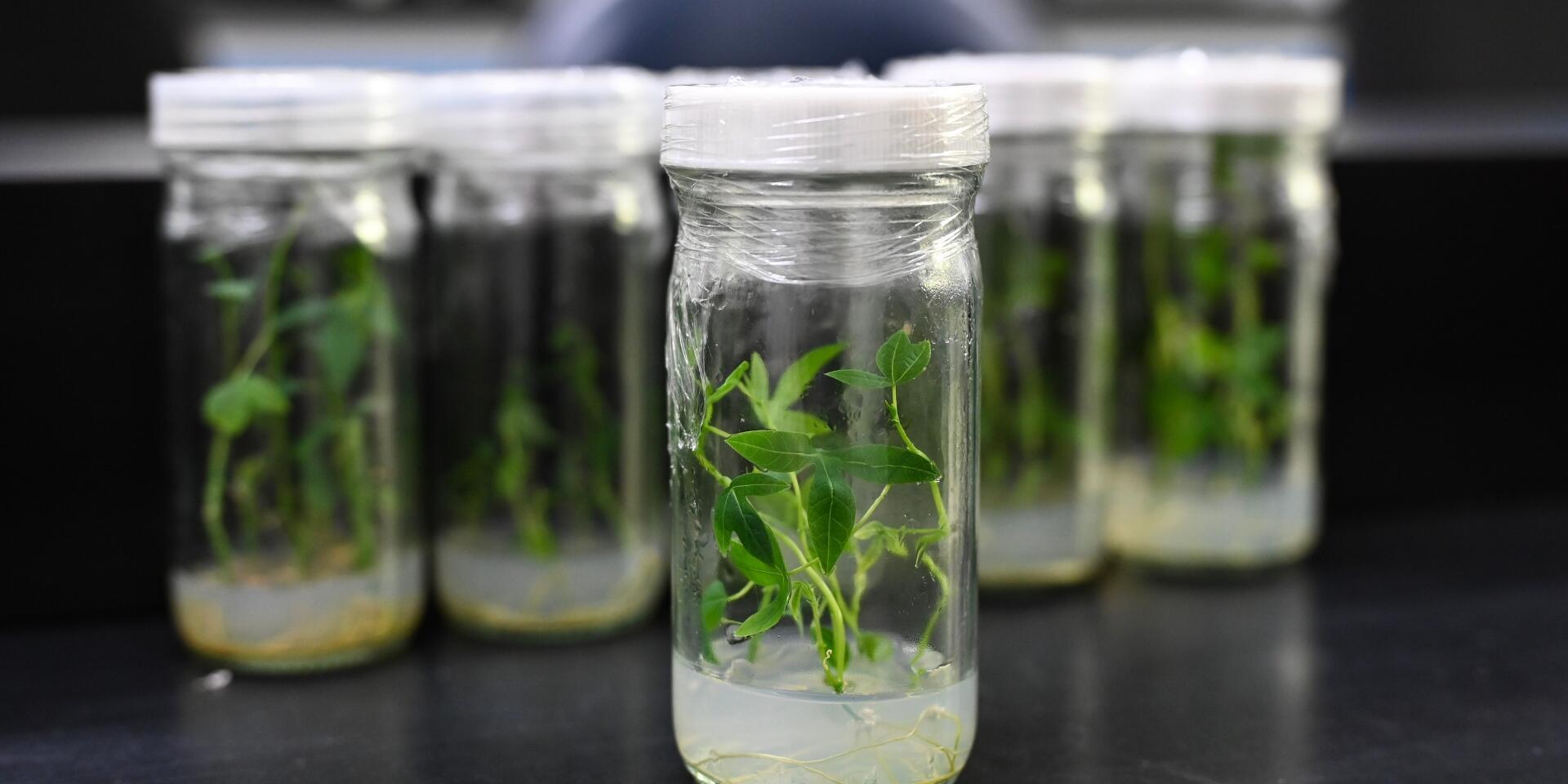

In several countries in Eastern and Central Africa including Uganda, Tanzania, Kenya, Rwanda, and Malawi millions of families depend on cassava as a staple food and source of income. However, production of this crop faces a growing threat: Cassava Brown Streak Disease (CBSD), caused by viruses that damage the plant’s roots, significantly reduce yields, and threaten food security.
Cassava is essential in these regions because it provides daily energy for communities and, for many smallholder farmers, represents a primary source of livelihood. When production declines, both food availability and household income are affected.
CBSD mainly attacks the cassava root, which is the part consumed by families and sold by producers. The disease causes internal necrosis, reducing product quality. As a result, infected roots lose commercial value and, in many cases, become unfit for consumption. This means that a single harvest can no longer serve either as food or as a source of income.
“It is a devastating disease because it affects the root. When the root is lost, the farmer loses the entire value of the crop,” explains Winnie Gimode, scientist in the Cassava Program at the Alliance of Bioversity International and CIAT.

Winnie Gimode
ScientistIn the most severe cases, losses can reach up to 100% of the harvest. This forces many producers to replant, assume higher costs, or reduce their income. In addition, many cassava varieties grown in Africa lack natural resistance to the disease, which facilitates its spread and limits response options.
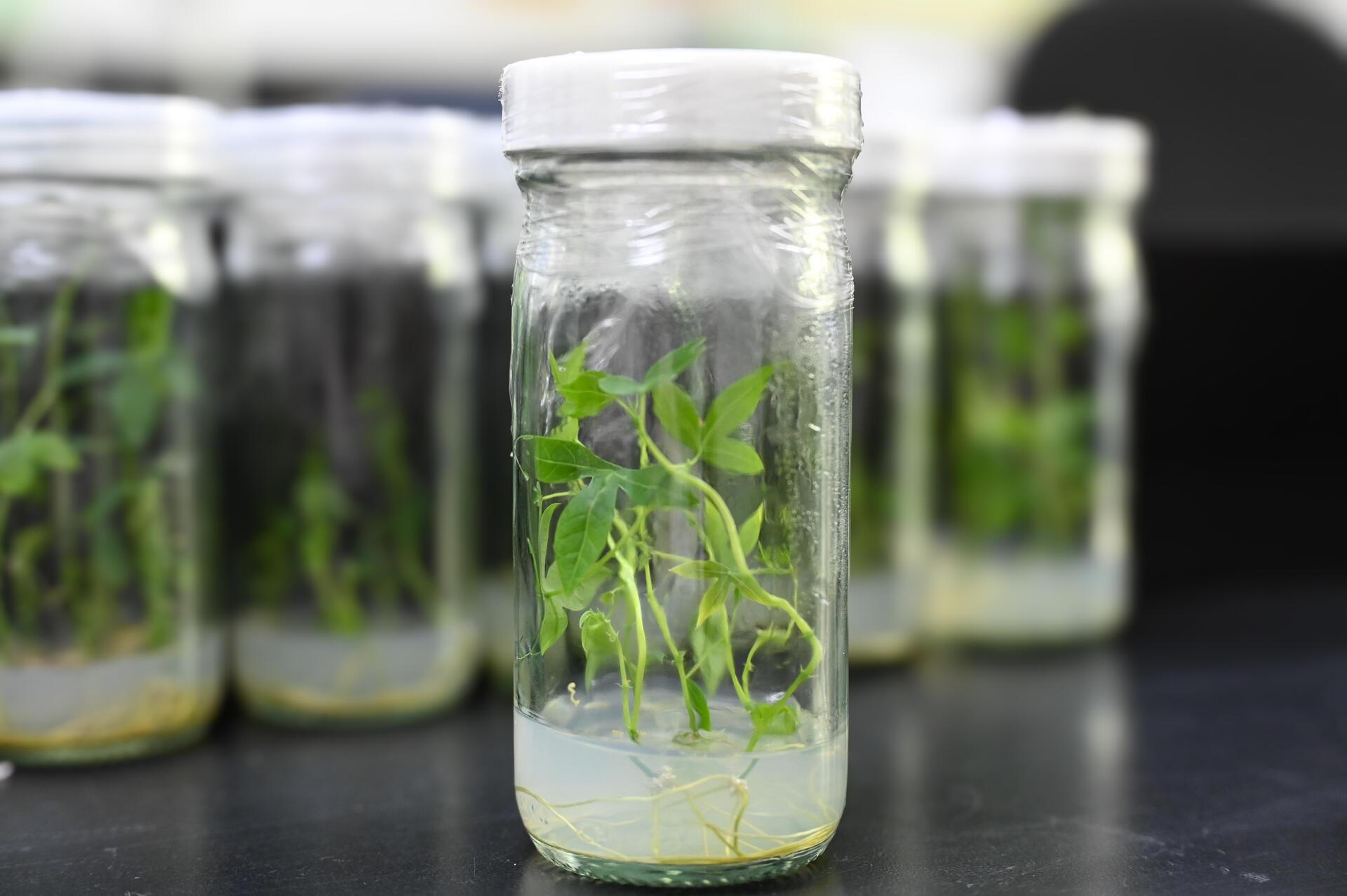
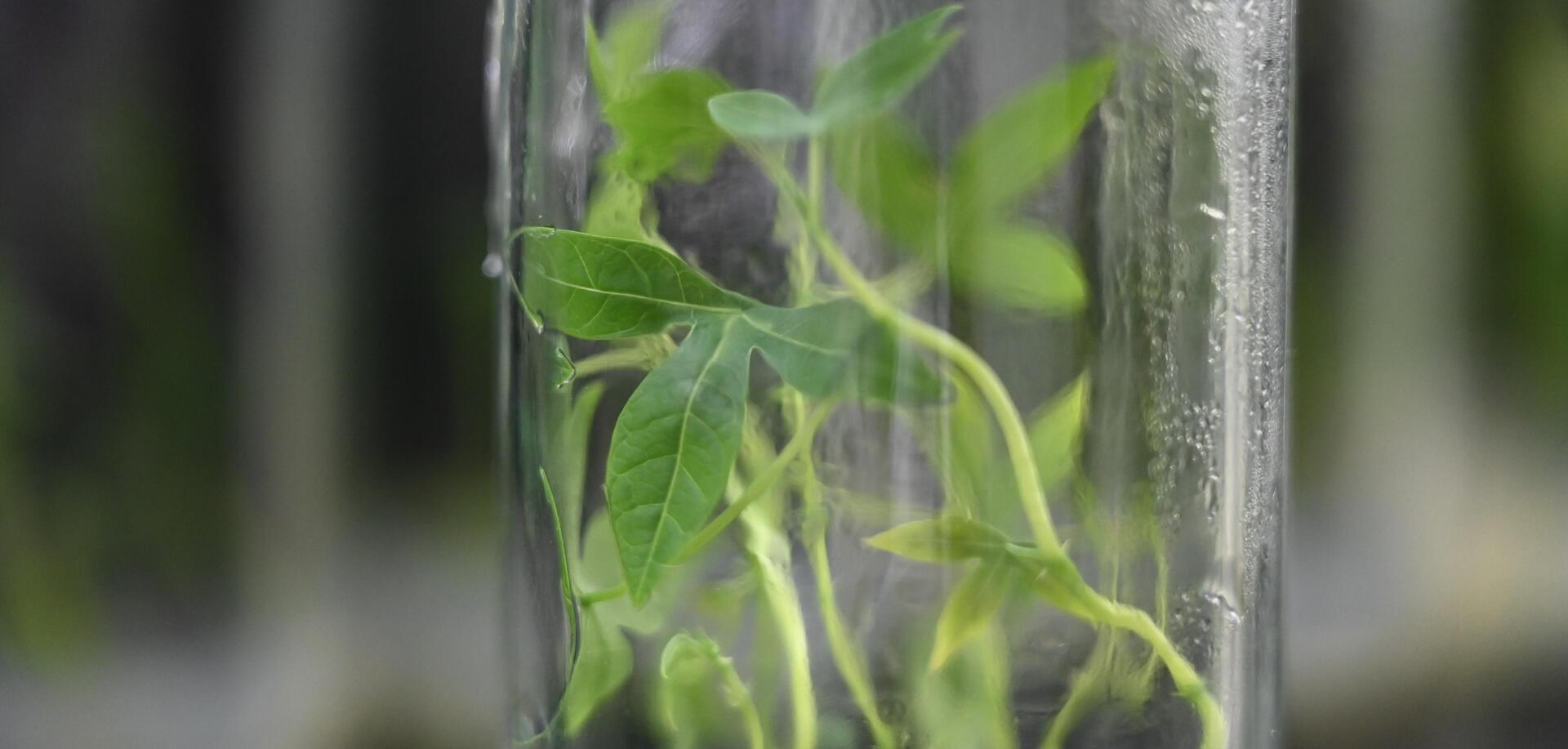
Faced with this challenge, researchers turned to the genetic diversity conserved in the Genebank of the Alliance of Bioversity International and CIAT, a collection that safeguards one of the world’s largest reservoirs of cassava diversity and essential genetic resources for the future of food systems.
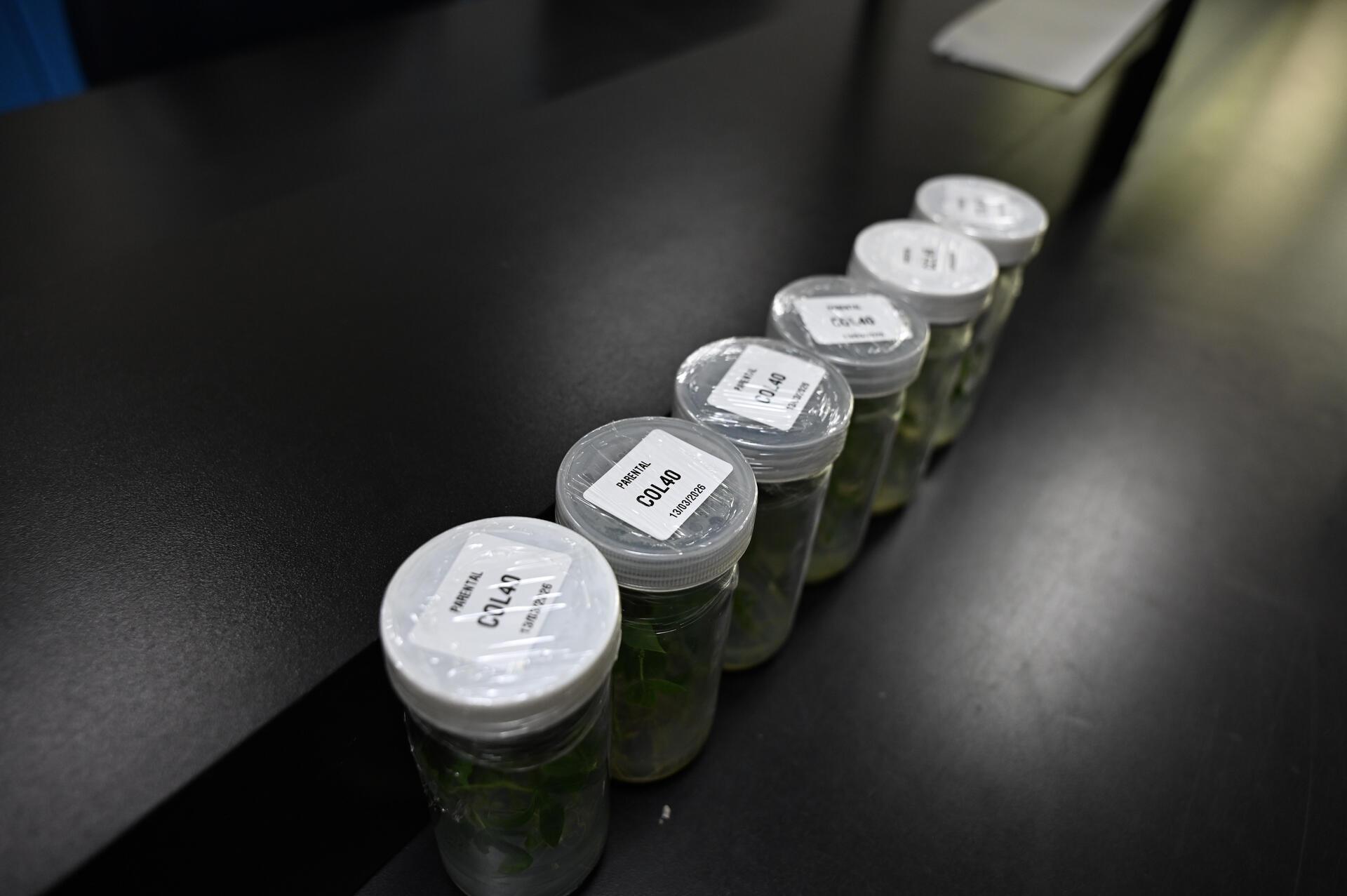
There, COL40 is conserved an accession of cassava (Manihot esculenta) introduced into the collection in 1969 and originally collected in the department of Córdoba, Colombia.
In the case of COL40, researchers from the Leibniz institute (DSMZ) Germany, collaborating with the Alliance, identified resistance to two of the most important viral strains causing CBSD, making it a strategic resource for breeding programs in Africa. This work builds on broader scientific efforts to identify resistance sources and accelerate cassava improvement for affected regions.
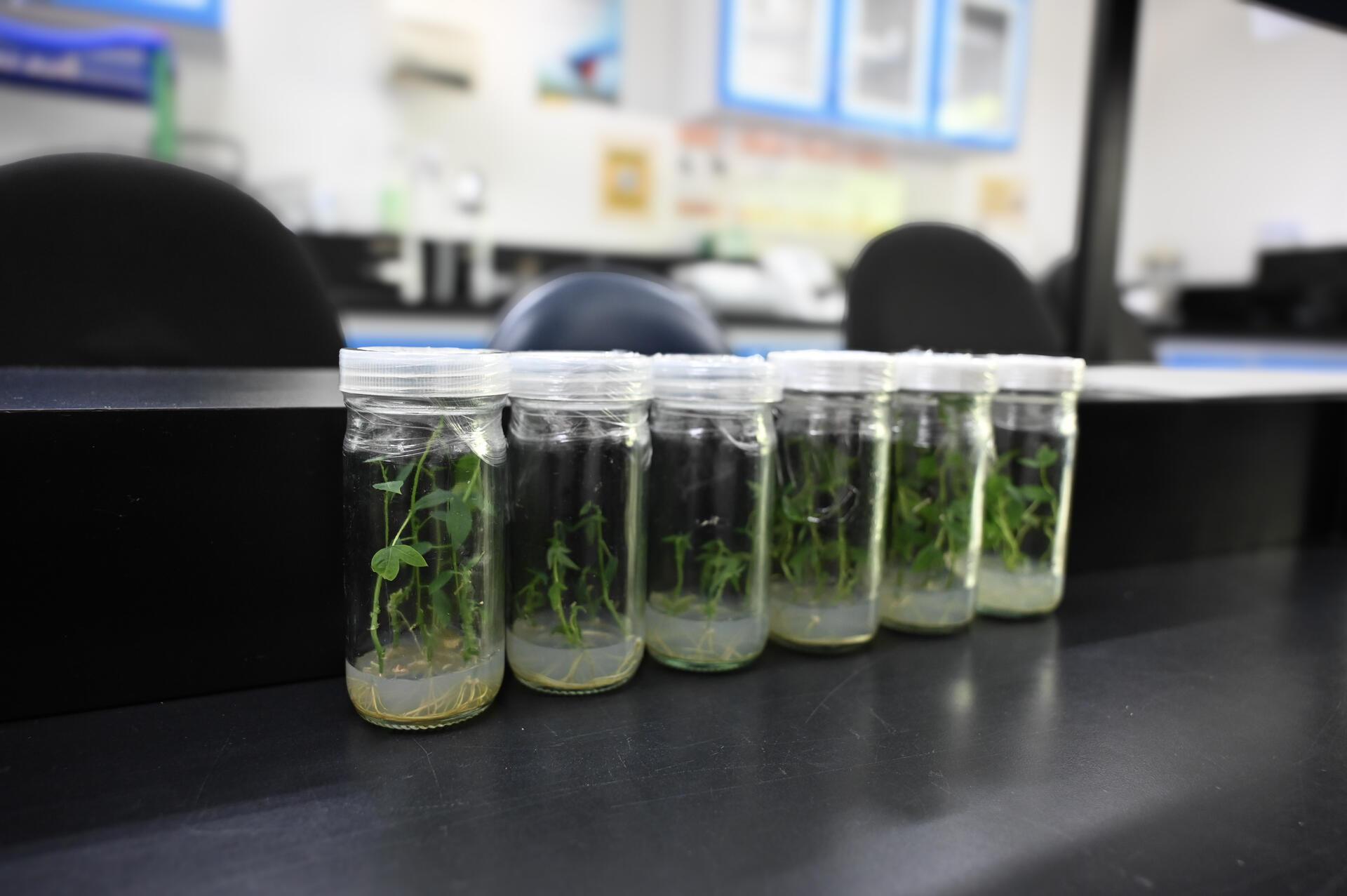
“COL40 is not the result of a formal breeding program, but a traditional accession conserved in the genebank alongside more than 5,900 other accessions,” explains Mónica Carvajal Yepes, leader of the Digital Genebank at the Alliance of Bioversity International and CIAT.

Monica Carvajal-Yepes
Team Leader, Digital GenebankAccording to Mónica Carvajal, the value of conserving materials like this lies in the fact that genebanks protect traits that are often absent in modern commercial varieties. This diversity may contain natural resistance to diseases, drought tolerance, or adaptation to extreme conditions.
In the case of COL40, researchers identified resistance to two of the most important viral strains causing CBSD, making it a strategic resource for breeding programs in Africa. This work builds on broader scientific efforts to identify resistance sources and accelerate cassava improvement for affected regions.
“This case shows how characterizing genetic diversity conserved for decades can lead to solutions for regional challenges with global relevance,” adds Monica Carvajal
The Digital Genebank is also working to leverage available genetic information to identify other accessions with similar potential and accelerate their use in research and breeding. COL40 is being crossed with African varieties that already have good yield performance and local adaptation. The goal is to combine in a single plant resistance to CBSD, strong productivity, quality for consumption, and adaptation to local conditions.
This makes it possible to develop new varieties that are more useful for farmers and consumers. Recent studies have also demonstrated the value of genomic tools and breeding strategies to speed the development of improved cassava varieties resistant to disease. Currently, descendants of COL40 are advancing through field trials in East Africa.
“What is in the field is not COL40 directly, but new generations that inherited the resistance,” explains Winnie Gimode.
This is important because it confirms that resistance can be passed on and used to develop future commercial varieties. In addition, recent research has enabled the creation of genetic tools that help identify, at early stages, which plants have resistance potential. This reduces evaluation time and accelerates breeding efforts.
When farmers have access to resistant varieties, losses caused by disease are reduced, production becomes more stable, food availability increases, household incomes are protected, and rural economies are strengthened.
In regions where cassava is consumed every day, protecting this crop means protecting the food base of millions of people. The next steps include continuing trials in Africa, validating new genetic tools, and accelerating the development of resistant varieties adapted to different countries and markets. This will allow more farmers to access materials capable of confronting disease without sacrificing productivity.
COL40 demonstrates that many solutions to global agricultural challenges already exist within conserved biodiversity. A material collected more than five decades ago in Colombia is now helping protect crops and livelihoods in Africa, confirming the value of safeguarding genetic resources that can become solutions to emerging threats.
At the same time, as Winnie Gimode highlights, transforming that potential into real benefits for farmers requires continuous research and breeding programs capable of transferring those valuable traits into productive varieties adapted to local conditions.
For this reason, continued investment in the conservation of genetic resources, scientific research, crop improvement, and international cooperation will be essential to build more resilient food systems in the face of disease, climate change, and future crises. COL40 is not only a success story; it is concrete proof that biodiversity, when conserved and strategically used, can become real solutions with global impact.
References
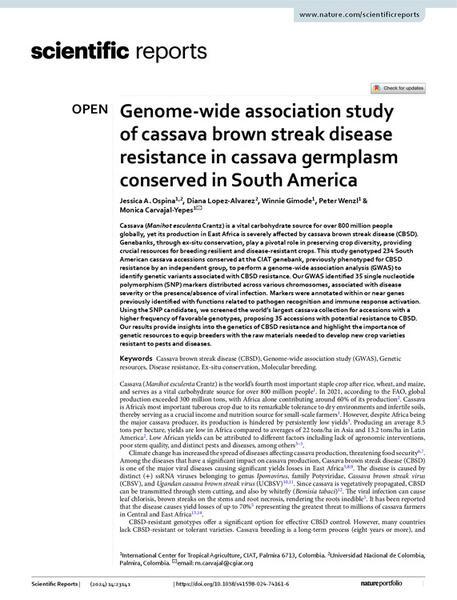
- Ospina, et al. (2024) Genome-wide association study of cassava brown streak disease resistance in cassava germplasm conserved in South America. Scientific Reports 14: 23141. ISSN: 2045-2322; https://doi.org/10.1038/s41598-024-74161-6
- Sikirou, et al. (2025). High-throughput field screening of cassava brown streak disease resistance for efficient and cost-saving breeding selection. Agronomy, 15(2): 425, 1-15.; https://doi.org/10.3390/agronomy15020425
- Sheat et al. (2019). Resistance Against Cassava Brown Streak Viruses From Africa in Cassava Germplasm From South America. Frontiers in Plant Science. 10. https://doi.org/10.3389/fpls.2019.00567
- Sheat et al. (2022). High-throughput virus screening in crosses of South American and African cassava germplasm reveals broad-spectrum resistance against viruses causing Cassava Brown Streak Disease and Cassava Mosaic Virus Disease. Agronomy. 12(5). https://doi.org/10.3390/agronomy12051055