From the Field Clitoria ternatea: the little blue jewel of fodder crops

Clitoria ternatea, a multifunctional legume known as the “blue tea flower,” has been the subject of research by Michael Gomez Selvaraj, leader of the Bioversity Alliance and CIAT's Phenomics Platform. This plant stands out for its ability to improve soil fertility, promote sustainable agricultural practices, and offer various benefits, such as its use as fodder (animal feed), human food, natural colorant, and source of medicinal compounds. In addition, its ability to fix nitrogen helps reduce the need for chemical fertilizers, while hybridization research seeks to optimize its adaptability, biomass and nutritional value.
Among the green leaves and the sun that rises on the research campus of the Alliance of Bioversity International and CIAT in Colombia, there's a tropical forage (livestock feed) that has traveled from Asia to stay. It is called Clitoria ternatea, also known as the 'blue tea flower' or Butterfly Pea. It is a perennial species of the legume family, which generates pods and improves soil fertility while offering long-term sustainable benefits.
Michael Gomez Selvaraj - leader of the Alliance's phenomics platform - has devoted years of research to Clitoria ternatea, widely recognized in its place of origin, India. His work has not only focused on the cultivation of this species, but also on the development of a deep admiration for it, motivated by the multiple uses it offers, from livestock fodder to applications in agricultural improvement.
Selvaraj has explored genetic variations in this plant and experimented with hybridization, a process in which two genetically distinct plants are crossed to combine the most desirable traits of both. In the case of Clitoria ternatea, hybridization has the potential to develop varieties with improved traits, such as higher biomass production, more nutritious seeds and pods, or superior adaptability to diverse climates.
Clitoria has attracted increasing attention in various research projects aimed at harnessing the legume's potential not only as a food source but also as a tool for advancing sustainable agricultural practices. Current research focuses on the following areas:
- Enhancing food security: Evaluating the nutritional value of young pods for human consumption, with an emphasis on protein and iron content
- Fodder development: Promoting its use as a high-protein feed for livestock
- Improving soil health: Leveraging its nitrogen-fixing capabilities to enrich soil fertility and reduce dependency on chemical fertilizers
- Boosting climate resilience: Investigating its drought and shade tolerance to support sustainable agriculture in tropical and semi-arid regions
- Integrating into cropping systems: Exploring its role in intercropping systems to optimize productivity and resource efficiency
Petals that give color and life
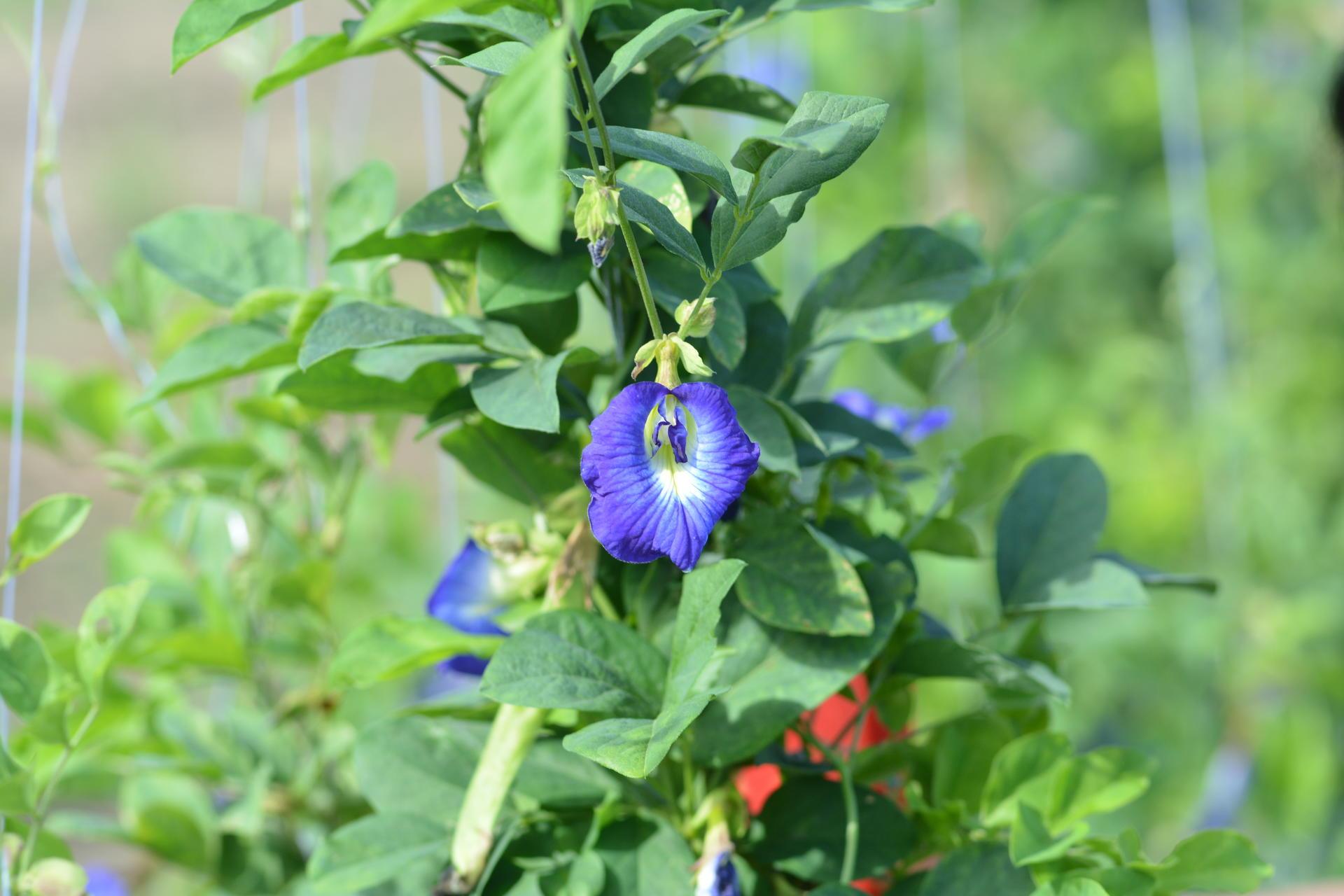
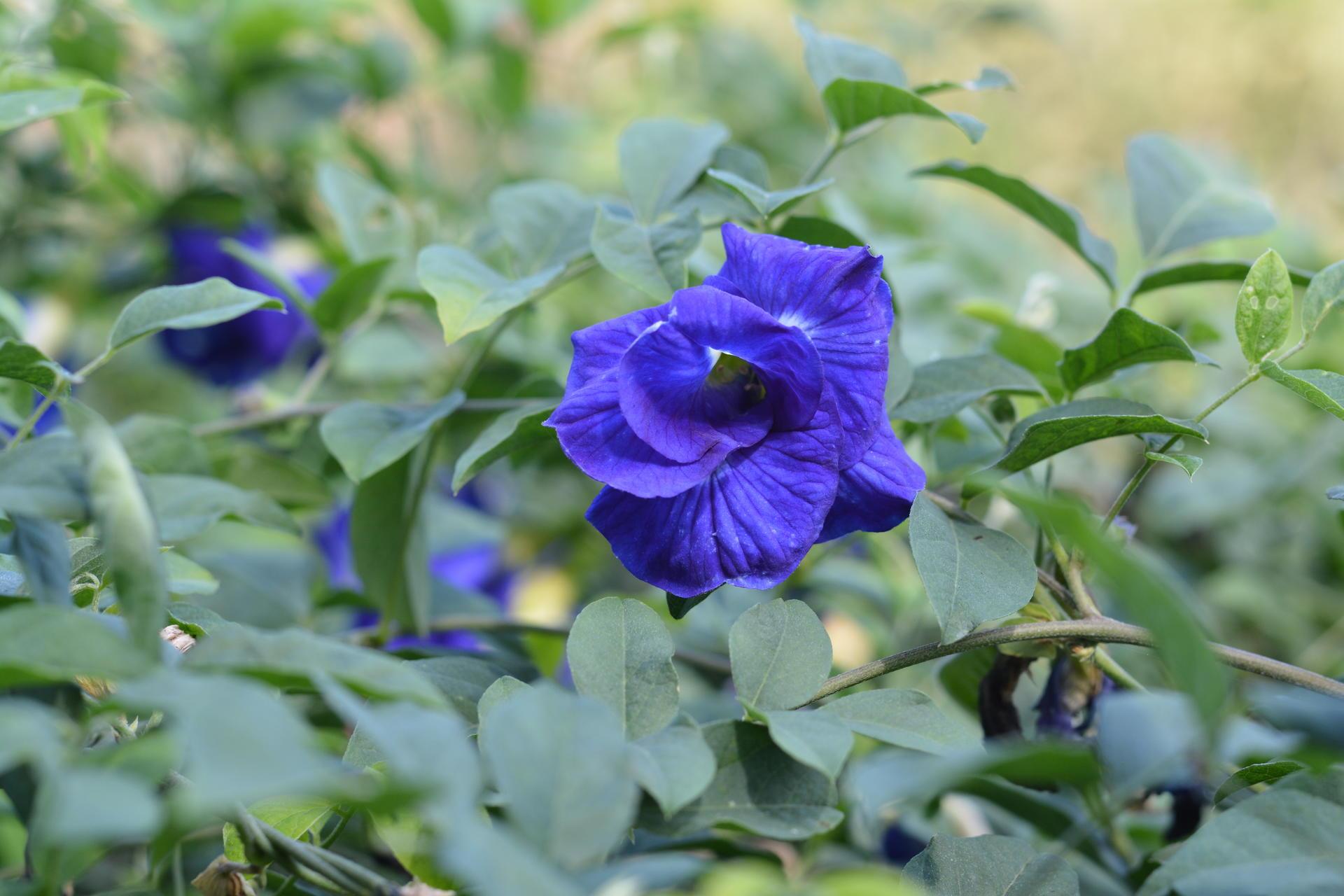
In addition to forming a delicate and beautiful flower, the plant's petals are distinguished by their vibrant blue color, thanks to anthocyanins, plant pigments that act as pH indicators. When the petals are put in hot water, a blue infusion is obtained, and when lemon drops are added, it turns purple, as the pH changes and the anthocyanins come into action.
This preparation is used as a tea or cool drink, recognized for its health benefits: it supports asleep, provides antioxidants that help prevent diseases such as diabetes, regulates blood sugar levels and has anti-inflammatory properties. Also, by providing such an ostentatious color, it works as a natural colorant, due to its pigmentation capacity. Currently its use in food has been approved by the FDA (Foods and Drugs Administration, the USA entity that guarantees the health, efficacy and safety of food and drugs) allowing its use in cakes, rice and beverages, amongst others.
Blue resilience: the heroine of cultivation
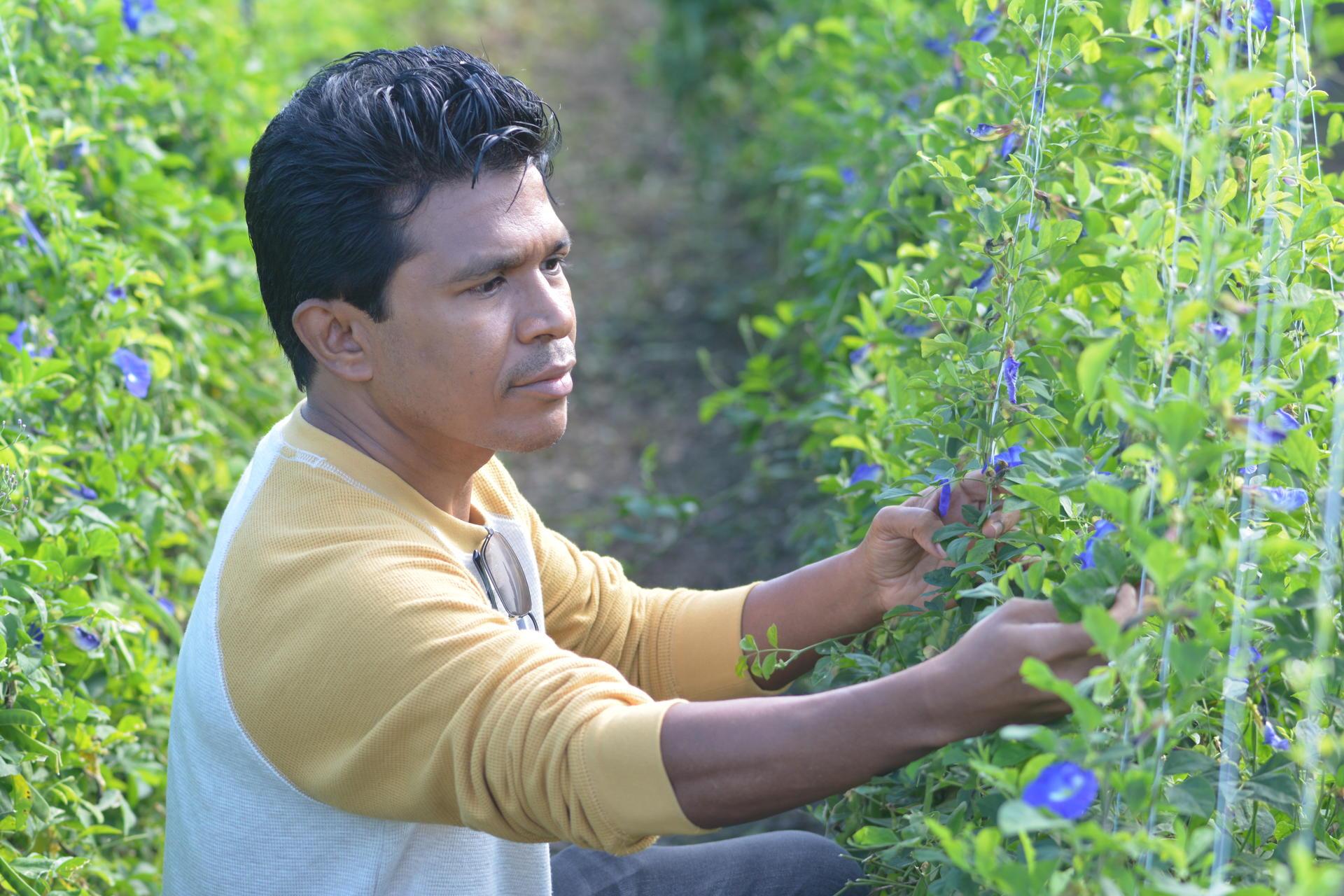
A small crop of clitorias of no more than one hectare adorns the Alliance campus in Palmira. Walking through it, Michael excitedly explains the benefits of this crop.
This species is multifunctional, noted for the versatility of its leaves which contain proteins, rare minerals and flavonoids, which are compounds of plant origin. It is also tolerant to adverse conditions such as long periods of drought, which makes it an ideal species for areas with low rainfall. It is also the perfect home for pollinators and soil macrofauna, contributing to more balanced and resilient ecosystems.
Clitoria also plays a key role in regenerative agriculture and the optimization of soil nutritional properties, as it incorporates organic matter, oxidizable carbon and nitrogen. This contributes to reducing the use of chemical nitrogen amendments, which post a challenge in conventional agriculture. This process is possible thanks to the plant's symbiotic relationship with nitrogen-fixing bacteria, which transform atmospheric nitrogen into nitrogen to enrich the soil naturally. As a result, it reduces dependence on synthetic nitrogen fertilizers, which are expensive and pollute the environment, achieving a sustainable and efficient supply of nitrogen to the soil.
Species benefiting from clitoria
Besides being beautiful, clitoria is attractive to six species of pollinators: flower flies (Diptera syrphidae), jumping butterflies (Lepidoptera hesperiidae), bees (Hymenoptera apidae), lace flies (Neuroptera Chrysopidae), ants (Hymenoptera fomicidae) and fruit flies (Diptera ulidiidae). The plant is also a habitat for earthworms, which lodge around its roots, due to the organic matter that the plant incorporates into the soil.
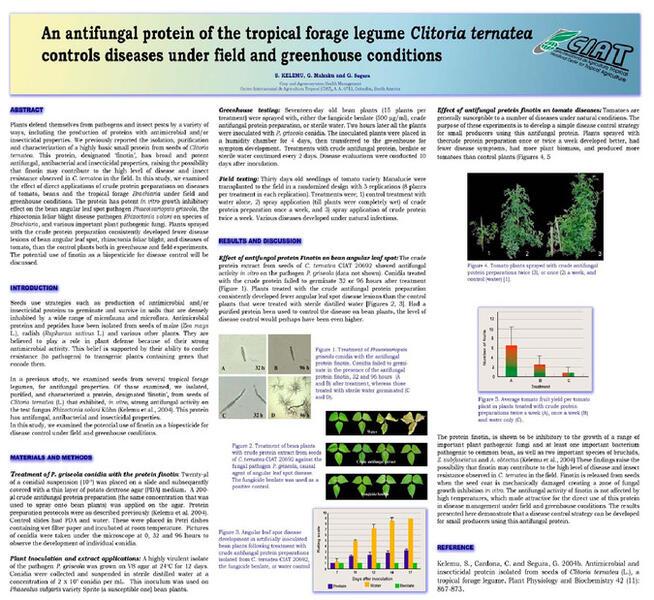
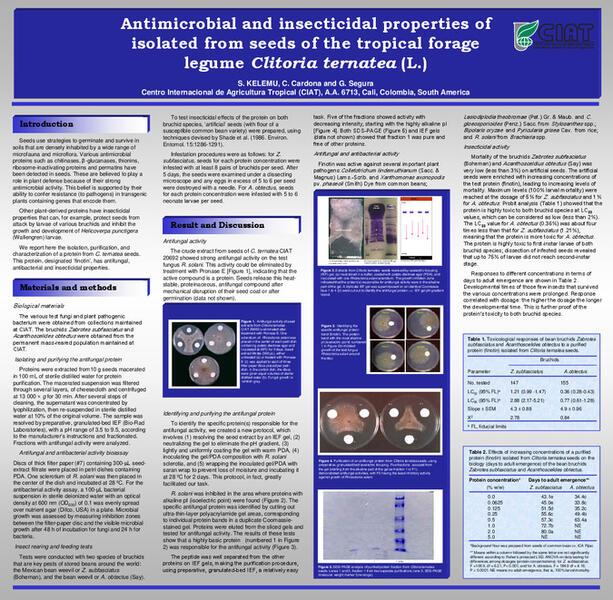
The seeds of Clitoria yield a protein called finotin, which possesses antifungal properties that inhibit fungal pathogens - organisms that infect living tissues and cause harm to plants and humans alike. Additionally, its robust roots contain compounds effective against parasitic worms (helminths) in humans and animals, offering a natural solution for treating parasitic infections.
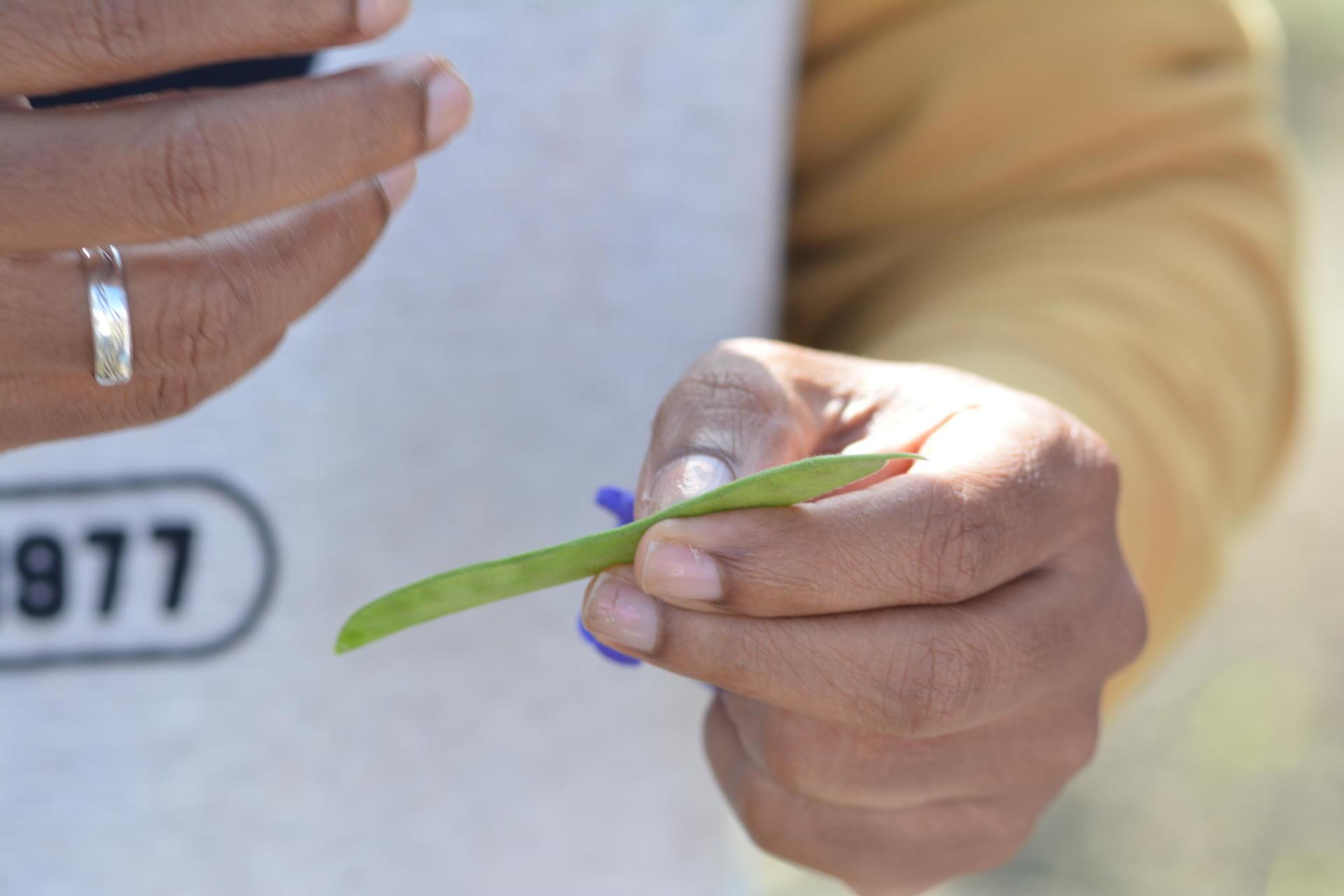
The vibrant blue petals are rich in cyclotides, compounds that act as natural insect repellents, particularly effective against whiteflies and bollworm caterpillar larvae. Furthermore, the pods, known for their high nutritional value, can be cooked and consumed, presenting an excellent dietary alternative to enrich and diversify the nutrition.
The blue ally of cassava
Clitoria is a strategic ally for other food crops. Its versatility also allows it to work with other crops such as:
- Corn and sorghum: improving soil nitrogen and favoring grain growth
- Banana and cacao: these crops cover the soil, reduce weeds and prevent erosion
- Cumbu Napier grass: improving forage diversity and overall performance in livestock systems
- Cassava: the deep roots of Clitoria control erosion, favor soil structure and increase its capacity to retain water, directly benefiting the growth of cassava, giving it color and productivity.
Like any good treasure, it has remained hidden, mainly because it is a foreign crop. However, its potential has begun to be recognized and it is expected that it will become increasingly popular and can be adopted, especially in Latin America and the Caribbean, for all the properties and benefits it offers.
At the Alliance's research campus, this species is conserved in the Future Seeds genebank, which contains 156 accessions representing the natural genetic diversity of Clitoria ternatea, each linked to a specific geographical origin. Ongoing research aims to further enhance the genetic potential of the species, promote diversity and reduce dependence on monoculture systems.
Michael dreams of the day when Clitoria ternatea unfolds its full splendor, while transforming agriculture into a more sustainable and resilient practice.
Scientist Involved

Michael Gomez Selvaraj
Leader, Digital Agriculture PlatformFAQs: Clitoria ternatea: the little blue jewel of fodder crops
1. What are the documented field performance metrics (e.g., biomass yield, seed yield, regrowth rate) of different Clitoria ternatea varieties under varying environmental conditions?
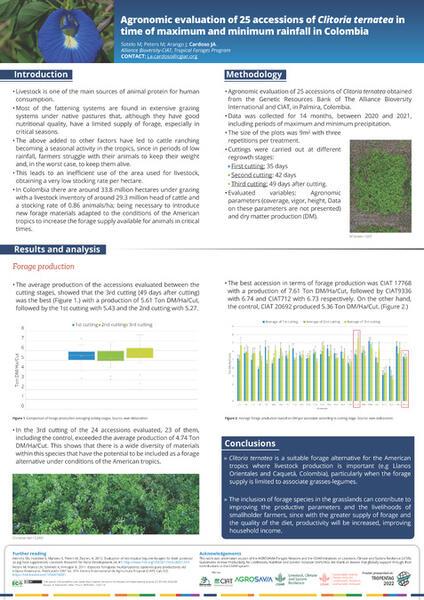
Clitoria ternatea demonstrates impressive resilience, with dry matter yields ranging from 1 to 29 tons per hectare per year under diverse conditions. Early trials in Australia recorded hay yields of 17–29 tons per hectare, comparable to alfalfa. More typical yields under sub-humid tropical systems are between 2 and 6 tons per hectare annually, though well-managed systems can exceed this. For example, the ‘Milgarra’ cultivar produced 4.2 tons of dry matter per hectare within four months. Regrowth studies indicate that harvesting every 42 days at 20cm cutting height results in consistent dry matter production, with each cycle contributing over one ton per hectare. A 45-day harvest interval has been found to optimize both biomass accumulation and forage quality. The performance of varieties can vary significantly depending on rainfall, soil conditions and genotype-by-environment interactions, highlighting the need to match cultivars to local conditions for best results.
2. What are the main pests, diseases, or agronomic challenges encountered when cultivating Clitoria ternatea at scale, and how can they be managed?
Cultivating Clitoria ternatea at scale presents several challenges, primarily from pests such as aphids, spider mites and whiteflies, which can damage foliage and reduce forage quality. Effective management techniques include the use of organic treatments such as neem oil and biological controls such as beneficial nematodes, along with targeted use of insecticides for specific pests like weevils. Fungal pathogens - including Cercospora and Rhizoctonia species - occasionally affect leaves, particularly in humid climates, though they are generally manageable with crop rotation, residue management and field sanitation. Weed competition during establishment is a critical issue that can hinder early growth. Field trials have shown that timely herbicide application, strategic row spacing and early weed suppression significantly enhance plant establishment and biomass output. Successful cultivation depends on an integrated agronomic package that addresses pest management, disease control and weed competition from the outset.
3. What is the economic viability and market pathway for smallholder and commercial farmers to integrate Clitoria ternatea into their systems?
The economic viability of Clitoria ternatea depends on access to reliable seed supply, market demand and integration into existing farming systems. For smallholder farmers, seed availability is often a challenge, as commercial interest in seed production is limited, and free NGO distributions can distort local seed markets. Encouraging small-scale seed packaging and building networks between producers, sellers, and agro-dealers can improve accessibility. Clitoria ternatea is economically attractive due to its nitrogen-fixing ability, which reduces the need for costly fertilizers, as well as due to its ability to boost livestock productivity, with reported liveweight gains of up to 1.3 kg per head per day. On the commercial side, the crop offers promising value-added opportunities, particularly in the production of herbal teas. In markets such as the Philippines, blue flower tea from the Clitoria ternatea flowers has gained popularity among health-conscious consumers, driving rural employment in cultivation, processing, and packaging. The popularity of ‘blue tea’ is beginning to spread globally, and success stories show that further research, extension support and financial incentives can accelerate adoption and make the crop a profitable component of both smallholder and commercial farming systems.
Related content