Blog Building regional capacity: training of trainers on predictive water and pasture monitoring & forecasting system

Across the Horn of Africa, climate extremes are eroding the stability of rural livelihoods. Pastoral and agro-pastoral communities face increasing uncertainty due to erratic rainfall, prolonged droughts, and growing competition for shrinking natural resources. These conditions disrupt food systems, drive migration, and intensify local conflict over water and grazing lands. Reliable, timely information is therefore vital to help governments, communities, and development actors anticipate shocks and act early.
A platform for drought preparedness
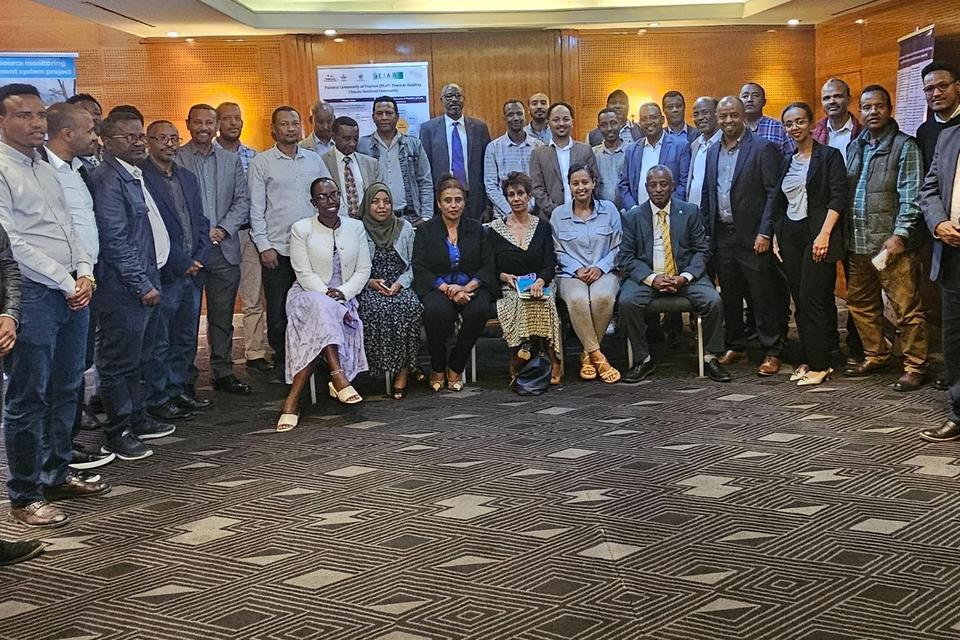
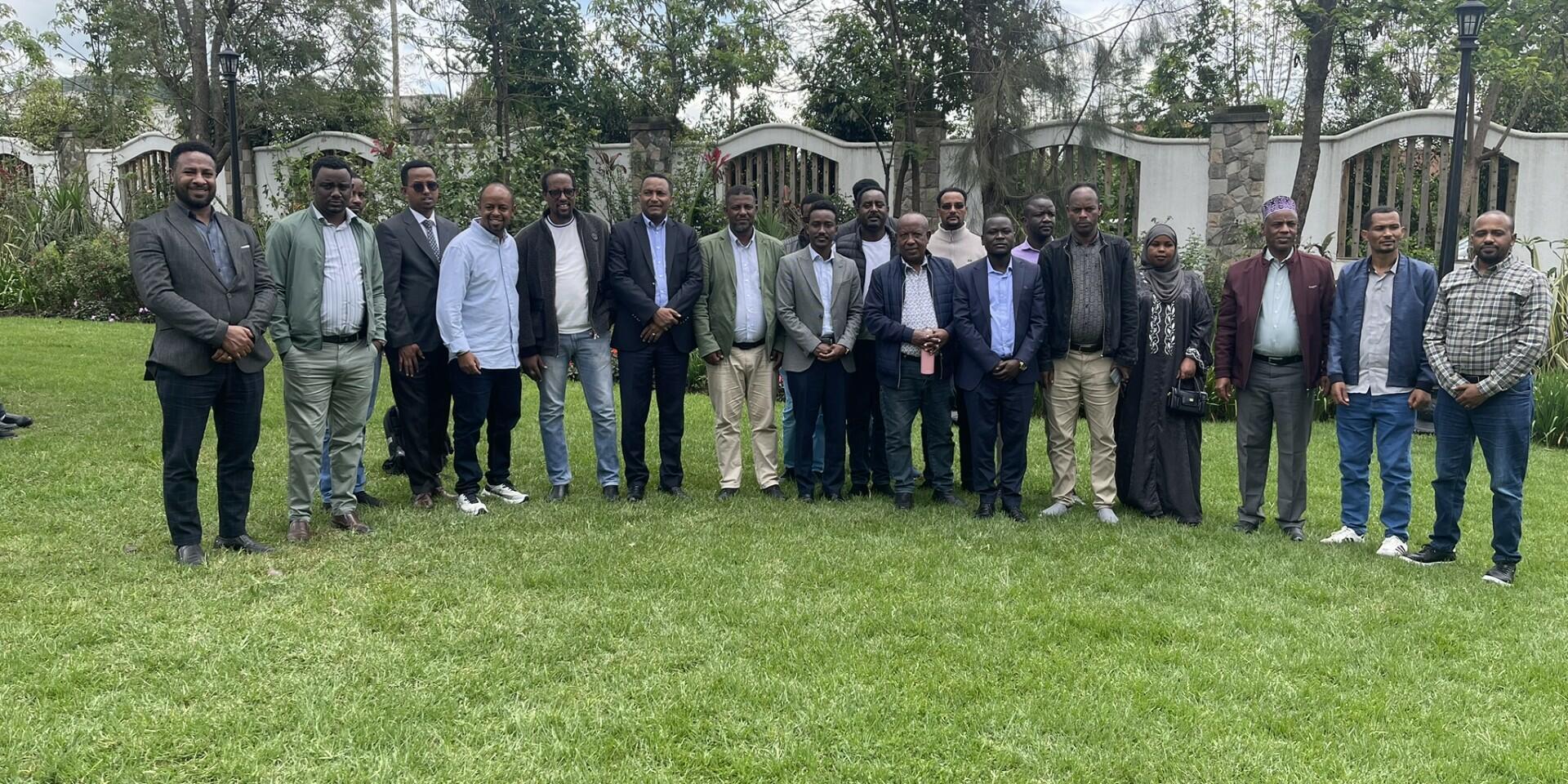
The Alliance of Bioversity International and CIAT, in partnership with the Intergovernmental Authority on Development (IGAD) and with funding from the African Development Bank (AfDB) through the Building Resilience for Food and Nutrition Security in the Horn of Africa (BREFONS) project, recently conducted a Regional Training of Trainers (ToT) on the Water and Pasture Monitoring and Forecasting System. Held in Bishoftu, Ethiopia, the intensive session brought together experts and practitioners from BREFONS implementing countries, these are Ethiopia, Kenya, and Somalia, along with representatives of leading non-governmental organizations. Participants included government agencies responsible for disaster risk management and rangeland resources, research institutions and universities focused on climate adaptation, and community-based organizations and NGOs that help disseminate early-warning information at the local level, creating a vibrant cross-border learning hub.
The platform was designed to serve a wide range of users, from those making decisions at the community level to regional institutions managing transboundary resources. For pastoral and community leaders, the system provides clear and accessible updates on water and pasture availability, helping them plan grazing rotations, identify alternative routes for herds, and avoid overgrazing in fragile ecosystems. For local authorities and county governments, the information enables more strategic deployment of water-trucking services, fodder reserves, and animal health interventions before conditions deteriorate. National disaster management agencies use the forecasts to trigger early warning mechanisms, while regional organizations such as IGAD can coordinate cross-border drought responses and reduce tensions over shared resources.
As Dr. Feto Esimo, Coordinator of the IGAD Drought Disaster Resilience and Sustainability Initiative (IDDRSI), noted, “This training demonstrates the power of regional collaboration, digital innovation, and indigenous knowledge to safeguard pastoral livelihoods.” His words capture the system’s defining feature: the integration of science, technology, and community insight to strengthen regional resilience.
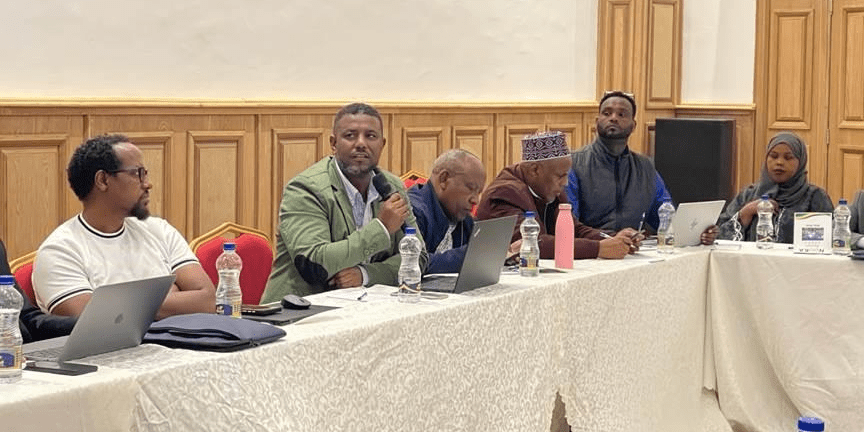
Dr. Feto Esimo
At the same time, development agencies and humanitarian organizations benefit from the system’s predictive analytics to target interventions more effectively from designing livelihood recovery programs to addressing the root causes of outmigration and resource-based conflicts. The platform provides a common evidence base that helps align community-level adaptation actions with broader regional resilience goals. In this way, it becomes not just a technical tool but a bridge connecting multiple users, from herders in remote drylands to policymakers in national capitals, around a shared understanding of risk and response.
The platform’s development was guided by an inclusive, user-centered design process that blended scientific innovation with community experience. From the outset, the Alliance and its partners engaged local stakeholders, researchers, and technical agencies to identify the information gaps that limit effective drought management. This participatory approach ensured that the platform was built not only on robust science, but also on the lived experience of pastoral communities who have developed deep traditional knowledge of their environments over generations.
By integrating indigenous knowledge indicators such as the timing of animal migrations, the behavior of birds and insects, or the flowering of key pasture species with satellite-derived data and climate models, the platform strengthens both accuracy and cultural legitimacy. Forecasts grounded in this dual knowledge system are more likely to be trusted, understood, and acted upon by communities who depend on them.
The recent regional Training of Trainers (ToT) held in Bishoftu, Ethiopia, offered tangible proof of how this co-creation is taking root and scaling up. The event convened participants from Ethiopia, Kenya, and Somalia, alongside representatives from government ministries, national research institutions, universities, and leading NGOs. These actors represent the full spectrum of end users as the platform was built to serve from field-level practitioners who collect local data to national analysts who produce policy advisories. The training provided intensive, hands-on sessions where participants learned to operate the system, interpret satellite and field indicators, and translate forecasts into early-warning advisories tailored to their contexts.
Empowering users
Participants gained practical, step-by-step experience operating the water and pasture monitoring and forecasting platform. They learned to interpret satellite-derived indicators, integrate ground-based observations, and generate timely advisories to guide decision-making. The exercises emphasized how the platform merges scientific forecasting with indigenous knowledge, ensuring that advisories remain culturally relevant, trusted, and easily adopted by pastoral communities.
Country teams also engaged in action-oriented simulations, applying the platform to real-world situations such as designing drought early warning advisories, planning livestock mobility, and scheduling water-trucking and pasture interventions for anticipatory action. This practical engagement deepened understanding of how the system can support drought preparedness and coordination between national and local levels. The diversity of participants fostered peer-to-peer learning, enabling knowledge exchange across borders and helping align regional approaches for the Greater Horn of Africa.
Key takeaways and participant recommendations
Participants reported that the ToT gave them the hands-on competence needed to operate and teach the system in their own institutions and communities. They highlighted several priority actions for the next phase of the platform’s development and scale-up.
- Regional scale-up: Given the system’s demonstrated success in improving drought preparedness, guiding livestock movement, and reducing conflict over resource scarcity, participants strongly recommended its expansion across all IGAD member states and other drought-prone regions.
- Integration of indigenous knowledge and scientific research: The seamless combination of traditional ecological knowledge with advanced satellite and climate analytics was identified as a defining strength. This integration enhances local ownership, makes forecasts contextually relevant, and enables the system to adapt to diverse dryland environments.
- Institutional embedding and capacity strengthening: Participants urged that the system be embedded within national early-warning platforms and that continued training ensure sustained technical capacity for its operation at all levels.
Expanded regional reach
As a result of this training, a cadre of regional trainers is now established across Ethiopia, Kenya, and Somalia, serving as key resource persons for expanding the platform’s reach. Local authorities and community-based organizations can now better anticipate drought impacts and guide pastoral movements based on evidence, reducing losses before crises escalate. Furthermore, the Training of Trainers model has proven to be a scalable framework that can be replicated in other IGAD member states, directly supporting the AfDB’s broader BREFONS goal of climate-resilient livelihoods in the Horn of Africa.
For policymakers like Dr. Fikru Regassa, State Minister of Livestock at Ethiopia’s Ministry of Agriculture, the tool’s regional significance is clear:
“This training underscores how the Water and Pasture Monitoring and Forecasting System, integrating advanced satellite analytics, real-time field observations, and indigenous knowledge, empowers governments and pastoral communities to make timely, evidence-based decisions on water and pasture management. Given that climate change knows no borders, we strongly encourage scaling this system beyond Ethiopia so that neighboring countries can also benefit from its early-warning capabilities and strengthen resilience across the entire Horn of Africa.”
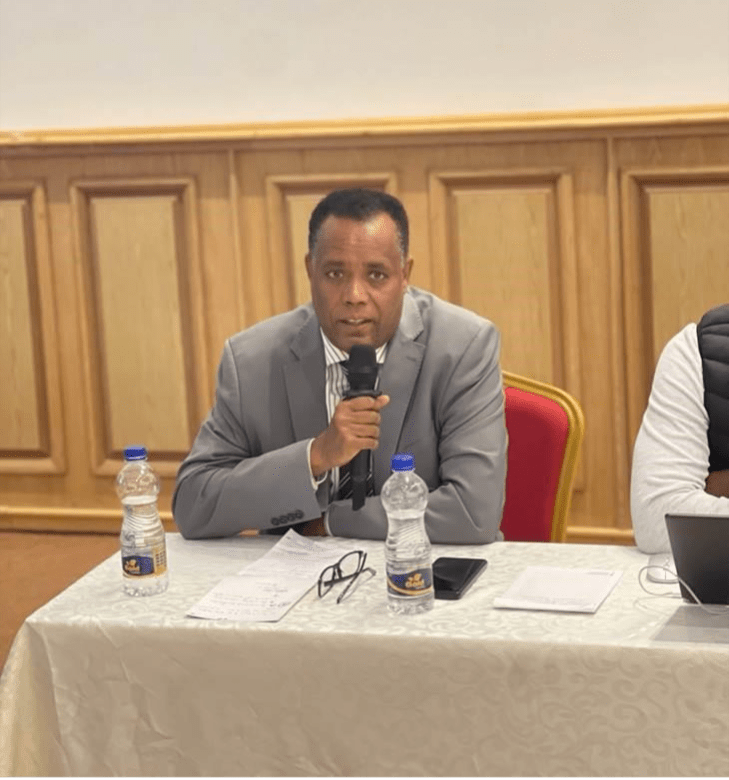
Dr. Fikru Regassa
That call for cross-border scale-up is echoed by Mr. Bishar Elmi, Director of Livestock Production at Kenya’s Ministry of Agriculture and Livestock Development:
“As someone working directly with pastoral communities in Kenya, I have seen how recurrent drought devastates livelihoods year after year. This Water and Pasture Monitoring and Forecasting System is exactly the kind of practical, science-based tool we need. By combining satellite data with local knowledge, it provides timely information that helps us plan grazing routes, manage scarce water, and protect livestock before a crisis hits.”
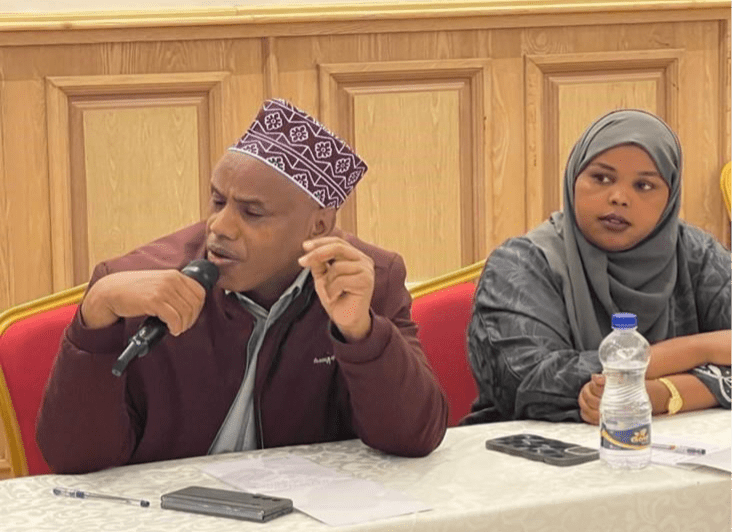
Mr. Bishar Elmi
By combining advanced science with the wisdom of local knowledge, the Predictive Water and Pasture Monitoring and Forecasting System is helping governments and communities move from crisis response to proactive resilience. Strengthened through regional collaboration under the BREFONS initiative, it is emerging as a vital tool for early action, food security, and stability across the Horn of Africa.
Keep exploring