Blog Beyond chemicals: The eco-intelligence of traditional pest control in Kenya

In the fields of Kenya, smallholder farmers are reviving ancient, eco-intelligent pest control methods, blending traditional knowledge with nature to build safer, resilient food systems.
When we think of conventional pest control today, what often comes to mind are shiny bottles of synthetic pesticides with complex names. Yet, long before laboratories and synthetic chemicals, farmers had their own laboratories — nature. Across different regions, as evident amongst smallholder farmers in Makueni and Kiambu Counties in Kenya, communities developed sophisticated ways to protect crops using local knowledge and natural materials. These aren’t just 'old-fashioned tricks'; they are eco-intelligent systems — rooted in local traditional knowledge, observation, biodiversity, and balance. These are quietly making a comeback as the world seeks greener, safer, and more resilient food systems. Numerous integrated pest management approaches exist, ranging from cultural, physical/mechanical, behavioral, biological and biochemical (botanical pesticides).
Outsmarting crop pests through cultural wisdom
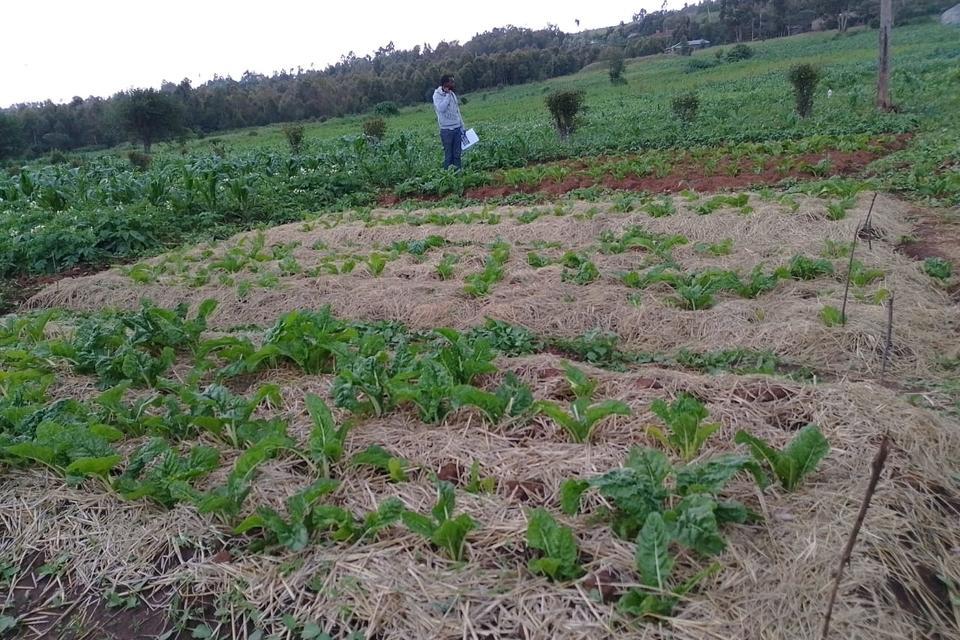
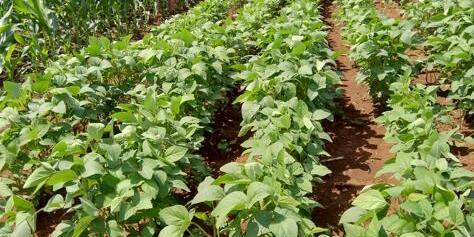
Traditional farmers didn’t fight pests head-on; they outsmarted them. Smallholder farmers in Makueni and Kiambu used numerous cultural practices involving crop rotation, intercropping, early planting, relay or staggered planting, tillage, fallowing and field sanitation: practices that are still embraced today. Many farmers practice crop rotation (alternating cereals with legumes or other crops) to disrupt pests and disease cycles. Besides, the practice of intercropping (mixing different types of crops) is dominant in the different communities. The diverse crops in the intercrop systems impair the ease of pests to locate their preferred crops, and promote the occurrence of diverse beneficial insects to manage the pests. Relay cropping (a practice that involves sowing crops in phases, where a second crop is sown into a standing first crop before the first crop is harvested), also provide several ways for crop protection by suppressing weeds through utilization of available resources, covering soil to hinder weed germination and growth, and increasing the number of pest predators. Most farmers also manage pests by observing field sanitation through clearing residues, burying (rouging) or burning infested biomass. Although the burning of infested biomass has its environmental costs, the idea of elimination of pests is a core practice. Some farmers also embrace continuous tilling of their lands to expose the pupae and eggs of soil-dwelling pests, for predators and sunlight either eat or kill them. Others also practice fallowing, giving the land time to recover, thus starving pathogens and restoring soil fertility. Some also do early planting to reduce pest density and crop damage. Others also mentioned use of wood ash, sand and rabbit urine in the control of certain pests.
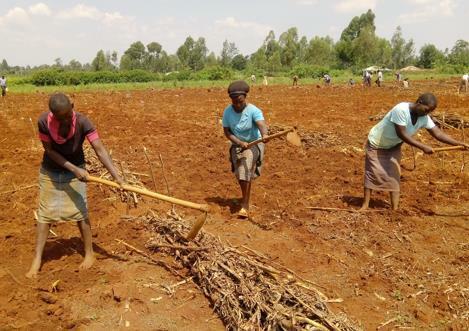
Outsmarting pests through timely land preparation and planting. Photo credit: Peter Bolo, CIAT
The magic of plant-based concoctions (biopesticides)
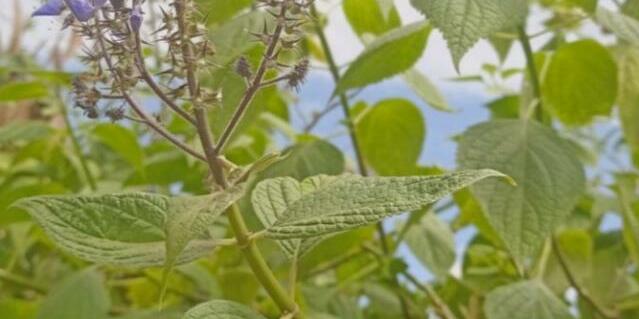
Besides the cultural methods, most farmers have been using a variety of plants with insecticidal, repellent, or anti-fungal properties to make natural sprays and powders. These are commonly prepared in various ways before they are used. Different parts of specific plants are infused, either solely, or in combination with other parts or plants, and these involve the roots, leaves, flowers, seeds, bark and/or stems. The concoction/infusion preparation methods involve crushing or pounding fresh plant materials, soaking/fermentation in water for at least 24 hours under controlled conditions, filtration, mixing with detergents (stickers), diluting and spraying to manage pests. The most commonly used plants include neem, tephrosia, chilli/pepper, garlic, onion, lantana camara, tithonia, pyrethrum, eucalyptus, lemongrass, Mexican marigold, aloe vera, tobacco, sodom apple and pawpaw, among others.
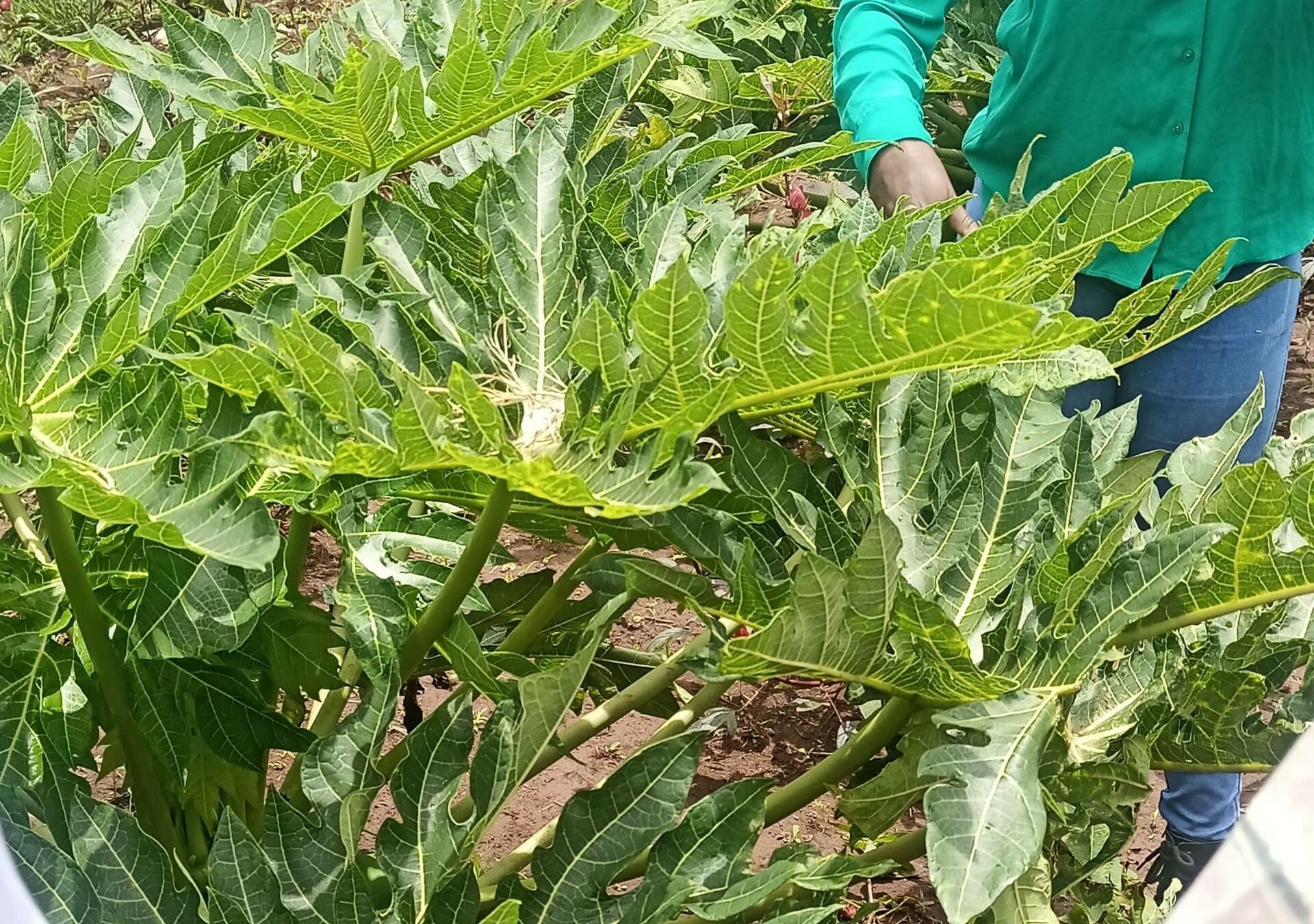
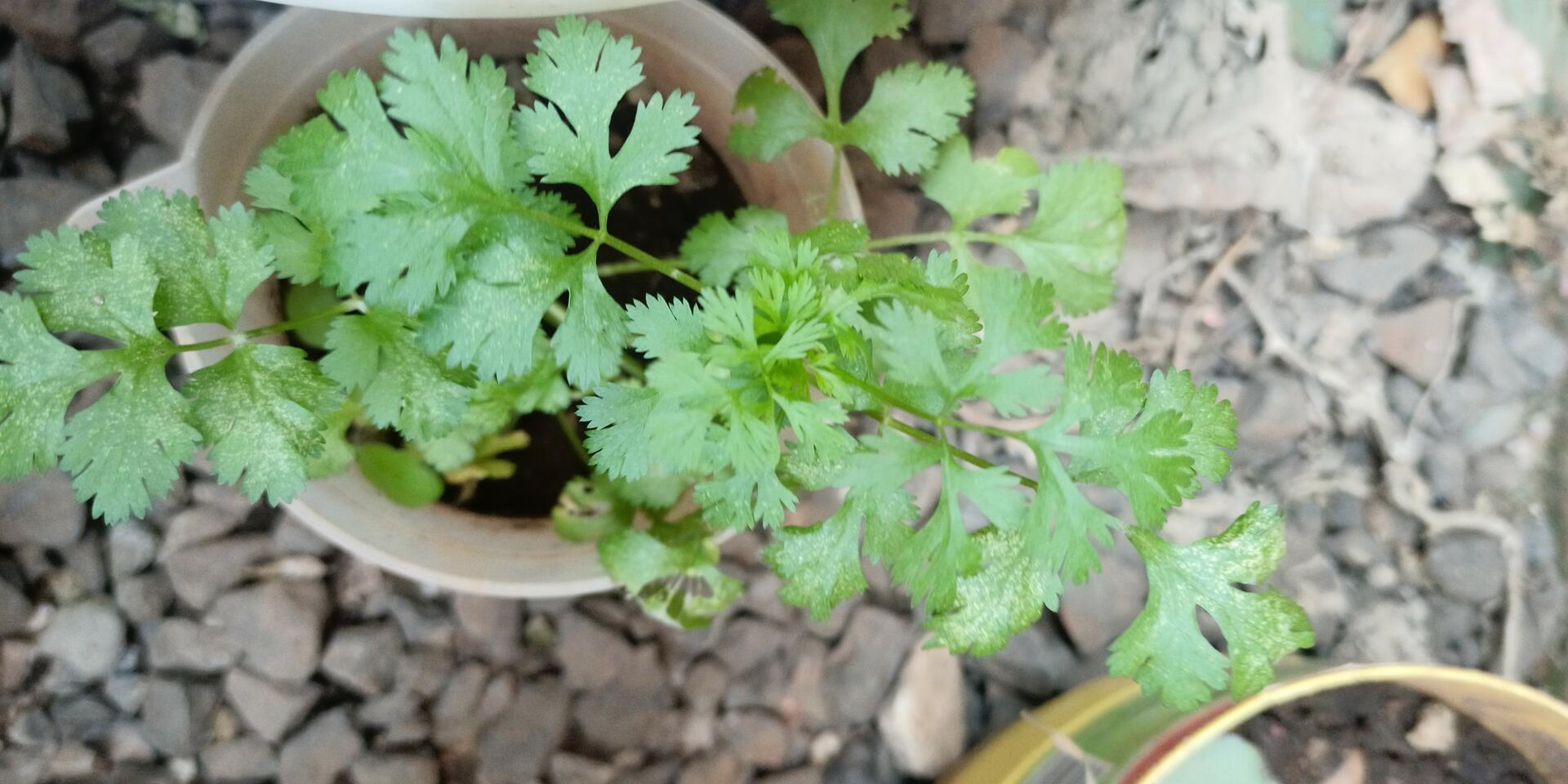
Common plants used as botanical pesticides in both counties: Photo credit: Peter Bolo, CIAT
These botanical pesticides have different active compounds and may have different modes of action. Some of the farmers noted the benefits associated with these botanical pesticides being eco-friendly, easy to make, affordable, and often safer than commercial chemicals, with the majority being effective on soft bodied pests. Besides, some also embrace behavioral methods involving use of attractants (e.g. planting maize and sunflower so the weaverbird will attack the sunflower and leave maize); repellents (e.g., planting vegetables alongside onions/coriander that produce repellent smells) and employing push-pull technology (e.g., planting napier grass and desmodium with maize to control striga and stem borers). Laurent Kyalo, a smallholder farmer from Makueni said,
“As a smallholder farmer, I use neem-based biopesticides to control aphids and other soft-bodied pests in beans and maize. From my experience, these concoctions work just as well as commercial pesticides. The advantage is that neem is locally available, affordable, and safer to use. I can prepare it myself, reduce costs, and protect my health and the environment at the same time.”
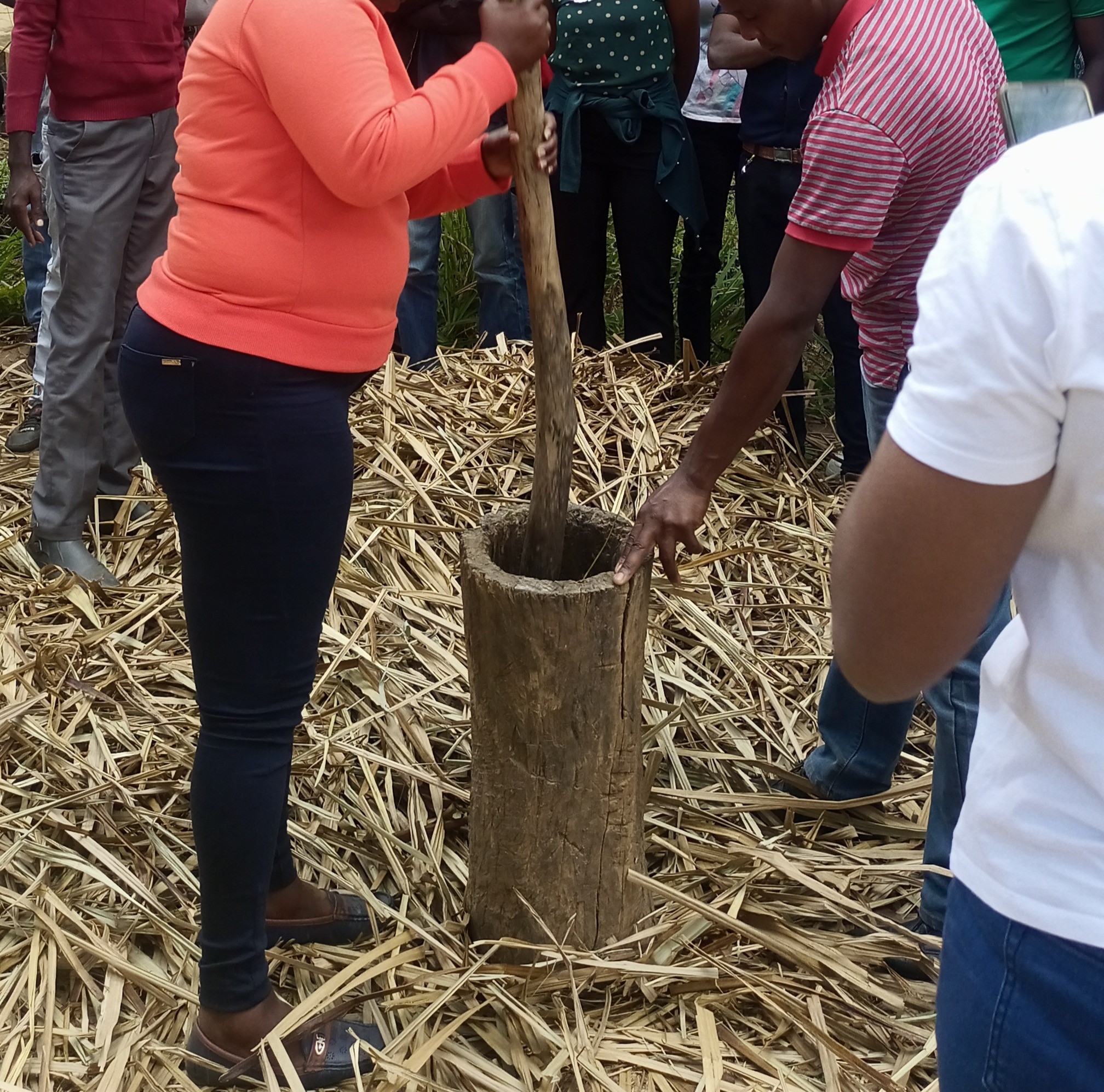
On-site preparation of neem-based botanical pesticide in Makueni. Photo credit: Peter Bolo, CIAT
Integration of physical (mechanical) and biological methods
Some farmers have also been using numerous physical/mechanical pest control methods to manage various pests. Some of the physical methods mentioned involved picking of some pests by hand, using traps, using guard animals like dogs, using smoke from burning dry leaves to repel insects, putting up scare-crows, using barriers like nets and fences, soil tillage, among others.
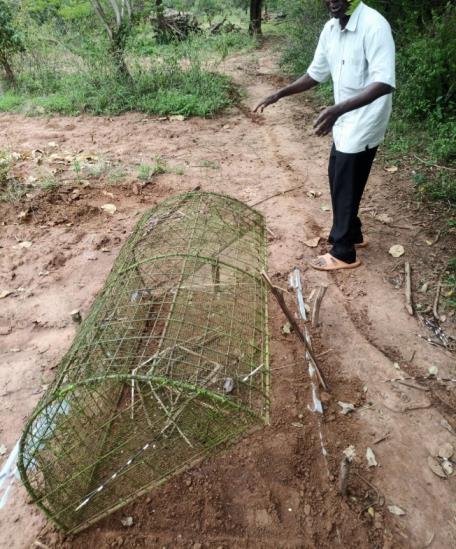
An on-farm physical trap in Makueni. Photo credit: Peter Bolo, CIAT
Besides, various methods for post-harvest pest management also emerged, involving proper storage, use of well-ventilated traditional raised granaries, proper sun-drying of grains, mixing grains with ash, and adding neem or herbal leaves. Numerous biological pest control methods also exist including conserving of natural enemies that feed on pests (e.g predators like ladybird that eat aphids, praying mantis that manage caterpillars, lacewings that control soft-bodied pests, or cats that hunt and eat rats); parasitoids that lay eggs inside or on insect pests (like trichogramma wasps and braconid wasps that parasitize caterpillar eggs and attack borers), the use of microorganisms that infect an kill pests (like bacillus thuringiensis for caterpillars and beauveria bassiana fungus for whiteflies and aphids).
Therefore, as concerns over pesticide resistance, environmental contamination, and human health risks continue to grow, these indigenous practices offer valuable lessons for today’s food systems transition. Rather than replacing modern science, traditional knowledge complements it; providing locally adapted solutions that can be improved and scaled through participatory research.
Recognizing, documenting, and supporting farmer-led innovations is therefore critical to help build safer, more sustainable, and climate-resilient food systems for smallholder farmers in Kenya and beyond.