Blog Bagging savings: Accelerating impact with PICS bags to protect harvests and livelihoods
Every harvest season in Malawi, the impact of crop losses is felt by farmers, who rely on their harvests for survival. The floors of grain warehouses tell a grim tale: mountains of maize, beans or groundnuts devoured by tiny, relentless pests. At the national level, the Agricultural Development and Marketing Corporation (ADMARC) loses millions of Malawian Kwachas in food reserves. Whilst for the government food loss equals forex losses, for farmers like Charles Banda from Lilongwe, the losses hit home in a more personal way.
“I used to watch weevils destroy half of my harvest,” Charles recalls with frustration. The chemicals I bought were expensive, mostly fake and they made my family cough. It felt like we were farming for the pests, not for ourselves.”
The emotional toll on Charles was immense. The loss of harvests meant fewer meals on the table and less money for school fees and healthcare. Each season left him more hopeless. Charles’ situation is not unique. In Malawi, where 80% of the population relies on agriculture, nearly one third of harvests are lost before reaching markets or kitchens. For families already grappling with the effects of climate change, these losses only worsen the existing cycle of hunger and poverty.
While pesticides can offer temporary relief, they come at a steep price, potentially damaging farmers’ and consumers’ health, draining limited finances, and harming the environment.
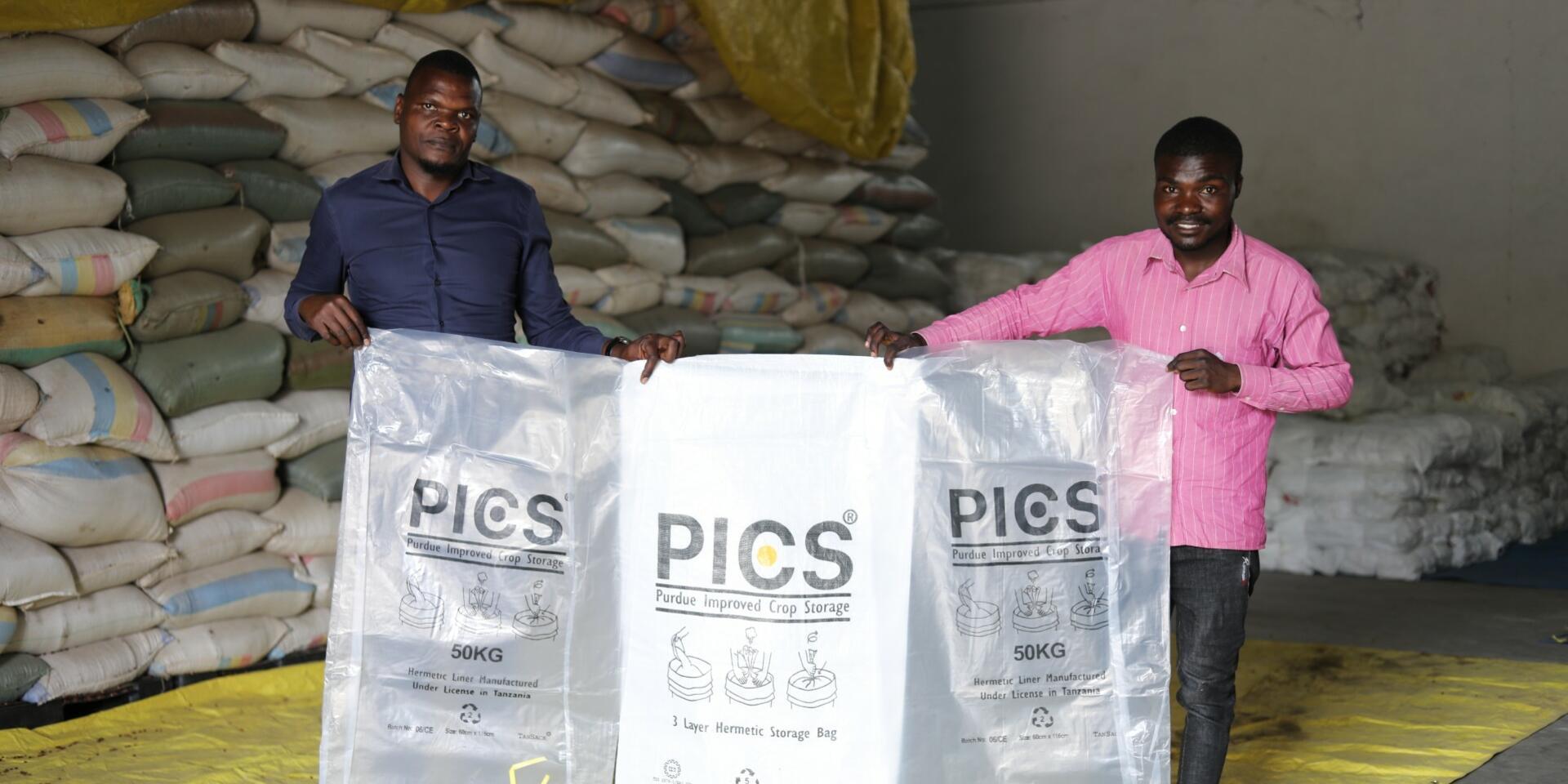
Recognizing the urgent need for a safer solution, PICS Esa Limited, Malawi (a subsidiary of PICS Global) seized the opportunity for change. Their solution was simple; the Purdue Improved Crop Storage (PICS) bag. These triple-layer, airtight storage bags preserve grain without chemicals. By cutting off oxygen, the bags suffocate pests and prevent moisture damage, offering farmers a safe, cost-effective alternative.
Yet even a breakthrough solution requires more than just a good product; it requires scaling. PICS Malawi faced significant barriers in reaching farmers, limited distribution networks, low farmer awareness and insufficient working capital. Despite the bag’s potential, the company struggled to expand its impact. However, important progress was made in 2024.
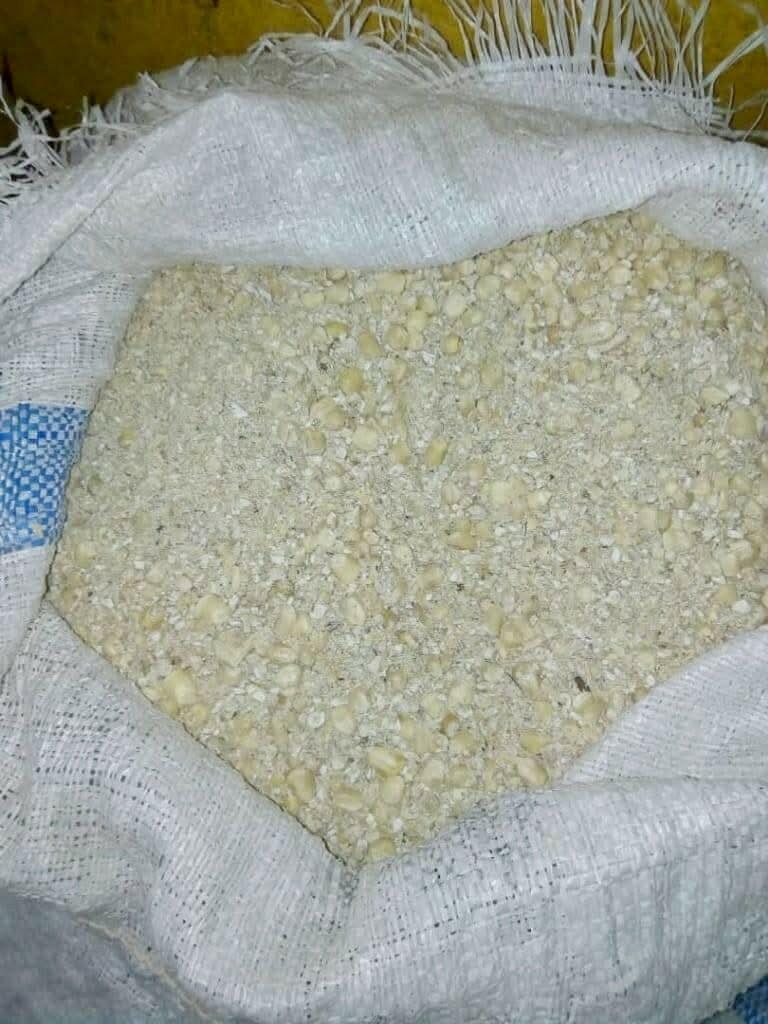
Part of the 10,000 metric tons of Maize destroyed by pests at ADMARC warehouse in 2023.
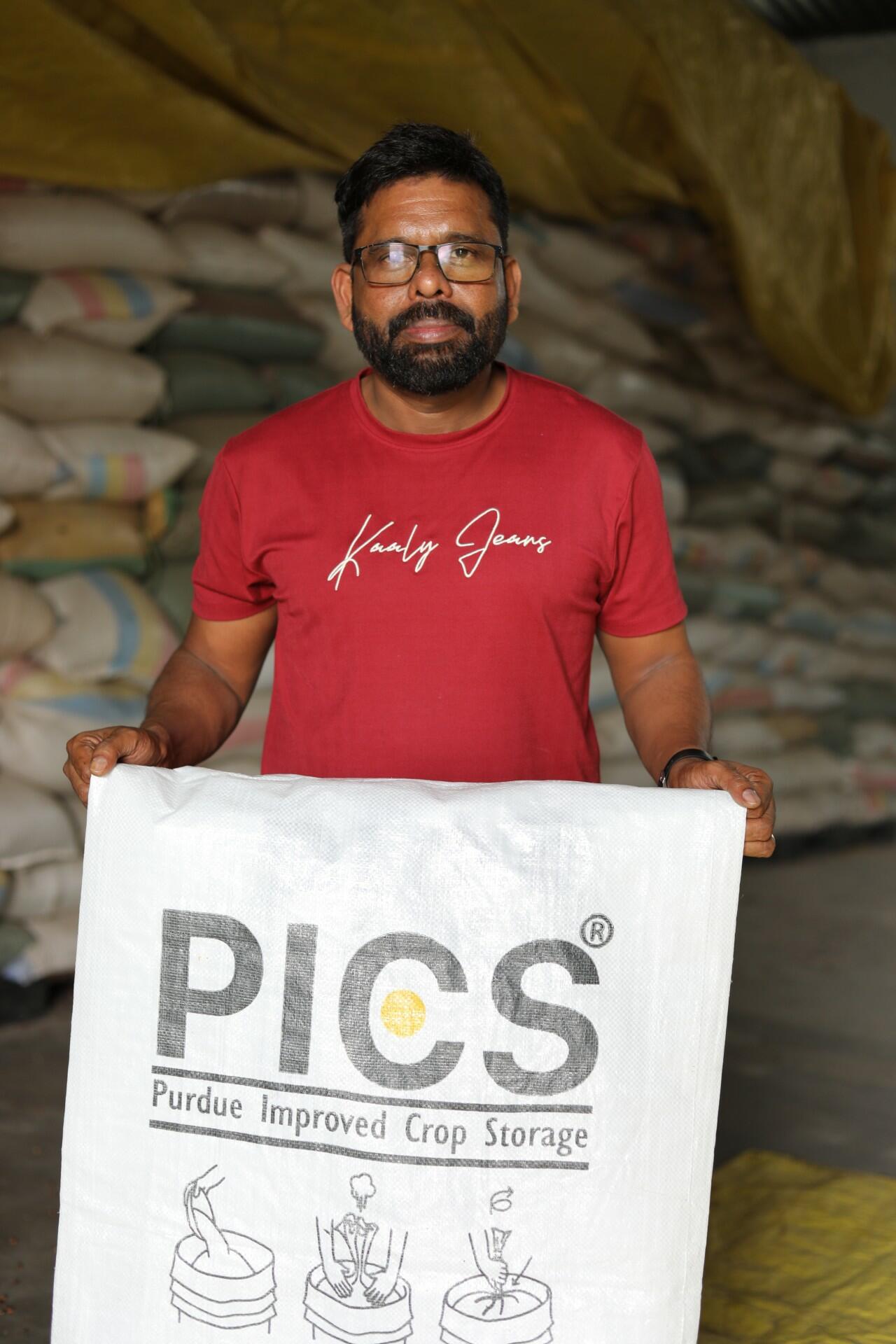
Pradeep Purushothaman, PICS Malawi Director accessed $75,000 to scale operations.
With support from the Business Acceleration for Youth project implemented by the Alliance of Bioversity International and CIAT in Malawi, PICS secured a $75,000 matching grant combined with critical business support.
“Before working with the Business Acceleration for Youth project, we struggled with market penetration, distribution and working capital. The project linked us to business development experts to refine our marketing strategies, improve financial management and strengthen our business model. The $75,000 grant allowed us to scale our production especially in this tough economic situation, expand farmer awareness initiatives and build partnerships with 200 additional agro-dealers” said Pradeep Purushothaman, PICS Malawi Director.
The funding and expert guidance empowered PICS Malawi to procure 77,500 PICS bags which can store 5,500 metric tons of grain per season, benefiting 10,000 farming families in Malawi. This expansion allowed PICS to set a target of selling 600,000 bags in the coming season (April-August 2025), a 15% increase from last year, and serve approximately 75,000 families. With stock available ahead of time, the company is now well positioned to meet growing demand, avoiding the missed sales opportunities that had plagued them in the past.
In addition to the $75,000 grant, PICS Malawi invested $22,500 in matching funds which they used to procure more bags and carry out awareness campaigns, making PICS bags even more accessible to farmers across Malawi.
The impact goes beyond storage solutions. The company has also generated jobs in sales and distribution, and has recruited more than 350 agro-dealers aligned with the project’s goal for supported firms to create employment opportunities. In an age of increasing environmental awareness, PICS bags also offer reduced plastic waste due to their multi-year reusable design.
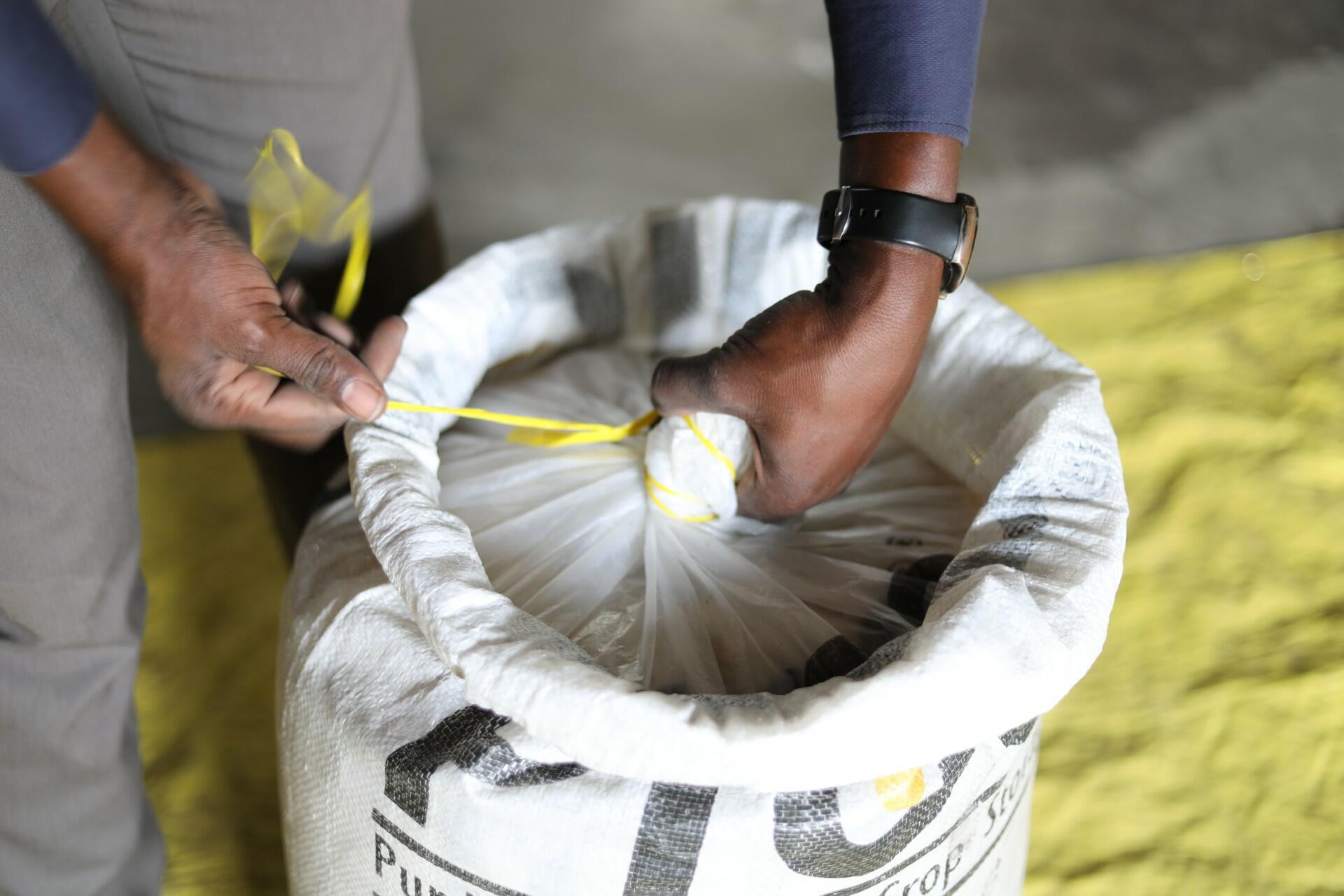
A farmer demonstrating how to store grains in a PICS bag.
The project’s acceleration program works with 61 micro, small and medium-sized enterprises across various sectors, offering tailored technical support, mentorship and finance to upscale operations and extend impact. As PICS Malawi grows, it is not just about protecting harvests, it is about empowering farmers and young people alike, creating a food-secure future for Malawi.