Blog How ASEAN cross-country learning is boosting the Philippines' food systems transformation
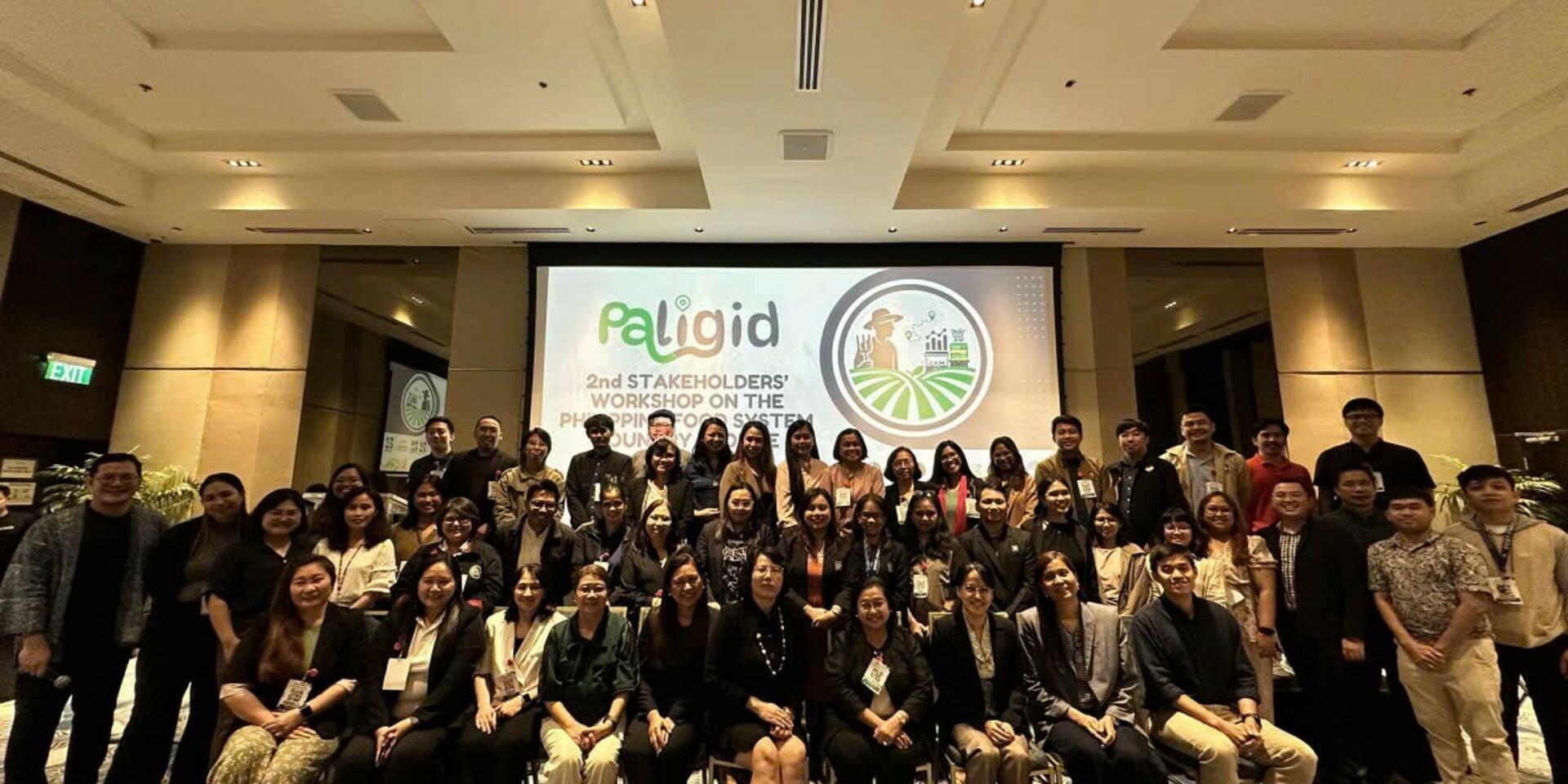

Transforming a nation's food system requires more than data; it demands collaboration, shared learning, and the collective wisdom of diverse stakeholders. In the Philippines, an innovative cross-border partnership is bringing these elements together, with the Alliance of Bioversity International and CIAT working alongside Filipino partners to translate evidence into action.
Throughout 2025, the Alliance's Food Environment and Consumer Behavior (FECB) team in Vietnam has been partnering with the Philippines' Department of Science and Technology – Food and Nutrition Research Institute (DOST-FNRI) to co-develop the country’s Food System Country Profile. Under the ASEAN-CGIAR Innovate for Food and Nutrition Security- Intervention Package 8 (IP8) Program, the collaboration represents a significant step in building the evidence base necessary for sustainable food systems transformation in the Philippines and across the neighboring Southeast Asian nations.
Cross-border learning in action
The reciprocal visits sealed the cross-border partnerships for food systems transformation in the archipelago. In March 2025, the Alliance team visited DOST-FNRI in Manila to initiate discussions and share experiences in developing food system profiles in Vietnam and Cambodia. The June 2025 exchange visit in Hanoi allowed Filipino food and nutrition experts to learn directly from the Alliance’s work on national and subnational food systems profiles.
As the exchanges laid the groundwork for a participatory and evidence-based approach tailored to the Philippine context, the methodology applied draws on both the framework developed by FECB researchers and the Vietnam team’s experience. Through the DOST’s PALIGID Program, the joint effort will highlight participatory and inclusive stakeholder engagements as evidenced in preparing potential indicator lists, facilitating group discussions, and applying best practices to ensure transparency and shared ownership.
Building consensus through consultative meetings
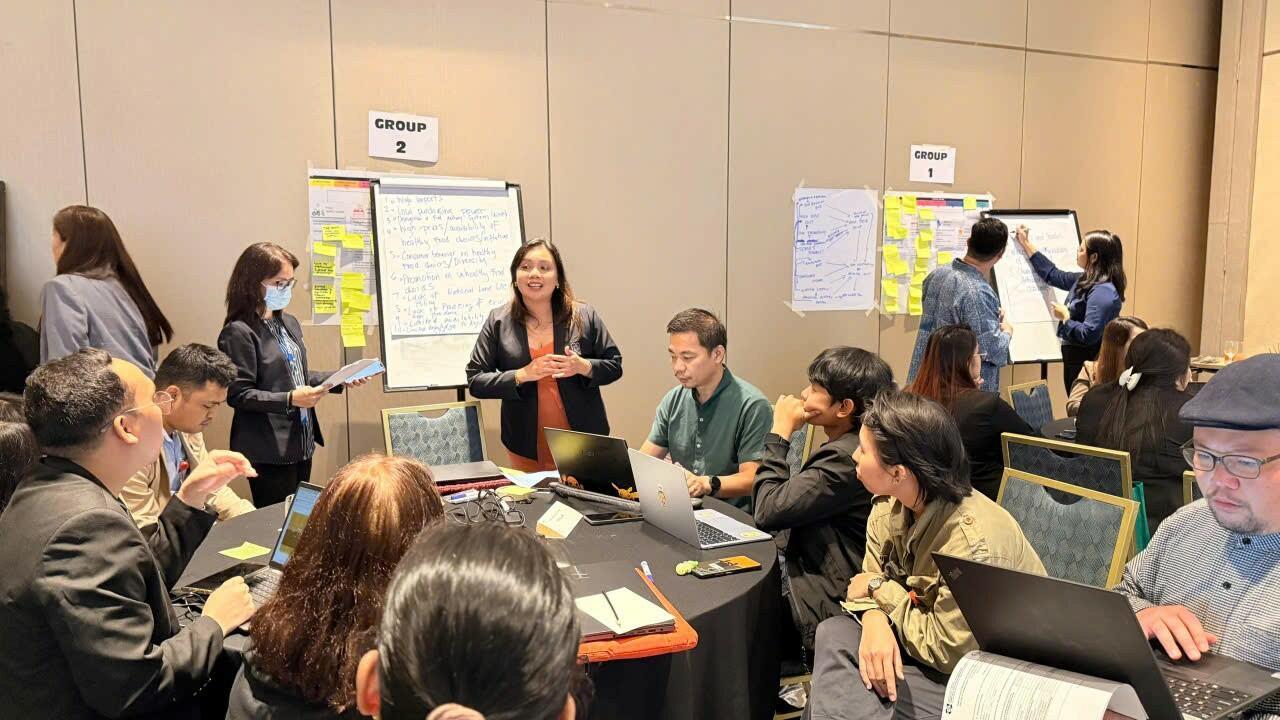
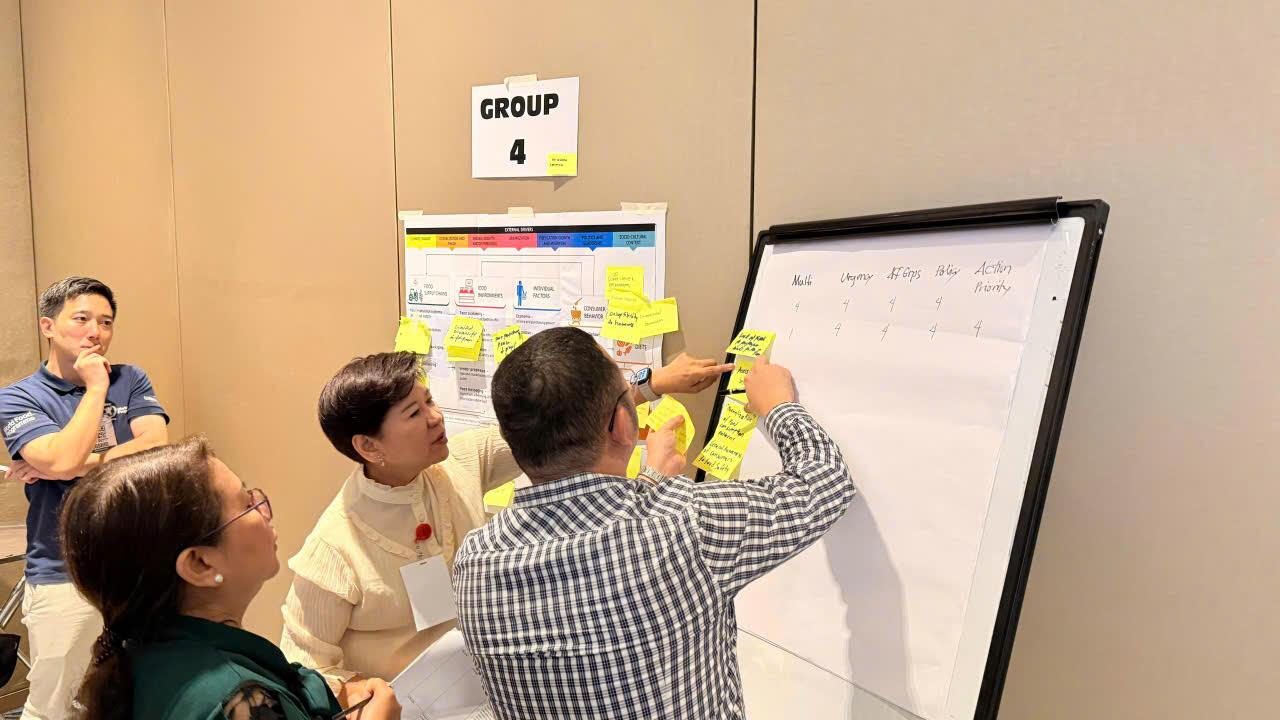
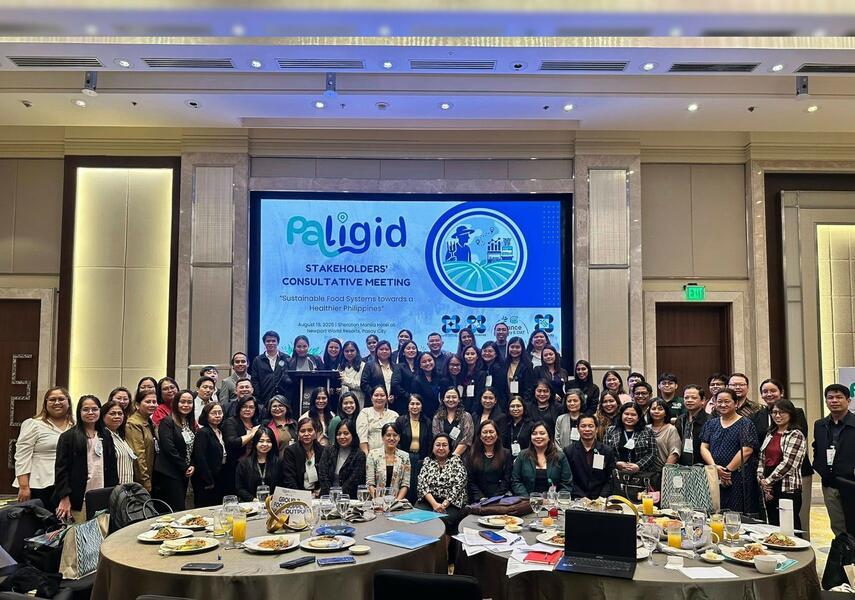
The participatory process took center stage at two critical stakeholder consultative meetings. On 19 August 2025, the first Stakeholders’ Consultative Meeting gathered more than 60 participants from government, academia and international agencies.
Tuyen Huynh - Lead of the FECB team in Asia - along with Senior Research Associates Huong Pham and Quoc Nguyen, provided technical support. The team introduced the IP8 framework, presented participatory methodologies, and co-facilitated group discussions with DOST-FNRI colleagues to review and validate a proposed list of 269 indicators representing different aspects of the food system.
One month later, the second Stakeholders’ Consultative Meeting convened over 50 participants from diverse sectors, including climate change, trade, food supply chains, nutrition, and health. Co-led by DOST-FNRI and Alliance experts, the sessions focused on scoring and selecting indicators, and identifying priority issues and leverage points across four groups: (1) drivers, (2) food supply chains, (3) food environment and consumer behavior, and (4) food system outcomes. Through rigorous scoring and ranking, participants narrowed more than 260 proposed indicators down to approximately 60 pre-selected options, which were further refined into a final list of 49 indicators. Stakeholders also identified key food system challenges and proposed actionable solutions to stimulate the supply and consumption of sustainable, healthy foods.
Looking ahead: A regional approach to food systems transformation
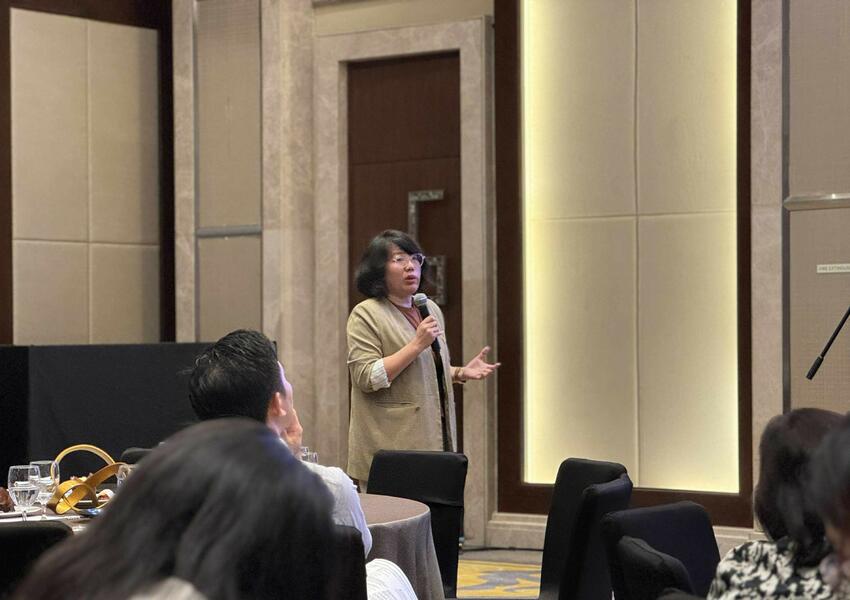
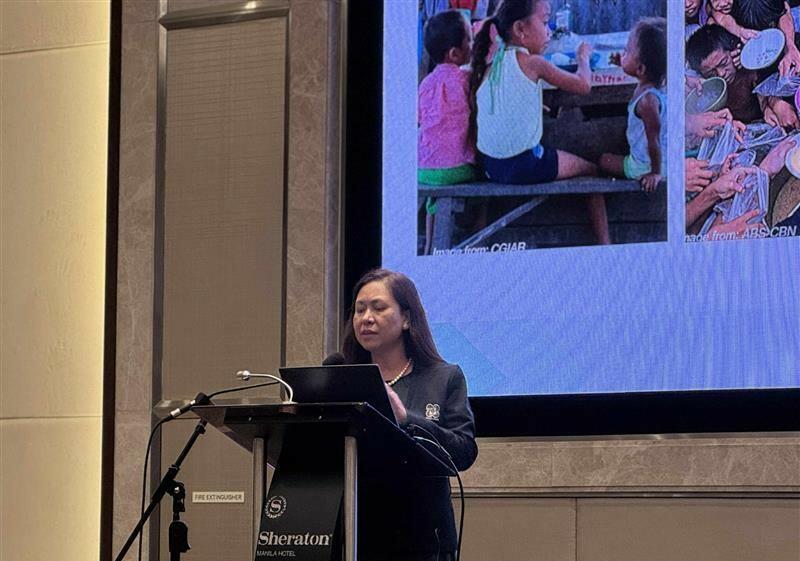
Dr. Leah J. Buendia - DOST Undersecretary for Research and Development - emphasized that this initiative represents an important step in strengthening national food systems through evidence-based planning, collaboration, and innovation, reflecting a commitment to building food systems that are resilient, inclusive, and responsive to the needs of all Filipinos. Dr. Mildred O. Guirindola - PALIGID Program Leader - underscored the importance of inclusive, evidence-based collaboration in shaping healthier diets for the Filipino population.
The work in the Philippines is just the beginning of a broader regional vision. In the coming months, DOST-FNRI and the Alliance will consolidate feedback, finalize the indicator list, and complete the Philippine Food System Country Profile.
However, what comes next is beyond that: the Alliance teams and partners will also collaborate to develop a regional transect food system profile, capturing variations across geographic, socio-economic, and food environment contexts in three countries (Cambodia, Vietnam and the Philippines). The refined output will be further validated by the partners and participants in each country and further disseminated at international and national conferences and seminars in 2025 and 2026.
This collaboration exemplifies the growing momentum across ASEAN to co-develop evidence-based and practical tools for food system transformation. By linking methodologies and experiences from Cambodia, Vietnam and the Philippines, the Alliance and its partners are building a shared regional approach that will strengthen national pathways towards healthier, more sustainable, and more inclusive food systems.