Agroecological practices as non-market approaches for climate action in the Andes
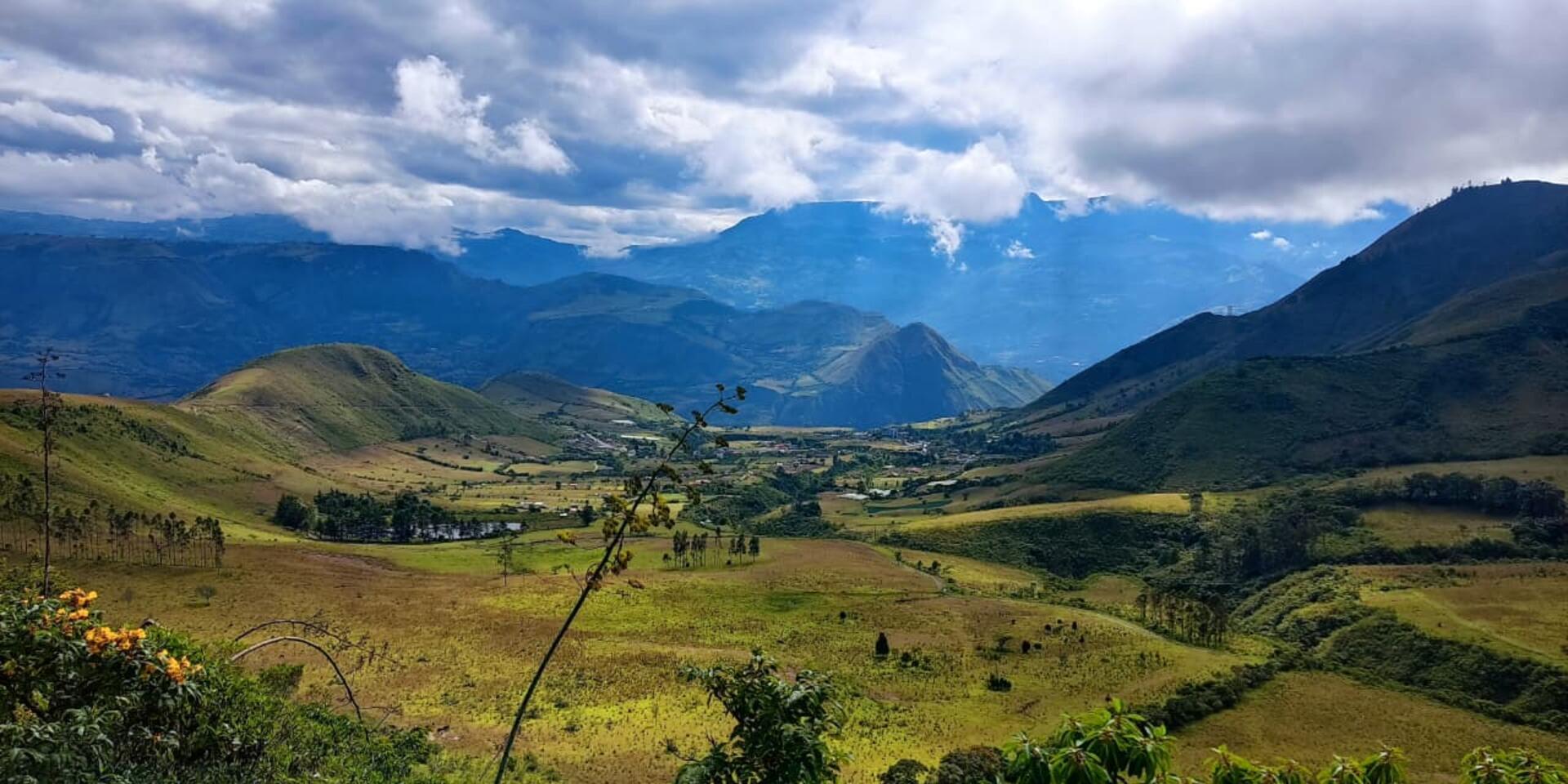
This project evaluates how agroecological practices can serve as non-market approaches (NMAs) under Article 6.8 of the Paris Agreement, using evidence from the Andes to inform climate policy and sustainable development strategies.
Project name: Assessing agroecological practices as non-market approaches for climate action: A synthesis of evidence from the Andes
Start and end year: December 2024 – December 2027
Region and countries: Andes (Bolivia, Ecuador and Peru)
Funders: McKnight Foundation
Partners: International Potato Center & Universidad Mayor de San Andrés
Brief Description
NMAs represent mechanisms that allow Parties and stakeholders to collaborate to achieve their nationally determined contributions through mitigation and adaptation actions that support sustainable development and poverty eradication, without relying on carbon markets. The project is inspired by a UNFCCC report stating: “One observer that provided views and information on initiatives, programmes and projects for facilitating NMAs mentioned joint mitigation and adaptation, agroecology and community-led conservation approaches.” Our study seeks to test the assumption implied in this observation. This project serves two key purposes. First, it responds to the UNFCCC call for "the best available science" to guide climate action and policymaking. Second, it helps address a major challenge in implementing Article 6.8: the identification of initiatives that can be registered on the NMA Platform.
The project comprises two interlinked components: research and engagement
The research component focuses on testing the assumption that agroecology facilitates NMAs by examining agroecological projects in the Andes funded by the McKnight Foundation and others. The study will use data from these projects, which are assumed not to be designed for the carbon market and therefore do not involve the use or transfer of internationally transferred mitigation outcomes, to answer a set of guiding research questions that align with the UNFCCC checklist for assessing initiatives eligible for registration on the NMA Platform and feedback from the UNFCCC Secretariat on an earlier version of this brief.
| Guiding questions | Corresponding question from the UNFCCC checklist and based on Secretariat feedback to this brief |
| How does the project promote mitigation and adaptation? | Does the initiative aim to promote mitigation and adaptation ambition? |
| How does the project contribute to sustainable development and poverty eradication? | Does the initiative assist Parties in implementing their NDCs through finance, technology development and transfer, and capacity-building? |
| How does the project foster technology transfer and capacity building? | Does the initiative assist Parties in implementing their NDCs through finance, technology development and transfer, and capacity-building? |
| How does the project foster collaboration between sectors? | Does the initiative enhance public and private sector participation in NDC implementation? |
| How does the project foster linkages with institutional arrangements? | Does the initiative enable coordination across instruments and relevant institutional arrangements? |
| How does the project promote human rights, gender equality, and inclusivity? | Is the initiative consistent with the eleventh preambular paragraph of the Paris Agreement? |
| How does the project minimize negative environmental, economic, and social impacts? | Does the initiative minimize and, where possible, avoid negative impacts? |
| How does the project contribute to implementing the host country’s NDCs? | Add a specific question on how the potential NMA contributes to implementing the host Party’s NDC. |
This component will develop the research methodology, assess existing and needed data and identify key actors who will be involved in conducting the assessment. The primary output will be a synthesized body of evidence from the Andes agroecological projects, presented in a peer-reviewed manuscript.
Findings from the research will inform tailored outreach materials to engage relevant global and national climate actors. The goal is to foster recognition of agroecology as a viable NMA and support its integration into policy and implementation strategies under Article 6.8. The below table presents potential engagement materials depending on the target actor.
| Engagement material | Target Actor | Purpose |
| Submissions to UNFCCC calls for input on Article 6.8 | Climate negotiators | Inform discussions of the Glasgow Committee on NMAs and influence related national policies. |
| Policy brief | National focal points for Article 6.8; government climate experts | Support identification and registration of agroecology-based NMAs on the NMA Platform and promote their development. |
| Webinars | Potential NMA project proponents | Share findings and build capacity to design NMA-eligible agroecology projects. |
Vision
The project envisions a future where agroecology-based initiatives are formally recognized as legitimate and scalable NMAs that can contribute meaningfully to sustainable development and poverty eradication. Such recognition could catalyze broader support through financing, capacity building and technology transfer, which will help strengthen and expand the agroecology movement across diverse contexts.



Project members

Maria Eliza Villarino
Research Fellow