Projects and Flagship Initiatives in the Democratic Republic of the Congo
These projects and initiatives aim to improve crop breeding and seed systems, promote sustainable and climate-smart farming practices, and strengthen value chains to boost farmers’ incomes and resilience. They also focus on capacity building, gender empowerment, and community engagement, ensuring that smallholder farmers, particularly women, have better access to high-quality seeds, innovative technologies, and new market opportunities.
Support to the Agroecology Coalition Secretariat
This project, supported by IFAD and the European Commission (EC), aims to strengthen global coordination and implementation of agroecology as a transformative approach to food systems. While agroecology is increasingly recognized as key to addressing climate change, biodiversity loss, and declining soil health, efforts remain fragmented across countries and institutions, limiting scale and impact. Supporting the Agroecology Coalition Secretariat enables better coordination among stakeholders, alignment of policies and strategies, mobilization of financing, and dissemination of evidence and best practices. This in turn accelerates the transition toward more sustainable, resilient, and equitable food systems, particularly benefiting smallholder farmers in vulnerable regions.
Support Project for the Development of Agricultural Value Chains in Six Provinces (PADCA- 6P)
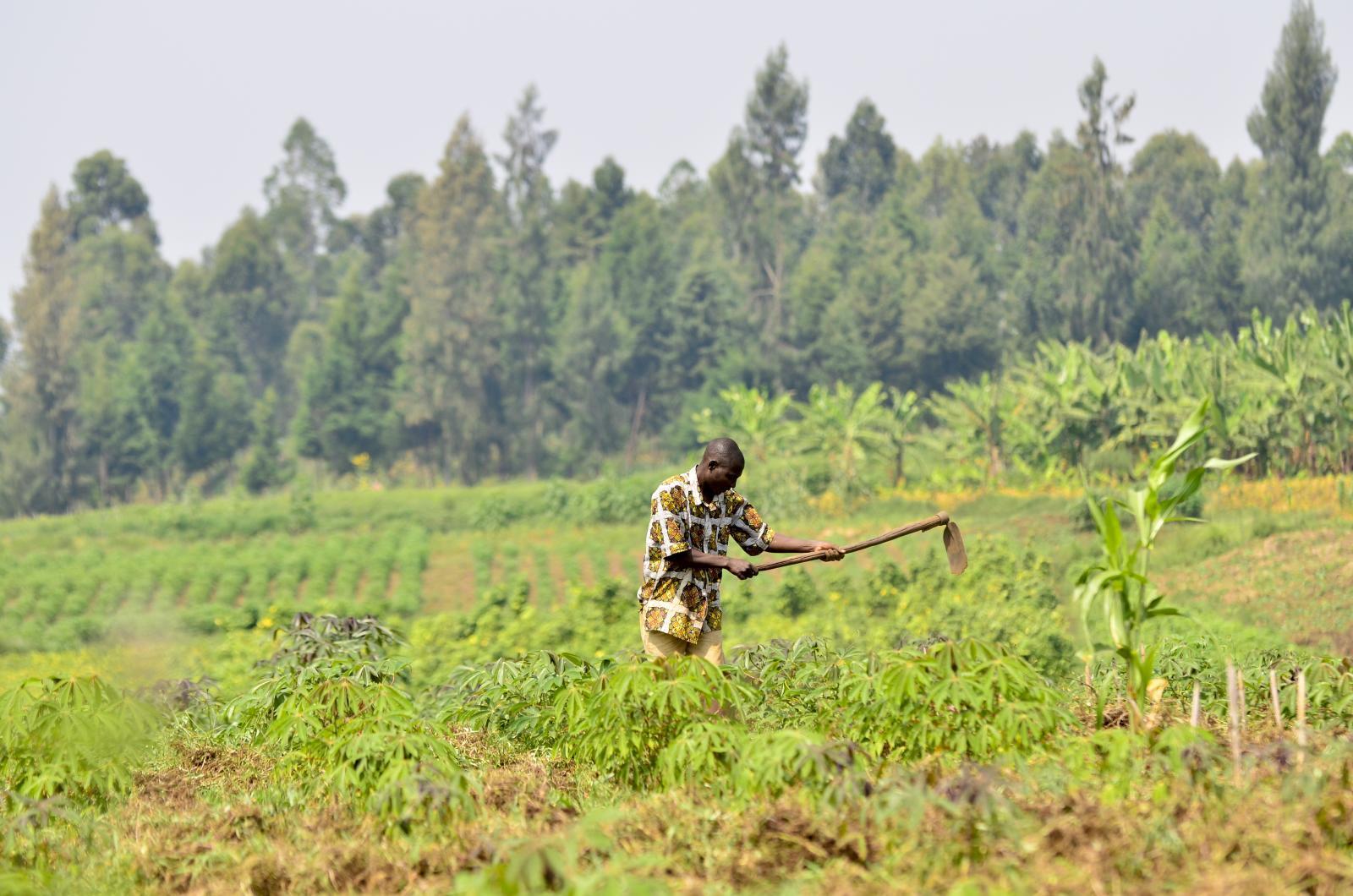
The PADCA-6P project in the Democratic Republic of Congo, implemented by the Ministère de l’Agriculture with support from the African Development Bank (AfDB), aims to strengthen and modernize priority agricultural value chains across six provinces to improve food security, rural incomes, and economic resilience. The rationale is to address persistent constraints in productivity, post-harvest handling, market access, and infrastructure that limit the competitiveness of smallholder farmers. By investing in value chain development, the project seeks to increase agricultural output, reduce losses, improve linkages between farmers and markets, and promote agro-processing opportunities, thereby contributing to inclusive economic growth and poverty reduction in rural areas.

Technical assistance from the One CGIAR System to INERA, SENASEM, SENADEPA, SENAPEFIC) for the production of seeds and broodstock
The project 's aim is to strengthen the capacity of national agricultural institutions in the Democratic Republic of Congo, including INERA, SENASEM, SENADEPA, and SENAPEFIC, to produce high-quality seeds and broodstock in the early phases of the National Agricultural Development Program (PNDA). The intervention addresses critical bottlenecks in seed systems and planting material availability, which currently limit agricultural productivity and resilience among smallholder farmers. By leveraging One CGIAR expertise through IITA, the project supports the development of reliable seed production systems, improves genetic quality and availability of key crops and livestock inputs, and builds institutional capacity for sustainable seed and broodstock multiplication. This ultimately contributes to increased agricultural productivity, improved food security, and stronger national seed systems in the DRC.
Demand Led Capacity Building Framework for the Bean Corridor Approach Project
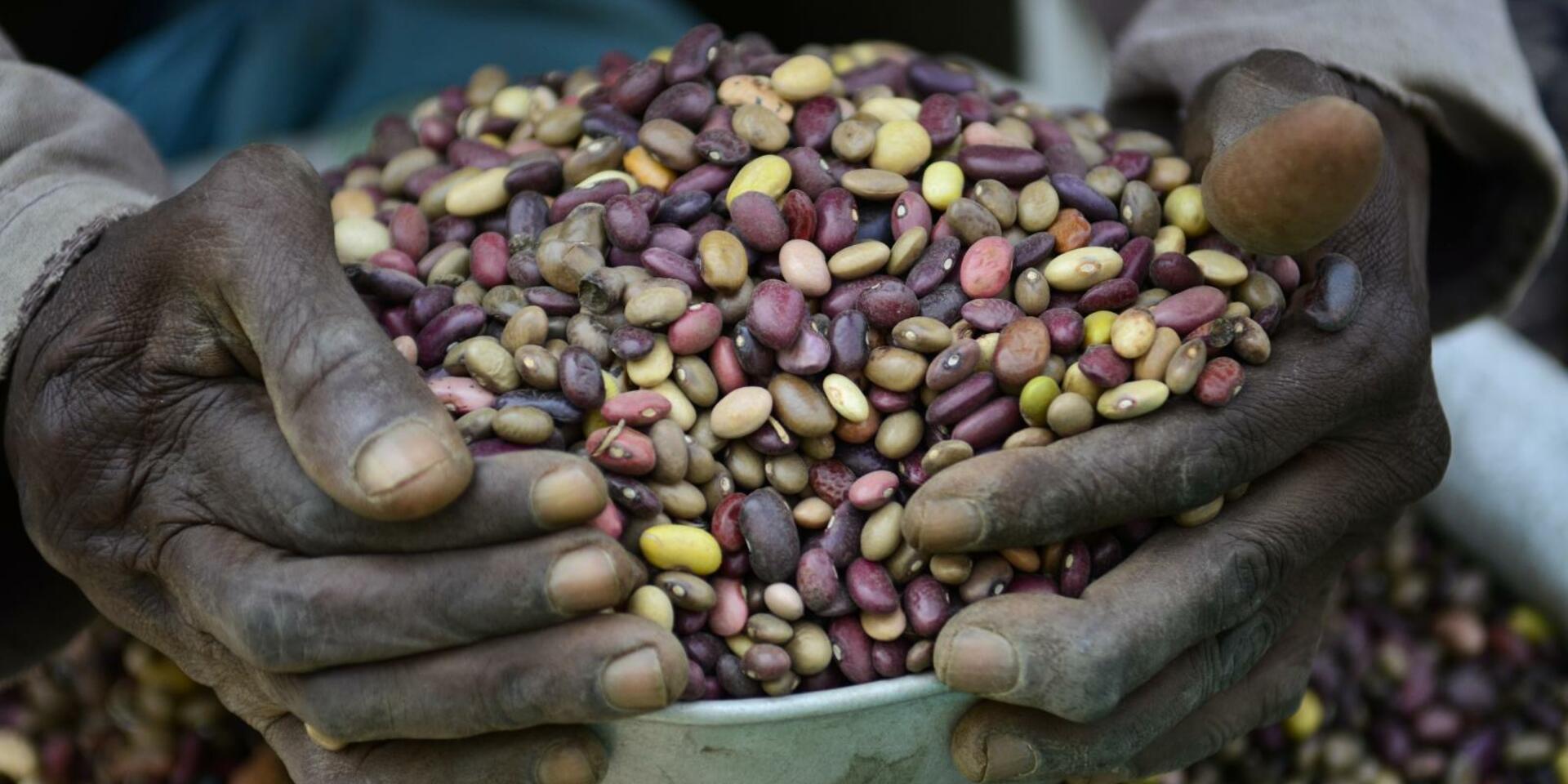
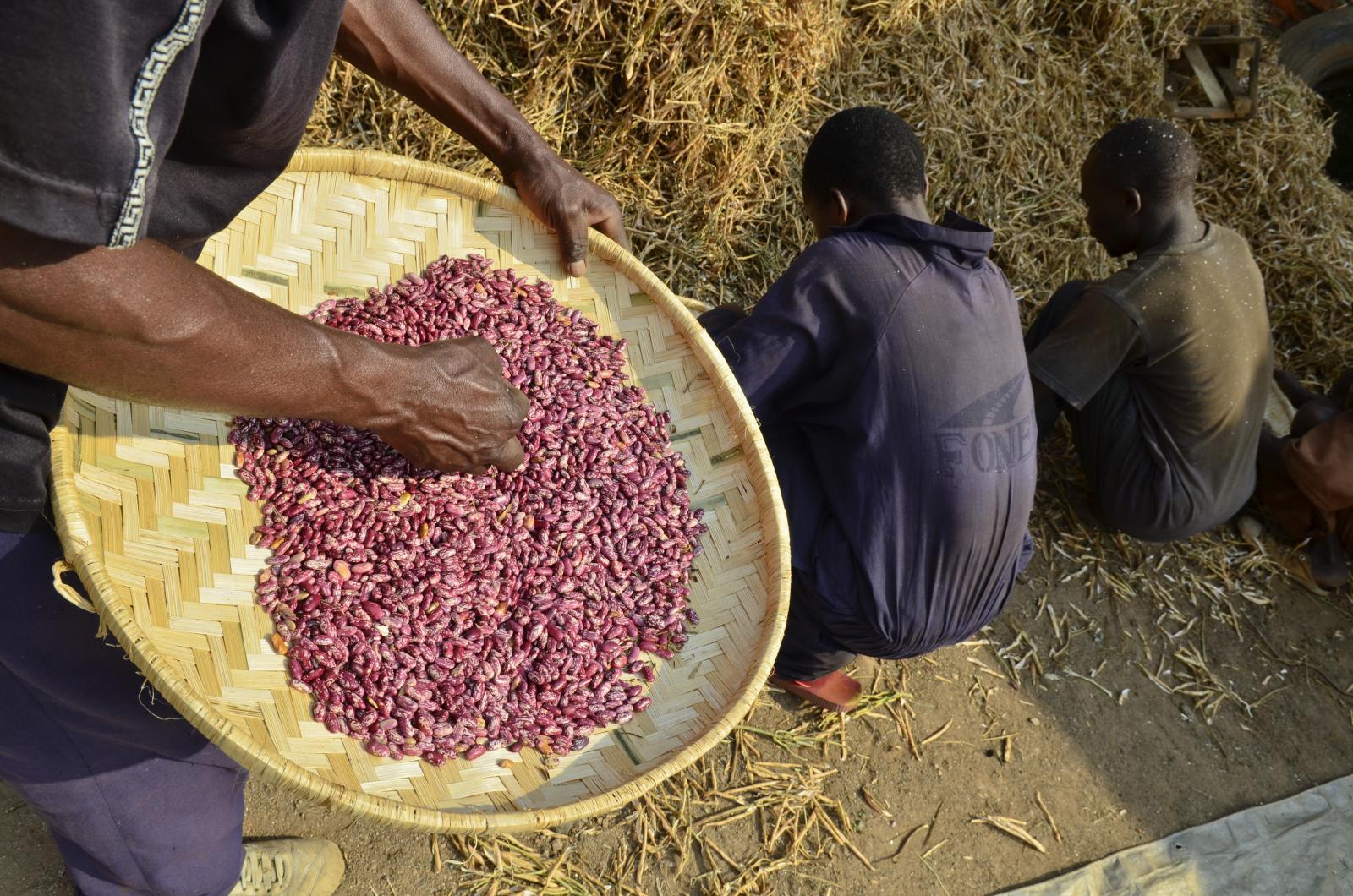
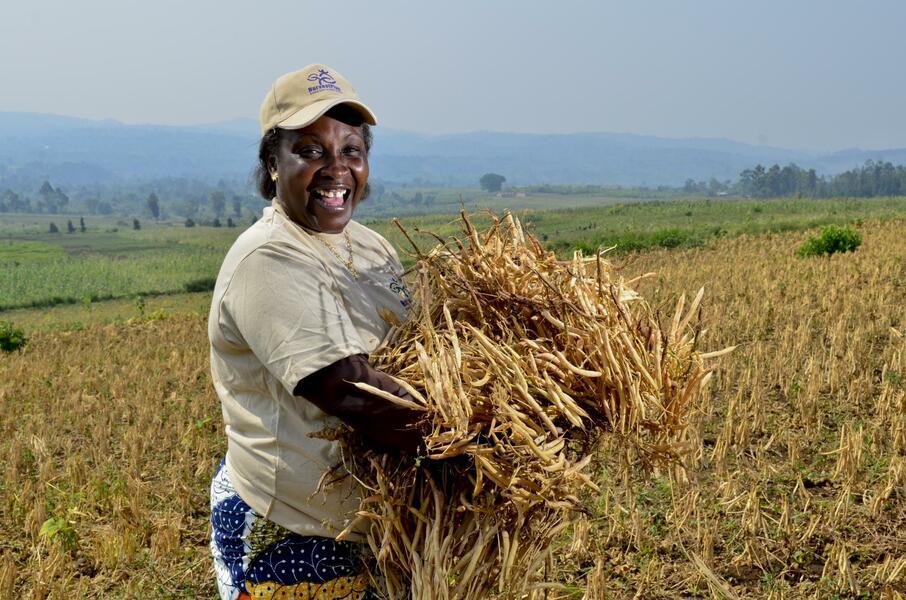
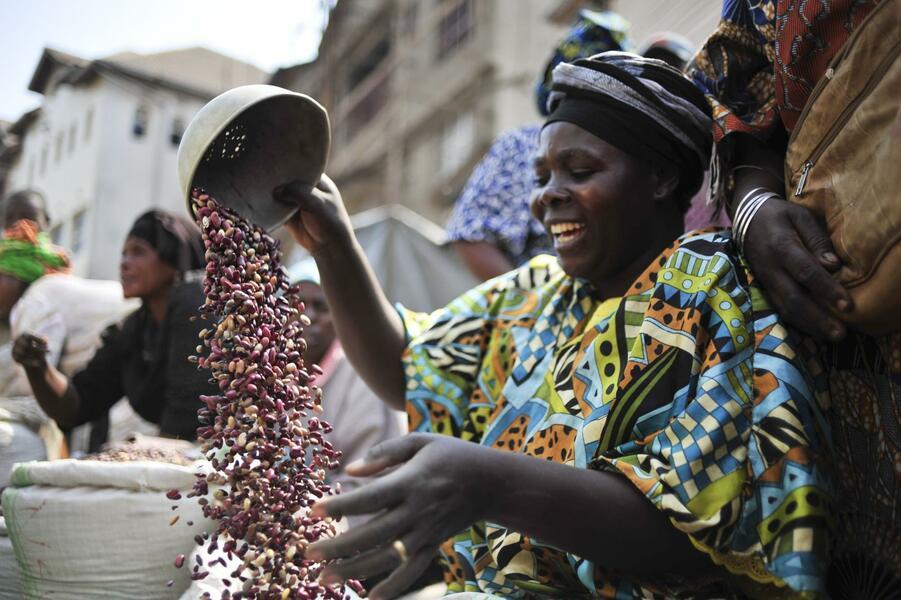
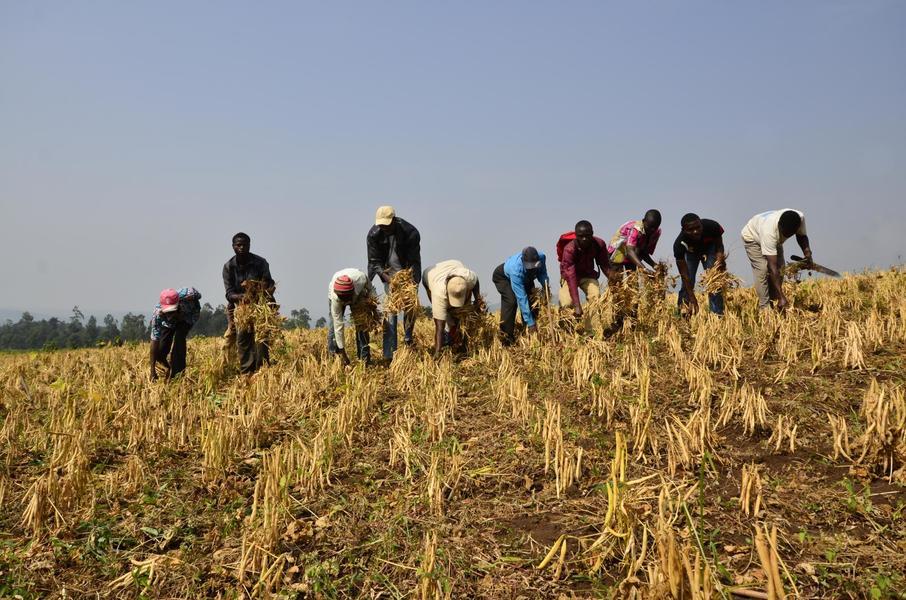
The PABRA Academy is a capacity-building initiative of the Pan-Africa Bean Research Alliance (PABRA) aimed at addressing identified capacity building gaps of partners along the bean value chain. The PABRA Academy Fellowship is sponsored by PABRA, a constituent of the Alliance of Bioversity International and CIAT. Using PABRA's capacity-building framework, which is aligned with the bean corridor approach, the PABRA Academy seeks to identify and address the knowledge and skills gaps initially with national bean researchers and expand to other actors and institutions at the three bean corridor hubs of production, aggregation and consumption, while corresponding with essential activities and processes along the bean value chain in Africa.

Bean4Women Empowerment (B4WE) Project
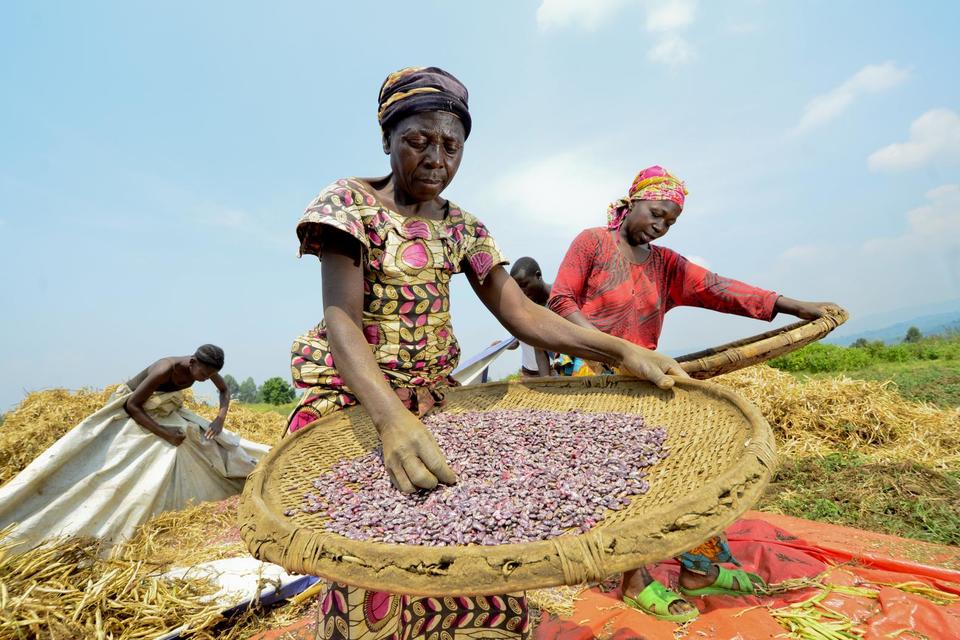
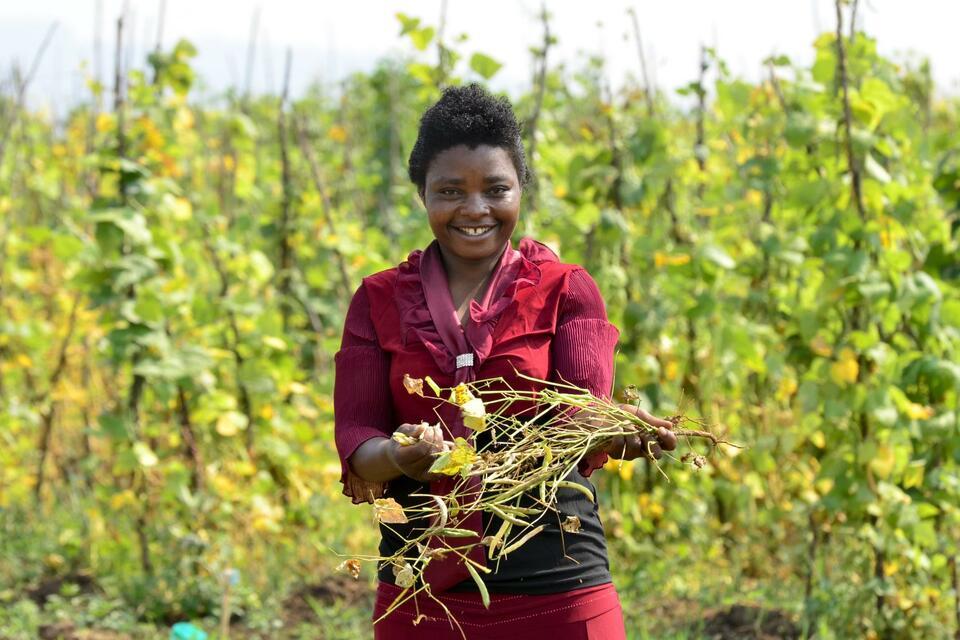
The B4WE Project, funded by Global Affairs Canada, the project aims to strengthen gender equality and enhance the decision-making power and resource rights of women and girls within the bean sector in conflict-affected areas of eastern DRC, including North Kivu, South Kivu, and Tanganyika provinces. It seeks to improve food and nutrition security by strengthening bean value chains, increasing the incomes of smallholder women farmers, and enhancing their livelihoods and economic resilience. Key interventions include promoting gender-responsive and inclusive bean value chains, empowering women and girls to take on leadership and decision-making roles, preventing and addressing gender-based violence along the value chain, improving agricultural productivity through research, capacity building, and access to improved technologies, and strengthening resilience to climate change through the adoption of climate-smart agricultural practices and innovations.