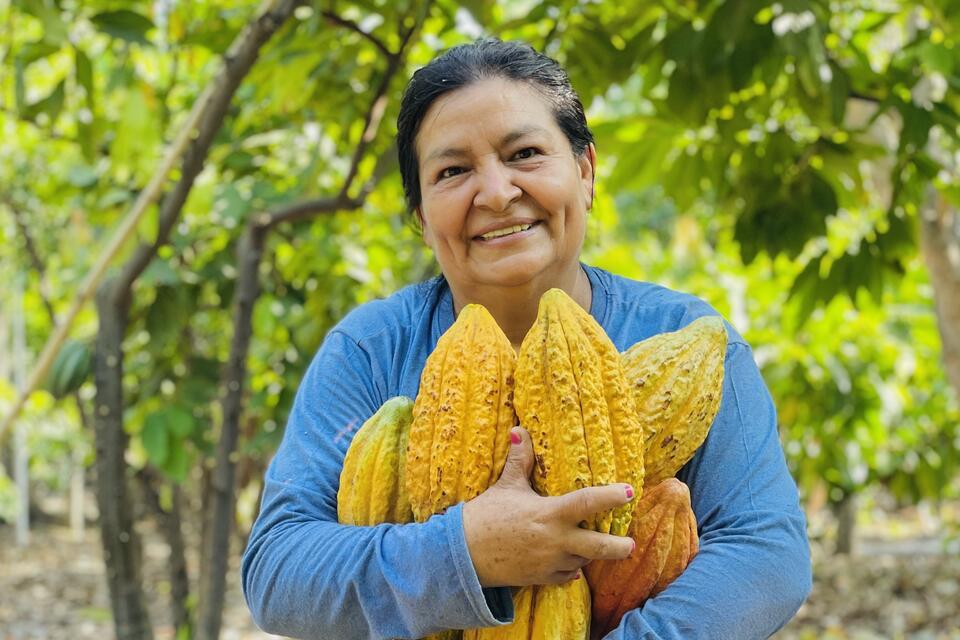
Projects and Flagship Initiatives in Peru
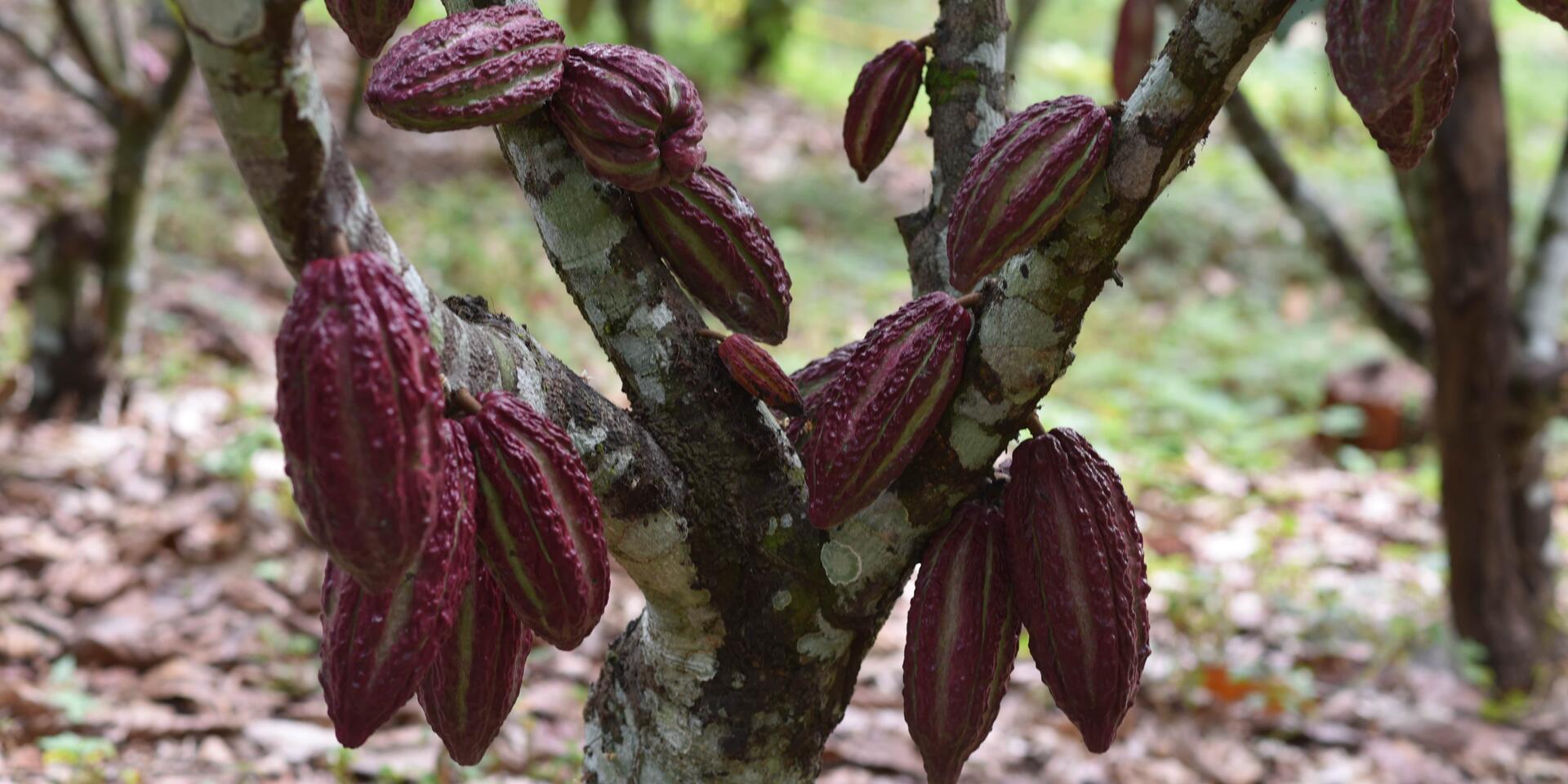
To achieve the mission of our work in Peru, we undertake several projects, each tackling different challenges to improve well-being and livelihoods of communities in the country.
Conserving agrobiodiversity
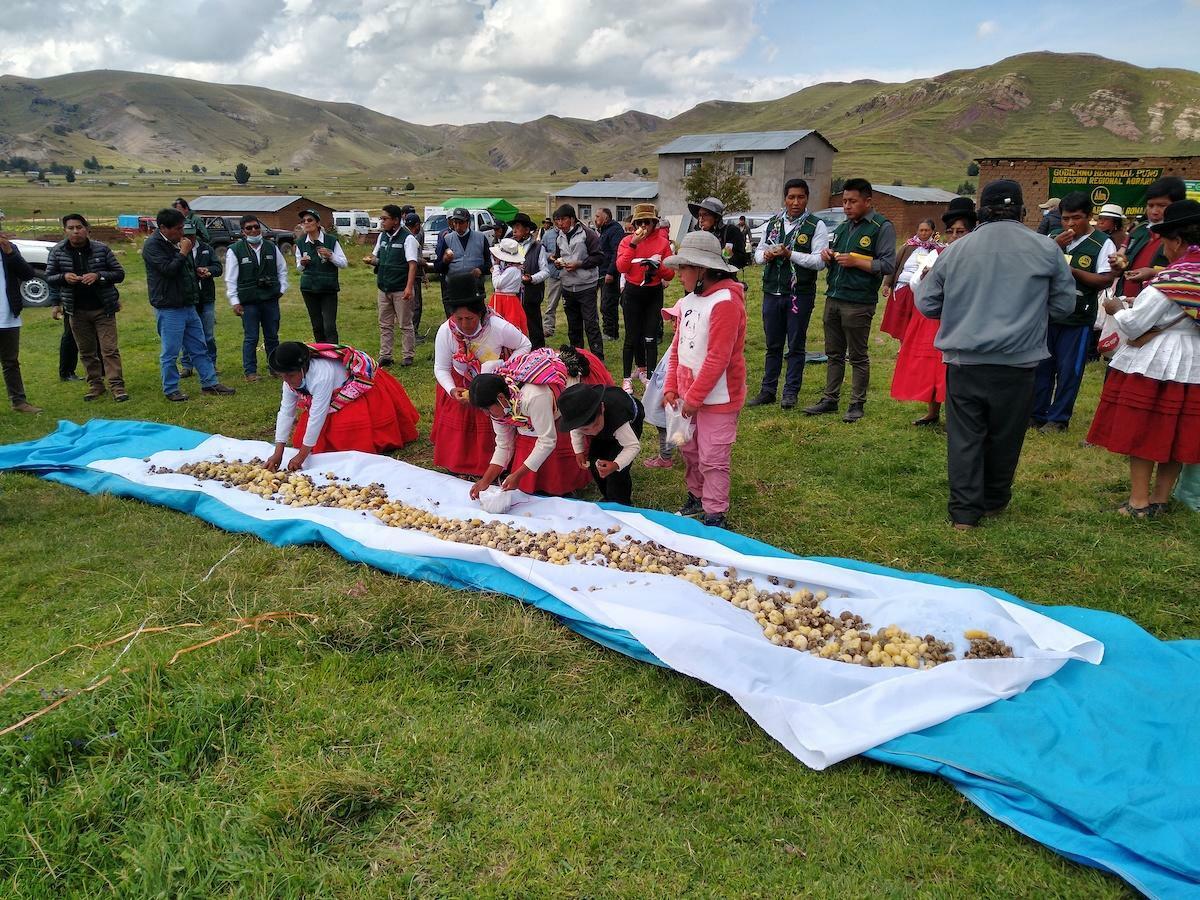
Photo Credit: Alliance Bioversity International and CIAT / Adam Drucker
Since 1976, we have accompanied missions to collect genetic materials in Peru, contributing to the enrichment of national and CGIAR genebanks. This work has been complemented by decades of training in the conservation of genetic resources and studies of the diversity of Andean grains, roots, tubers, and fruits, and Amazonian fruits. In addition, our teams have co-developed digital tools, such as DIVA-GIS, for biodiversity mapping and analysis, strengthening technical capacity for monitoring and sustainable use.
We have also led innovative initiatives in the application of Payments for Environmental Services (PES) schemes, specifically for the conservation of agricultural biodiversity in Peru, such as the Rewards for Agrobiodiversity Conservation Services (ReSCA) initiative.
ReSCA is a research platform for in situ and on-farm conservation and use of genetic resources, encouraging small farming communities in areas with high crop diversity to plant traditional and rare varieties, conserving biodiversity, while preserving traditional knowledge and cultural practices associated with these crops.
Since 2010, ReSCA has mobilized farmers, NGOs, extension services, universities, local and regional governments, ministries, private sector actors and international agencies, improving the governance capacities of genetic resources.
We are implementing tools designed at the global level by our scientists to collect and analyze biodiversity data for nutrition, agriculture and genetic resources. One of these key tools is the Agrobiodiversity Index, which allows us to:
Measure the state of agrobiodiversity in specific regions and assess risks, opportunities and actions needed for its conservation,
Monitor Agrobiodiversity Zones in Peru, showing their impact on biodiversity, nutrition, soils, climate change mitigation and socio-economic values, and
Standardize data and results for global comparisons and clear messages on the strategic value of these zones.

Promoting sustainability and genetic diversity in the cacao value chain
The Alliance of Bioversity International and CIAT promotes the creation of sustainable and productive systems for cacao, with a special emphasis on Peru's native varieties. Our work seeks to improve farmers' livelihoods by promoting sustainable practices that integrate biodiversity, strengthen pest and disease control, and address challenges such as cadmium and trace pesticides.
To address threats and seize opportunities in the cocoa supply chain, we have developed a portfolio of innovative initiatives and tools including:
- Cocoa Diversity: A tool designed to guide the selection of native genetic materials and the design of climate change-adapted agroforestry systems. It provides key information on cadmium levels, climate resilience and yield optimization of cacao in Peru and South America.
- Climate LoCa: An initiative that mobilizes research and innovation capacity to address the negative impacts of climate change and market barriers. In collaboration with Peru, Colombia and Ecuador, Clima LoCa addresses EU regulations on cadmium in cacao and fosters the competitiveness and inclusiveness in its production.
In addition, we work together with the private sector, academia, civil society and government actors to develop sustainable, high-quality cacao production systems on responsibly managed, deforestation-free land. This approach ensures reliable incomes for farmers, safeguards traditional cacao varieties for regional agricultural heritage, and enhances the value of high-quality cacao in local and international markets.

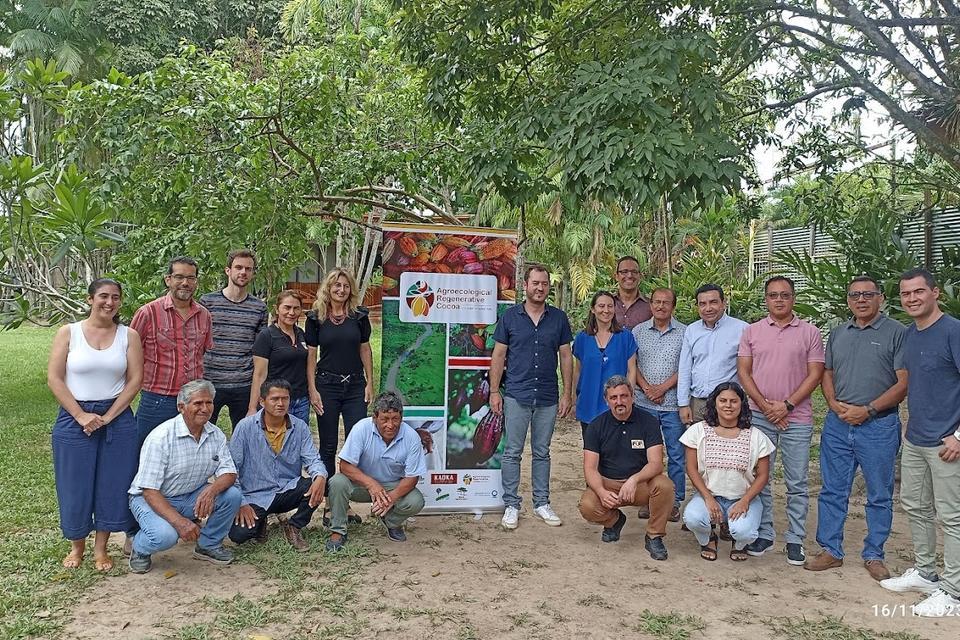
Developing sustainable business models to tackle deforestation
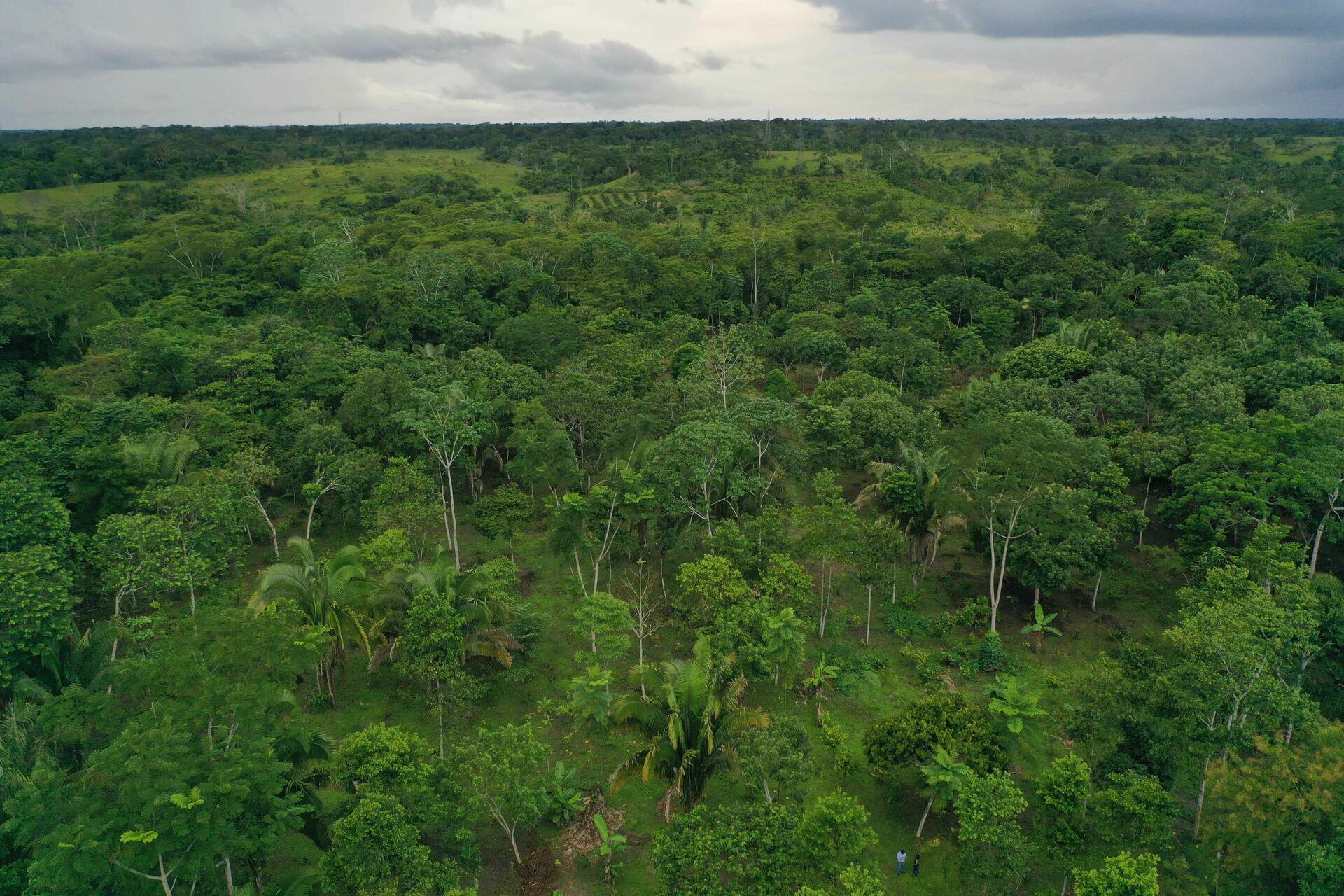
Photo Credit: Alliance Bioversity International and CIAT / Elizabeth Ramírez
To increase productivity in deforested areas and achieving a deforestation-free agricultural production system, we develop sustainable business models to reduce greenhouse gas (GHG) emissions.
Aiming to contribute to the climate protection goals set out in Peru's NDCs and NAMAs, these models analyze context-specific factors that influence deforestation, examine GHG emissions in prioritized value chains (palm oil and cacao, among others), address positive economic, ecological and social impacts during implementation, and develop scaling and financing strategies.
In developing these models, we apply a landscape approach to work in a participatory way with rural communities to co-design and validate alternative land uses and management, seeking to provide both farmers and environmental officials with research-based evidence on the contribution of sustainable land use alternatives to improve climate change mitigation and adaptation capacity.
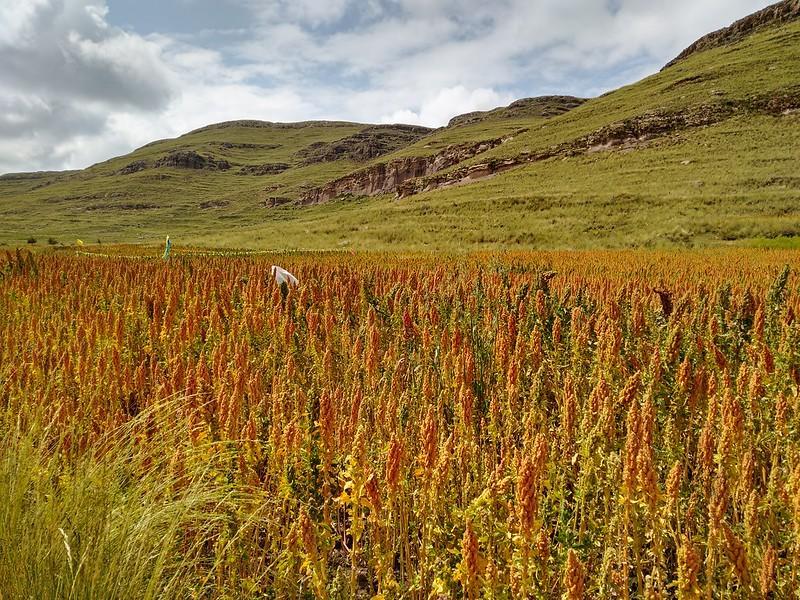
Quinoa Diversity as a Niche Market Alternative. A 2022 Farmers’ Field Day in Huataquita, Puno, Peru.
©Alliance Bioversity International and CIAT/AdamDrucker
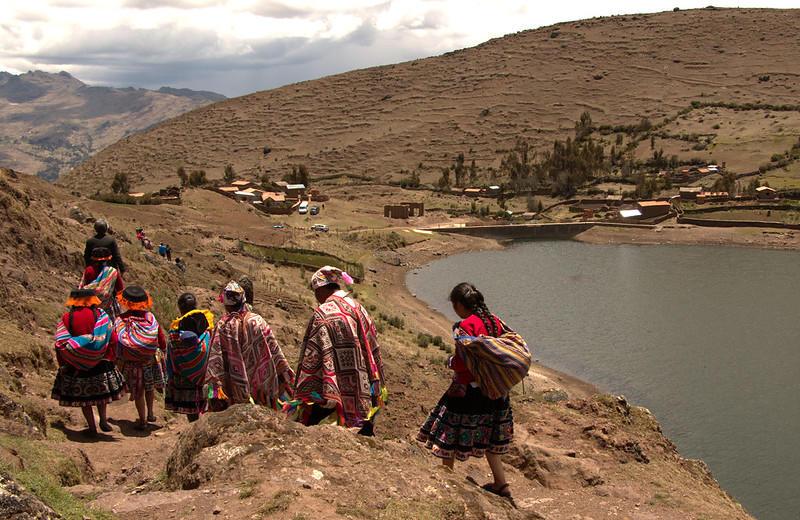
In the Peruvian Andes, often women walk for hours on high altitudes to reach marketplaces or go from their homes to the fields. This picture is part of the CCAFS field-visit to the Potato Park in Peru, to enhance learning exchanges between Indian, Kenian and Peruvian farmers.
©Alliance Bioversity International and CIAT/ManonKoningstein
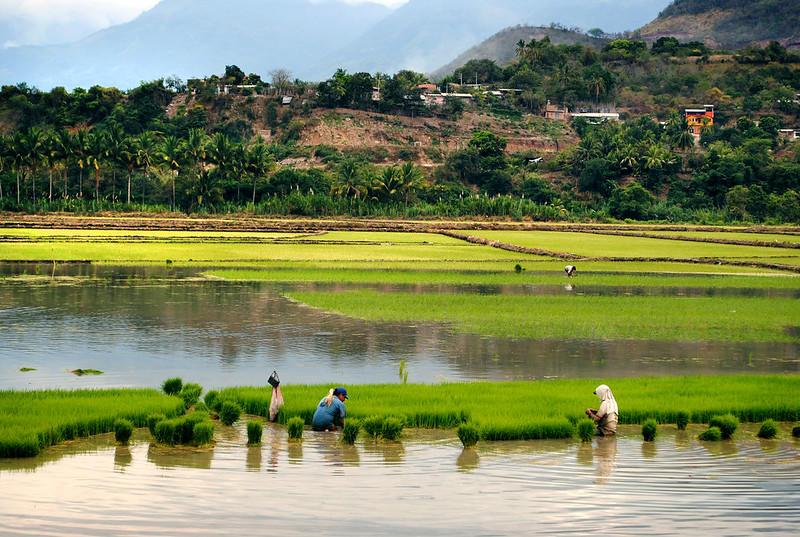
In Peru's rice-growing area, high solar radiation and low rainfall also influence Peru's high rice yields.
©Alliance Bioversity International and CIAT/AdrianaVarón
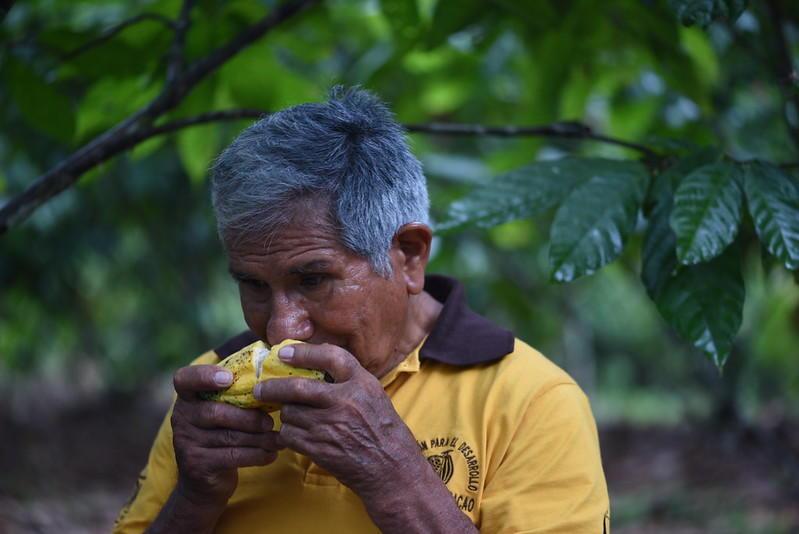
The Alliance, hand in hand with public and private institutions, collaborates on three projects with the objective of promoting the sustainable production of cocoa in the jungle region of Ucayali, in Peru.
©Alliance Bioversity International and CIAT/ElizabethRamirezPerez
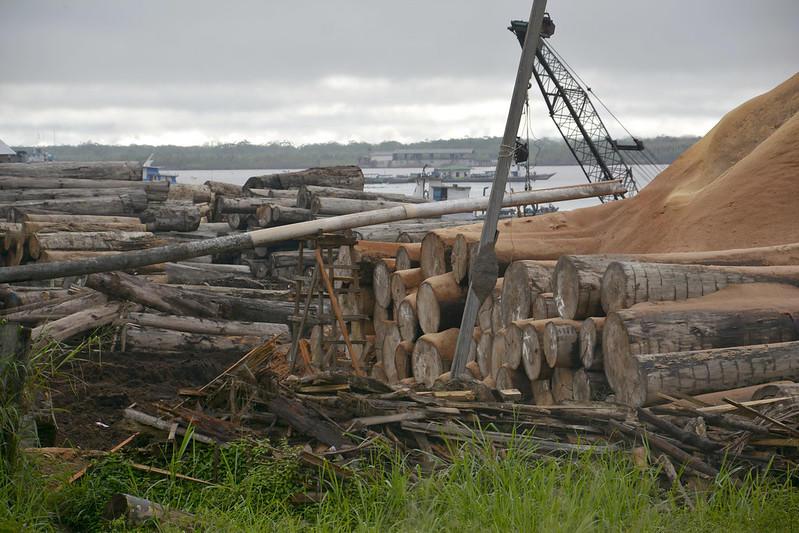
From the jungle to the sawmill. The ASSETS project is being carried out in three regions with varying degrees of deforestation. An estimated 100 truckloads of timber leave sawmills in Pucallpa, Peru every day.
©Alliance Bioversity International and CIAT/NathanRussell
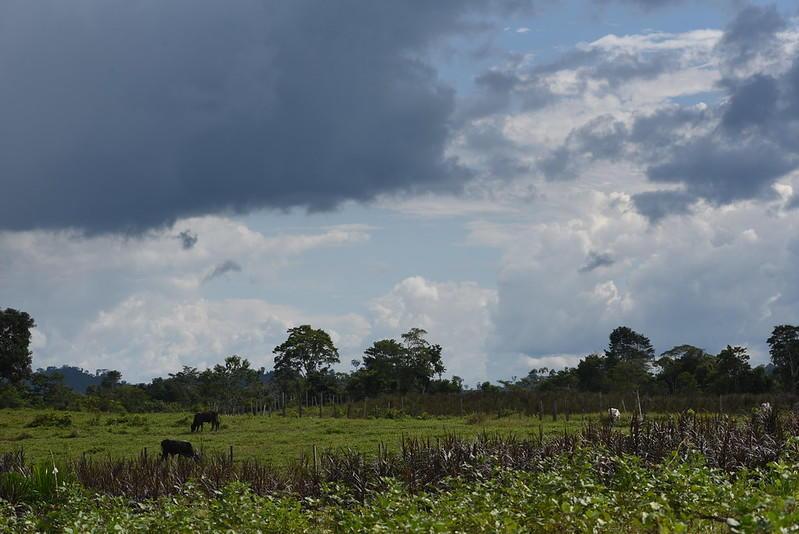
The Alliance, hand in hand with public and private institutions, collaborates on three projects with the objective of promoting the sustainable production of cocoa in the jungle region of Ucayali, in Peru.
©Alliance Bioversity International and CIAT/ElizabethRamirezPerez
Empowering communities in the Amazon with geospatial information
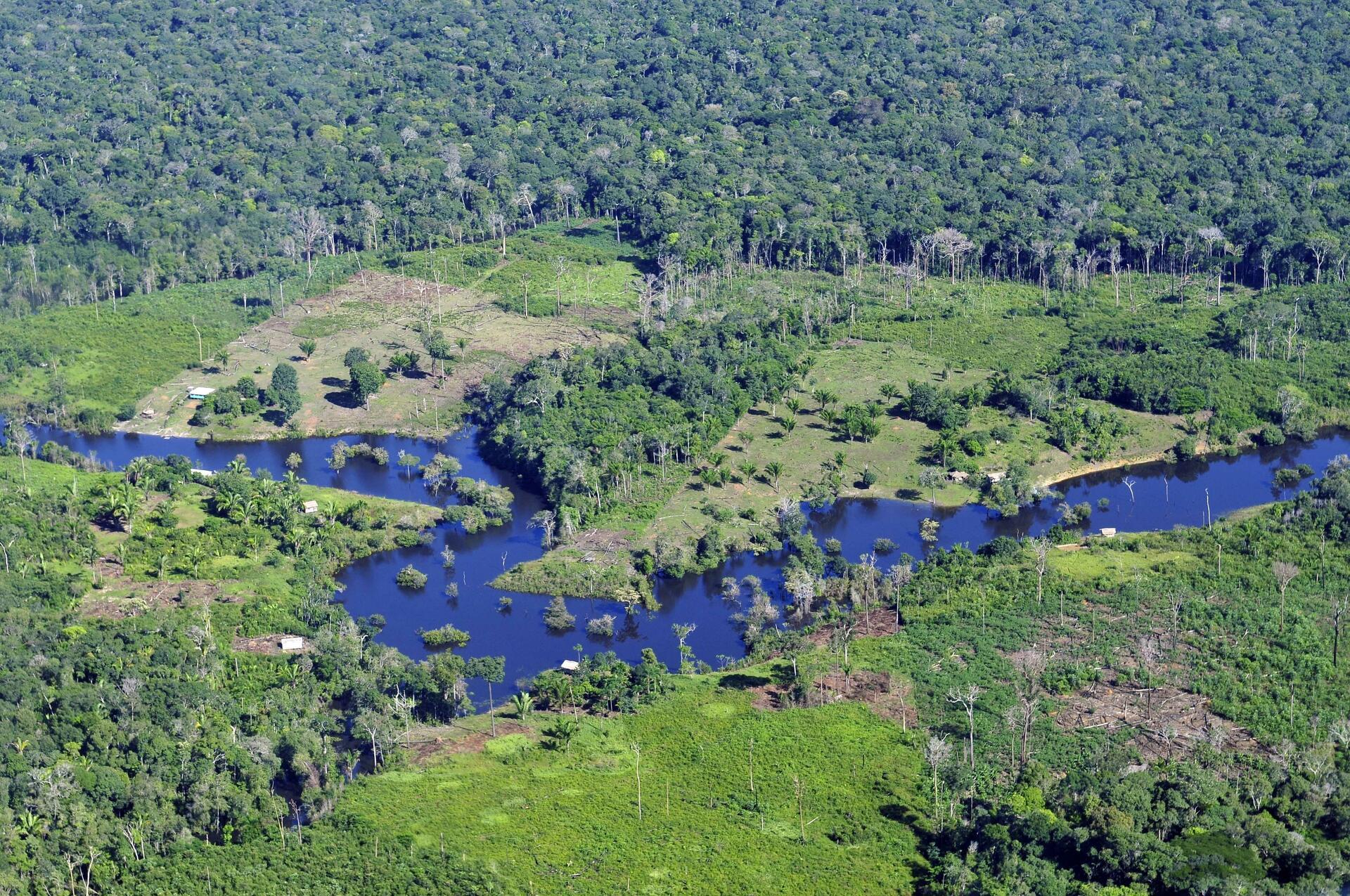
Photo Credit: Alliance Bioversity International and CIAT / Neil Palmer
We implement initiatives that improve local capacity to harness geospatial information to foster sustainable natural resource management in the Amazon, prevent risks and improve decision-making. Through projects such as SERVIR-Amazonia, we bring together local knowledge and partners, along with the latest geospatial technology and earth observation, to better understand the needs of the Amazon region and develop tools, products and services to improve decision-making, incorporating the voice of women and Indigenous communities.
Thanks to this initiative, and together with our local implementing partners, we have strengthened the capacities of different national entities in the processing of satellite imagery to monitor land cover changes and risk management of extreme hydrological events in Peru.
Innovating in landscape restoration and monitoring
The Alliance has developed free technology tools for landscape monitoring, conservation and restoration, driving evidence-based decision-making.
Near real-time monitoring with Terra-i: Terra-i is an innovative tool that detects land cover changes caused by human activities in near-real time, and has been instrumental in identifying areas at high risk of deforestation in the Peruvian Amazon. Its adoption by the Peruvian Ministry of Environment (MINAM), through an inter-institutional agreement, demonstrates its strategic impact.
To ensure effective use of this tool, we have carried out training activities aimed at MINAM officials, strengthening their capacities in the analysis of deforestation and forest degradation. This has allowed the integration of Terra-i data as a fundamental input to identify degraded areas at the national level.
Diversity for Restoration (D4R): Since 2016, the D4R tool, initially designed for tropical dry forest in Colombia, has been extended to include Peru and Ecuador. D4R supports the selection of tree species and seed sources most suitable for restoration of degraded areas and other planting activities.
It is designed for scientists, planners, restoration practitioners, policy makers, investors and donors interested in restoration initiatives.
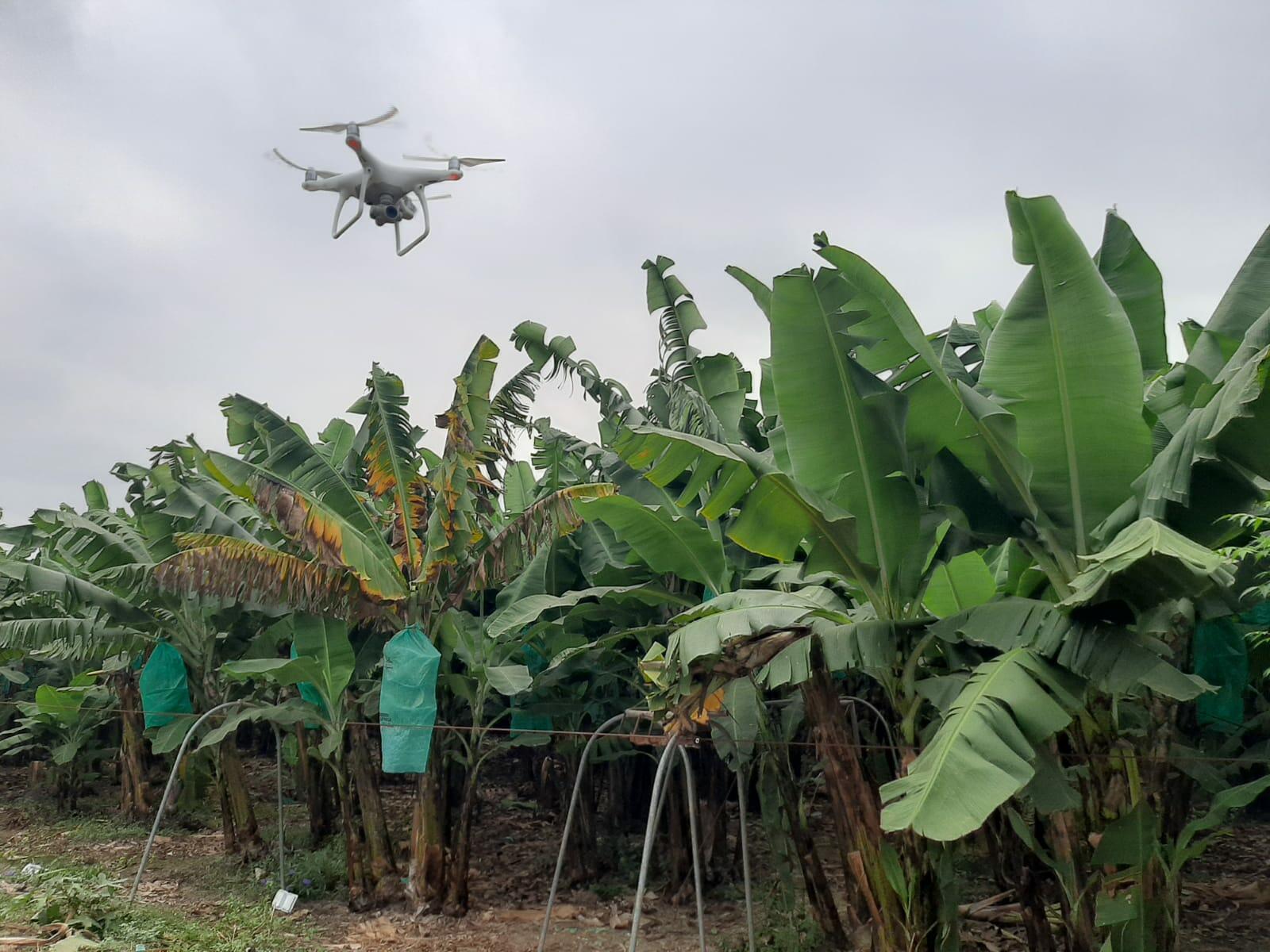
Photo Credit: Alliance Bioversity International and CIAT / J.E. Vargas
Strengthening national capacities in pest management
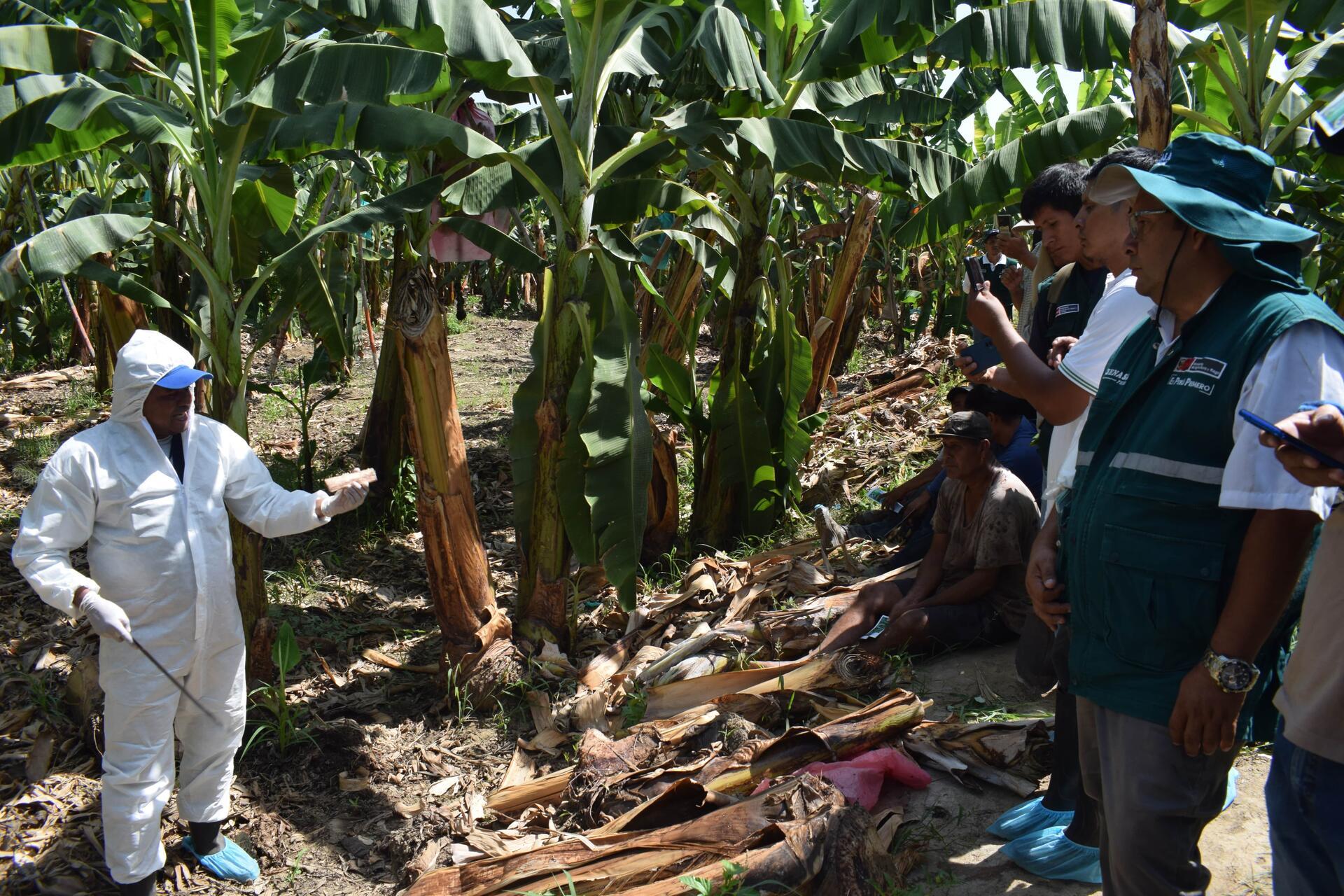
Photo Credit: Alliance Bioversity International and CIAT / J.E. Vargas
We work with national and regional partners in the prevention and management of pests that affect important value chains for the country, such as the Fusarium Race 4 Tropical (Foc R4T), which seriously affects the production of musaceae in the country.
We have developed workshops to strengthen knowledge and capacities in diagnosis and good practices in the face of this threat and other pests, contributing to the process of control and eradication of the Foc R4T outbreak based on international procedures and protocols. The joint work has been successful in containing the advance of Fusarium in Peru.