Modelos para abordar las causas de la deforestación en Perú – Negocios Sostenibles para la Amazonía (SAB)

Fechas de inicio y finalización: Agosto 2018 – Julio 2021 (actualmente en proceso de prórroga)
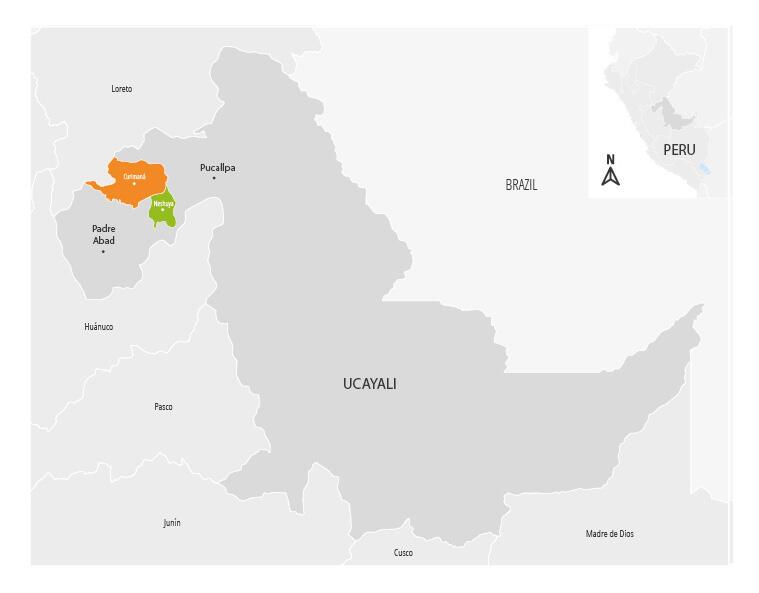
Área geográfica: región de Ucayali, Perú
Financiadores: Ministerio Federal de Medio Ambiente, Protección de la Naturaleza, Construcción y Seguridad Nuclear (BMUB) – Iniciativa Internacional por el Clima (IKI)
Presupuesto total: € 2.000.106,00
Perú ha introducido modelos de negocio sostenibles en los sectores agroindustrial y ganadero para reducir las emisiones de gases de efecto invernadero (GEI) causadas por la deforestación, con el objetivo de aumentar la productividad en las zonas deforestadas y lograr un sistema de producción agrícola libre de deforestación. El proyecto desarrolla modelos empresariales apropiados; analiza los factores específicos del contexto que influyen en la deforestación; examina las emisiones de gases de efecto invernadero en las cadenas de valor previamente priorizadas; y aborda las repercusiones económicas, ecológicas y sociales positivas durante el desarrollo de los modelos. Los modelos se aplican en la región de Ucayali, Perú, para dos cadenas de valor – aceite de palma y cacao – representadas a través de tres empresas (OLAMSA y OLPASA para la cadena de valor del aceite de palma, y CURIMANA para la cadena de valor del cacao y el chocolate). Los modelos de negocio han servido como base para elaborar modelos de inversión adecuados, que incluyen el análisis financiero de las empresas, la evaluación de costos de las actividades y la tasa interna de retorno (TIR). La información se incorpora en un portafolio identificado por los inversionistas de impacto y prestamistas sociales del proyecto, lo que permite garantizar la sostenibilidad económica de los modelos. Los dos objetivos principales del proyecto son: (1) el diseño de dos estrategias de mejoramiento de la cadena de valor que apuntan a objetivos de deforestación cero previamente acordados entre los actores de la cadena de valor; (2) la implementación de tres modelos de negocio piloto de deforestación cero y bajas emisiones de carbono. Los modelos de negocio contribuirán a los objetivos de protección del clima establecidos en las NDC peruanas (Contribuciones Determinadas a Nivel Nacional) y en las NAMAs (Acciones de Mitigación Nacionalmente Apropiadas).
Actualización de los avances: el proyecto ha desarrollado dos estrategias para fortalecer los planes regionales de competitividad para las cadenas de valor del cacao y el aceite de palma. Ambas estrategias fueron aprobadas mediante Resolución Ejecutiva Regional, No. 322-2020-GRU-GR, y servirán como documentos actualizados a los planes de competitividad existentes para cacao y aceite de palma.
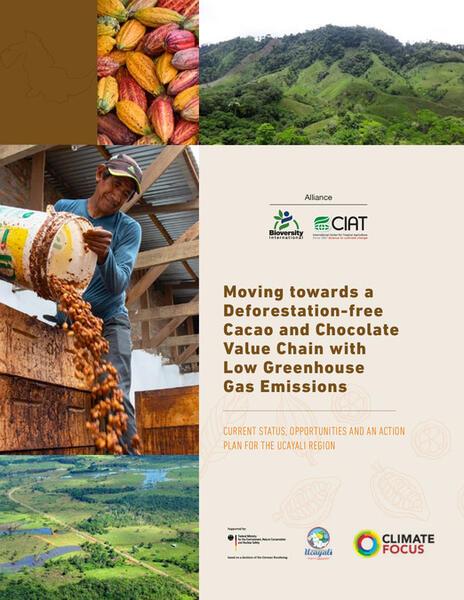
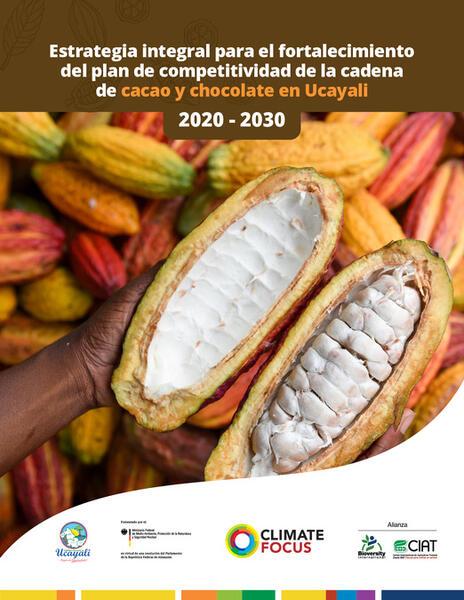
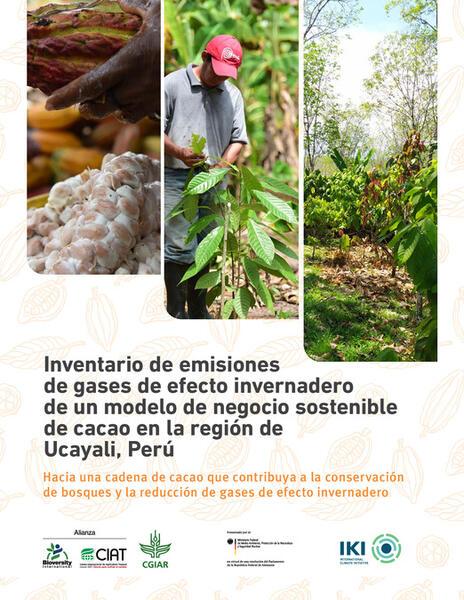
- Informe: Hacia una cadena de valor del cacao y el chocolate libre de deforestación y con bajas emisiones de gases de efecto invernadero
ESP https://hdl.handle.net/10568/109751
EN https://hdl.handle.net/10568/110541
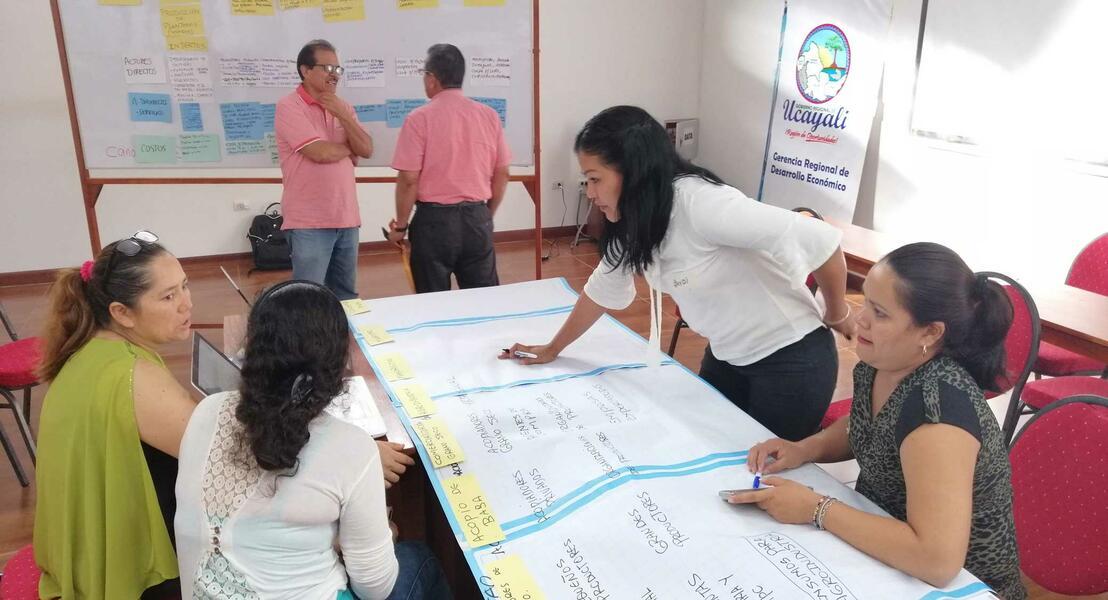
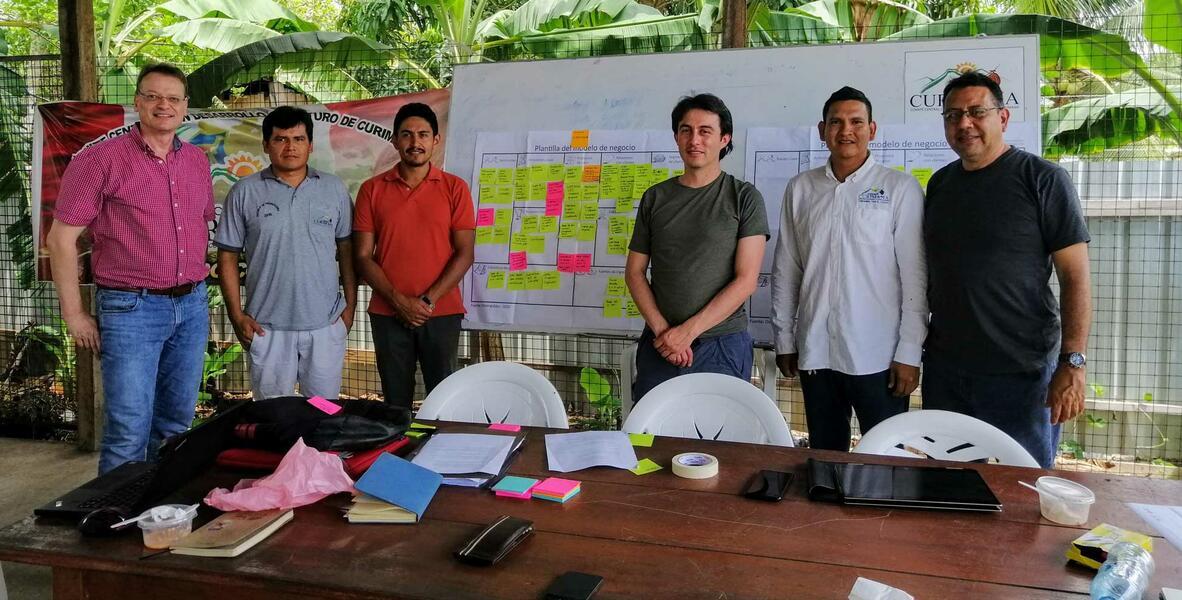
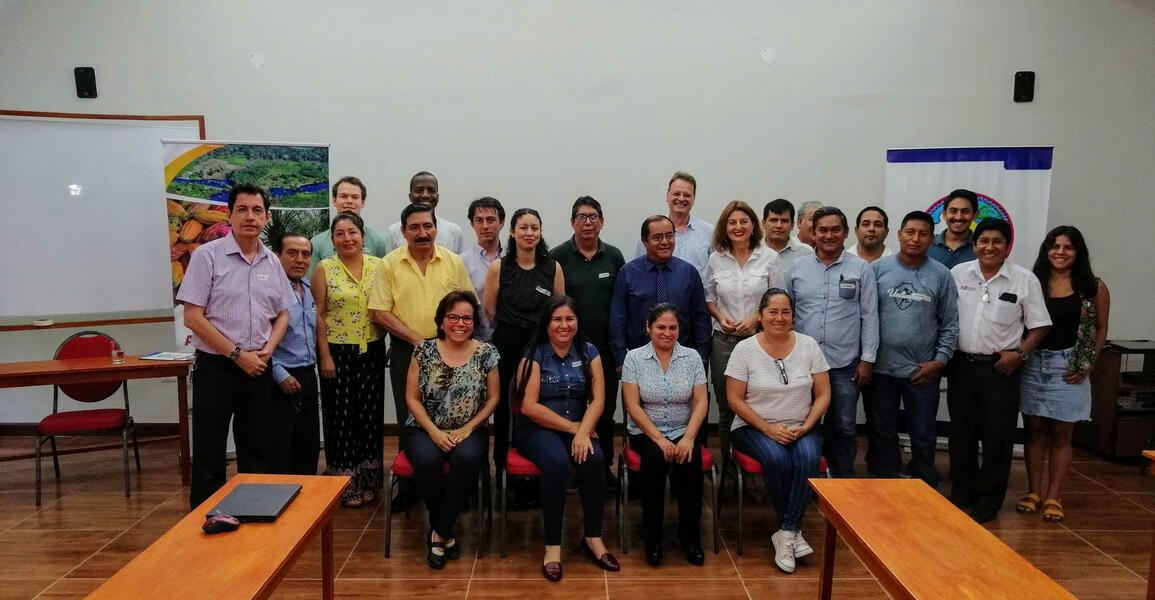
Más información sobre la implementación de modelos empresariales piloto de deforestación cero y bajas emisiones de carbono con el socio Climate Focus:
Publicaciones
Cadena de valor del cacao:
https://hdl.handle.net/10568/108441
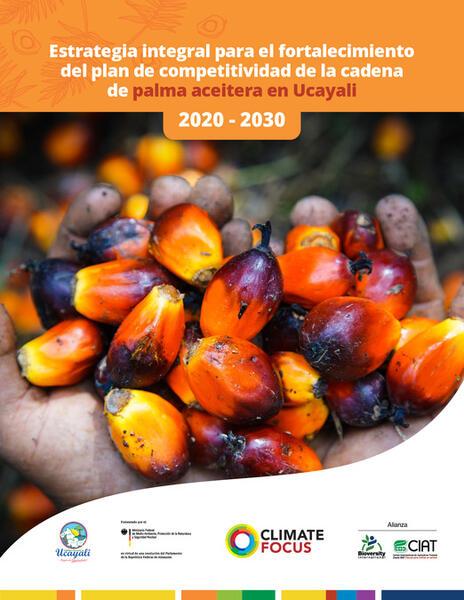
Cadenas de valor del aceite de palma: https://hdl.handle.net/10568/108442
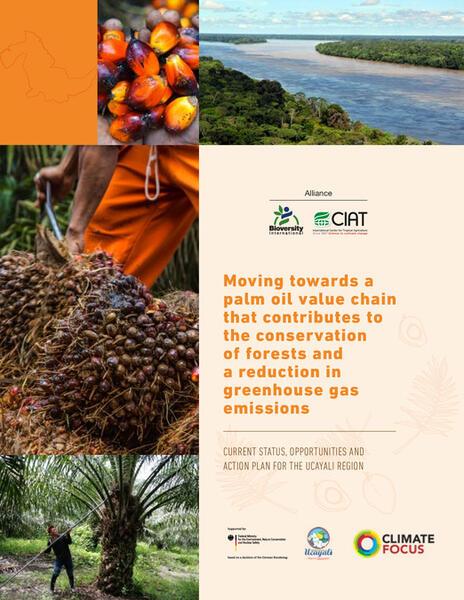
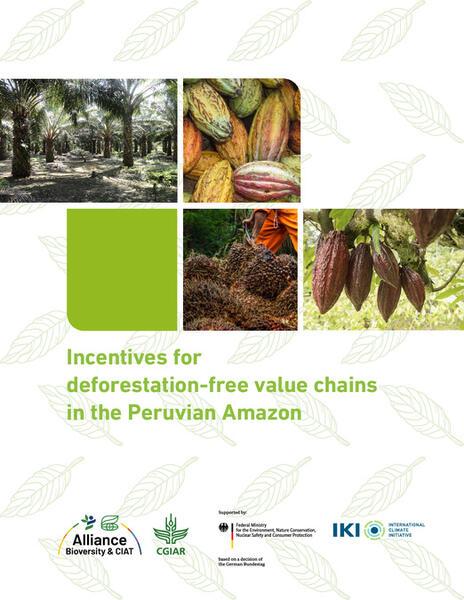
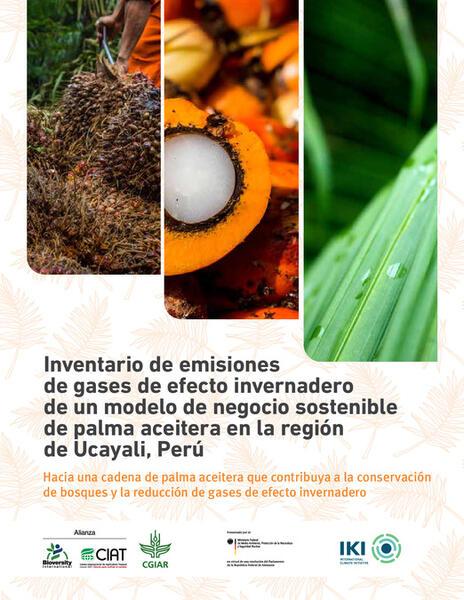
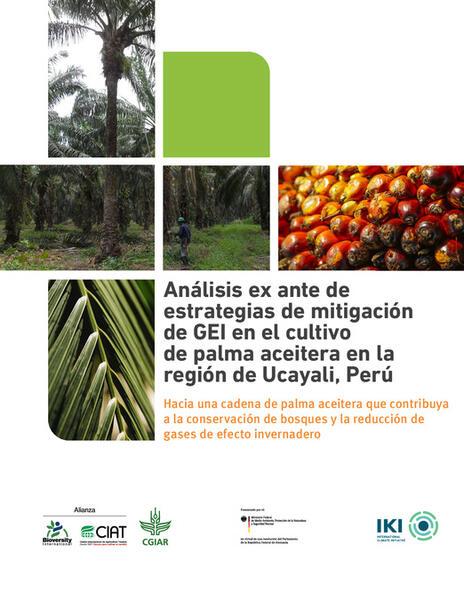
- Informe: Hacia una cadena de valor del aceite de palma que contribuya a la conservación de los bosques y a la reducción de las emisiones de gases de efecto invernadero
ESP https://hdl.handle.net/10568/109750
EN https://hdl.handle.net/10568/110537
Business Model / Investment Model
Business and investment models with zero deforestation and low greenhouse gas (GHG) emissions
Why should a zero-deforestation and low-GHG-emissions business model be developed?
Increased deforestation in the Peruvian Amazon with negative effects over climate
- The main driver of deforestation and forest degradation is the expansion of the agricultural frontier.
- Changes in land use are the main source of GHG emissions in Peru.
Agricultural business model in the Amazon in need of transformation
- Value chains of the main commodities show low productivity and yields.
- Household agriculture shows low levels of organization, formalization of properties, access to credit, and technology.
- Small plot sizes.
New international regulations on imported deforestation
- International markets are moving towards regulations and requirements of deforestation-free products (e.g., the European Union, the United Kingdom, and USA, among others)
International commitments on forests and climate
- It is necessary to articulate international commitments (e.g., the Paris Agreement, NDCs, JDI, and the Glasgow Declaration) with national/regional climate policies and actions by the private sector.
What does the business model entail?
- The development of a zero-deforestation business model seeks to grant an added value to agricultural production contributing to the conservation of forests and the reduction of GHG emissions. This requires the alignment of the stakeholders taking part in the business model, as well as alignment with other actors linked to the value chain.
The zero-deforestation business models must be economically profitable, socially inclusive, and ready for investment.
Download here the infographic to learn more about the business model.
How to get started?
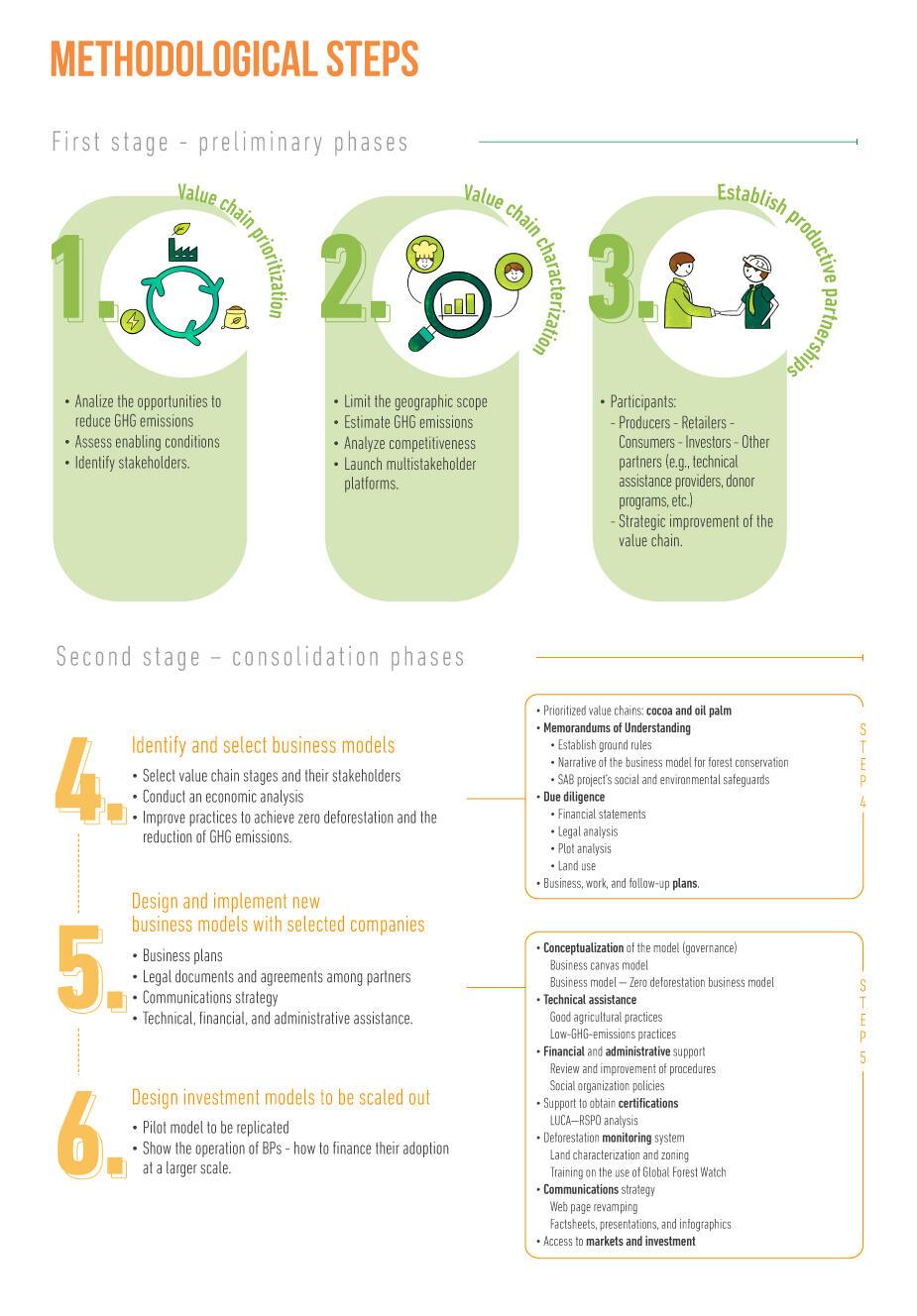
Prepared by Climate Focus
It is important for companies to be prepared to conduct legal and financial due diligence processes, which are normally carried out by donors and investors. Once these have been successfully carried out, it is possible to start the implementation of zero-deforestation and low-GHG-emissions business models, which will also require additional enabling conditions, such as:
- Compliance with environmental and social safeguards.
- Participation in national and regional zero-deforestation commitments.
- Understanding the model and willingness of all producers involved to implement it.
What are the main components and activities?
In any agricultural value chain, a zero-deforestation business model must be able to prove to any buyer the products reaching the market are, in fact, deforestation-free. It is thus important to be able to access information on the place of origin and production features, using a system that allows traceability and a transparent and trustworthy monitoring of products. The main components are:
Monitoring, reporting, and verification system (MRV)
- Setting environmental, social, and economic indicators
- Georeferenced plots
- Analysis of changes in forest cover
- Tools to monitor deforestation
- Measurement of GHG emissions
- Estimation of income and productivity
- Monitoring environmental and social safeguards
- Standardization of processes to achieve the social wellbeing of producers
Governance
- Conceptualization of zero-deforestation and low-GHG-emissions production chains
- Raising awareness on the importance of the conservation of the Amazon Forest
- Understanding the business model ecosystem and its main stakeholders
- Strengthening the administrative and managerial processes that ensure the business is being managed and that it does not face any risks due to a poorly defined governance structure
Sustainable production
- Identification of Good Agricultural Practices low in GHG emissions for a specific value chain
- Trainings to increase productivity
- Sustainable soil management and analysis
- Pest and disease control
- Setting agroforestry arrangements, when possible
Differentiated markets
- Market and value chain surveys
- Identification and access to markets that recognize the added value of zero-deforestation products
- Support to buyers and final consumers
Who are the main stakeholders?
The zero deforestation and low in GHG emissions business models articulate multiple stakeholders sharing the goal of mutual benefits and conservation of the Peruvian Amazon
What does the investment model entail?
The zero-deforestation and low-GHG-emissions investment model is the financial and governance structuring carried out to meet the specific need of developing a business model, where agricultural production does not cause deforestation and does contribute to the reduction of GHG emissions by implementing good agricultural and/or livestock practices.
Testimony of Nilo Maguiña, General Manager of OLAMSA, and Carlos Pérez, General Manager of the Central Committee for the Future Development of Curimaná
Download here the infographic to learn more about the investment model.
Do these models work?
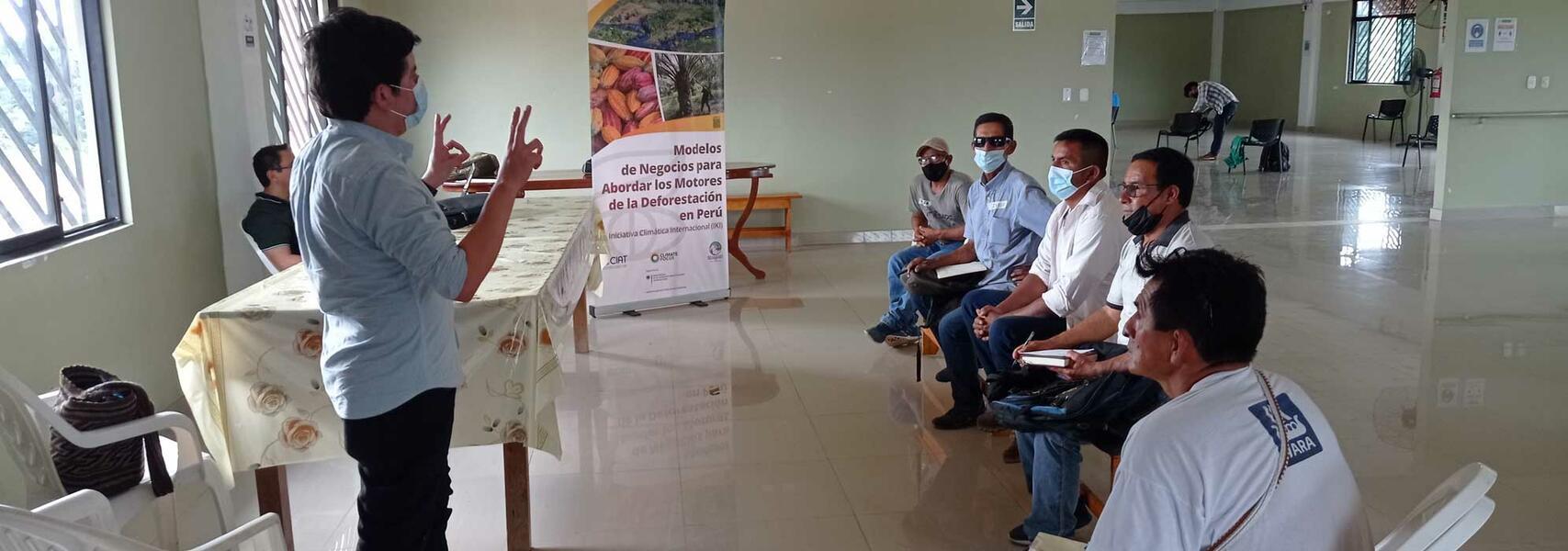
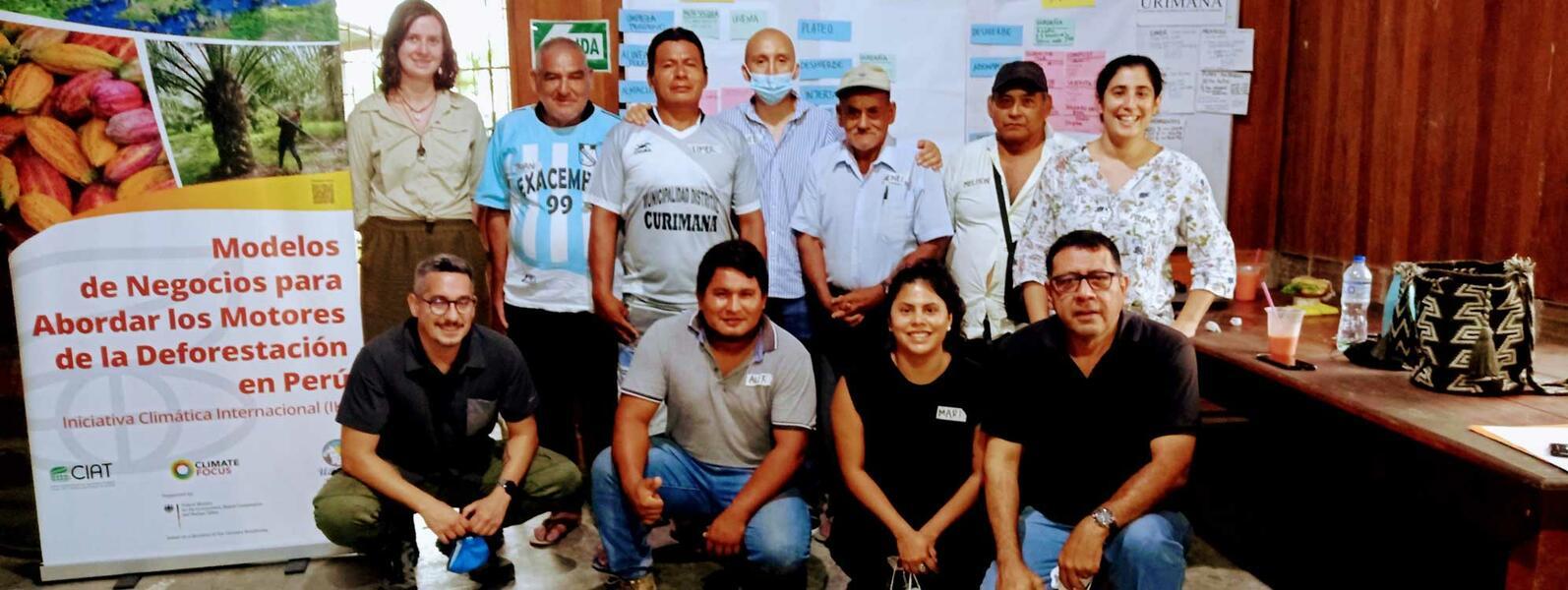
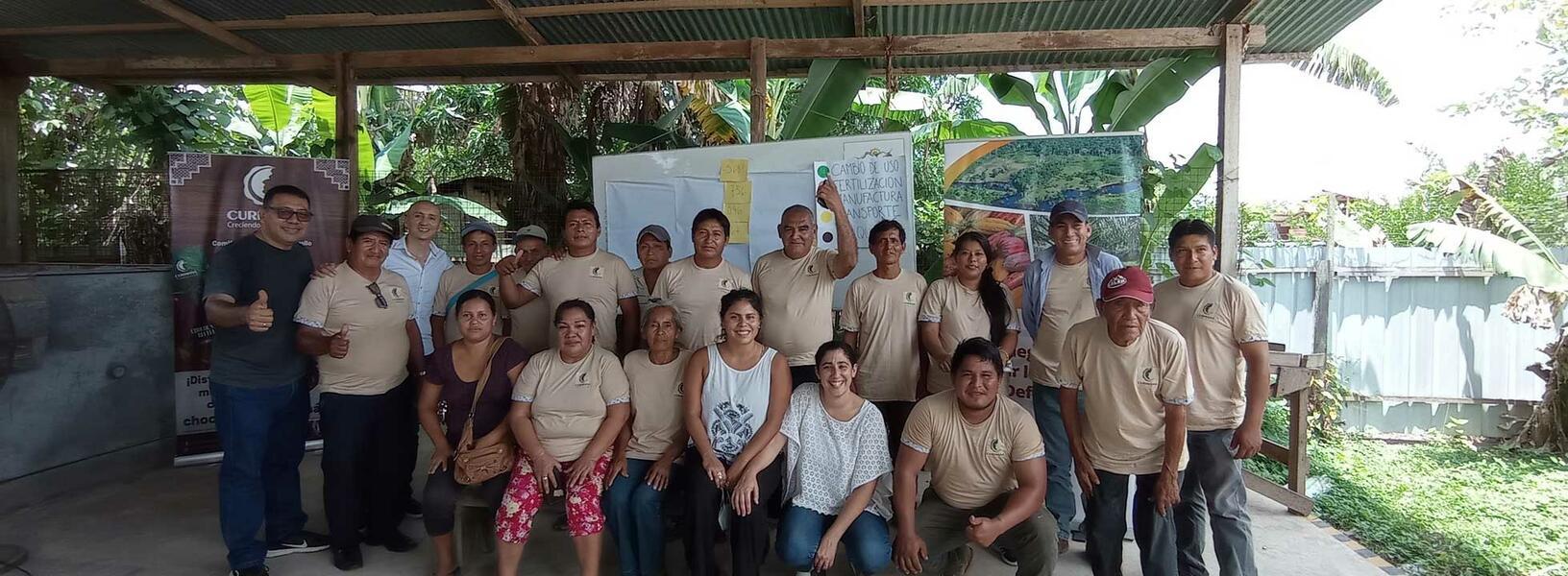
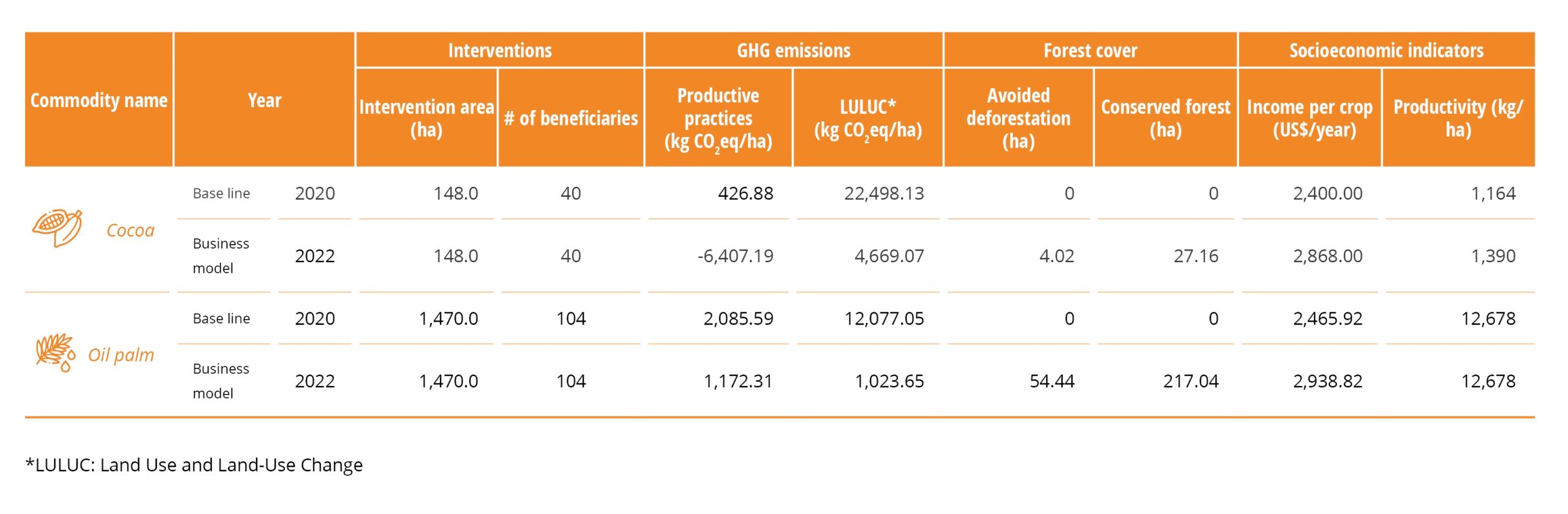
Yes! We are currently implementing two pilot projects in the Ucayali region. Along with the Central Committee of Ucayali Oil Palm Producers (COCEPU) and Oleaginosas Amazónicas S.A. (OLAMSA) for the oil palm value chain, and with the Central Committee for the Future Development of Curimaná for the cocoa and chocolate value chain, we have accomplished the conservation of over 244 ha of forest, we are improving crop management and reducing GHG emissions, while improving the living conditions of more than 104 oil palm producers and 40 small cocoa producers.
Blogs

Publications
Donor

Leading Institution

Multifunctional Landscapes Research Area
Stemming from our team’s cross-cutting scientific expertise—from soils and water management to landscape restoration and inclusive socio-ecological systems—our work on multifunctional landscapes contributes both to reduce the pressure of agriculture on natural ecosystems and to introduce better management practices for natural ecosystems. All while also minimizing health risks, ensuring sustainably produced foods become part of more nutritious diets.
Implementing Partner

Climate Focus is an international advisory company committed to developing policies and projects that reduce greenhouse gas emissions, increase carbon sinks, and help us adapt to the consequences of a changing climate.
Pilot Models

Oleaginosas Amazónicas S.A.
OLAMSA is the first oil palm processing company established in Ucayali. It is an entrepreneurial society articulating the production of fresh oil-palm fruit in the national market.

Comité Central de Palmicultores de Ucayali
CONCEPU gathers oil palm producers, and it is the most emblematic organization of Ucayali. Currently, it is organized in six hubs: Las Palmeras, in Ucayali; Nuevo San Pedro; La Merced, in Neshuya; Monte de Los Olivos; La Villa; and El Maronal.

Comité Central con Desarrollo al Futuro de Curimaná
Curimaná is an organic cocoa producers’ organization gathering 226 associates, distributed across the districts of Curimaná and Nuevo Requena, in the Ucayali Region. They are committed to the recovery of the Shipibo identity and the conservation of the flora and wildlife of the lowland rainforest, developing a life change in all stakeholders through cacao beans, as the main productive wealth of the Ucayali region.
Political partners


Other Partners
A multistakeholder platform for dialogue, engagement, and action integrated by companies, civil society, and government, which promotes the creation of partnerships to speed up the transition towards deforestation-free value chains to build sustainable territories focused on a low-emissions rural development.

A voluntary agreement among private organizations, government, and civil society, which promotes the differentiation of Peruvian cocoa, based on quality, a variety of attributes, such as origin and their restorative potential, and being a deforestation-free product.
Jefes de proyecto

Yovita Ivanova
Senior Manager