Press and News From soil to nutrition: the Alliance’s research that stood out at PCCMCA 2026
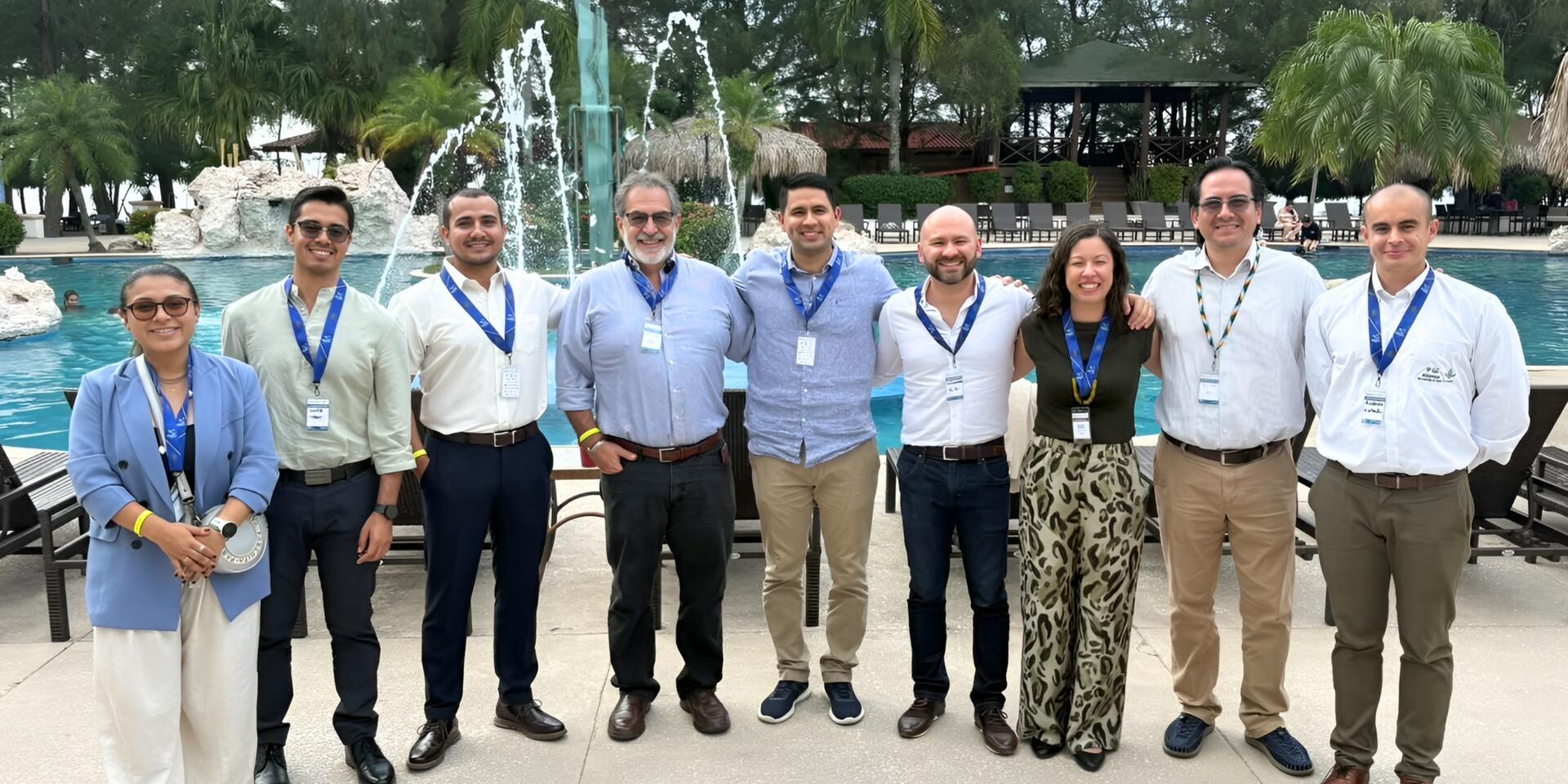

The Alliance of Bioversity International and CIAT took part in the 68th Meeting of the Central American Cooperative Programme for Crop and Animal Improvement 2026 (PCCMCA), the leading regional scientific forum for the exchange of knowledge, research and agricultural innovation in LAC.
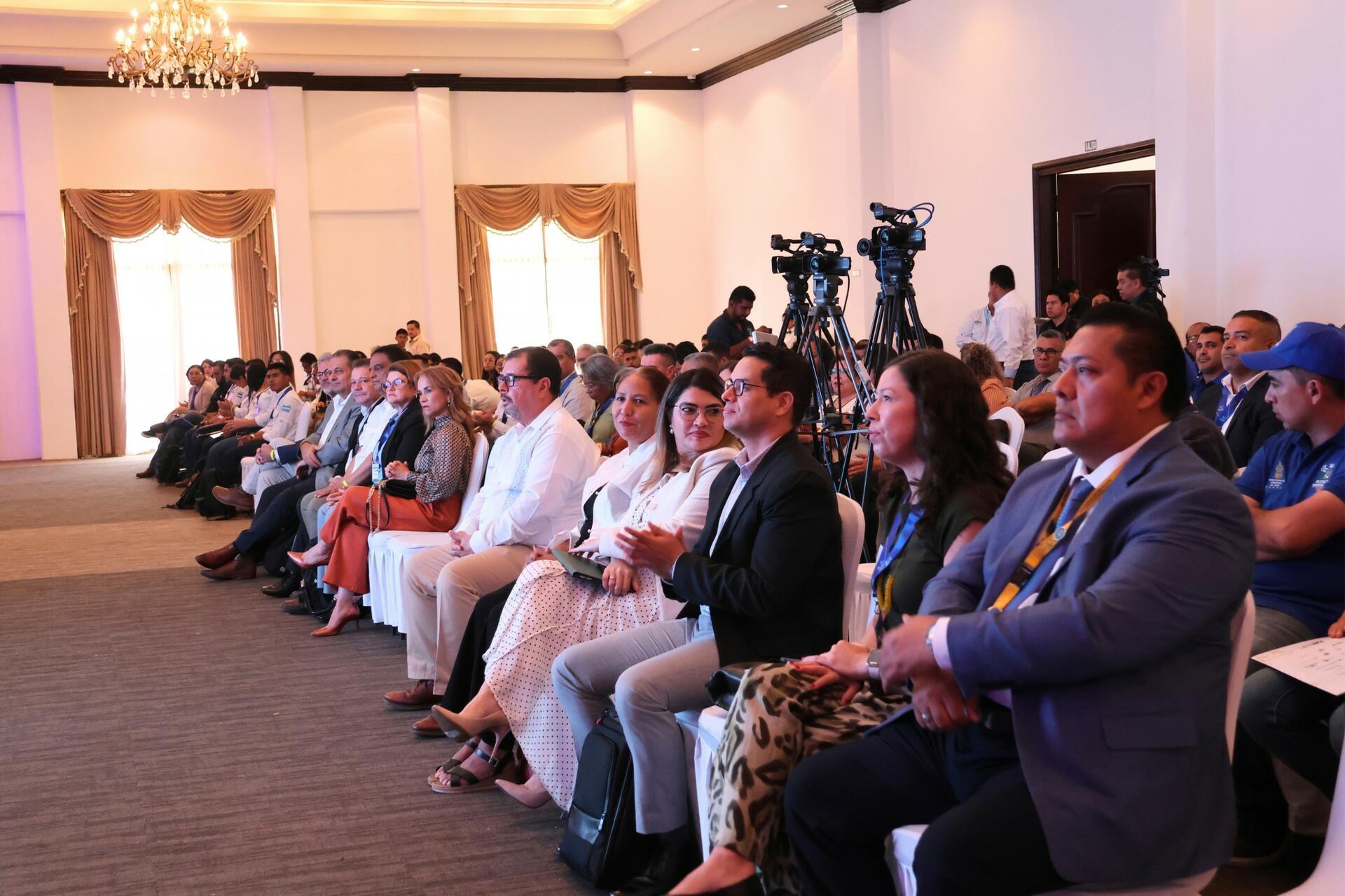
From 28 September to 2 October 2026, Tela, Atlántida, Honduras, hosted the 68th Annual Meeting of the Central American Cooperative Programme for Crop and Livestock Improvement (PCCMCA). Under the slogan “Hands on the land, food on the table”, the event brought together researchers, technicians, academics, producers and representatives from public, private and international institutions across the region. During the event, more than 150 scientific research papers and case studies relating to agriculture, natural resources and climate change were presented, promoting the exchange of knowledge, regional collaboration and innovation for agricultural development.
"Our participation in the PCCMCA was an opportunity to link science with the realities on the ground. Faced with challenges such as drought and food insecurity, this forum enabled us to connect with researchers, academia, the public sector, and producers to drive forward solutions that will have an impact on the region,” said Mayesse Da Silva, director of Multifunctional Landscapes.

Mayesse da Silva
Director (a.i), Multifunctional LandscapesAmong the key contributions shared by the Alliance of Bioversity International and CIAT, the following stand out:
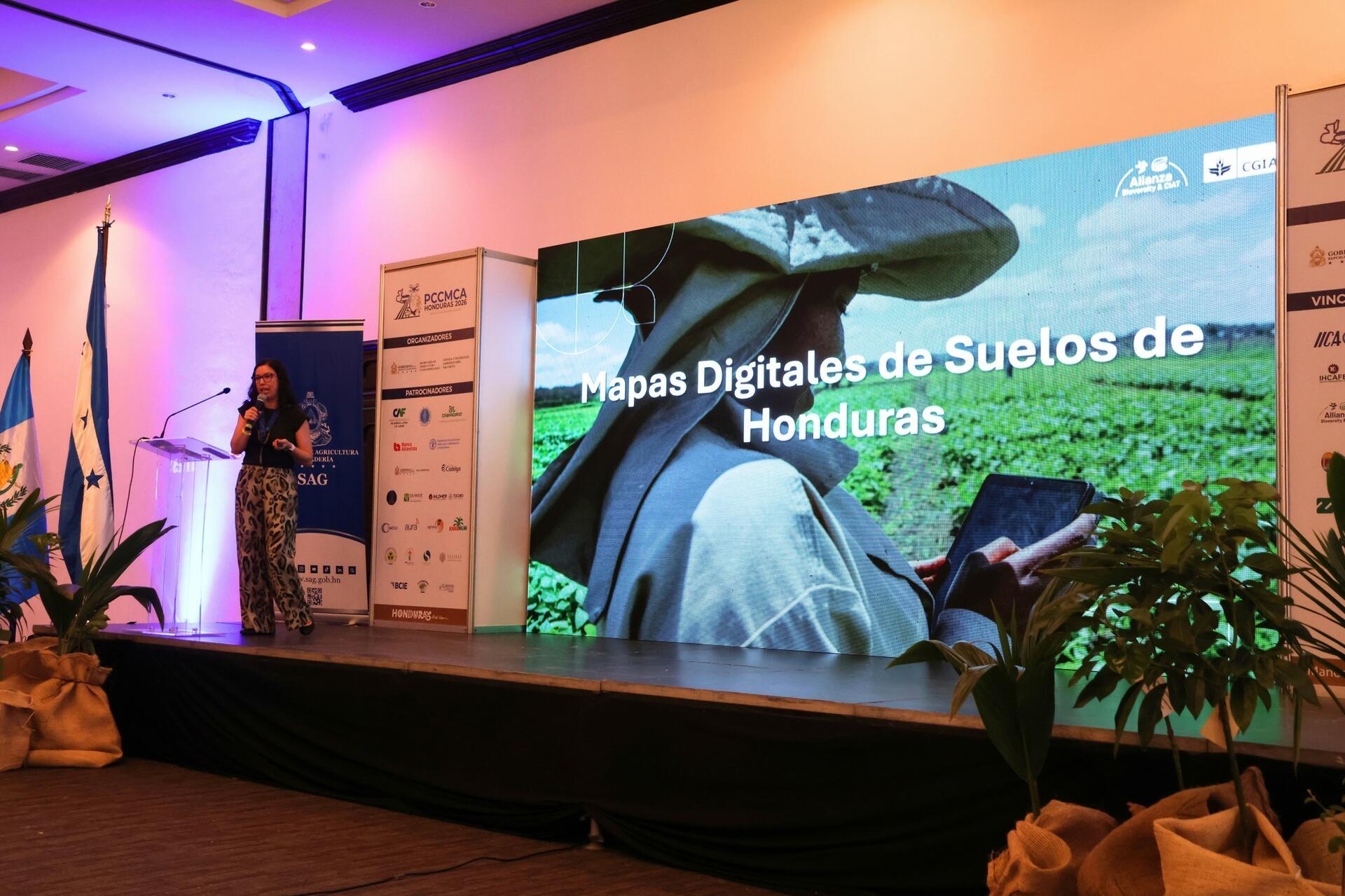
- The presentation of the first digital soil maps of Honduras, a milestone for the country that expands the availability of information on this resource. Produced as part of the Soils of Honduras project, these maps are a key tool for supporting agricultural planning and decision-making aimed at sustainable soil management.
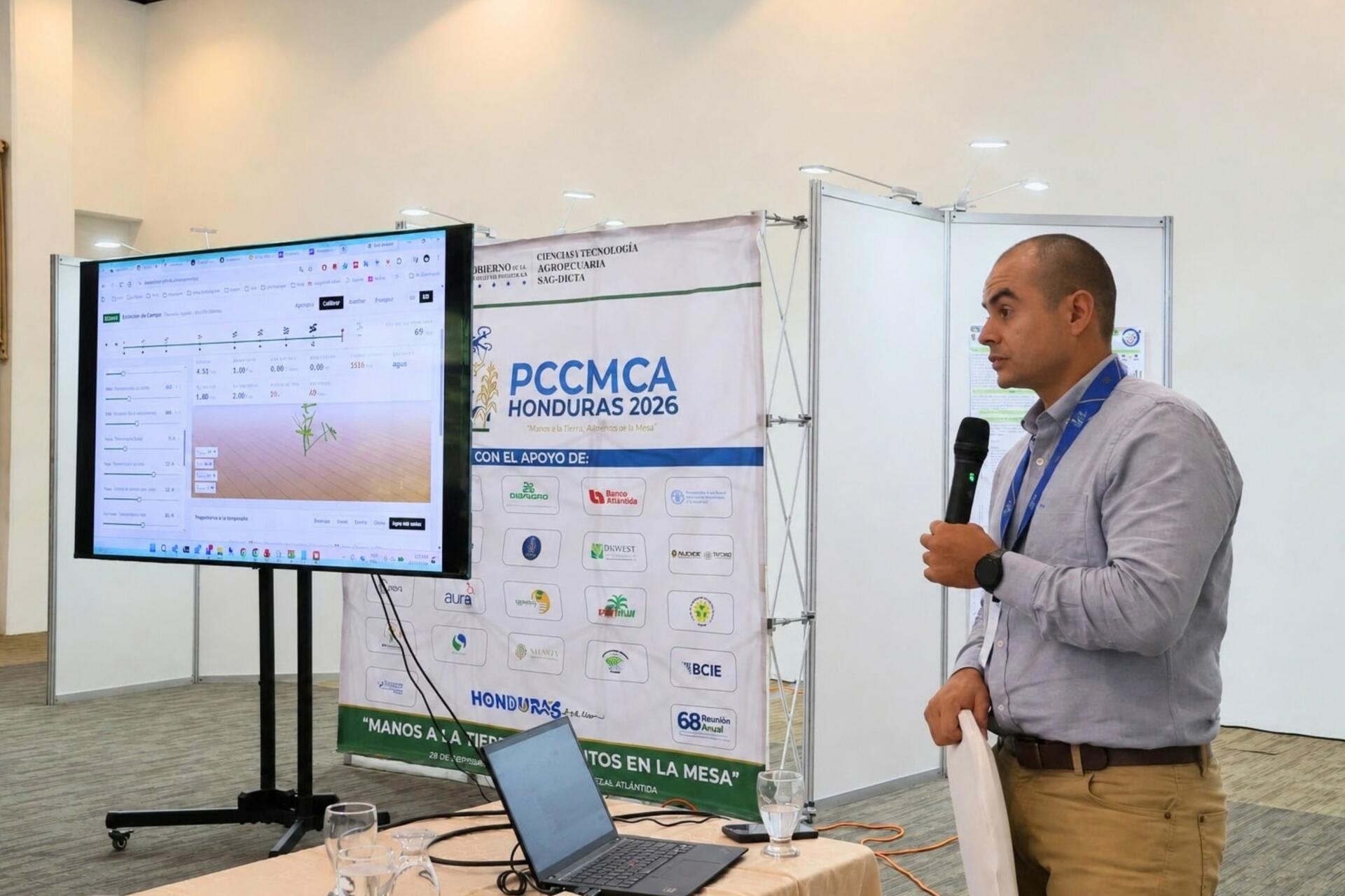
- The development of a mini-course on crop modeling focused on beans, in which technologies were shared that integrate soil information, agroclimatic variables, and management practices, with the aim of reducing uncertainty in production and improving agricultural planning.
- The Rice Program of the Alliance of Bioversity International and CIAT, in collaboration with FLAR, presented findings aimed at strengthening the assessment of zinc content in rice and supporting the development of materials with higher nutritional quality for Latin America.
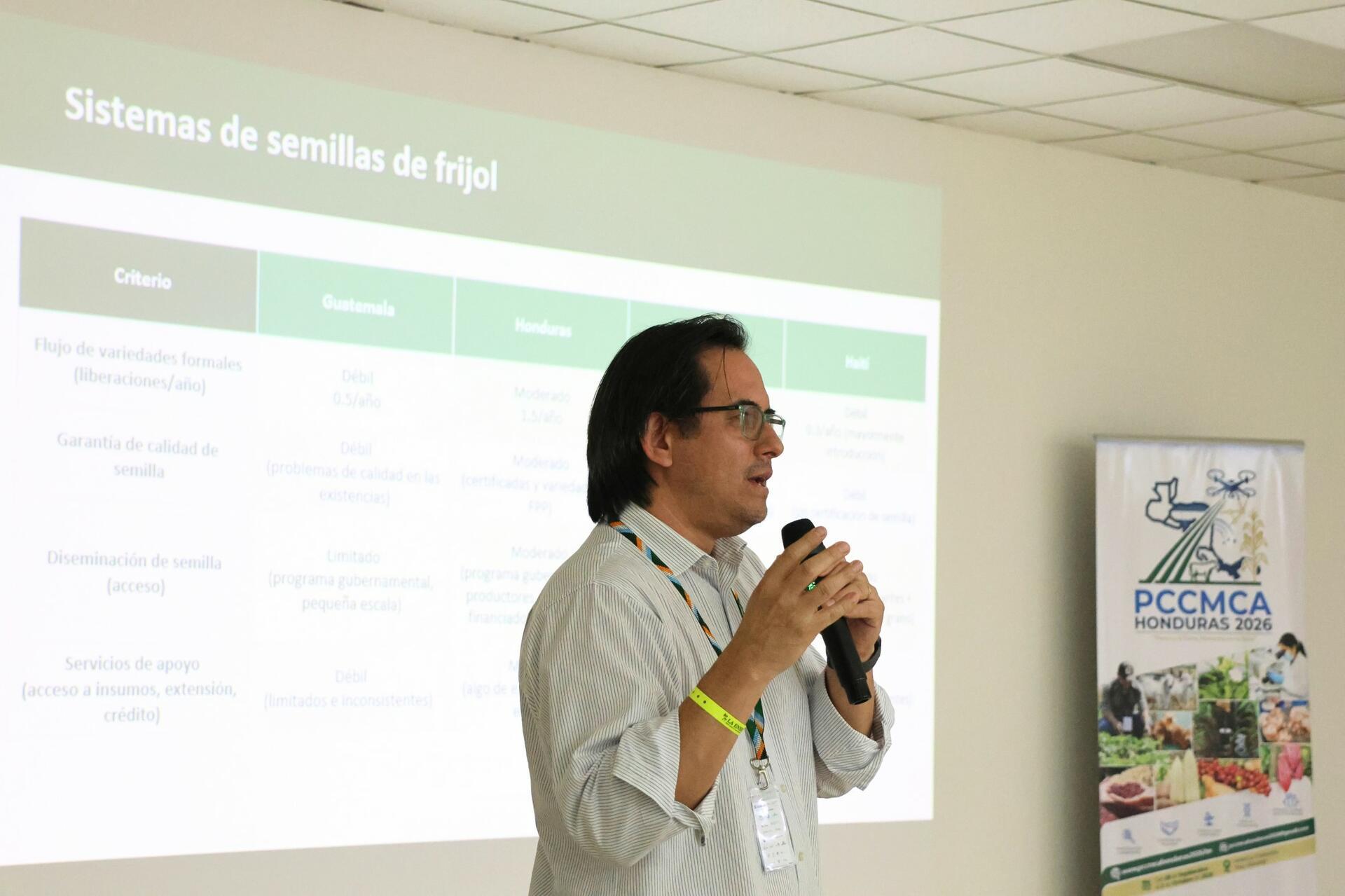
- Findings were shared from the research project "Adoption without yield gains: improved bean varieties and the seed system puzzle", which analyses the challenges and opportunities for improving access to and adoption of improved seeds in the region.
Honduras is making progress in understanding its soils
During the PCCMCA, the digital soil maps of Honduras were presented.
“These are the first digital soil fertility maps of Honduras, a milestone that marks a turning point for the country. Furthermore, they are possibly the first soil fertility maps developed on a national scale in Central America,” highlighted Juan Pablo Sequeira, coordinator of the Suelos de Honduras project.
According to the researcher, “Having this information allows us to answer one of the most important questions that arises in every production cycle: what fertilizer does a crop need? Although it seems simple, answering it correctly requires understanding soil characteristics, crop requirements, and climatic conditions. These maps provide a fundamental scientific basis for making more accurate and sustainable decisions in the country’s agriculture.”