Research Articles Hear our voice: Local perceptions are critical to understand deforestation dynamics in post-conflict zones
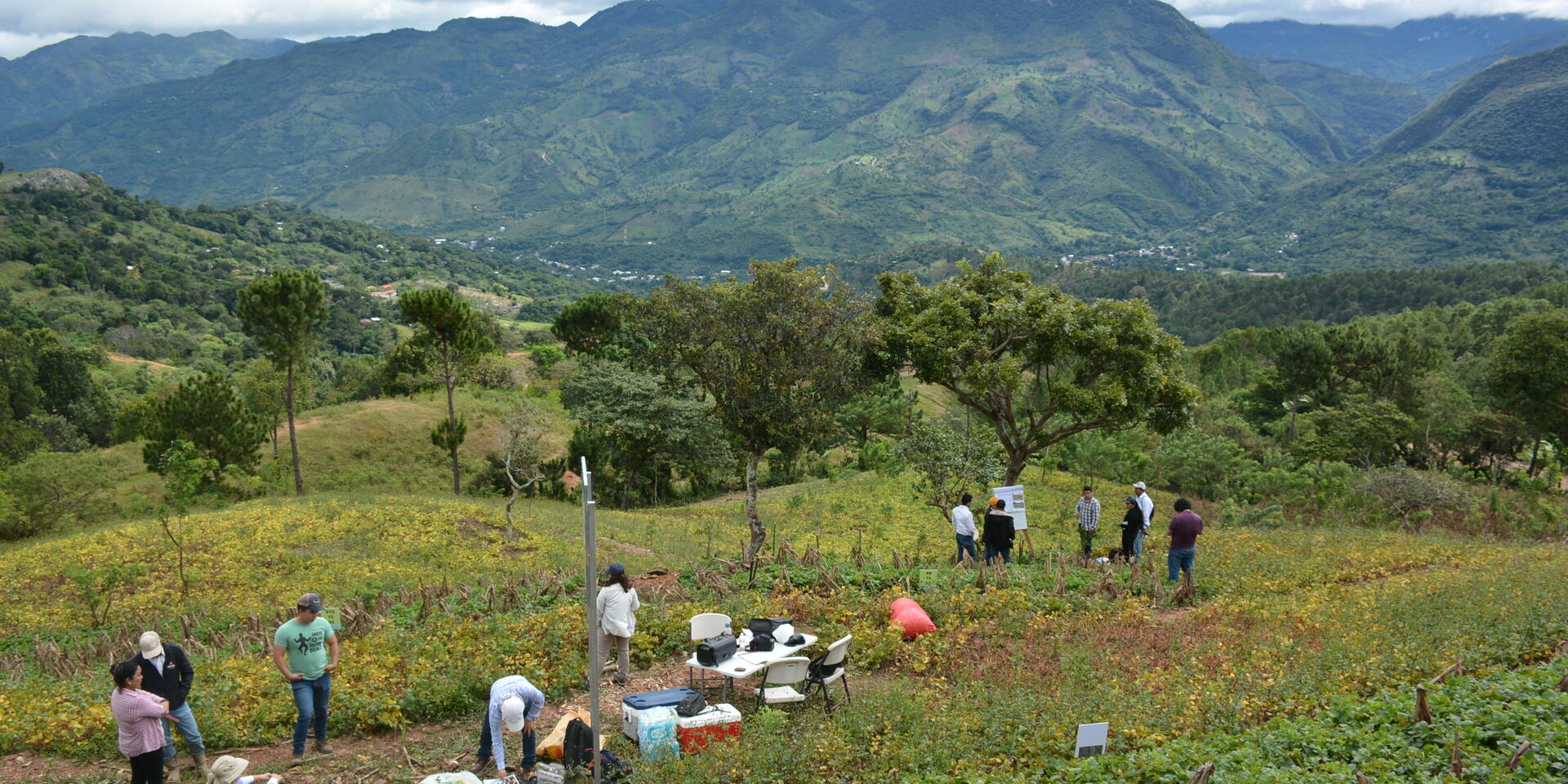

In Colombia’s post-conflict regions, deforestation is more than an environmental issue—it reflects deep social transformations. A new study reveals how local perceptions can unlock better forest conservation strategies rooted in community realities.
Colombia is a country rich in forest ecosystems, which cover around 52% of its territory. This immense “living green mantle”, source of biodiversity and ecosystem services, also served as a “natural bunker” for armed actors, who controlled big parts of those forested areas around the country, especially before the Peace Agreement signed in 2016 .
In post-conflict regions of Colombia, deforestation is driven by a complex interplay of social, political, economic, and environmental factors. Therefore, it cannot be understood in isolation from the complex social and territorial transformation underway. Forest loss in these areas often reflects deeper processes tied to rural inequality, unmet basic needs and changing patterns of land occupation and control. In the context of peacebuilding, addressing deforestation demands a better understanding of how people perceive and experience their landscapes while they recover from violence.
Thanks to advancements in technology, we now have sound biophysical and spatial data that are essential for tracking land use change, but this is a “picture from the sky” and does not fully capture the realities that shape decisions on the ground. Community perceptions offer important insights into the underlying factors that influence deforestation. These include access to infrastructure, housing and sanitation, as well as the way people think of reconciliation and peace.
Understanding this interaction is essential for designing effective strategies in regions where peacebuilding and forest conservation must happen together. In this context, the following questions arise: What can local perceptions contribute to our understanding of deforestation in areas transitioning out of violent conflict? What If local knowledge and experience offer more grounded paths toward conservation?
These are the kinds of questions that guide the work of Diana Gutiérrez, researcher specialized in Low Emission Landscapes of the Alliance of Bioversity International and CIAT. Diana and her coauthors explored how perceptions held by communities in post-conflict rural areas of Colombia can be used to better understand the drivers of land use change and to design more socially rooted forest conservation efforts. In the paper titled “Deforestation in conflict- affected areas: a quantitative approach for integrating local perspectives during peacebuilding”, published in the Journal Land Use Policy, the authors analyzed perceptions as proxies for underlying drivers of deforestation, offering a new approach to integrate local realities into land use change analysis.
“After the signing of the peace agreement, communities in previously inaccessible territories began engaging in discussions around issues such as education, health, zoning, agricultural production, infrastructure, and peacebuilding. From our perspective, this information was conceptually no different from the indicators commonly used to study deforestation—such as quality of life or poverty indices. In fact, it offered a valuable opportunity to deepen our understanding of collective thinking and the local realities shaping these territories' landscapes” says Gutiérrez-Zapata.
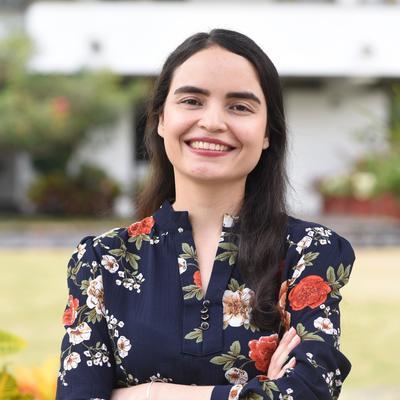
Diana Gutierrez
Senior Research AssociateUncovering the links between needs and forest loss
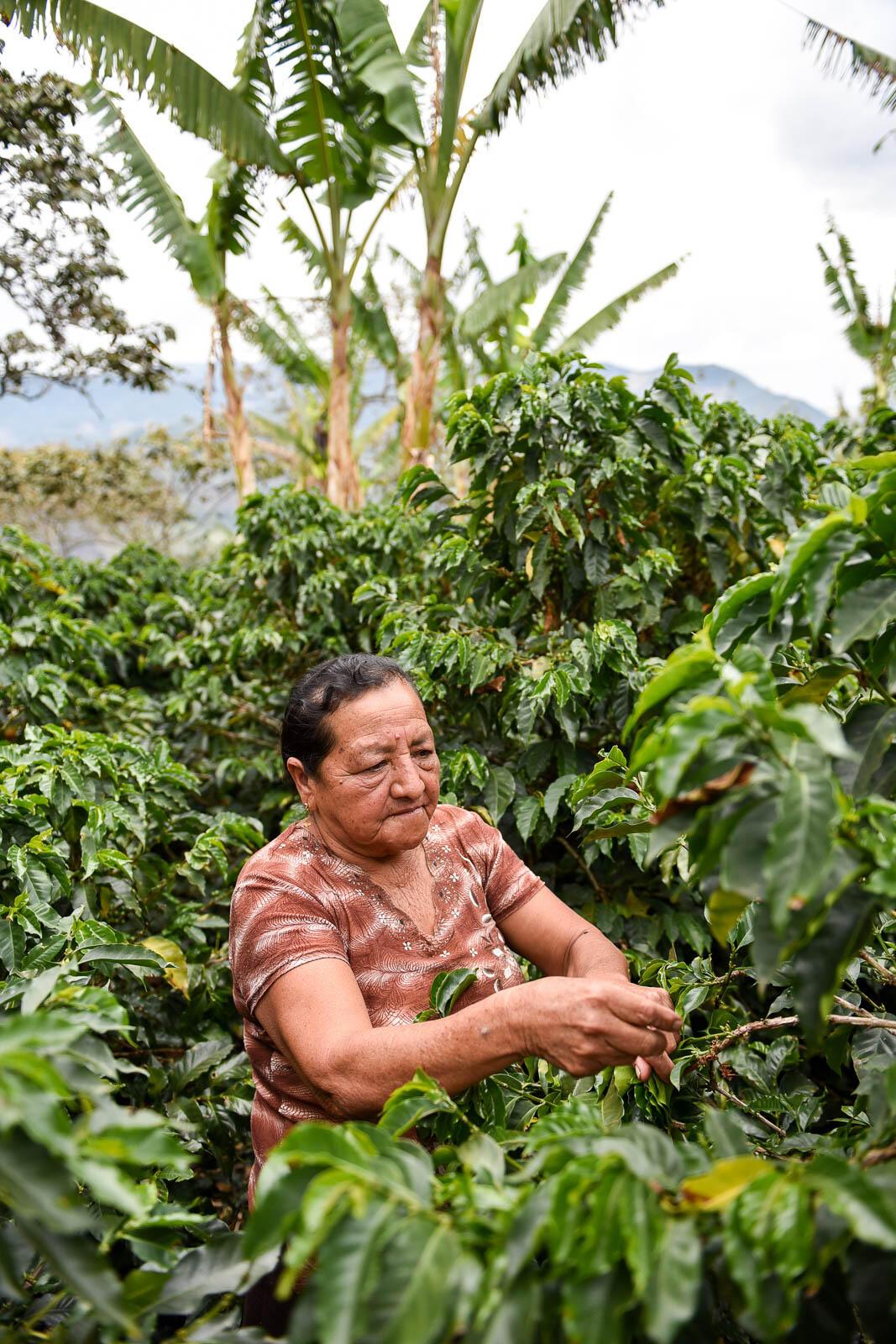
This research offers a clearer, “grounded” picture, and unveils processes that traditional deforestation analysis often miss. When communities lack access to infrastructure and basic needs, forests are one of the few resources they can easily rely on . However, forests use may also be determined by armed actors’ commands or by the community acknowledgement as valuable assets, that they have a moral duty to protect.
The study underscores the need to provide post-conflict territories with institutional, financial and legal resources that guarantee people’s rights. It also highlights the opportunity to leverage communities’ valuation of their natural capital to promote pro-environmental behaviors and strengthen their connection with forests. Authors argue that this could be achieved through education, which is highly prioritized in the region and recognized as a key tool in environmental strategies.
By linking deforestation patterns with perceived needs and aspirations, the research contributes to more grounded and context-specific strategies for forest conservation in post-conflict settings. It shows how local perspectives can be instrumental in strengthening the social relevance and policy impact of land use planning.
“Local perceptions are not just stories, they are data. They tell us where institutions are failing and trust needs to be rebuilt, and why conservation efforts must align with real social priorities” Gutiérrez-Zapata explains.
Forest conservation in the context of recovery
Forest in these territories are tied to aspirations for well-being, survival and recognition. As such, conservation efforts must consider not only ecological priorities but also how people relate to their territory after conflict. In regions such as Antioquia department in Colombia, where the peace process has opened new governance and development opportunities, these insights can support more context-sensitive forest management policies.
Lessons from this study are equally relevant to other countries undergoing post-conflict transitions. Local perceptions can serve as early indicators of land use pressure, helping to prevent deforestation before it accelerates.
As Colombia and other post-conflict countries navigate the dual challenges of rebuilding rural territories and protecting natural capital, this research highlights a critical principle: forest conservation and peacebuilding must be approached together, with the participation of local communities at the core.
*Blog written by Angie L. Sánchez and Diana Gutiérrez, from the Alliance of Bioversity International and CIAT. Edited by José Luis Urrea-Benítez, Science Communications Specialist.