How smallholder farmers are conserving native maize in Colombia
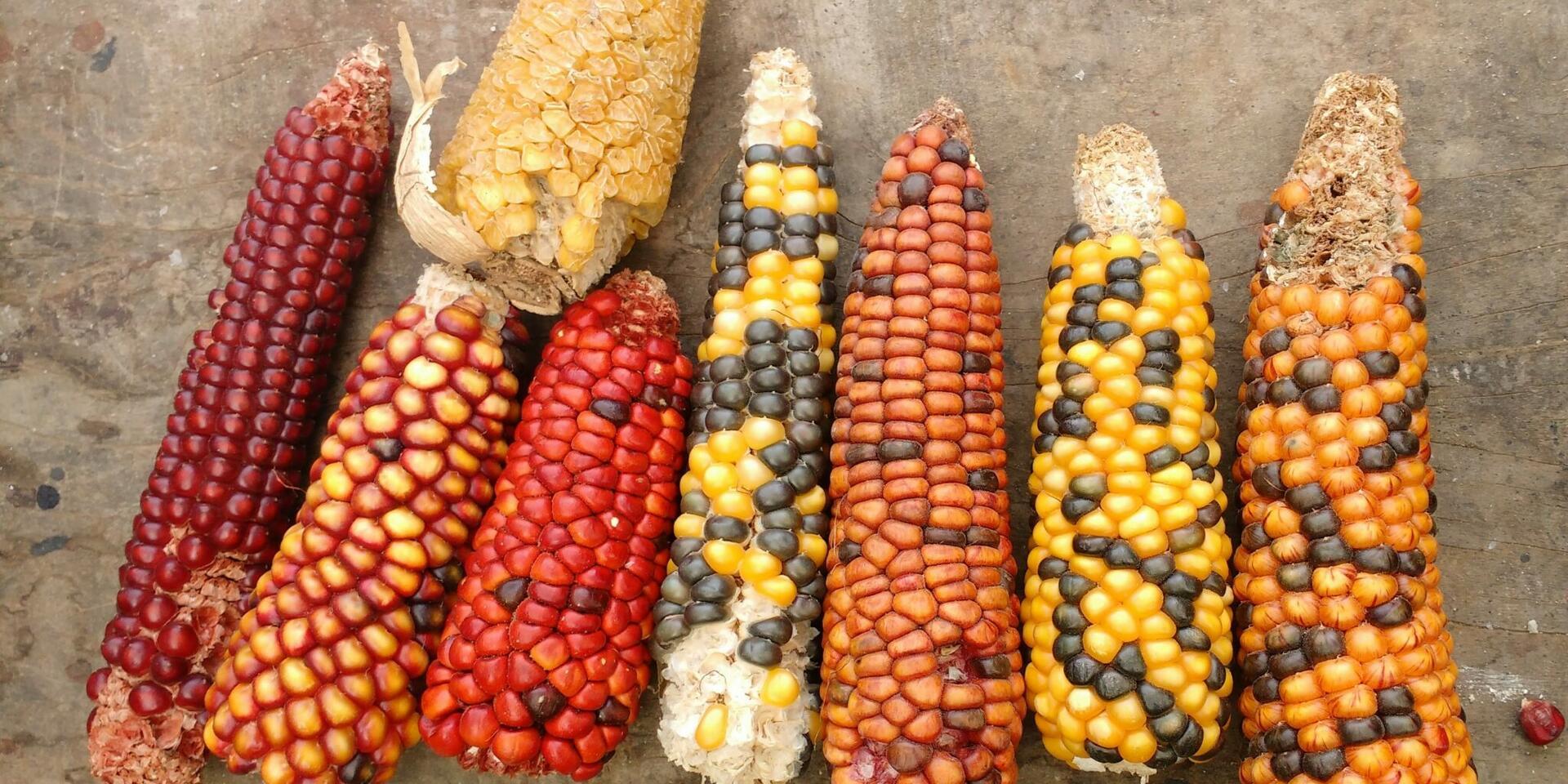

Farmers have been trained on postharvest practices to better preserve native crop biodiversity, through the CGIAR Nature-Positive Solutions Initiative.
By Sylvanus Odjo and Jessica González Regalado, International Maize and Wheat Improvement Center
Grains represent a significant part of the Colombian diet. The main ones are maize, rice and beans. Many smallholder farmers produce these grains in highly diversified polyculture farming systems that include a wide variety of crops – maize, beans, yams, yucca, potatoes, oca, broad beans, arracacha, etc.
While agrobiodiversity has been central to traditional food production and food security for centuries, it still is vital – especially in times of crisis – today.
The preservation of Colombian maize landraces is, however, endangered by several problems, including poor post-harvest practices that fail to maintain the quality of the seeds after harvest.
The International Maize and Wheat Improvement Center (CIMMYT), The Alliance of Bioversity International and CIAT, and partners have implemented different trainings to strengthen the postharvest system for the conservation of native maize grains and seeds.