Blog How gene banks safeguard our food security for the future
In a world facing increasingly complex challenges—from climate change and biodiversity loss to growing populations and geopolitical instability—the question of food security has never been more critical. Amidst these challenges, an often-overlooked but vital institution plays a key role in securing our agricultural future: gene banks.
Gene banks are facilities that conserve plant genetic resources for future use. These repositories are the guardians of agricultural biodiversity, storing the genetic material necessary to breed crops that can withstand disease, drought, pests, and other threats. By preserving both cultivated and wild varieties of crops, gene banks provide the raw materials that scientists, breeders, and farmers need to adapt to an ever-changing world.
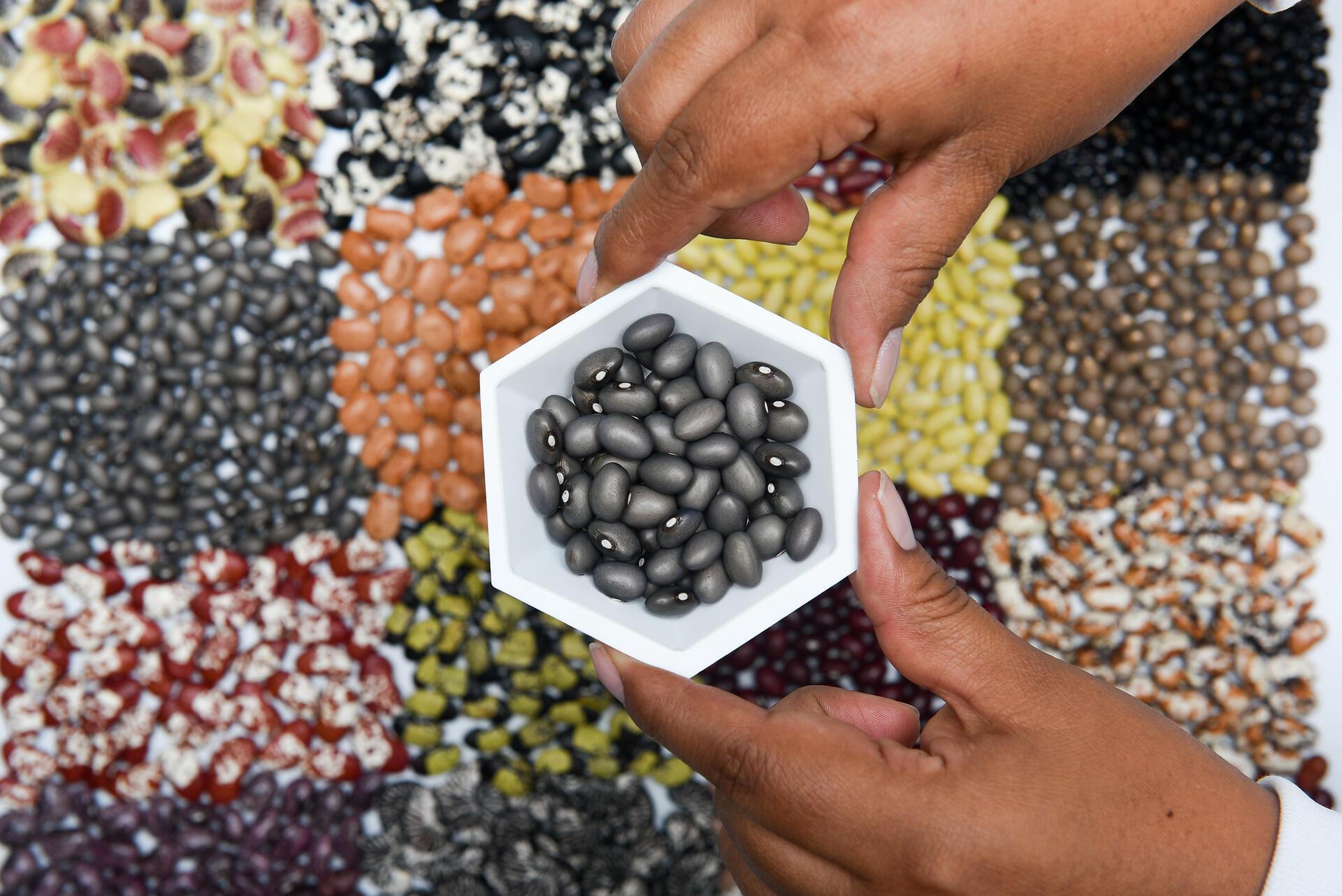
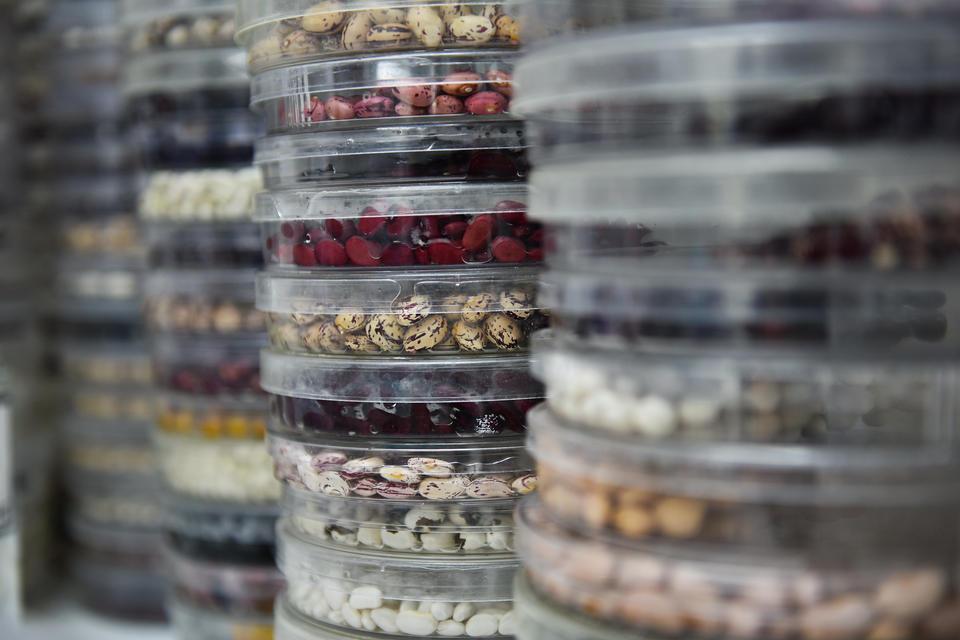
Bean diversity at the Alliance's Future Seeds gene bank in Colombia. Photo credit: Neil Palmer
What are gene banks?
Plant genetic material can include seeds, plant tissue, and even entire plants, depending on the species and conservation method. Gene banks come in various forms:
- Seed banks: Here, seeds are dried and kept in cold storage for long-term conservation.
- Field gene banks: Here, gene bank managers grow plants in fields, used for species that cannot be preserved by seeds alone (such as certain fruit trees).
- In vitro and cryopreservation banks: Here, plant tissue or embryos are stored in laboratory settings, especially for crops that are vegetatively propagated.
These facilities ensure that a wide range of plant genetic diversity is available for use in agriculture, research, and restoration projects into the future.
Why plant genetic diversity matters
Plant genetic diversity – an element of agrobiodiversity – is the foundation of food security. It enables crops to evolve and adapt to environmental pressures, diseases, and pests. Without sufficient diversity, our food systems become vulnerable to collapse. For example, the Irish Potato Famine in the 1840s, which killed over a million people, was exacerbated by the reliance on a single potato variety susceptible to blight. The likelihood of such crises can be reduced by diversifying the number of food sources that are consumed. By maintaining genetic variation, gene banks help avoid such catastrophes. Furthermore, as plant science evolves, maintaining sufficient diversity of crops in storage makes it easier to identify, share, and even develop new crop varieties with traits like drought tolerance, disease resistance, and improved nutritional profiles. It frequently happens that farming communities (or countries as-a-whole) lose crops that they once maintained, and want to reintroduce them into their farming systems. Gene banks are a critically important source of such materials.
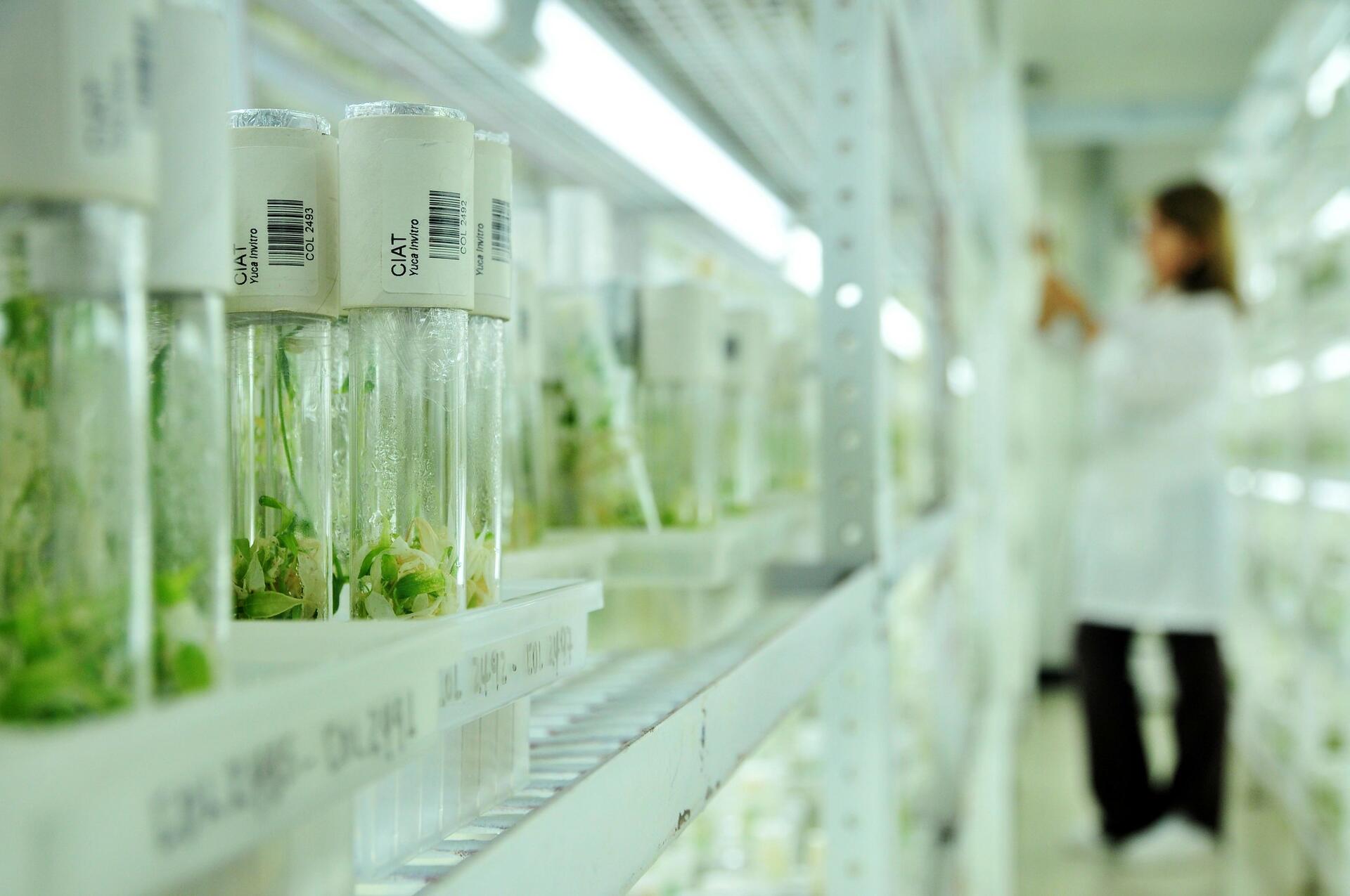
Crop samples preserved at the Alliance's Future Seeds gene bank in Colombia. Photo credit: Neil Palmer
Supporting crop improvement and breeding
Modern crop breeding relies heavily on the diversity stored in gene banks. Breeders use genetic material to introduce new traits or enhance existing ones in cultivated varieties. This is especially important in developing countries where climate change is already affecting farming conditions.
For example, drought-resistant maize varieties used in sub-Saharan Africa are often derived from landraces and wild relatives stored in gene banks. These varieties are helping farmers cope with erratic rainfall and increasing temperatures.
Genetic diversity in gene banks is also a useful resource for less technically advanced forms of crop improvement as well. It can happen that researchers can select useful materials from the diversity they receive from gene banks, and choose to scale up their production and use of those materials.
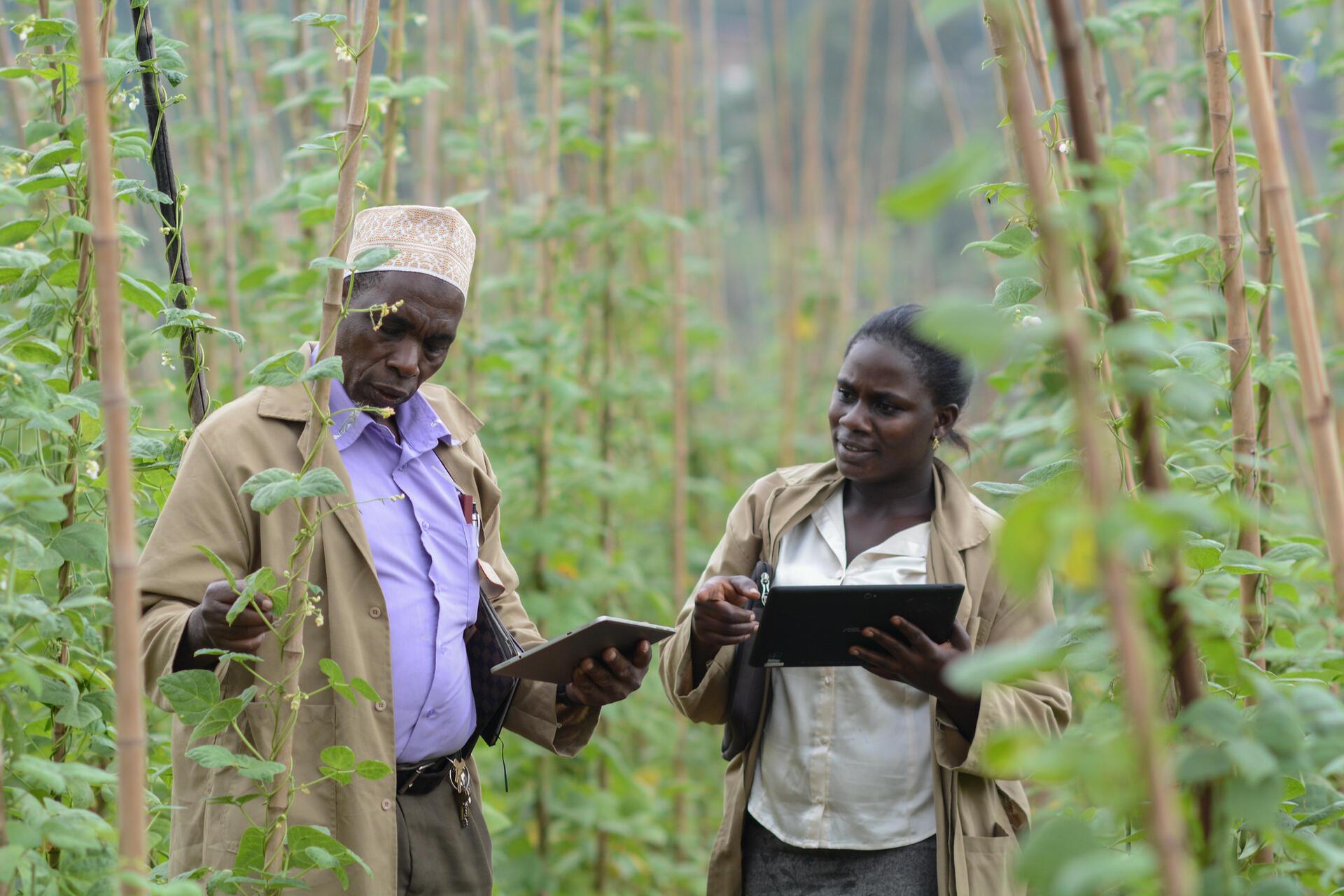
Research and field technicians review crops for preservation in an Alliance gene bank in Uganda. Photo credit: Georgina Smith
How gene banks operate
Collection and acquisition
Gene banks acquire plant material from various sources:
- Expeditions: Scientists collect seeds from the wild or from farming communities. CGIAR gene banks work in partnership with national agricultural research organizations when supporting new collecting missions.
- Donations: Institutions and individuals may donate samples.
- Exchange agreements: Gene banks often share material with one another under international frameworks like the International Treaty on Plant Genetic Resources for Food and Agriculture (ITPGRFA).
Before storage, samples are cataloged with important data, including their origin, genetic characteristics, and potential uses.
Conservation techniques
Seeds must be cleaned, dried, and stored under carefully controlled conditions to remain viable – able to reproduce outside of the gene bank – for decades. Standard conditions include:
- Temperature: Typically around -18°C for long-term storage
- Humidity: Around 3-7% moisture content to minimize metabolic activity
For crops that don’t produce storable seeds (like bananas or yams), gene banks use in-vitro culture or cryopreservation techniques, where tissues are stored in liquid nitrogen at -196°C.
Regeneration and testing
Seeds lose viability over time, so gene banks periodically grow out (regenerate) plants to harvest fresh seeds. This is also an opportunity to test for traits and ensure the material remains true to type. During regeneration, seeds are monitored for:
- Germination rates
- Genetic stability
- Pathogen contamination
This cycle of testing and regeneration ensures the long-term health of the gene bank’s collection.
Documentation and access
Each sample is meticulously documented in databases with details like genetic makeup, origin, and growing conditions. These records are vital for researchers and breeders who need to know what traits might be useful for a specific challenge.
Many gene banks share information about their collections though globally accessible databases such as Genesys and the Global Information System on Plant Genetic Resources for food and agriculture (GLIS) created by the Plant Treaty. Through these databases, users can get open access to catalog information.
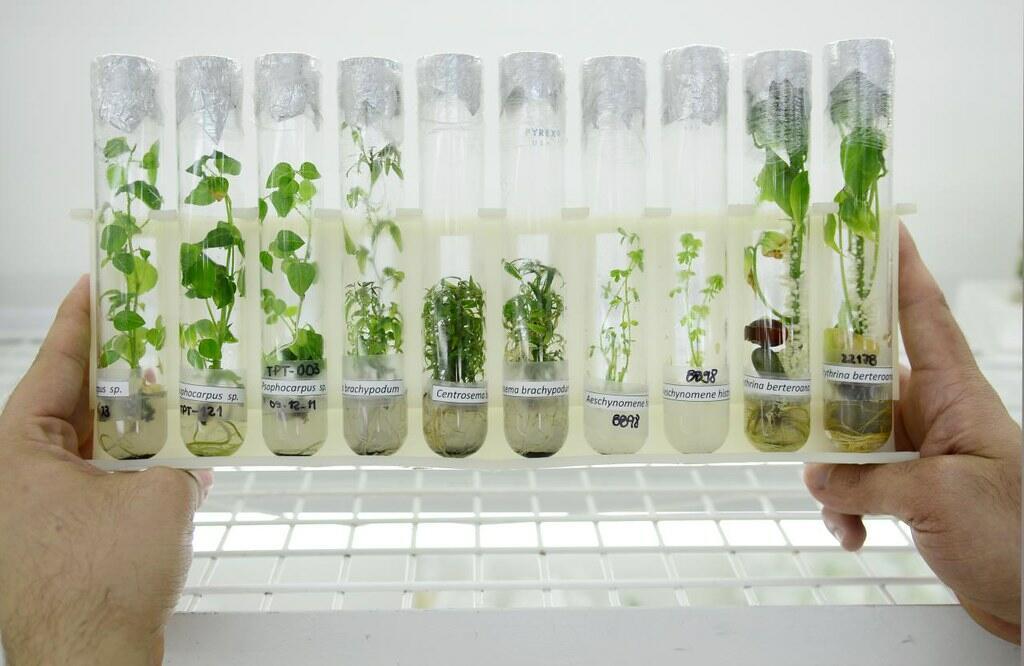
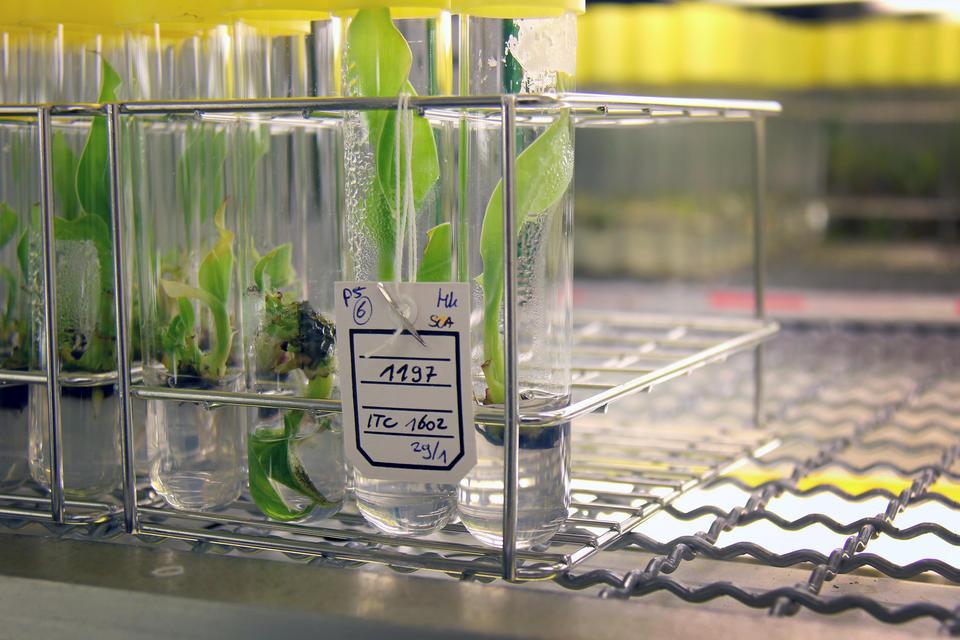
Samples of tropical forages conserved in vitro at Alliance's Future Seeds gene bank in Colombia. Photo credit: Neil Palmer
Global gene banks and their impact
The Svalbard Global Seed Vault
Often dubbed the ‘Doomsday vault’, the Svalbard Global Seed Vault in Norway is the world's largest backup facility for crop diversity. Built deep within a mountain on the Arctic island of Spitsbergen, it provides secure storage for duplicate samples from gene banks worldwide. As of 2025, the vault holds over 1.2 million distinct seed samples, representing many crop species important to agriculture. (NB: the Svalbard Seed Vault does not host clonally propagated crops)
It serves as a failsafe in case of natural disasters, war, or equipment failure in national gene banks.
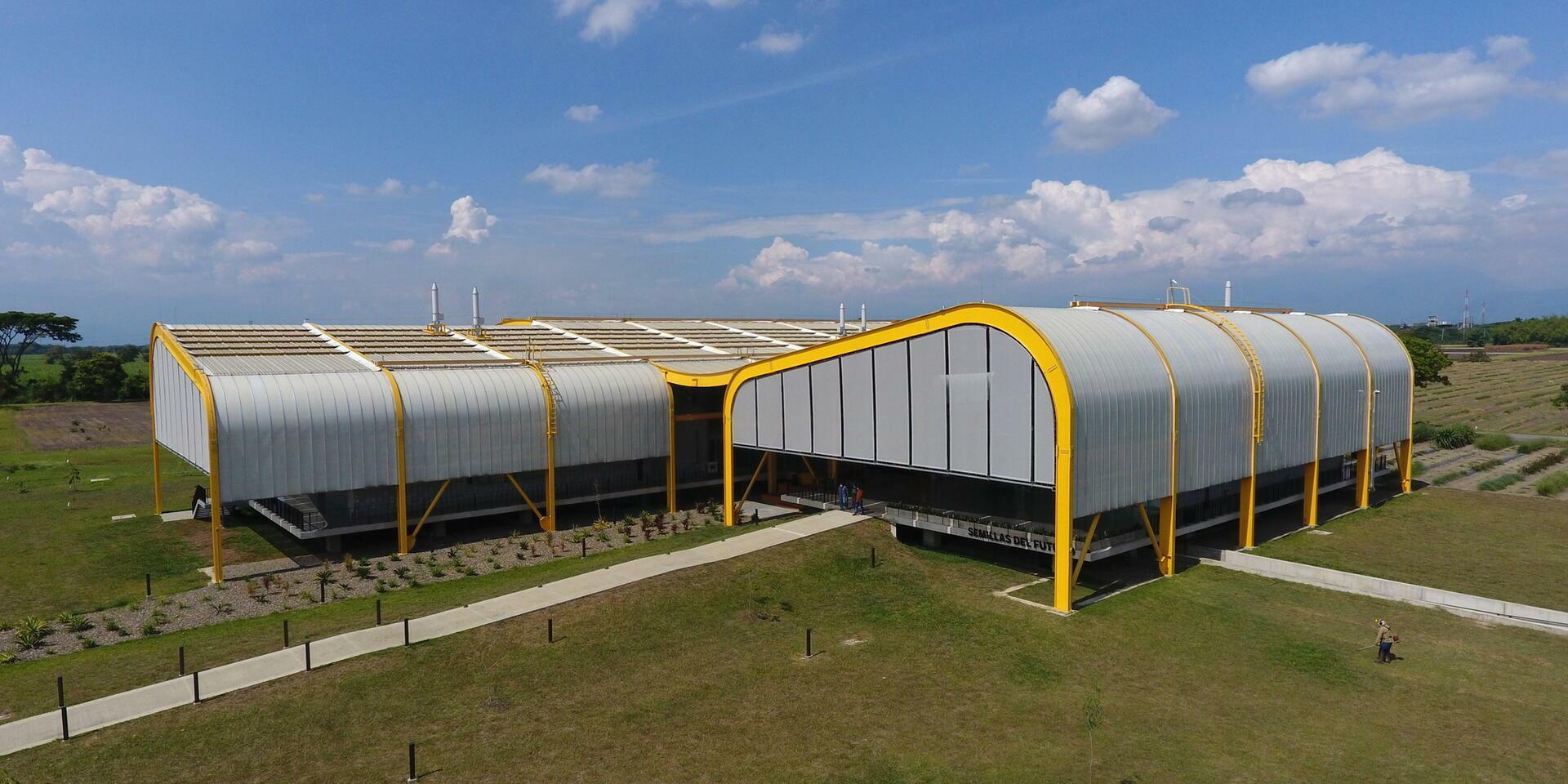
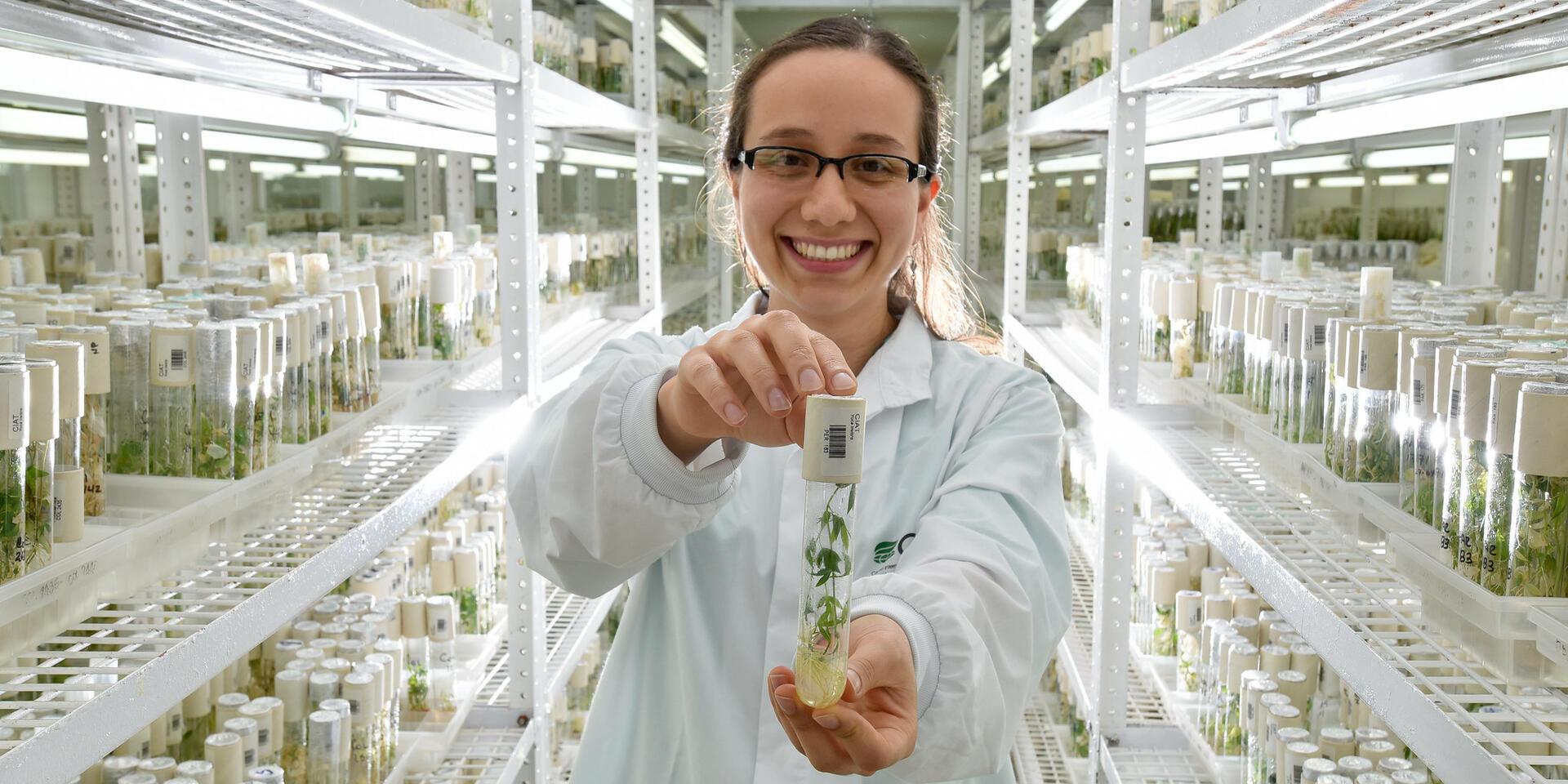
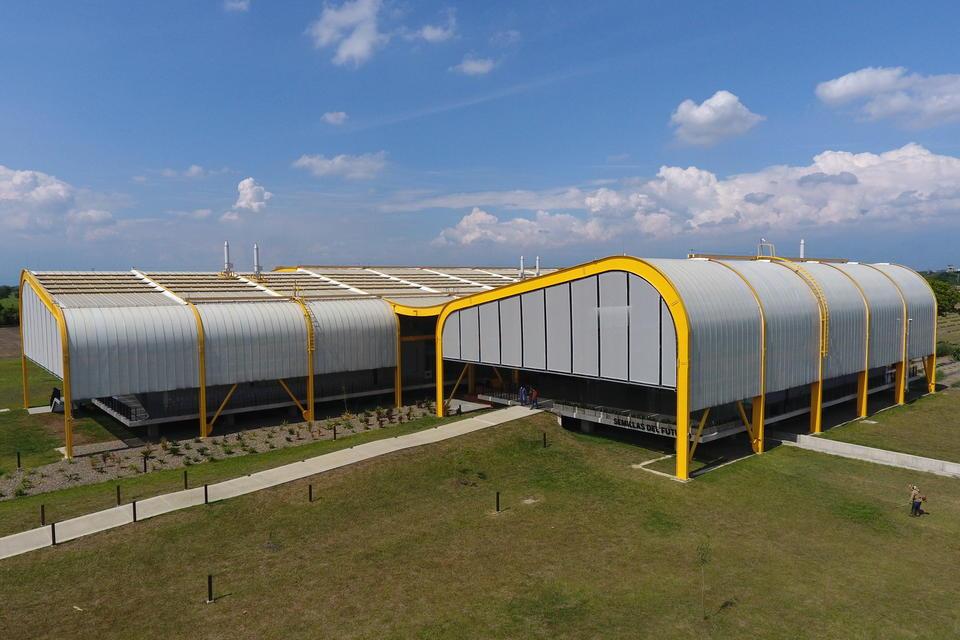
The Alliance's Future Seeds gene bank in Colombia. Photo credit: Juan Pablo Garcia
CGIAR gene banks
CGIAR – a global partnership of agricultural research-for-development centers – manages numerous major gene banks that collectively conserve over 760,000 accessions, making it one of the largest and most important plant genetic resource systems in the world.
Each gene bank in the CGIAR network specializes in specific crops or regions, collectively representing the genetic diversity of critical food crops used across the globe. These gene banks are strategically located in different ecological zones to facilitate research, breeding, and local partnerships; each gene bank is led by one of CGIAR’s numerous research-for-development centers. These include:
Future Seeds (led by the Alliance of Bioversity International and CIAT)
- Location: Palmira, Colombia
- Gene bank name: Future Seeds
- Focus: Beans, cassava, tropical forages (livestock feed)
- Collection Size: Over 67,000 accessions
Highlights:
- Future Seeds: state-of-the-art gene bank facility opened in 2022
- The world’s most modern gene bank for tropical crops
- Alliance-developed cassava and bean varieties feed hundreds of millions
- Seeds and data accessible to scientists globally through open platforms
The International Maize and Wheat Improvement Center (CIMMYT)
- Location: Texcoco, Mexico
- Focus: Maize and wheat
- Collection Size: Over 170,000 accessions
Highlights:
- Home to the world's largest wheat gene bank
- One of the most significant maize collections globally
- Supplies germplasm to over 100 countries
- Underpins the development of high-yielding, drought-resistant wheat and maize varieties
- Varieties derived from CIMMYT material cultivated on over half of the wheat fields globally
International Rice Research Institute (IRRI)
- Location: Los Baños, Philippines
- Focus: Rice
- Collection Size: Over 130,000 rice accessions
Highlights:
- The largest rice collection in the world
- Includes wild relatives, landraces, and improved varieties
- Supports breeding of stress-tolerant rice (e.g., Sub1 rice for floods)
- Distributed rice germplasm to more than 120 countries
- Contributed to over 1,000 rice varieties cultivated worldwide
International Center for Agricultural Research in the Dry Areas (ICARDA)
- Primary Location: Morocco and Lebanon
- Focus: Barley, wheat, lentils, chickpeas, faba beans, forage crops (livestock feed)
- Collection Size: Over 157,000 accessions
Highlights:
- Specializes in crops for dryland agriculture
- Rebuilt operations after relocating from Aleppo due to civil conflict
- Seeds from ICARDA were the first ever withdrawn from the Svalbard Global Seed Vault in 2015
- Developing climate-smart varieties for North Africa, the Middle East, and Central Asia
International Institute of Tropical Agriculture (IITA)
- Location: Ibadan, Nigeria
- Focus: Cowpea, yam, cassava, soybean, maize, banana
- Collection Size: Around 37,000 accessions
Highlights:
- Houses the largest collection of cowpea and yam germplasm
- Critical for sub-Saharan food systems
- IITA varieties significantly increased yields in West Africa
- Partnered with farmers to introduce pest-resistant cowpea strains
International Crops Research Institute for the Semi-Arid Tropics (ICRISAT)
- Location: Hyderabad, India
- Focus: Sorghum, pearl millet, chickpea, pigeon pea, groundnut
- Collection Size: Over 126,000 accessions
Highlights:
- The largest collection of sorghum and pearl millet
- Focus on crops for arid and semi-arid regions
- Seeds distributed to over 144 countries
- Contributed to drought-tolerant legume varieties used widely in Africa and South Asia
International Potato Center (CIP)
- Location: Lima, Peru
- Focus: Potato, sweet potato, and other Andean roots and tubers
- Collection Size: Over 15,000 accessions
Highlights:
- Holds the world’s largest collection of potato diversity
- Includes wild relatives and traditional cultivars
- Working with farmers in the Andes to conserve varieties in situ
- Developed virus-free planting materials widely used by smallholders in Latin America and Africa
AfricaRice
- Location: M’bé, near Bouaké, Côte d'Ivoire
- Focus: Rice (especially African rice species, Oryza glaberrima)
- Collection Size: Over 21,000 accessions
Highlights:
- The largest collection of African rice diversity
- Conserves both cultivated and wild rice from across the continent
- Source of key genetics for NERICA (New Rice for Africa), which has significantly boosted rice yields across the continent
International Livestock Research Institute (ILRI)
- Location: Nairobi, Kenya and Addis Ababa, Ethiopia
- Focus: Forage and feed crops for livestock
- Collection Size: Over 19,000 accessions of forage grasses and legumes
Highlights:
- Key for integrating crop-livestock systems in Africa and Asia
- Sharing of improved forage species has enhanced animal productivity
- Forages contribute to soil health and resilience in smallholder farms
International Musa Germplasm Transit Center (ITC)
- Lead center: the Alliance of Bioversity International and CIAT
- Location: Leuven, Belgium (hosted by KU Leuven)
- Focus: Bananas and plantain (genus Musa)
- Collection Size: Over 1,600 accessions
Highlights:
- The world’s largest collection of banana genetic resources
- Conserved using in vitro and cryopreservation methods
- Supplies virus-indexed planting material to banana researchers and breeders worldwide
- Plays a vital role in combating banana diseases like Fusarium wilt (Tropical Race 4)
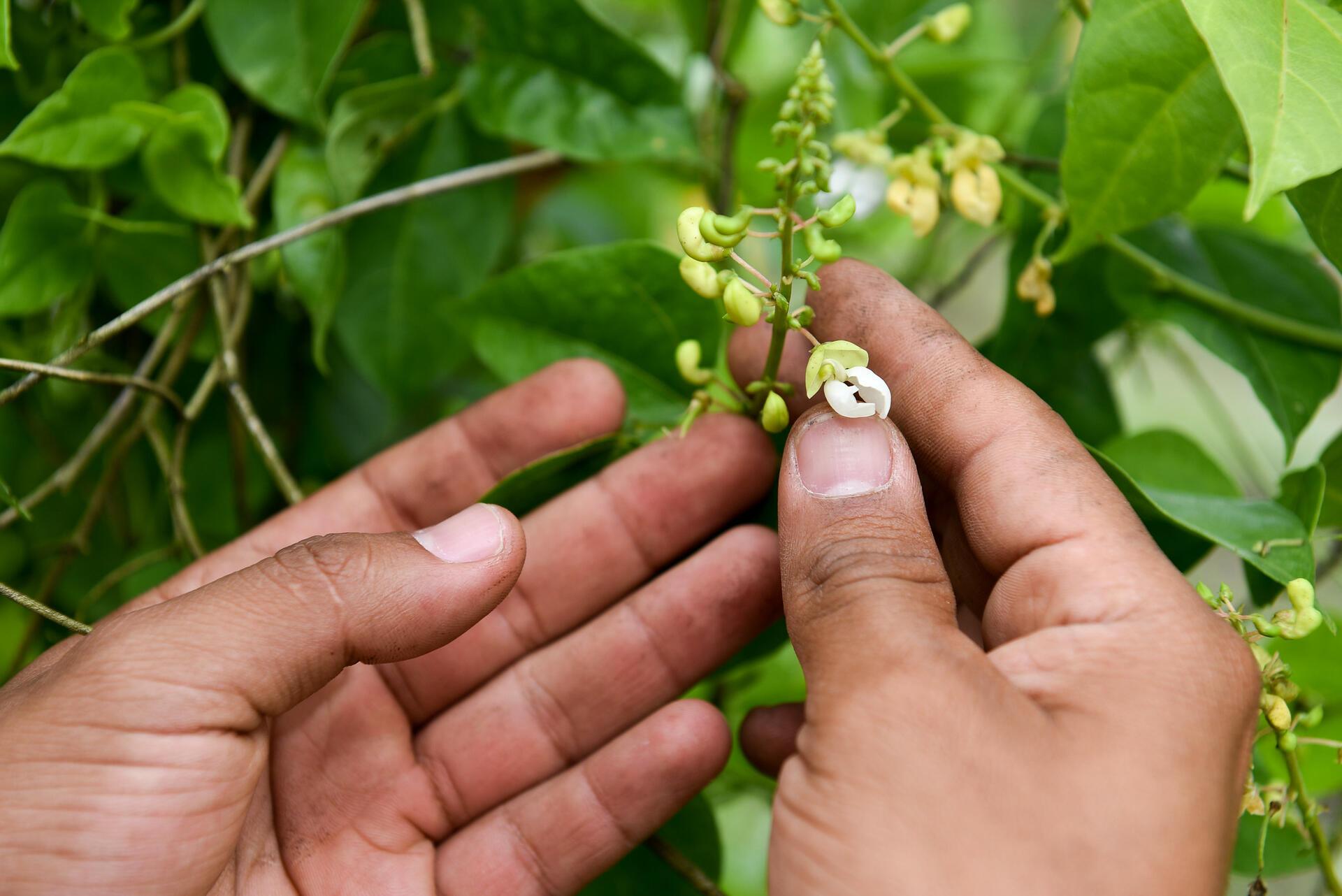
A farmer monitors plant growth in Colombia. Photo credit: Neil Palmer
Reaching the farmer: How gene bank samples get used
Gene banks don’t just store seeds and other forms of reproductive materials — they actively distribute them to researchers, breeders, and farmers worldwide. Here’s how samples move from storage to the field:
Requests and distribution
- Gene banks operate under international treaties, particularly the International Treaty on Plant Genetic Resources for Food and Agriculture (ITPGRFA), which enables the sharing of samples under Standard Material Transfer Agreements (SMTAs).
- Breeders, scientists, and farmers submit requests based on a range of factors, including, specific traits (e.g., drought tolerance).
- Samples are sent after plant health quality checks in conformity with national and international phytosanitary laws, for free of charge or at nominal cost.
Breeding programs
- Researchers use gene bank material to crossbreed new crop varieties.
- These new lines are tested under field conditions for yield, stress tolerance, pest resistance, and nutrition.
- Successful varieties are released through national agricultural research systems (NARS) or private-sector partners.
Farmer adoption
- In many CGIAR centers, participatory breeding and variety trials involve farmers from the beginning.
- Farmers receive samples from gene banks often accompanied by training or extension services to assist in characterization and evaluation.
- Reproductive material can be conserved and further disseminated through community seed banks, cooperatives, and farmer-to-farmer exchanges.
Digital tools and data sharing
- Platforms like Genesys and GLIS allow users to search for gene bank data and request materials.
- CGIAR gene banks are increasingly linking phenotypic and genomic data with germplasm to improve usability.
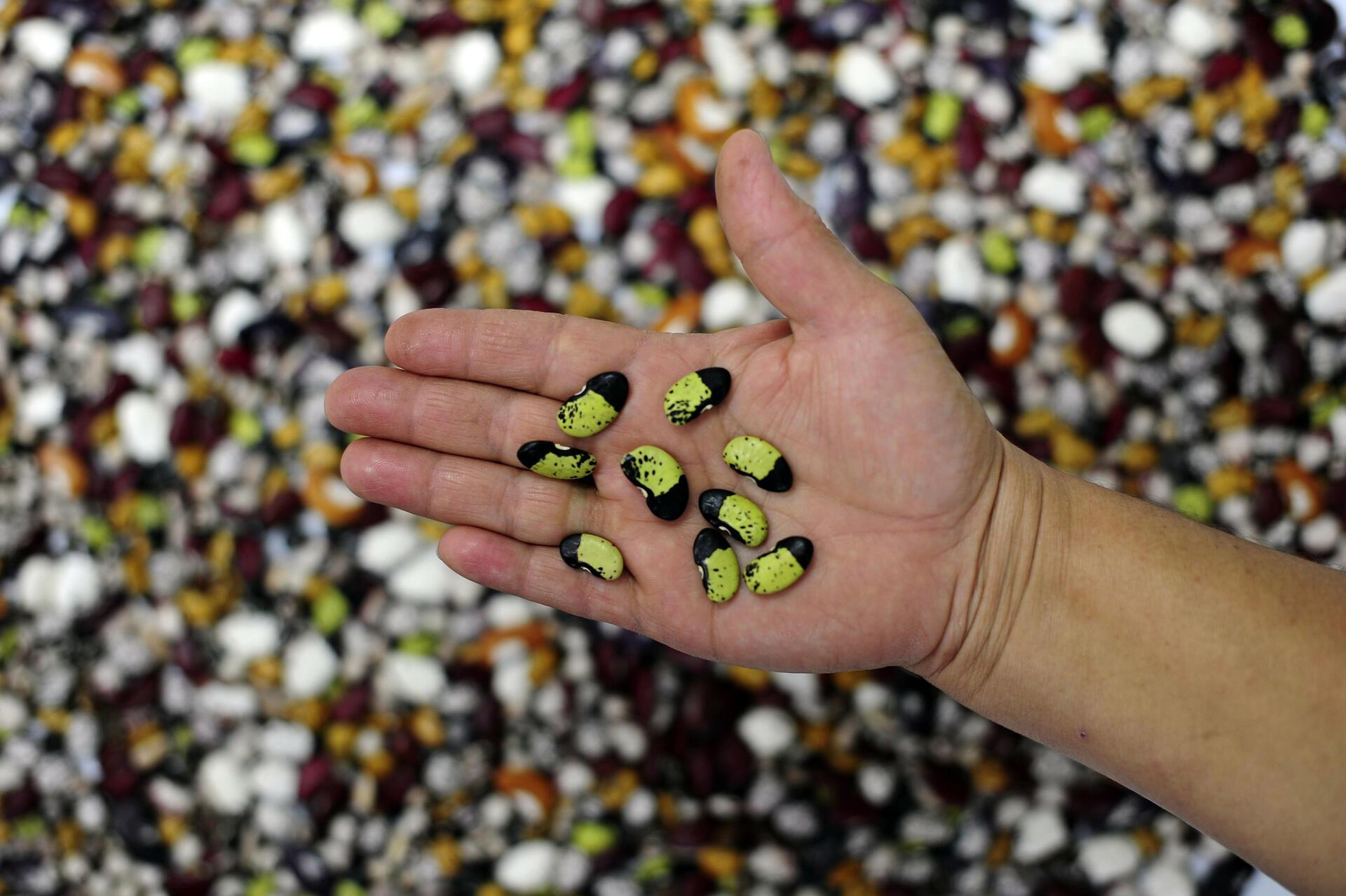
Bean diversity at the Alliance's Future Seeds gene bank in Colombia. Photo credit: Neil Palmer
Why investing in gene banks is a strategic investment in global food security
In a world increasingly shaped by climate shocks, biodiversity loss, population growth, and geopolitical instability, food security depends not only on what we produce today but also on our ability to protect the crop diversity that will sustain agriculture tomorrow. Gene banks are therefore not peripheral scientific assets; they are essential global infrastructure.
They safeguard the genetic resources needed to develop crops that are more resilient to drought, pests, and disease, more nutritious, and better adapted to rapidly changing environments. Without this diversity, food systems become more fragile, less innovative, and more exposed to systemic risk.
For donors, this represents a high-value investment opportunity: supporting gene banks means investing in prevention, resilience, and long-term global public goods. It is a way to reduce future food crises before they emerge, while enabling the scientific breakthroughs required for climate adaptation and sustainable agricultural development.
Why does it matter?
Through Future Seeds, located in Palmira, Colombia, the Alliance of Bioversity International and CIAT lead one of the world’s most advanced efforts to conserve and mobilize tropical crop diversity. The platform holds more than 67,000 accessions of beans, cassava, and tropical forages, crops that are fundamental for nutrition, livelihoods, and farming system resilience across the tropics.
This is not only about conservation. Future Seeds connects genetic diversity directly to use by scientists, breeders, and farmers through open-access data, germplasm distribution, and crop improvement pathways that contribute to real-world solutions. Alliance work, therefore, sits at the intersection of biodiversity conservation, food security, climate resilience, and agricultural innovation.
The donor case: why additional resources are needed now
Maintaining and leveraging gene bank collections requires sustained and predictable funding. Long-term conservation is resource-intensive: it depends on controlled storage systems, regeneration of materials, phytosanitary management, viability testing, digital documentation, and safe international distribution. When funding is insufficient, the risk is not only operational; it is strategic. The world loses options for future adaptation.
At the same time, the demand for resilient crop traits is growing. Farmers, breeding programs, and national research systems increasingly need access to materials that can respond to drought, heat, disease pressure, and degraded production environments. This means gene banks are becoming even more important as climate change accelerates.
A compelling investment proposition for donors
Supporting the future seeds gene bank and research platforms offers donors the opportunity to:
- Protect irreplaceable global public goods by conserving crop diversity before it is lost.
- Accelerate climate adaptation by enabling the development of more resilient crop varieties.
- Strengthen food and nutrition security through better access to diverse, productive, and nutritious crops.
- Support science with direct pathways to impact, linking conservation to breeding, seed systems, and farmer adoption.
- Generate long-term development returns by investing in infrastructure that underpins agricultural innovation for decades to come.
Investing in gene banks is not simply funding conservation. It is financing the scientific foundation of future food systems. It is helping to ensure that the crops the world will need tomorrow remain available, accessible, and ready to be used today. For donors seeking scalable, science-based, and globally relevant impact, this is a strategic moment to strengthen support for alliance roles in safeguarding agricultural biodiversity and transforming it into solutions for climate resilience, nutrition, and sustainable development.
Challenges for gene banks
- Funding and resources: Many gene banks, especially in developing countries, struggle with underfunding. Maintaining temperature-controlled environments, regenerating seeds, texting and treating materials for pests and diseases, and updating databases requires ongoing investment. When funding lapses, collections can be lost or deteriorated. Sustainable funding models—such as endowments through organizations like the Crop Trust and ring-fenced budgeting under the CGIAR research program portfolio—are essential for long-term viability.
- Climate change: Ironically, the very threat that gene banks aim to address also poses a challenge to their operations. Extreme weather, power outages, and rising sea levels threaten physical infrastructure. Field gene banks, in particular, are vulnerable to droughts, pests, and disease outbreaks.
- Genetic erosion and access: While gene banks preserve diversity, they can’t store what’s already been lost. As traditional farming practices decline, many landraces and wild relatives disappear. Efforts to document and collect these resources are often hampered by political instability or remote locations. In addition, navigating access to genetic resources under international treaties can be bureaucratic and slow, sometimes limiting the use of valuable materials in breeding programs.
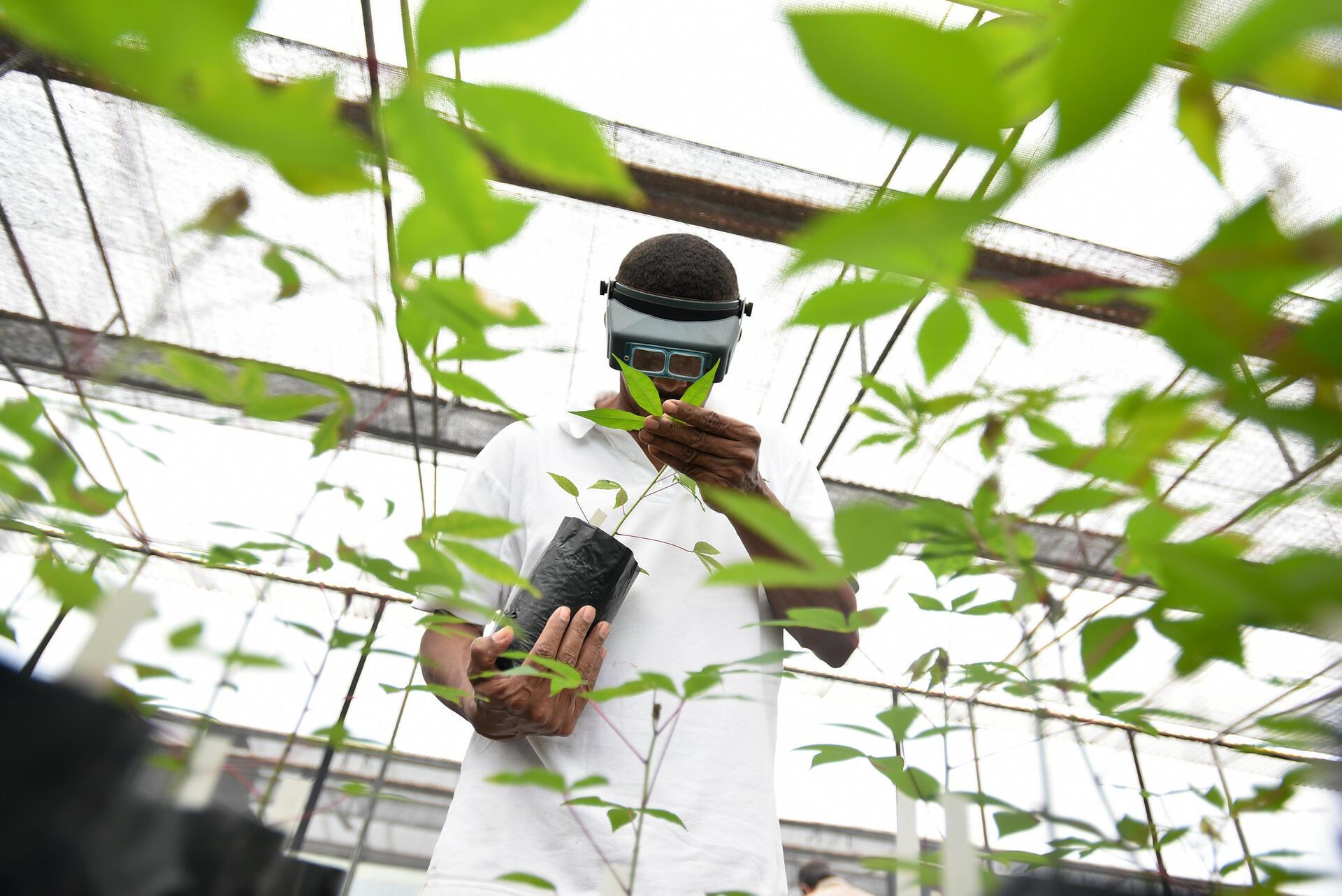
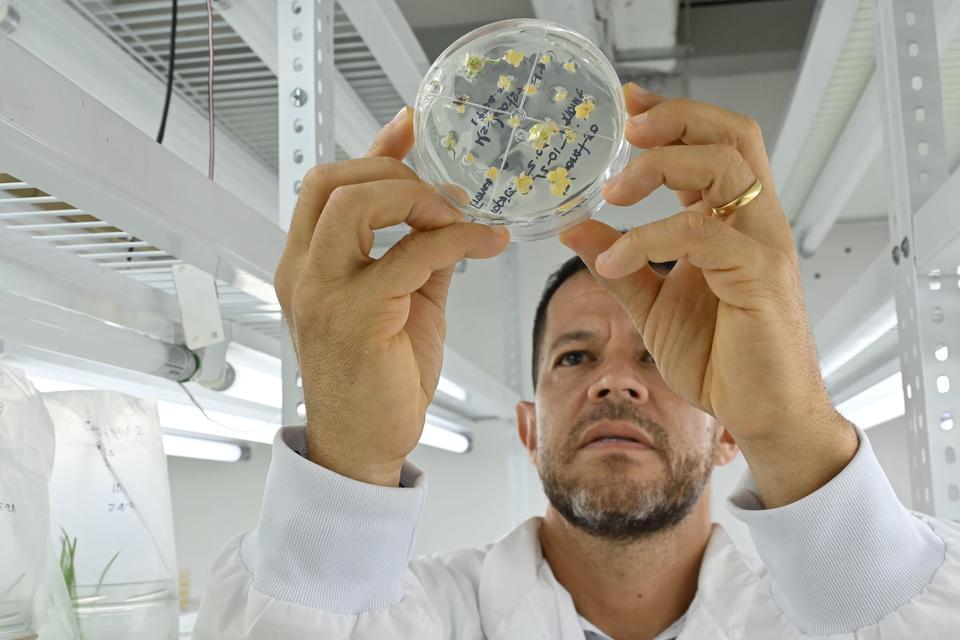
A researcher reviews samples. Photo credit: Neil Palmer
Innovation and the future of gene banks
- Digital genomics and data integration: The integration of genomics into gene bank operations is revolutionizing the field. Sequencing the DNA of stored seeds allows researchers to understand the genetic basis of important traits, even before growing the plants. AI and machine learning are increasingly used to mine databases for traits like drought resistance, improving efficiency in breeding.
- Participatory conservation: New models of gene banking involve farmers and Indigenous communities in the conservation process. Community seed banks and on-farm conservation help maintain genetic diversity in situ, which complements the ex-situ approach of traditional gene banks. This also empowers local communities to maintain ownership and knowledge of their agricultural heritage.
- Global cooperation: International collaboration is vital to gene bank success. Treaties like the Nagoya Protocol and ITPGRFA govern how genetic material is shared, ensuring equitable benefit-sharing while facilitating global food security efforts. Organizations like the Global Crop Diversity Trust help coordinate and finance these efforts to create a truly global safety net.
Conclusion
Gene banks are silent sentinels of our agricultural future. While they may not grab headlines, their role in preserving the building blocks of food security is indispensable. In a world of uncertainty, gene banks offer resilience—guarding against famine, enabling innovation, and ensuring that our descendants can continue to cultivate and enjoy the diverse crops we have today.
To safeguard our food security, it is not enough to improve yields or expand farmland. We must also invest in the conservation of biodiversity. Gene banks, through their careful stewardship of the world’s plant genetic resources, provide the foundation on which sustainable and adaptable agriculture can be built.
As we look to the future, we must recognize that the seeds we save today could very well be the ones that save us tomorrow.