Blog Regenerating the future from the soil: Farmers in Kenya explore practices for more resilient agriculture
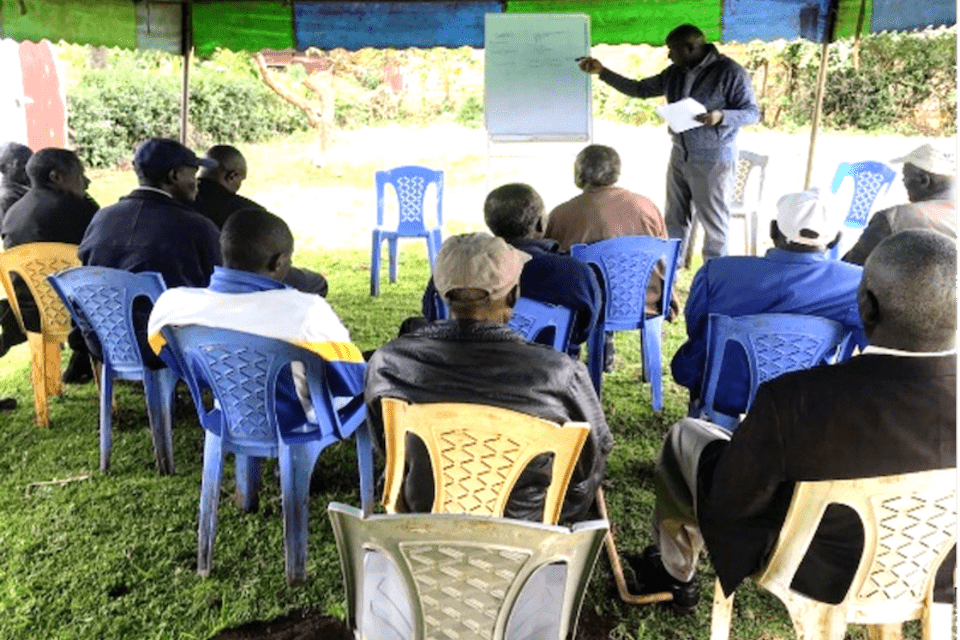
More than 400 farmers, local authorities, agricultural advisors, private sector companies, and partner organizations participated on May 6 and 7, 2026, in field days held in the villages of Kirangano and Gatinda, located in Embu County, eastern Kenya.
The field days, organized by the Alliance of Bioversity International and CIAT as part of the Nourishing Minds and Soils: Regenerative Approaches to School Nutrition project funded by the Rockefeller Foundation, allowed participants to learn about, evaluate, and discuss regenerative agriculture practices aimed at improving soil health, strengthening crop resilience, and promoting more sustainable food systems in the face of climate change challenges.
In Embu County, where thousands of families depend on agriculture for food and income, the effects of soil degradation and increasing climate variability represent growing challenges for agricultural production. Due to the progressive depletion of natural resources, unpredictable rainfall, and the need to maintain crop productivity, farmers and organizations are exploring alternatives that enable food production in a more sustainable way. Among these, regenerative agriculture has gained attention for its potential to restore soil fertility, improve water retention, and strengthen the capacity of agricultural systems to adapt to changing climatic conditions.
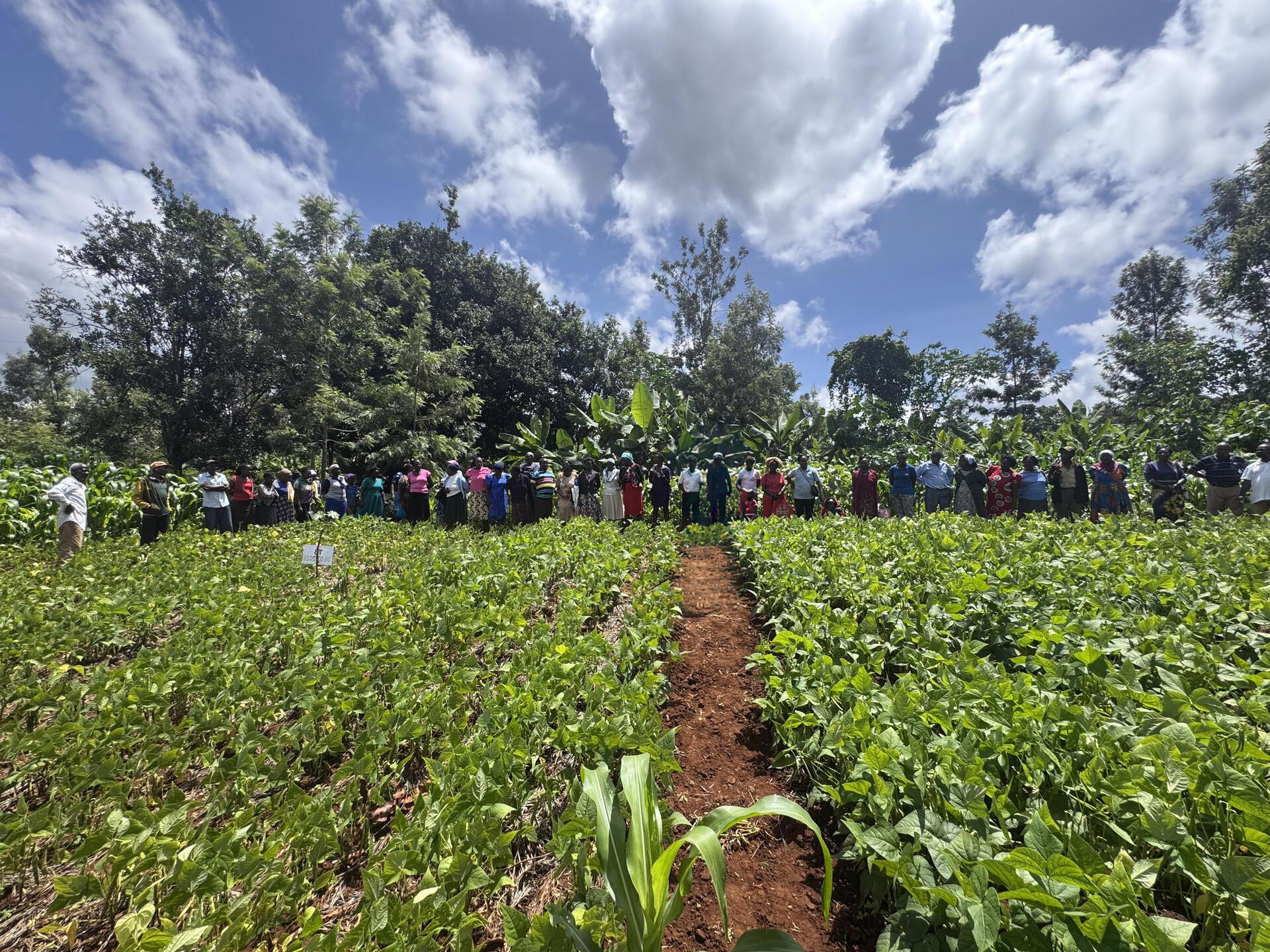
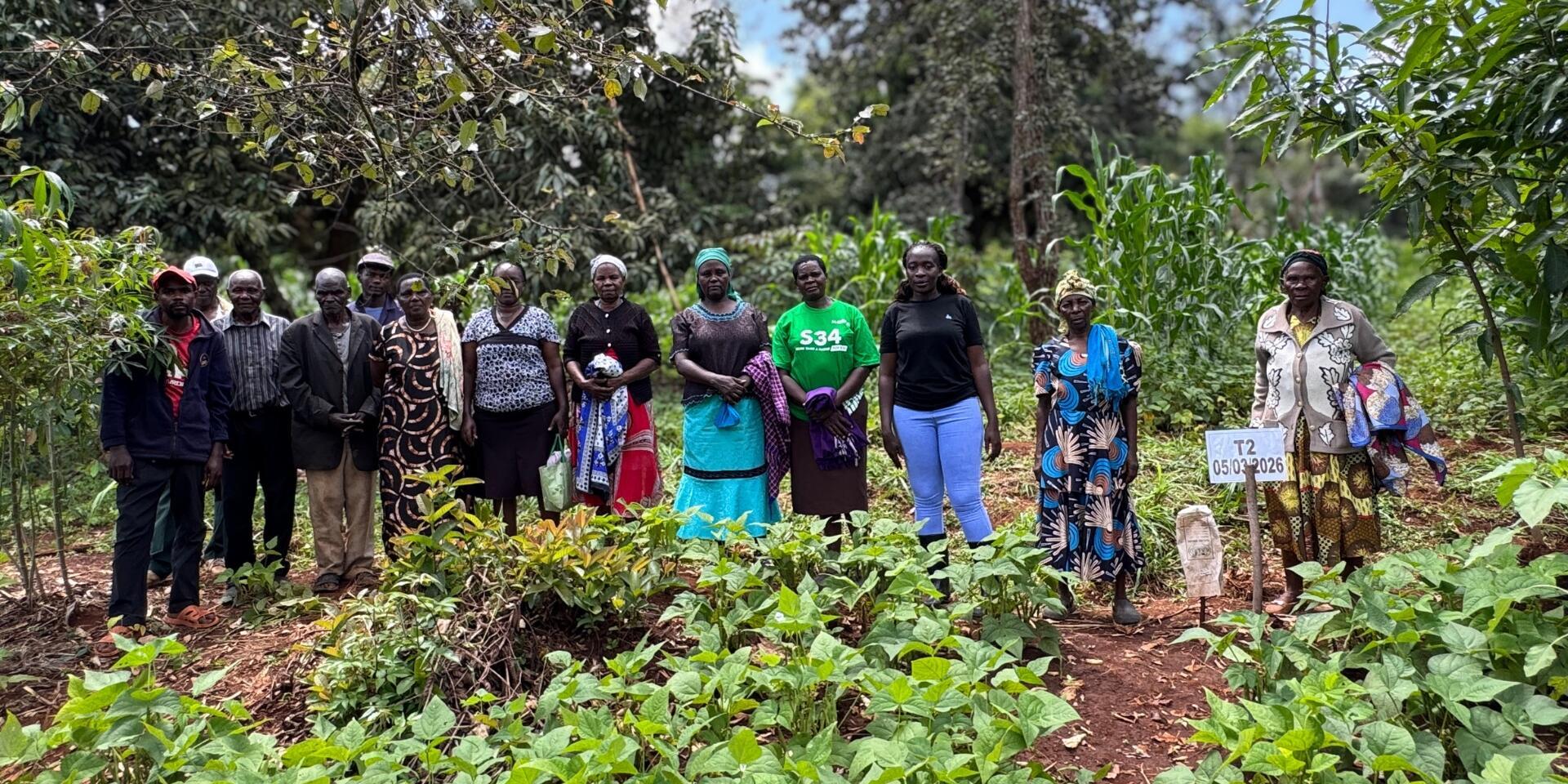
To demonstrate how these practices can be applied under real conditions, the Alliance of Bioversity International and CIAT established demonstration plots planted with Nyota bean, an improved variety widely grown in Kenya for its high yield and contribution to household food security in rural areas. During the field days, farmers toured the plots accompanied by specialists and previously trained community agricultural advisors, who guided observations and facilitated spaces for dialogue and exchange of experiences. Participants had the opportunity to compare different production systems and analyze how various management practices influence both crop development and soil conditions.
During the visits to the plots, farmers identified benefits associated with practices such as soil cover using crop residues, a strategy that helps conserve moisture, reduce erosion, and limit weed growth. Many participants noted that some of these practices are already part of their production systems, although on a smaller scale, while others expressed interest in incorporating them after observing their results in the field. The discussions also revealed a growing willingness to experiment with new approaches that contribute to strengthening farm sustainability and reducing vulnerability to adverse climatic conditions.
However, exchanges among farmers also highlighted some of the challenges associated with the adoption of regenerative practices.
Several participants observed that crops managed under conventional systems appeared to show more vigorous growth in the short term. This perception opened a space for reflection on the importance of evaluating agricultural systems beyond immediate results and considering benefits that tend to become evident over time, such as improved soil structure, greater moisture conservation, and a better capacity to respond to periods of drought or other extreme climatic events.
The field days also served as a space to strengthen connections among farmers, public institutions, and private sector actors. Companies providing seeds, agricultural inputs, renewable energy solutions, financial services, and insurance shared information about products and services available to rural communities. Likewise, representatives from the health sector participated by providing guidance on accessible services for farming families, expanding support opportunities for the participating communities.
The presence of local authorities, community leaders, and representatives from different institutions reinforced the importance of building partnerships that facilitate the adoption of more sustainable agricultural practices. As a symbol of this commitment to the future of agriculture and environmental conservation, the event held in Kirangano concluded with a tree-planting activity led by farmers, local authorities, and project members.
Beyond the field demonstrations, the events enabled more than 400 farmers to compare different production systems, exchange knowledge with specialists, and evaluate firsthand practices that could contribute to more resilient agriculture in eastern Kenya. The spaces for dialogue generated during the event facilitated reflection on current agricultural challenges and the opportunities offered by approaches centered on soil health and the sustainability of natural resources.
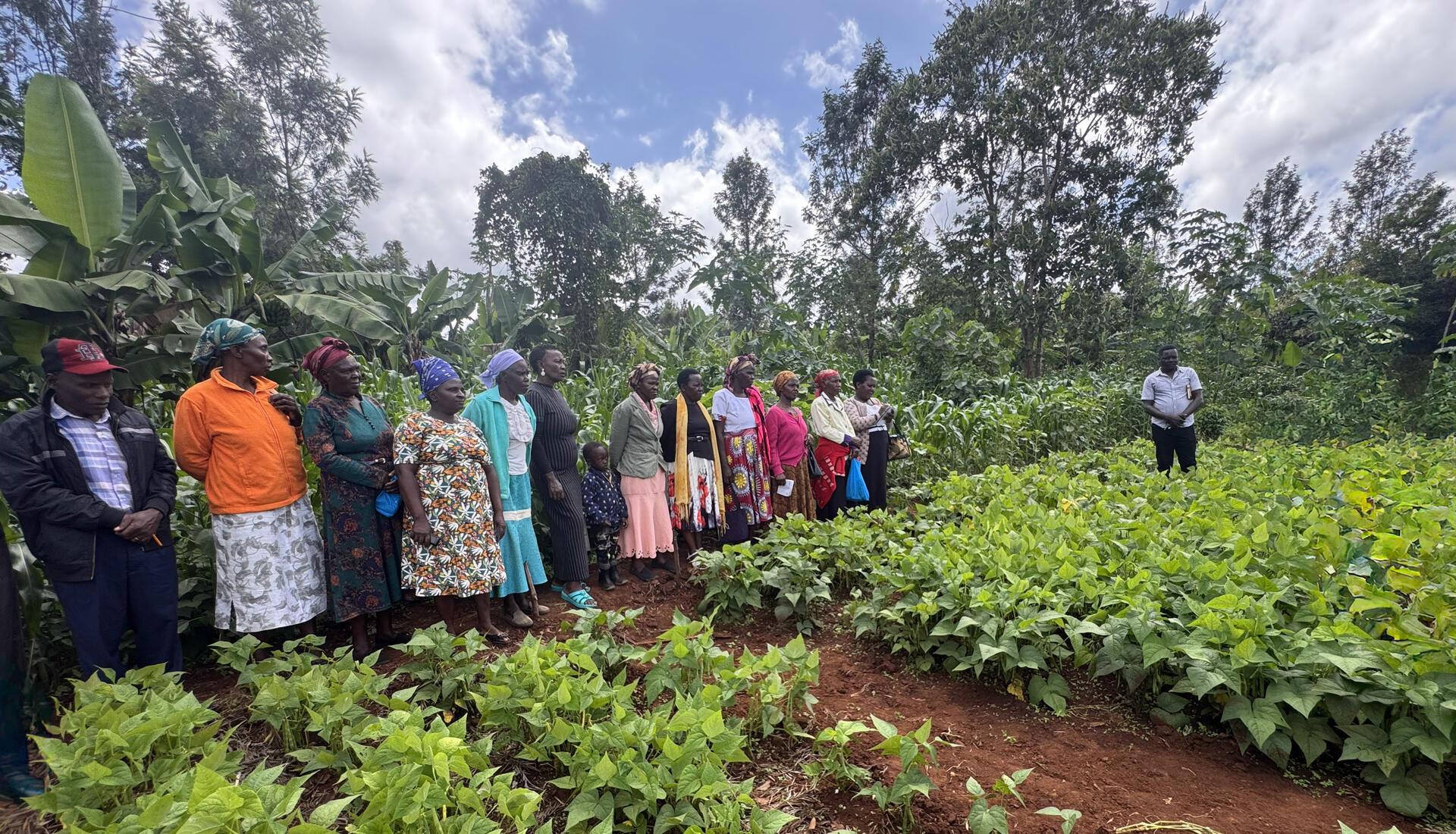
Although the adoption of these practices requires time, technical support, and evidence generated over several agricultural seasons, participating farmers expressed their interest in continuing to take part in the next phases of the experiment to keep learning and evaluating alternatives that strengthen productivity without compromising natural resources. As the Alliance of Bioversity International and CIAT continue supporting the communities of Embu, the experience generated through these demonstration plots will contribute to identifying strategies that help build agricultural systems that are more resilient, sustainable, and better prepared to face future challenges.