Blog Crisis at the crossroads: Climate, peace, and security in the Sahel
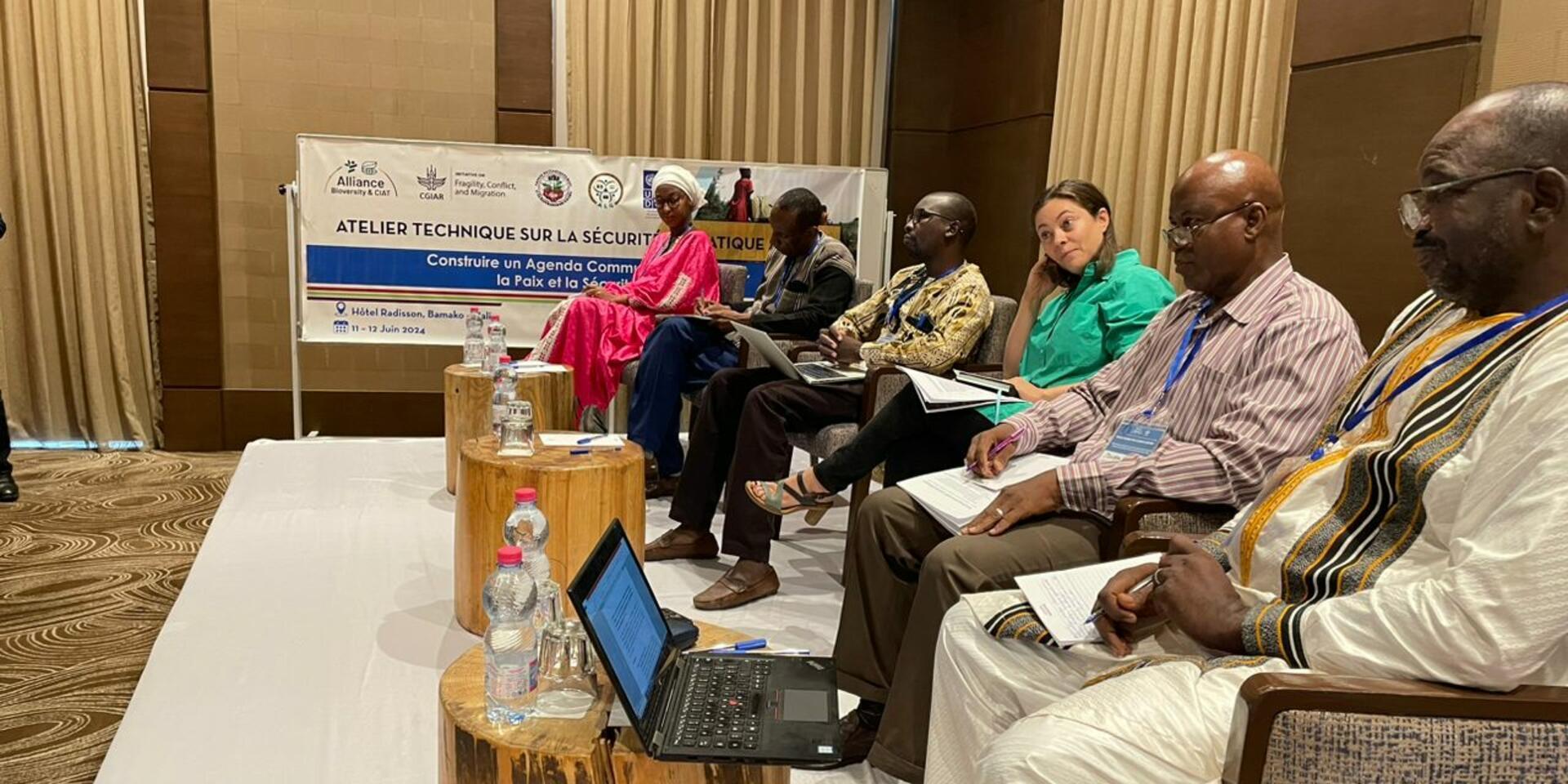

Uniting our efforts to strengthen climate resilience, peace, and security in the Sahel: A common vision for Mali and Burkina Faso.
The Sahel is at the heart of a crisis exacerbated by extreme climatic conditions, which amplify intercommunal conflicts and accelerate population displacements. This region, encompassing countries like Mali and Burkina Faso, is particularly vulnerable to climate change due to its reliance on rain-fed agriculture and limited natural resources. In a concerted effort to address these pressing issues, key organizations such as the United Nations Development Programme (PNUD), the Integrated Development Authority for the Liptako-Gourma region (ALG), and the CGIAR have collaborated to bolster national climate security efforts across the region.
Prolonged droughts and irregular floods directly impact livelihoods, reducing agricultural productivity and limiting access to potable water. In response to these challenges, regional initiatives, such as the climate security workshops held in Bamako and Ouagadougou and the efforts of the Alliance of Bioversity International and CIAT, seek to integrate conflict prevention, peace-responsive strategies, and climate resilience into development and climate action policies. These programs, supported by the CGIAR initiative on Fragility, Conflict, and Migration, aim to promote increased cross-border cooperation and implement sustainable solutions that address root causes of conflict, catering to both the immediate emergencies and the long-term needs of affected communities. The emphasis on integrated natural resource management is pivotal for ensuring future regional stability.
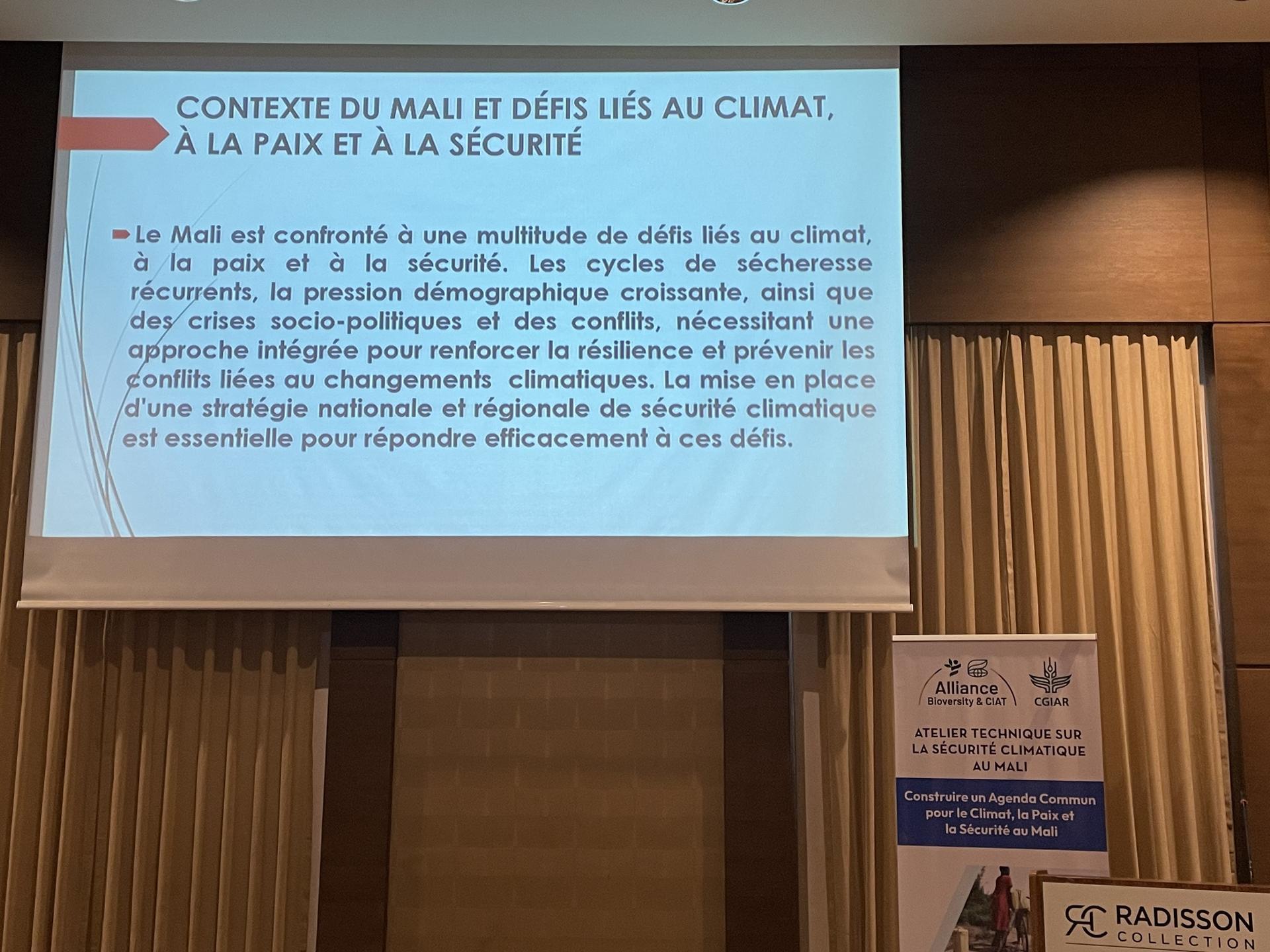
Mali facing climate challenges: Between resilience and security urgencies
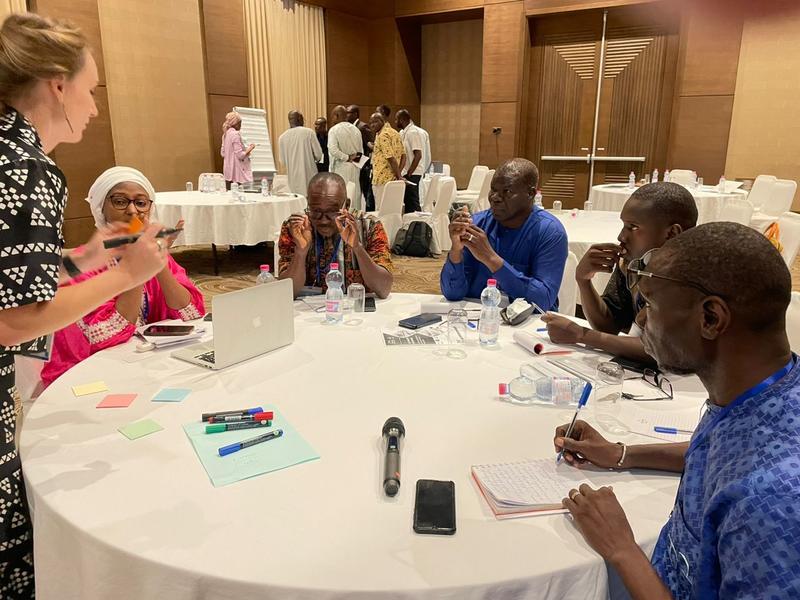
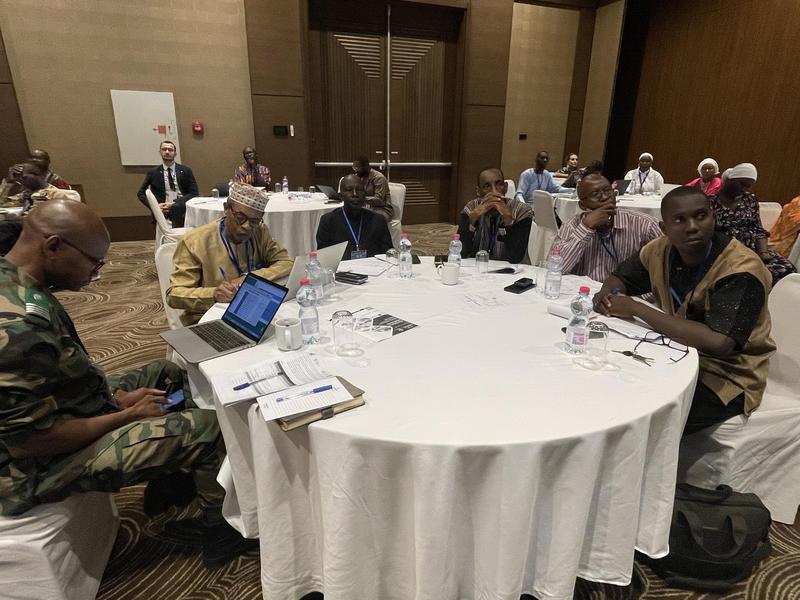
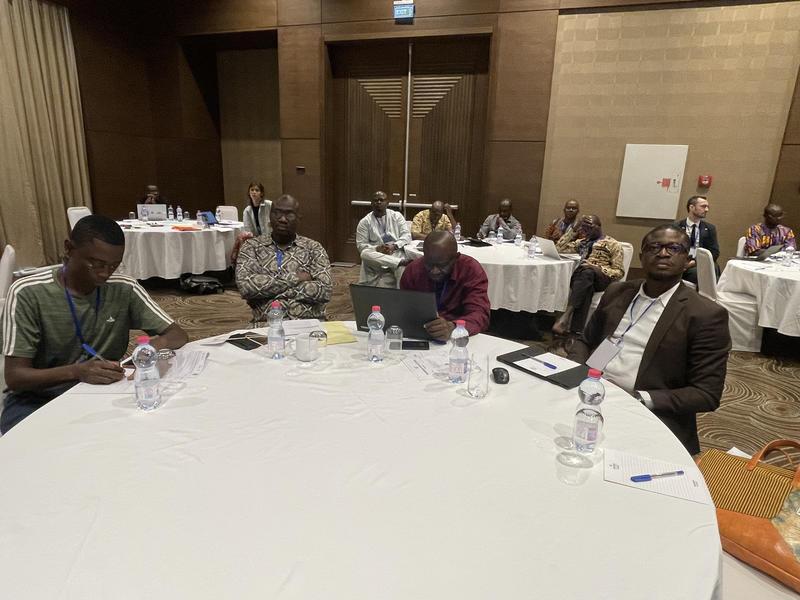
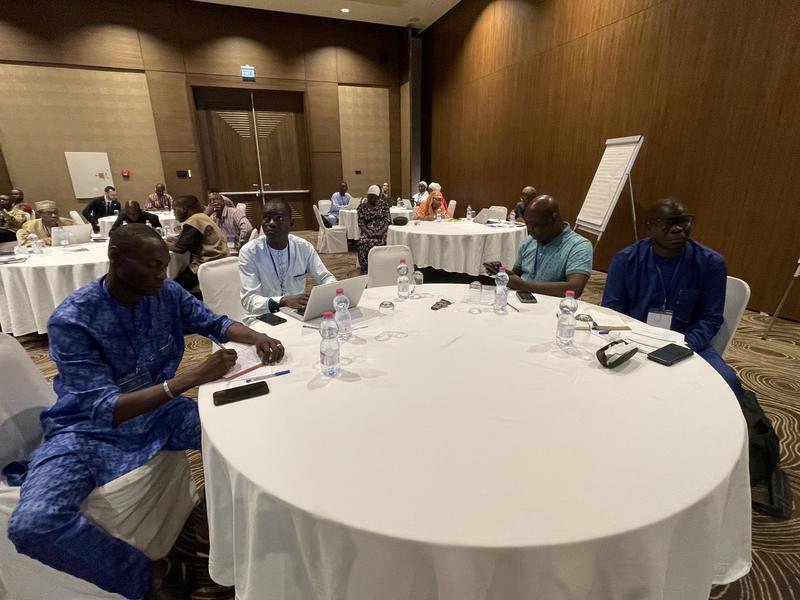
In Mali, the climate crisis, exacerbated by intensified drought cycles and irregular rainfall, threatens socio-economic stability. Agricultural productivity has decreased by 15 to 25% in some regions due to extreme climatic conditions, worsening food insecurity affecting over 4.3 million people. The national workshop "Building a Common Agenda for Climate, Peace, and Security in Mali" held in Bamako in June 2024 highlighted gaps in natural resource management and climate adaptation capacities and the urgent need to adopt strategies to enhance climate resilience to prevent resource-based disputes and to prevent ongoing conflicts escalation.
An increase of 0.8°C in temperatures over the past fifty years has intensified drought periods and shortened rainy seasons, disrupting traditional farming cycles. This situation has increased pressure on available water resources, essential for the survival of communities and their agricultural activities. The loss of livelihoods due to the scarcity of resources like land and water can lead to displacement and increased vulnerability, as people are forced to migrate in search of better living conditions. To address these challenges, the discussions during the workshop emphasized the importance of developing integrated strategies linking water management, soil conservation, and sustainable agricultural practices.
Techniques such as drip irrigation were proposed to increase water use efficiency by 40%, reducing dependence on irregular rainfall. Additionally, reforestation and sustainable land management initiatives are planned to combat desertification, which threatens 30% of Mali's arable land. These measures, supported by the CGIAR initiative on Fragility, Conflict, and Migration, are crucial to prevent the loss of livelihoods, displacement and conflicts over limited natural resources and to support communities in adapting to changing climatic conditions.
Burkina Faso: Innovations and Strategies for Climate Security
In Burkina Faso, the national climate security strategy adopts a rigorous scientific approach to target vulnerable regions, often termed "climate security hotspots." These areas, particularly in the north, east, and central north, are affected by extreme climatic conditions that exacerbate conflicts and forced migrations. Analyses using data from CHIRPS, TerraClimate, and AgERA5, combined with spatial clustering techniques, have identified these high-risk regions.
These methods reveal locations where phenomena such as drought and floods intersect with high socio-economic vulnerabilities, increasing the risk of conflict. For example, some areas exhibit significant water deficits with only about 600 mm of annual rainfall, well below the thresholds necessary for viable agriculture, exacerbating pressure on limited water resources and fostering conflicts.
In response, Burkina Faso has implemented targeted interventions to promote resilient agricultural practices and water conservation technologies. These efforts are bolstered by cross-sector collaboration, integrating natural resource management and conflict prevention into development policies. A concrete example of an intervention proposed in the diagnostic report includes implementing soil and water conservation measures to improve agricultural productivity and food security. These measures aim to restore degraded soils and increase the water retention capacity of agricultural lands, which is crucial for maintaining agricultural production despite extreme climatic conditions.
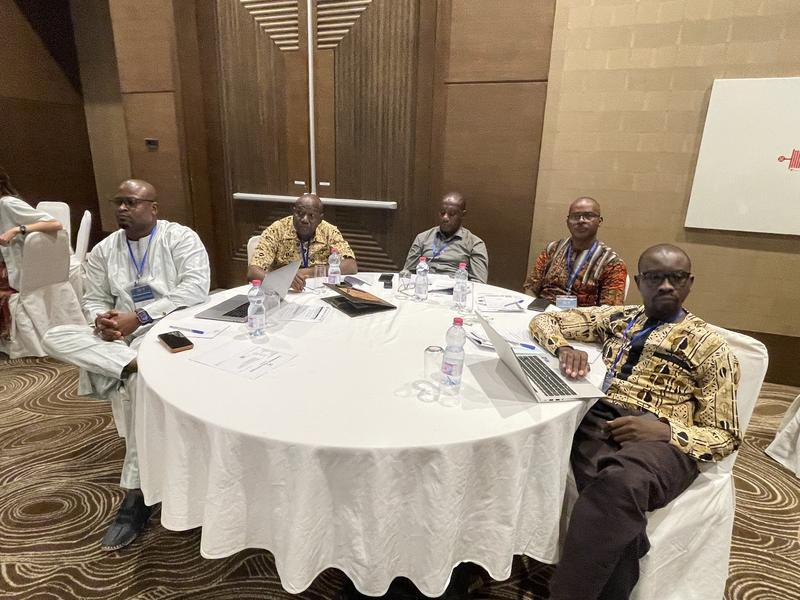
The national climate security workshop, organized in Ouagadougou from June 4-6 and June 26-28, 2024, consolidated the diagnostic report and the drafts of the national climate security strategy and its action plan. This workshop brought together participants from various backgrounds, including representatives from ministries, NGOs, climate-specialized journalists, and international organizations. It was emphasized that significant investments are necessary to support these initiatives, including an increase in climate-resilient infrastructure that could reduce the costs of natural disasters by 20% annually.
These strategies are designed to address both immediate emergencies and long-term challenges, with emergency interventions recommended for the most severely affected areas and climate resilience strategies for regions with moderate climate security risks. By breaking the cycle between climate and conflict, these sustainable solutions are essential to meet Burkina Faso's specific needs and contribute to long-term regional stability.
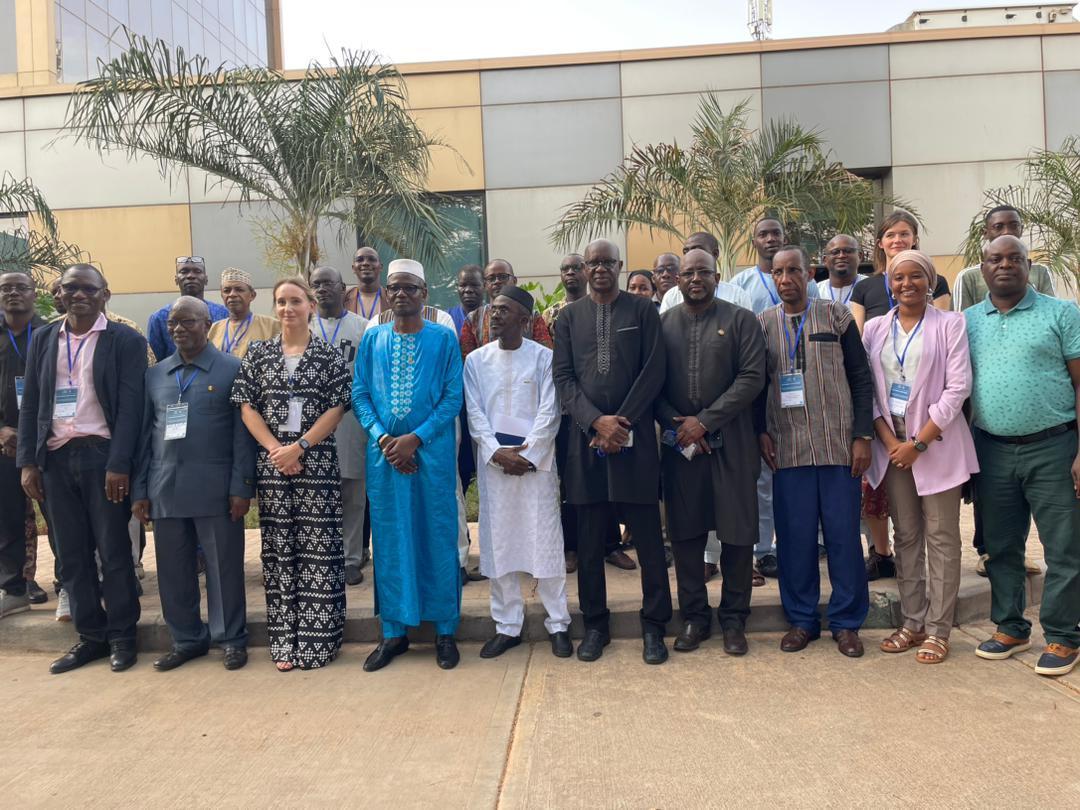
United we stand: A regional vision for climate resilience in the Sahel
Workshops held in Mali and Burkina Faso have highlighted the critical importance of a regional vision for climate security, one that transcends national borders to address climate and security challenges in an integrated manner. These workshops, including the significant "Building a Common Agenda for Climate, Peace, and Security in Mali" in Bamako, and discussions in Burkina Faso, have set the stage for a regional climate security strategy for the Sahel. This strategy aims to strengthen cross-border cooperation and integrate local and scientific perspectives into public policy formulation.
In Mali, the challenges are exacerbated by annual rainfall of only 300 to 400 mm in some northern regions, amplifying the impacts of climate variability on socio-economic stability. Similarly, Burkina Faso faces comparable issues, with precipitation not exceeding 600 mm per year in its northern and eastern regions. These harsh climate conditions necessitate coordinated responses, such as sharing meteorological and hydrological data across borders, harmonizing agricultural policies to support resilient practices, and jointly developing strategies to manage risks from natural disasters.
A practical example of this cooperation is a proposed cross-border reforestation initiative aimed at restoring degraded lands and serving as a barrier against advancing desertification. Such initiatives are supported by collaborative efforts outlined in strategic meetings and workshops, emphasizing the necessity of significant investments to implement these measures. It is estimated that a 30% increase in investments in climate-resilient infrastructure could substantially reduce the costs associated with natural disasters in the region. Additionally, improved early warning systems would help anticipate extreme weather conditions, thus mitigating their impacts on vulnerable populations.
This integrated and proactive approach is essential to mitigate the effects of climate change and enhance stability and sustainable development in the Sahel. It demonstrates a commitment to a collective vision that leverages the strength of regional partnerships to address the intertwined challenges of climate and security in this vulnerable region.
Mobilizing for the Sahel: Towards a more resilient future
The convergence of climatic and security crises in the Sahel, particularly in Mali and Burkina Faso, underscores the urgency of coordinated and robust action at the regional and international levels. These two countries, often at the center of security and climate change issues, require an integrated approach that addresses immediate emergencies while preparing for long-term resilience solutions. With over 20 million people affected by food insecurity in the region and increasing rates of internal displacement, the imperative for stability and sustainable development has never been more critical.
The international community, including organizations such as the UN and the African Union, must strengthen its support through funding, technology transfers, and technical assistance while respecting local specificities and needs. For example, investing in climate-resilient infrastructure can reduce natural disaster costs, which could reach billions annually if no action is taken. Additionally, early warning systems and natural resource management programs must be improved and expanded to cover larger areas with greater accuracy.
The importance of cross-border cooperation is also paramount. Sahelian countries must work together to share resources, knowledge, and strategies to create synergy that transcends national borders. This includes the joint management of watersheds and agricultural lands, essential in a region where water and land are limited and contested resources. This extended partnership and collective action are vital for promoting a more stable and prosperous Sahel in the face of imminent climatic and security challenges.