Blog Co-producing climate and agricultural advisories for farmer-centered resilience in Homa Bay, Kenya
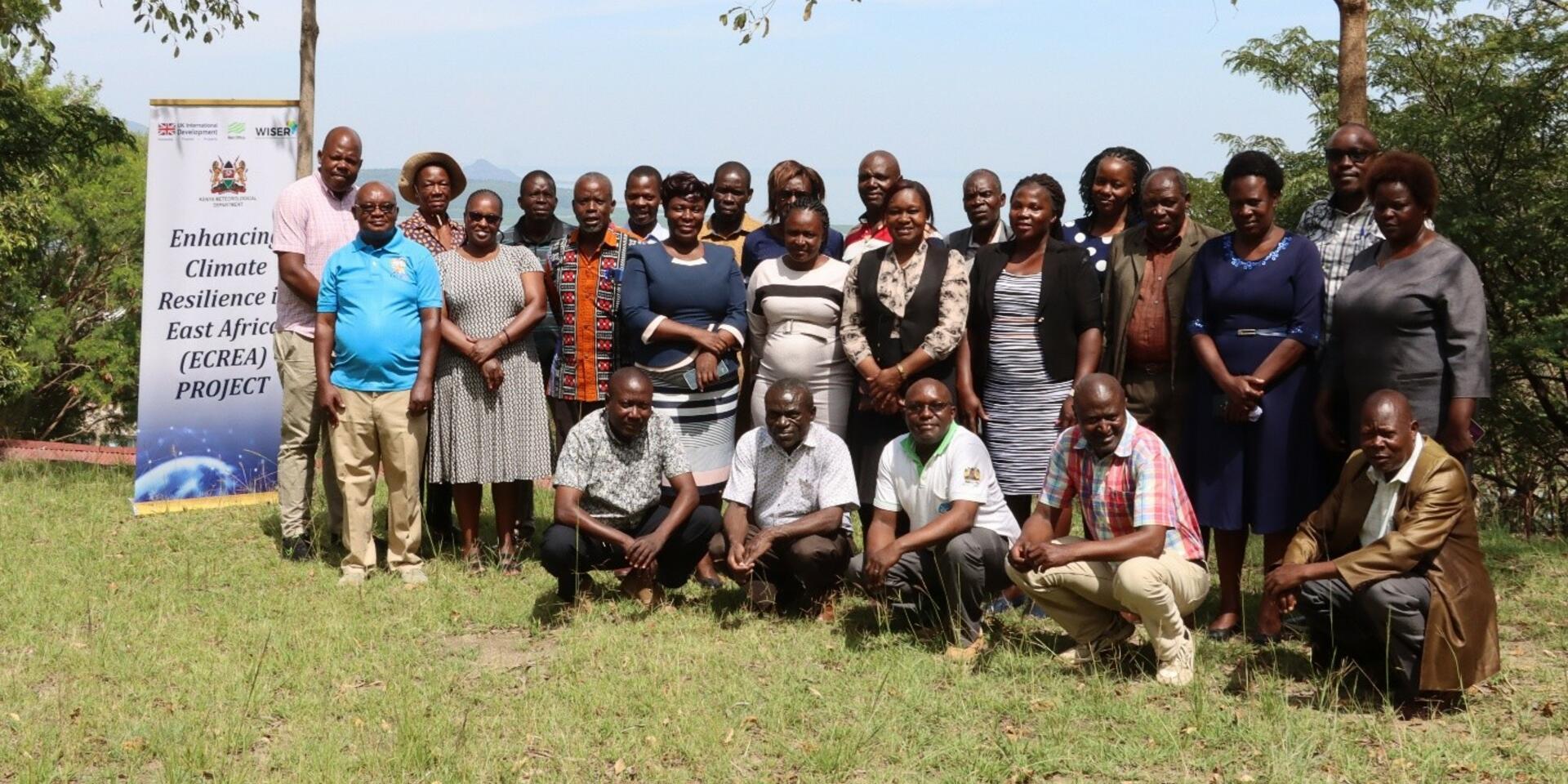

Homa Bay County leadership, researchers, and farmers met in November 2025 to co-produce climate-smart bean advisories, ensuring timely guidance for the ongoing short rains as climate risks continue to intensify.
As climate variability continues to influence agricultural decision-making across Kenya, co-production has become an essential approach for ensuring that climate information is both accurate and truly usable by farmers. This approach came to life during a recent co-production workshop in Homa Bay County, Kenya, where government departments, research institutions, climate experts, and development partners gathered to create the county’s agricultural advisories for the 2025 October–November–December (OND) short rain season.
The workshop was held alongside a courtesy visit to the county's Climate Change Unit (CCU) and brought together a broad coalition of stakeholders, including the County Departments of Environment and Agriculture, the Kenya Meteorological Department (KMD), among others. Working collaboratively, these partners blended scientific seasonal forecasts from KMD with local agricultural knowledge and county-level insights to produce climate-smart, context-specific recommendations. Importantly, the activity builds on groundwork laid by the Pan-Africa Bean Research Alliance (PABRA) and the BRAINS project, whose ongoing efforts to strengthen climate-resilient bean value chains have created a strong foundation for ECREA’s work in the region. By leveraging these established systems and partnerships, ECREA has expanded access to co-produced agroclimatic advisory services, reaching a total of 293,246 users across four countries: Kenya (46,031), Rwanda (99,089), Uganda (58,300), and Tanzania (89,826). This foundation has enabled the seamless integration of localized advisories, early warnings, and seasonal forecasts into bundled services that better meet the needs of bean farmers in Homa Bay and beyond.
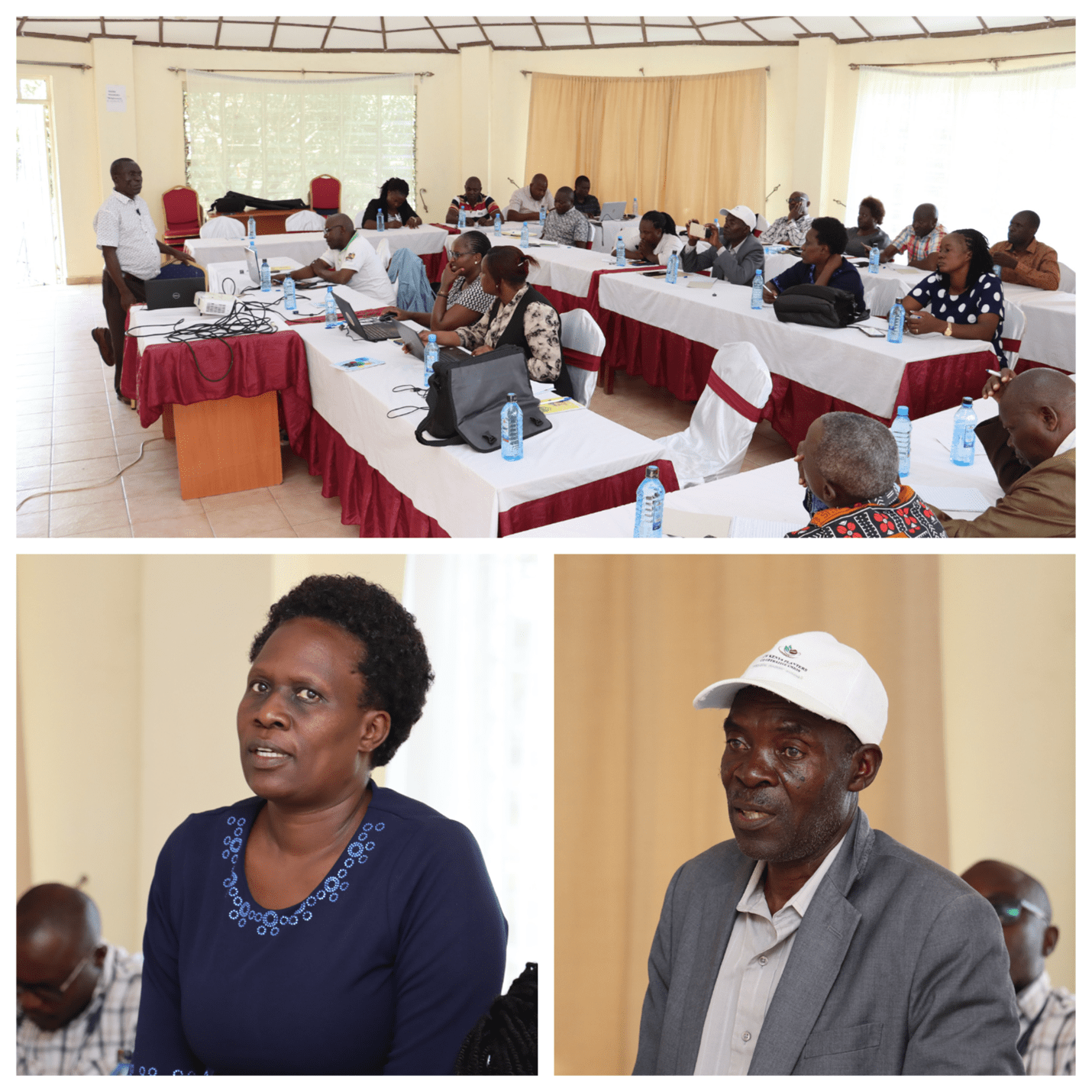
Broad representation from across sectors during the co-production of climate advisories workshop in Homa Bay County.
According to the seasonal outlook shared by KMD during the session, Homa Bay is expected to experience near-average to below-average rainfall, accompanied by warmer temperatures and possible isolated heavy storms in some areas. These conditions present a spectrum of risks and opportunities, from drought, heat stress and water scarcity to flash floods and crop disease outbreaks. During breakout discussions, county agriculture officers, researchers, climate experts, and development partners translated these scenarios into practical advisories that farmers could easily apply.
Although the season was already in progress, farmers, extension officers, and technical teams came together to assess the changing weather conditions and agree on practical advisories to guide bean production in Homa Bay. The discussions focused on what farmers were already seeing in their fields and the most realistic actions they could take for the remainder of the season.
In areas experiencing dry spells, farmers were encouraged to conserve soil moisture through mulching, adjust spacing, and prioritize drought-tolerant bean varieties. Where higher temperatures were reported, the team recommended timely weeding and the use of organic matter to help soils retain moisture and reduce heat stress. For low-lying and flood-prone locations, farmers were guided to improve drainage, use raised beds where possible, and consider early-maturing bean varieties better suited to uncertain rainfall patterns.
These co-produced advisories, grounded in farmers’ real-time experiences, offer practical support to help bean growers make informed decisions as the season unfolds.
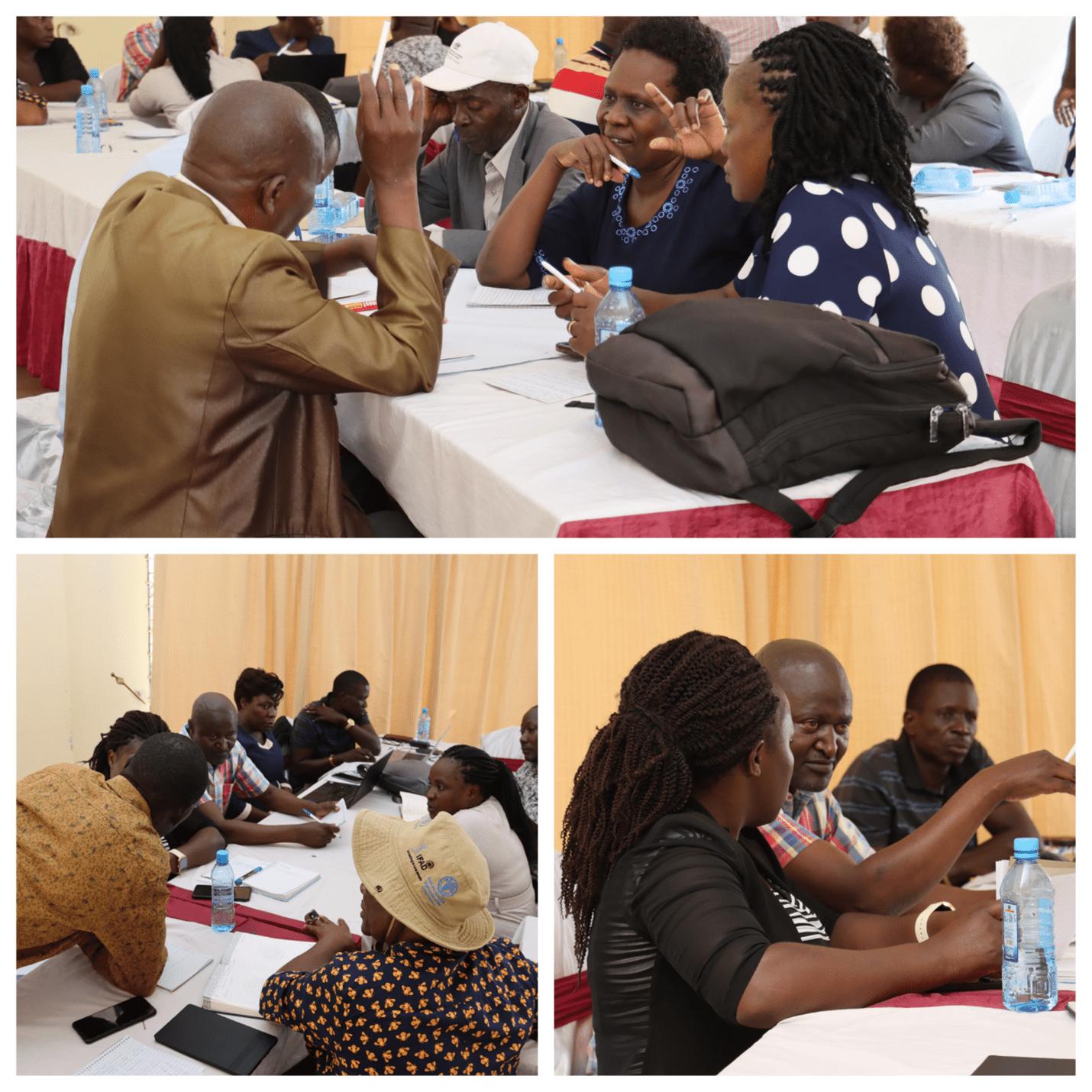
Participants engage in group discussions as they co-produce climate and agricultural advisories in Homa Bay County.
The workshop demonstrated the importance of co-production in climate services. By merging scientific data with local knowledge, the advisories produced were grounded in actual farming conditions and responsive to community needs. The participatory process strengthened trust and ownership among local institutions, ensuring that climate messages are more likely to be embraced and acted upon. It also reinforced collaboration between key institutions including KMD, the CCU, agricultural departments, research organizations, and development partners helping build a more coordinated climate information system for the county. Because the advisories were developed collectively, they are now positioned to reach farmers more effectively through extension officers, CCU channels, farmer groups, and the county call center.
The co-production workshop marked a significant step forward in strengthening climate-informed agriculture in the county. By bringing together the right expertise, county structures, and community actors, the process ensured that farmers would receive timely, relevant, and actionable guidance for the ongoing short rains season. Even as climate challenges intensify, this collaborative approach demonstrates how science, local experience, and coordinated action can come together to support more resilient farming systems.
A broader look across other ECREA counties shows similar patterns, with each location adapting the seasonal forecast to its unique context. A review of the co-production exercises across the four counties where the ECREA project is being implemented shows both shared priorities and distinct local considerations shaped by their OND 2025 forecasts. In Homa Bay, near-average to below-average rainfall, warmer temperatures, and isolated heavy storms informed advisories focused on moisture conservation, heat management, and drainage improvement. Machakos, which is also expected to receive below-average rainfall with a late onset, emphasized drought preparedness and the adoption of resilient crop varieties and water-saving practices. Nakuru’s forecast pointed to near-normal to slightly depressed rainfall and pockets of flood risk, leading stakeholders to prioritize soil conservation, drainage, and early-maturing crops, particularly since OND is not its main planting season. In contrast, Elgeyo Marakwet is expected to continue receiving rainfall from the preceding JJA season, with an overall normal season anticipated though poorly distributed over time and space. This prompted advisories centered on making the most of the ongoing rains, including planting short-season crops such as beans, improving drying and storage practices to avoid aflatoxin, and growing pasture ahead of the early 2026 dry period. Across all counties, a consistent theme emerged: blending scientific forecasts with local insights helped produce advisories that are practical, context-sensitive, and directly responsive to farmers’ realities.
As the season continues, county governments, farmer groups, and partners are encouraged to keep engaging with the evolving climate information, update advisories as conditions shift, and strengthen communication channels so that every farmer can access timely, actionable guidance to support resilient agricultural decisions.
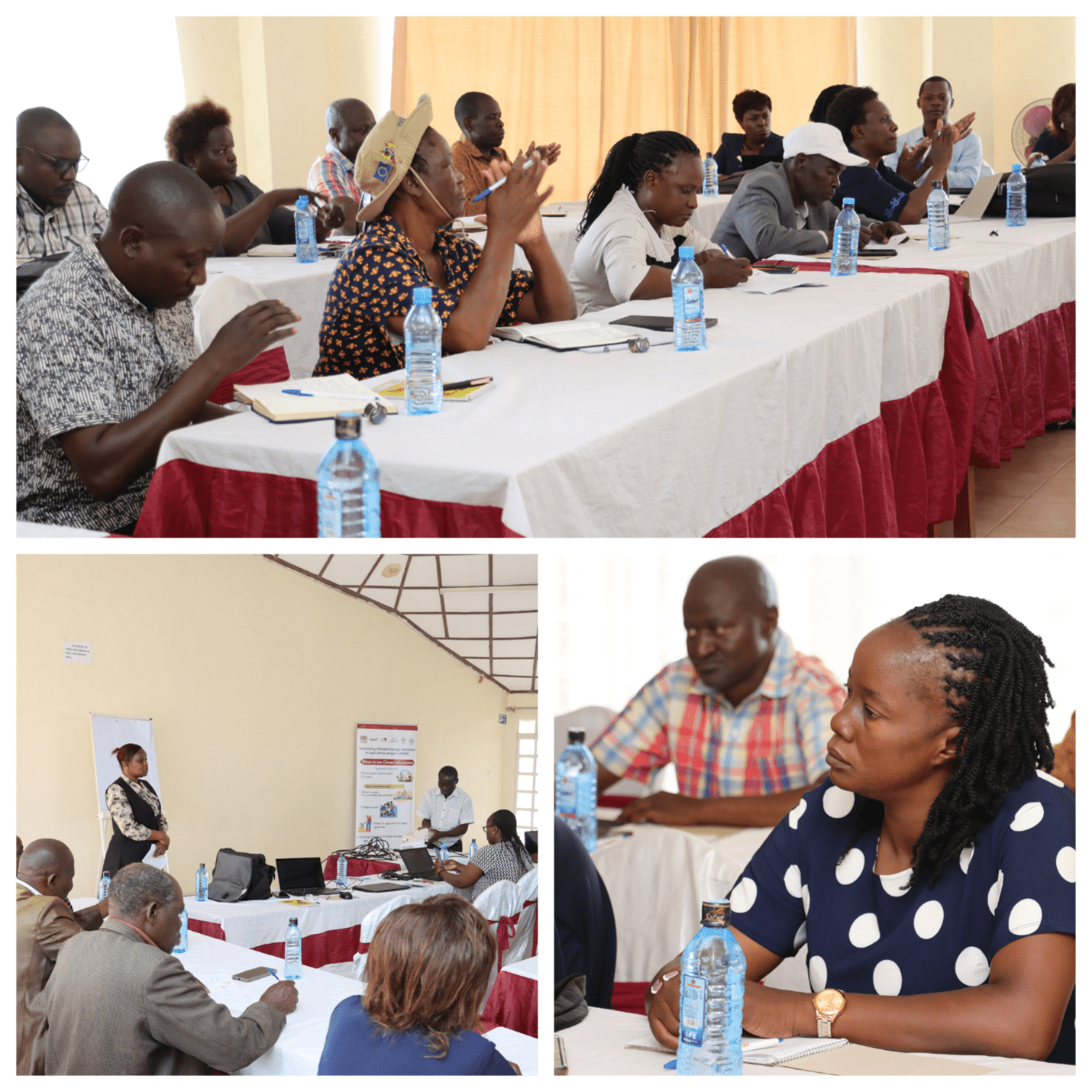
Active participation from stakeholders during the co-production of climate advisories workshop in Homa Bay County.
The team

Desire Kagabo
Project Leader