Not Just Another App (NJAA)
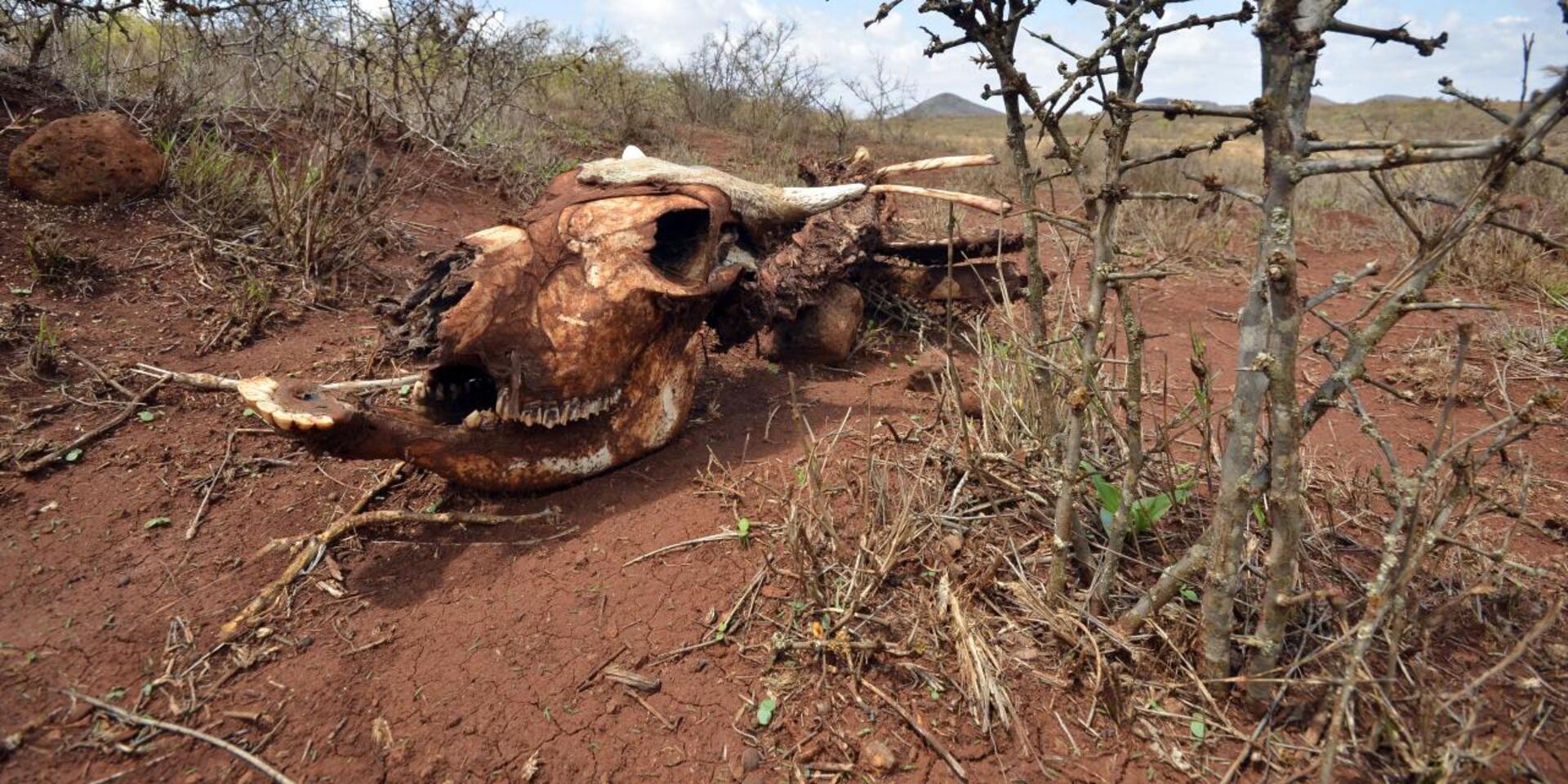
Co-designing trusted early warnings with pastoralists in Kenya and Ethiopia through human-centered design, indigenous knowledge, and gender-responsive research into how information becomes action.
Project Name (full): Not Just Another App – Human centred design for impact-based forecasts in East Africa
Start and end date: 1 July 2026 – 30 June 2028 (updated implementation work plan)
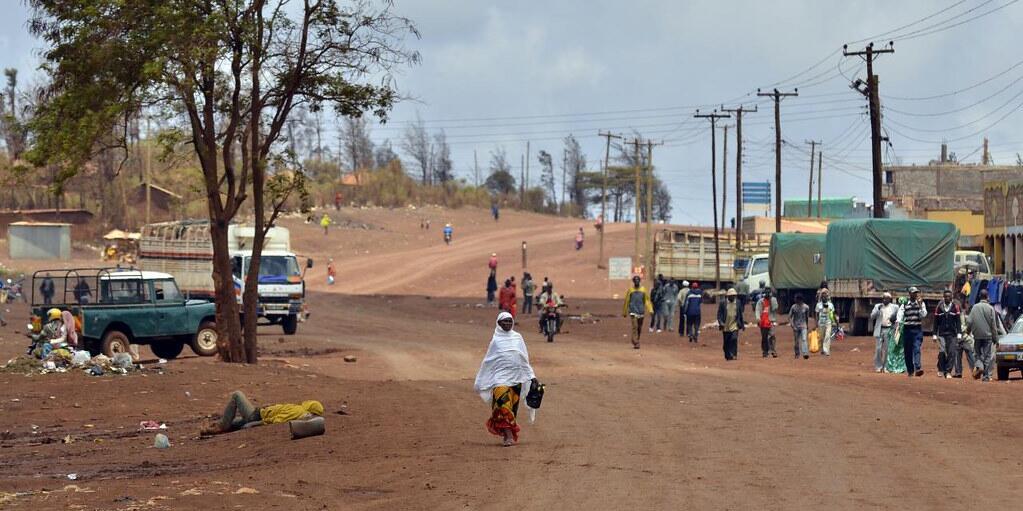
Geographic area, countries: Kenya (Marsabit County: Forole and Bori) and Ethiopia (southern Oromia/Borana: Goray and Dhokole).
Funders: UK Research and Innovation (UKRI).
Other partners: University of Edinburgh; University of Nairobi; Dryland Observatory
Brief description
What if designing better early warning systems started not with new technology, but with listening to the people who use them?
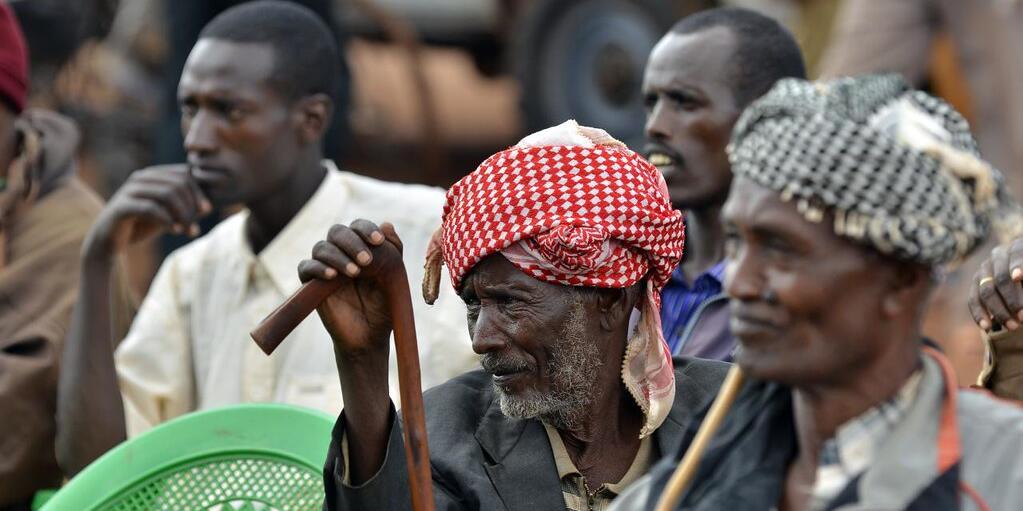
Across the drylands of northern Kenya and southern Ethiopia, pastoralists draw on generations of indigenous knowledge and adaptive strategies to navigate climate uncertainty. Yet demand for timely, actionable forecasts reveals a gap between scientific information and the realities of pastoralist decision-making.
Not Just Another App (NJAA) is reimagining climate services with communities in Forole and Bori (Marsabit, Kenya) and Goray and Dhokole (Borana, Ethiopia). Through participatory workshops, human-centered design, social network analysis, and behavioral science, researchers will explore how people combine indigenous and scientific knowledge, exchange information through trusted networks, and make decisions about livestock, water, and mobility.
A strong gender and inclusion lens will investigate whose voices are heard, whose knowledge is valued, and how access to resources and decision-making power shape the ability to act. Women, men, young people, and often-overlooked groups will help co-create, prototype, and test impact-based forecasts grounded in their different lived realities.
Building on half a decade of learnings and collaboration with the Jameel Observatory for Food Security Early Action (now the Dryland Observatory), NJAA puts local expertise and inclusive co-design at the heart of climate innovation.
What is social network analysis?
Climate information rarely travels directly from a weather service to the people who need it. It moves through networks of family members, community leaders, indigenous knowledge holders, extension workers, and digital platforms. Social Network Analysis (SNA) helps researchers understand who shares information with whom, which sources people trust, and how messages change as they travel. It can reveal whose networks are influential and who may be bypassed, including differences by gender, age, mobility, and access to phones or other channels, as well as where misinformation may arise. In NJAA, SNA will illuminate how pastoralists in Kenya and Ethiopia exchange weather and climate information, including across borders, and help design more inclusive early warning services that build on existing relationships.
What is Human-Centered Design (HCD)?
Human-centered design (HCD) is an approach to developing solutions that starts with understanding people's needs, experiences, knowledge, and lived realities. Rather than assuming what people need, HCD brings them directly into the design process—creating solutions with people, not just for them.
Through participatory workshops, interviews, and iterative testing, HCD helps researchers understand how people make decisions, what challenges and opportunities they face, and what makes a solution genuinely useful, accessible, and trusted.
In Not Just Another App, HCD places pastoralists in Kenya and Ethiopia at the heart of climate service innovation. By valuing indigenous knowledge and engaging women, men, young people, and often-overlooked groups, the project will co-design and refine early warning services that reflect diverse perspectives and support real-world decision-making.
Key activities
1. Understand climate impacts and pastoralist decisions. Through inclusive workshops in Kenya and Ethiopia, examine drought and flood impacts and decisions about livestock, water, and mobility, including how responsibilities, resources, and decision-making authority differ across gender, age, and social groups.
2. Map information networks, trust, and unequal access. Use human-centered design processes and social network analysis to understand who shares forecasts with whom, which messengers are trusted, whose indigenous knowledge is recognized, and whether women, men, and other groups face different information gaps or barriers to acting.
3. Co-design, pilot, and refine gender-responsive early warning services. Use human-centered design to create and test impact-based forecast messages and delivery approaches with diverse pastoralists, iterating on usability, language, accessibility, trust, and practical ability to act.
4. Share lessons for inclusive climate services. Work with partners to document gender-differentiated findings, community expertise, and practical guidance for more equitable, locally grounded early warning and anticipatory action.
Amanda Grossi, Research Team Leader for Climate Action & Resilient Food Systems at the Alliance of Bioversity International & CIAT, and Project Co-Lead:
“Better climate services don’t necessarily start with better technology. They start with better listening. Information alone doesn’t drive action—people’s decisions are shaped by their lived realities, whom they trust, and the opportunities and constraints they face. Yet these dynamics remain remarkably under-researched in pastoralist communities, especially among women, young people, and those often excluded from formal information networks. NJAA brings together human-centered design, social network analysis, and behavioral science to challenge our assumptions about what people need. Because meaningful innovation starts with designing with people, not just for them.”
Building on years of partnership and learning
NJAA grew out of years of collaboration and shared learning between the Alliance, University of Edinburgh, and partners involved in the Jameel Observatory for Food Security Early Action, now the Dryland Observatory. Through Communities of Practice on Anticipatory Action in Kenya and Ethiopia and the Dryland Futures Academy, collaborators explored how to move beyond access to climate information toward meaningful, inclusive early action. Joint efforts included co-designing and adapting climate risk management curricula for livestock systems across Kenya, Ethiopia, and Senegal in collaboration with the Dryland Futures Academy initiative. The relationships, lessons, and research questions from these exchanges helped shape NJAA’s formulation with UKRI and its emphasis on lived realities, trust, and designing with pastoralists.
Relevant blogs, stories, news coverage
- From climate risk to climate action: Kenya launches inclusive, cross-government climate risk management training guide
- Adapting and scaling climate risk management training for livestock systems across Africa
- Strengthening resilience to climate shocks in the East African drylands: Dr Gary Watmough leading UKRI funded project to co-design early warning systems with pastoralist communities.
- Alliance resource page
Relevant publications
- Partnering for Impact: Jameel Observatory's 5th Annual Community of Practice on Anticipatory Action in Africa's Drylands
- From Generation to Use of Climate Information in African Agriculture: Insights from the AICCRA project
- Building Enduring Capacity for Resilience in the Drylands: Extension Curricula for Livestock Systems
Project leaders and project members
University of Edinburgh
Gary Watmough — Principal Investigator / overall project lead
Nathan Jensen — Co-Investigator
Rowan Jackson — Co-Investigator
Alan Duncan — Co-Investigator
University of Nairobi
- Prof. Oliver Wasonga — Project Co-Lead (International)
Project leaders

Amanda Sue Grossi
Research Team Leader, Climate Action and Resilient Food Systems
Diana Giraldo Mendez
Research FellowProject members

Maryfaith Simiyu
Research Associate
Jemal S. Ahmed
Research Specialist