Projects and flagship initiatives in Nepal
Direct contributions to our research areas in Nepal, these projects and flagship initiatives in the country are creating positive impact in the livelihoods of communities where we work.
Leveraging local agrobiodiversity for food security
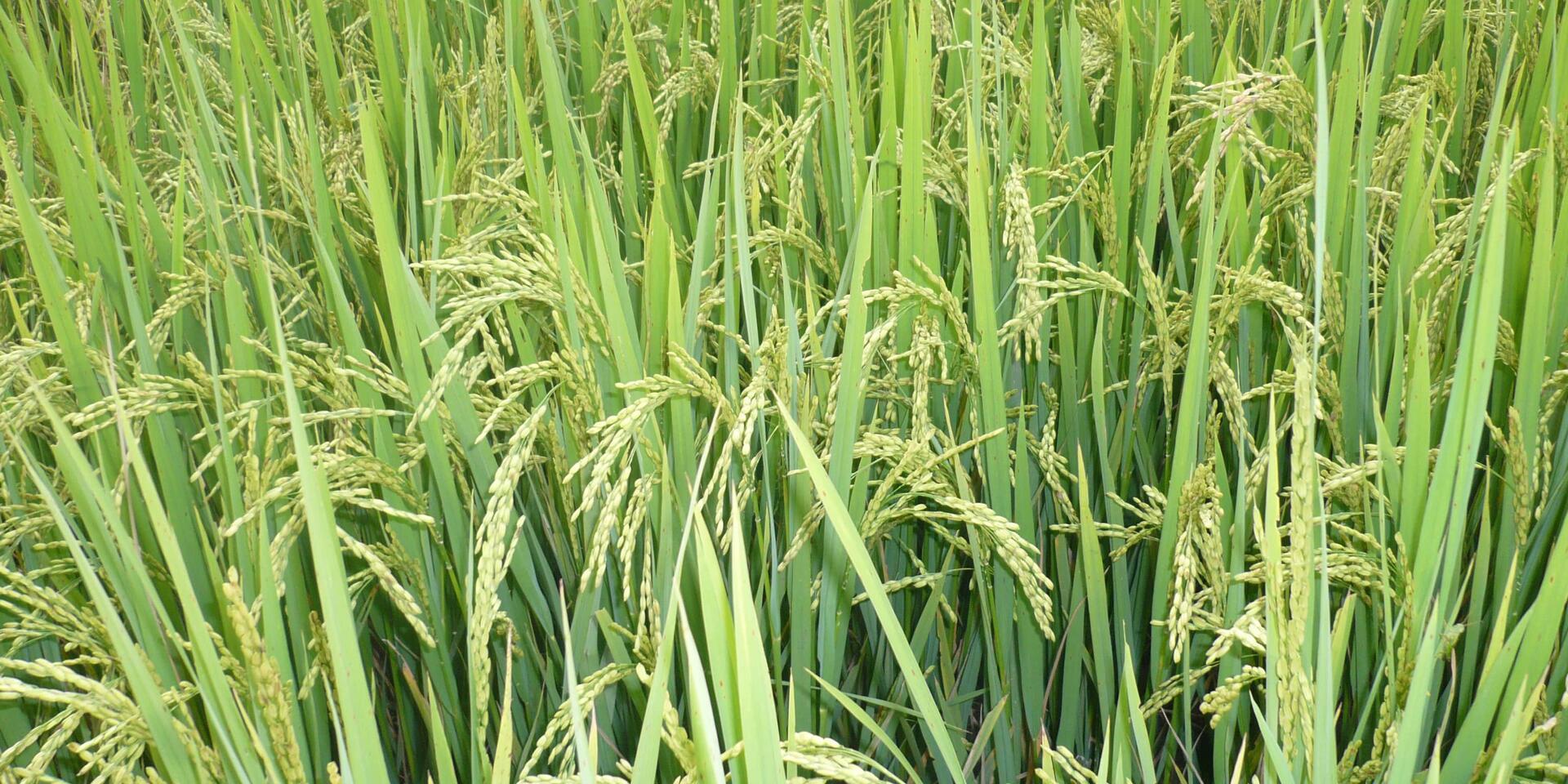
The Alliance in Nepal leverages its biodiversity portfolio, integrating traditional crop genetic diversity to increase resilience against unpredictable environmental changes in the Himalayas. As an outcome of more than three decades of work in this area, the Alliance initiated collaborative actions that are enhancing productivity, improving nutrition and strengthening partnerships with civil society organizations to reach community smallholders who, together, play an important role in conserving local biodiversity.
This work has been instrumental in building local capacity for collecting unique local plant species and in implementing a global agrobiodiversity project through the CSO-NARS-CGIAR partnership, which allowed local non-government organizations in Nepal to contribute to a global initiative, while improving local livelihoods among farming communities. Over the years, the Alliance shifted its focus from plant genetic resources and conservation to a holistic understanding of biodiversity and food systems to better align with country and global priorities in advancing the importance of genetic diversity and local seed systems in food security initiatives.
Strengthening local seed systems
Supporting Nepal’s goal of economic and social transformation through sustainable resource use and enhanced rural livelihoods, the Alliance leads initiatives that mobilized partners toward boosting local seed systems in the country. This include providing technical expertise in establishing Nepal’s national gene bank in 2012, while working with partners in Nepal to establish community seed banks to conserve local varieties, restore threatened crop varieties, and provide access to good quality seeds of diverse local varieties in the country.
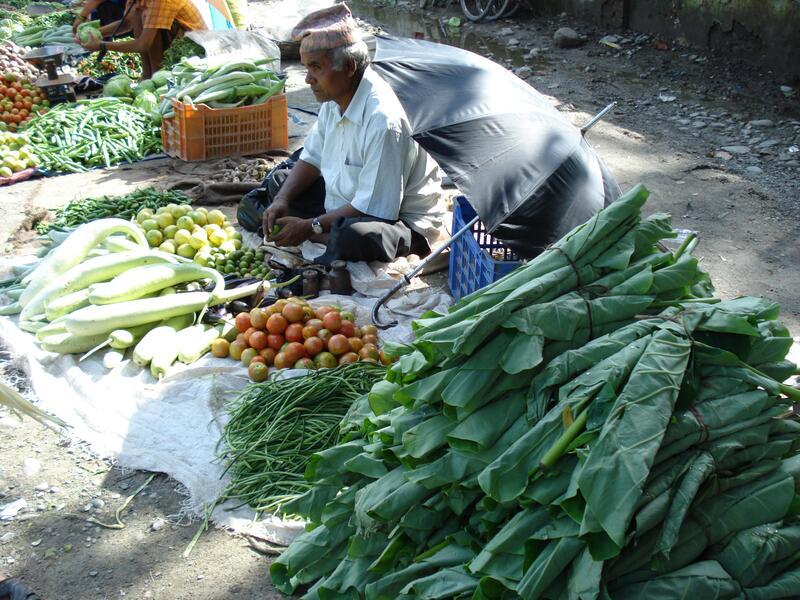
Our expertise in agrobiodiversity also contributes to addressing challenges along the biodiversity-based value chains for nutrition-sensitive agriculture development, which cuts across areas of improving livelihoods and resilience of many smallholder communities in vulnerable ecosystems in Nepal through the collection, conservation and repatriation of native crop seeds in earthquake affected areas in the country.
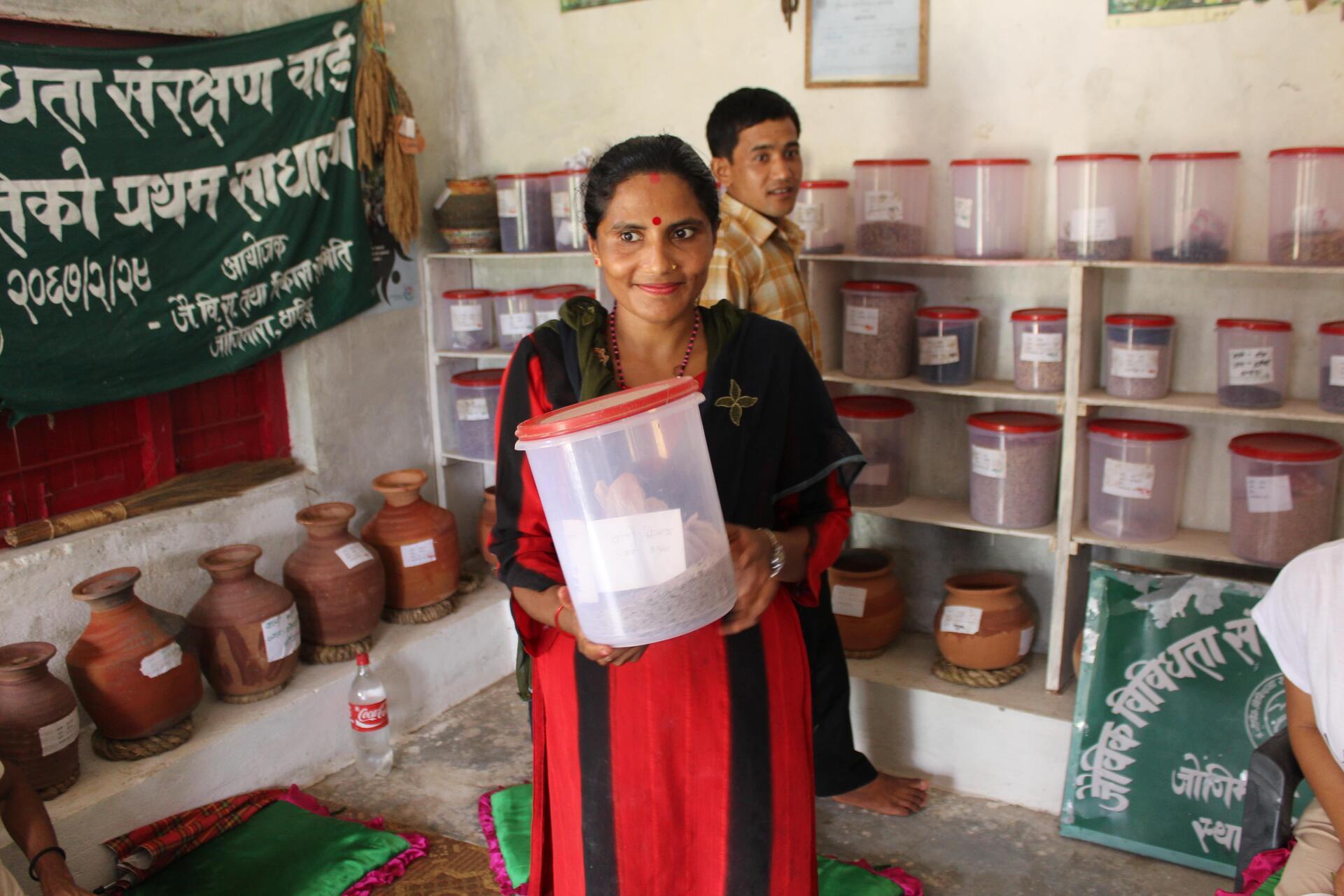
Protecting and mainstreaming traditional mountain species
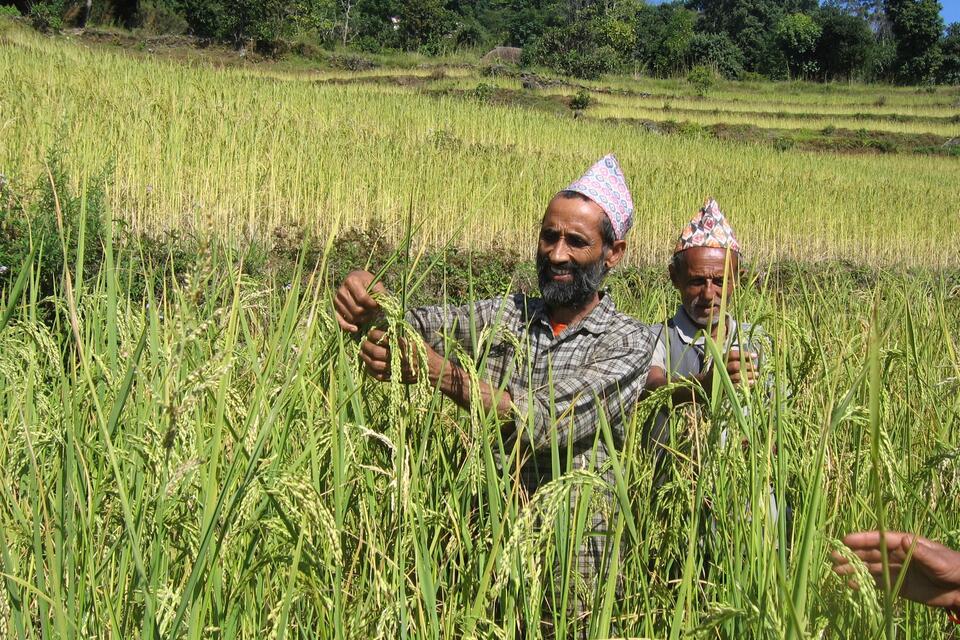
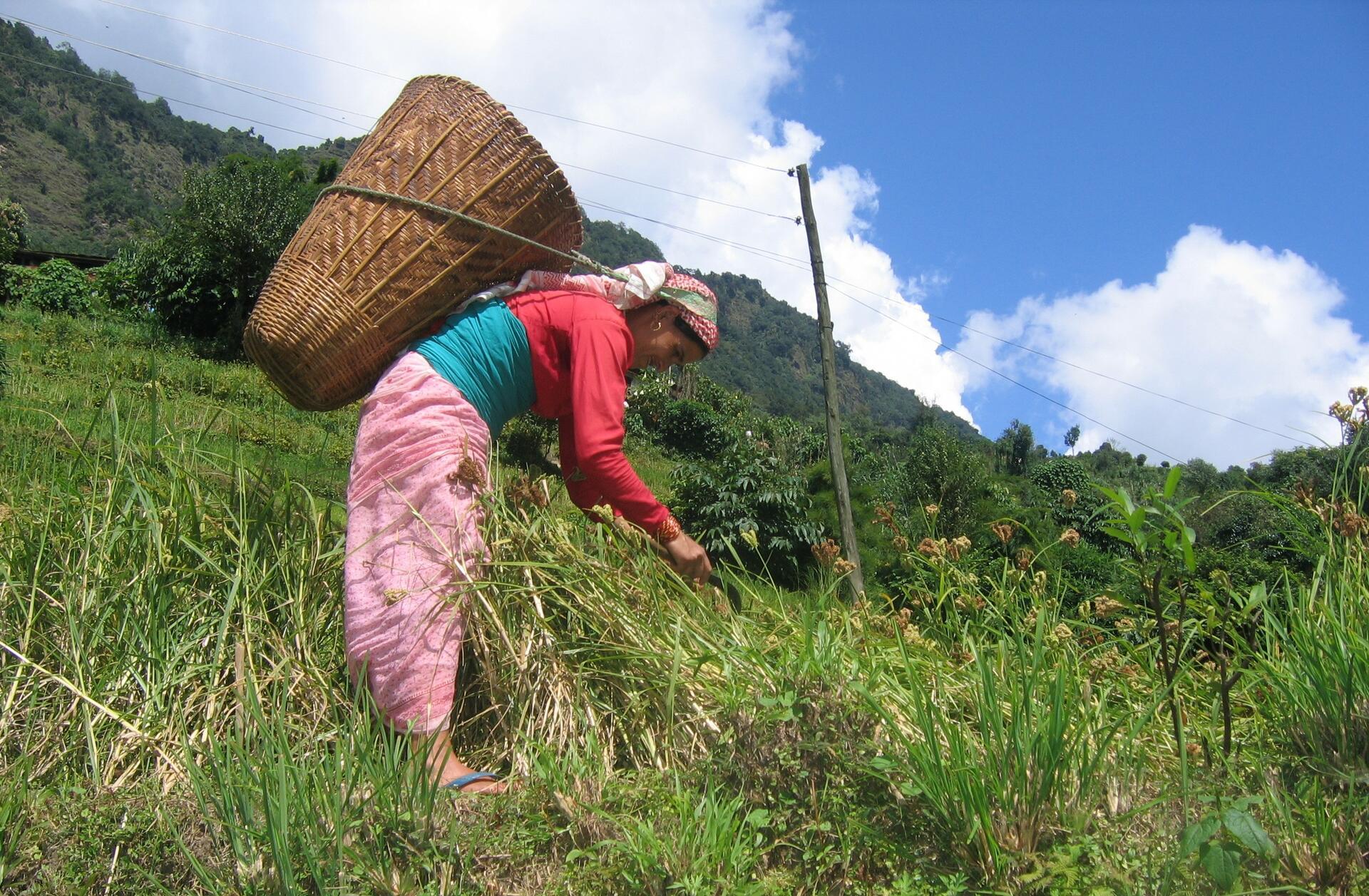
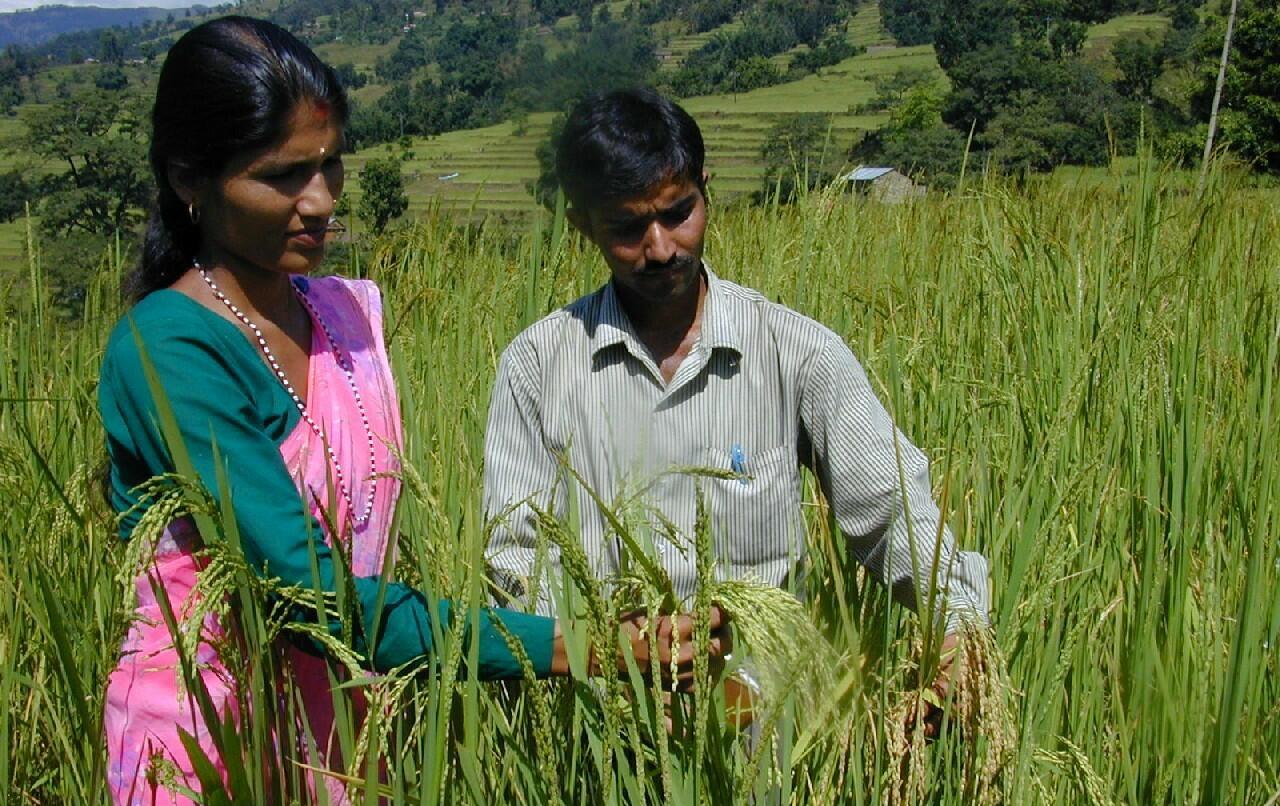
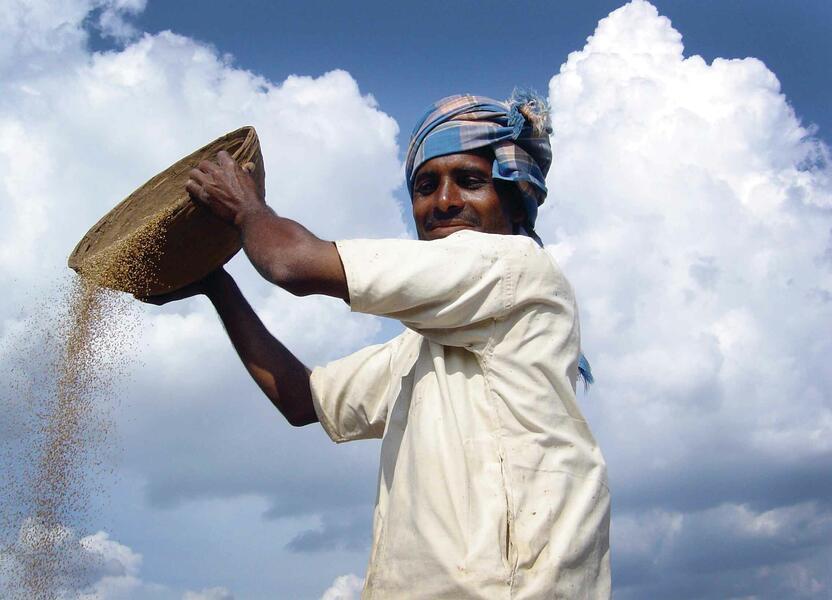
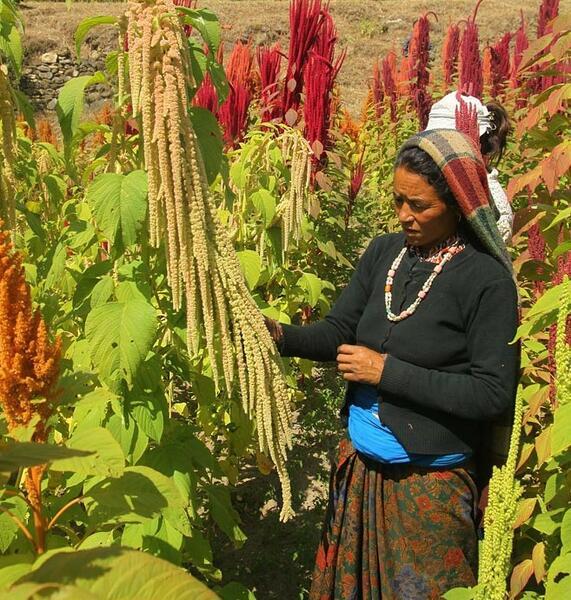
Mainstreaming the use of underutilized indigenous crops is at the heart of the Alliance's work in Nepal. To address existing food security and malnutrition challenges in Nepal, the Alliance collaborated with the UNEP on the GEF Project to strengthen the country’s agrobiodiversity by concentrating on eight traditional mountain crops varieties that hold potential for enhancing food and nutrition security in critical regions, due to their unique resilience to harsh climates. The extensive work contributed to increased local community access to planting materials and equipment necessary to conserve important plant species, as well as enhance value chain of traditional crop products, providing local support to farmers and entrepreneurs.
This work in the Himalayas have been instrumental in increasing capacity to use diverse local genetic resources across farming communities, local schools, colleges and institutions, which empowered inclusivity and leadership in managing crop biodiversity.

Anticipating emerging challenges in scaling climate-smart agriculture
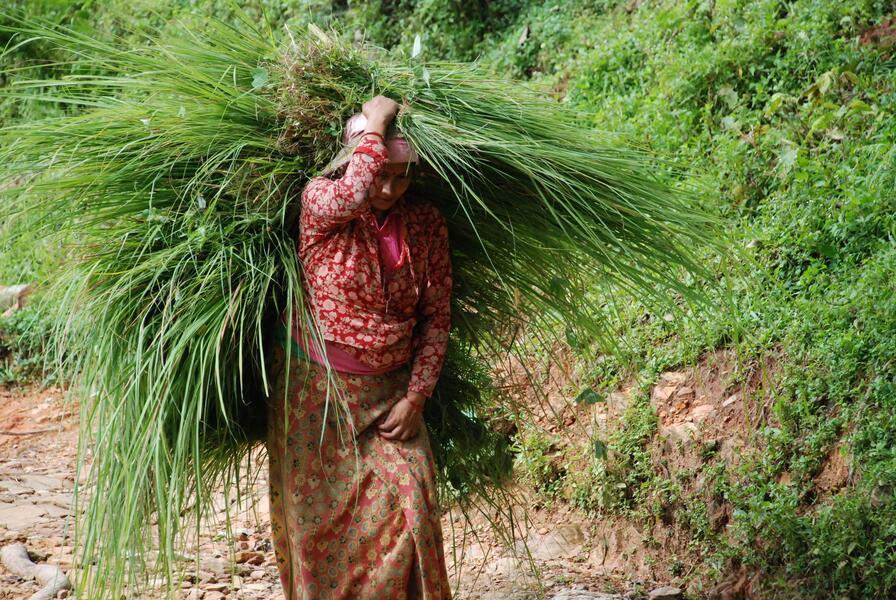
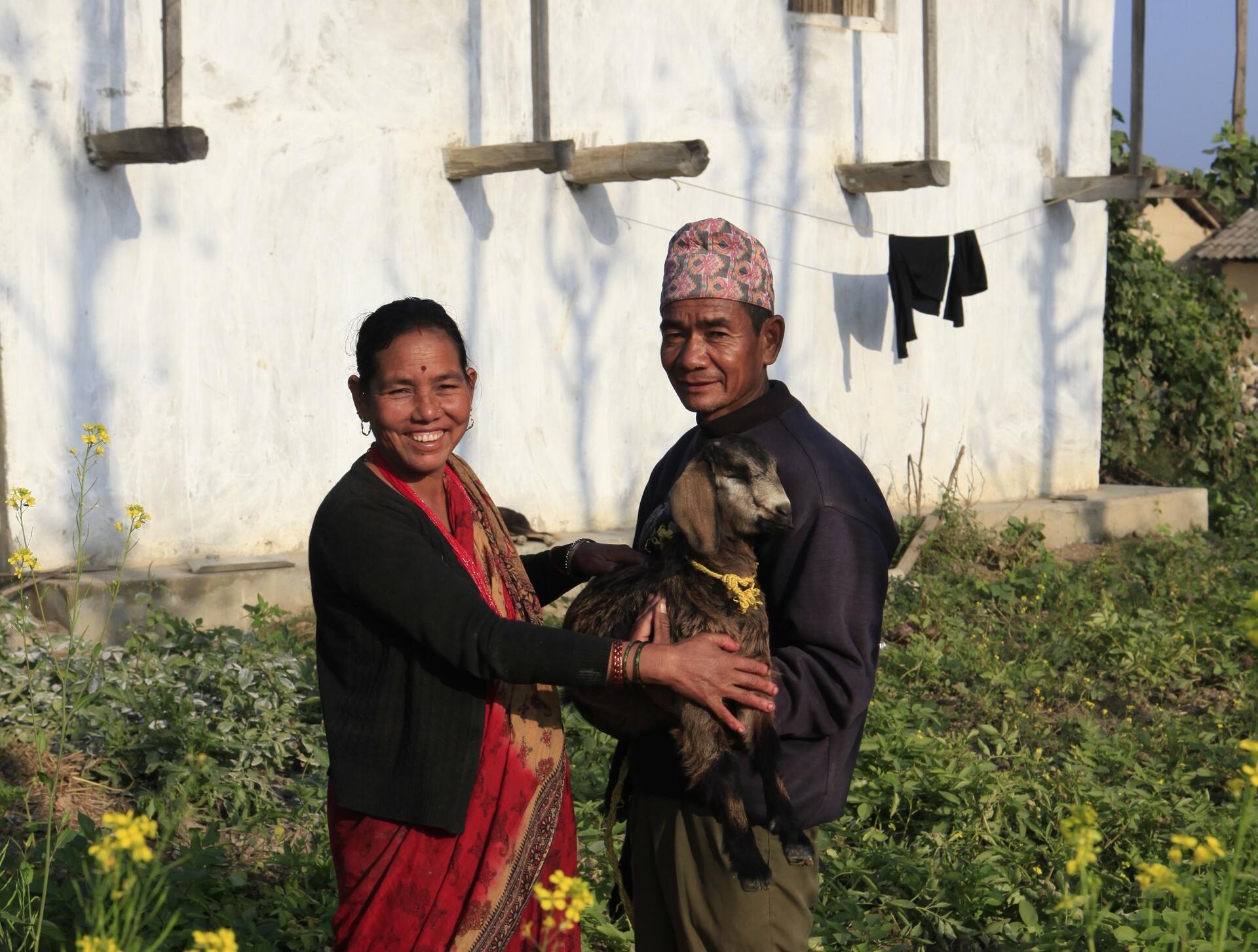
Increased challenges brought by climate change impacts livestock production: A key source of livelihoods in Nepal. Through partnerships with development organizations, the Alliance led an assessment on the impact of interventions to increase productivity and sustainable practices for farmers supported through cooperative programs. The outcome of this work contributes to defining pathways to achieve the country’s Nationally Determined Contributions under the Paris Climate Agreement and the country’s long-term Net Zero strategy of reducing emissions involved in livestock production.
The Alliance partners with Heifer International to expand the adoption of climate-smart agriculture practices among livestock cooperatives, while reinforcing increased production and productivity among members. The CSA Impact Study, which strongly aligns with the country’s Fifteenth National Plan for 2019/20-2023/24, played a key role in mainstreaming agrobiodiversity in Nepal and establishing a food-based and multi-sectoral approach that connects evidence with policy decisions across livestock-based value chains.
Boosting inclusive capacity and policy development
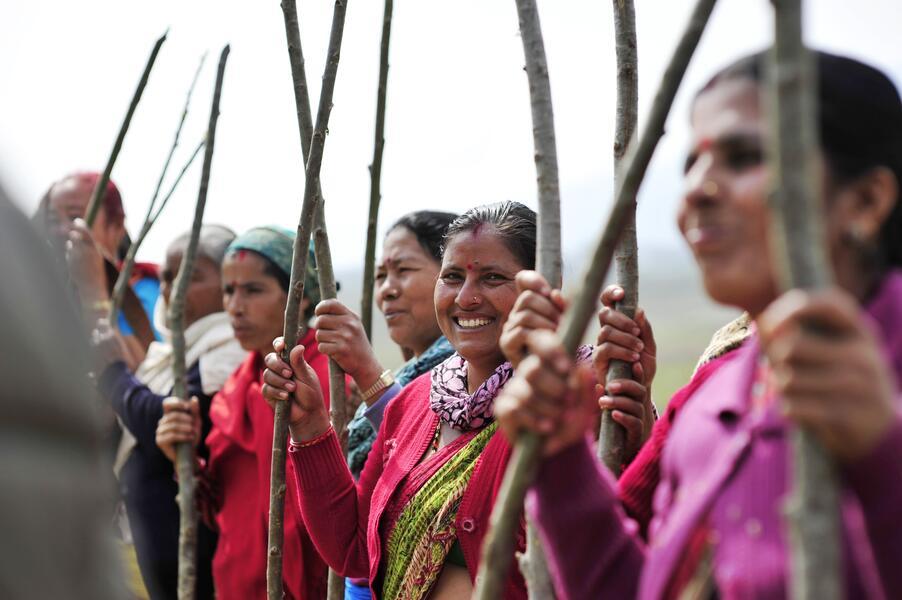
Along with various research activities, the Alliance carries out participatory approaches to match farmers’ needs in crop variety selection and grassroots breeding to improve the agriculture sector’s productivity and tolerance to climatic stresses. Over the years, the Alliance has contributed to various agrobiodiversity conservation policies, programs, and activities of Nepal, including the passing of the Agrobiodiversity Policy in 2007, and advocating for the country’s membership in the International Treaty on Plant Genetic Resources for Food and Agriculture in 2009.
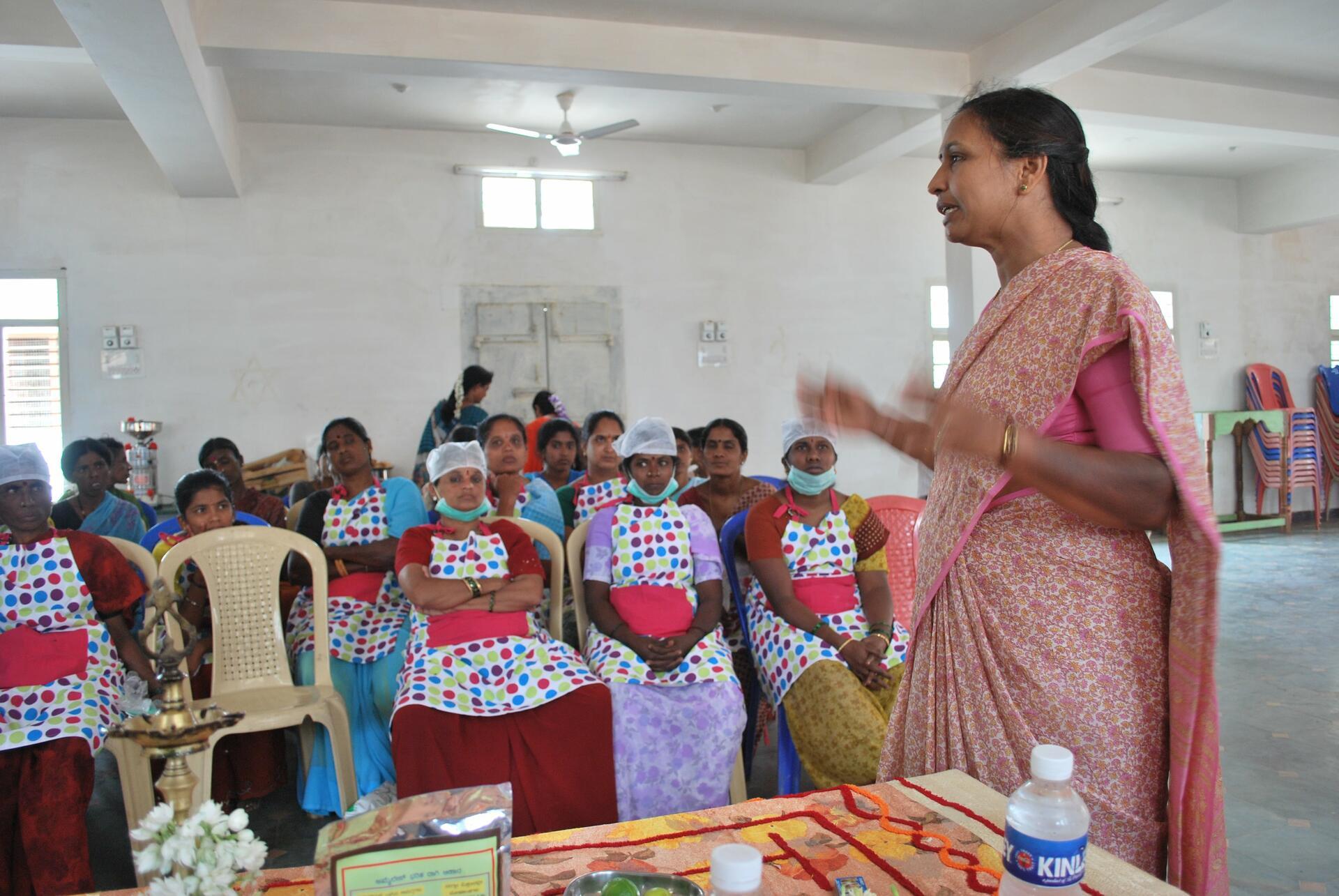
Partnerships across Nepal have also opened opportunities for many graduate students to participate in training courses and international conferences and workshops, allowing Nepalese expertise to receive greater international recognition. Aside from academic conferences, many training and capacity building activities also allowed farmers and entrepreneurs to gain knowledge in maximizing the potential of traditional foods to improve nutrition in the country.