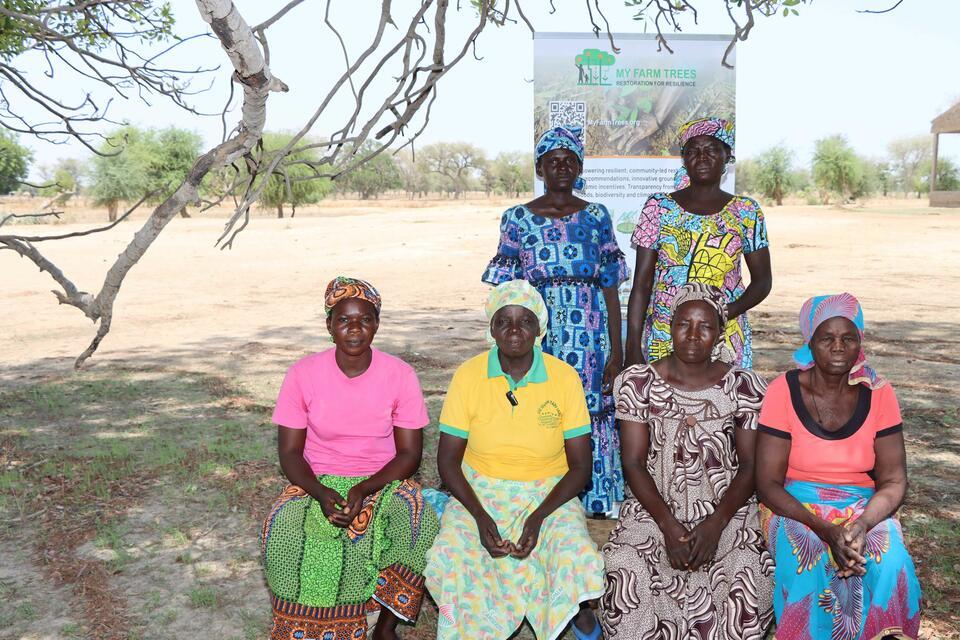
Projects and Flagship Initiatives in Cameroon
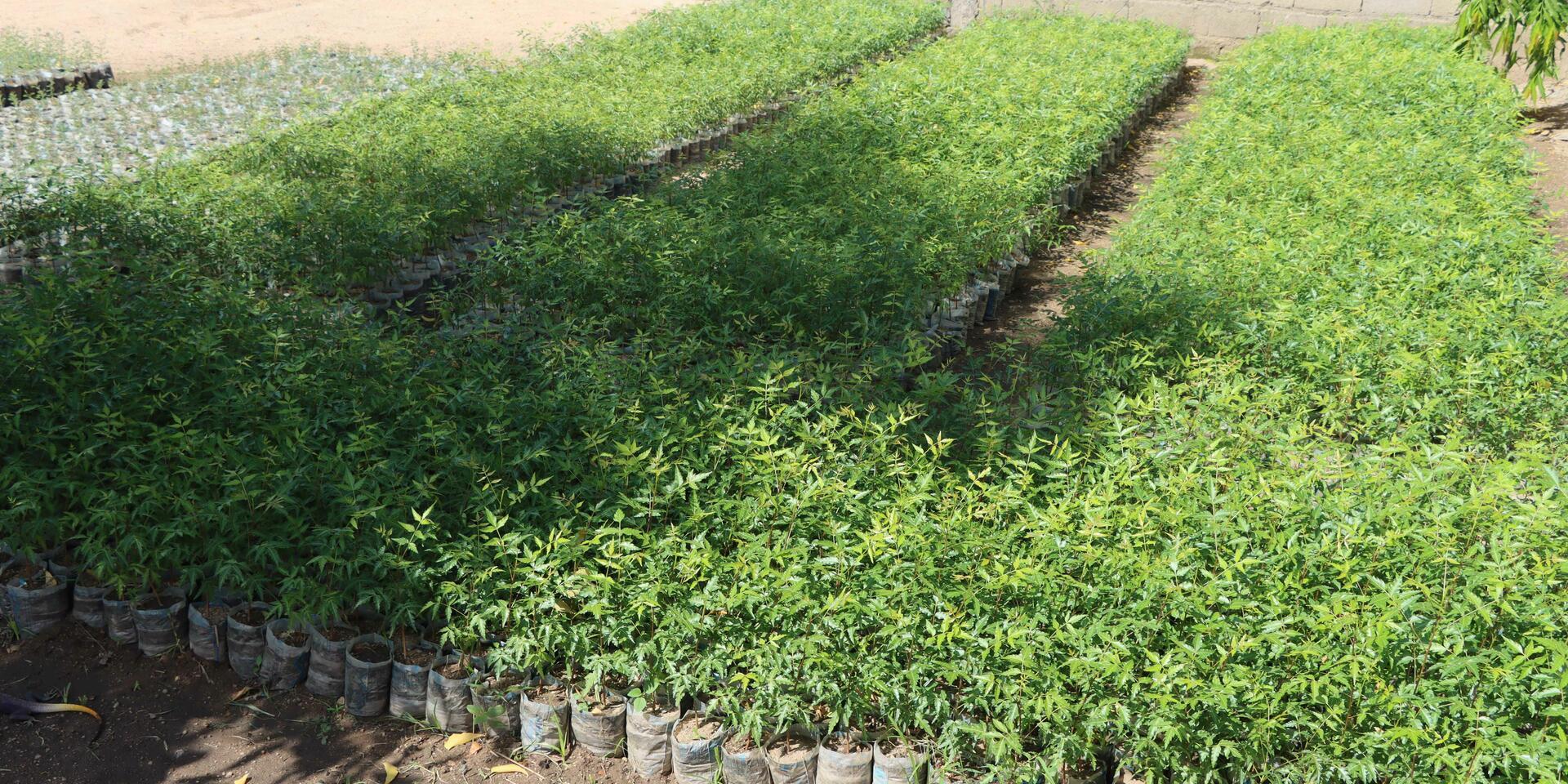
These projects and flagship initiatives are designed to respond to Cameroon’s unique ecological and cultural diversity while addressing pressing challenges such as land degradation, climate change, and the need for resilient agricultural and forest systems.
Support to the Agroecology Coalition Secretariat
This project, supported by IFAD and the European Commission (EC), aims to strengthen global coordination and implementation of agroecology as a transformative approach to food systems. While agroecology is increasingly recognized as key to addressing climate change, biodiversity loss, and declining soil health, efforts remain fragmented across countries and institutions, limiting scale and impact. Supporting the Agroecology Coalition Secretariat enables better coordination among stakeholders, alignment of policies and strategies, mobilization of financing, and dissemination of evidence and best practices. This in turn accelerates the transition toward more sustainable, resilient, and equitable food systems, particularly benefiting smallholder farmers in vulnerable regions.
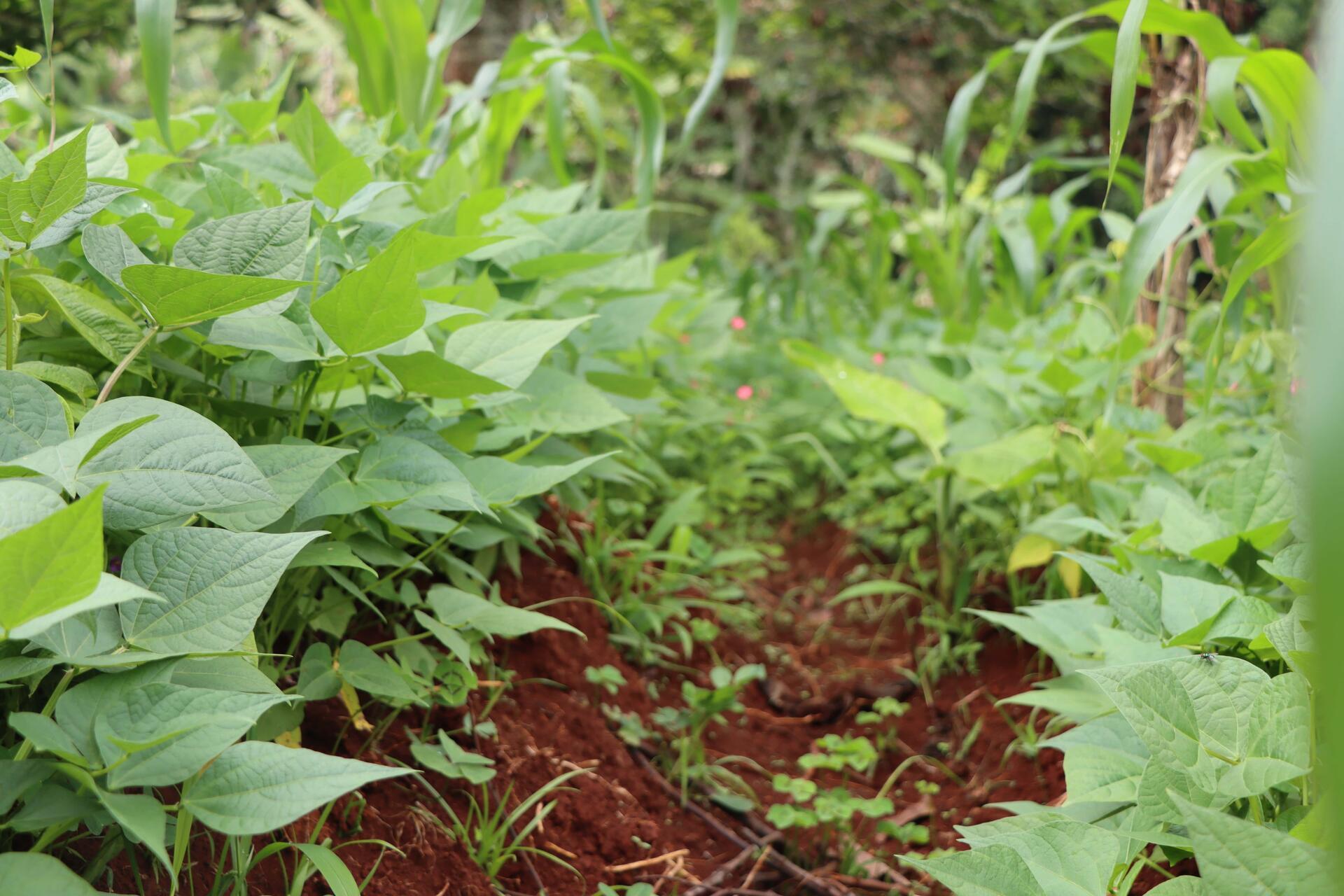
Restoration Challenge Grant Platform for Smallholders and Communities, with Blockchain-Enabled Crowdfunding
The IUCN (GEF) initiative empowers smallholders and communities in Cameroon through blockchain-enabled crowdfunding. This innovative funding approach increases transparency and trust, facilitating the restoration of degraded lands and enhancing ecosystem services.
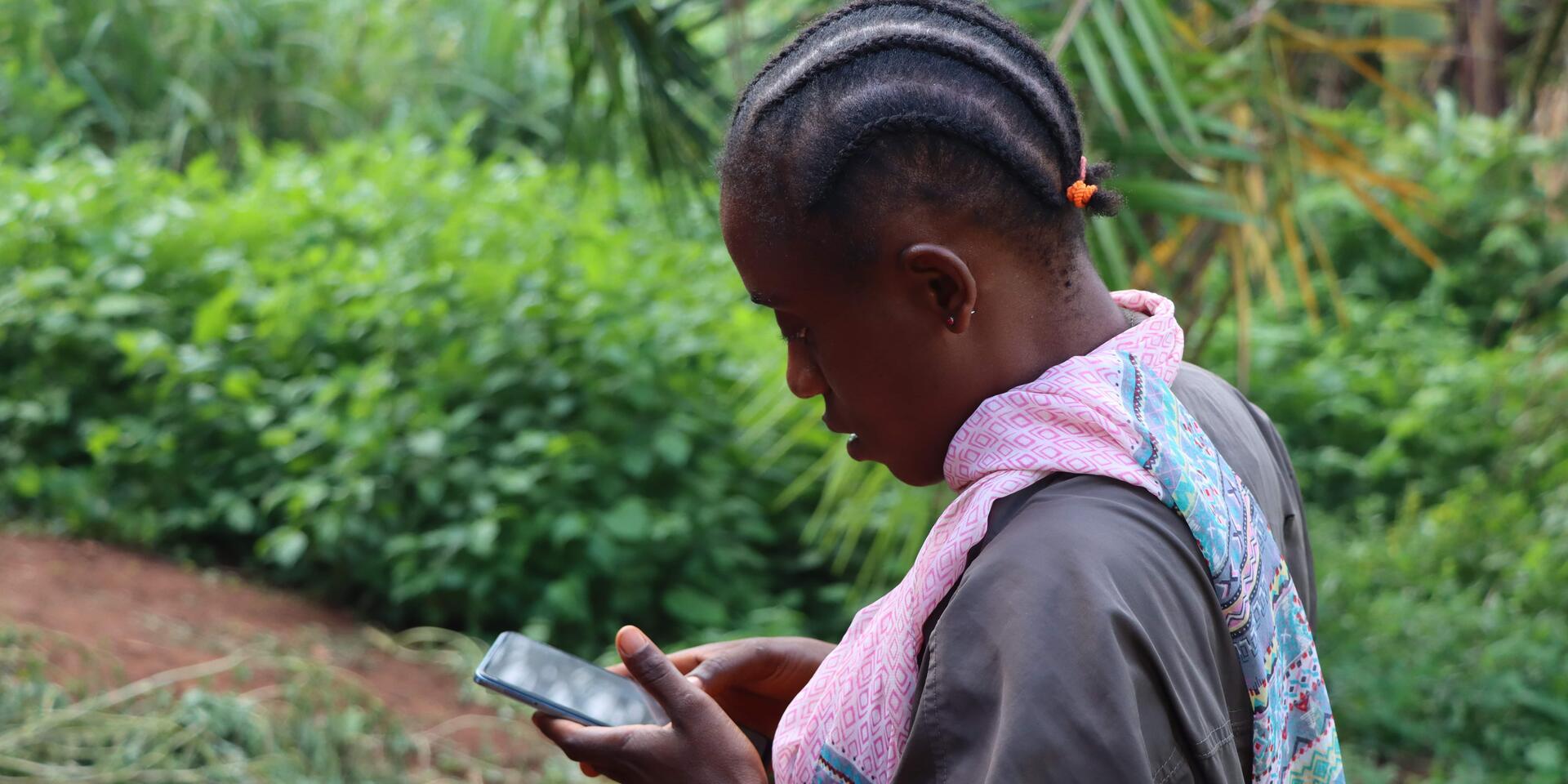
Building Equitable Climate-Resilient African Bean and Insect Vectors (BRAINS)
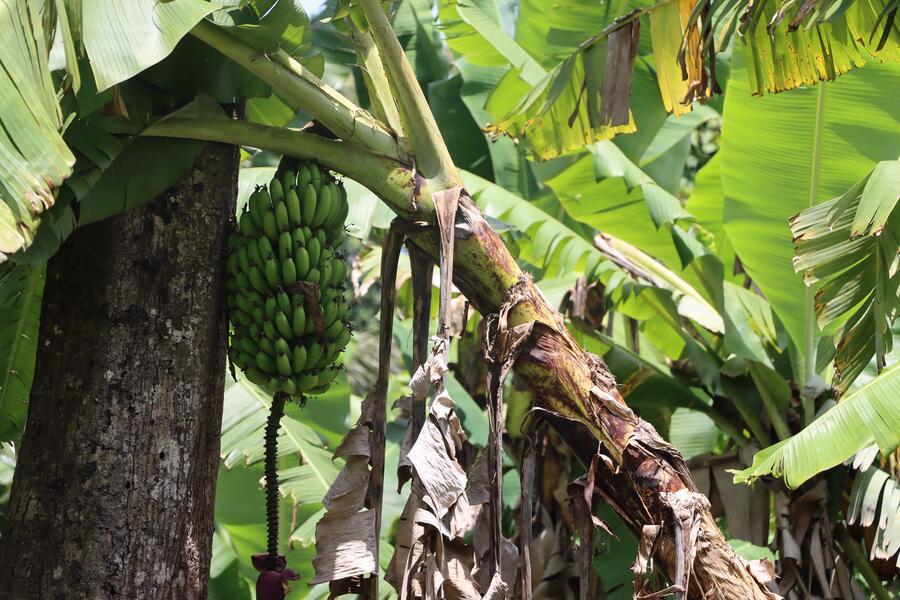
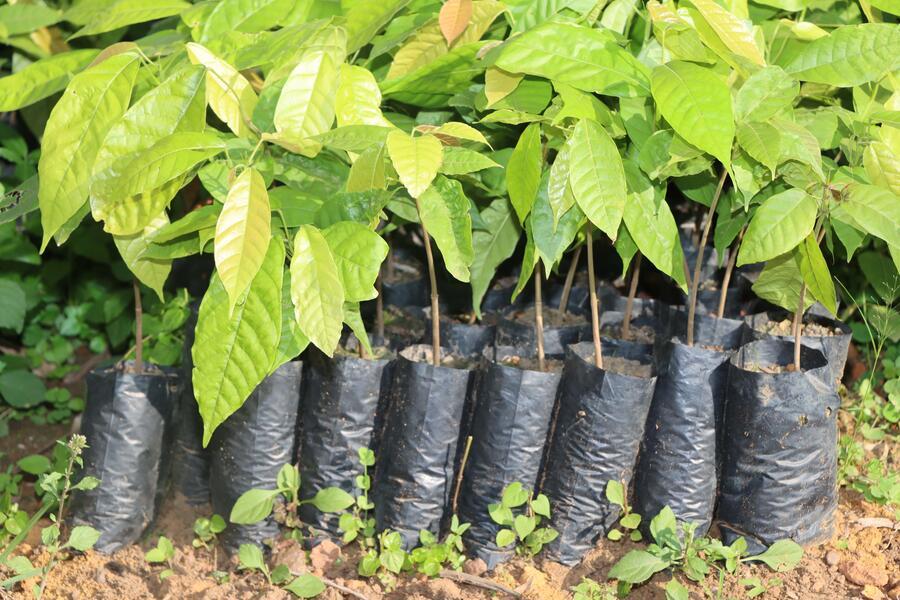
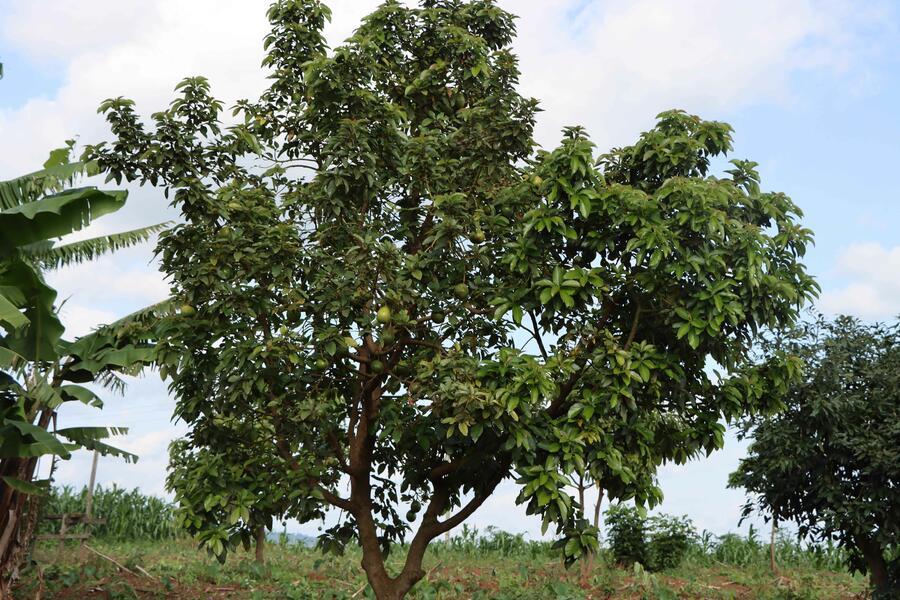
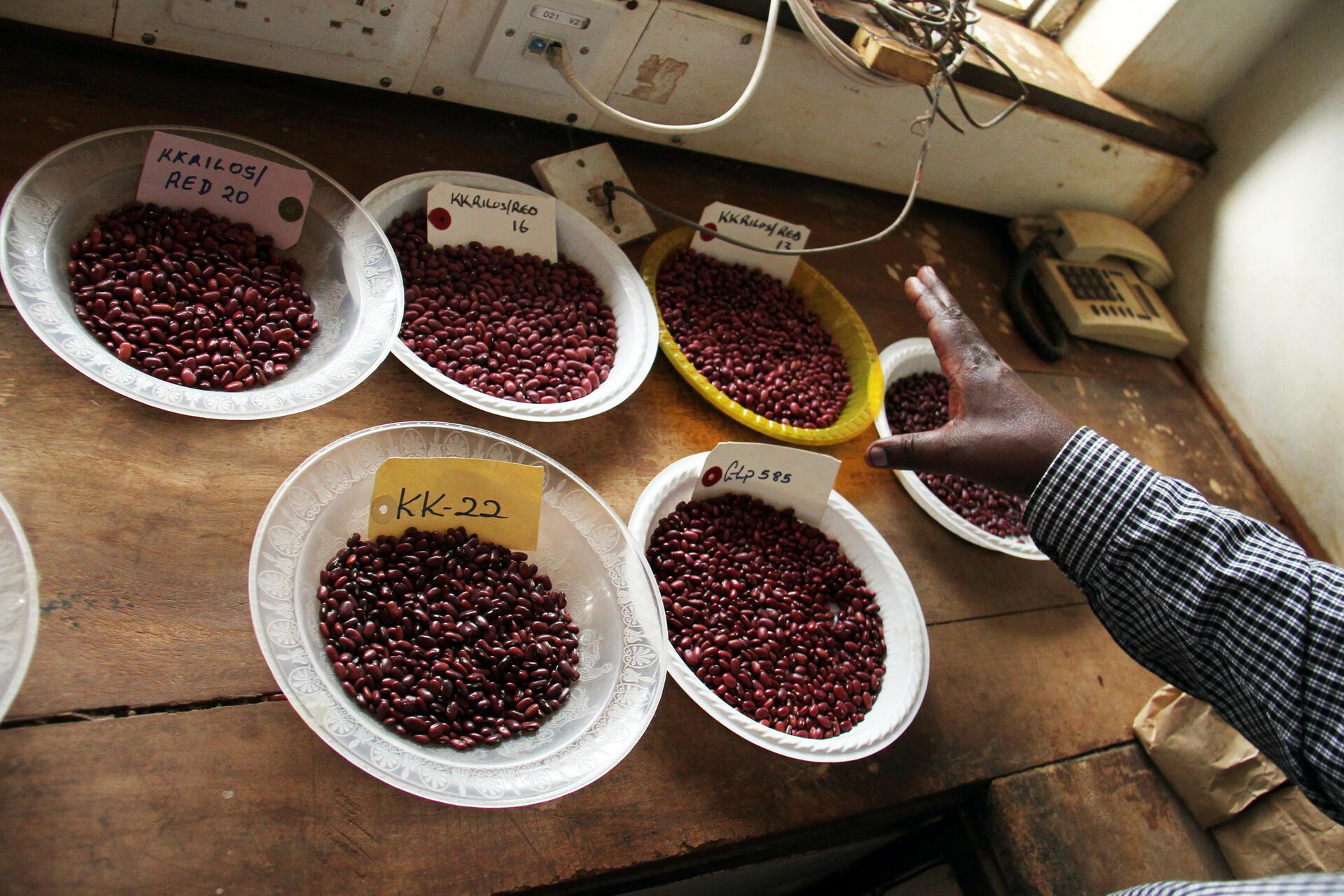
The BRAINS Project aims to transform agriculture in 15 African countries Including Cameroon by integrating beans, beneficial insects, and fruit trees like mangoes, citrus, and avocados, promoting low-carbon practices, and enhancing climate resilience, particularly among women and youth farmers through climate-smart technologies. It is implemented by PABRA and icipe in partnership with several NARS and private sector actors.
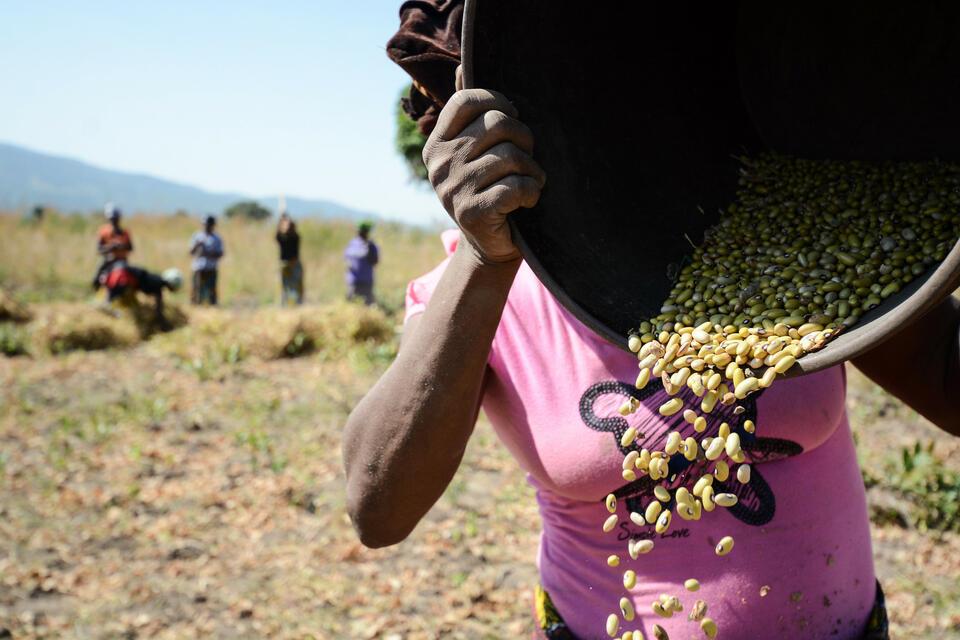
Demand Led Capacity Building Framework for the Bean Corridor Approach Project
The PABRA Academy is a capacity-building initiative of the Pan-Africa Bean Research Alliance (PABRA) aimed at addressing identified capacity building gaps of partners along the bean value chain. The PABRA Academy Fellowship is sponsored by PABRA, a constituent of the Alliance of Bioversity International and CIAT. Using PABRA's capacity-building framework, which is aligned with the bean corridor approach, the PABRA Academy seeks to identify and address the knowledge and skills gaps initially with national bean researchers and expand to other actors and institutions at the three bean corridor hubs of production, aggregation and consumption, while corresponding with essential activities and processes along the bean value chain in Africa.

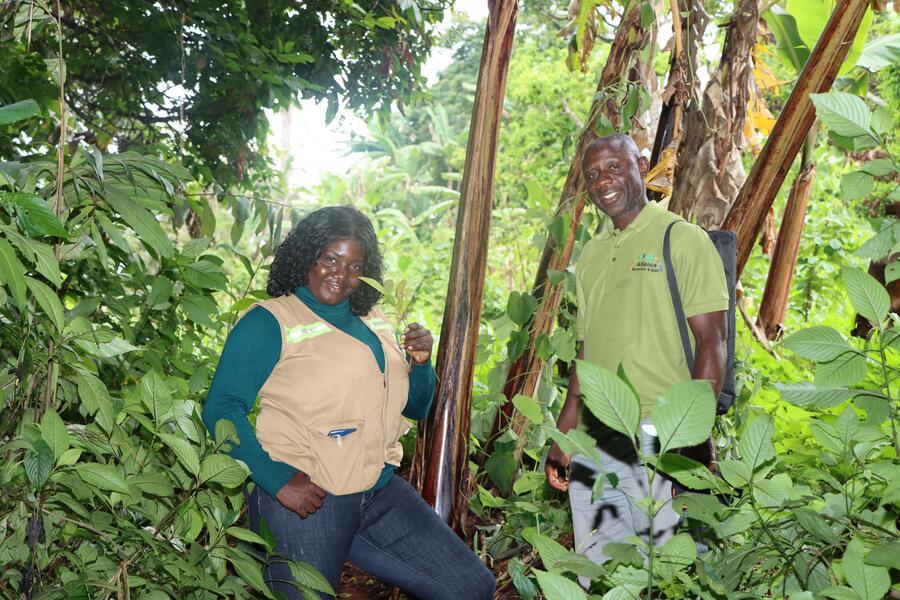
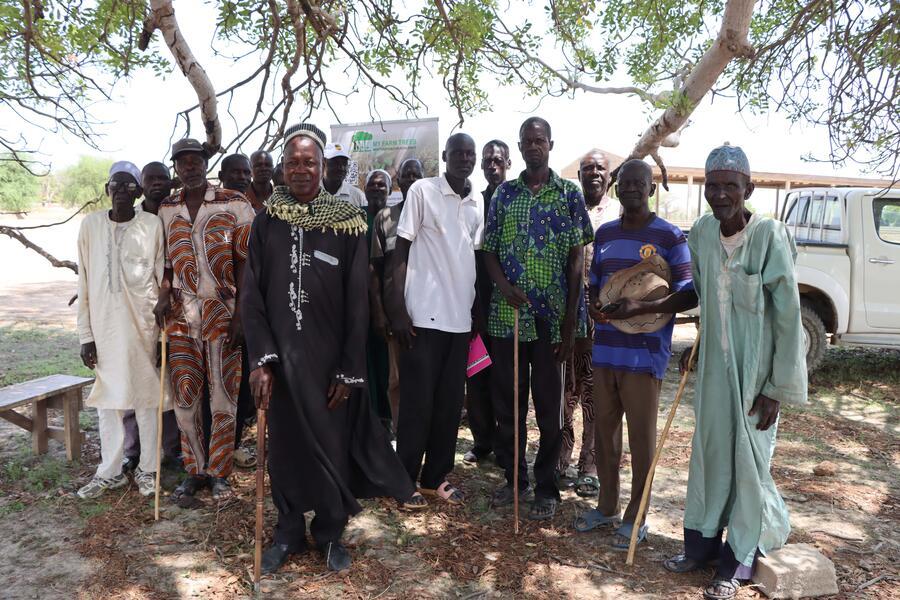
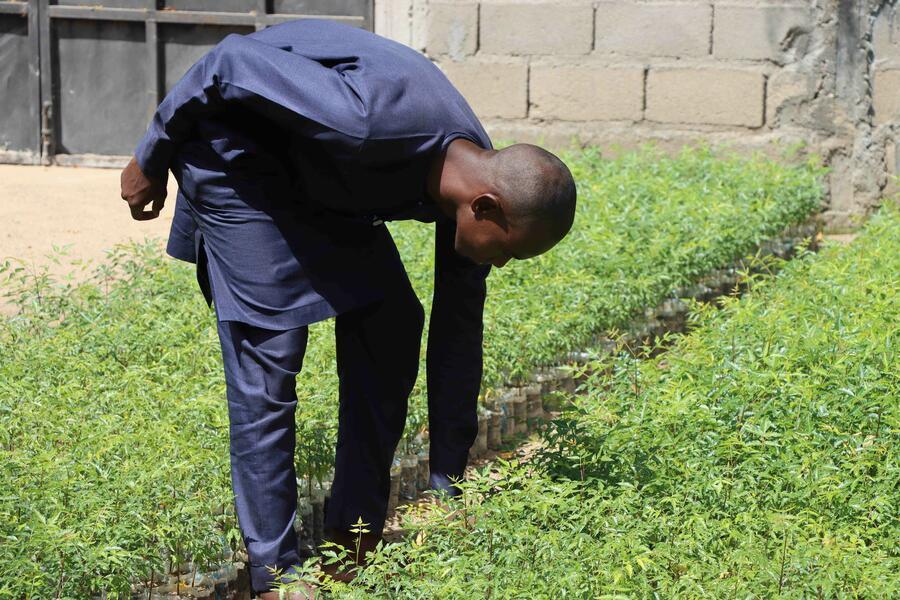
Beans For Women For Empowerment (BEANS4WOMEN)
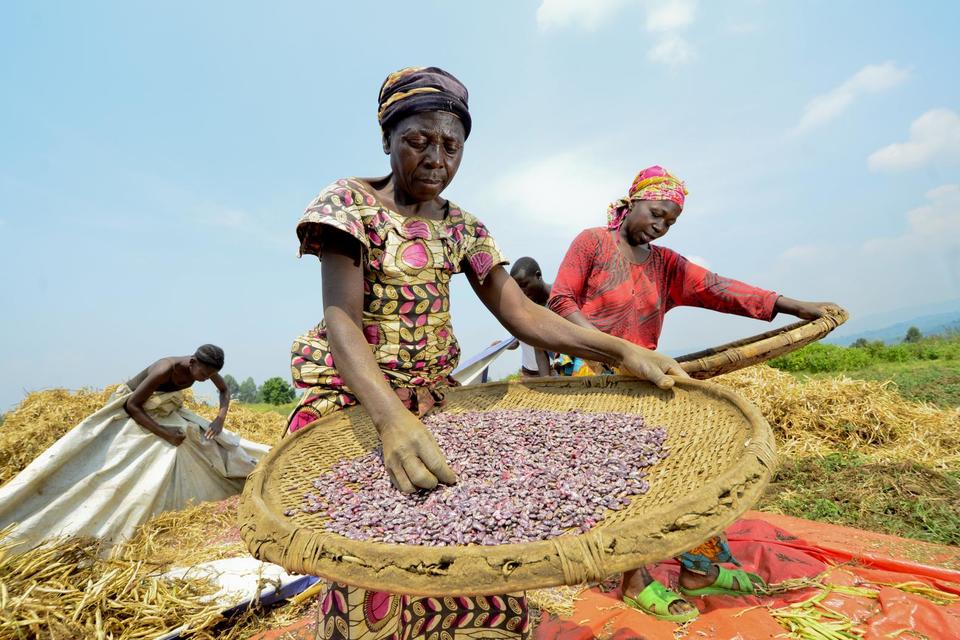
The B4WE Project, funded by Global Affairs Canada, aims to strengthen gender equality, decision-making, and resource rights for women and girls in the bean sector across conflict-prone areas. The project seeks to improve food security by enhancing bean value chains, increasing incomes for smallholder women, and boosting their livelihoods. Key activities include promoting gender equity in bean value chains, empowering women and girls in leadership roles, increasing agricultural productivity through research and training, and reducing vulnerability to climate change by promoting climate-smart technologies.
Inception Phase for Breakthrough Bean and Cassava Products
The aim of this project is to support the early-stage design, coordination, and validation of high-impact “breakthrough” crop products for two of Africa’s most important staple crops, beans and cassava. These crops are central to food security and rural livelihoods but are constrained by low productivity, climate stress, and limited adoption of improved varieties. With support from the Gates Foundation, the inception phase enables partners to define target product profiles, align breeding and delivery strategies, and build evidence and coordination mechanisms needed to accelerate the development and scaling of climate-resilient, high-yielding, and nutrition-enhanced bean and cassava varieties. This ultimately aims to improve farmer adoption, strengthen seed systems, and deliver measurable gains in productivity, nutrition, and resilience for smallholder farmers across Cameroon.
Technologies for African Agricultural Transformation Phase II (TAAT II)
The Technologies for African Agricultural Transformation Phase II (TAAT II) project implemented by IITA with support from the African Development Bank (AfDB) is designed to scale up proven agricultural technologies to accelerate food production and strengthen food security across Africa. The rationale is to address persistent low productivity in African agriculture by improving farmers’ access to climate-resilient seeds, fertilizers, and agronomic practices, while also strengthening seed systems, extension services, and regional technology delivery mechanisms. By moving innovations from research into large-scale adoption, TAAT II aims to boost yields, increase farmer incomes, reduce food imports, and build more resilient and commercially viable agricultural systems capable of supporting Africa’s rapidly growing population.

Combating malnutrition in Africa through Diversification of the Food system (HealthyDiets4Africa)
HealthyDiets4Africa is a transdisciplinary and translational research project, aims to harness the potential of food systems diversification to address malnutrition and improve food and nutrition security. Our central hypothesis is that diversifying different elements of the food chain will improve nutritional health and reduce malnutrition in Africa, while bringing economic and environmental benefits. The overall goal of the project is therefore to build diversified food systems in eight African countries: Benin, Cameroon, Ghana, Ivory Coast, Kenya, Liberia, Nigeria, Uganda.