Projects and Flagship Initiatives in China
Contributing to our research in China, these projects and flagship initiatives are creating positive impact for the livelihoods of the communities we work with.
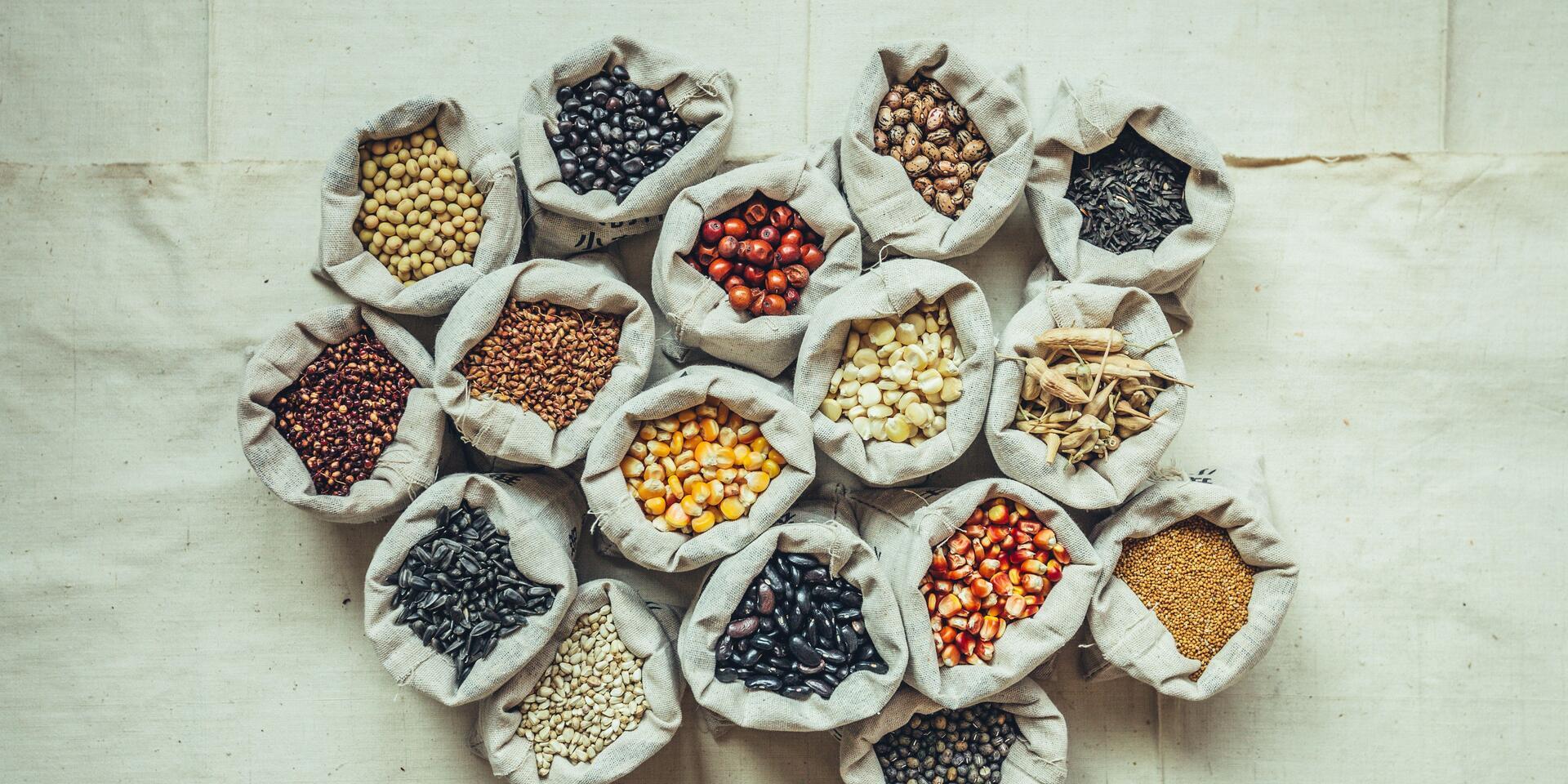
Red rice yields in China. Credit: Alliance of Bioversity International and CIAT/B. Samors
Promoting sustainable and climate-resilient agriculture
The Alliance's role in China’s campaign to boost sustainable and climate-resilient agriculture is demonstrated in its work to improve agroecosystem resilience using intraspecific crop varieties in the southwest of the country. In Guangxi and Sichuan provinces, the Alliance supported the diversification of citrus production through integrated intercropping and ecological management that target resilience and improved incomes for farmers. Our research has also influenced policymaking as germplasm resource management policies - such as in red rice germplasm - were put forward in important agricultural heritage sites. Consistent with the government’s goal of advancing a greener agricultural sector development, the Alliance established monitoring systems and demonstrated sustainable natural resources management practices to support surrounding ecological restoration.
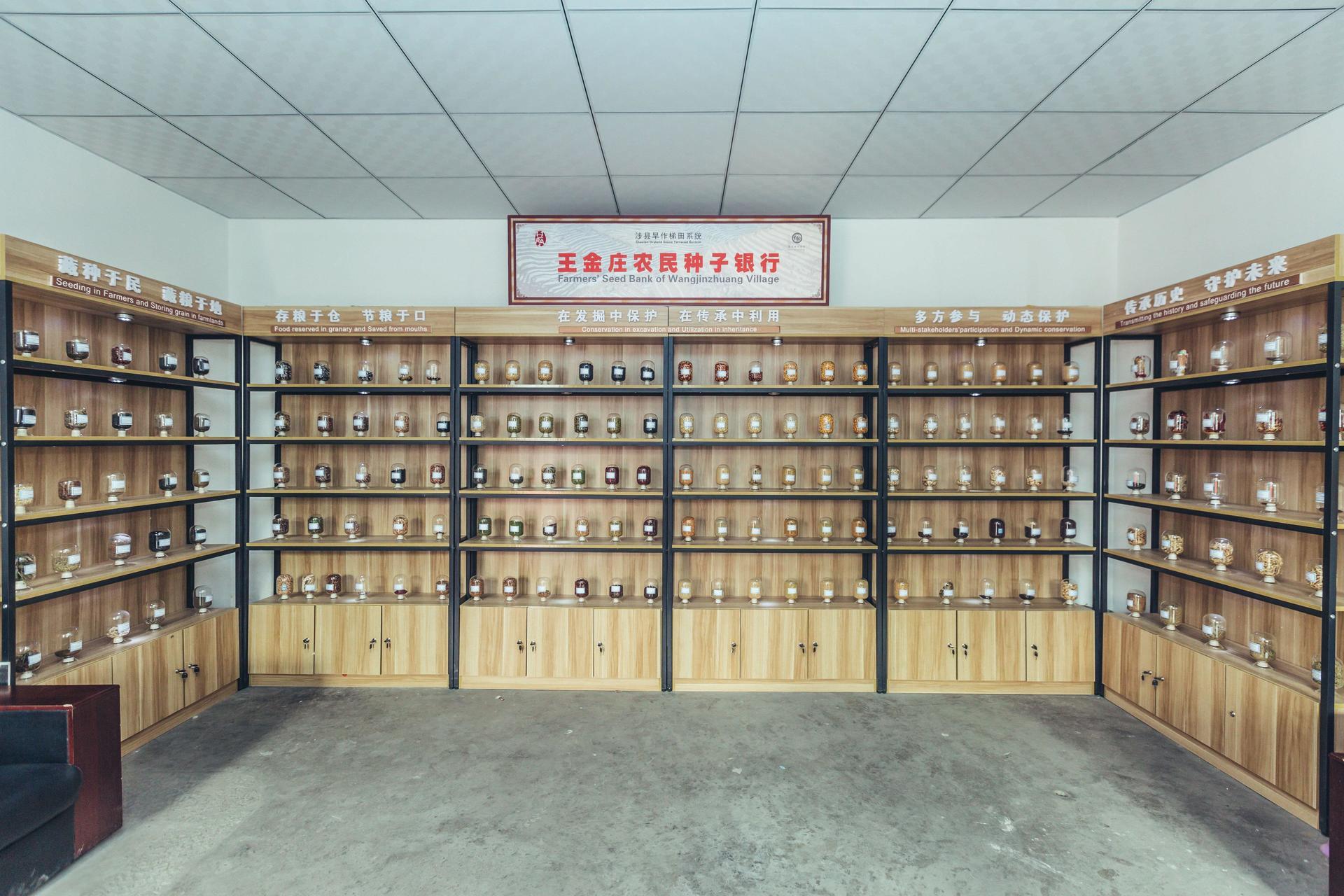
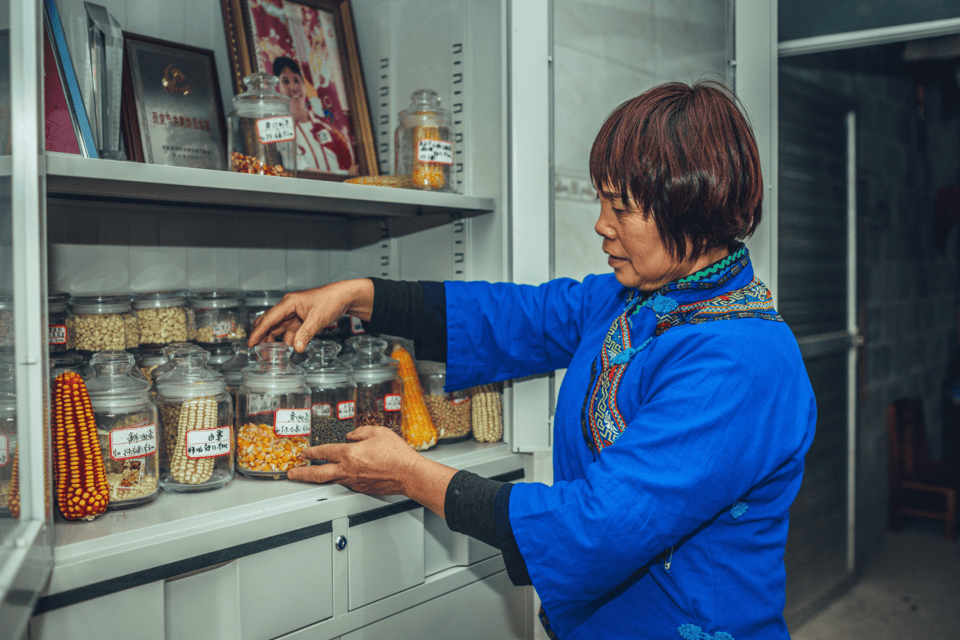
Wangjinzhuang village’s Community Seedbank. Credit: Qiubi
Advancing the sustainable management of agrobiodiversity
Through the Alliance’s award-winning Agrobiodiversity Index decision-support tool, we supported policymakers and the private sector in assessing the status of agricultural biodiversity across the domains of nutrition, agriculture, and genetic resources. In China, the Alliance collected data in Hani and Yi Villages in Yunnan Province where the tool measured diversity and identified concrete actions, risks and opportunities to increase efforts towards agrobiodiversity conservation, as well as the transformation of resilient and sustainable food systems. Beyond purposively informing decision making, the index also amplifies the intertwined role of local ethnic culture on crop production and consumption, as in the case of the Tibetan people, which requires the protection and management of local crop diversity not only to address nutritional needs, but also to preserve the Tibetan culture.
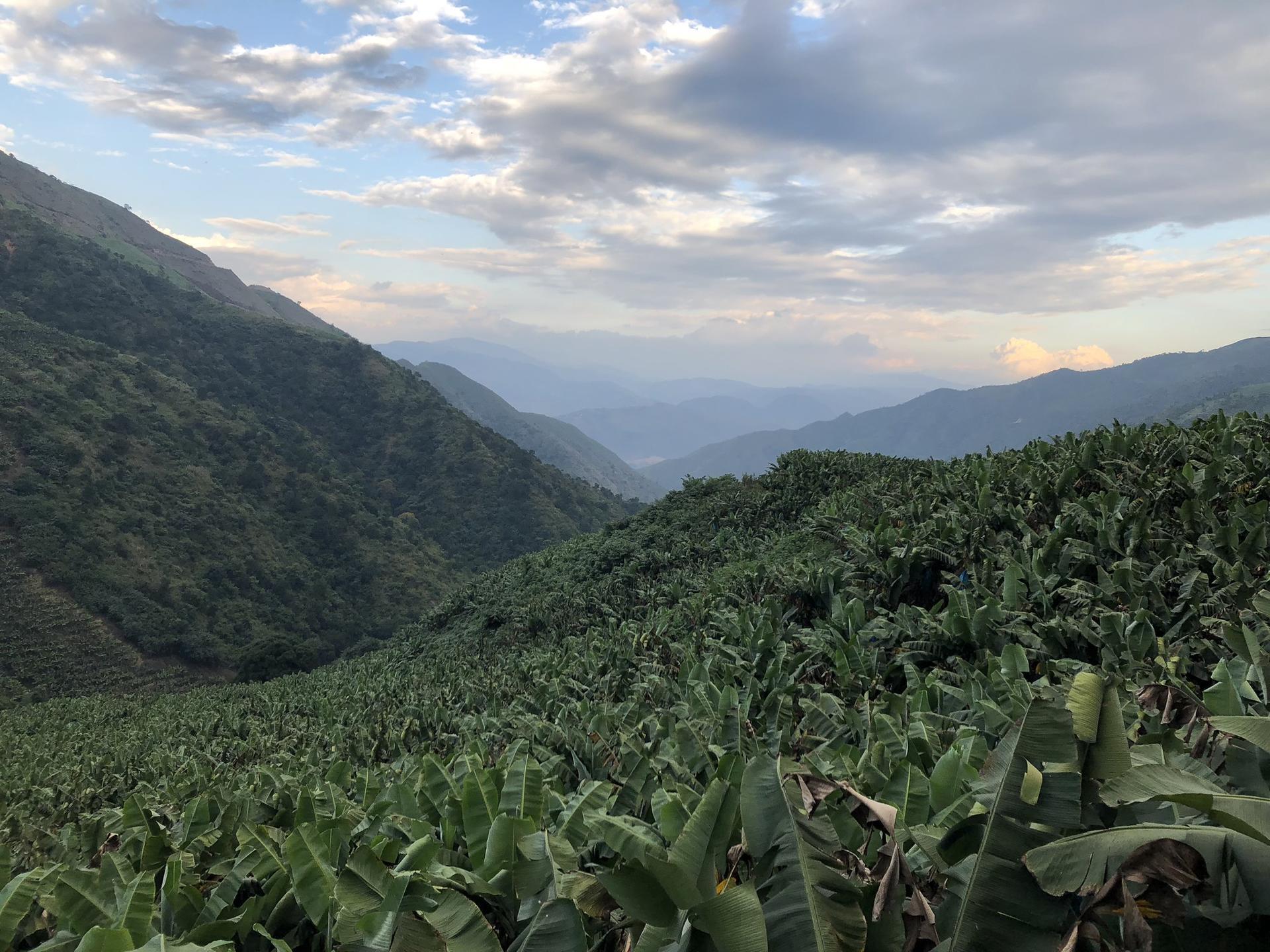
Upland banana farming in China. Credit: Alliance of Bioversity International - CIAT /R. China
Evaluating and utilizing crop diversity
In championing food and nutrition security across China, the Alliance explored and assessed diversity of minor and neglected crops, including traditional varieties of buckwheat and oat, as well as Panama disease resistant accessions of banana. Our research provides science-based evidence to improvee farmers’ productivity in growing crops that improve nutrition while ensuring that the crops are resilient to the ever-changing climate, global market demands and agri-food system value chains. The Alliance also engaged in the intercropping of rice hybrids with local landraces and the mixing planting of various local varieties of maize, rice, faba bean and barley to enhance pest and disease control and agroecosystem resilience.
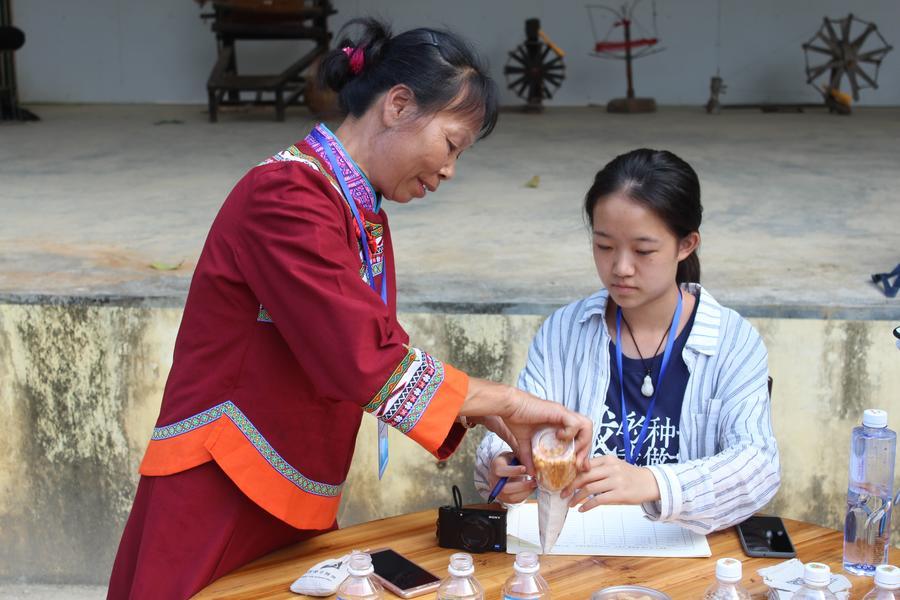
Bringing seed to the community seed bank, Guangxi.
© Alliance of Bioversity and CIAT/R.Vernooy
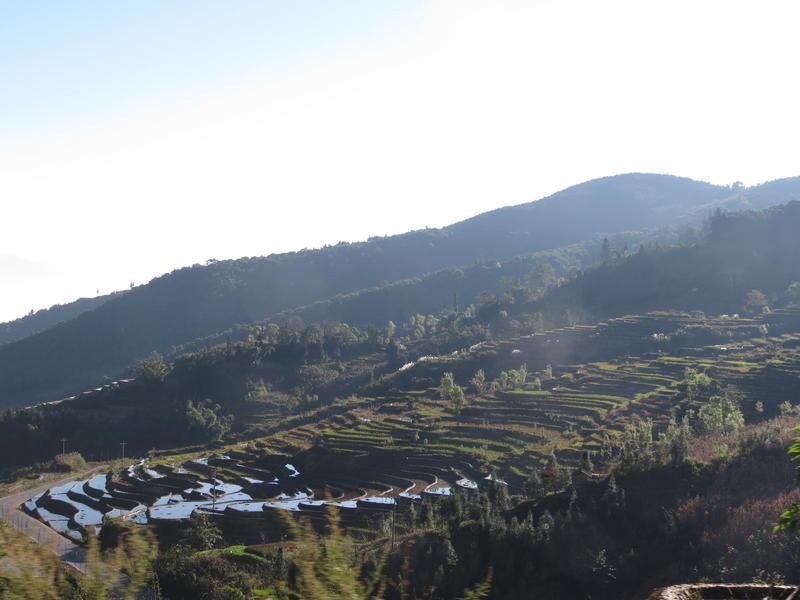
Rice terraces in Yunnan, China.
© Alliance of Bioversity International and CIAT
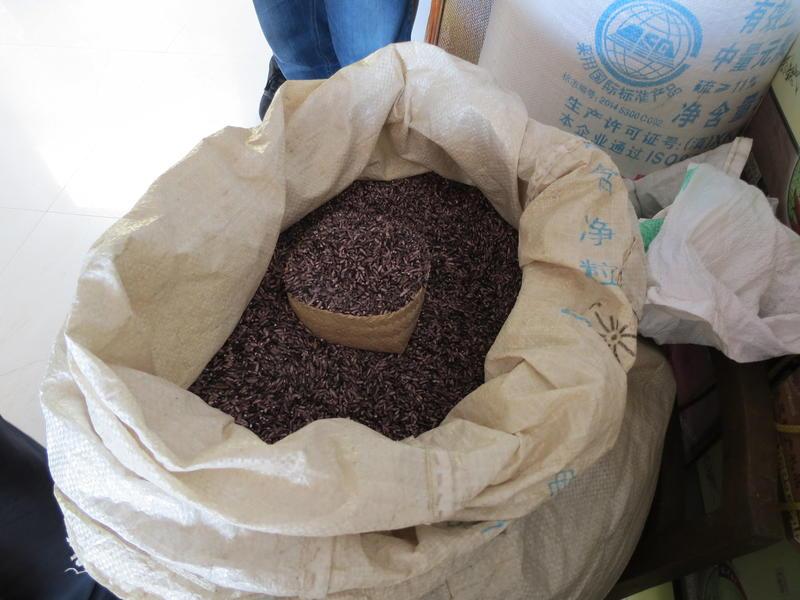
Rice, the most important product of the Hani Rice Terraces, particularly red rice, is extremely diverse and comes in 48 varieties.
© Alliance of Bioversity International and CIAT/B. Samors
Fostering soil health and sustainable farming
Through the Common Microbial Biotechnology Platform, the Alliance partners with esteemed research institutions such as CAAS and CATAS to develop agroecological practices particularly on the use of beneficial microorganisms to reduce the use of mineral fertilizers and chemical pesticides across all types of cropping systems. In 2019, the Alliance assessed the soil microbial communities of rubber plantations in the island province of Hainan in collaboration with the Rubber Research Institute of CATAS, which in 2023 evaluated the role of Biological Nitrogen Fixation in improving young rubber plantations in the same province. With the Tropical Crops Genetics Research Institute, the Alliance has been studying the symbiotic relationship between plant roots and mycorrhizal fungi among rubber trees, mango trees and legume plants in influencing better nutrient uptake, improved soil health and enhanced plant resilience.

Terraces in Yunnan, China. Credit: Alliance of Bioversity International - CIAT
Preserving genetic resources
By working closely with the Chinese Academy of Agricultural Sciences (CAAS), the Alliance had an important role in the establishment of the country’s first national genebank, which now houses over 400,000 accessions. Consistent with our commitment to boost genetic resources conservation initiatives, we supported the development of techniques for various conservation methods that include ultra-dry seed storage, cryopreservation and in-vitro and in-situ conservation. Collecting and preserving thousands of crop accessions, the Alliance also collaborated with partners to establish the largest tropical forage and cassava germplasm nursery at the Chinese Academy of Tropical Agricultural Science (CATAS).
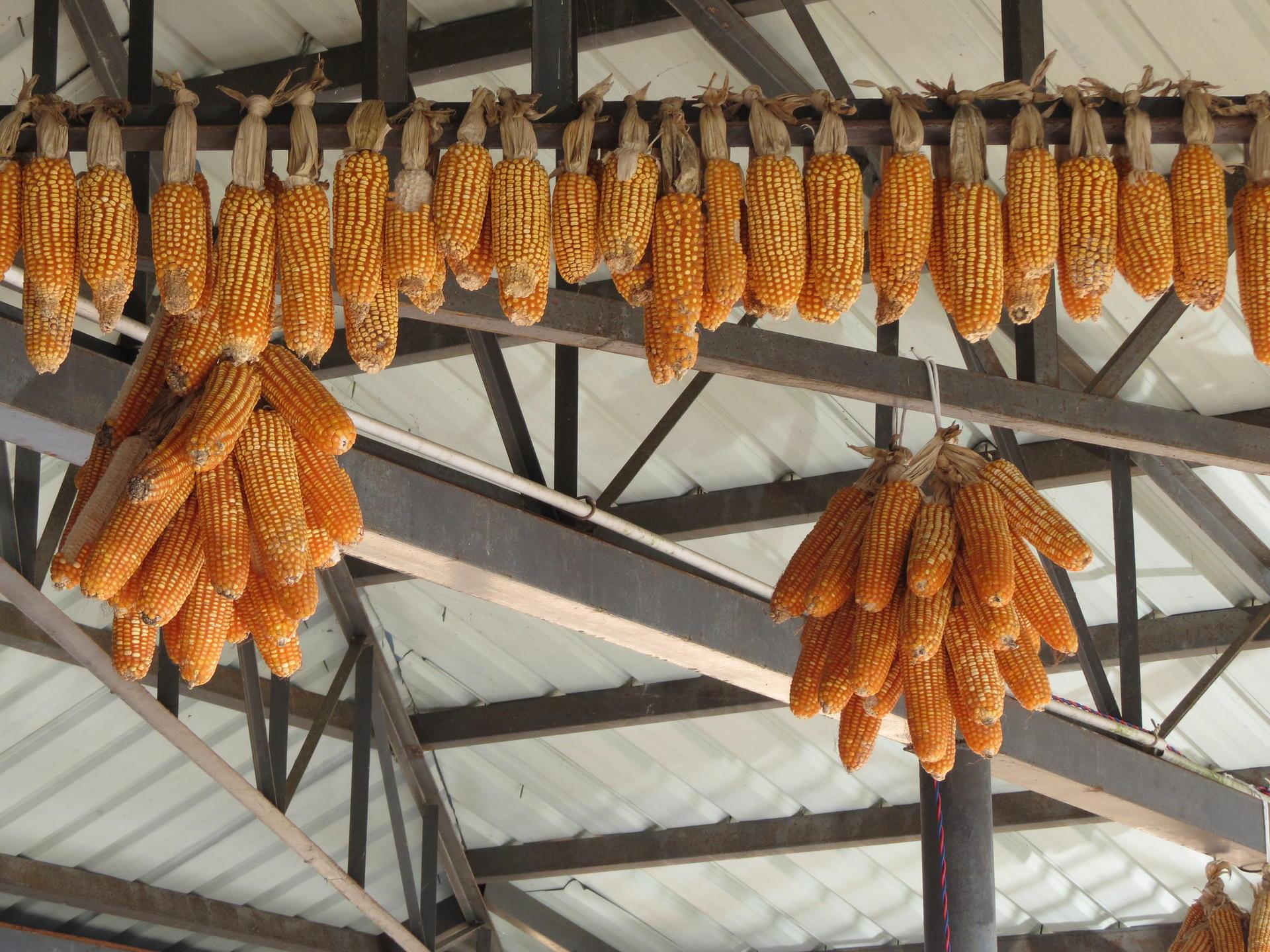
Ultra-dry seed storage in China. Credit: Alliance of Bioversity International and CIAT/B. Samors
Enhancing the capacity for regional and international cooperation
The Alliance’s strong partnership with the Chinese government has spurred widespread regional and international collaboration, underscored by the establishment of joint research centers such as the CAAS-Biodiversity Agricultural Biodiversity Research and Development Center and the CATAS-CIAT Joint Laboratory in Advanced Technologies for Sustainable Agriculture. The Alliance in China is also actively engaged with a range of regional networks including the East Asian Plant Germplasm Resources Network and the Asia-Pacific Banana Network to foster knowledge exchange and capacity sharing between and among expert partners, strengthening collaboration on quality research and other development-oriented initiatives.
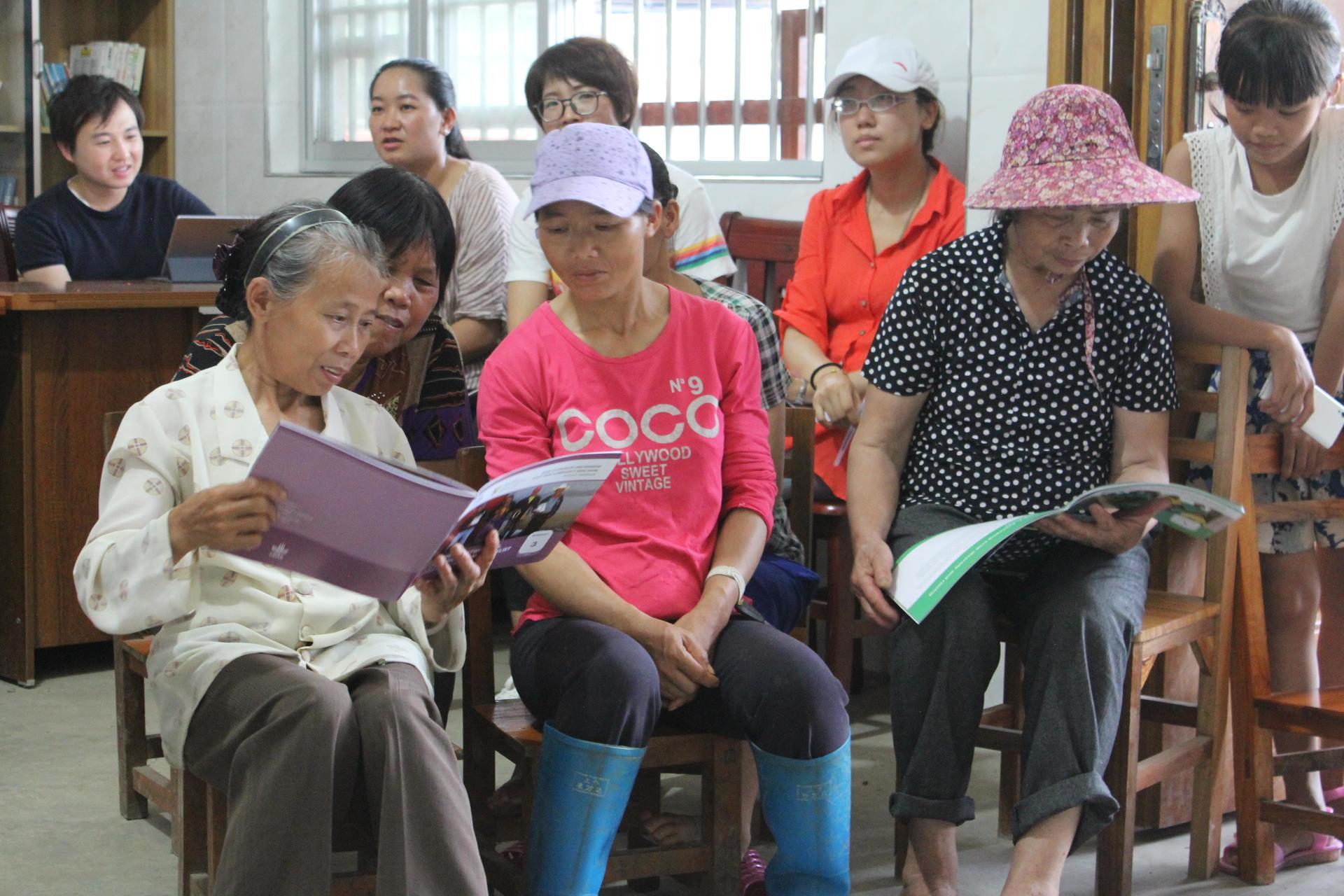
Farmers read Community Seedbank handbooks. Credit: Alliance of Bioversity and CIAT/R.Vernooy