
Discovering the World Food Map: An Interactive Atlas of Edible Biodiversity
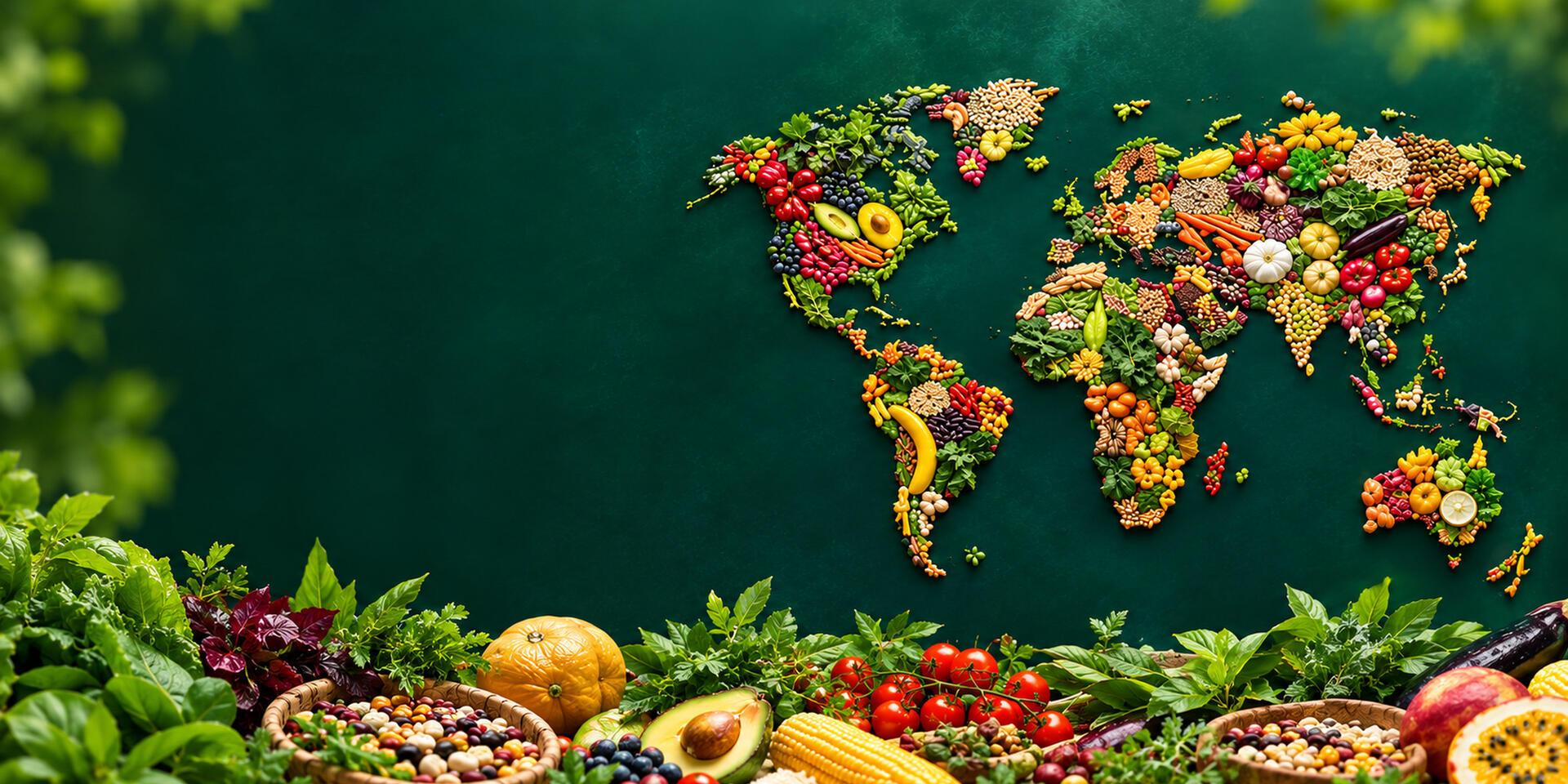
The global launch of the World Food Map, an interactive atlas of edible biodiversity, brought together researchers, practitioners, conservation specialists, and policy stakeholders from around the world to explore the connections between food biodiversity, diet quality, cultural heritage, climate resilience, and food systems transformation.
Co-hosted by the Agriculture-Nutrition Community of Practice (Ag2Nut) and the Alliance of Bioversity International and CIAT, the webinar introduced the World Food Map as a resource for connecting information about the foods people eat with the biodiversity, genetic resources, and traditional knowledge that underpin food systems. By making this information more accessible and visible, the platform aims to identify opportunities to diversify diets, support healthier food choices, and strengthen the conservation and sustainable use of edible biodiversity.
Key highlights
Introducing the World Food Map
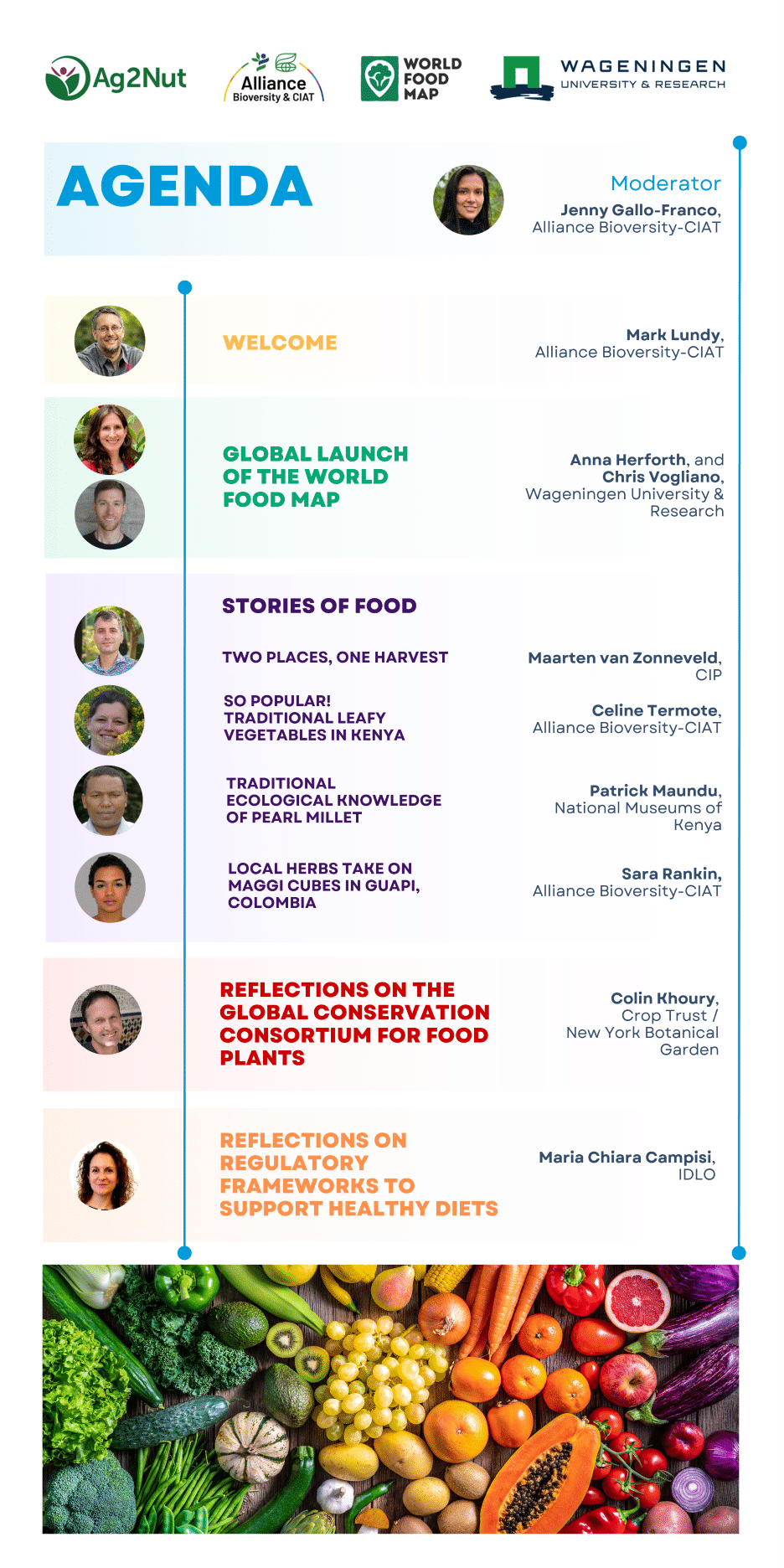
Anna Herforth and Chris Vogliano from Wageningen University & Research presented the map’s main features and data sources. At the time of the launch, the platform included information on approximately 1,700 foods and 905 species across 165 countries, alongside dietary quality indicators for almost 100 countries. It connects information on food origins and consumption patterns with genebank and botanical resources, climate suitability, and stories documenting food-related knowledge and initiatives.
The presentation highlighted significant potential to benefit from the diversity of foods available in many territories, related to the diversity reflected in people's diets. Dietary indicators reveal challenges related to minimum dietary diversity, consumption of protective foods, unhealthy food consumption, and the unaffordability of healthy diets. The map can help identify locally available, culturally relevant, nutritionally rich, and climate-resilient foods that could contribute to addressing these challenges.
Stories demonstrating the value of edible biodiversity
Four experiences illustrated how communities and organizations are conserving, promoting, and revitalizing diverse food resources:
- Potato diversity in the Andes: Maarten van Zonneveld highlighted the complementary roles of farming communities and genebanks in conserving potato diversity through cultivation, knowledge exchange, and the safeguarding of genetic resources for future needs.
- African leafy vegetables in Kenya: Céline Termote and Patrick Maundu described efforts to restore traditional vegetables to diets through seed conservation, improved production practices, stronger market connections, consumer awareness, and policy engagement. Mr. Maundu’s reflections also emphasized the cultural importance of pearl millet and its potential contribution to climate resilience.
- Chiyangua in Colombia: Sara Rankin presented the work of a local organization in Guapi to conserve Afro-Colombian food traditions through the production and promotion of a native aromatic plant used in traditional dishes. The initiative demonstrates how food heritage can support women's livelihoods and encourage demand for culturally significant ingredients.
Connecting conservation, agriculture, nutrition, and policy
Colin Khoury presented the Global Conservation Consortium for Food Plants and highlighted opportunities to strengthen collaboration between botanical gardens, agricultural research institutions, genebanks, and nutrition initiatives. The discussion reinforced the need to connect conservation efforts with the sustainable use of plant diversity and its contribution to diets.
Maria Chiara Campisi from the International Development Law Organization discussed the role of laws, policies, and regulatory and fiscal measures in creating healthier food environments, specifically through the Global Regulatory and Fiscal Capacity Building Program (Global RECAP) on healthy diets and physical activity. She emphasized the importance of evidence and capacity strengthening throughout the policy cycle.
Key messages and emerging opportunities
The webinar underscored several priorities for future action:
-
Make food biodiversity more visible: Improve documentation of locally consumed and underutilized foods, including their names, uses, cultural significance, and conservation status.
-
Connect biodiversity with diet quality: Use evidence on dietary gaps, food availability, affordability, and climate suitability to identify opportunities for diversifying diets.
-
Strengthen local food systems: Support seed systems, local markets, culinary innovation, and public food initiatives that increase the availability and consumption of diverse foods.
-
Inform policy and investment: Use reliable data and documented experiences to support decisions that connect biodiversity conservation with nutrition and healthier food environments.
-
Promote community-led documentation: Ensure that local communities help determine which foods and knowledge are documented, valued, conserved, and shared, while respecting their priorities and interests.
-
Expand the platform through collaboration: Encourage contributions of additional food data, local names, and stories from diverse regions and languages.
Audience contributions further highlighted opportunities to improve country coverage, clarify dietary indicators and data sources, strengthen links with local food practices, and explore additional food resources and applications. Participants also expressed interest in contributing their own food stories to the World Food Map, recognizing its role not only as an interactive atlas of edible biodiversity but also as a storytelling platform to document and celebrate food diversity, local knowledge, and cultural traditions from around the world.
Conclusion
The launch positioned the World Food Map as more than a data visualization tool: it is a platform for connecting evidence, people, and experiences across the food system. By bringing together information on what people eat, what they could eat, where foods originate, and how communities are working to conserve and promote them, the platform can help bridge the gap between the world's rich edible biodiversity and the need for healthier, more diverse, affordable, and climate-resilient diets.
The event concluded with an invitation to explore the platform and contribute further stories, strengthening a global community committed to recognizing, valuing, and elevating edible biodiversity.
Everyone has a story of food. Please submit yours at this link so that it can be included on the map! Share A Story of Food for the World Food Map