• English
  • Español
  • Français
  • Português
Alliance Bioversity International - CIAT

Menu

  • Inicio
  • Quiénes somos
    • Historia
    • Estrategia
    • Gobernanza
    • Finanzas
    • Científicos
    • Offices
  • Nuestro trabajo
    • Temas de investigación
      • Entorno Alimentario y Comportamiento del Consumidor
      • Paisajes Multifuncionales
      • Acción Climática
      • Agrobiodiversidad
      • Inclusión digital
      • Cultivos para la nutrición y la salud
      • Género, juventud e inclusión
    • Regiones
      • África
      • Américas
      • Asia
    • Cultivos
      • Musáceas (banano y plátano)
      • Fríjoles
      • Yuca
      • Arroz
      • Forrajes tropicales
    • extras
      • Bancos de germoplasma
      • Projects
  • Historias
  • Eventos
  • Vías de impacto
  • Publicaciones y Datos
  • Herramientas e Innovaciones
  • Informes Anuales
    • Informe Anual 2024
    • Informe Anual 2023
    • Informe Anual 2022
    • Informe Anual 2021
    • Informe Anual 2020
    • Informe Anual 2019

Secondary

  • Partners
    • Haz un regalo
  • Servicios
    • Genebanks
    • Laboratories
  • Ética
  • Vacantes
  • Licitaciones
  • Medios y prensa
  • Boletines
  • CGIAR
Cultivar árboles. Cultivar futuros. Dona ahora y planta árboles con agricultores en Kenia.
  • Inicio
  • Nuestro trabajo
  • Agrobiodiversidad

Historias

Food systems for a sustainable future – interlinkages between biodiversity and agriculture

Food systems for a sustainable future – interlinkages between biodiversity and agriculture

How much do countries benefit from one another’s crop diversity?

How much do countries benefit from one another’s crop diversity?

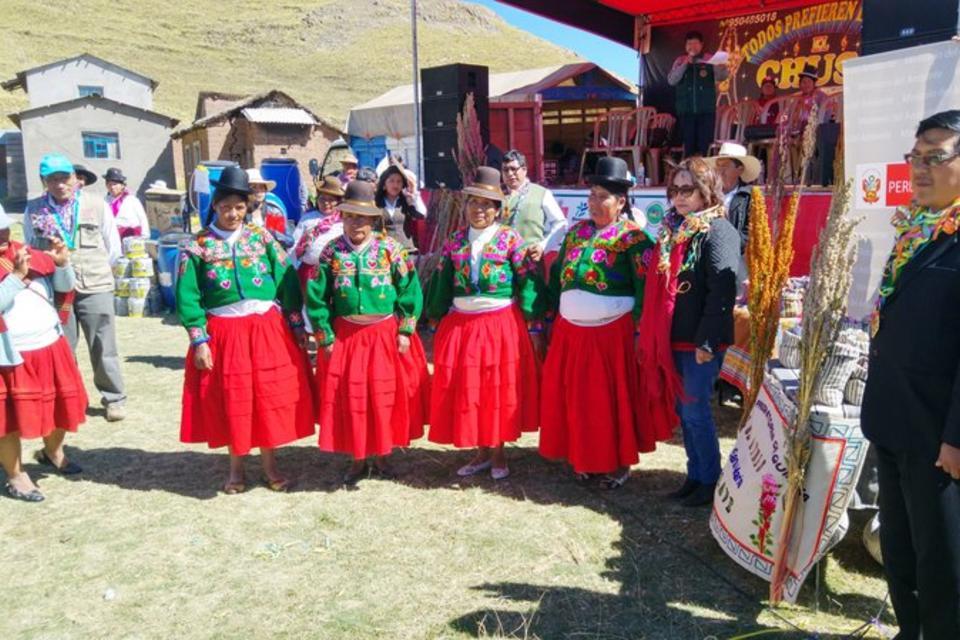
Cooperation and competition to conserve native diversity in Peru

Cooperation and competition to conserve native diversity in Peru

Cooperation and competition to conserve native diversity in Peru

La cooperación y la competencia para conservar la diversidad nativa en Perú

Brachiaria breakthrough: scientists home-in on apomixis

Brachiaria breakthrough: scientists home-in on apomixis

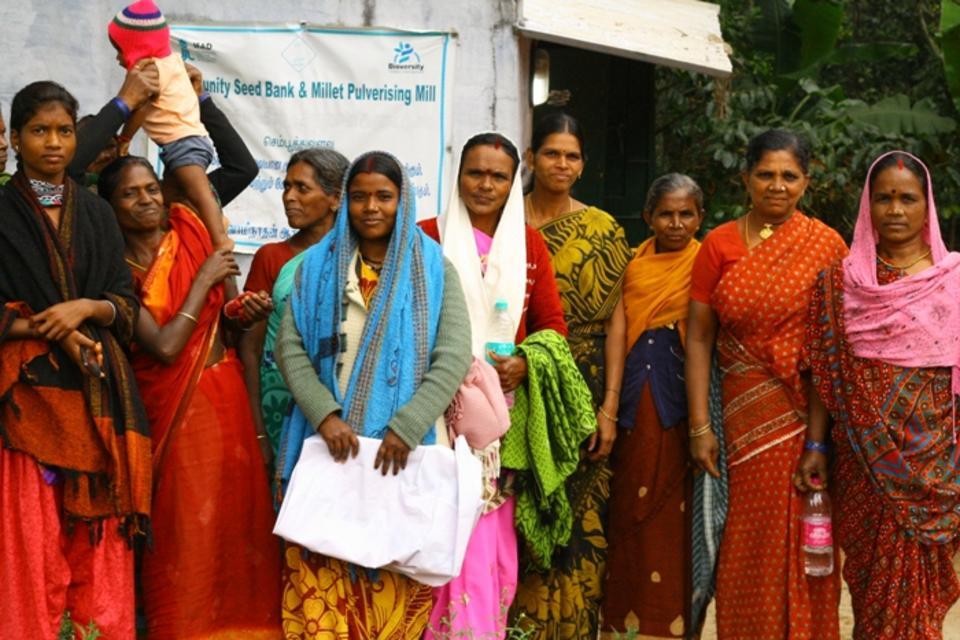
Making millets matter in Madhya Pradesh

Making millets matter in Madhya Pradesh

Fruits of labour: One year after establishing genetic garden in Bengaluru, India

Fruits of labour: One year after establishing genetic garden in Bengaluru, India

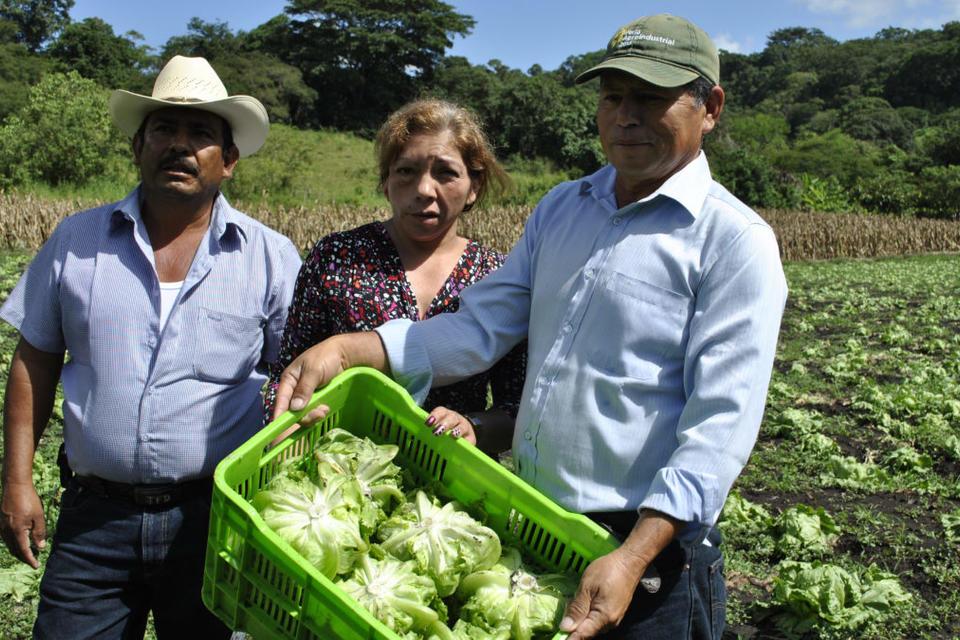
Promoting business models that benefit women and men farmers: CIAT pilots LINK methodology with gender lens

Promoting business models that benefit women and men farmers: CIAT pilots LINK methodology with gender lens
Putting biodiversity back on the menu in Brazil

Putting biodiversity back on the menu in Brazil

Corpoica and CIAT: committed to developing a better seed collection management system

Corpoica and CIAT: committed to developing a better seed collection management system

Biofortification scientists win the World Food Prize

Científicos de biofortificación ganan el Premio Mundial de la Alimentación

Biofortification scientists win the World Food Prize

Biofortification scientists win the World Food Prize

Capturing crop wild relative and landrace diversity

Capturing crop wild relative and landrace diversity

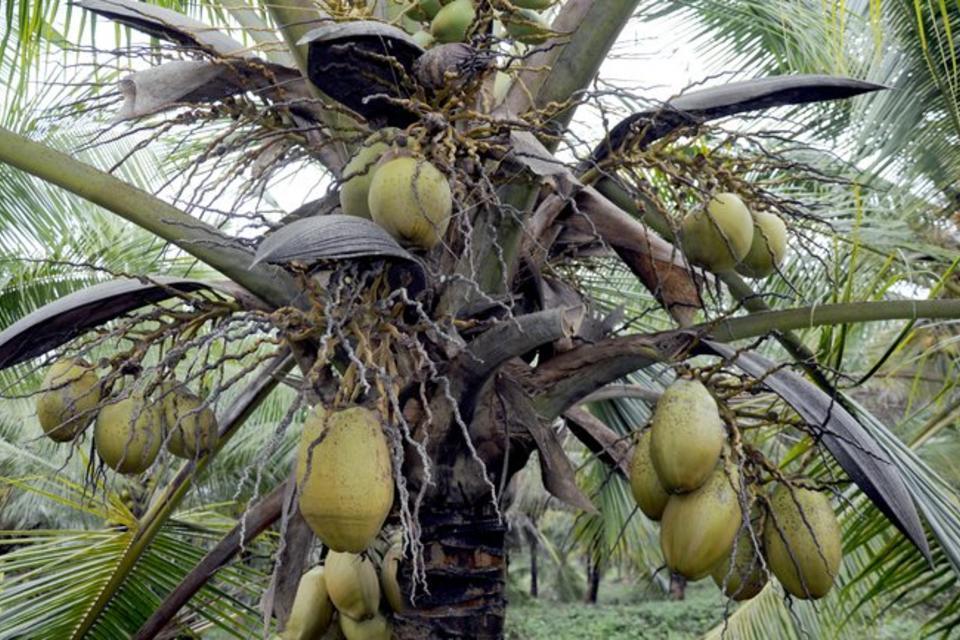
Saving the Pacific’s coconuts

Saving the Pacific’s coconuts

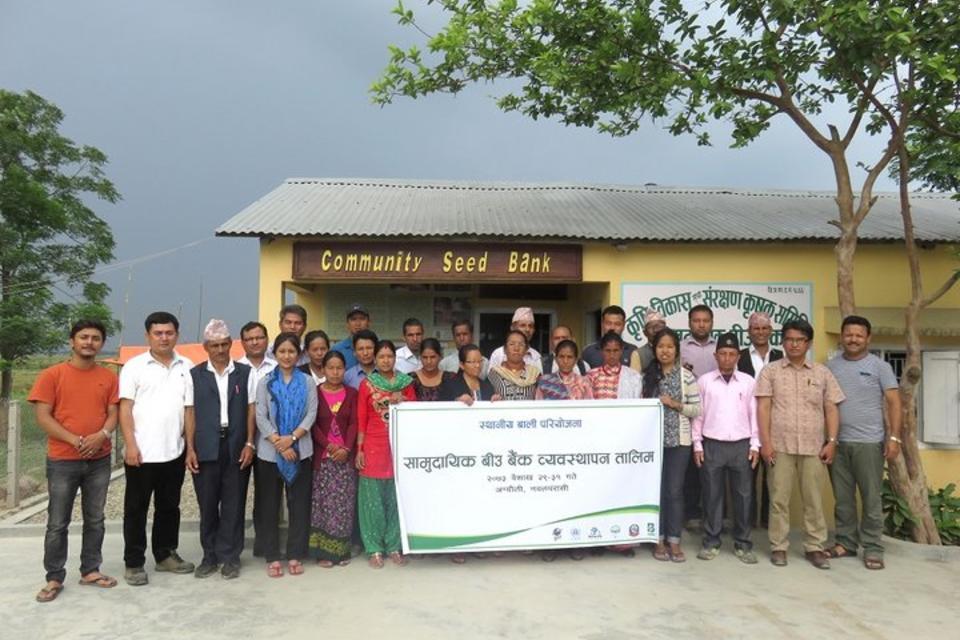
Farmers get to work to establish vital community seedbanks in Nepal

Farmers get to work to establish vital community seedbanks in Nepal

Pagination

  • First page « Primero
  • Previous page ‹‹
  • …
  • Página 27
  • Página 28
  • Página 29
  • Página 30
  • Página actual 31
  • Página 32
  • Página 33
  • Página 34
  • Página 35
  • …
  • Next page ››
  • Last page Último »

La Alianza de Bioversity International y el CIAT forma parte de CGIAR, un consorcio mundial de investigación para un futuro sin hambre

Contacto

Sede Principal de la Alianza
Dirección: Via di San Domenico, 1, 00153 Roma, Italia

Teléfono: (+39) 0661181
Fax: (+39) 0661979661


Info Legal

Nuestros centros
Nuestra política de privacidad

SÍGUENOS

Inglés | Español

Inglés | Español

Inglés

Inglés | Español

Inglés | Español

Inglés

Inglés y Español