From the Field Empowering women in eastern DRC through threshing machines and less labor-intensive harvests
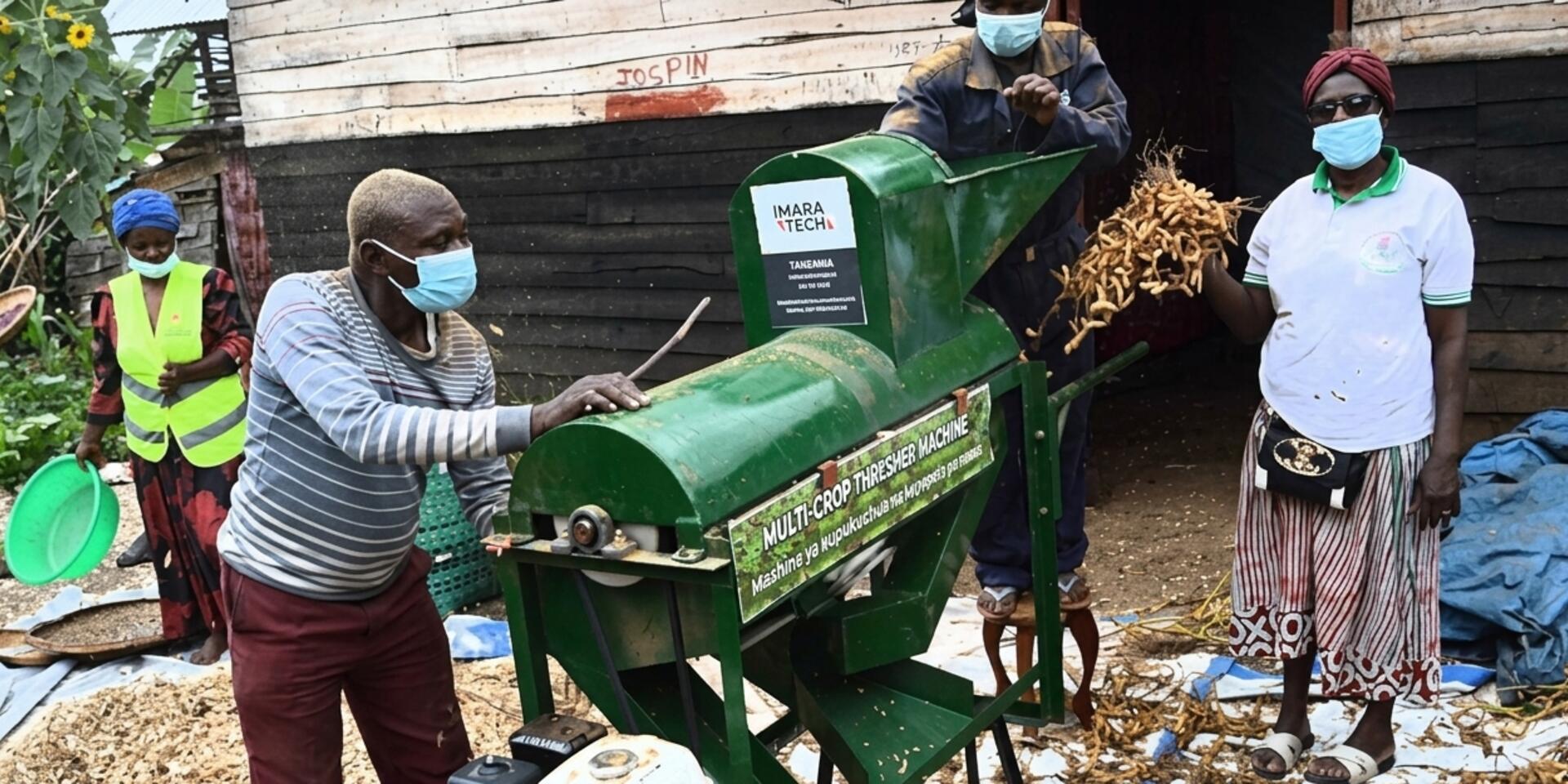

Through the Beans for Women Empowerment project, 100 multi-crop threshing machines are empowering women farmers in Eastern DRC’s three provinces by reducing labor, cutting post-harvest costs and strengthening livelihoods, incomes and community cooperation.
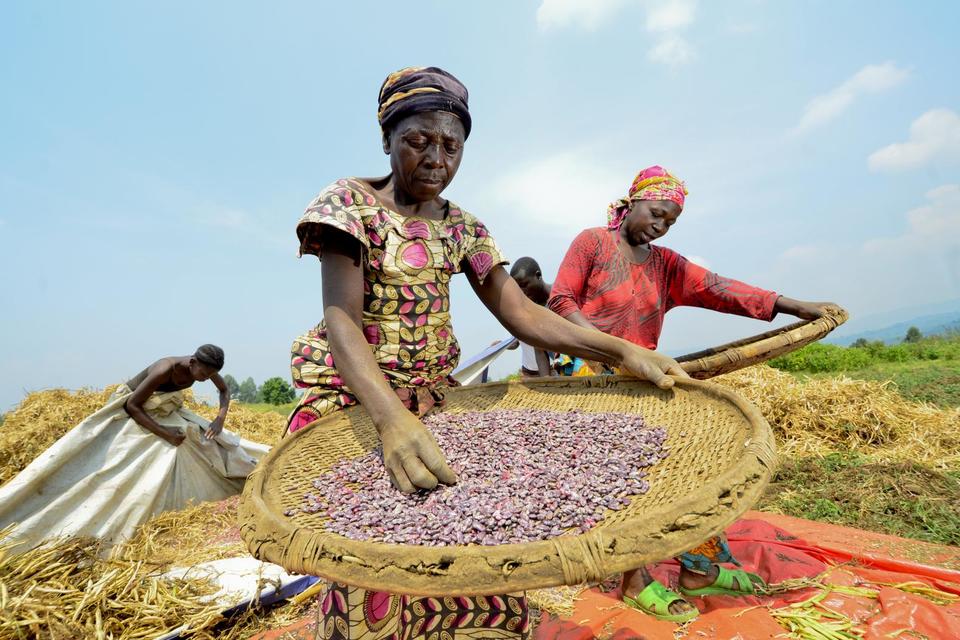
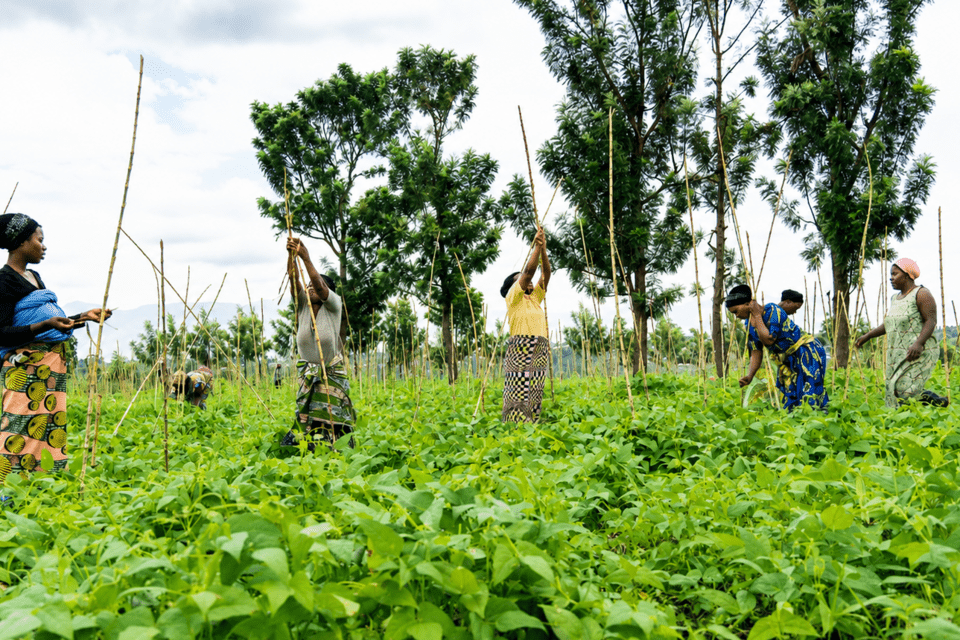
Since time immemorial, harvest season for women farmers in Kabare Territory, in eastern Democratic Republic of Congo (DRC) meant long hours of exhausting work, money spent on hired labor and, sometimes, borrowing to get the harvest ready for market. Threshing beans, maize, soybeans and other crops by hand is physically demanding and time-consuming. Paying someone to do the work offers some relief, but at a cost many women struggle to afford.
Julienne, a member of the Umoja cooperative:
“For 100 kilograms of grain, we pay $10, and it takes at least four hours,” As the years pass, the work becomes even harder. “We’ve always done this; we have no choice. Now we’re harvesting, our strength is waning with age. We need to hire labor, young boys to help us thresh the beans. We were forced to borrow money for this and, unfortunately, what we’re going to harvest will not give us enough money to repay it,”
For Julienne and many other women, the challenge has been finding a way to make their harvests pay without exhausting their bodies or stretching their finances. Now, a simple piece of agricultural equipment is helping change that reality. Through the Beans for Women Empowerment (B4WE) Project, 100 multi-crop threshing machines have been provided to producer organizations to reduce the physical burden of post-harvest activities and strengthen bean production. B4WE bought the machines from Imara Tech in Tanzania and that each cooperative contributed 20% of the purchase price. The initiative reached 78 cooperatives across three provinces: 35 in South Kivu, 34 in North Kivu and nine in Tanganyika. Project figures indicate that 42,845 people have benefited, including 29,962 women and 12,523 men.
The machines can thresh between 500 and 800 kilograms of crops using just one liter of fuel, significantly reducing the time and labor required compared with traditional methods. They can also process a variety of crops, including beans, maize, rice, sunflower, wheat, soybeans, groundnuts and sorghum.
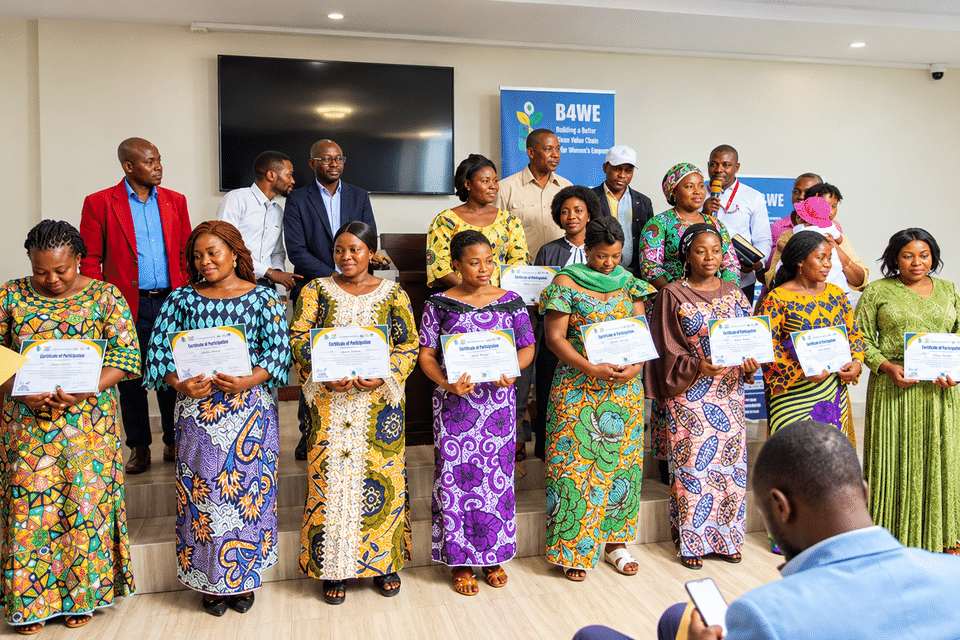
For Marie Totoro, from Musuzangabo in Miti, the benefits go beyond efficiency. The training provided through the project has enabled women to operate the machines themselves, challenging the perception that such equipment is primarily men’s responsibility.