Blog Rooted in community, growing through partnerships: Climate-smart villages in West Africa and the Sahel
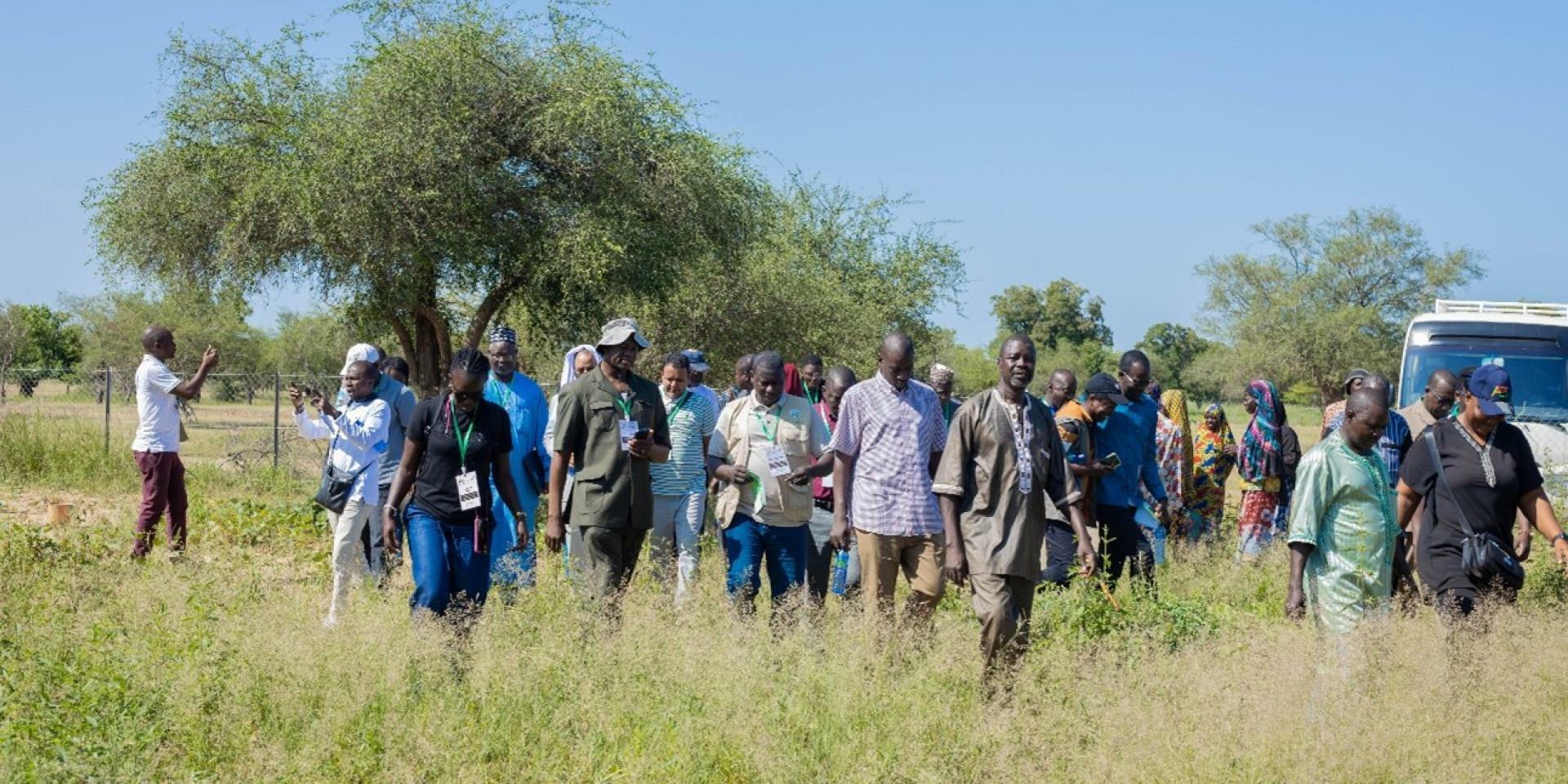

Through a regional capacity-building initiative through AICCRA, more than 100 stakeholders across West Africa and the Sahel have been trained on the climate-smart villages (CSV) approach.
Across West Africa and the Sahel, climate conditions – and the livelihoods that depend on them – are becoming increasingly uncertain. Rainy seasons arrive late, end early, or sometimes fail completely. Once predictable weather patterns now shift between droughts and floods, leaving millions of smallholder farmers struggling to adapt. For them, each failed harvest threatens not only food security and income, but also the stability of their communities.
Amid these challenges, a proven solution continues to take root and grow: climate-smart villages (CSV).
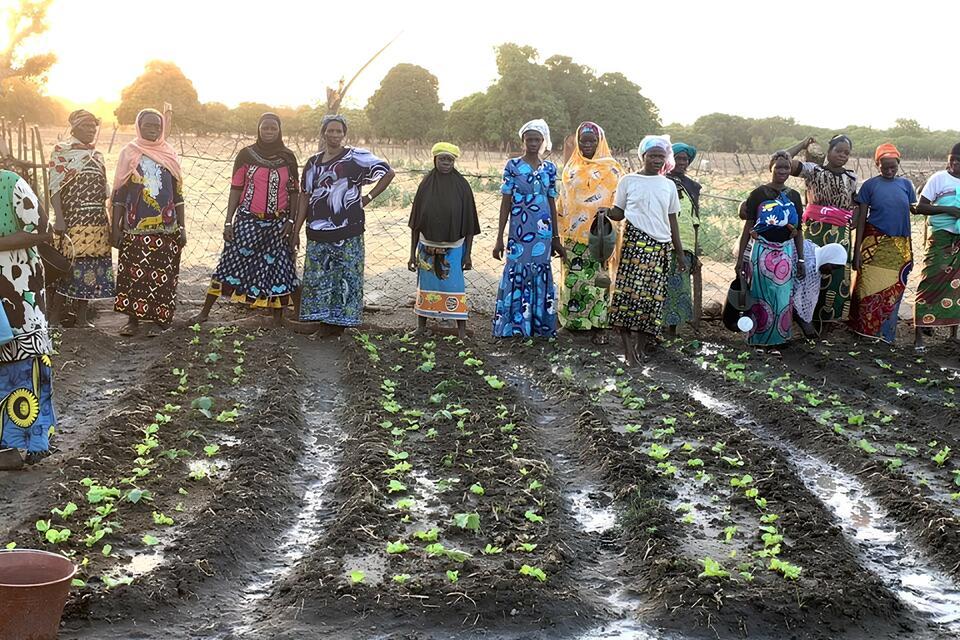
Originally developed under the CGIAR Research Program on Climate Change, Agriculture and Food Security (CCAFS), the CSV approach transforms rural villages into living laboratories. Here, farmers, researchers, and local institutions co-create and test innovations adapted to real-world conditions.
By combining scientific evidence with farmers’ knowledge, the approach helps increase productivity, strengthen resilience, and lower emissions, while ensuring communities remain at the center of decision-making.
“Climate-smart villages promote collaboration with communities, research partners, and extension services. Their decentralized structure and engagement with the private sector mean more innovations reach communities trying to adapt to climate change,” explains Robert Zougmoré, AICCRA Director and Alliance Scientist.

Robert B. Zougmoré
Director, AICCRAResponding to regional demand for CSV capacity
Across West Africa and other climate-change hotspots, climate-smart villages have been implemented as community-led platforms where tailored portfolios of climate-smart technologies, climate information services, and institutional innovations are tested and refined. Early CSV experiences across Africa and Asia showed improvements in farm productivity, stronger resilience to climate variability, and enhanced farmer capacity to manage climate risks, with several approaches informing extension practices and policy discussions beyond pilot sites.
As evidence of CSV success grew, so did demand.
Regional actors, particularly the West and Central African Council for Agricultural Research and Development (CORAF) and the Institut du Sahel (INSAH), recognizing that the CSV approach offers more than community-level impact requested support to scale it across the region. In response, through AICCRA’s partnerships in the region, the Alliance of Bioversity International and CIAT provided strategic backing to launch capacity-strengthening initiatives. These activities targeted the actors best positioned to embed the CSV approach in policies, research, and extension.
The first breakthrough came through a collaboration with CORAF also involving the AGRHYMET Regional Center and the World Bank’s West Africa Food System Resilience Program (FSRP).
A regional workshop in Bamako, Mali brought together 42 practitioners (25 percent women) including extensionists, meteorologists, and hydrologists from across FSRP countries.
Guided by technical experts/Alliance scientists like Robert Zougmoré, AICCRA Director and Alcade Segnon, Science Officer for AICCRA in West Africa, participants deepened their understanding of CSV foundations, explored pathways to integrate climate information services, and redefined CSA through a gender-inclusive lens.
“This workshop marks an important step in empowering stakeholders across West Africa and the Sahel to adopt the climate-smart village approach. By doing so, we are not just addressing immediate climate challenges, but we are also promoting inclusive solutions to support livelihoods,” affirmed Lamien Nieyidouba, CORAF Programs Manager and AICCRA focal point.