Blog APFORGEN pushes for bolstered regional collaboration for resilient, inclusive forests
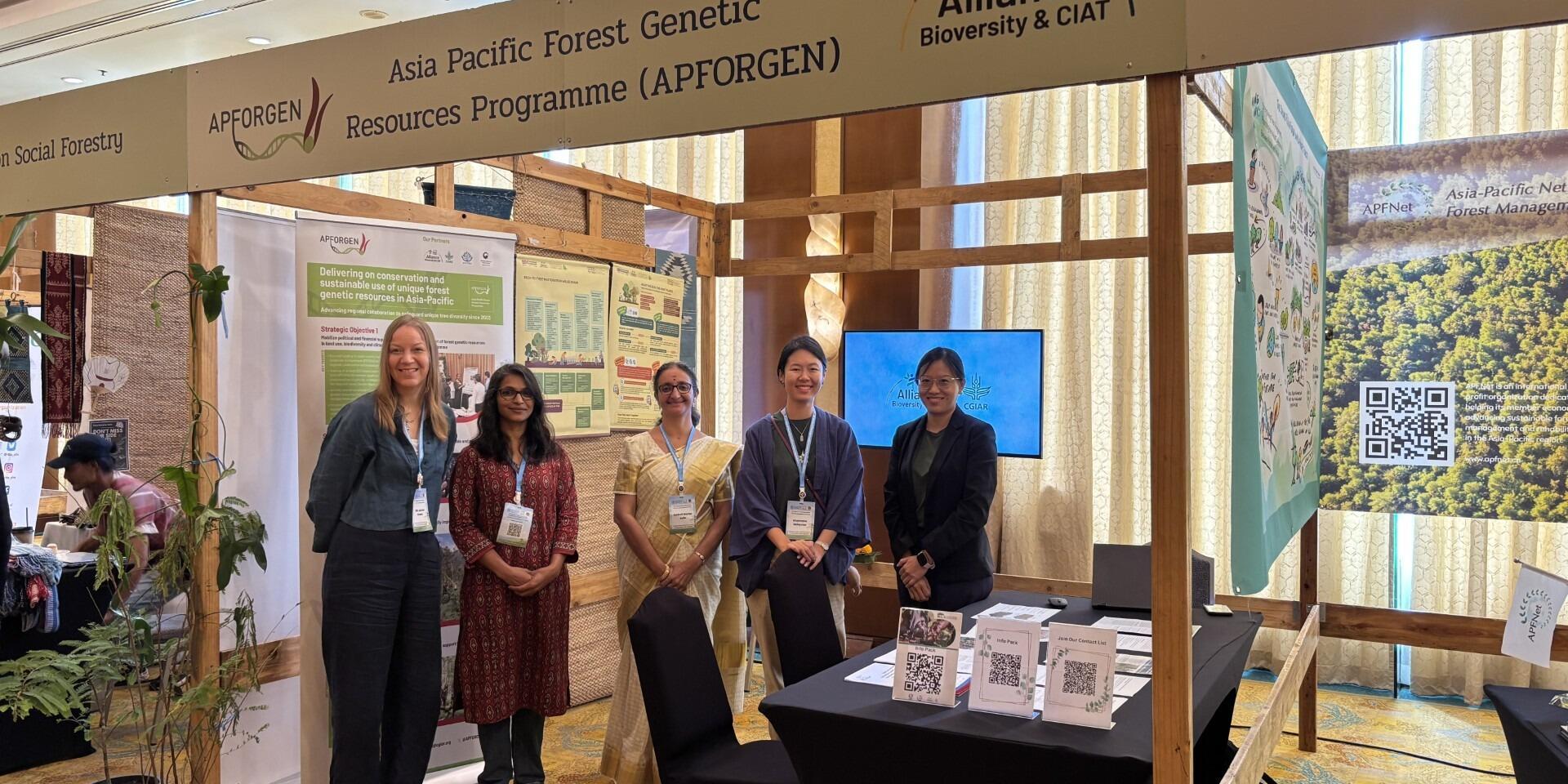

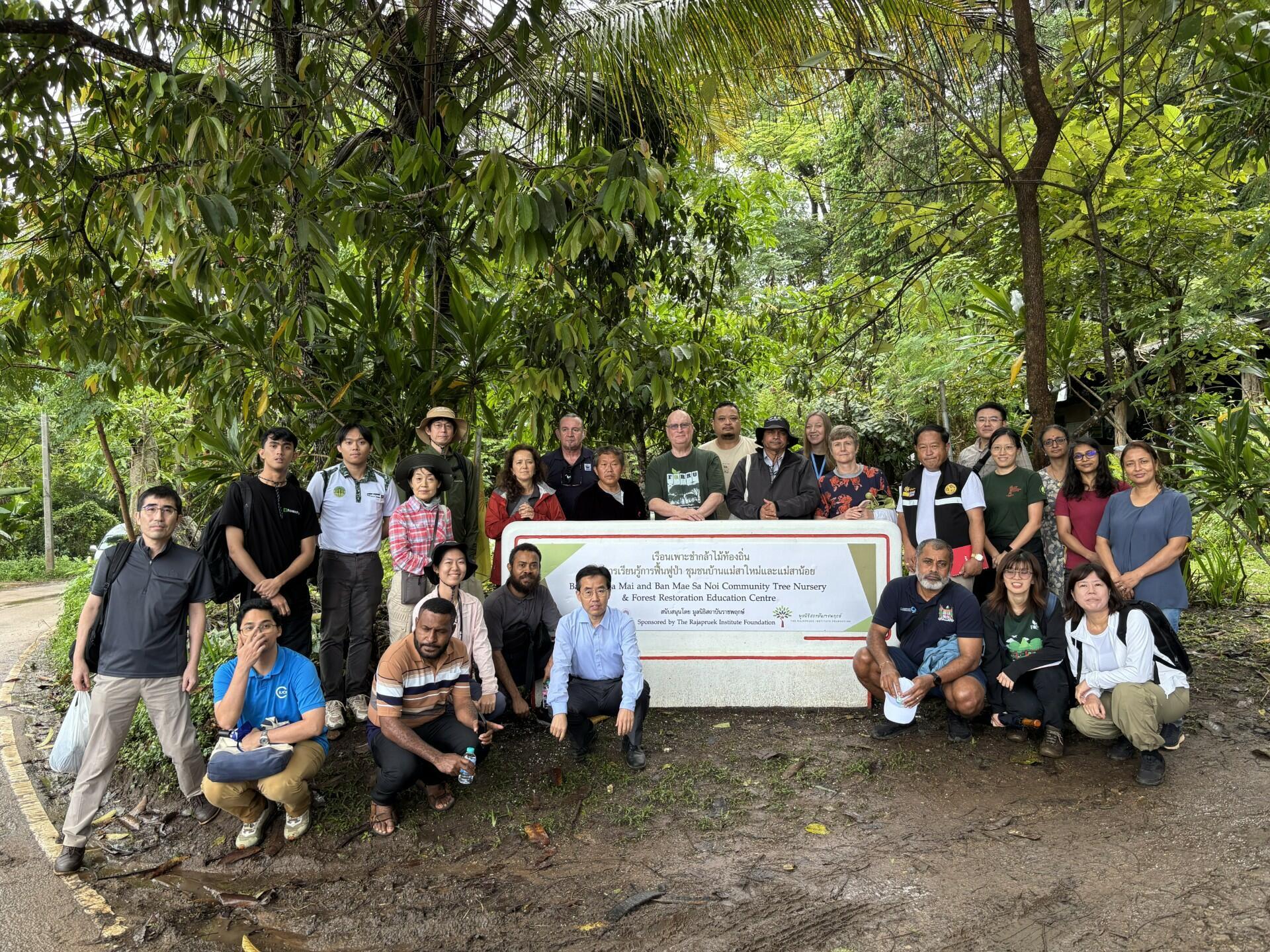
At this year’s Asia-Pacific Forestry Week in Thailand, Alliance experts - through the regional network APFORGEN - called on government leaders, development partners and restoration practitioners to focus on strengthening tree seed systems to transform healthier forests that feed the future.
The Asia-Pacific Forest Genetic Resources Programme (APFORGEN), supported by the Alliance of Bioversity International and CIAT, recently unveiled its six-point priority action plan to scale up efforts toward strengthening tree seed systems for resilient and inclusive forest restoration across the region.
During the 31st Session of the Asia-Pacific Forestry Commission (APFC) on 4–7 November in Chiang Mai, Thailand, the regional network developed its latest call to action in consultation with forestry experts to urge government leaders, development partners, and restoration practitioners to prioritize strengthening tree seed systems as a foundation for achieving national and regional goals on forest restoration, biodiversity conservation, and sustainable livelihoods.
“Healthy forests start with healthy seed systems. Investing in the right seed today means investing in resilient forests, communities, and economies tomorrow,” said Alliance Scientist and APFORGEN Convener Riina Jalonen.
To achieve healthy, biodiverse and productive forests that can thrive under changing environmental conditions while ensuring local actions align with Kunming–Montreal Global Biodiversity Framework targets, APFORGEN calls for the following:
- Invest in the development of seed zone maps and decision-support tools that guide species and provenance selection for restoration under current and future climates;
- Support the development and use of evidence-based species selection frameworks to match local restoration objectives with the right species and genetic diversity;
- Establish and maintain public registries of seed sources and suppliers to improve access to seed, transparency, and quality assurance;
- Enable community participation through accessible mechanisms to register seed sources on private and communal lands, and to strengthen seed producer networks and value chains;
- Promote supportive policy and legislative frameworks that create demand for quality native seed through restoration regulations, seed quality standards, and public procurement policies;
- Foster regional collaboration on research, digital innovation, and capacity building on tree seed systems, to accelerate learning and delivery of restoration targets.
Innovations for healthier forests
At the sidelines of the weeklong APFC, the Alliance showcased new innovations and practical approaches for integrating biodiversity considerations in forest restoration design. With representatives from 15 countries, the one-hour session shared experiences on digital tools, restoration models, and community-driven solutions throughout Asia and the Pacific.
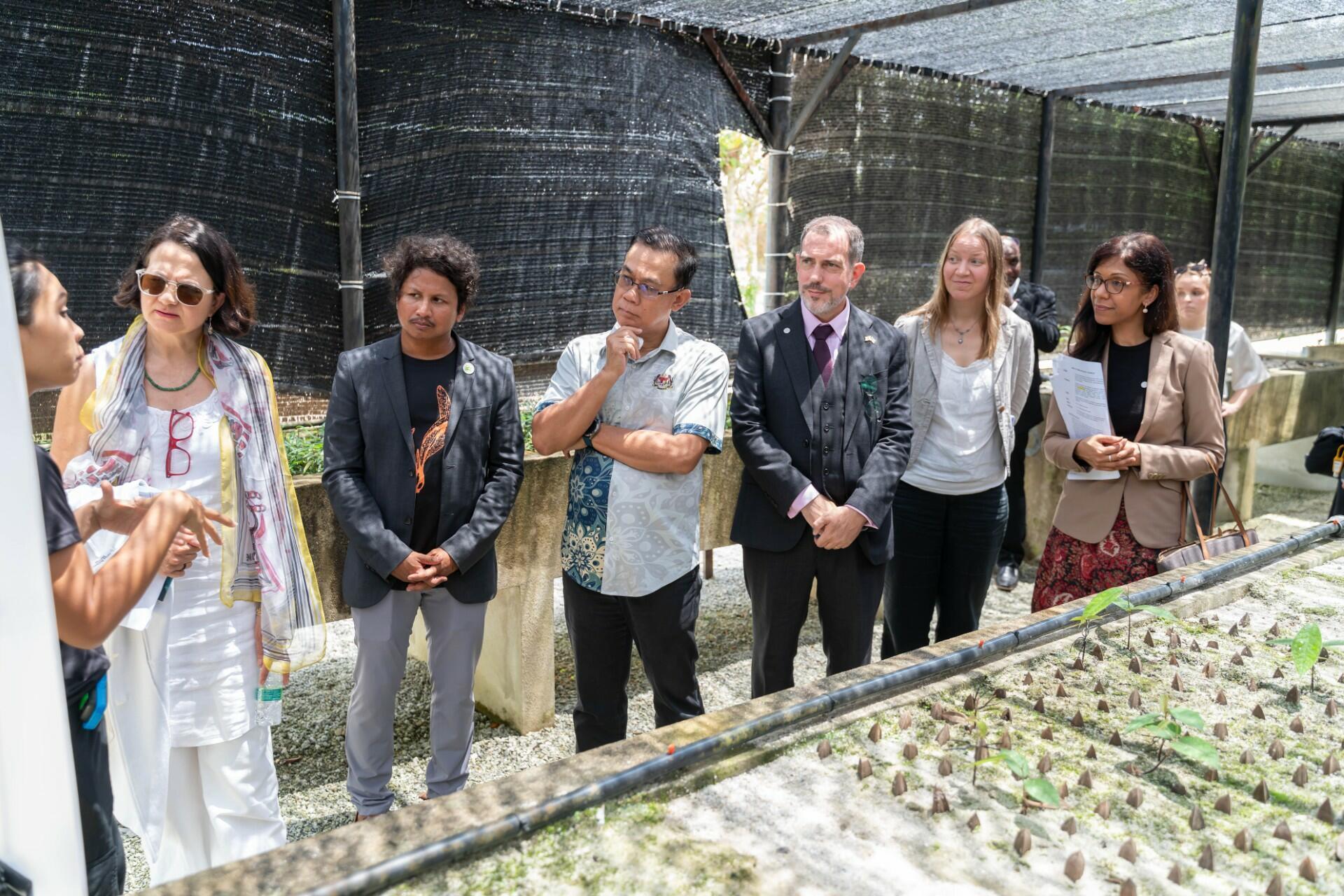
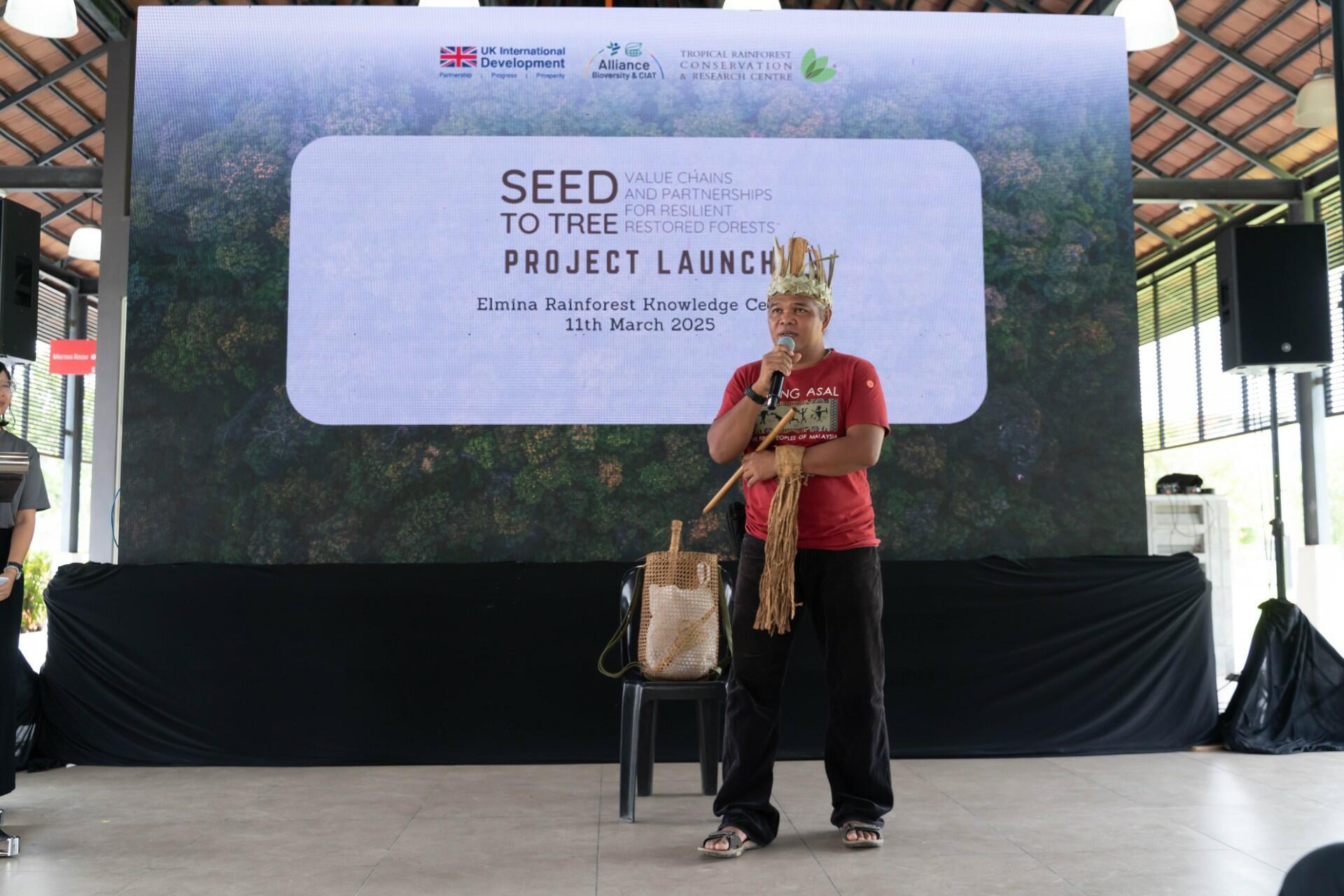
In Malaysia, the Alliance and the Tropical Rainforest Conservation and Research Center (TRCRC) are working closely with Indigenous peoples in Perak to enhance sustainable livelihoods in forest conservation and ecosystem restoration while contributing to long-term environmental sustainability. By deploying My Farm Trees, the collaboration supports the participation of Temiar people in seed value chains as producers of quality native tree seeds and seedlings crucial to meeting the objectives of forest restoration projects across the country.
Both decision support tools used in Malaysia align with the Strategic Plan of Action for ASEAN Cooperation on Forestry. Lessons from Malaysia will be used to scale up the initiative across neighboring Southeast Asian nations, with work in Thailand and Indonesia already underway.

Accelerating restoration efforts
Through its network of regional experts, APFORGEN continues to work with partners in gathering insights and experiences on how strong seed systems help turn restoration pledges into lasting impacts on the ground.
For Jalonen, amplifying successful cases of impact will inspire regional collaboration to further accelerate forest and landscape restoration efforts in Asia and the Pacific region.
The work in Malaysia and Thailand is supported by the UK Mission to ASEAN as part of the project Seed to Tree: Value Chains and Partnerships for Resilient Forest Restoration.
The work in Indonesia is supported by the UK Global Centre on Biodiversity for Climate, through the project Benefits of Biodiverse Restoration for Ecosystems and Livelihoods in Borneo, led by the Royal Botanic Garden Edinburgh.